Spec. Dt. Gökcan ErtaşOrthodontist
 Dt. Sena KırcaDentist
 Dt. Sevinç Cansu KayıranDentist
 Assoc. Prof. Dr. Sezin ÖzerPediatric Dentist
 Spec. Dt. Sude Yıldırım BolatSpecialist in Periodontology
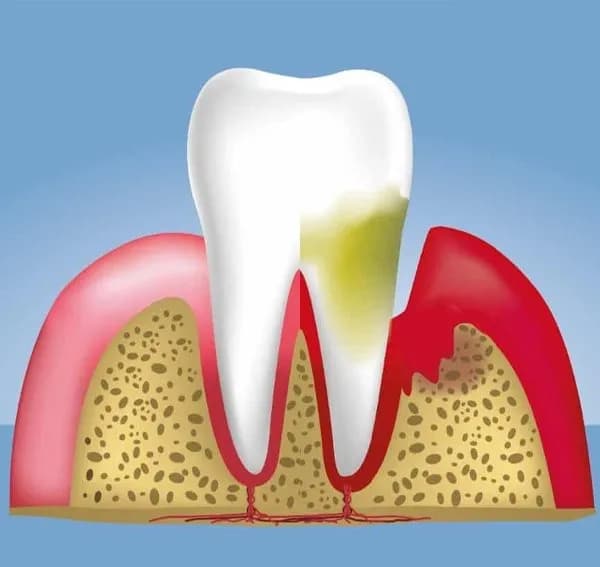
Gingivitis (gum inflammation) is the first stage of gum disease. Its common symptoms include tenderness and redness of the gums. It develops when plaque that accumulates on the gums over time is not cleaned away, and this plaque allows bacteria to multiply. For this reason, when tenderness and redness appear in the gums, a specialist should be consulted and the condition treated before the disease progresses.
Some medications can cause the gums to bleed as a side effect. Blood thinners in particular make it harder for blood to clot and will therefore make gum bleeding easier. To prevent this problem, medications should be taken under a specialist's supervision, and gentler oral care products should be preferred by these individuals.
Changing the oral care products you use can also cause gum bleeding. Departing from your daily routine in oral cleaning sometimes causes the gums to bleed; in such cases, it may be necessary to see a specialist and return to the previous routine.
Hormonal changes during pregnancy can cause gum sensitivity. Because of increased blood flow to the gums, bleeding may occur during dental care.
Not paying enough attention to oral care is the main cause of gum disease and, consequently, of gum bleeding. Oral health can only be maintained with regular daily oral care. For this reason, teeth should be brushed at least twice a day, dental floss should be used, and the tongue should be cleaned.
Unhealthy eating is another factor that can lead to gum bleeding. Some ingredients found in processed foods can irritate the gums and cause sensitivity. Vitamin and mineral deficiencies also have a considerable effect on the deterioration of oral and dental health. For this reason, adequate and balanced nutrition should be given due care.
Just as the stress brought by modern life can lead to many illnesses, it can also pave the way for oral diseases. Stress can impair blood vessel health and weaken the immune system. As a result, oral health can deteriorate and gum bleeding can occur.
In diseases that affect the blood system, such as leukemia, the first symptom can be bleeding of the gums. Gum bleeding is important in the early diagnosis of such diseases. It is a matter that must be discussed with a dentist.
What are the causes of gum bleeding?
Not only gum-related conditions but many illnesses can cause gum bleeding. The most commonly seen causes of gum bleeding are as follows:
Frequently Asked Questions
Is gum bleeding caused by a vitamin deficiency?
Usually not. The most common cause of gum bleeding is gingivitis resulting from plaque and tartar that build up along the gum line. Vitamin C and K deficiencies in particular can be a factor that increases bleeding; however, in most cases the main problem is oral hygiene and tartar. The true cause of the bleeding can only be clarified through an evaluation by a dentist.
Should you keep brushing a bleeding area?
Yes, it is important to keep gently brushing the bleeding area. Stopping brushing increases plaque build-up and feeds the inflammation, making the bleeding even worse. Cleaning should be continued with a soft-bristled brush, gentle motions and the correct technique. If the bleeding does not stop within a few weeks, you should see a periodontology specialist.
Is gum bleeding during pregnancy normal?
It is usually a common occurrence. Hormonal changes during pregnancy make the gums more sensitive to plaque bacteria and can lead to a condition called pregnancy gingivitis. Even so, this bleeding should be taken seriously, regular oral care should be maintained, and dental check-ups should not be neglected. Be sure to consult your dentist about gum health during pregnancy.
About this contentSources and health informationSources
You can review the professional guidelines and patient information resources related to this page below.
- What is periodontitis?Accessed: 5 September 2026
Medical Information
This content is for general information. It does not replace an examination, diagnosis or individual treatment plan. Consult your dentist for diagnosis and treatment.
Contact our clinic to arrange a convenient appointment time.
Book an Appointment