

 Spec. Dt. Gökcan ErtaşOrthodontist
 Dt. Sena KırcaDentist
 Dt. Sevinç Cansu KayıranDentist
 Assoc. Prof. Dr. Sezin ÖzerPediatric Dentist
 Spec. Dt. Sude Yıldırım BolatSpecialist in Periodontology
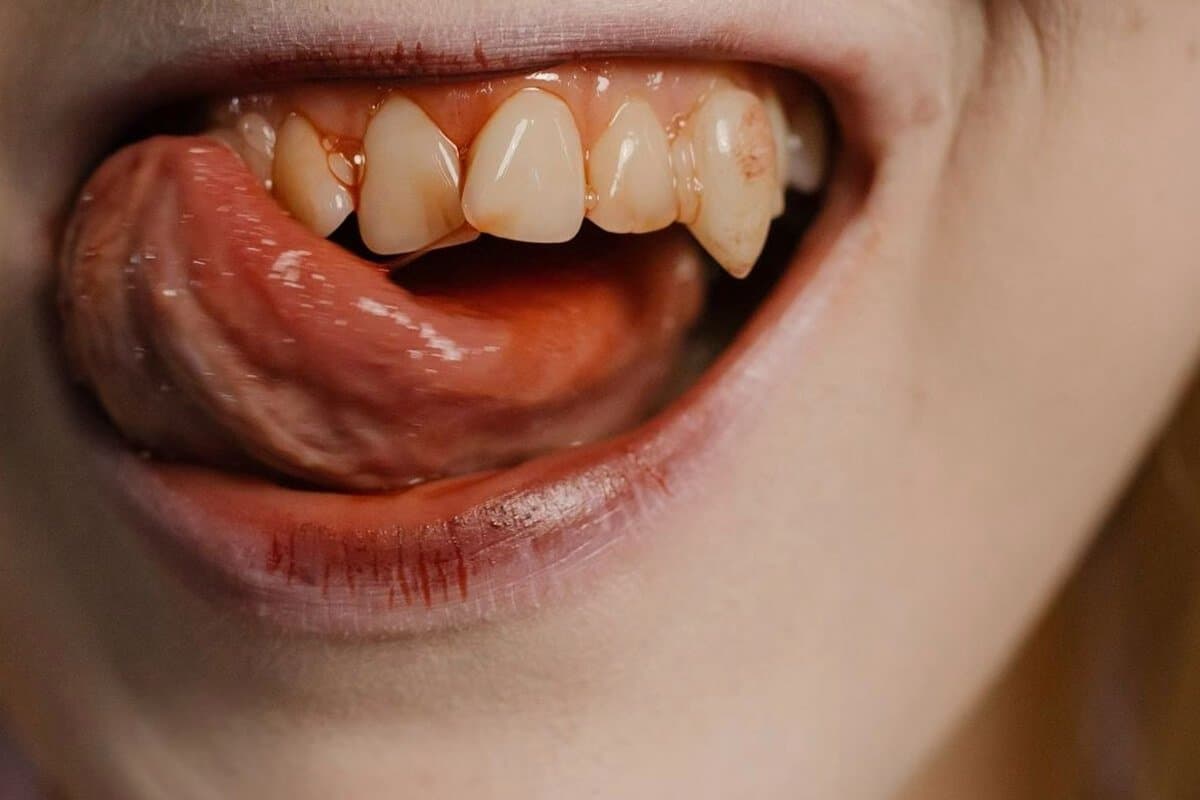
Root planing in Samsun (curettage) is a professional intraoral procedure aimed at treating periodontitis (advanced gum disease) by cleaning infected tissue and hard tartar deposits below the gumline. It is performed by dentists experienced in periodontology to bring gum infection, one of the major causes of tooth loss, under control.
This procedure is preferred in cases where surface cleaning alone is not enough and the gum pockets have deepened. Smoothing the root surface makes it harder for bacteria to reattach and supports the gums in firmly reattaching to the tooth. In this way, the spread of the existing infection is slowed and the tissues that support the teeth are helped to be preserved.
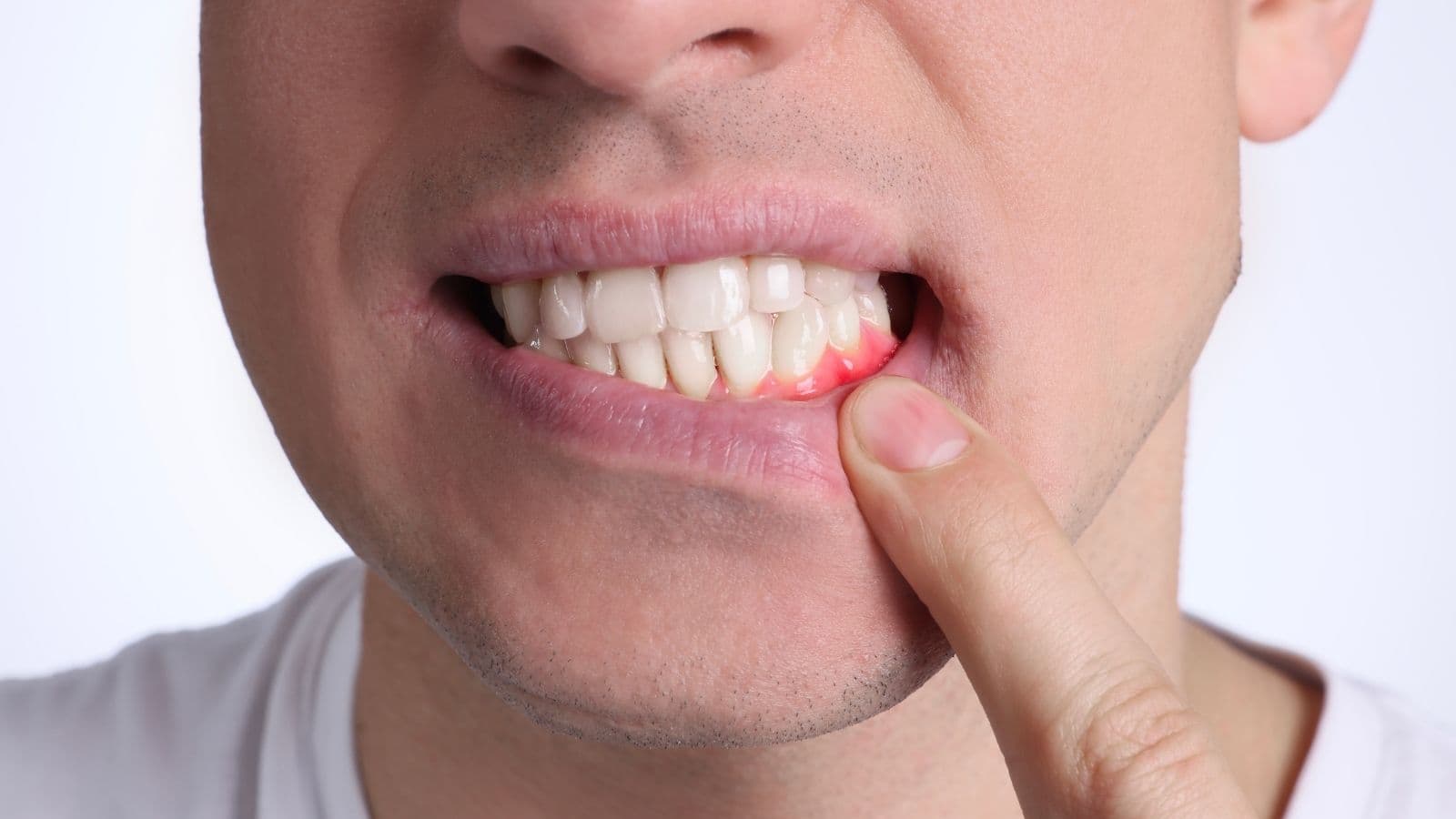
Signs such as bleeding gums, bad breath, loose teeth, or receding gums are often a harbinger of an advanced gum problem. In such complaints, early evaluation directly affects treatment success. At Dental Prime, every patient first undergoes a detailed intraoral examination; the treatment plan is determined individually according to the severity of the disease and the number of affected areas.
Why Is Root Planing Treatment Necessary?
Gum diseases progress silently at first and often deepen without causing pain. When superficial tartar removal is not enough, bacteria and inflamed tissue accumulating in the pockets below the gumline begin to destroy the structures that support the tooth. Root planing is a fundamental treatment step aimed at stopping this destruction and protecting the tissues that hold the teeth in place.
Periodontitis
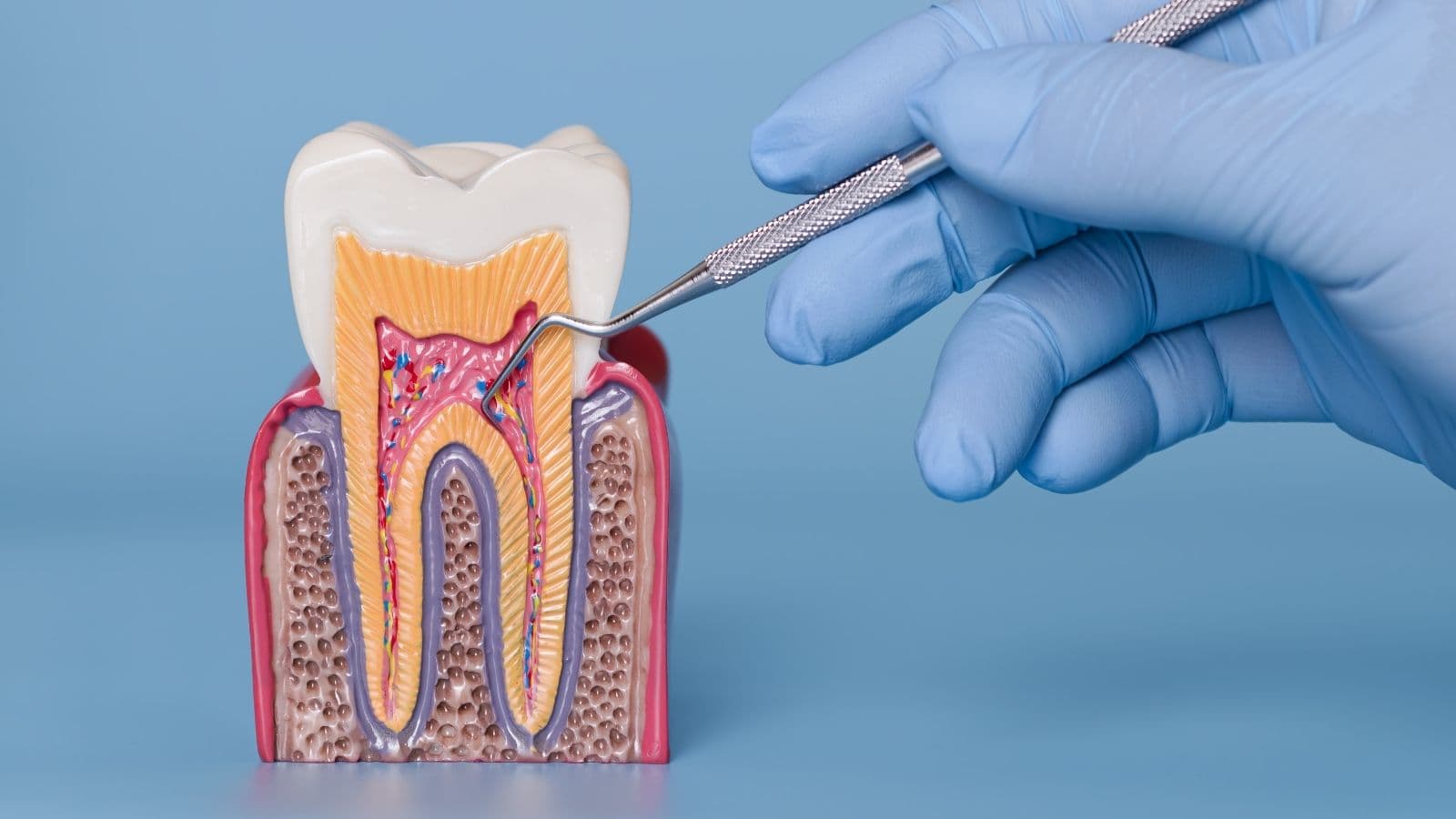
Periodontitis is an advanced gum disease that arises when gum inflammation (gingivitis) progresses without treatment, affecting the supporting tissues surrounding the tooth and the underlying bone. At this stage, deep pockets form between the gum and the tooth; bacterial plaque and tartar accumulate inside these pockets.
Since it is not possible to reach these deposits inside the pocket with surface cleaning, root planing (subgingival cleaning) comes into play. The procedure helps reduce pocket depth and bring inflammation under control. Proper management of periodontitis is only possible under the supervision of a dentist experienced in periodontology and with regular follow-up.
Periodontitis generally progresses in several stages, and the severity of symptoms can differ at each stage. In the early period, bleeding gums and mild swelling are in the foreground, while in later stages findings such as increased pocket depth, receding gums, and tooth mobility may be added. Determining the stage of the disease directly affects the scope of the treatment to be applied. For this reason, the measurements and evaluation at the diagnosis stage form the basis of the treatment plan.
Risk of Tooth Loss
Advanced gum disease is one of the most common causes of tooth loss in adults. As the bone and connective tissue that support the tooth are damaged over time, teeth first begin to loosen slightly and then lose their function. If this process goes unnoticed, it can threaten more than one tooth at the same time.
By slowing the progression of the infection, root planing helps teeth stay healthy in the mouth for longer. When applied in the early stage, the likelihood of bringing the disease under control without the need for advanced surgical treatments increases. However, results can vary from patient to patient and require regular care.
Consequences of Leaving Gum Infection Untreated
An untreated gum infection does not stay only in the mouth; over time it can lead to receding gums, persistent bad breath, difficulty chewing, and aesthetic loss. When the inflammation becomes chronic, the pockets deepen further and treatment becomes more difficult.
It is known that oral health is closely related to general health. For this reason, it is important not to neglect gum complaints and to see a dentist when symptoms are first noticed. Early intervention both shortens treatment time and increases the chance of preserving the tissues.
As the infection progresses, treatment options may also narrow. In advanced cases where surface cleaning and root planing alone are not enough, additional approaches may come into play to restore gum health. This both lengthens the treatment process and can turn it into a more tiring one for the patient. Root planing performed in the early stage, on the other hand, often lays the groundwork for bringing the disease under control with less intervention.
Root Planing Treatment Process
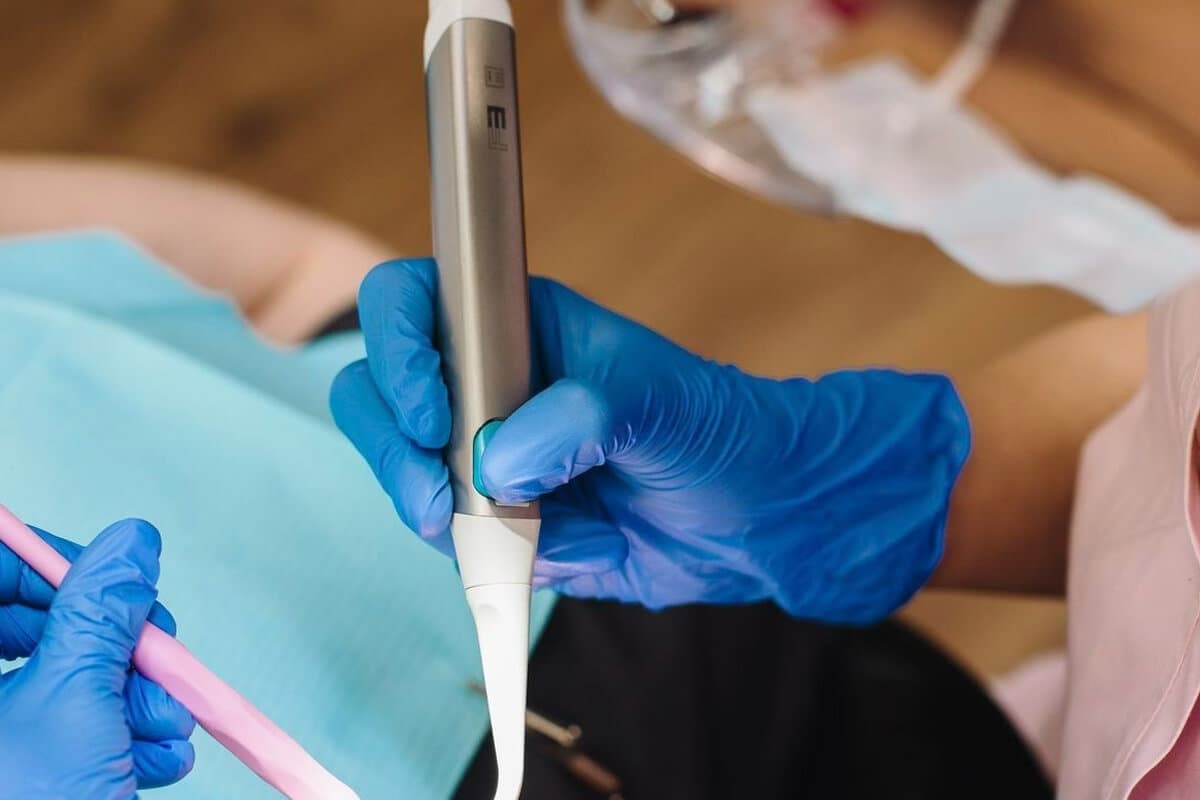
Root planing is a treatment made up of planned and controlled stages. The process begins with a detailed examination and, when necessary, imaging; it is carried out in one or more sessions depending on the severity of the disease. The table below summarizes the main differences between this procedure and superficial tartar removal (scaling).
Comparison | Scaling (Surface Cleaning) | Root Planing (Curettage) |
|---|---|---|
Target area | Above the gumline and just below the gumline | Deep pockets below the gumline and the root surface |
Purpose | To clean surface plaque and tartar | To clean inflamed tissue and smooth the root surface |
Depth of application | Superficial | Subgingival (below the gumline) |
Anesthesia | Usually not required | Usually performed with local anesthesia |
When it is used | Preventive and early-stage care | Advanced gum disease (periodontitis) |
Session structure | Mostly a single session | May involve multiple sessions depending on the number of areas |
Examination and Anesthesia
Before treatment, the dentist measures the depth of the gum pockets and evaluates the overall condition of the mouth. When necessary, an X-ray may be taken to see the bone level. This evaluation shows which areas are affected and to what extent, making it possible to create a personalized treatment plan.
For the patient's comfort during the procedure, local anesthesia is applied to the affected area. In this way, the cleaning below the gumline is carried out painlessly and comfortably. The decision on anesthesia and its dose is made by the dentist, taking into account the patient's condition and the size of the area to be treated.
Mechanical and Chemical Cleaning Method
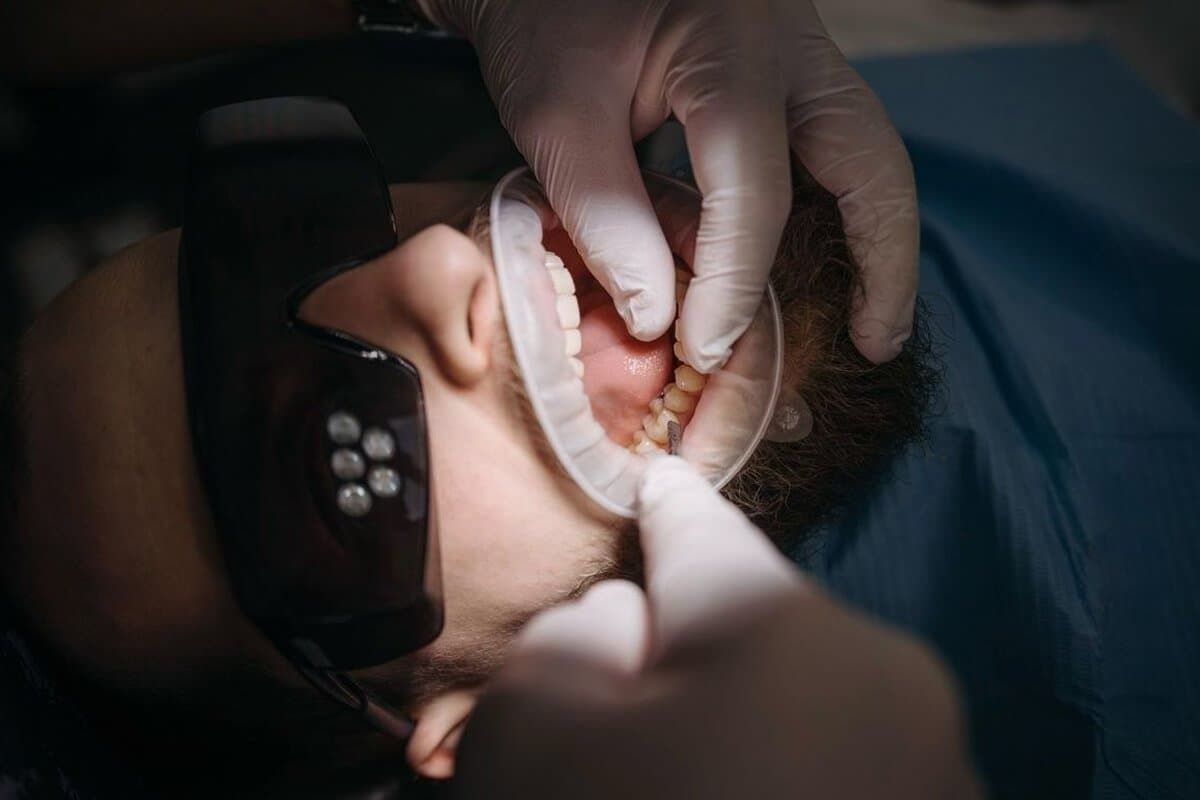
In root planing, mechanical cleaning is applied first. With the help of special hand instruments called curettes and ultrasonic devices, bacterial plaque, tartar, and inflamed tissue in the gum pockets are removed. Then the root surface is planed in an effort to obtain a smooth surface that makes it harder for bacteria to reattach.
In cases deemed necessary, an approach supported by antiseptic applications inside the pocket may be preferred in addition to mechanical cleaning. Which methods will be used together is determined by a periodontology specialist in Samsun according to the severity of the infection and the condition of the tissues. The aim is to clean the pockets and create an environment in which the gums can heal in a healthy way.
Number of Treatment Sessions and Duration
In root planing, the number of sessions varies according to the extent of the disease and the number of affected areas (quadrants). In mild and limited cases one or two sessions may be enough, while in widespread periodontitis the mouth may be divided into several sections and treated over more sessions. Sessions are generally scheduled at certain intervals.
The duration of each session differs depending on the size of the area being treated. For this reason, an exact number of sessions and duration can only be stated clearly by the dentist after the examination. Following the treatment plan regularly is decisive for the durability of the results.
Aftercare and Healing After Root Planing

The success of the treatment is not limited to the procedure alone; the aftercare process that follows is at least as important as the procedure itself. For the gums to heal in a healthy way, the dentist's recommendations must be followed, oral hygiene must be maintained meticulously, and follow-up appointments must not be skipped.
What to Pay Attention to in the First 24 Hours
On the first day after the procedure, mild tenderness in the gums, a tendency to bleed, or temporary sensitivity to heat and cold may be seen. This is mostly normal and decreases over time. Avoiding very hot, very cold, hard, and spicy foods in the first hours helps the gums settle.
In the first 24 hours, it is important to stay away from behaviors that could irritate the treatment area. Smoking and alcohol are not recommended during this period because they noticeably slow gum healing. If the dentist has prescribed a mouthwash or medication, these should be used as directed.
On the first day after the procedure, you need to be gentle with the treatment area when brushing. Using the toothbrush with soft motions, without pressing hard, prevents unnecessary irritation of the gums. During this period, a gentle gargle with lukewarm salt water can be soothing if your dentist considers it appropriate. If pain or bleeding is greater than expected or lasts longer, it is better to contact your dentist rather than using medication on your own decision.
Daily Oral Care Routine
After the healing period, regular and correct oral care is the key to maintaining the results of the treatment. Brushing twice a day with a soft-bristled toothbrush using gentle motions reduces plaque buildup along the gumline. Using dental floss or interdental brushes helps clean the areas the brush cannot reach.
If there are supportive products recommended by the dentist, they can be added to the daily routine. Keeping care habits sustainable is important for protecting gum health in the long term. If you are unsure about the correct technique, you can get information from the dentist at follow-up appointments.
In addition to oral care, general lifestyle habits also affect gum health. A balanced diet, adequate fluid intake, and quitting smoking contribute to keeping the tissues healthier. Replacing the toothbrush at regular intervals and not using brushes with worn bristles also preserve cleaning effectiveness. These small but regular habits help the results achieved after treatment last for a long time.
Ideal Healing Time and Follow-Up Appointments
Initial healing in the gums generally begins within a few days; full recovery of the tissues may take a few weeks, depending on the person's general health, the severity of the disease, and care habits. During this process, a gradual improvement in gum color and in the tendency to bleed may be observed.
Follow-up appointments are critical for evaluating the results of the treatment and monitoring changes in pocket depths. If deemed necessary, the dentist may plan additional supportive procedures. Regular check-ups help detect any recurrence of the disease early and maintain gum health.
Root Planing (Curettage) Treatment Prices in Samsun 2026
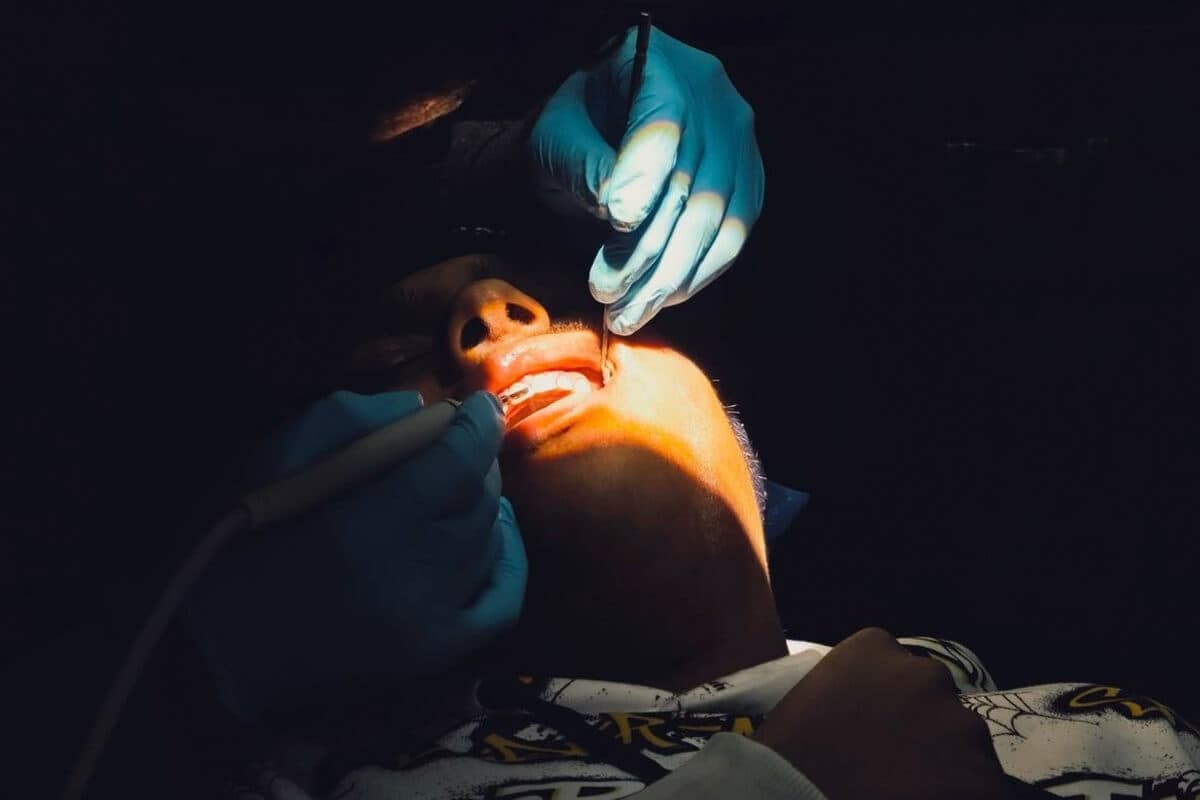
The cost of root planing treatment cannot be set at a standard amount for every patient, because this treatment is entirely individualized. Since the factors that affect the price differ from patient to patient, clear information can only be shared after a detailed examination. For this reason, the best approach is to book an evaluation appointment first.
The main factors that determine the treatment cost are as follows:
The area and number of quadrants to be treated (how much of the mouth is affected)
The severity of the gum disease and the pocket depths
The total number of sessions required
Additional procedures and supportive treatments that may be applied
The dentist's experience and the devices and materials used
The examination before treatment both clarifies these factors and allows a suitable treatment plan to be created for you. For up-to-date, personalized information, it is recommended that you contact the clinic and book an examination appointment. This way, both your expectations and the treatment process are clear from the start.
Conclusion
Root planing in Samsun (curettage) is an important periodontology treatment that helps bring advanced gum disease under control and protect the tissues that support the teeth. Cleaning the infected tissue and hard deposits below the gumline prepares a suitable environment for the gums to reattach to the tooth in a healthy way.
The success of the treatment is closely tied to an accurate diagnosis, a planned process carried out under a dentist's supervision, and regular care maintained afterward. When signs such as bleeding gums, bad breath, or loose teeth are noticed, seeing a specialist without delay improves treatment success. The most effective way to protect your oral health is not to neglect regular check-ups and early intervention.