 Spec. Dt. Gökcan ErtaşOrthodontist
 Dt. Sena KırcaDentist
 Dt. Sevinç Cansu KayıranDentist
 Assoc. Prof. Dr. Sezin ÖzerPediatric Dentist
 Spec. Dt. Sude Yıldırım BolatSpecialist in Periodontology
Porcelain veneers in Samsun are a cosmetic procedure that corrects problems of shape, color, and alignment with thin porcelain shells bonded to the front surface of the front teeth. Only a very small amount of tooth enamel is thinned, and the natural tooth structure is largely preserved. This approach aims to improve irregularities in your smile with a natural look that appears lasting.
Also known as leaf veneers, this method does not cut down the whole tooth; it covers only the visible surface with a ceramic layer that reflects light naturally. It is preferred for teeth that are stained, worn, slightly crooked, or have gaps between them. The result offers a translucency and smoothness close to the tooth's own enamel.
Because aesthetic expectations vary from person to person, the treatment plan is always personalized through the dentist's evaluation. A plan is prepared that suits your mouth structure, the condition of your gums, and your smile line. Working with an experienced team matters for both the quality of the procedure and the longevity of the result. The Dental Prime team carries out this process with a detailed examination and digital planning.
What Are Porcelain Veneers?
Porcelain veneers are a type of cosmetic restoration made by bonding a thin ceramic or composite layer to only the front surface of the tooth. In classic crowns the entire circumference of the tooth is thinned, whereas with veneers only the front surface is lightly roughened. This way a significant part of the healthy tooth structure remains in place and the aesthetics of the smile are strengthened.
These shells are generally 0.3 to 0.7 millimeters thick; that is, close to the thinness of a contact lens. They are custom made for the tooth in a laboratory and fixed to the tooth with special adhesives. Despite being thin, once bonded they become one with the tooth and gain notable durability against everyday chewing forces.
The most distinctive feature of a veneer is that it transmits light in a way similar to natural tooth enamel. In this way, the aim is to achieve a lively, translucent aesthetic rather than an artificial look. When the right color and form are chosen, it becomes quite difficult to tell the veneered teeth from the neighboring natural teeth.
This method differs in approach from other restorations such as full crowns and fillings. While in a full crown the tooth is thinned from all sides, with veneers the intervention is limited to the front surface. In this respect, veneers stand out as a more conservative option for people who want cosmetic improvement on healthy teeth. Appropriate case selection plays a decisive role in the success of the result.
What Materials Are Veneers Made From?
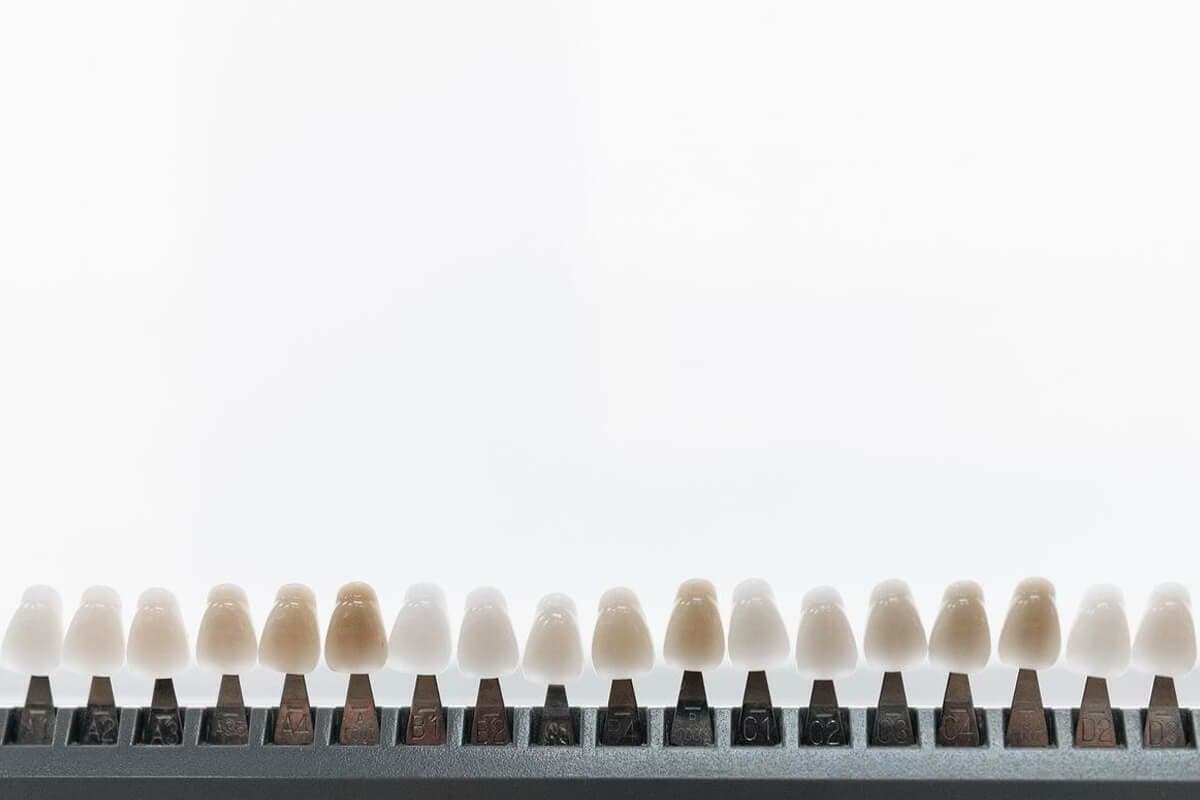
Veneers are made mainly from two groups of materials: glass-ceramic-based porcelains and composite resins worked in the mouth. Porcelain veneers are mostly prepared from lithium disilicate or feldspathic ceramic. These materials stand out for their high aesthetic value, light transmission, and resistance to staining.
Composite veneers, on the other hand, consist of resin-based materials shaped layer by layer on the tooth. Being applicable in a single session and more economical are advantages; however, they are more prone to staining and wear over time than porcelain. Which material is suitable is determined through the dentist's evaluation of the condition of the tooth and your aesthetic expectations.
Lithium disilicate ceramics used in the porcelain group are frequently preferred today for their balance of durability and natural appearance. Feldspathic porcelains, which can be applied in very thin layers, come into play especially in cases where minimal tooth thinning is the goal. The choice of material directly affects the lifespan of the result as well as its aesthetics.
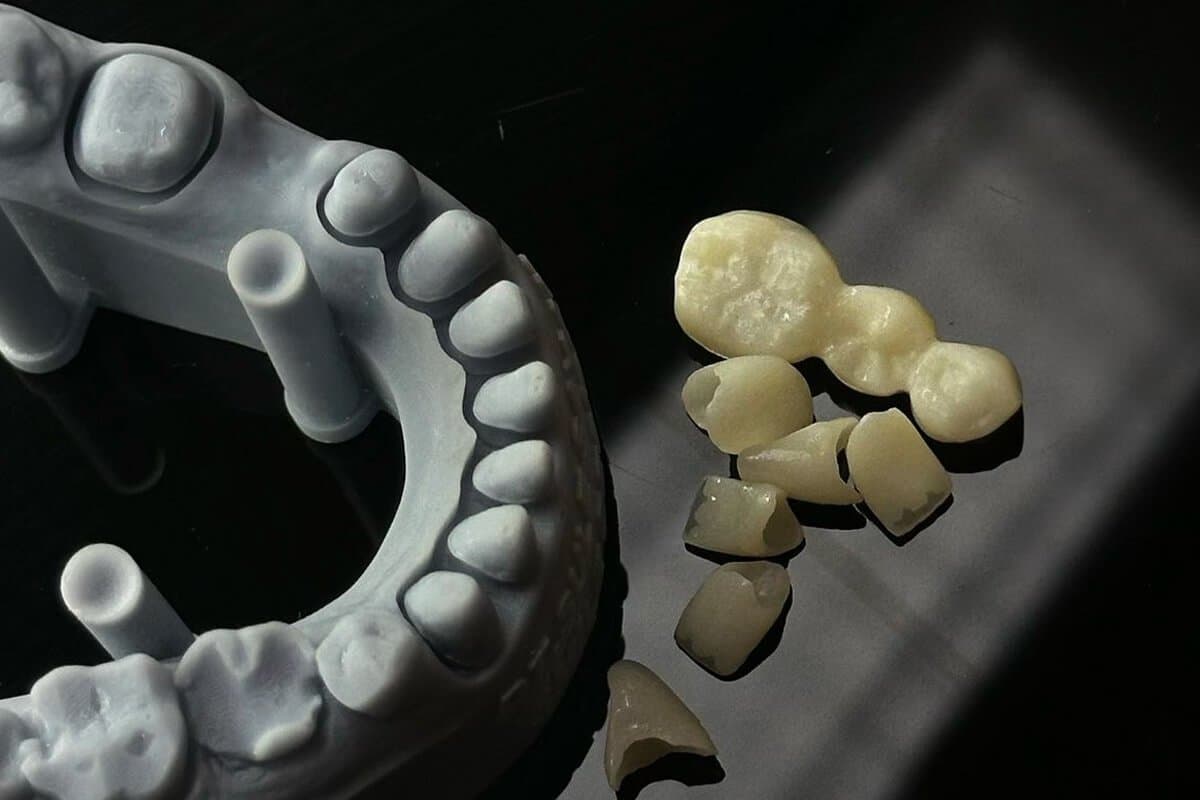
The way the material is processed also affects the result. Some porcelains are prepared by milling from a digital design, others by building up layer by layer by hand. Hand-layered feldspathic porcelains offer finer detail in color transitions, while milled ceramics stand out for durability. Which technique is suitable is evaluated together with the color characteristics of the visible surface of the tooth.
When Are Veneers Needed?
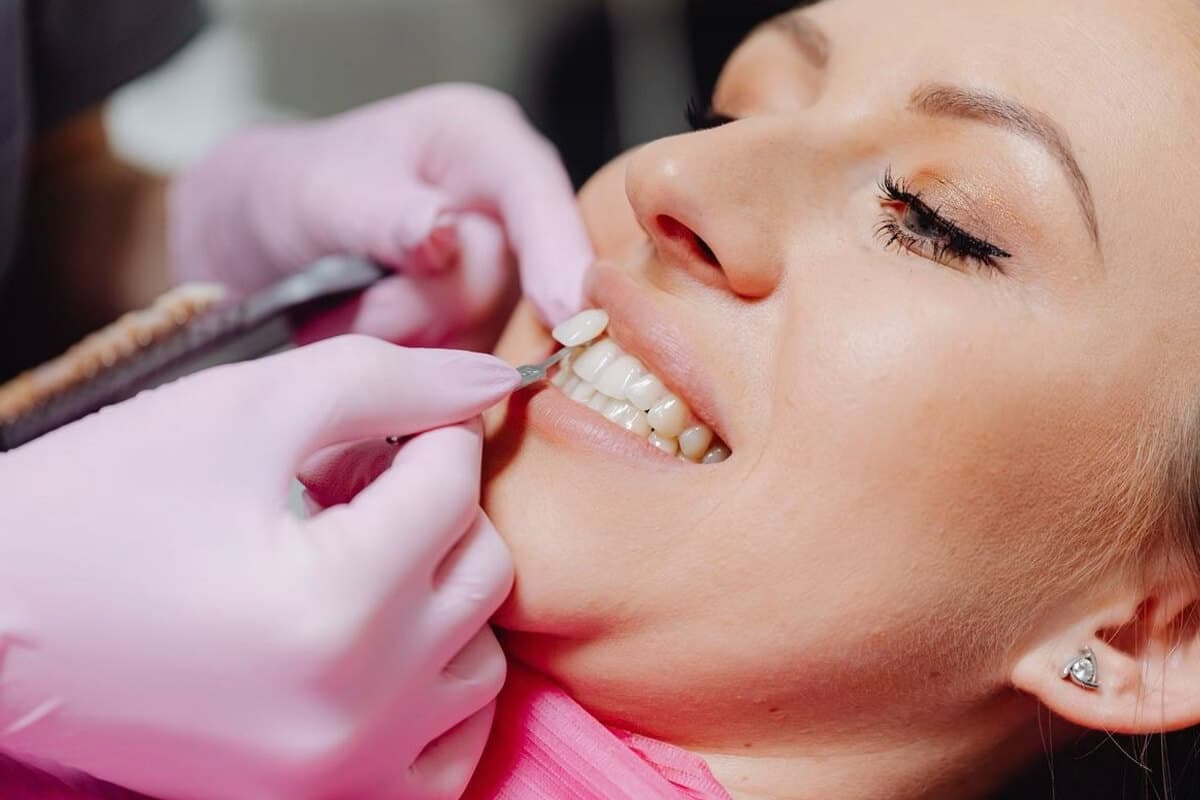
Veneer treatment stands out for problems that stem from the appearance of the tooth more than from its health. Mismatches in color, shape, and position are evaluated together. Which teeth to veneer is decided by taking the person's smile line, lip movement, and facial proportions into account. The situations below are the main examples in which this method is frequently considered.
Persistent discoloration and stains that do not lighten with whitening
Front teeth that are broken, worn, or have worn edges
Small gaps between teeth that spoil the aesthetics
Mild crowding and irregular tooth alignment
Teeth that look small, short, or out of proportion in size
A request for an overall smile design and color harmony
Discoloration and Color Problems
Some discoloration does not respond to whitening done at home or in the clinic. Stains caused by antibiotics, yellowing related to advancing age, or color differences around fillings are examples. In such persistent discoloration, the covering surface of the veneer aims to give the tooth the desired shade in a stable way.
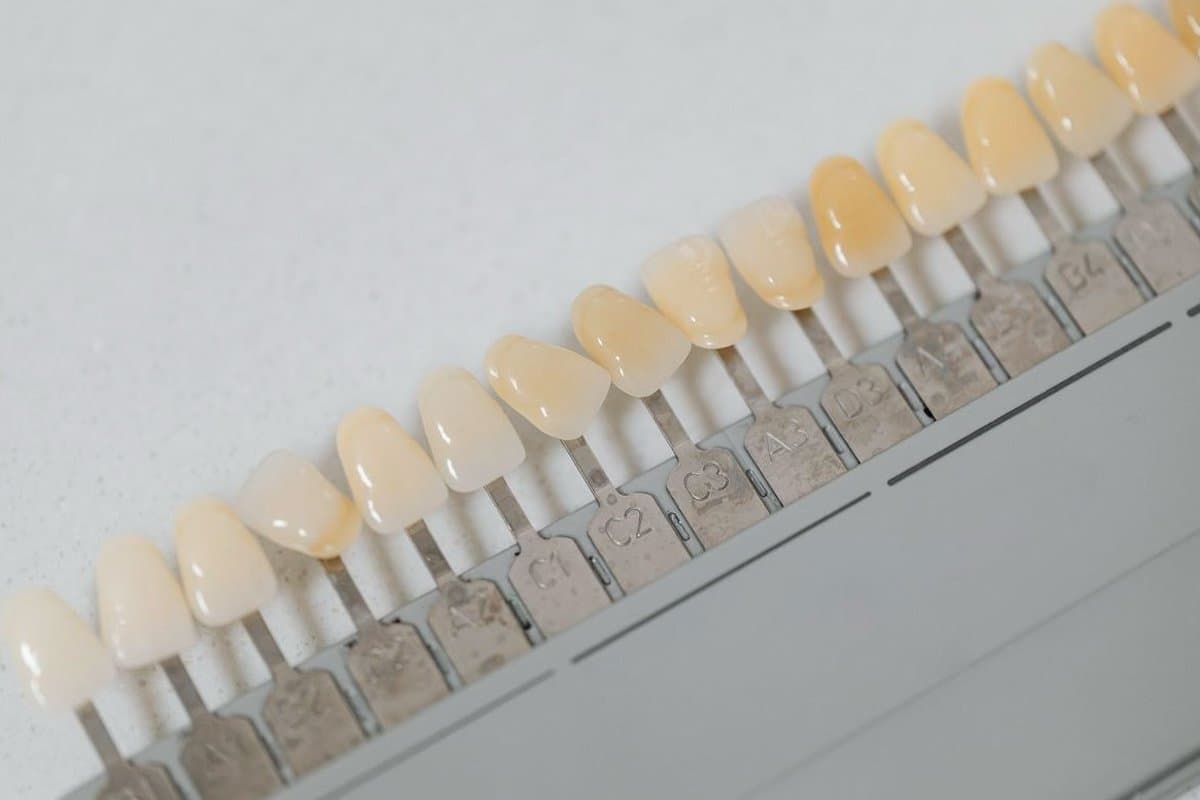
Because a veneer adds a thin layer of color on top of the tooth, it makes both the shade and the translucency controllable. In this way, problems such as a single tooth looking darker than its neighbors or the whole front group looking dull can be corrected. The color is chosen by taking factors such as skin tone and age into account.
Shape Irregularities and Tooth Size Problems
Teeth that are small from birth, have worn tips, or have broken edges can cause disproportion in the smile. Veneers rearrange size and form by adding a thin layer to these teeth. The goals are to align the cutting edges, remove roughness at the tooth tips, and achieve a symmetrical appearance.
Especially when the lateral incisors are narrow, the width of the tooth can be visually balanced with a veneer. Cutting edges worn down by clenching or hard foods can also be rebuilt with this method. In this way, a more harmonious result is aimed for in terms of both aesthetics and the proportion of the teeth to one another.
Closing Gaps Between Teeth
Gaps between the front teeth are one of the aesthetic problems that bother many people the most. Veneers help close these gaps by widening the surface of the neighboring teeth. Giving results in a shorter time than orthodontic treatment is one of the reasons it is preferred in suitable cases.
When closing a gap, it is important to preserve the natural width proportions of the teeth. Otherwise the teeth can look wider than they are. For this reason the size of the gap is measured and, when necessary, the treatment is applied to more than one tooth in a balanced way. In this way the gap is closed while an effort is made to keep a natural tooth form.
Many of these situations can exist together in one person; for example, both discoloration and small gaps between teeth may be seen in the same smile. One of the reasons veneers are preferred is that they can address these different problems with a single treatment plan. Still, every case is unique; which teeth will be veneered and what kind of result is aimed for become clear through a personal evaluation.
Situations Where Veneer Treatment Is Not Suitable
Veneers may not be the first choice for every mouth structure. In some cases other treatments need to be completed first, and in others alternative restorations need to be considered. The decision on suitability is made by the dentist after a detailed examination and, when necessary, a radiographic evaluation. This evaluation is decisive for the durability of the result.
Untreated cavities and inflamed gums
Teeth that have lost a great deal of structure and become very weak
Teeth clenching and grinding habits that are not under control
Alignment problems that first require orthodontics, such as severe crowding
Insufficient enamel and a thinned tooth structure
Situations in which oral hygiene is not looked after regularly
For people who clench their teeth, a protective night guard may be recommended before the veneers are applied. This balances the force on the veneers and reduces the risk of fracture. Similarly, if there is gum disease, this problem is expected to be treated first and a healthy foundation created.
In severely crowded teeth, veneers alone may not bring the smile's aesthetics to the desired level. In such cases the alignment is first corrected with clear aligner or braces treatment, and then veneers are evaluated if needed. In short, suitability is considered together with overall oral health, not only the appearance of the tooth.
Advantages of Veneers
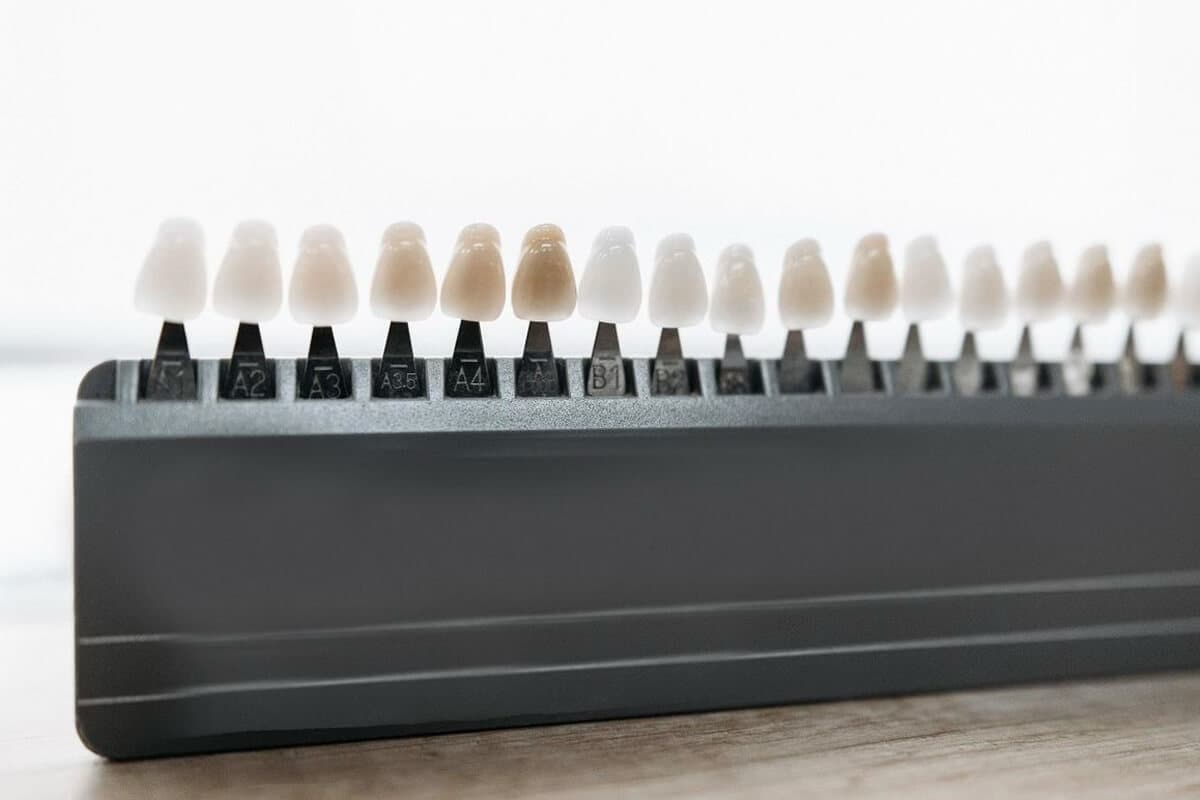
The most prominent aspect of veneers is that they offer a cosmetic change while largely preserving the natural tooth structure. Because the whole circumference of the tooth is not cut, the living tooth structure is preserved. This is an important advantage for both the health of the tooth and long-term comfort. The headings below are the benefits mentioned most often.
Preservation of most of the natural tooth enamel
An extremely natural look thanks to light transmission
High resistance of the porcelain surface to staining
A single approach to color, size, and shape problems
A smooth, hygienic surface that blends with the gums
A noticeable change in the smile in a short time
Because the surface of porcelain veneers is very smooth, it is less hospitable to the buildup of tartar and staining agents. This feature contributes both to the long-term preservation of the aesthetics and to easier oral hygiene. With proper brushing and regular check-ups, this advantage becomes even more evident.
The table below summarizes the main differences between porcelain and composite veneers in a comparative way. Which option is suitable for you is determined by the dentist's evaluation, taking your expectations and the condition of your teeth into account. The values in the table show general tendencies; personal results may vary depending on care habits.
Feature | Porcelain Veneer | Composite Veneer |
|---|---|---|
Aesthetics | High, natural light transmission | Good, but may dull over time |
Durability | High against wear and force | Medium |
Average Lifespan | About 10-15 years | About 5-7 years |
Tooth Reduction | Very slight thinning | Usually minimal or none |
Staining | Resistant to staining | More prone to discoloration |
Durability of Veneers
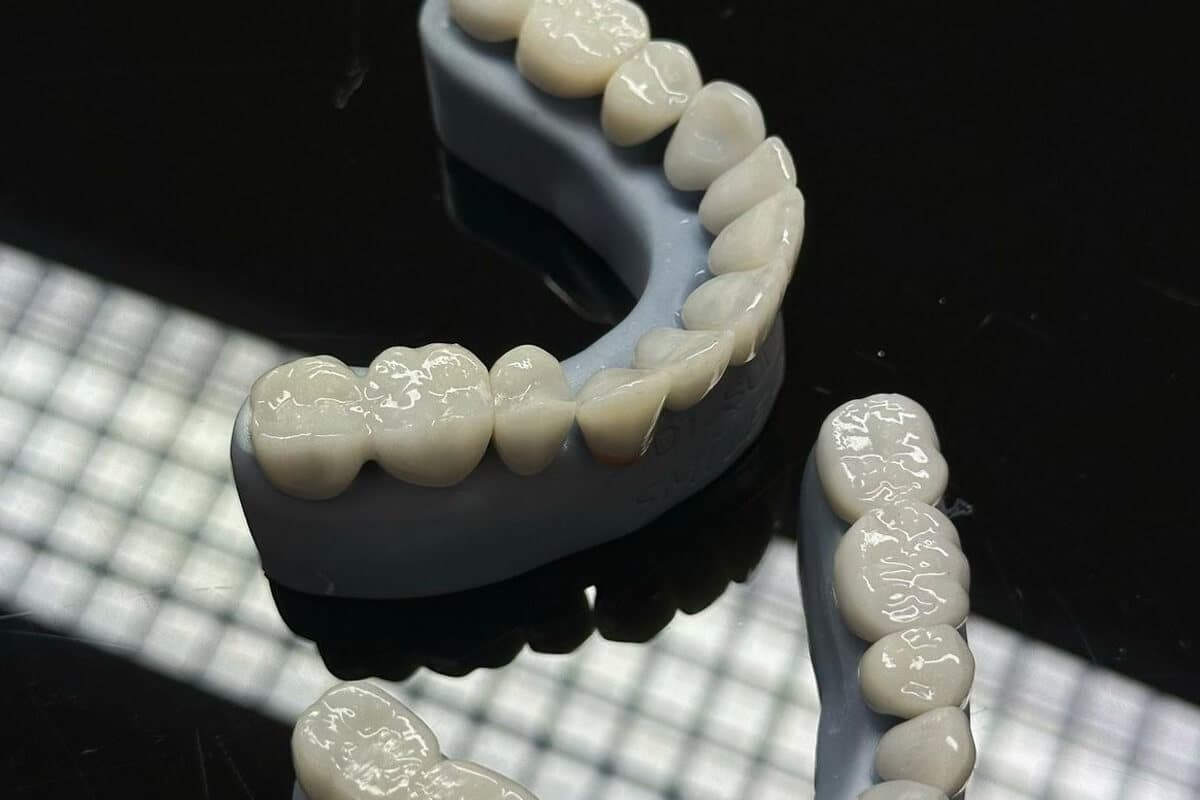
Although veneers look thin, once bonded to the tooth they form a structure that is more durable than expected. The special adhesive joins the ceramic and the tooth enamel strongly and distributes chewing forces across the surface. Thanks to this integration, the veneer aims to look and function as well as a tooth in daily use.
With proper application and regular care, the lifespan of porcelain veneers can generally exceed ten years. For composite veneers this period is shorter because of the structure of the material. In both options, however, the user's habits are decisive; biting hard objects or clenching the teeth can shorten the lifespan noticeably.
Another factor that affects durability is how the lower and upper teeth meet in the bite. If certain points carry excessive load when biting, this can strain the veneer. For this reason, the bite is examined carefully before the procedure and, when necessary, small adjustments are made so that the forces are distributed evenly.
High-quality laboratory work and the precise bonding of an experienced dentist form the basis of durability. Leaving no gap between the veneer and the tooth is critical for preserving both the aesthetics and the lifespan. This bond is reviewed at regular check-ups, with the aim of taking early action before a problem grows.
Even though the lifespan of veneers is long, this does not mean a guarantee of permanence; no restoration stays in the same condition forever. Natural gum recession over time, or small color differences that may form at the edges, can create a need for renewal after many years. The most effective way to delay this is to keep up regular care and check-ups.
Veneer Loss and Risk of Fracture
Even though veneers are bonded firmly, no restoration is entirely risk-free. A veneer coming off or cracking at its edge can be seen when certain conditions come together. Being aware of these risks is useful both for adopting protective behaviors and for noticing a possible problem early.
Reasons for Veneers Coming Off and the Quality of the Veneer Applied
The most common reason a veneer comes off is a weak adhesive bond. A surface that has not been roughened enough, a work area that was not fully isolated from moisture, or an unsuitable adhesive can weaken this bond. For this reason, every stage of the procedure must be carried out meticulously; quality lies largely in these details.
Material quality and laboratory craftsmanship are also directly influential. A balanced thickness of the veneer, edges that fit the tooth exactly, and correctly adjusted color transitions strengthen both the aesthetics and the hold. The likelihood of veneers coming off decreases markedly when they are made from suitable materials and prepared in experienced hands.
Risk of Cracks and Fracture
Because of their ceramic structure, veneers are hard but fracturable materials beyond a certain limit. Biting objects such as ice, hard-shelled foods, or pens can cause cracks on the surface. Clenching and grinding habits also raise the risk of fracture because of the repeated force; in this case a protective night guard is recommended.
A small edge chip does not often require replacing the entire veneer; there are cases where it can be repaired with composite material. A large fracture, however, may require a new veneer. When such problems are encountered, seeing the dentist without delay is important both for protecting the tooth and for a more economical solution.
How Many Sessions Does Veneer Treatment Take?
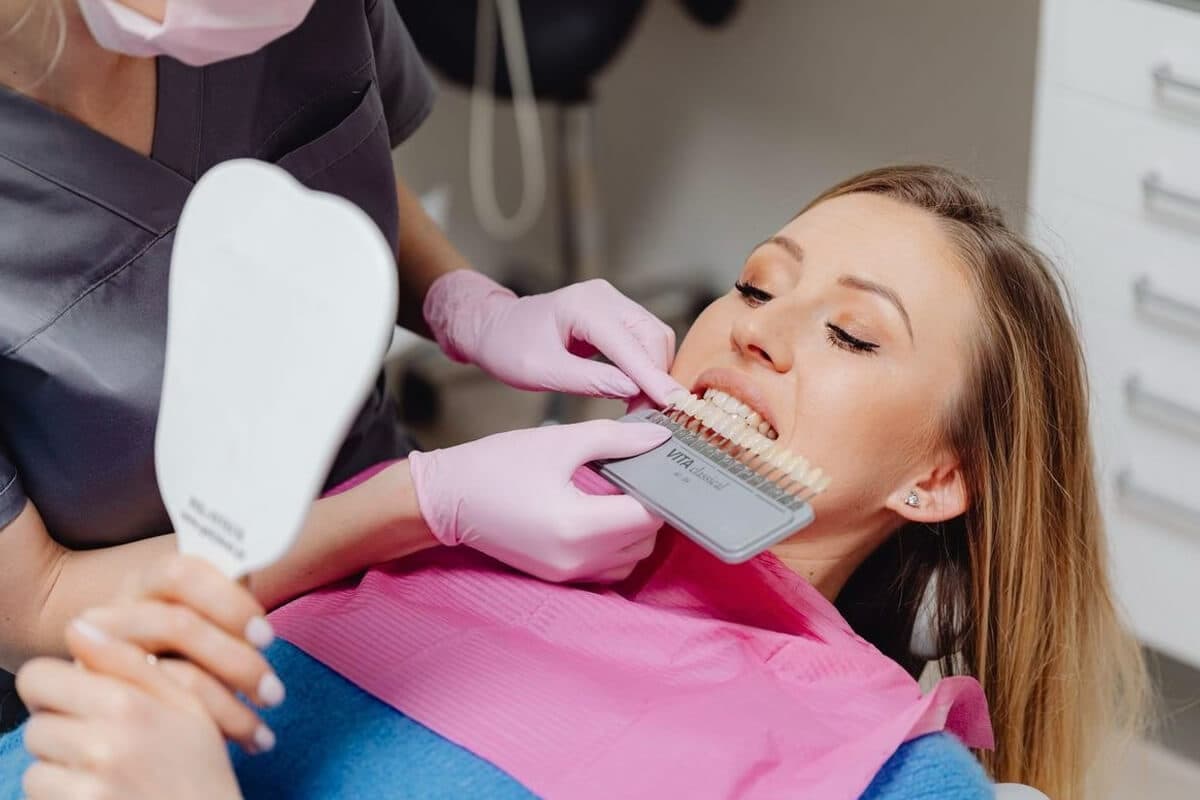
Veneer treatment is generally completed in two to three sessions, and in most cases the total time comes to one to two weeks. The process consists of the examination and planning, tooth preparation and impression-taking, and final bonding stages. The number of teeth, laboratory time, and the need for additional procedures are factors that directly affect this schedule.
Diagnosis and Planning Stage
In the first stage, the teeth, gums, and bite are examined in detail. If necessary, radiographs are taken and photographs of the teeth are made. A preliminary study is done on a digital design or plaster models to evaluate in advance how the result will look. This planning creates a shared goal for both the dentist and the patient.
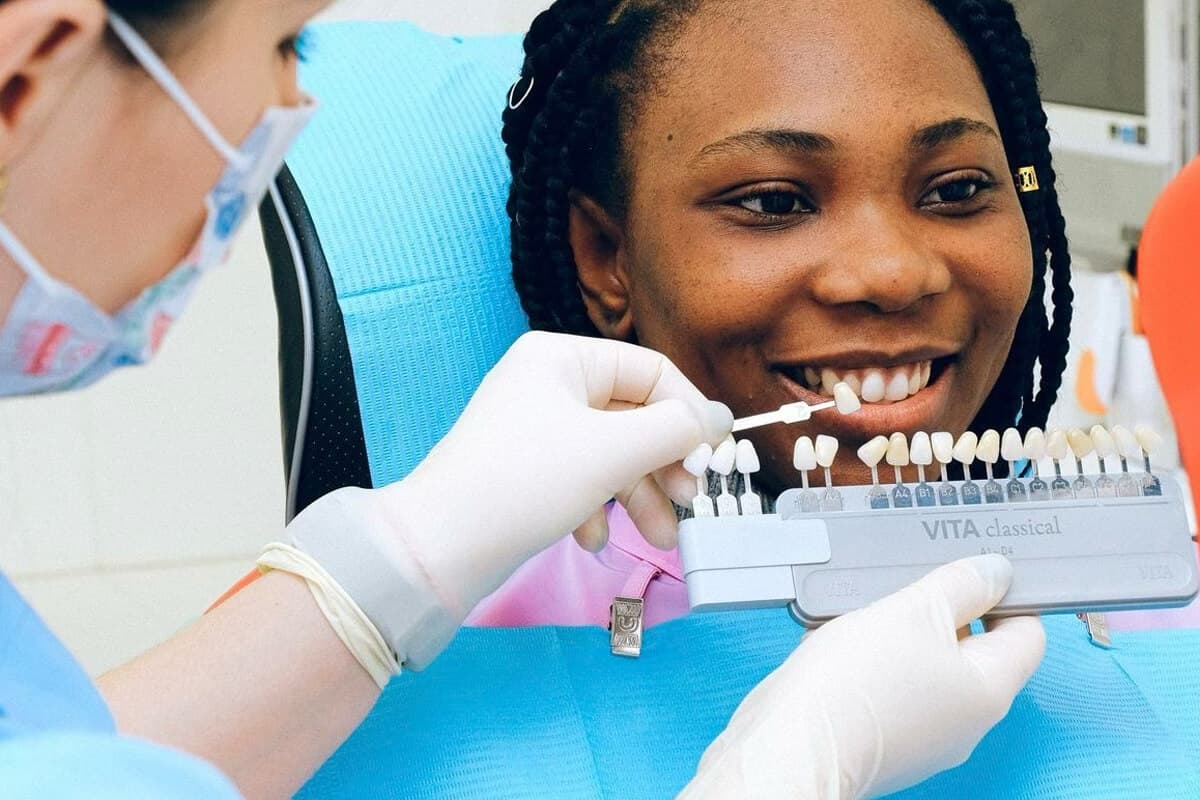
At this stage, details such as color, form, and tooth size are discussed and expectations are clarified. In some clinics, the result can be previewed in the mouth with a temporary trial application without touching the teeth at all. This way the desired look is agreed on in advance and the treatment is carried out according to this plan.
Tooth Preparation and Temporary Veneers
Once the planning is complete, the front surface of the teeth is lightly roughened by about the thickness of the thin layer on which the veneer will sit. In most cases this procedure is quite limited, and an effort is made to preserve the natural tooth structure. Then an impression is taken, digitally or by the classic method, and this impression is sent to the laboratory.
While the veneers are being prepared in the laboratory, a temporary protective surface may be applied to the teeth when needed. This interim period generally lasts from a few days to a week. During the temporary stage, avoiding very hard foods and keeping up gentle hygiene is recommended for both comfort and protection of the prepared surface.
Bonding the Veneers and Final Polishing
In the final session, the prepared veneers are first placed on the teeth temporarily, and color, form, and fit are checked. After approval is given, the tooth surface is prepared and the veneers are fixed with a special adhesive. The adhesive, hardened with light, joins the ceramic and the tooth strongly and is intended to form a lasting bond.
Once bonding is complete, excess adhesive is cleaned away, the edges are refined, and the surface is polished. The bite is checked one last time and the necessary fine adjustments are made. In this way, a smooth result that is harmonious both aesthetically and functionally is aimed for. When the procedure is finished, the teeth are ready for daily use.
What to Consider When Choosing Veneer Treatment in Samsun
Veneer treatment requires an aesthetic eye as much as technical skill. For this reason, the choice of clinic and dentist directly determines the quality of the result. To make the right choice, it is useful to look not only at the price but also at experience, the technology used, and previous cases. The headings below can help you make your decision in a sound way.
The dentist's experience in cosmetic procedures and examples of previous cases
Whether digital design and a trial preview are offered
The quality of the ceramic material used and the collaboration with the laboratory
A detailed evaluation and explanation at the examination
The availability of follow-up and care support after treatment
The adequacy of hygiene standards and clinic infrastructure
A good result starts with realistic expectations. It is important that the dentist clearly informs you about the teeth to be treated and the look to be achieved. Being able to see the result at the trial stage minimizes surprises. An experienced dental clinic in Samsun aims to bring expectation and result closer together by running the planning process transparently.
In addition to the quality of the material used, the support the clinic offers after treatment is also important. Follow-up appointments, quick access in case of a problem, and clear guidance on care increase long-term satisfaction. Evaluating these criteria together makes it easier for you to reach the right choice.
Care and Protection After Veneers
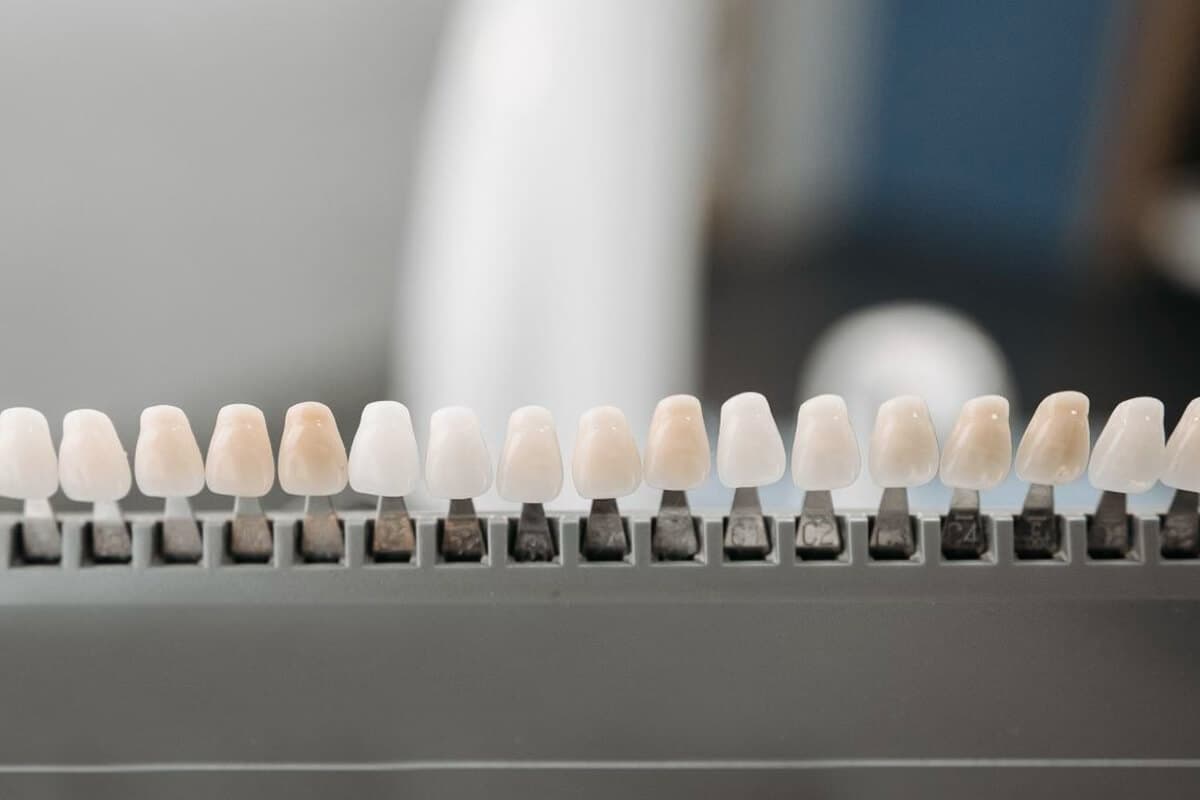
The lifespan of veneers depends on the care that follows as much as on the quality of the procedure. With the right habits, both the aesthetic appearance is preserved and the durability of the veneers is supported. The care routine is not complicated; it revolves around daily hygiene, food choices, and regular check-ups. These three headings form the basis of preserving the result for a long time.
Daily Oral Hygiene Routine
Veneered teeth, like natural teeth, require regular brushing and flossing. A soft-bristled brush and a non-abrasive toothpaste should be preferred. Hard brushing can reduce the shine of the veneer over time; for this reason, gentle but regular cleaning is recommended.
Cleaning between the teeth with floss or interdental brushes is important for the health of both the veneer edges and the gums. Plaque that builds up at the veneer margin can lead to gum problems and aesthetic deterioration. Regular hygiene aims to prevent this buildup and so support the lifespan of both the tooth and the veneer.
Food and Drink Choices
Although porcelain veneers are resistant to staining, the natural tooth structure at the edge of the veneer can be affected by dark drinks. It is beneficial to consume coffee, tea, red wine, and dark-colored soft drinks in moderation and to drink water afterward. Smoking, on the other hand, can speed up discoloration in both the natural tooth and the margin areas.
Avoiding biting very hard foods with the front teeth reduces the risk of fracture. Instead of hard-shelled nuts, ice, and similar objects, it is safer to chew such foods with the back teeth. A balanced diet supports both overall oral health and the longevity of the veneers.
Regular Check-Up Visits
Routine check-ups every six months are important for monitoring the condition of the veneers and the gums. At these visits, the veneer margins, the bite relationship, and possible wear points are evaluated. Small problems noticed early can be addressed before they grow and turn into a more extensive procedure.
Professional cleaning can also be done at follow-up appointments; this removes plaque and staining in hard-to-reach areas. For people who clench their teeth, whether the protective night guard is being used properly is also reviewed. Regular follow-up contributes to preserving both aesthetics and health in the long term.
If you notice slight sensitivity or a color change at the edge of a veneer over time, it is helpful to report it rather than postponing it to the next check-up. A small polish or edge correction done early often prevents a more extensive procedure. Roughness or catching that you feel in the mouth is also one of the details the dentist can easily fix.
In addition to these three headings, avoiding sudden temperature changes also helps protect the surface. Eating something ice-cold right after a very hot drink can stress the ceramic surface. Also, not using your teeth as tools, like scissors or a bottle opener, is a simple but important protective habit for both natural teeth and veneers.
Porcelain Veneer Prices in Samsun 2026
Veneer prices cannot be expressed as a single fixed amount; every mouth structure and every expectation requires a different plan. For this reason, a clear fee emerges only from the dentist's evaluation after an examination. The factors below are the main elements that determine the total cost of the procedure and vary from case to case.
The number of teeth to be veneered and the scope of the smile design
The preferred type of material, porcelain or composite
The complexity of the case and the level of aesthetic expectation
Additional procedures; gum contouring, whitening, or preliminary treatments
The dentist's experience and the technology the clinic uses
The quality of the laboratory craftsmanship and the system used
As the number of teeth increases, the total fee changes; but it is not only the number, the condition of the teeth is also decisive. For example, in a case where gum contouring or the renewal of old fillings must be done first, the process may be more extensive. For this reason, when comparing prices, it is more accurate to look at the whole plan rather than only the single-tooth fee.
The healthiest approach is to combine price research with an examination. Amounts quoted without your mouth being examined are only a rough estimate and may not reflect the real situation. A personalized plan prepared after a detailed evaluation lets you see both your expectations and your budget clearly. This way surprise costs are avoided.
Conclusion
Porcelain veneers in Samsun are an effective procedure that aims to improve problems of color, shape, and tooth spacing aesthetically while largely preserving the natural tooth structure. Thin porcelain shells, with proper planning and experienced application, give the smile a lively, harmonious, and natural look.
For the result to be lasting and satisfying depends on a detailed examination, the right choice of material, and regular care. To determine your suitability and have a plan prepared for you, it is recommended that you speak with an experienced dentist. This way your expectations are evaluated within a realistic framework and the approach best suited to your smile is determined together.