


 Spec. Dt. Gökcan ErtaşOrthodontist
 Dt. Sena KırcaDentist
 Dt. Sevinç Cansu KayıranDentist
 Assoc. Prof. Dr. Sezin ÖzerPediatric Dentist
 Spec. Dt. Sude Yıldırım BolatSpecialist in Periodontology
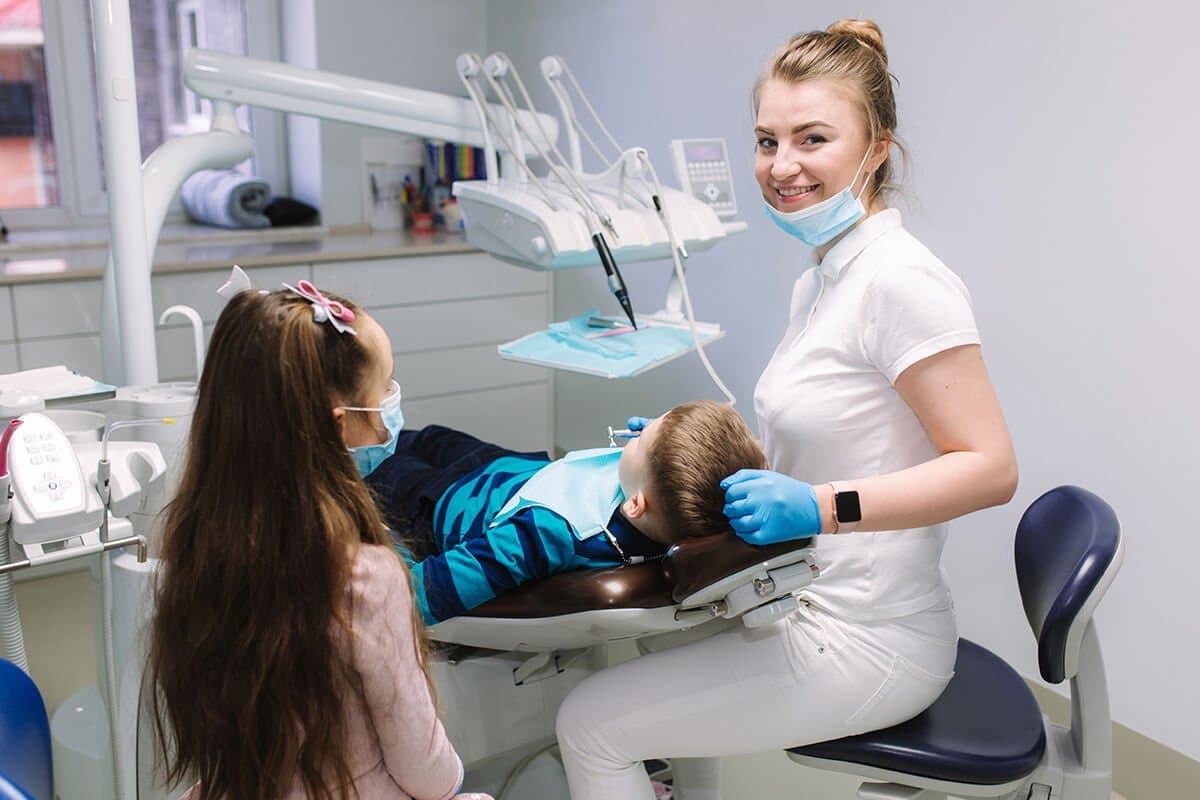
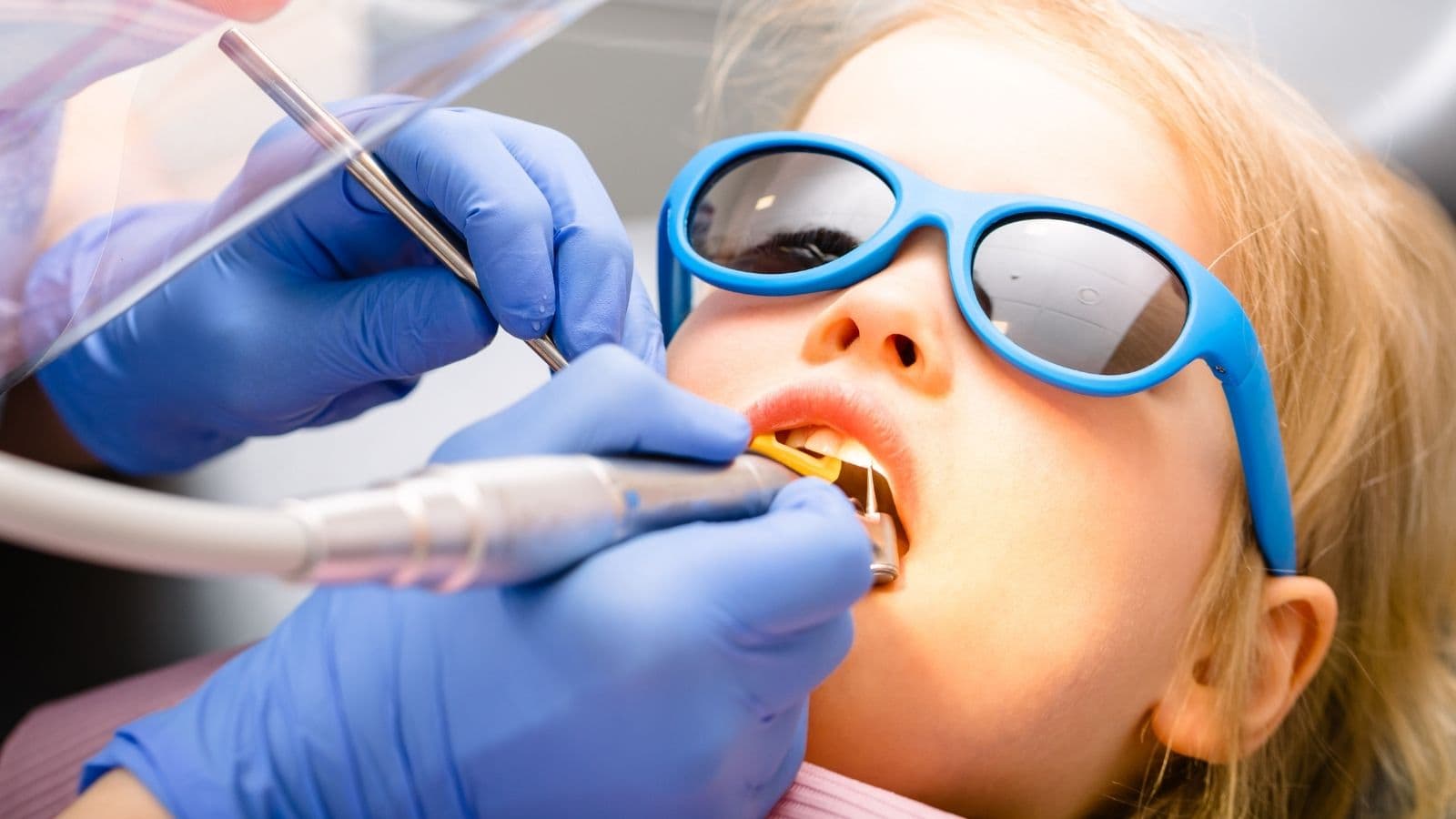
Pediatric dentistry in Samsun is a specialty that aims to protect children's oral and dental health and treat diseases from infancy through young adulthood. Also known as pedodontics, this branch covers the critical developmental stage from the eruption of the baby teeth to the completion of the permanent teeth. Because children's anatomy differs from that of adults, it is a medical necessity for treatments to be performed by pediatric dentists.
Oral care habits gained at an early age are the most important foundation of healthy smiles that will last a lifetime. For this reason, examinations need to be carried out in a well-equipped pediatric dental clinic in Samsun using approaches suited to child psychology. Preventing the fear of the dentist that is so common in children is only possible with specialists who can communicate with them properly and inspire trust.
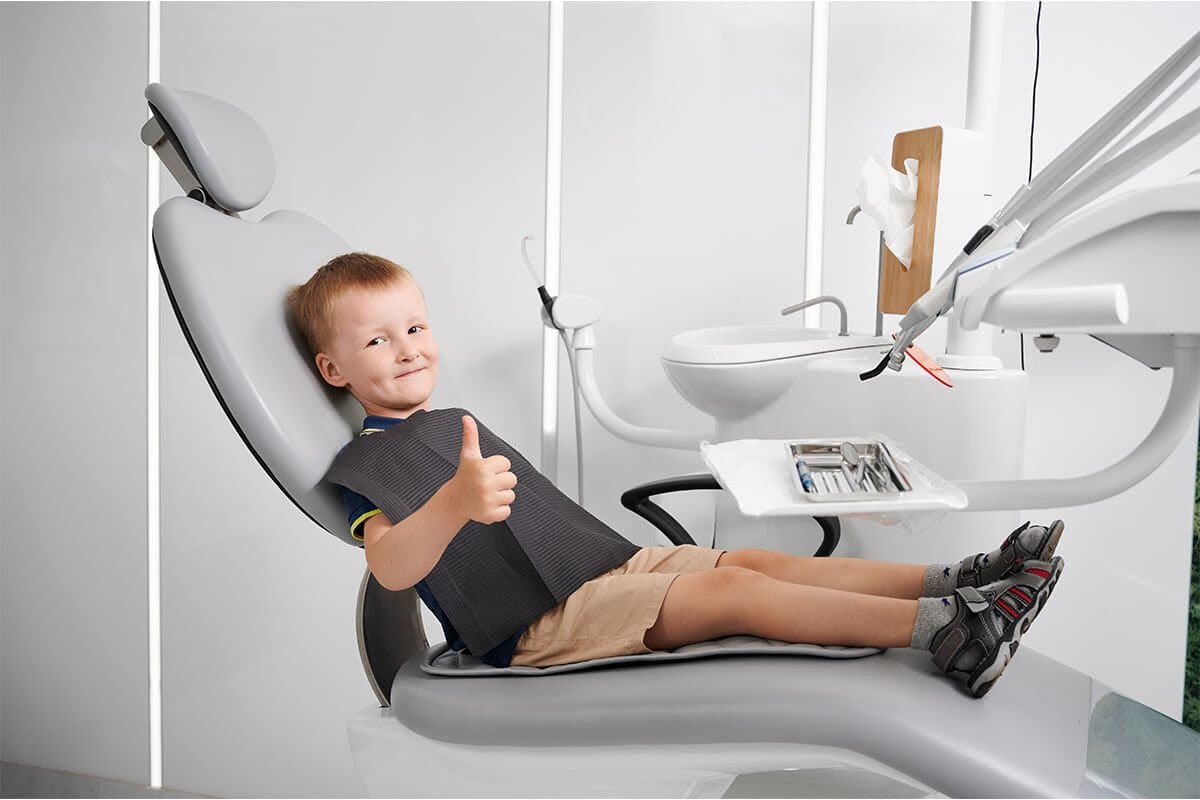
Our main goal is to make children love the dental chair while monitoring their jaw and tooth development in a healthy way. Regular check-ups minimize the risk of cavity formation and also allow orthodontic problems that may arise later to be diagnosed early.
To raise healthy generations and fully meet children's treatment needs, we at Dental Prime carry out all processes in a reliable, hygienic, and comfortable environment.
What Is Pediatric Dentistry?
Pediatric dentistry (pedodontics) is the specialty that protects the health of the baby and permanent teeth of children aged 0-14 and treats their diseases. This branch of science closely follows jaw and facial development from infancy to adolescence. Its main purpose is not only to treat existing cavities, but to prevent dental problems from forming in the first place through preventive dentistry practices.
Its biggest difference from adult dentistry is that child psychology is fully integrated into the treatment process. Pediatric dentists use special behavior guidance techniques so that children do not develop a fear of the dentist (dental phobia). The language used in the clinic, the introduction of the instruments, and the style of approach are designed specifically around helping the child feel safe.
This way, children perceive dental treatment not as a frightening experience but as a normal and comfortable part of life. In addition, oral and dental health treatments for children with special needs who have a physical or mental disability also fall within the field of pedodontics specialists.
Why Is Children's Dental Health Critical?
There is a widespread and very mistaken belief in society that baby teeth are unimportant because they will fall out anyway. Yet baby teeth are vital for the child to chew solid foods properly and eat in a healthy way. They also play an active role in speech and language development by allowing letters to be pronounced correctly.
One of the most important roles of baby teeth is to act as a natural space holder for the permanent teeth that will come in from beneath. If a baby tooth is extracted long before its time because of decay, the neighboring teeth drift into that space. This drifting leaves no room for the permanent tooth and creates a need for difficult, costly orthodontic treatment later.
In addition, untreated tooth decay creates a constant source of infection in the body and weakens the child's immune system. Severe toothaches disrupt the child's sleep quality, cause problems with concentration, and directly lower school performance.
For this reason, protecting children's oral and dental health is an inseparable part of overall growth and development.
Pedodontics Services and Treatments Provided
In pediatric dentistry, the main goal is to prevent oral and dental diseases before they occur and to treat existing problems quickly. The treatments provided are planned specifically according to the child's age, cavity risk profile, and tooth development.
In our clinic, services that put children's comfort at the center are offered across a wide range, from preventive procedures to trauma treatments.
Preventive Procedures
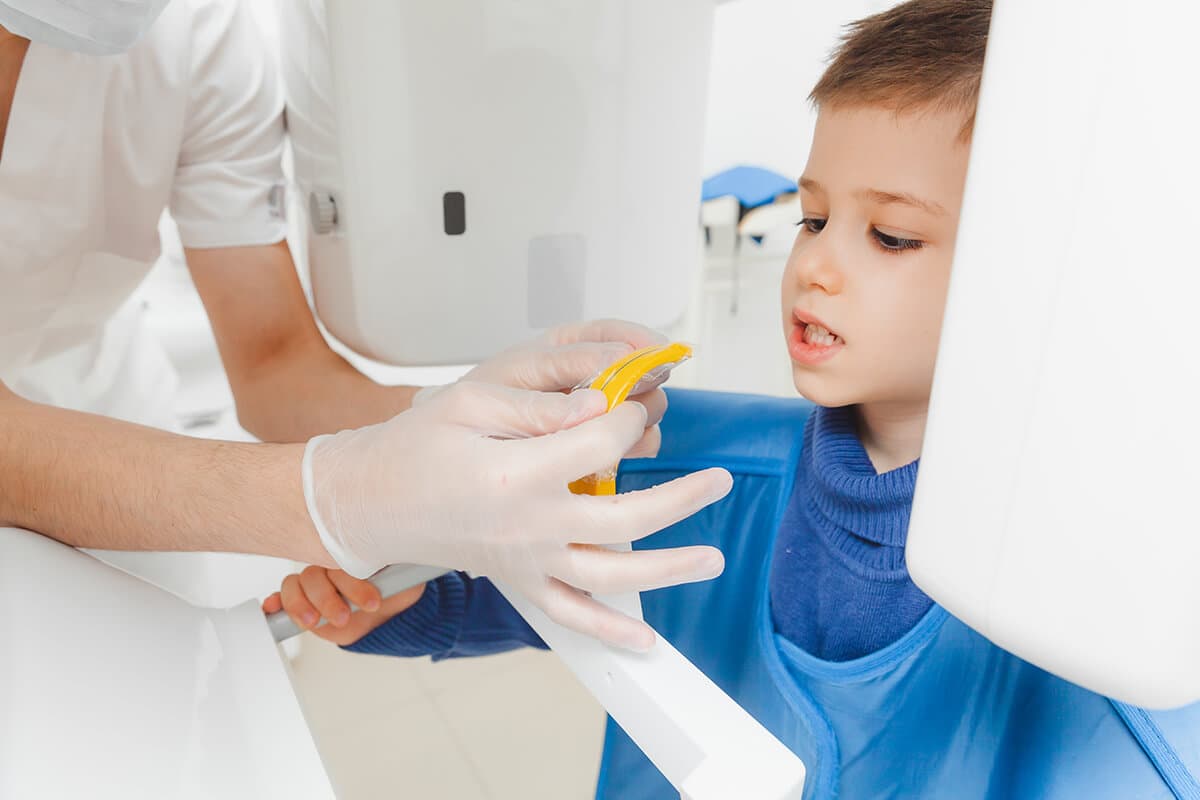
Preventive dentistry forms the most important and primary pillar of pedodontics. The main goal is to eliminate the factors that make cavity formation easier and to make the teeth protected against external factors. Thanks to regular dental check-ups, potential problems are prevented before they begin or at a very early stage.
Fluoride Applications and Fissure Sealants
Fluoride is a reliable mineral that strengthens tooth enamel and makes it more resistant to acid attacks. It is applied to the tooth surface at intervals determined by the dentist according to cavity risk, supporting the structure of the enamel layer.
Fissure sealants, on the other hand, close the deep pits and grooves on the chewing surfaces of the back molars with a thin, smooth layer. In this way, food debris building up in these deep hollows that the brush cannot reach, and the formation of cavities, are physically prevented.
Therapeutic Interventions
When decay or tissue loss occurs in the teeth, therapeutic interventions are used without losing time to stop it from spreading. At this stage, our greatest priority is to relieve the child's pain and reduce their anxiety.
Cavity Fillings and Root Canal Treatment
After decay in baby and young permanent teeth is cleaned out, a filling is placed with biocompatible materials suited to children's tooth structure. In cases where the decay has progressed to the nerve layer of the tooth (the pulp) and causes severe pain, root canal treatment designed specifically for children is performed. With this procedure, infected tissues are cleaned out and the tooth is kept in the mouth, preventing early extractions.
Tooth Extraction and Space Maintainers
Extraction may be necessary for baby teeth that have lost so much material and are so damaged that they cannot be saved with root canal treatment. In place of a baby tooth lost early, special appliances called space maintainers are placed to protect the position of the permanent tooth that will come in from beneath. Space maintainers prevent the neighboring teeth from drifting into the extraction gap, thereby preventing serious orthodontic problems later on.
Emergency Care for Dental Trauma in Children
As a result of accidents such as falls, collisions, or sports injuries, children's teeth may be chipped or fractured, displaced, or completely knocked out. In dental trauma, time is very critical; seeing a dentist within the first hour after the incident greatly increases the chance of saving the tooth.
If a permanent tooth has been completely knocked out, the tooth should be kept in milk or saliva and the clinic should be reached urgently.
Oral Care Guide for Children by Age

Oral and dental care differs according to the child's growth stages. Each age group has its own physical needs and cavity risks. Applying the right care methods at the right stage lays the foundation for a healthy oral structure that will last a lifetime. For this reason, it is very important for parents to know and apply developmental care strategies specific to each age.
Starting Oral Care at Ages 0-3
In babies, oral care should begin before the first tooth has even come in, by gently wiping the gums with a clean, damp cloth. Once the first baby tooth erupts (usually from around the 6th month), you should switch to using age-appropriate soft-bristled baby toothbrushes.
During this period, special attention should be paid to oral cleaning after night feedings so that the risk of "baby bottle tooth decay" is firmly prevented. The advice of a specialist pediatric dentist should always be sought for the choice and use of toothpaste.
Brushing and Habits in Children Aged 3-6
This age range is the most critical period in which the habit and awareness of tooth brushing are instilled in children. Children should try brushing on their own, but because their hand muscles (fine motor skills) are not yet fully developed, the actual cleaning should be done under parental supervision.
Pediatric fluoride toothpastes should be used in a rice-grain or pea-sized amount, according to the dentist's recommendation. Turning brushing into a game with music or stories helps the child adopt this routine willingly.
Cavity Risk and Protection in Children Aged 6-12
In this stage, known as the mixed dentition period, baby teeth fall out while permanent teeth begin to take their place in the mouth. The 6-year molars that come in quietly at the back are permanent; they are usually neglected because they are mistaken for baby teeth, and they are very prone to decay.
At these ages, when junk food and sugary food consumption increases, flossing should also be started in addition to regular brushing. Professional preventive dentistry procedures such as fissure sealants provide maximum benefit during this period.
Points to Consider When Choosing a Pediatric Dentist in Samsun

Choosing the right dentist for your child directly and lastingly affects their perception of dentists in adulthood. The most important criteria are that the dentist is well acquainted with child psychology, is patient, and is able to overcome anxiety with games. At the same time, the pediatric dental clinic in Samsun you choose should have physical facilities that will capture children's interest and make them feel safe.
The clinic's high hygiene standards, treatment approaches, and the warm communication of the staff play a major role in treatment success. You should go with specialists who follow the healing process not only at the time of the procedure but also after treatment, and who inform parents transparently.
When the first examination takes place as just a "getting-to-know-you session," without any painful procedure, a strong bond of trust forms between the child and the dentist.
Pediatric Dentistry Treatment Process
In pediatric dentistry, the treatment process begins from the very moment the child steps into the clinic. It depends on the dentist's experience for this process to pass in an atmosphere of play and discovery without creating trauma in the child.
Making an Appointment and the First Examination
Appointments should be scheduled for the morning hours, when children are most energetic and calm in line with their biological rhythm. In the first examination, the main goal is not to perform procedures on the teeth but to let the child get to know the dentist and the clinic environment.
By introducing mirrors and air and water instruments as if they were play tools, the child's trust is quickly gained. This positive first impression is the key to all later treatments going comfortably and smoothly.
Treatment Planning and Informing Parents
After the child's oral examination is completed, a detailed and transparent discussion is held with the parents. The cavity risk status, eating habits, and the problems identified are clearly conveyed to the family. The necessary preventive procedures or therapeutic interventions are planned step by step, and cost and duration information is shared.
The dentist establishes mutual trust by sharing every detail with the family, from the materials to be used to how the process will unfold.
Post-Treatment Care Instructions
The lasting success of a treatment performed in the clinic depends directly on the care carefully maintained at home. After treatment, the family is told clearly when the child can eat and what they need to watch out for. Especially when local anesthesia has been applied, parents are carefully warned so that the child does not unknowingly bite their cheek or lip. If any care products have been prescribed, how to use them is explained in detail and the date of the next check-up is set.
Conclusion
With our pediatric dentistry services in Samsun, our greatest priority is to ensure that our little patients grow up with healthy smiles. The right steps taken and the habits gained in childhood prevent major problems that could arise later and offer them a confident life.
Turning the dental chair from something to be feared into a fun process is the achievement of an expert team. In a well-equipped pediatric dental clinic in Samsun, you can comfortably entrust your children's oral and dental health to reliable hands.