Spec. Dt. Gökcan ErtaşOrthodontist
 Dt. Sena KırcaDentist
 Dt. Sevinç Cansu KayıranDentist
 Assoc. Prof. Dr. Sezin ÖzerPediatric Dentist
 Spec. Dt. Sude Yıldırım BolatSpecialist in Periodontology
Emax crowns in Samsun are an aesthetic restoration method that reshapes the tooth surface with a lithium disilicate-based glass-ceramic material. This material, which transmits light in a way close to a natural tooth, aims to be both durable and extremely natural-looking. It can be applied, following a dentist's evaluation, to people with discoloration, irregular shape, gaps or small fractures.
For many people who want to improve their smile aesthetics, this procedure aims to achieve results while largely preserving the tooth's own tissue. Since only a thin layer of enamel is ground down, it offers an approach that respects the natural structure. Who it is suitable for becomes clear only after an intraoral examination and, when necessary, radiographic evaluation.
In this article you will find what a glass-ceramic crown is, who it can be applied to, the step-by-step procedure, its advantages, care rules and a comparison with zirconia. For those who want information about aesthetic dental solutions in Samsun, Dental Prime plans the process transparently from start to finish and offers personalized recommendations.
What Is an Emax Crown?
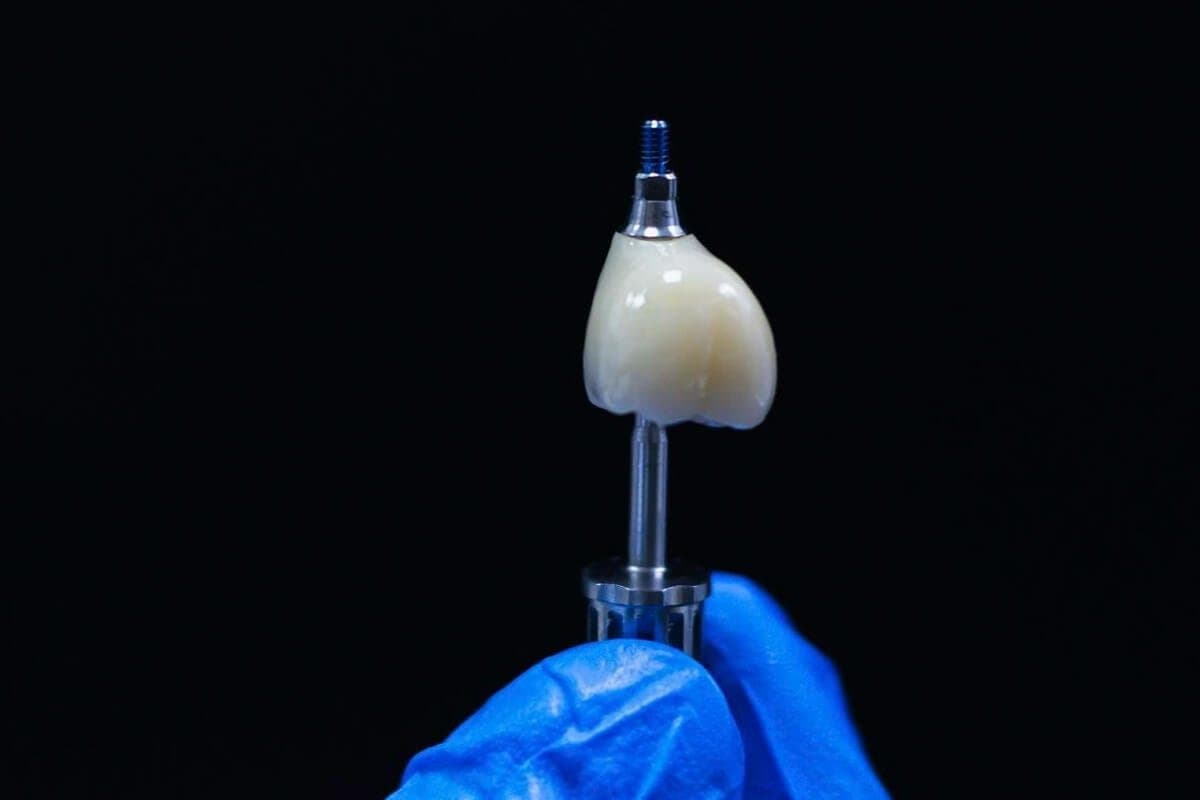
An emax crown is a metal-free dental restoration made of lithium disilicate glass-ceramic. Because there is no metal substructure, light passes through the tooth naturally and no dark line forms at the gum. This feature aims to achieve the closest-to-natural aesthetics, especially in the front area that is visible when smiling.
The most prominent aspect of the material is that it can imitate both the opacity and the translucency of a natural tooth. In this way the crown looks harmonious with the neighboring teeth and does not leave an artificial impression. Because its surface is smooth, the glass-ceramic structure is also considered resistant to staining and discoloration.
Lithium disilicate gains its strength by being processed under high heat in a laboratory setting. As a result, it shows a certain level of resistance to daily chewing forces. It is also a biocompatible material; it is intended to be compatible with oral tissues and the risk of irritation is expected to be low.
The restoration can be prepared in two main forms. One is a veneer-like form applied as a thin layer on the front surface of the tooth, and the other is a full-coverage crown form that wraps around the whole tooth. Which form is suitable is determined by the dentist according to the amount of tooth structure lost, the bite relationship and aesthetic expectations. For this reason each case is evaluated on its own merits.
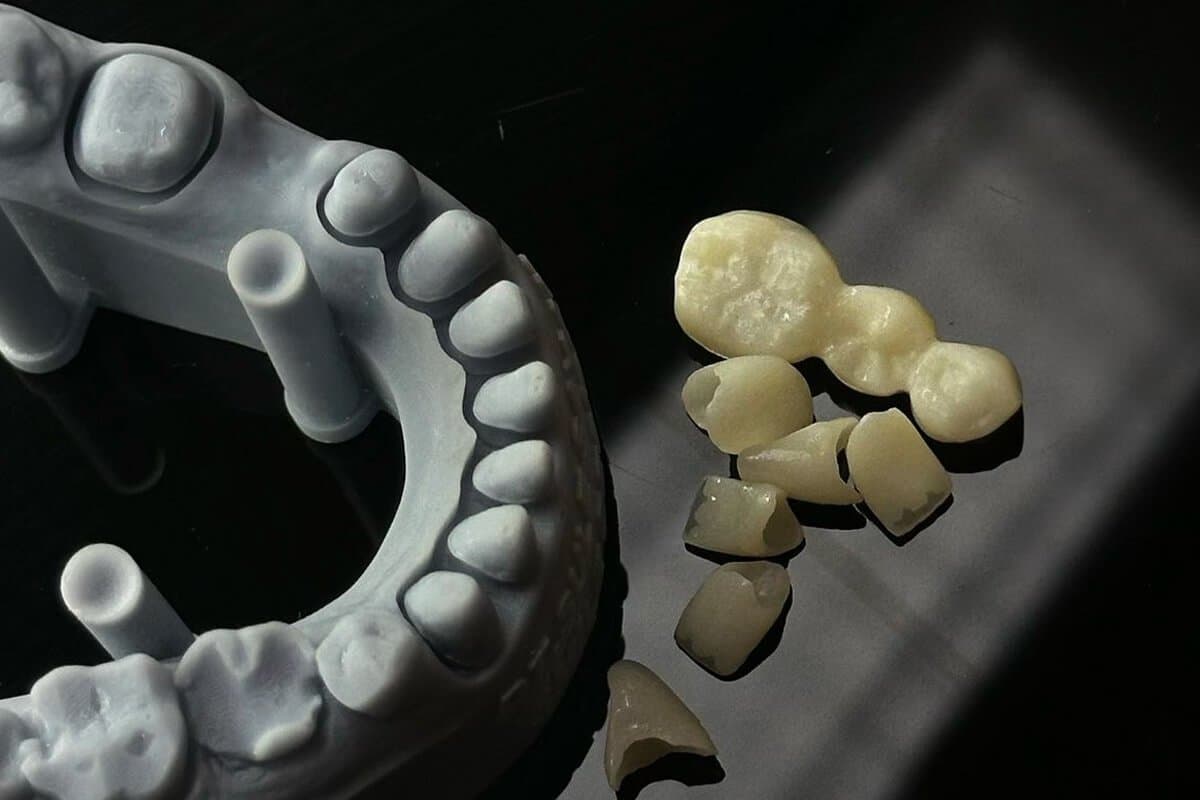
Glass-ceramic is also notable in terms of its manufacturing method. The material in block form can be milled precisely according to digital design data or shaped with the hot-press technique. In both methods the aim is to keep both strength and aesthetics together by preserving the crystal order in the material's internal structure. This manufacturing precision directly affects the naturalness of the result.
In these respects, a glass-ceramic crown is considered not merely a color-correction tool but a solution that completely redesigns the shape and surface texture of the tooth. When planned correctly, it offers a wide range of use, from a single tooth to a comprehensive smile renewal. Even so, the foundation of every procedure is a healthy tooth and gum structure.
Who Are Emax Crowns Suitable For?
A glass-ceramic crown can be considered for many people whose aesthetic concerns are prominent. It often comes up for permanent stains where tooth color does not lighten with whitening, for congenital color differences, or for color mismatches caused by old fillings. The suitability decision is made according to the health of the tooth and its root structure.
Shape and size irregularities also fall within the scope of this procedure. In teeth whose tips are worn, that are congenitally small or that look slightly crooked, the crown aims to create a more regular and symmetrical smile line. It is also a method that can be preferred for closing small gaps between the teeth.
For small fractures and cracks, the crown can take on both an aesthetic and a protective function. It can be a suitable option for rebuilding a broken corner or covering fine cracks on the surface. However, if there is advanced loss of tooth structure, the dentist may recommend a different type of restoration.
This method can also be considered as a visual solution for mild tooth alignment problems that are not fully corrected by orthodontic treatment. Although braces or clear aligner treatments are recommended first for marked crowding, for limited irregularities a crown can provide a faster aesthetic improvement. Which path is suitable is determined by the dentist according to the position of the teeth and general health.
Not every candidate is considered directly suitable for this procedure. In people with active gum disease, untreated decay or an intense teeth-clenching habit, these problems must be addressed first. For those who clench their teeth at night, a protective night guard may be recommended to protect the crown. Where bone and gum health are not sufficient, the plan is reviewed.
In very young individuals who have not completed growth, the procedure is generally postponed; because while tooth and jaw development is ongoing, a permanent restoration may not be appropriate. During pregnancy, non-urgent aesthetic procedures may also be postponed. For this reason, the final decision is made after a detailed examination and personal evaluation.
It is also important that the patient's expectations are realistic when determining suitability. A glass-ceramic crown is a method aimed at improving the shape and color of the tooth; however, it gives results only to the extent that the oral structure allows. When the dentist clearly explains what is possible during the examination, the patient also evaluates the process more consciously. This mutual information increases satisfaction and helps prevent possible disappointments.
Steps of the Emax Crown Procedure
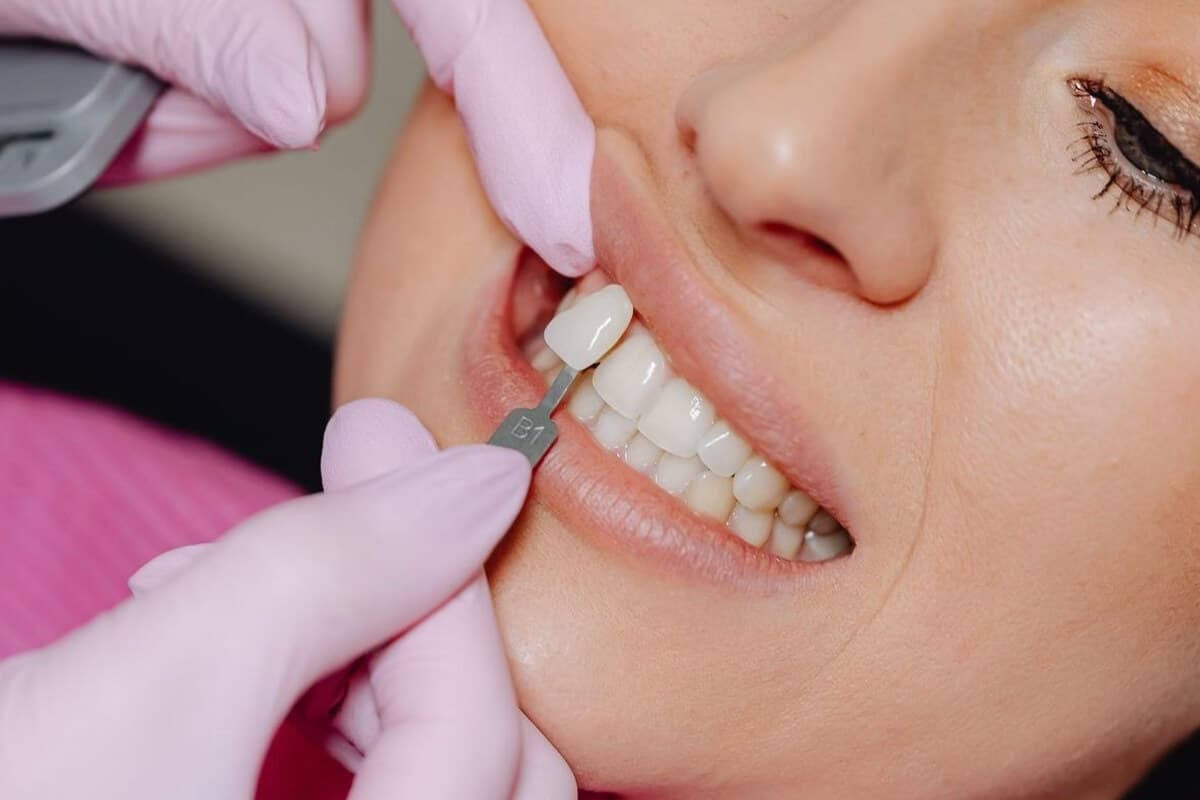
The glass-ceramic crown process is made up not of a single procedure but of careful stages that follow one another. Each step affects both the aesthetic result and the long-term health of the tooth. In the headings below, the process is explained in order, from planning to cementation.
Tooth Preparation and Shaping
The first step is preparing the tooth so that it can receive the crown. At this stage a very thin layer is ground from the enamel surface; the aim is for the crown to sit on the tooth without overhanging and with a natural thickness. In glass-ceramic procedures, the aim is to keep this loss of structure more limited than with some other methods.
During preparation, the margins of the tooth are defined so as to be harmonious with the gum. A well-designed margin line both provides an aesthetically invisible transition and helps reduce plaque build-up. The procedure is carried out under suitable anesthesia with patient comfort in mind.
In some cases, the dentist plans the result in advance with wax models or digital designs before starting the procedure. This preliminary work helps you see in advance how much the tooth will be ground down and how the final shape will look. In this way the preparation stage is based not on guesswork but on a planned design. This both limits loss of tooth structure and clarifies expectations.
Shade Selection and Impression
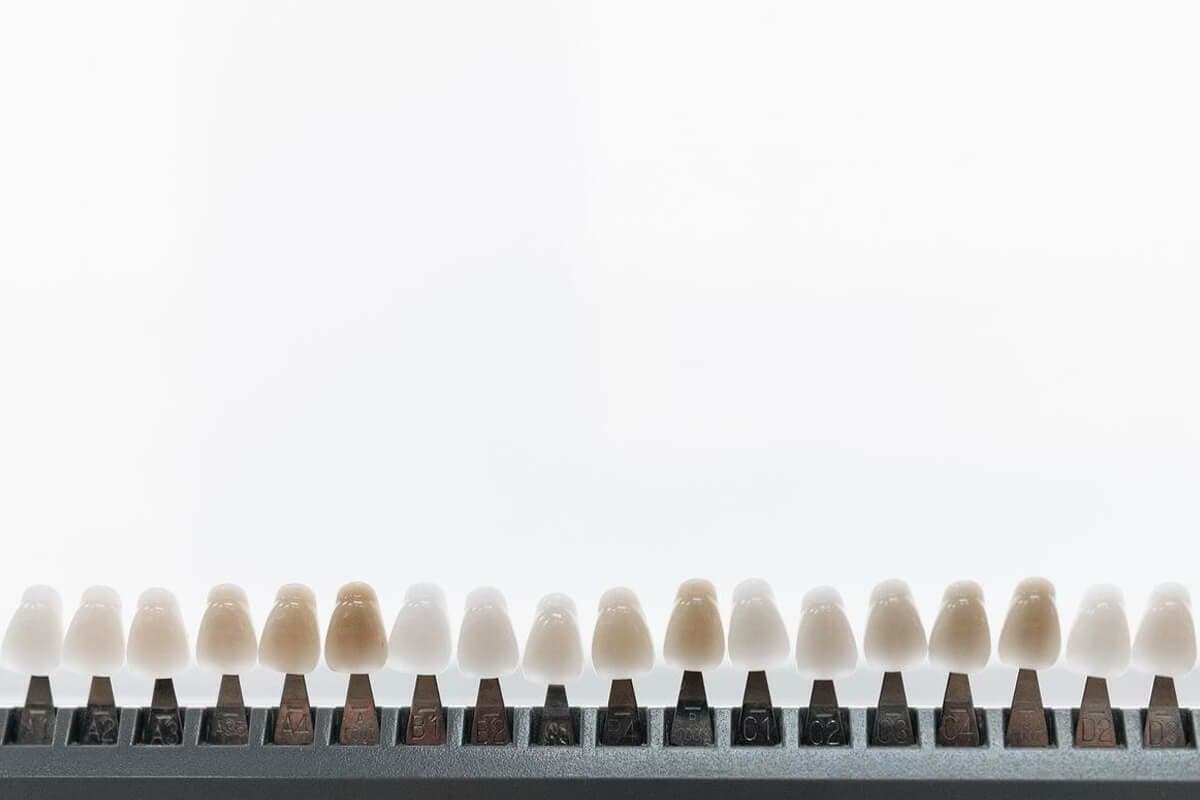
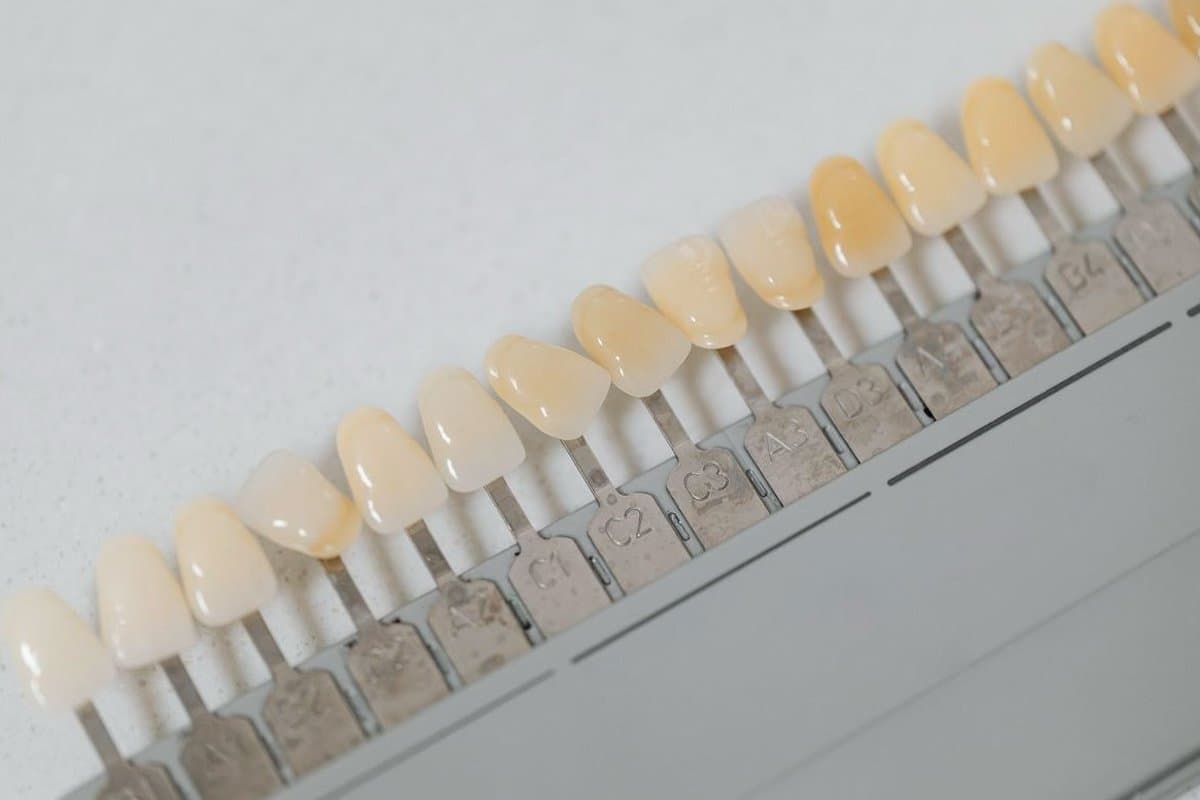
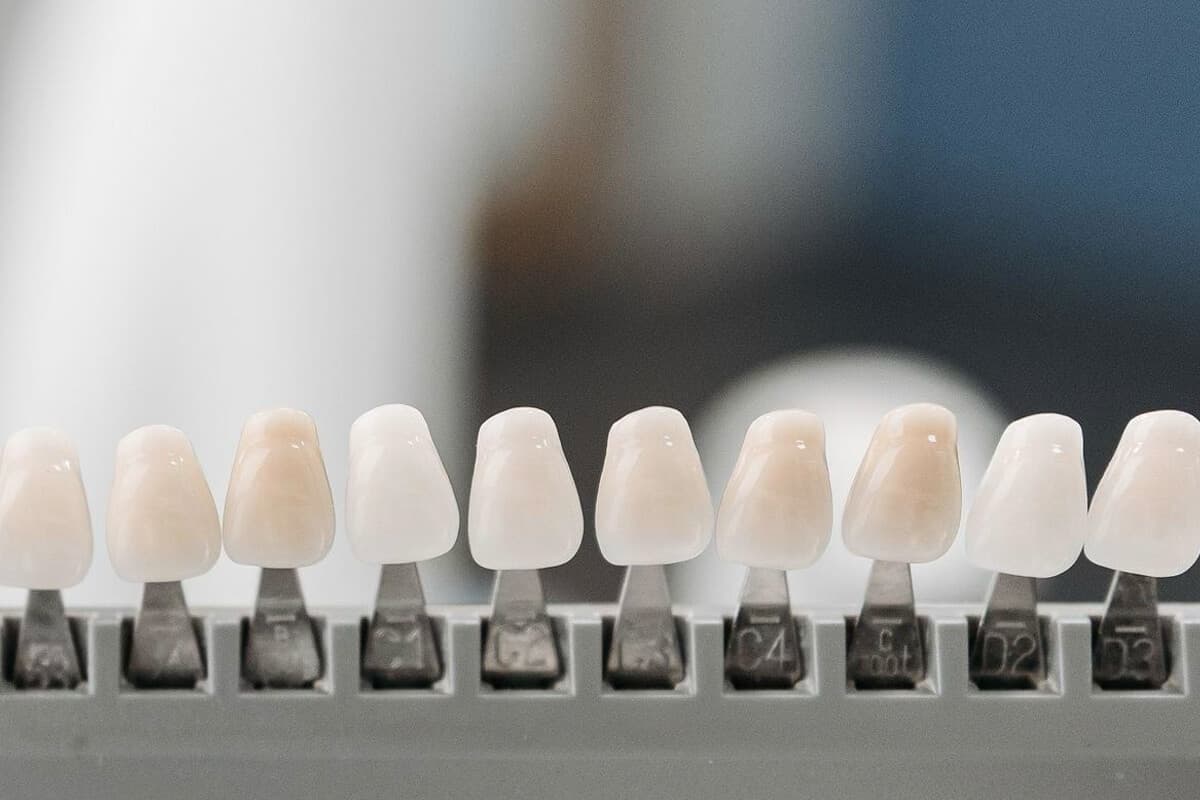
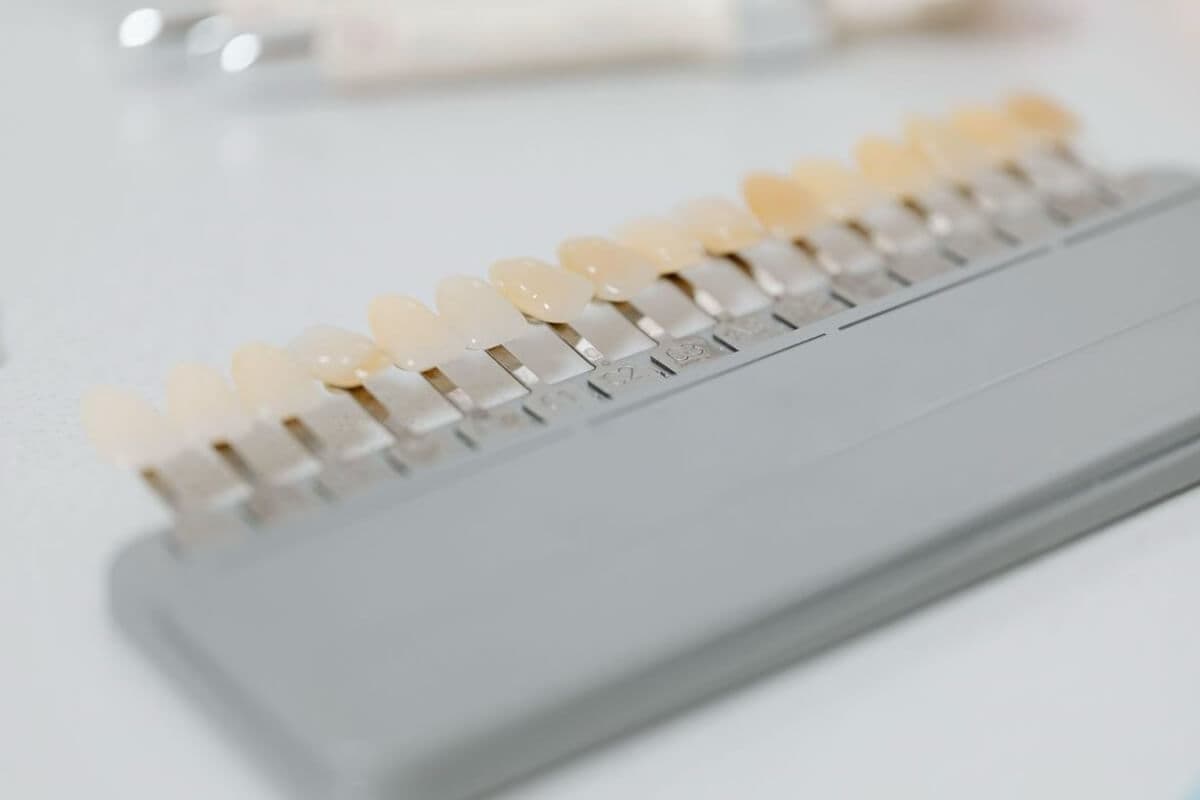
Shade selection is a critical stage for a natural result. The dentist determines the appropriate shade with a shade guide, taking into account the tone of the neighboring teeth and the patient's expectations. Making the assessment under natural light at this stage is important for the result to be realistic.
After the shade decision, an impression of the prepared teeth is taken. This impression can be obtained with traditional impression materials or with digital scanners. The digital method can be more comfortable for the patient and aims to transfer extremely precise data to the laboratory. The impression taken forms the basis for the crown to fit the tooth perfectly.
Along with the impression, details such as the smile line, lip movement and facial features can also be recorded. This information is used in the laboratory so that the restoration harmonizes not only with the tooth but with the person's overall facial aesthetics. In this way, the result is planned as a holistic smile rather than a single tooth.
Temporary Crown and Laboratory Process
While the permanent restoration is being prepared in the laboratory, a temporary crown is placed to protect the ground teeth. This temporary solution aims to reduce tooth sensitivity and maintain an aesthetic appearance. The patient can continue their normal life during this process, but it is recommended to avoid hard and sticky foods.
The laboratory stage can generally vary between a few days and two weeks. During this time the dental technician mills, shapes and fires the glass-ceramic block according to the impression and shade information. The surface texture and gloss of the crown are carefully adjusted to resemble a natural tooth. The time differs according to the complexity of the case and the number of teeth.
During the temporary crown period some patients may feel mild sensitivity; temporary sensitivity to hot and cold can be considered normal. During this period it is recommended not to put strain on the edges of the temporary restoration and to avoid very sticky foods. In the event of it coming off or breaking, contacting the clinic is important for preserving the fit of the permanent crown.
Final Fit Check and Cementation
When the crown is ready, it is placed on the tooth temporarily before permanent cementation. At this try-in stage the dentist checks the margin fit, shade match and bite relationship. The patient also evaluates the aesthetic result with the help of a mirror; if necessary, small adjustments can be made at this stage.
After the fit is approved, the process moves to cementation, that is, permanent bonding. The tooth surface is prepared with a special procedure and the crown is fixed to the tooth with a suitable adhesive cement. The bonding technique used for glass-ceramic crowns aims for the restoration to adhere strongly to the tooth.
After cementation, excess cement is cleaned and the bite is checked one last time. The dentist may make fine adjustments to be sure that the bite balance is correct. When the procedure is complete, care instructions are explained to the patient and the first check-up appointment is scheduled. These meticulous checks are important for long-term comfort.
Advantages of Emax Crowns
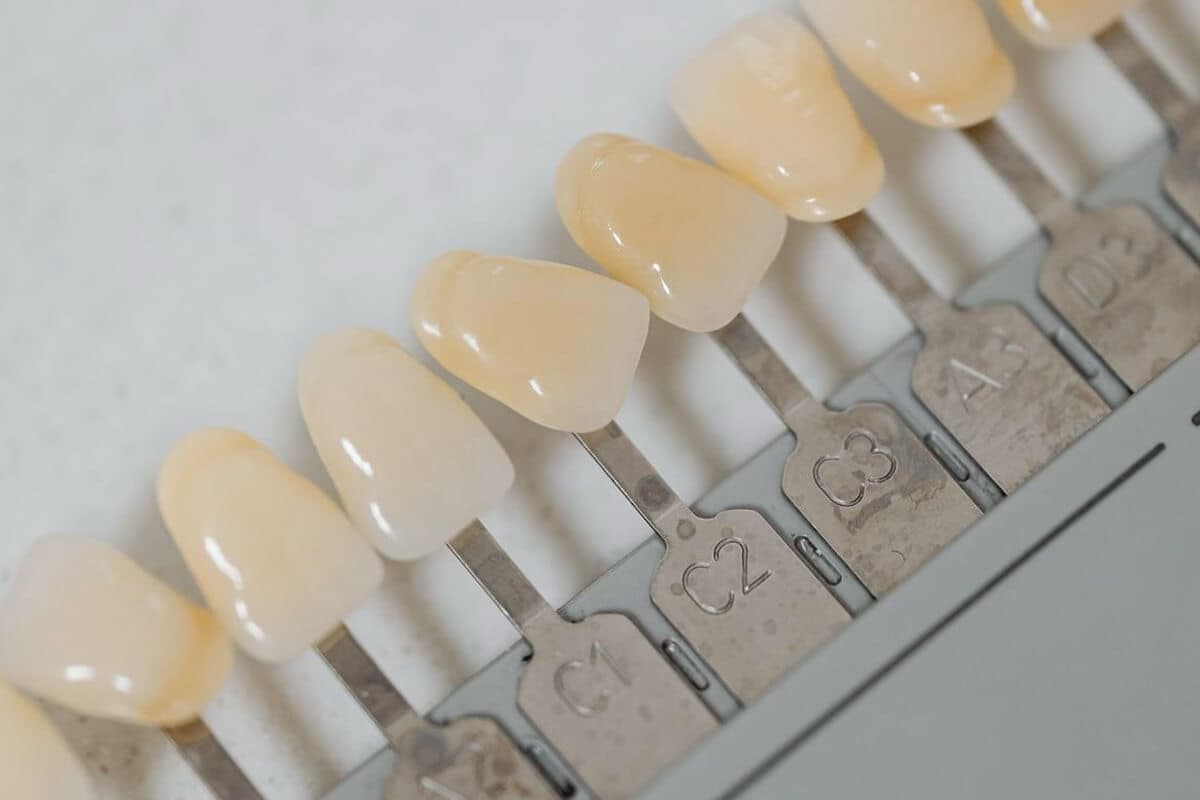
The most prominent aspect of the glass-ceramic crown is its natural appearance. Because it contains no metal substructure, it transmits light like a natural tooth and does not create a dark shadow at the gum. In this way, the aim is to obtain an aesthetic result without leaving an artificial impression, especially in the front area.
High aesthetics: Aims to offer an extremely realistic look by imitating the light transmission of a natural tooth.
Little loss of tooth structure: Compared with some types of restoration, the aim is for less enamel to be ground from the tooth, so natural tissue is preserved.
Stain resistance: The smooth glass-ceramic surface is considered resistant to staining from drinks such as tea and coffee.
Biocompatibility: It is expected to be compatible with oral tissues and the risk of irritation is intended to be low.
Color stability: Because it resists yellowing over time, it helps keep its first-day shade for a long time.
Overall harmony: It is planned to look harmonious with the neighboring teeth in terms of color and texture.
These advantages help the crown meet both aesthetic and functional expectations. However, no restoration is the single right option for every case. To what extent the benefits provided by the material will suit a person is evaluated by the dentist according to the oral structure and expectations. Correct planning helps the advantages turn into actual results.
In addition, because this method can require only minimal preparation, many people find it comfortable. When applied with the right indication, it aims to improve smile aesthetics noticeably. Even so, the final result is shaped by the combination of the dentist's experience, laboratory quality and the patient's care habits.
Care and Precautions After Emax Crowns
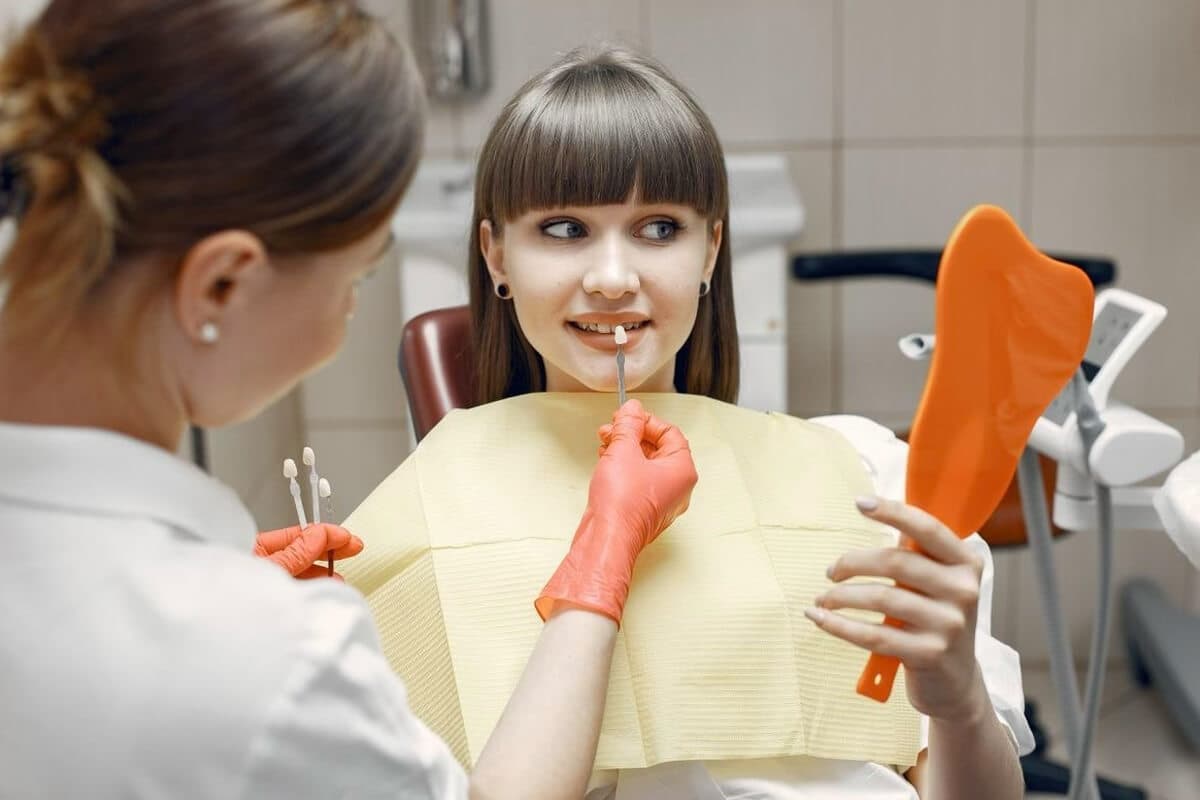
The lifespan of a glass-ceramic crown depends largely on the care after the procedure. The right habits help protect both the appearance of the restoration and the health of the natural tooth beneath it. The headings in this section summarize the basic points to pay attention to in daily life.
Oral Hygiene and Cleaning Routine
After a crown is placed, regular brushing is essential just as with natural teeth. Brushing at least twice a day with a soft-bristled brush and a non-abrasive toothpaste is recommended. Overly abrasive products can affect the gloss of the ceramic surface over time; for this reason, choosing a suitable product is important.
Cleaning between the teeth is just as valuable as brushing. When plaque at the edges of the crown is removed with dental floss or interdental brushes, the aim is to protect gum health. Plaque that builds up at the margins can lay the groundwork for both gum recession and problems under the crown. For this reason, interdental cleaning should not be neglected.
Alcohol-free and low-alcohol mouthwashes can support the daily routine; however, the foundation of cleaning is always correct brushing and flossing. Overly hard brushes or very forceful brushing can negatively affect both the gums and the edge of the crown. A gentle but regular technique helps preserve both comfort and the appearance of the restoration.
Eating Habits
Although glass-ceramic is durable, care is needed with hard objects. Chewing ice, cracking hard-shelled foods with the teeth or biting objects such as pens can increase the risk of cracks or fractures in the crown. Avoiding such habits helps preserve the integrity of the restoration.
Although staining drinks do not easily stain the ceramic surface, they can affect natural teeth and the edges of the crown over time. Consuming dark tea, coffee and similar drinks in moderation is useful for maintaining a fully harmonious appearance. In addition, because highly acidic foods can affect the surrounding tooth tissue, a balanced diet is recommended.
It should not be forgotten that in people with a tendency to clench their teeth at night, chewing forces can increase the load on the crown. In such cases the dentist may recommend using a night guard to protect the ceramic. This simple measure can help reduce the risk of unexpected fracture of the crown.
Regular Dental Check-Up Visits
Regular dentist check-ups hold an important place for the crown to be long-lasting. In check-ups, generally done every six months, the margin fit of the crown, gum health and bite relationship are evaluated. Small problems noticed early can be resolved without the need for larger interventions.
Professional dental cleaning can also be performed at these visits. When plaque and tartar in areas that are hard to reach with home care are cleaned, the aim is to protect the health of the tissues around both the natural teeth and the crown. Regular follow-up carried out with an experienced team makes an important contribution to the durability of the result. Choosing a reliable dental clinic in Samsun for aesthetic restorations in Samsun and its surroundings makes this follow-up process easier.
Choosing Between Emax Crowns and Zirconia
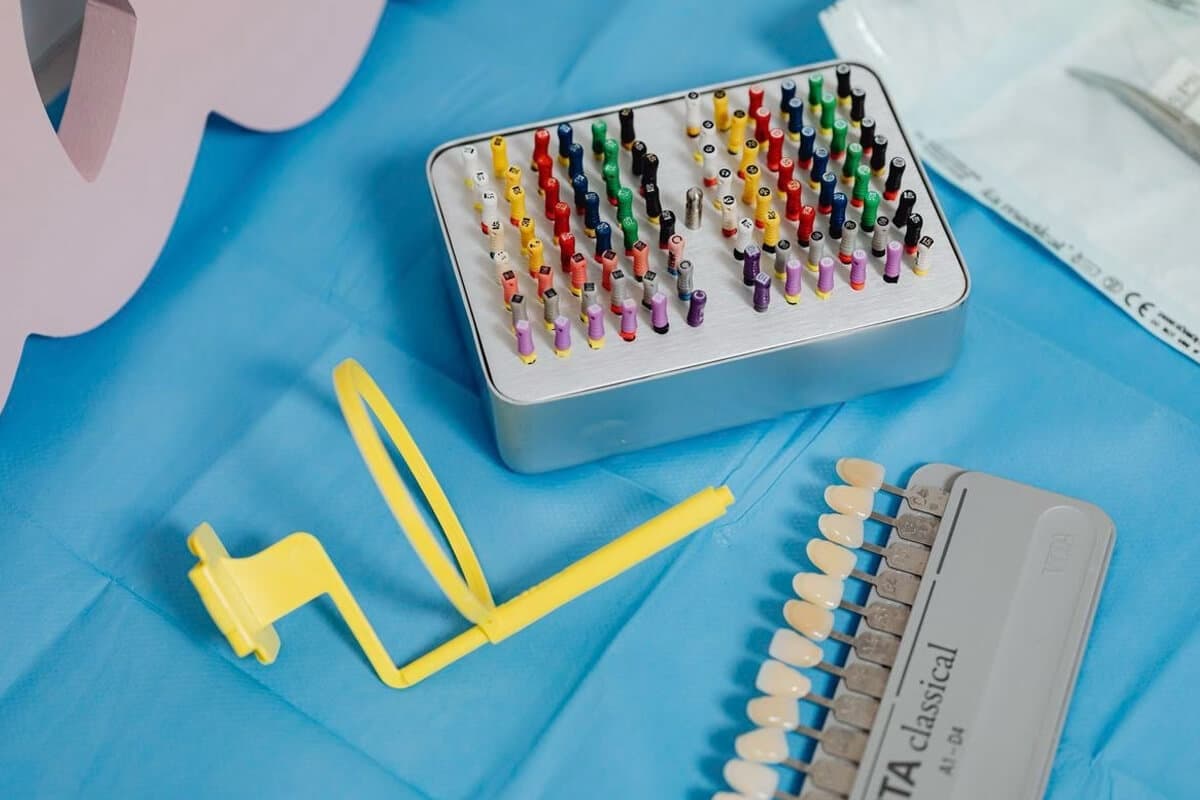
The two options most frequently compared in aesthetic dental restorations are glass-ceramic and zirconia. Both are metal-free, aesthetics-focused materials; however, their structures and areas of use are different. The right choice varies according to the position of the tooth, the chewing load and aesthetic expectations. The table and headings below summarize these differences.
Criterion | Emax (Glass-Ceramic) | Zirconia |
|---|---|---|
Aesthetics / Light Transmission | High; imitates the translucency of a natural tooth | More opaque; transmits less light |
Durability | Good; suitable for moderate chewing loads | Very high; resistant to heavy loads |
Suitable Area | Generally front teeth and the aesthetic zone | Generally back teeth and long bridges |
Amount of Tooth Reduction | Less loss of tooth structure is targeted | More reduction may generally be required |
Differences in Aesthetic Performance
In terms of aesthetics, glass-ceramic stands out for its success in imitating the light transmission of a natural tooth. The passage of light through the material gives the tooth a lively and deep appearance. For this reason it is an option frequently preferred in the front area, which is the most visible when smiling.
Zirconia has a more opaque structure; it transmits less light and therefore may look less translucent in some cases. Even so, with advancing manufacturing techniques the aesthetics of zirconia have improved markedly. For thin front-tooth restorations where high aesthetics are expected, glass-ceramic is mostly considered a step ahead.
Another difference in color harmony is how the underlying tooth color shows through. Because glass-ceramic is translucent, it may show some of a dark underlying tooth color; for this reason, the base is taken into account in shade selection. The opaque structure of zirconia can offer an advantage in masking a dark base. These details show that in the choice, not only the position of the tooth but also its current color plays a role.
Durability and Risk of Fracture
When it comes to durability, zirconia stands out with its resistance to high pressure. This feature makes it advantageous in back teeth exposed to heavy chewing forces and in long bridge restorations. The relatively low risk of fracture under heavy load is an important factor for those seeking durability.
The durability of glass-ceramic is also considered sufficient for daily use; however, under very heavy loads the risk of fracture may be higher than with zirconia. For this reason, in areas where chewing force is greatest, the dentist may prioritize durability and recommend a different material. The choice is made according to the balance between aesthetics and durability.
The factors that determine the risk of fracture are not limited to the material. The thickness of the crown, the quality of bonding to the tooth and the balance of the bite also directly affect durability. A restoration that is correctly planned and has a balanced bite uses the strength offered by the material most efficiently. For this reason, durability is evaluated not by material choice alone but together with the quality of workmanship.
Cost Comparison
In terms of cost, it would not be accurate to give a fixed and unchanging ranking between the two materials; because price depends on many factors. The quality of the material used, the complexity of the case, the number of teeth and the laboratory process directly affect the total amount. For this reason, the comparison of the two options should be made case by case.
As a general approach, glass-ceramic can be considered for a small number of teeth in the aesthetic zone, and zirconia for extensive restorations in the back area that require durability. However, the most accurate cost information is obtained after an intraoral examination and treatment plan. For this reason, a personal evaluation is recommended for both options.
When evaluating cost, it is useful to consider not only the initial amount but also the long-term value. A restoration made with the right indication and well cared for can keep its function for years and reduce the need for re-intervention. From this perspective, material and workmanship quality are important factors that directly affect the initial choice. A lasting result is often the natural outcome of a well-planned treatment.
Lifespan and Replacement Interval of Emax Crowns
The service life of a glass-ceramic crown can reach many years with proper care and regular check-ups. In general, it is stated that such restorations can continue to function for an average of ten to fifteen years under suitable conditions. However, this period is not a guaranteed value but a range that depends on many factors.
The most important factor determining lifespan is oral hygiene. Regular brushing, interdental cleaning and professional check-ups help protect the health of both the crown and the tooth beneath it. Neglected care can lead to early wear not of the crown but of the surrounding tissues, and this can shorten the life of the restoration.
Diet and habits also affect the duration. Biting hard objects, chewing ice or uncontrolled teeth clenching can lay the groundwork for micro-cracks in the crown. Avoiding such strain helps extend the replacement interval. In people who clench their teeth at night, the use of a protective guard may be recommended to support lifespan.
Over time, situations such as gum recession, margin discoloration or small fractures may appear. When these signs are noticed, the dentist decides by examination whether the crown should be renewed. Because early check-ups allow the problem to be addressed before it grows, they can help delay the need for replacement. As a result, lifespan should be thought of as a range that varies from person to person.
Even if the crown itself remains sound, the condition of the surrounding gum and bone tissue affects its lifespan. A change in the gum line over time can create an aesthetic difference at the transition between the crown and the tooth. In such cases, even though the restoration is technically sound, renewal may come up for aesthetic reasons. For this reason, in the evaluation not only the crown but the whole of oral health is taken into account.
Emax Crown Prices in Samsun 2026
The price of a glass-ceramic crown cannot be expressed with a single fixed figure; because every oral structure and every treatment plan is different. In this article, rather than sharing a specific amount, it is more accurate and realistic to focus on the factors that affect the price. Clear information can only be given after a personalized examination.
Case complexity: A simple aesthetic adjustment and an extensive restoration covering many teeth differ in terms of cost.
Material quality: The type of glass-ceramic block used and the laboratory workmanship directly affect the total amount.
Number of teeth: As the number of teeth to be crowned increases, the scope of the planned procedure and the cost also change.
Additional procedures: If preparatory procedures such as gum treatment, root canal treatment or whitening are needed, the process expands.
Dentist's experience: In aesthetic restorations, the dentist's experience and collaboration with the laboratory affect the quality of the result and the planning.
When these factors come together, a separate treatment plan, and therefore a different cost, emerges for each patient. General figures seen online may not always fit a personal situation. For this reason, the healthiest path is to have an intraoral examination and get information based on a plan prepared specifically for you.
During the examination, the dentist evaluates your tooth structure, your expectations and the necessary preparatory procedures. They then transparently explain which material is suitable and how the process will proceed. This approach helps both manage expectations correctly and keep the treatment process free of surprises. A detailed consultation is always recommended before making a decision.
Conclusion
Emax crowns in Samsun are an aesthetic solution that can be considered by people seeking a natural appearance and an approach that respects the tooth. The light transmission of lithium disilicate glass-ceramic aims for realistic results, especially in the front area. However, as with any method, the suitability decision is personal.
Fully benefiting from the advantages of the crown depends on the combination of the right indication, careful application and regular care. Comparison with alternatives such as zirconia should likewise be made according to the oral structure and expectations. For this reason, it is important to consult an experienced dentist before deciding.
For those aiming for an aesthetic smile, the most correct step is to start the process with a detailed examination. Personalized planning helps both manage expectations realistically and support long-term comfort. Making every decision about your dental health with a dentist's evaluation is the healthiest approach.