Spec. Dt. Gökcan ErtaşOrthodontist
 Dt. Sena KırcaDentist
 Dt. Sevinç Cansu KayıranDentist
 Assoc. Prof. Dr. Sezin ÖzerPediatric Dentist
 Spec. Dt. Sude Yıldırım BolatSpecialist in Periodontology
Gingivectomy in Samsun is a periodontal procedure that removes excess or diseased gum tissue due to gum disease or for cosmetic reasons. In this article you will find how gum reshaping is performed, who it is suitable for, the recovery process, and what to pay attention to before and after treatment.
Gingivectomy is a dentist-supervised procedure preferred both to protect gum health and to improve the aesthetics of the smile. When planned with the right indication, it helps reduce an excessive gum appearance that makes the teeth look short and helps bring hard-to-clean gum pockets under control. Working with an experienced team is important for determining the right step for your gum health; Dental Prime offers examination and evaluation support throughout this process.
What Is Gingivectomy?
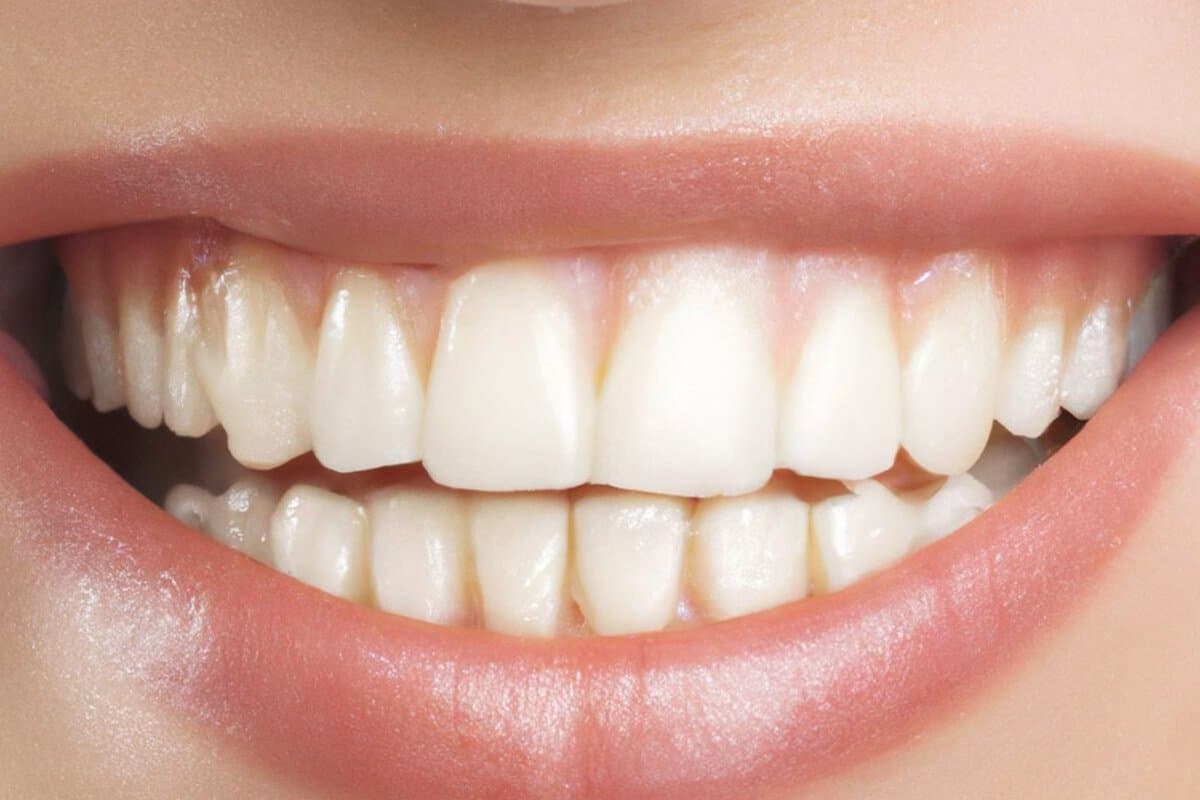
Gingivectomy is the surgical removal of excess or diseased gum (gingival) tissue around the teeth. The procedure is performed for two main reasons: to support periodontal health by removing diseased tissue, and to achieve a more balanced smile by adjusting the gum level. When part of the gum tissue is removed, more of the tooth surface is exposed and the boundary between the gum and the tooth is reshaped.
One of the most common reasons for the procedure is gum overgrowth. Because of the use of certain medications, hormonal changes or inadequate oral hygiene, the gums can become thicker and larger than normal. Overgrown gum tissue creates areas between and along the edges of the teeth that are hard to clean; this increases plaque buildup and inflammation. Removing the excess gum tissue helps make these areas easier to clean and helps maintain gum health.
Gingivectomy also plays a role in treating deepened gum pockets. When the pocket between the tooth and the gum deepens, bacteria collect in this space and set the stage for periodontal disease to progress. In suitable cases, the dentist aims to reduce pocket depth by removing the diseased tissue surrounding the pocket. This makes daily care easier and increases the effectiveness of supportive periodontal treatments.
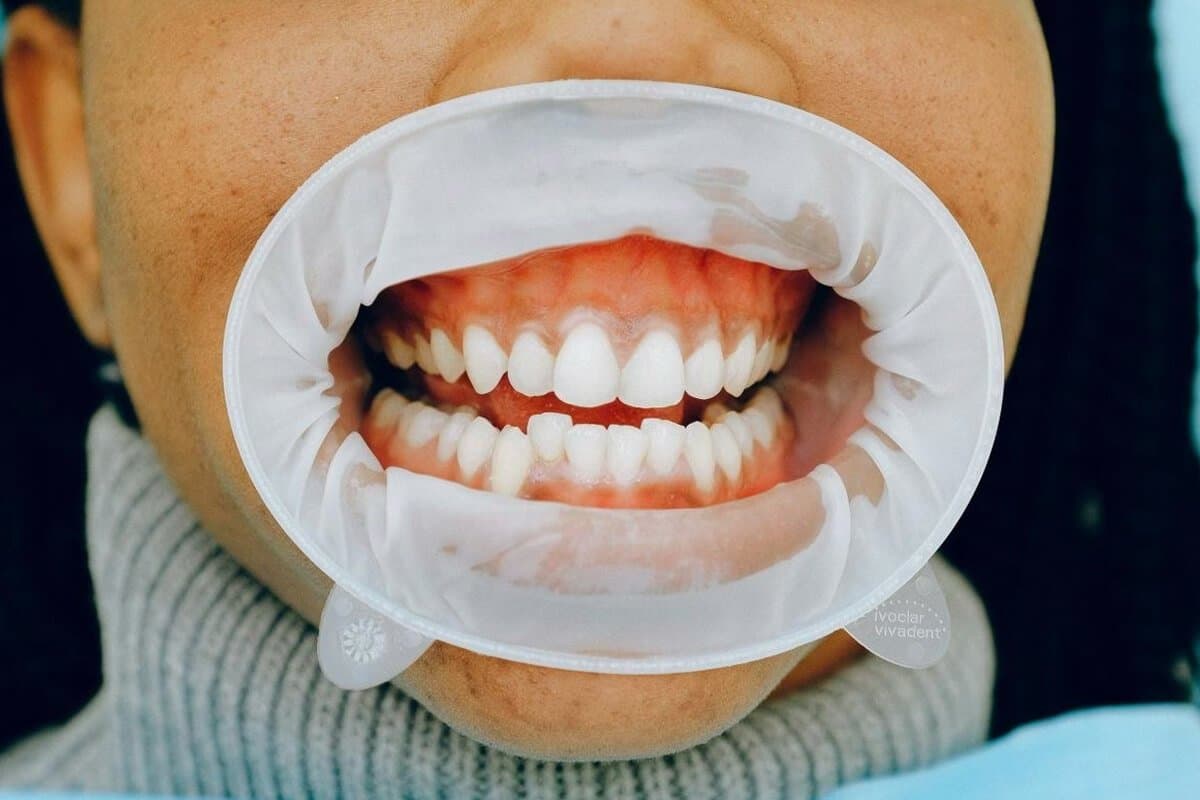
From an aesthetic standpoint, gingivectomy may be preferred especially when too much gum shows when smiling. Excess gum that makes the teeth look shorter than they are, when adjusted in a measured way, brings the proportions of the teeth into better harmony. However, not every gum appearance requires surgery; a periodontal examination is essential to determine the right approach.
How Is Gingivectomy Performed in Samsun?
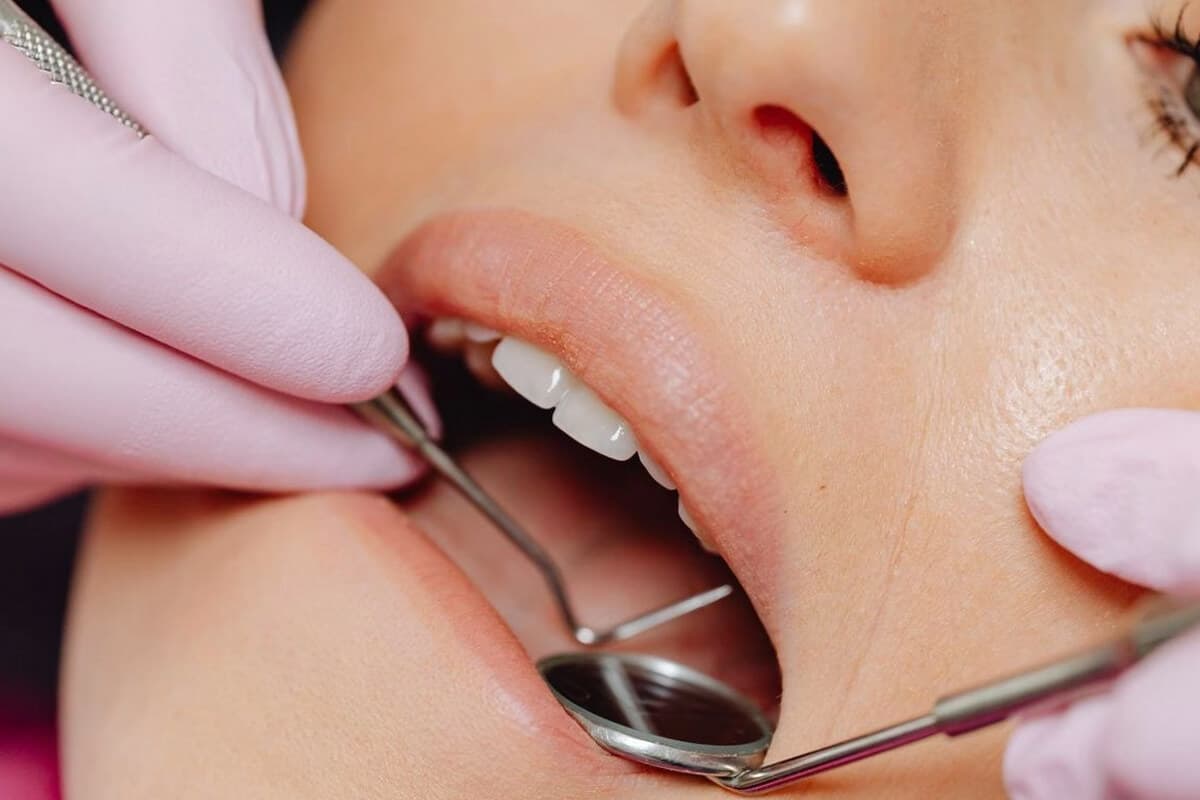
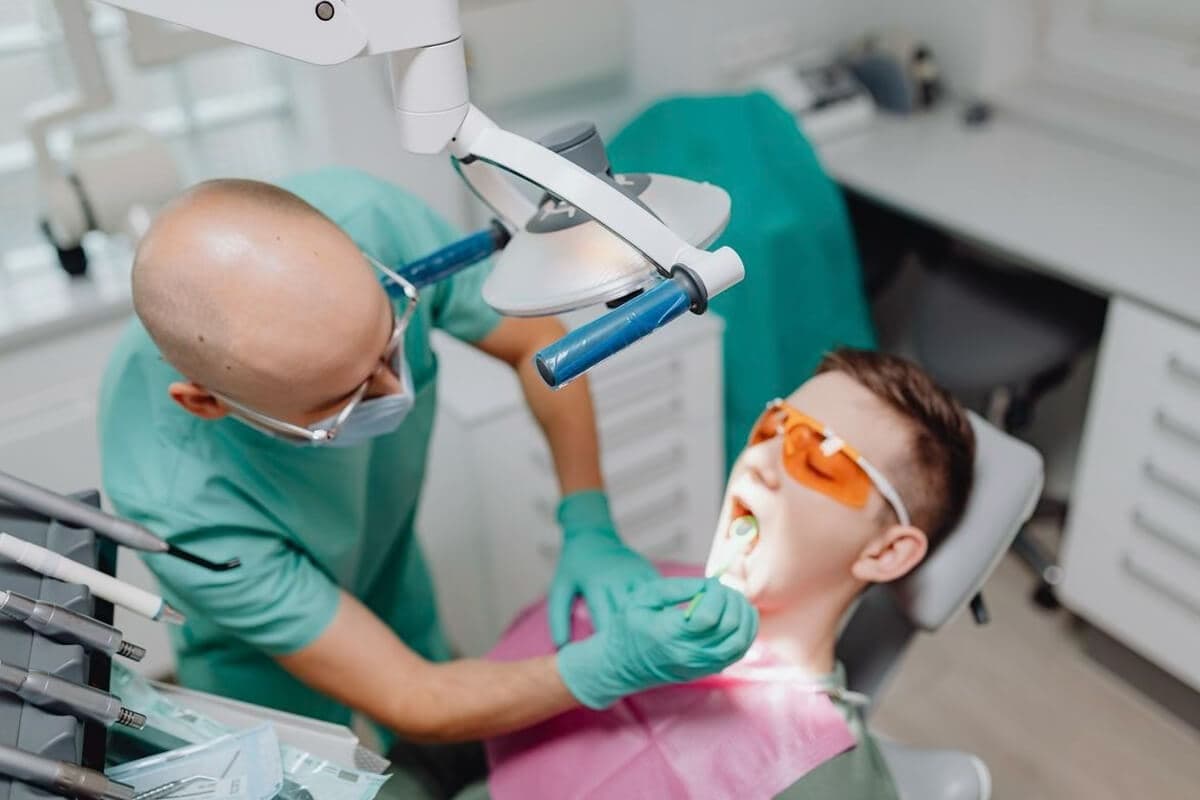
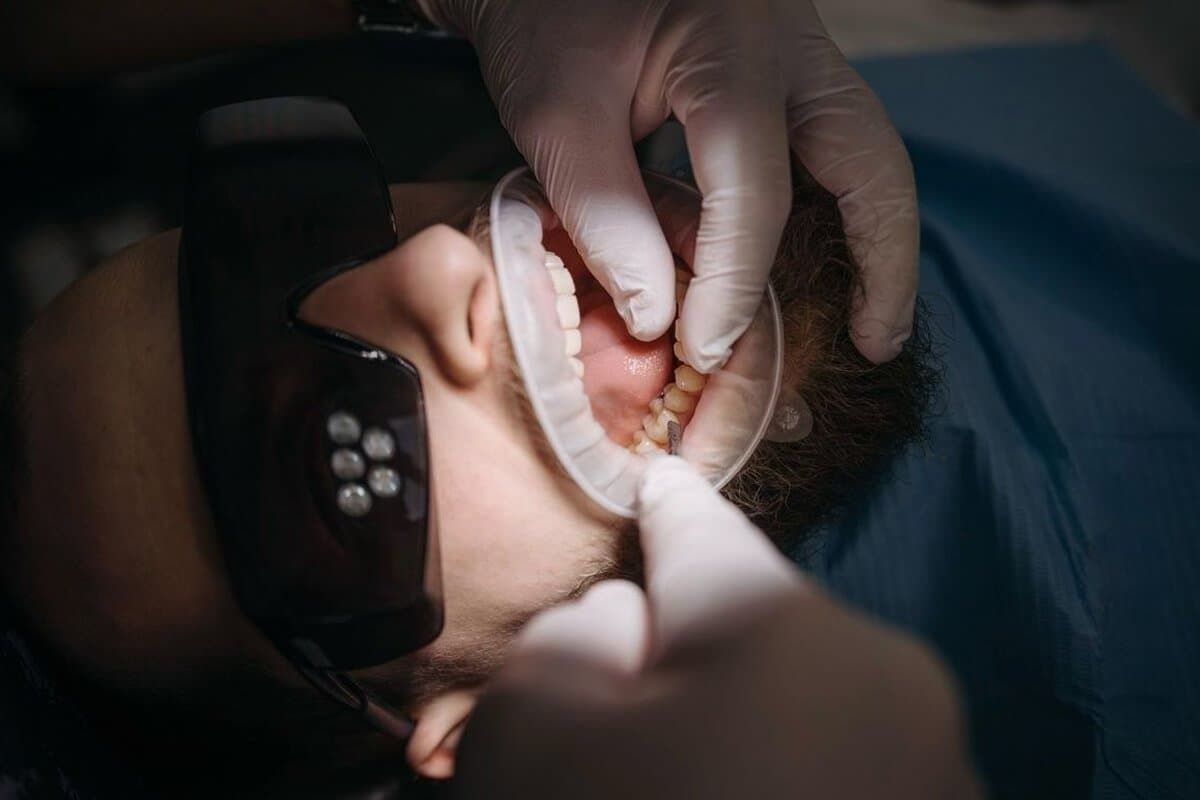
Gingivectomy is an outpatient procedure that is usually completed in a single session. The duration of the procedure varies with the size of the area to be treated and how widespread the excess gum tissue is; it is short in a limited area, while a longer session may be needed for larger areas. All stages proceed under the dentist's supervision in controlled conditions, and the patient's comfort is kept a priority.
Anesthesia and Preparation Stage
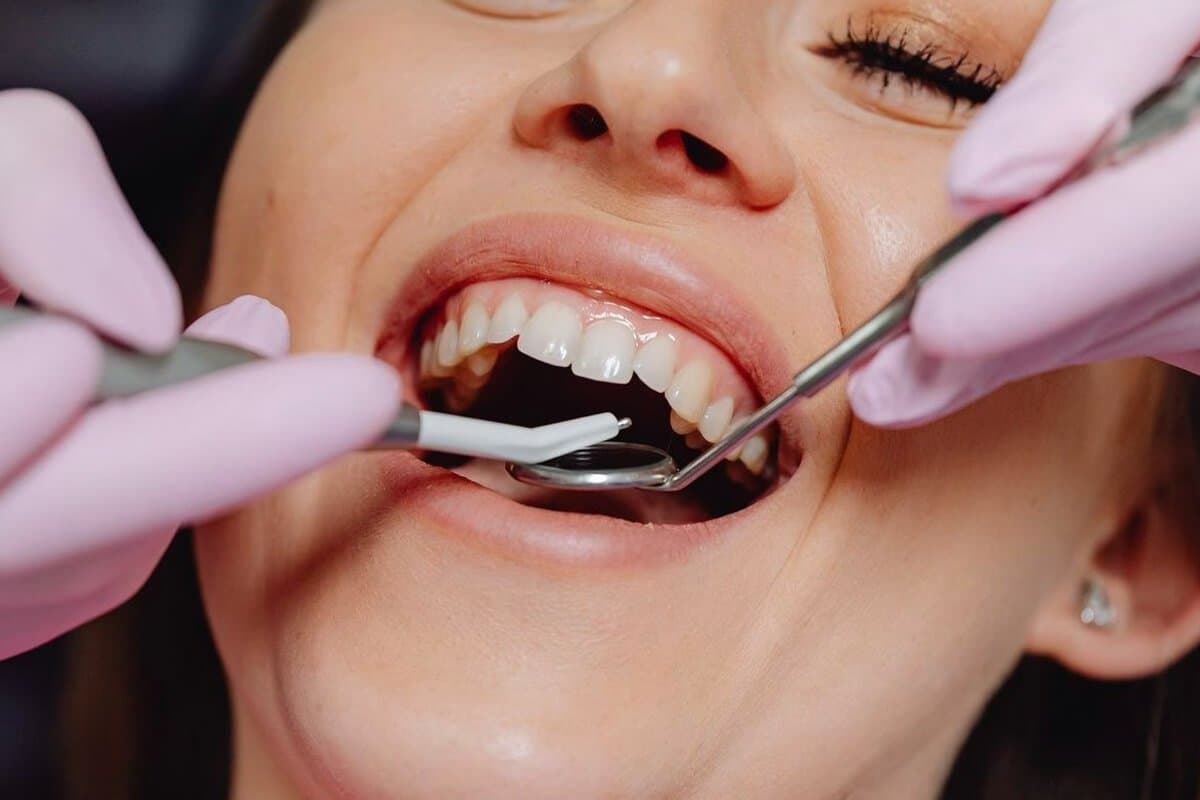
Before starting the procedure, the dentist evaluates the gum tissue and pocket depths and, when necessary, examines an X-ray image of the area. Local anesthesia is then applied to the area to be treated, so no pain is felt during the procedure. After the anesthesia takes effect, the gum boundaries are planned and the amount of tissue to be removed is determined. This planning is decisive for both the health and the aesthetic result.
During preparation, plaque and tartar on the tooth surfaces may be cleaned before the procedure. Having oral hygiene in the best possible condition before the procedure positively affects the healing process. The dentist explains the steps of the procedure to the patient and what to pay attention to afterward.
Gingival Tissue Removal Technique
Once anesthesia is achieved, the dentist removes the excess or diseased gum tissue along the pre-planned line. This can be done with traditional surgical hand instruments, or, in suitable cases, with methods such as laser or electrosurgery. The choice of method depends on the type of case, the amount of tissue and the dentist's evaluation.
While the tissue is being removed, the aim is for the gum line to take on a natural and harmonious appearance. The goal is not only to remove the excess, but also to ensure that the gum margin forms a balanced line with the teeth. For this reason, gum reshaping is performed in a measured and controlled way. Working with an experienced team is important for the result to be both healthy and aesthetic; a periodontology specialist in Samsun plans the tissue boundaries according to the structure of the teeth.
Hemostasis and Probe Placement
After the tissue is removed, a small amount of bleeding in the area is normal. The dentist applies light pressure and tidies the area to achieve hemostasis, that is, bleeding control. Once the bleeding is under control, the treated area is cleaned and given a final evaluation.
In some cases, the dentist may apply a protective covering called a periodontal pack to protect the treated area. This protective layer shields the healing tissue from external factors and increases comfort. After the procedure, the dentist schedules a follow-up appointment to monitor the healing of the area. Measurements taken with a probe help track how the pocket depth changes.
Recovery and Care After Gingivectomy

Although the healing process varies from person to person, the first signs of healing are generally seen within a few days and the tissues largely recover within a few weeks. Following the instructions given by your dentist during this process helps healing progress in a healthy way. Full maturation of the gum tissue can take several weeks.
Critical Steps in the First 24 Hours
The first 24 hours after the procedure form the foundation of healing. During this time, it is important not to touch the treated area and not to bring your tongue or fingers to it. There may be slight oozing bleeding; in this case, gentle pressure can be applied with a clean piece of gauze as your dentist recommends. Avoiding hard spitting, rinsing and drinking through a straw helps protect the area.
Staying away from very hot foods and drinks on the first day prevents irritation in the area. A whitish layer seen on the treated area is most often part of natural healing and should not be mistaken for infection. Still, if you suspect something unusual, consulting your dentist is the best approach.
Pain Management and Temporary Swelling
After the procedure, you may feel mild discomfort, sensitivity or temporary swelling. These symptoms generally ease within a few days. The dentist may recommend a suitable pain reliever when considered necessary; medications should be used only on the dentist's advice and as directed. A cold compress applied externally to the area can help reduce swelling in the first hours.
Symptoms such as swelling that increases rather than decreases a few days after the procedure, severe pain that does not go away, bleeding that does not stop, or pus discharge are outside the expected healing picture. In such cases, it is recommended that you contact your dentist without delay. Regular follow-up helps the process go smoothly.
Nutrition and Oral Hygiene Rules
During the recovery period, choosing soft and lukewarm foods soothes the treated area. Hard, crunchy, very hot or spicy foods can irritate the area, so avoiding them in the first few days is helpful. Soft foods such as soup, puree and yogurt are a good choice during this period. Drinking plenty of water also supports overall healing.
Oral hygiene is one of the most important parts of healing; however, the treated area should be approached carefully in the first days. The dentist generally recommends gently brushing the teeth outside the area, while the treated area is cleaned softly for the specified period. Since smoking and alcohol can negatively affect healing, it is recommended to stay away from them during this period. Mouth rinses or care products recommended by the dentist can also contribute to the process.
Who Is a Suitable Candidate for Gingivectomy?
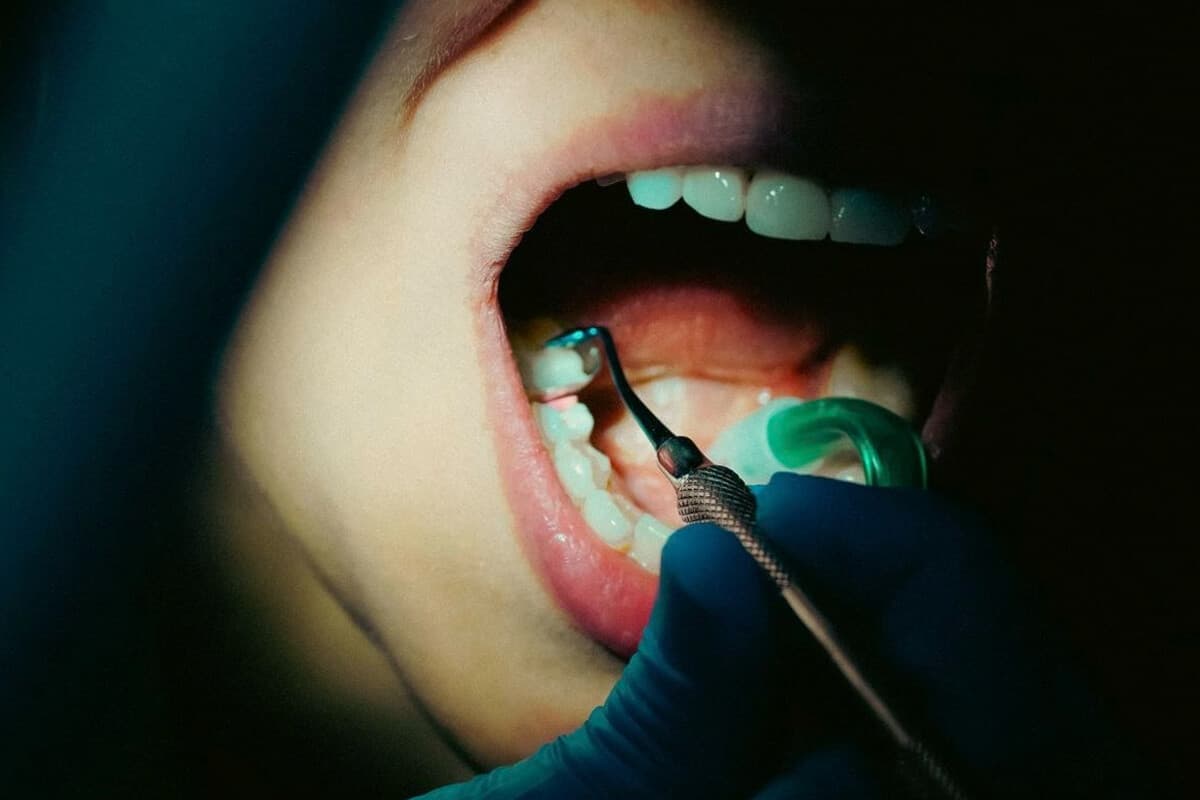
Gingivectomy is not a procedure applied for every gum complaint; the decision on suitability is made by the dentist after a periodontal examination. In general, people with gum overgrowth whose gums look thicker and larger than normal may be among the candidates for this procedure. Patients who experience medication-related gum overgrowth can also be considered among suitable cases.
The procedure may also come up for people who have excess or diseased tissue due to gum inflammation and who have developed gum pockets that are hard to clean. In addition, in aesthetic situations where too much gum shows when smiling and the teeth look short, gingivectomy may be preferred if deemed appropriate. In this evaluation, gum health, tooth structure and the patient's expectations are considered together.
However, in patients who have an active, uncontrolled infection, certain systemic health problems, or conditions that may affect healing, additional evaluation may be needed before the procedure. For this reason, the decision is always made individually and includes a general health assessment. You will get the most accurate information about suitability from your dentist during the examination.
The Difference Between Gingivectomy and Gingivoplasty
Gingivectomy and gingivoplasty are two frequently confused procedures; both involve gum tissue, but their purposes are different. Gingivectomy aims to remove excess or diseased gum tissue. Gingivoplasty, on the other hand, focuses on reshaping existing gum tissue for aesthetic and functional purposes. In some cases the two procedures can also be performed together so that they complement each other.
Suitable Cases for Gingivectomy
Gingivectomy stands out especially when there is excess gum tissue. Gum overgrowth, pockets that are hard to clean and prone to inflammation, and the presence of diseased gum tissue are among the typical indications for this procedure. The aim is to support health by removing excess tissue and to make daily care easier. This method may also be considered when the gum level needs to be reduced for aesthetic reasons.
When Gingivoplasty Is Preferred
Gingivoplasty is preferred when there is no large excess of gum tissue but the gum line looks irregular, asymmetrical or sharp. In this procedure, the aim is less to remove tissue than to soften the existing gum margin and create a natural line that harmonizes with the teeth. In situations that require fine-tuning of the smile, gingivoplasty, performed alone or together with gingivectomy, helps improve the result.
Gingivectomy Prices in Samsun 2026
The cost of gingivectomy cannot be expressed as a single fixed amount, because every case is unique. The most important factor determining the price is the scope of the procedure. A procedure involving a single tooth or a limited area and a procedure covering several teeth and a wide area naturally require different levels of work. For this reason, the number of teeth and the size of the area to be treated directly affect the cost.
The type of case is also a deciding factor. A gum adjustment for aesthetic purposes and a procedure that requires removing diseased tissue due to gum disease may involve different plans. In some cases, scaling, periodontal treatment or other supportive procedures may be needed in addition to the procedure; these additional procedures also affect the overall process. The method used and the technical equipment are also part of the evaluation.
The experience of the dentist performing the procedure and the conditions offered by the clinic also play a role in the price. Considering all these variables together, reliable price information can only be reached after an examination. The best way is to have your gum condition evaluated with a periodontal examination and to have a treatment plan prepared specifically for you. This evaluation both clarifies your expectations and keeps the process transparent.
Conclusion
Gingivectomy in Samsun is a periodontal procedure in which excess or diseased gum tissue is removed under the supervision of a dentist, and it can contribute to both health and aesthetics. In situations such as gum overgrowth, deepened pockets or excess gum showing in the smile, when planned with the right indication, it helps protect oral health and achieve a more balanced appearance.
The success of the procedure is closely related to correct case selection, the dentist's experience and following the instructions given during the recovery process. You can make the right decision about your gum health together with a periodontology specialist who evaluates your personal situation. If you have excess gum tissue, bleeding, sensitivity or an aesthetic concern, starting the process with an examination is the healthiest step.