

 Spec. Dt. Gökcan ErtaşOrthodontist
 Dt. Sena KırcaDentist
 Dt. Sevinç Cansu KayıranDentist
 Assoc. Prof. Dr. Sezin ÖzerPediatric Dentist
 Spec. Dt. Sude Yıldırım BolatSpecialist in Periodontology
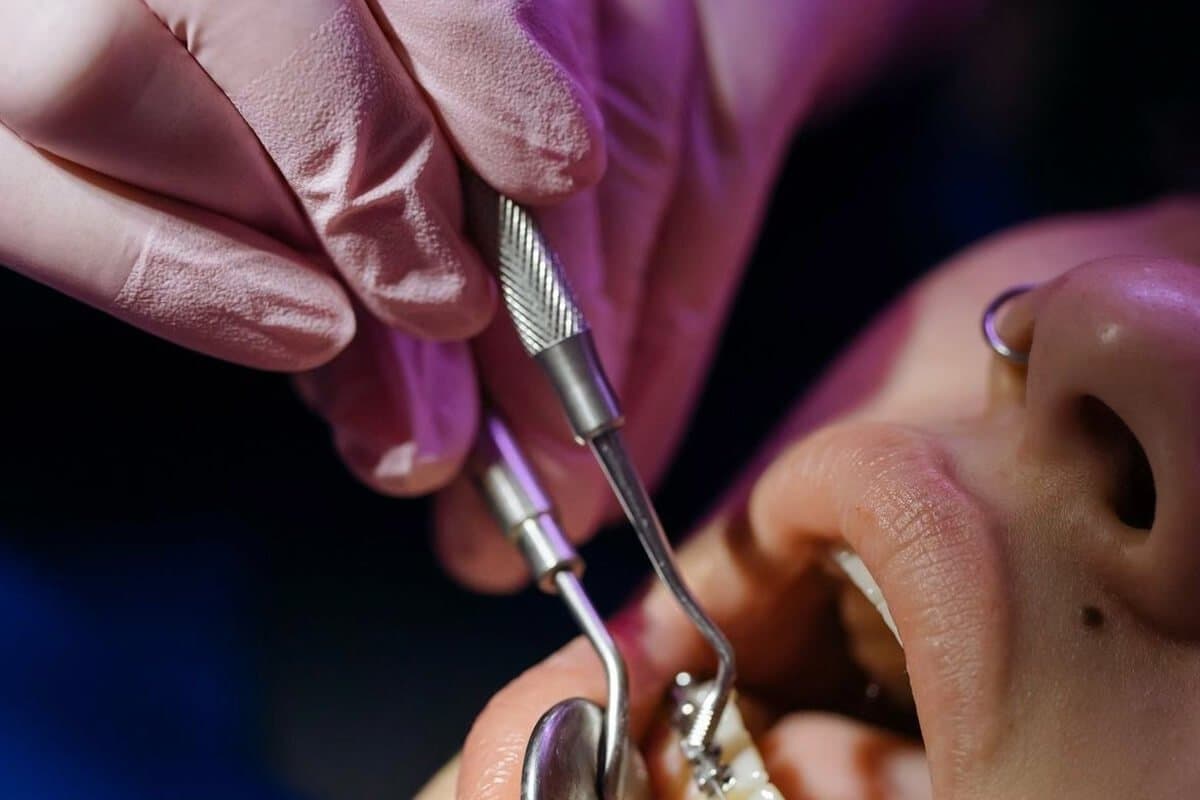
Braces treatment in Samsun is an orthodontic procedure aimed at correcting misaligned teeth. By moving crowded, gapped, or incorrectly closing teeth in a controlled way, it aims for both aesthetic and functional comfort. The treatment can be applied to every age group, from children to adults. Its average duration is about 18-24 months; however, this varies by case.
There is no single method in braces treatment. There are different options ranging from classic metal braces to ceramic brackets close to tooth color, and to clear aligner systems for cases where visibility is not wanted. Each system differs in its level of aesthetics, comfort, and the type of case it suits. The right choice is determined as a result of the dentist's examination and clinical evaluation.
In this article we cover in detail the types of braces, the treatment process, points to pay attention to, and the factors that affect the price. Dental Prime is a clinic that offers an individual treatment plan to people looking for orthodontic treatment in Samsun; the method best suited to you becomes clear only at the first examination under a dentist's supervision.
What Are Braces?
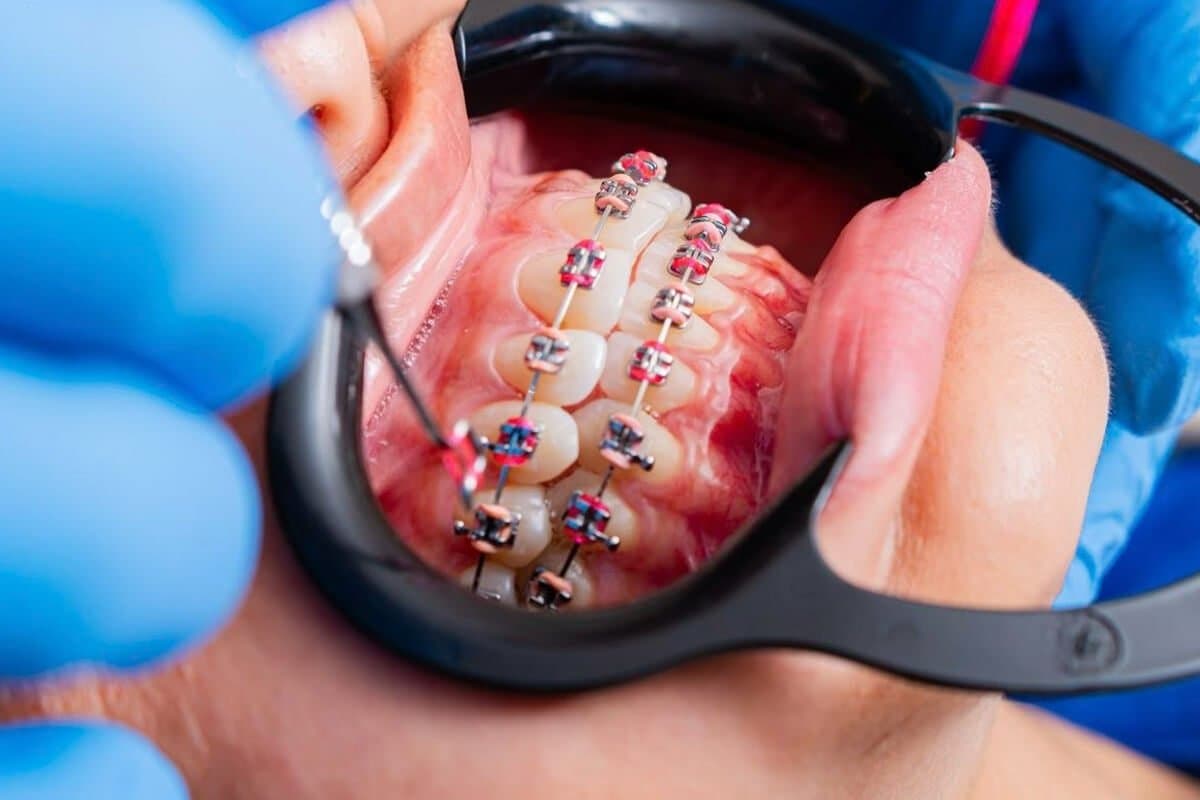
Braces are an orthodontic correction tool that works through small brackets bonded to the teeth and the thin wires that connect them. The wire applies a light, continuous force to the teeth. This force moves the teeth over time toward the planned position. The aim is to achieve a healthy bite and a regular tooth alignment.
The role of braces is not only aesthetic. Crowded teeth create areas that are hard to brush, which can increase the risk of cavities and gum problems. Well-aligned teeth are easier to clean. In addition, an incorrect bite can negatively affect chewing and speaking functions. Braces help correct these functional problems.
Orthodontic wire treatment does not require an invasive intervention. The brackets are bonded to the tooth surface and removed when treatment is finished. During this process, the natural structure of the tooth is preserved. Monthly check-ups and dentist follow-up are required for the treatment to progress in a controlled way. Because the course of every case is different, the plan is created individually.
Braces Treatment Options in Samsun
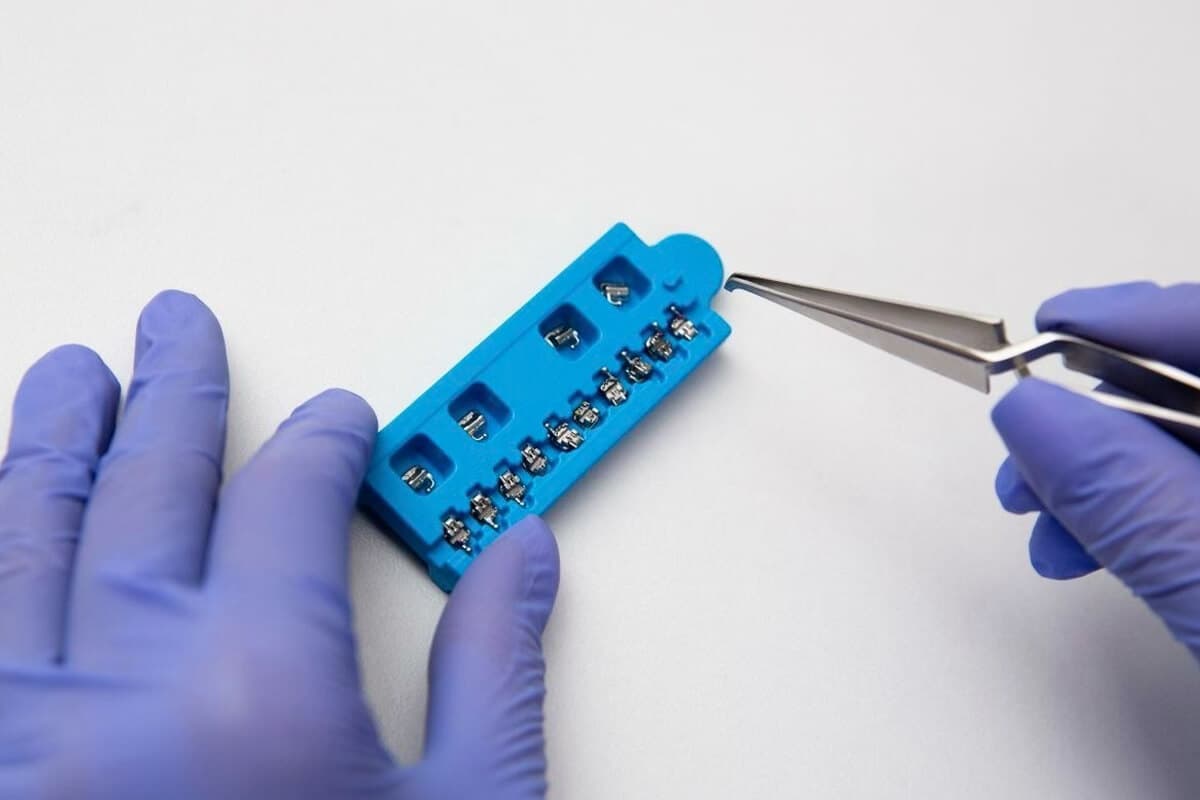
The main criteria that distinguish braces options from one another are visibility, comfort, ease of hygiene, and the type of case they suit. Metal brackets are the most common and durable option. Ceramic brackets stand out for those with aesthetic concerns. Clear aligners offer a different kind of use with their removable design. The dentist determines which system is suitable.
Feature | Metal Braces | Ceramic (Clear) Braces | Clear Aligners |
|---|---|---|---|
Visibility | Noticeable | Less noticeable, close to tooth color | Almost invisible |
Comfort | Good, short adjustment period | Good | High, little foreign-object feeling |
Hygiene / Cleaning | Area around the brackets needs attention | Area around the brackets needs attention | Easy, since they are removed for cleaning |
Suitable Cases | Simple and complex cases | Mild to moderate cases, aesthetics a priority | Mild to moderate cases |
Putting On and Taking Off | Fixed, removed by the dentist | Fixed, removed by the dentist | The patient can put them on and take them off |
Food Restrictions | Restrictions on hard/sticky foods | Restrictions on hard/sticky foods | Flexible, since they are removed when eating |
Metal Braces Packages
Metal braces are the most classic and most preferred method in orthodontics. Stainless steel brackets are bonded to the teeth, and the wire connecting them moves the teeth to the desired position. Thanks to their durable structure, they can be used across a wide range, from simple cases to complex crowding. They are a reliable and economical option for most cases.
The visibility of metal brackets may be considered a disadvantage by some people. However, today's brackets are smaller and more comfortable than before. Colored elastic options make treatment easier to accept, especially for child and adolescent patients. The treatment plan and bracket type are determined according to the dentist's evaluation of the case.
Ceramic (Clear) Braces Packages
Ceramic braces offer an aesthetic solution with brackets made in a color close to tooth color. They are much less noticeable than metal braces, so they are often preferred by adults who are sensitive about appearance. The working principle is the same as metal braces; the difference is at the aesthetic level. They give effective results in mild and moderate cases.
Although ceramic brackets provide an aesthetic advantage, they may require more careful handling than metal brackets. Taking care of oral hygiene is important to prevent staining. Avoiding very hard foods helps protect the brackets. The dentist evaluates whether this system is suitable for your case.
Clear Aligner Systems (Invisalign)
Clear aligner systems are transparent appliances made specifically for each person that move the teeth gradually. They contain no brackets; thin aligners that fit over the teeth are replaced with new ones at certain intervals. They are prepared with digital measurements and 3D planning. Their most notable advantages are that they are invisible and removable.
Because the aligners can be removed when eating and brushing teeth, they provide ease in terms of hygiene and diet. However, success depends on the aligners being worn regularly for the recommended number of hours per day. This system is generally preferred in mild and moderate cases. Whether your case is suitable for clear aligners is determined through an examination under a dentist's supervision.
The Braces Treatment Process in Samsun
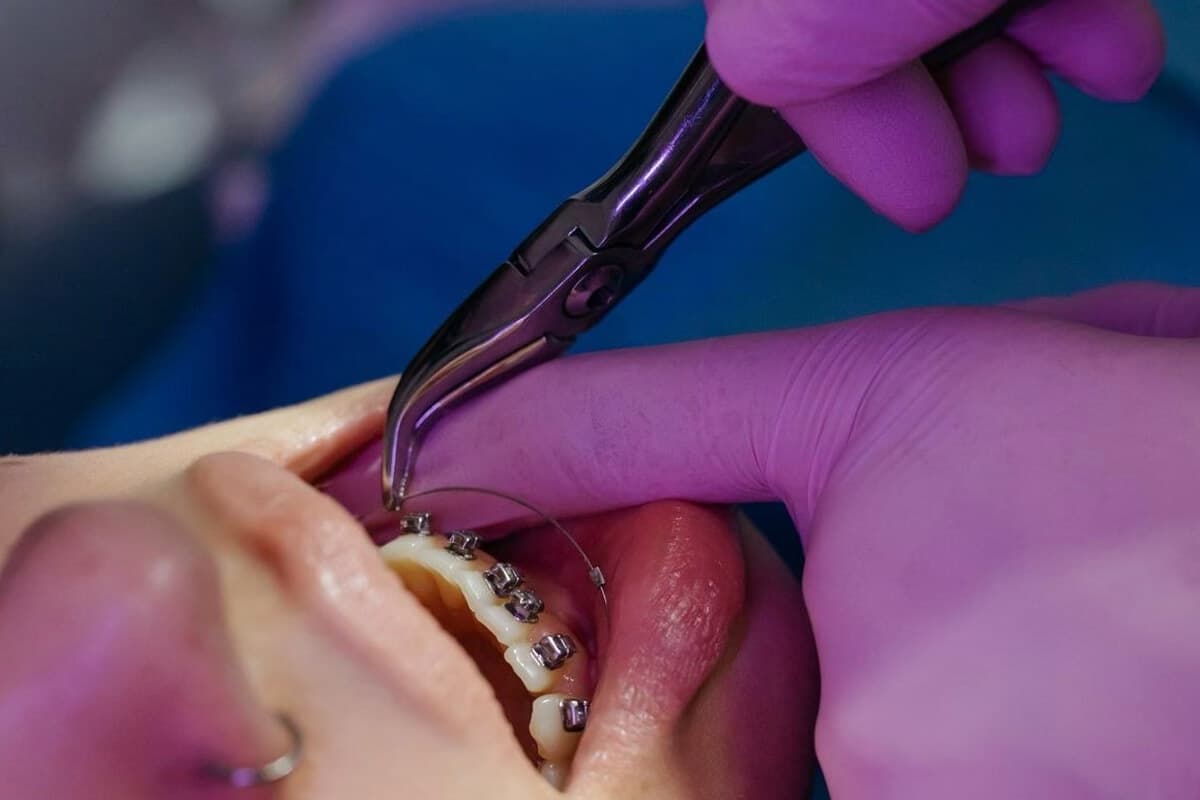
Braces treatment is not a single procedure but a process that moves forward according to a plan. It begins with an initial consultation, continues with diagnosis and the treatment plan, and goes on with the placement of braces and regular check-ups. Dentist follow-up is essential at every stage. Managing the process correctly directly affects both the treatment time and the quality of the result.
Initial Consultation and Diagnosis
The process begins with the first examination and consultation. The dentist examines the alignment of the teeth, the bite, and the jaw structure. At this stage, a panoramic X-ray, digital measurements, and, when necessary, 3D imaging are carried out. A detailed analysis of the oral structure is the basis of an accurate diagnosis. Without these data, a sound treatment plan cannot be created.
At the diagnosis stage, gum health and any existing cavities are also evaluated. If necessary, these problems are planned to be resolved before starting orthodontic treatment. The patient's expectations and aesthetic preferences are also discussed in this meeting. All of this information lays the groundwork for an individualized treatment approach.
Treatment Plan and Time Estimate
After diagnosis, the dentist creates the treatment plan suited to the case. This plan includes the system to be used, the stages of treatment, and the estimated duration. Treatment time varies with the degree of crowding, jaw structure, age, and the method chosen. Simple cases can be completed in a shorter time, while advanced cases require longer follow-up.
Although the average treatment time is about 18-24 months, this is only a general estimate. Some mild cases may be shorter and complex cases longer. The time estimate can be reassessed as treatment progresses. A clear timeline emerges only through the dentist's individual evaluation.
The treatment plan covers not only the duration but also the order in which the teeth will be moved. The dentist plans the correction of the bite, the gaps between teeth, and tooth angulation step by step. This plan is shared with the patient so that expectations rest on a realistic footing. A clear plan helps the process move forward more predictably and prevents unnecessary disruptions.
Placement of the Braces
The placement procedure, in fixed systems, is done by bonding the brackets to the teeth and threading the wire. No incision or surgical procedure is needed during the process; for this reason it is painless. The tooth surfaces are prepared, the brackets are fixed with a special material, and the wire is placed. The procedure is generally completed in a single session and takes a certain amount of time.
The procedure proceeds step by step: first the teeth are cleaned and dried, then each bracket is placed in the correct position. After the brackets are fixed, the main wire is placed and secured to the brackets with small elastics or ties. At this stage, the dentist checks that the wire sits properly along the dental arch. Throughout the procedure, the patient sits in a comfortable position and feels no pain.
In clear aligner treatment, on the other hand, custom-made aligners are delivered instead of brackets. The dentist explains how to put the aligners in and take them out and how many hours per day they should be worn. With both methods, a mild feeling of pressure in the first few days is normal. This feeling is an indication that the teeth have begun to move.
Monthly Check-Up Visits
Braces treatment requires regular check-ups. Patients with fixed braces generally visit the dentist once a month. At these visits the wires are adjusted, replaced when necessary, and the progress of treatment is followed. Check-ups are critically important for ensuring the teeth move in the planned direction. Not skipping appointments has a positive effect on treatment time.
For those using clear aligners, the frequency of check-ups is planned at intervals set by the dentist. At these visits, whether treatment is progressing according to the plan is evaluated. Regular check-ups allow possible problems to be noticed early. This follow-up under the dentist's supervision helps treatment progress safely and efficiently.
What to Pay Attention to During Braces Treatment
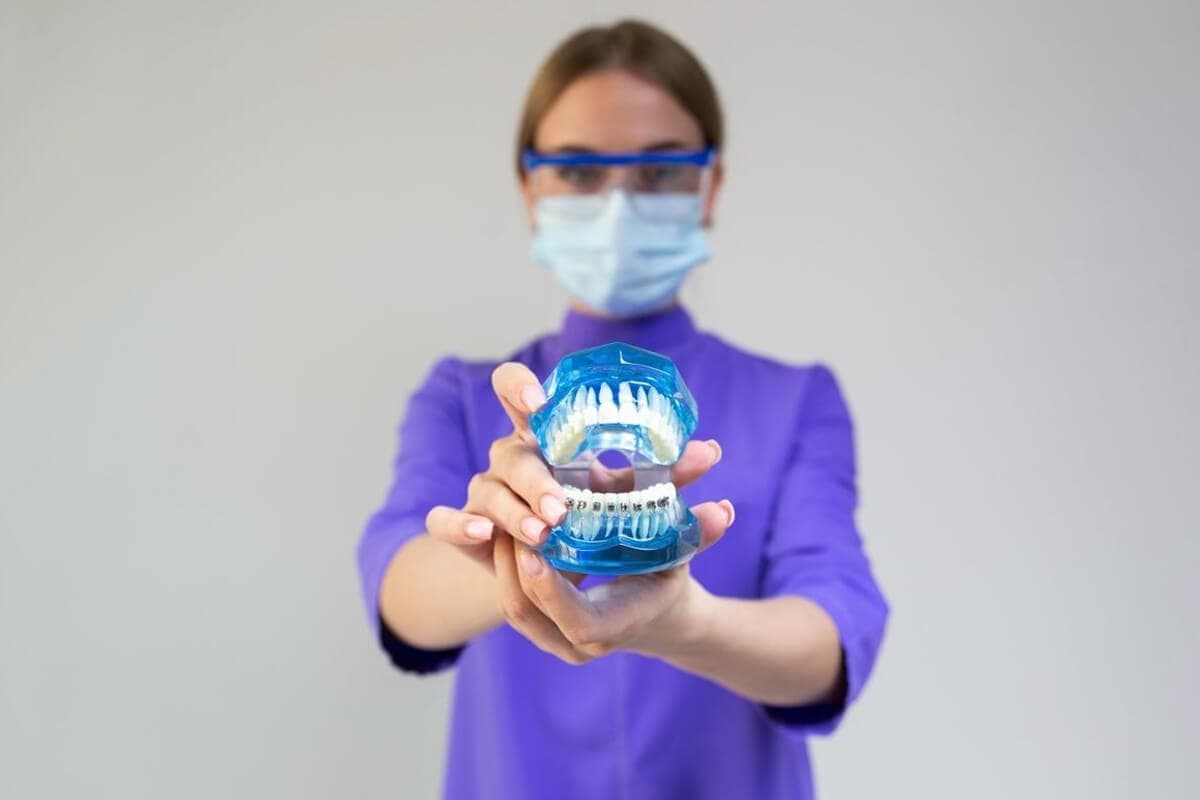
The success of braces treatment depends not only on clinical procedures but also on the patient's daily habits. Pain management, diet, and oral hygiene are the three topics that stand out in this process. Paying attention to them both increases comfort and helps treatment progress smoothly. Below we cover each topic in detail.
Managing Pain and Discomfort
Placing braces is painless. However, because the teeth begin to move, mild pressure and sensitivity may be felt for the first 3-5 days. This is temporary and a natural part of treatment. Most patients get through this period without discomfort. If the dentist sees fit, they offer suitable pain management recommendations.
Choosing soft foods in the first days increases comfort. If the brackets rub against the inner surface of the cheek or lip, orthodontic wax can be used. This wax helps ease discomfort by reducing friction. In the case of unexpected pain or a broken bracket, contacting the dentist is the right approach.
Dietary Restrictions
People with fixed braces should be careful with certain foods. Very hard, sticky, and hard-to-chew foods can damage the brackets. Hard nuts, chewing gum, very hard bread crusts, and sticky candies fall into this group. Limiting such foods helps prevent brackets from coming off and wires from bending.
The situation is different for those using clear aligners; because the aligners are removed when eating, the diet is more flexible. However, it is recommended to drink only water while the aligners are in. Colored and acidic drinks should not be consumed while the aligners are in. In both systems, a balanced diet supports both dental health and the treatment process.
Cleaning and Hygiene Routine
In braces treatment, oral hygiene is more important than ever. The area around the brackets and under the wires are places where food debris can build up. For this reason, brushing the teeth after every meal is recommended. Interdental brushes and dental floss make cleaning around the brackets easier. Good hygiene helps reduce the risk of cavities and gum problems.
Those using clear aligners should clean their aligners regularly. The aligners should be rinsed before each time they are put in, and the aligners should be put in after the teeth have been brushed. This routine both prevents bad breath and keeps the aligners clear. At regular check-ups, the dentist evaluates hygiene and makes recommendations if necessary.
In practice, a few tools make this process easier. Interdental brushes reach between the brackets and under the wire to clean the buildup there. A water flosser removes debris between the teeth with the help of pressurized water and is a practical support, especially for those with fixed braces. Fluoride toothpaste helps protect enamel health. Adding these tools to the routine makes hygiene noticeably easier.
After Braces Treatment

Braces treatment does not fully end when the wires are removed. The period after treatment is critically important for maintaining the result achieved. After the brackets are removed, it takes time for the teeth to get used to their new position. Following the dentist's instructions during this period is the most important factor supporting the durability of the result.
After the wires are removed, the tooth surfaces are cleaned and polished. The dentist evaluates the final condition of the teeth and, if deemed necessary, plans protective applications. The most critical step at this stage is the use of the retention appliance, that is, the retainer. Without a retainer, the teeth may tend to return to their old position.
It is important to continue regular dental check-ups after treatment. These check-ups both confirm that the new position of the teeth is being maintained and follow general oral health. Preserving the aesthetic and functional gains depends on the patient's daily care habits. Follow-up under the dentist's supervision supports the long-term result.
Retainers
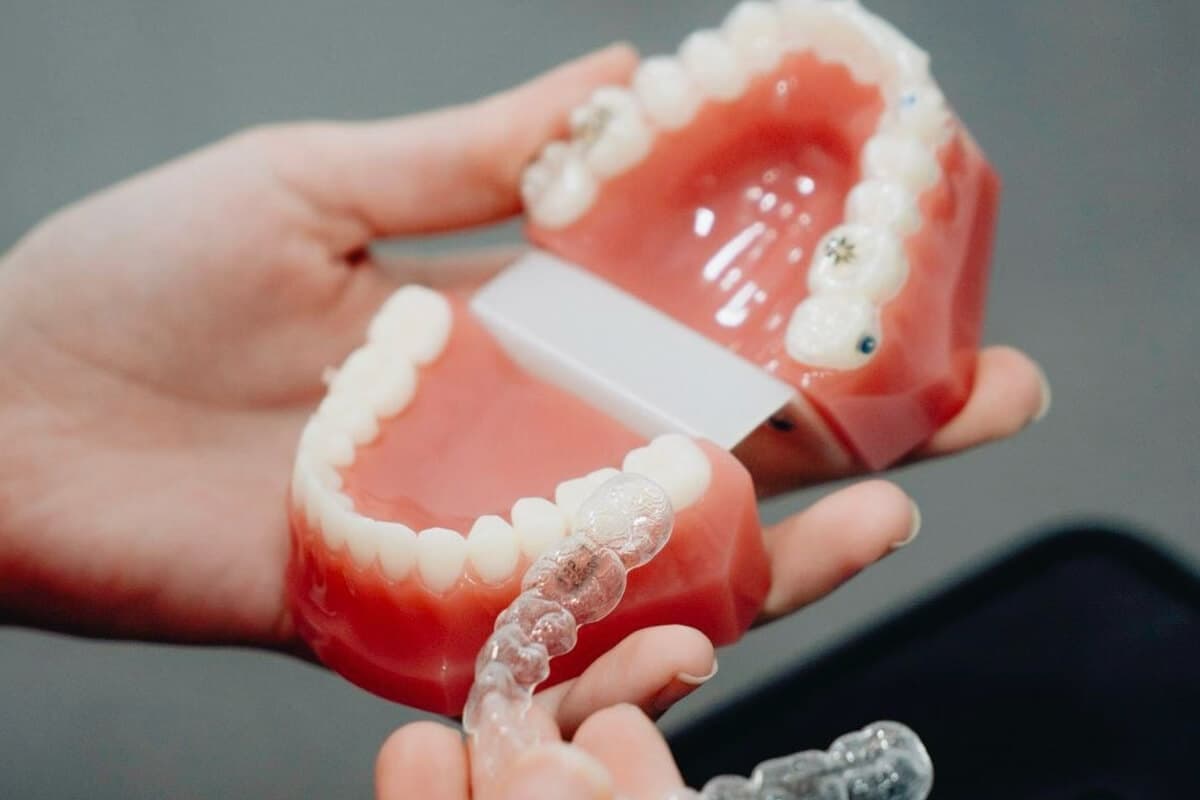
A retainer is a retention appliance that serves to maintain the new position of the teeth after braces treatment. After treatment is completed, the teeth may continue to show a tendency to shift for a while. By limiting this tendency, a retainer helps maintain the alignment achieved. Its use is extremely important for the durability of treatment.
Retainers come in two main types: fixed and removable. A fixed retainer is a thin wire bonded to the back surface of the teeth and works continuously. A removable retainer is a clear appliance that can be put in and taken out. The dentist determines which type is suitable depending on the case. Both serve the same purpose.
The duration of retainer use varies from person to person. In general, longer wear may be recommended in the first period, and night-only wear in the following months. In some cases, a fixed retainer may stay in the mouth for a long time. Following the duration and frequency the dentist recommends helps prevent the teeth from becoming misaligned again. Regular check-ups are also necessary during this process.
Who Is Braces Treatment Suitable For?
Braces treatment can be applied to a wide age range. People with crowded teeth, gaps between teeth, an incorrect bite, and jaw-tooth discrepancies can benefit from this treatment. Suitability depends more on tooth and gum health than on age. A comprehensive dentist evaluation must be carried out before starting treatment. This evaluation determines which of the options offered by a dental clinic in Samsun is suitable.
Orthodontics in Childhood and Adolescence
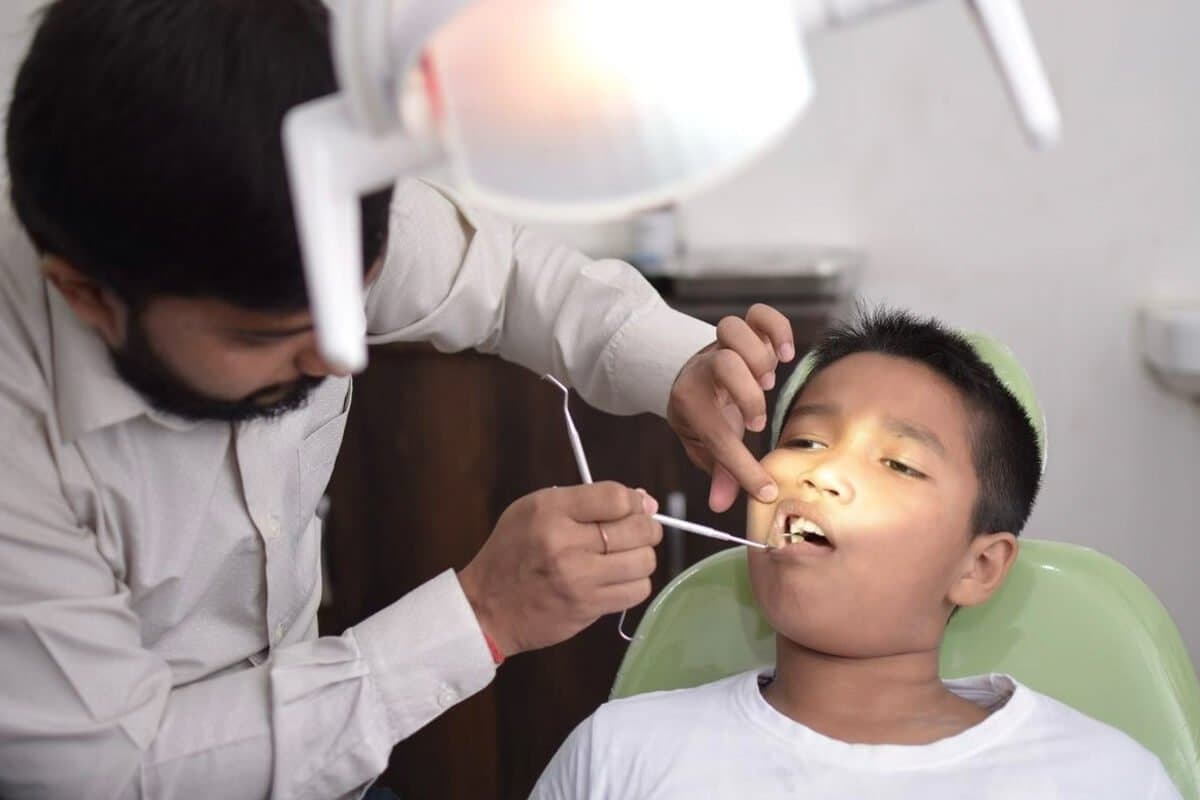
An early age is recommended for orthodontic evaluation in children. Dentists generally recommend the first orthodontic examination at around age 7. Even though not all problems are treated at this age, developmental follow-up becomes possible. Interventions made while jaw growth is ongoing can help prevent the progression of some problems.
Adolescence is a commonly preferred time frame for fixed braces treatment. Most of the permanent teeth have erupted and jaw development is suitable for treatment. During this period, colored bracket options can make treatment more appealing. Because every child's situation is different, the dentist determines the most appropriate timing.
Braces Treatment in Adults
There is no upper age limit for orthodontic treatment. Any adult with suitable tooth and gum health can have braces or clear aligner treatment. In adults, treatment time may be slightly longer than in children, depending on the case. This is because jaw growth is complete and the movement of the teeth proceeds differently.
Because adults generally have aesthetic concerns, they may prefer less visible systems such as ceramic brackets or clear aligners. However, the complexity of the case directly affects which system is suitable. Good gum health is an important condition for treatment success in adults. The suitable system is determined under the dentist's supervision.
Work life and social life play an important role in adults' preferences. People with busy meeting and presentation schedules generally turn to less visible systems. Although treatment time may be somewhat longer in adults, the process does not seriously restrict daily life. What matters is compliance with regular check-ups and care taken with oral hygiene; these two factors directly affect the result.
Braces Treatment Prices in Samsun 2026
The price of braces treatment cannot be expressed as a single amount, because every case is unique. The most important factor determining the price is the type of system chosen. Metal, ceramic, and clear aligner systems have different cost levels. For this reason, even for the same person, different options create different budgets. The clear figure is determined only after an examination.
The second important factor affecting the price is the complexity of the case. Mild crowding and advanced bite problems do not carry the same treatment load. Treatment time also directly affects cost; longer treatments generally require more check-ups and materials. These variables are evaluated separately for each patient.
Additional procedures added to treatment also affect the price. Gum treatment, extractions, or other procedures needed before treatment may change the overall plan. In addition, the dentist's experience and the technological facilities the clinic offers are among the elements that shape the cost. When all these factors are evaluated together, a realistic price emerges.
For this reason, deciding based on general figures you see on the internet can be misleading. The only right way to learn the clear price specific to you is an examination and consultation appointment. In this meeting, the dentist examines your oral structure, presents suitable options, and creates an individual treatment plan accordingly. In this way, both the price and the process become clear.
Conclusion
Braces treatment in Samsun is a comprehensive orthodontic procedure that helps correct crowded and incorrectly closing teeth. With metal, ceramic, and clear aligner options, it offers solutions to suit every preference, from children to adults. The right method is determined through an individualized evaluation.
The success of treatment depends both on dentist follow-up and on the patient's oral hygiene and eating habits. Using a retainer after treatment plays a decisive role in maintaining the result achieved. The average process of 18-24 months varies by case and requires regular check-ups.
The only way to learn the treatment plan best suited to you and the clear price is an examination under a dentist's supervision. If you are thinking about correcting your tooth alignment, you can begin the process with a consultation appointment. In this way, you both share your expectations and create your individual treatment plan.