Spec. Dt. Gökcan ErtaşOrthodontist
 Dt. Sena KırcaDentist
 Dt. Sevinç Cansu KayıranDentist
 Assoc. Prof. Dr. Sezin ÖzerPediatric Dentist
 Spec. Dt. Sude Yıldırım BolatSpecialist in Periodontology
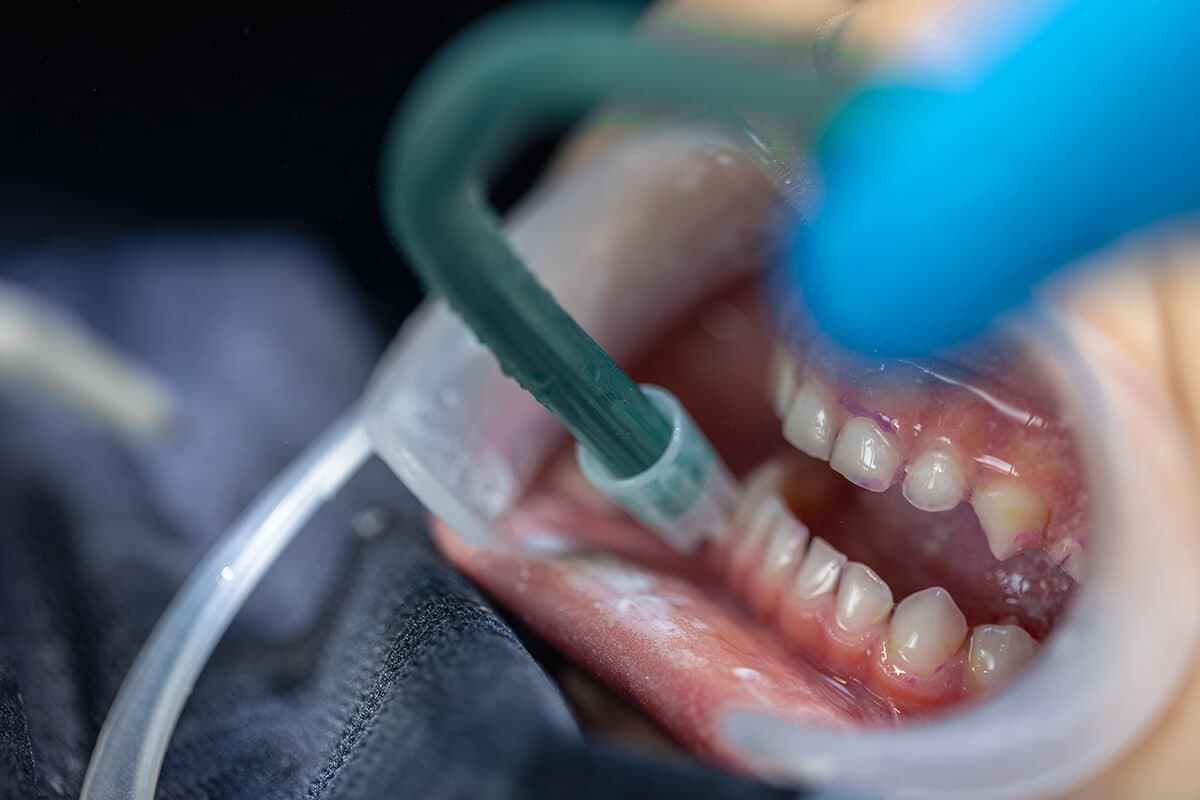
Fissure sealants are a preventive dental treatment that stops decay before it even begins by sealing the deep pits and grooves on the chewing surfaces of the back teeth. Especially in childhood, while tooth-brushing habits are not yet fully established, food debris that builds up in these deep grooves can quickly turn into decay.
Thanks to this protective shield, bacteria and acids are physically prevented from reaching the tooth enamel.
A large share of tooth decay starts in these thin and deep cracks, that is, fissures, which even the bristles of a standard toothbrush cannot reach. Fissure sealants fill these thin grooves with a fluid material without harming the anatomical structure of the tooth at all and smooth the surface. In this way, cleaning the chewing surfaces becomes much easier and more effective, and the risk of decay is minimized.
This method, one of the most reliable and comfortable applications of preventive dentistry, secures oral health for many years. It is the strongest step to take to avoid painful, difficult, and costly dental treatments in the future. To protect the teeth against decay at an early stage and to make a reliable treatment plan, you can get support from the expertise of Dental Prime.
What Are Fissure Sealants?
A fissure sealant is a fluid protective substance that seals the deep and narrow grooves, called fissures, on the chewing surfaces of the molars. This clear or white material, which hardens as it bonds firmly to the tooth enamel, forms a thin shield on the surface of the tooth. Its main purpose is not to treat existing decay but to physically prevent the tooth from decaying in the first place.
These grooves on the chewing surfaces of the teeth are generally so narrow and deep that not even a single toothbrush bristle can reach the bottom of them. These microscopic areas, where brushing falls short, become a perfect hiding place for food debris and bacteria.
Fissure sealant application fills these thin cracks with a fluid resin, leaving no gap where bacteria can settle.
How Do Fissure Sealants Protect the Teeth?
Fissure sealants provide full protection against decay by creating an impassable physical barrier between the chewing surface of the tooth and the oral environment. When sugary and carbohydrate-rich foods are consumed, the bacteria in the mouth convert these foods into acid and begin to weaken the tooth enamel.
When the top of the cracks is covered with this protective material, the decay-causing acids produced cannot come into contact with the tooth enamel in any way.
After the procedure, the deep and indented pits on the chewing surface of the tooth give way to a much smoother and shallower structure. This new smooth surface directly increases the effectiveness of the daily tooth-brushing routine. The brush bristles can now clean all the food debris and bacterial plaque on the surface much more easily in a single stroke.
When the build-up of bacterial plaque is physically prevented, the health not only of that tooth but also of the overall oral flora is protected.
The natural rinsing effect of saliva works much better on these smoothed surfaces. This simple but effective barrier mechanism is the most fundamental key to keeping the grinding teeth in the back area sturdy and decay-free for years.
Who Are Fissure Sealants Applied To, and on Which Teeth?
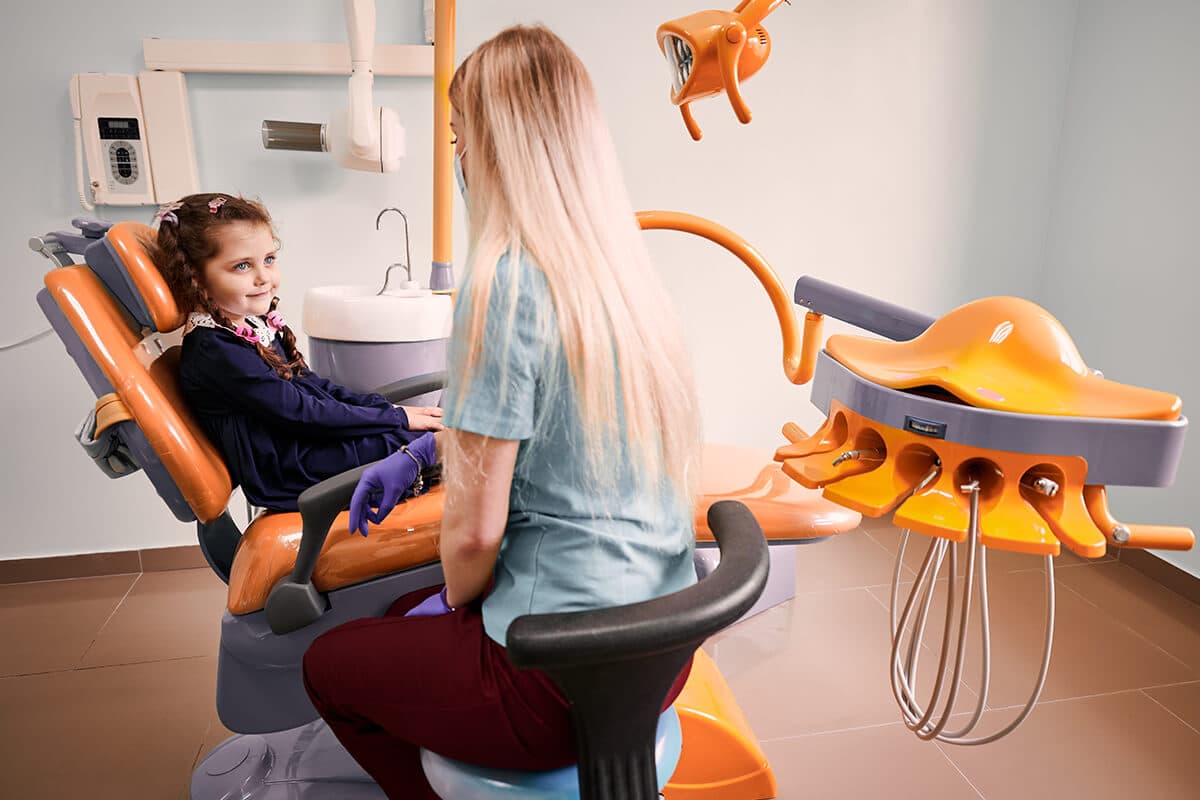
The fissure sealant procedure is applied to the molars and premolars in the back area, where the risk of decay is highest. In particular, the deep grooves on the chewing surfaces of these teeth are targeted. Because the front teeth do not have such indentations, the application is limited to the back teeth that carry out the chewing function.
The ideal timing for the application is the early period when these teeth have finished erupting in the mouth but have not yet decayed.
Baby Teeth and Newly Erupted Permanent Teeth
Children's first permanent molars generally take their place in the mouth around age 6, and the second molars around age 12. Fissure sealants applied as soon as these teeth erupt place the teeth under strong protection during the period when they are weakest. They are also applied to baby molars with deep grooves to prevent early tooth loss.
For proper follow-up and safe application, families can secure their children's dental health at an early age by consulting a well-equipped pediatric dental clinic in Samsun.
Adults with a High Tendency Toward Decay
Although fissure sealants are generally known as a childhood treatment, they are also quite suitable for adults at risk of decay. Adults who do not yet have decay or fillings in their teeth but have anatomically very deep grooves can benefit from this preventive method.
This procedure provides long-term protection especially for individuals with low saliva flow, dry mouth, or a tooth structure prone to decay.
Is There a Needle, Pain, or Drilling?
Because there is not yet any decay in the tooth, no grinding or carving of the tooth surface with instruments called burs is ever performed.
No anesthesia or needle is needed at all during the application.
The steps of the procedure consist only of cleaning the surface of the tooth with a special solution, followed by applying the fluid material and hardening it with light. Sealing each tooth and completing the treatment take a very short time of only a few minutes.
During or after the procedure, there is no aching, sensitivity, or numbness in the tooth. The patient can return to daily life comfortably the moment they get up from the dentist's chair.
The Difference Between Fissure Sealants and Fluoride Application
Fluoride application and fissure sealants are two different methods of protecting teeth from decay that complement each other perfectly. Fluoride chemically strengthens the tooth enamel and makes it more resistant to acids, acting on all surfaces of the tooth. Fissure sealants, on the other hand, act as a physical shield applied only to the deep grooves on the chewing surfaces of the back teeth. One supports the chemical structure of the enamel, while the other mechanically prevents bacteria from attaching to the tooth.
How Long Does the Procedure Last?
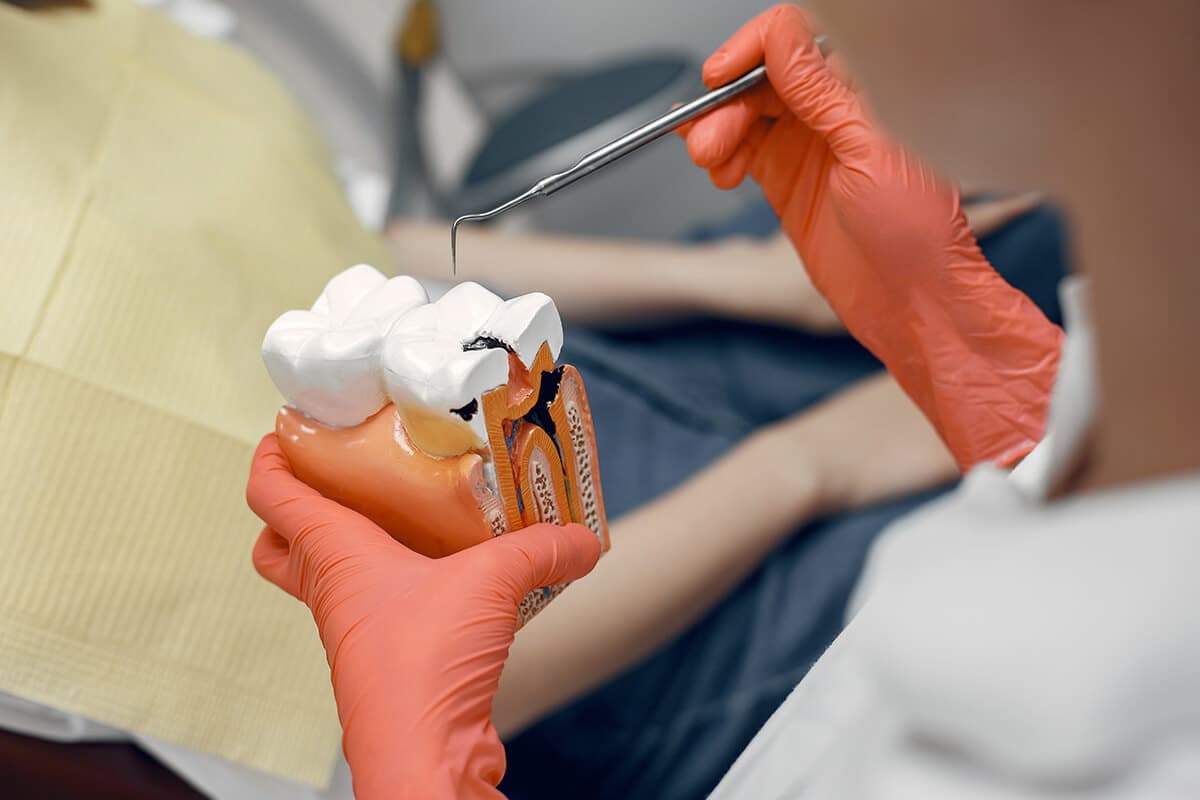
Successfully applied fissure sealants remain in place and keep protecting for many years in the mouth. These special materials, which are quite resistant to chewing forces, generally continue to protect the tooth from decay for 5 to 10 years. However, factors such as frequent consumption of very hard, shelled foods or a severe teeth-grinding (bruxism) habit can shorten this period.
Regular dentist check-ups are the most important step to take to extend the life of this protective shield. At the routine six-month examinations, the dentist checks the condition of the sealant on the tooth surface and, if any area has worn away over time, can renew it within seconds. When supported with regular care, this protective effect continues without any problem into adulthood.
Factors That Determine Fissure Sealant Prices in 2026
As of 2026, fissure sealant treatment prices vary according to the composition and quality of the material used at the clinic. The number of teeth the procedure will be applied to is among the most fundamental factors that directly determine the treatment cost.
In addition, the expertise of the dentist who will perform the procedure in pediatric dentistry and the equipment of the clinic also affect pricing. Because every patient's oral map is different, the most accurate price information becomes clear after a detailed dentist examination.
Conclusion
Fissure sealants are an extremely strong preventive treatment that protects teeth at their most vulnerable points and ends the formation of decay before it even begins. By smoothing the deep grooves on the chewing surfaces, they keep bacteria from hiding and maximize the effectiveness of daily tooth brushing.
This painless procedure, safely applied to both children and adults prone to decay, largely prevents complex and costly dental treatments in the future. To safely protect your family's oral and dental health for many years and to have a professional preventive treatment plan made, you can turn to the expertise of Dental Prime.