Spec. Dt. Gökcan ErtaşOrthodontist
 Dt. Sena KırcaDentist
 Dt. Sevinç Cansu KayıranDentist
 Assoc. Prof. Dr. Sezin ÖzerPediatric Dentist
 Spec. Dt. Sude Yıldırım BolatSpecialist in Periodontology
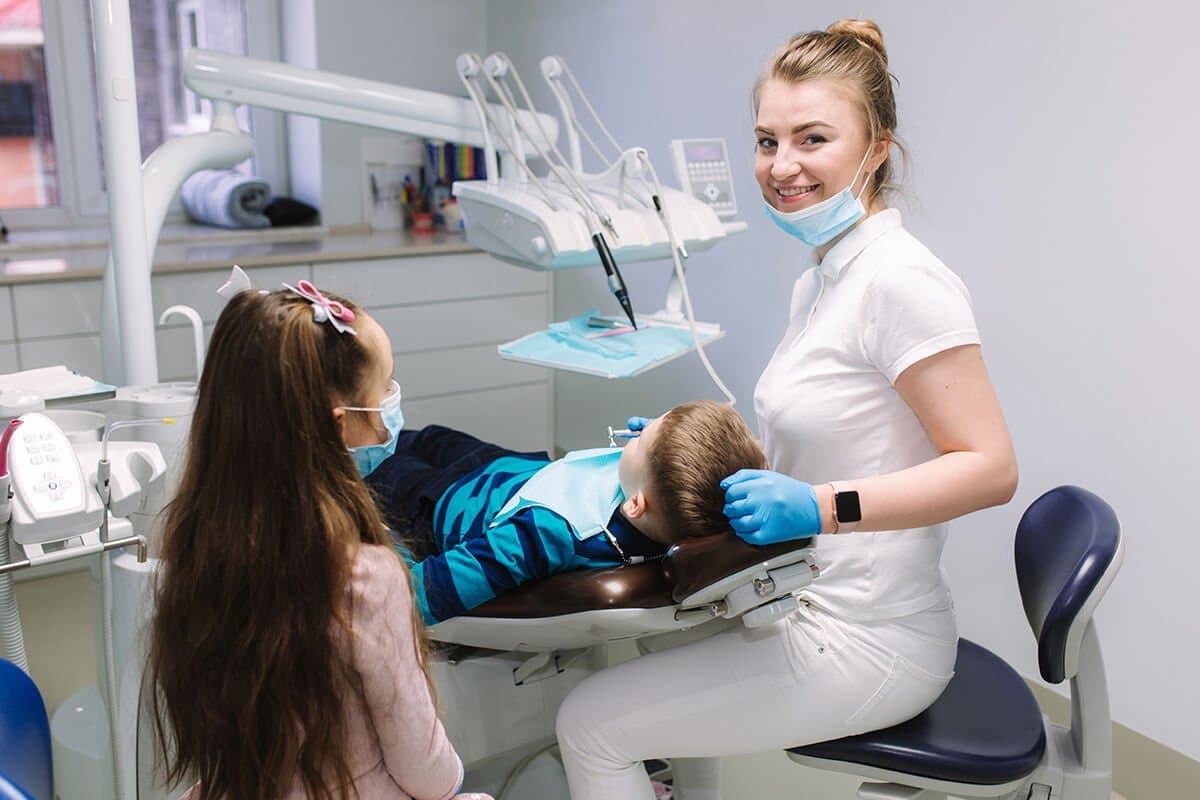
Baby teeth do not only serve a chewing function; they also act as a natural guide for the permanent teeth coming in from beneath. When a baby tooth is lost early, the neighboring teeth begin to drift toward the gap, and the space needed for the permanent tooth to erupt becomes narrower. Over time, this can lead to crowding of the teeth and problems in jaw development.
Not every early tooth loss requires this appliance; the right decision is made by evaluating together the location of the lost tooth, the child's age, and the time the permanent tooth will erupt. For this reason, it is important for the process to be planned under the supervision of an experienced dentist.
If you would like your child's dental development to be monitored with the right approach, Dental Prime can be an address to guide you through this process.
What Is a Space Maintainer?
A space maintainer is a protective appliance frequently used in pediatric dentistry that preserves the space left by a prematurely lost baby tooth and prevents neighboring teeth from drifting into that area. Its main purpose is to keep the space open for the permanent tooth that will come in beneath it and to ensure that the tooth erupts from the right spot. A space maintainer is a preventive measure that helps avoid more extensive treatments that may be needed later.
When a tooth is extracted or falls out early, the neighboring teeth in the mouth tend to move toward the empty space. A space maintainer stops this natural drifting and preserves the width of the space exactly as it is. This makes it possible for the permanent tooth to find a healthy space reserved for it when the time comes for it to erupt. The device aims not to move the teeth but to maintain the existing space; for this reason, it serves a different purpose than braces.
This procedure generally comes up in children aged 4–12 when a baby tooth has been lost months or even years before its normal time to fall out. To settle the decision, the dentist evaluates the position of the permanent tooth on the X-ray and how long remains until it erupts. If the baby tooth would fall out shortly anyway, an appliance may not be necessary; however, if there is a long time until the permanent tooth erupts, preserving the space becomes important.
Early loss of baby teeth is most often caused by advanced tooth decay, trauma such as falls or impacts, or a tooth being congenitally missing. Whatever the cause, how the remaining space is managed is decisive for the child's oral development. When the space is not preserved in time, alignment problems that could arise later can be largely prevented with a simple measure.
Types of Space Maintainers
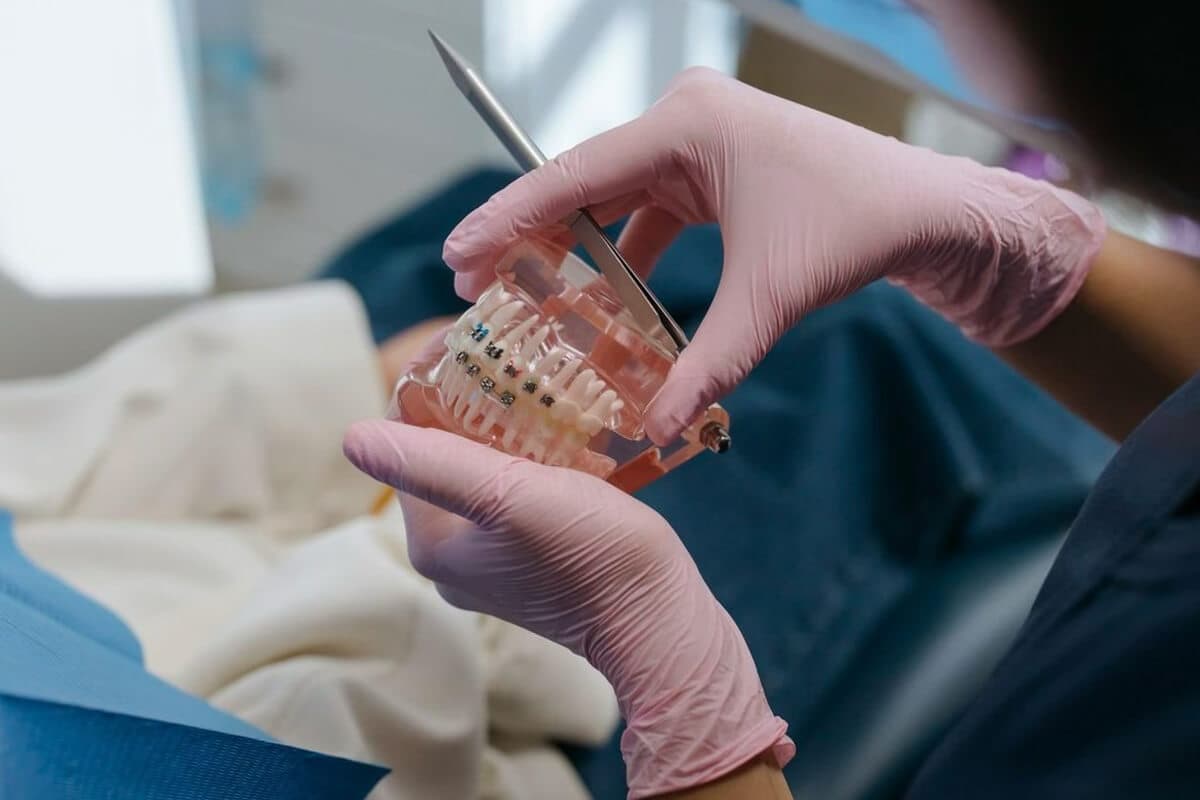
Space maintainers fall into two main groups according to the child's oral structure and the number of lost teeth: fixed and removable. The dentist decides which type is suitable, taking into account the number of missing teeth, the location of the space in the mouth, and the child's habits of using the appliance. The purpose of both types is the same; the difference between them lies in how they preserve the space and how they are used.
Fixed Space Maintainers
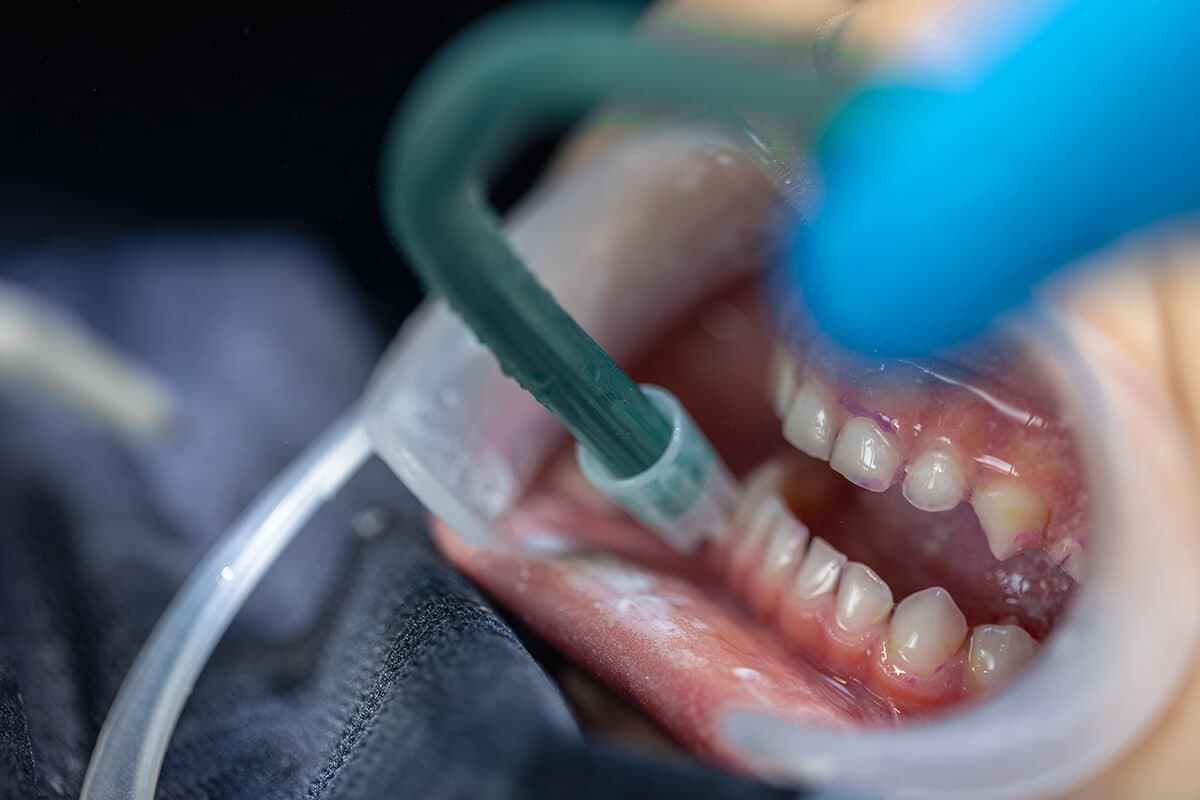
Fixed models are appliances secured in the mouth by the dentist by banding or bonding them to a neighboring tooth. Since the child does not need to put them in or take them out, there is no risk of losing them or forgetting to wear them. They are generally preferred when a single tooth has been lost early. The best-known example is the band-and-loop design, made up of a metal band and a wire loop.
The point to watch with this type is regular cleaning around the appliance, because plaque can build up around the band and wire areas. This is easily prevented with regular brushing and dental check-ups.
Besides the band-and-loop design, fixed models attached to the neighboring tooth with a crown-like cap can also be used. The dentist chooses the most suitable design according to the strength of the tooth and the location of the space.
Removable Space Maintainers
Removable models are appliances, made of an acrylic body and retaining clasps, that the child can put in and take out on their own. They stand out when more than one tooth has been lost or when there are wider spaces. Being able to take them in and out makes cleaning easier; however, to be effective they must be used regularly and consistently.
For this reason, removable appliances are more suitable for children who can make wearing them a habit and who follow their family's guidance. Frequently taking the appliance out or forgetting to put it in can compromise the preservation of the space; therefore, family supervision plays an important role.
Comparison of fixed and removable appliances:
Feature | Fixed | Removable |
Putting in and taking out | Secured in the mouth, not removed | The child can easily remove it |
Suitable for | Generally a single lost tooth | Multiple teeth / wide space |
Patient compliance | Not required | Regular use is essential |
Cleaning | Done while the appliance is in the mouth | Can be removed and cleaned |
Which type is chosen is entirely specific to the child. With the early loss of a single back baby tooth, a fixed model is often sufficient; with multiple missing teeth, or with front-area losses where aesthetics matter, removable models can be more practical. The dentist makes the most suitable decision after evaluating the child's oral structure and daily habits.
Step-by-Step Space Maintainer Placement Process

Space maintainer placement is a planned, painless process that is generally spread over two appointments. Every step, from the first examination to the design of the appliance and the instructions after it is placed, proceeds in order to achieve the result that best suits the child's oral structure.
Initial Examination and Planning
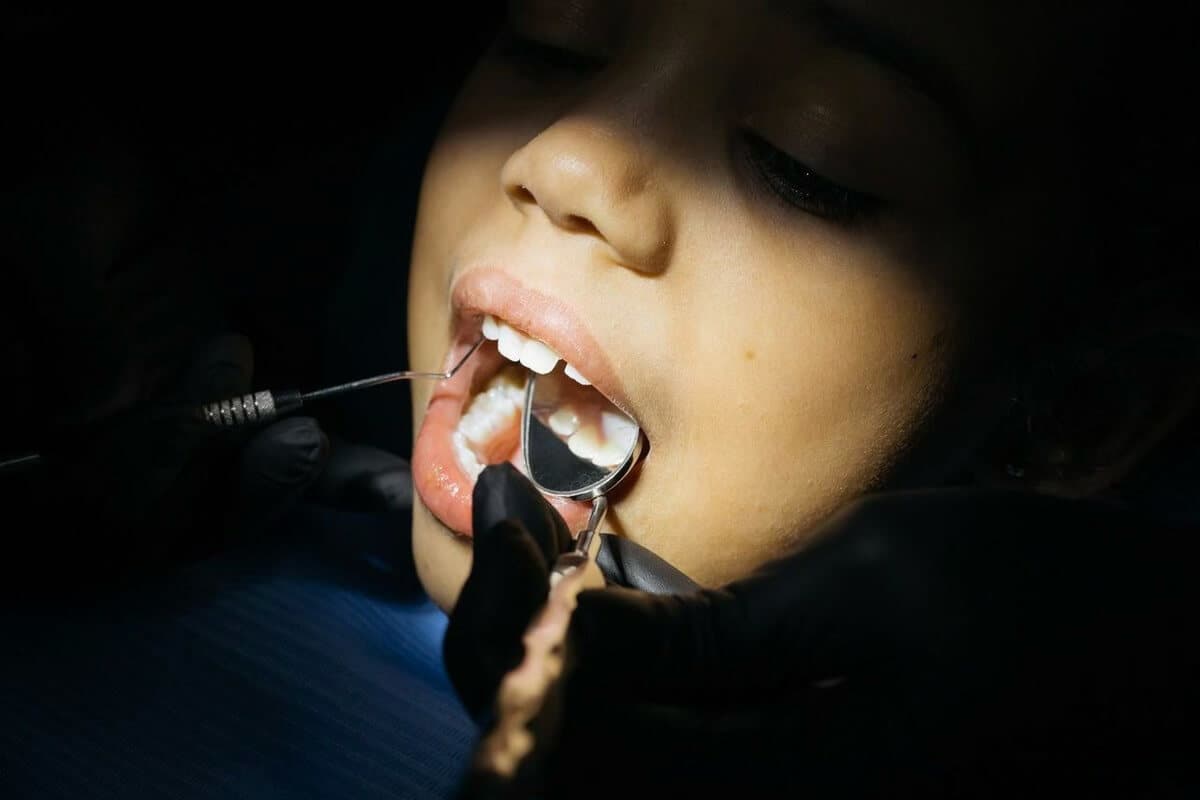
The process begins with an examination of the child's mouth. The dentist examines the location of the lost tooth and, when necessary, uses a radiograph (X-ray) to evaluate the position of the permanent tooth and how long remains until it erupts. This assessment determines whether the appliance is really needed and which type will be suitable. When planning is complete, impressions of the teeth are taken so that the appliance fits the mouth precisely; this takes only a few minutes and causes no discomfort.
In this first evaluation, the child's oral hygiene, gum health, and any cavities are also reviewed. If deemed necessary, small treatments are completed before the appliance is made, because placing the appliance on a healthy base makes the following steps easier.
Space Maintainer Design and Fit
The impression is sent to the dental laboratory where the appliance will be prepared. The technician makes the appliance specifically for the child's oral structure; this stage generally takes from a few days up to ten days. The design is prepared so that it fully supports the space and works in harmony with the neighboring teeth. The goal is an appliance that is both functional and comfortable in the child's mouth.
Fit Check and Patient Education
When the appliance is ready, it is placed in the mouth at the second appointment. The dentist checks whether the appliance sits correctly, as well as the bite and its contact with the teeth, and makes small adjustments if needed. You may feel a slight sense of pressure during placement, but the procedure is not painful.
The dentist then explains to the child and the family how to use and clean the appliance. Which foods to avoid, how to brush, and the importance of check-up visits are shared at this stage. This guidance is one of the most critical steps of the process for the appliance to be used without problems over a long period.
The first few days are a natural adjustment period for the child to get used to the appliance. During this time, a slight feeling of strangeness, a temporary increase in saliva, or small changes in speech may be seen; these usually return to normal quickly. The child not fiddling with the appliance too much with the tongue or fingers both makes getting used to it easier and extends the life of the appliance.
Space Maintainer Care

Whether a space maintainer can fully perform its job depends largely on daily care and regular check-ups. With the right habits, the appliance both stays clean and preserves the space without problems for a long time. The headings below explain together the points that families should pay the most attention to during this process.
Daily Cleaning and Hygiene
The area around the appliance is where plaque and food debris are most prone to build up. For this reason, the teeth should be brushed carefully with a soft brush at least twice a day. Using floss or an interdental brush to reach around the bands and wires makes cleaning easier. Removable appliances can be taken out and cleaned after meals; this way both the appliance and the teeth stay healthy.
To support brushing, a fluoride toothpaste suitable for the child's age can be preferred. A regular cleaning habit protects both the teeth and the area where the appliance makes contact against cavities.
Things to Avoid
Hard and sticky foods are among the leading factors that damage the appliance the most. Foods such as chewing gum, Turkish delight, hard candy, and ice can cause the appliance to bend or come loose; for this reason, it is recommended to avoid them. The child fiddling with the appliance with the tongue or fingers can also cause it to loosen. If a removable appliance is used, not wrapping it in a paper napkin and forgetting it when it is taken out of the mouth, and storing it in its protective case, reduces the risk of losing it.
If the appliance breaks, loosens, or gives a poking sensation, you should see the dentist as soon as possible rather than trying to fix it in the child's mouth yourself. Early intervention both keeps the space preserved and prevents possible irritation or injuries.
Regular Check-Up Visits and Adjustment
As the child's jaw grows and the teeth develop, the appliance also needs to be checked from time to time. At regular visits, the dentist checks whether the appliance still sits correctly; adjusts or replaces it when necessary. The eruption of the permanent tooth is also monitored, and when the tooth begins to appear, the appliance is removed at the appropriate time. Staying in contact with a trusted pediatric dental clinic in Samsun so that you can closely monitor your child's development helps the process go smoothly.
Although the check-up interval varies from child to child, visits made generally every few months are sufficient in most cases. These appointments offer a good opportunity to monitor the condition of the appliance and the development of the permanent tooth together.
Expected Benefits of Space Maintainer Treatment

The benefits of space maintainer treatment are not limited to preserving a single space; they affect the child's oral development and smile in the long term. When applied at the right time and on the dentist's recommendation, this treatment makes important contributions both functionally and aesthetically.
Preserving Tooth Alignment
The most fundamental benefit is that by preserving the space of the lost tooth, drifting of the neighboring teeth is prevented. When the space stays as it is, the other teeth do not tilt and the dental arch keeps its orderly structure. This helps avoid longer and more extensive orthodontic treatments that might otherwise be needed later because of crowding.
A well-aligned set of teeth is not only about appearance; it improves chewing efficiency and makes oral cleaning easier. Because the spaces between neatly aligned teeth are cleaned more easily, the likelihood of developing cavities and gum problems also decreases.
Healthy Eruption of Adult Teeth
The preserved space allows the permanent tooth coming in from beneath to erupt from the right spot and with ease. When it finds enough room, the permanent tooth is less likely to remain impacted or to come in at the wrong angle. This way, the natural alignment of the teeth is largely preserved on its own, and the need for later treatment decreases.
The permanent tooth erupting along its own path and at the right time can reduce the later need for corrective treatments such as braces. This in turn helps keep the duration and cost of treatment more limited.
Supporting the Child's Confidence
Proper dental development positively affects not only the child's oral health but also their social life. Especially with tooth loss in the front area, the preserved aesthetic appearance keeps the child from being shy about smiling. Supporting speaking and chewing functions also helps them feel comfortable in daily life. A healthy smile is an important part of self-confidence in this age group.
A positive dental experience gained at an early age also shapes the child's attitude toward oral health. Children who keep up their check-ups regularly adapt to dental treatments much more comfortably in later years.
Conclusion
A space maintainer is a simple yet important protective measure that prevents the alignment problems that early tooth loss in children can cause. When placed at the right time, it makes room for the permanent teeth, preserves the order of the dental arch, and helps avoid more extensive treatments that may be needed later.
What matters is that the decision is made by the dentist according to the child's oral structure and that the process is followed with regular check-ups. Consulting an experienced dentist to determine the most suitable approach for your child who has experienced early tooth loss is the healthiest step you can take for both today's and future dental health.