Spec. Dt. Gökcan ErtaşOrthodontist
 Dt. Sena KırcaDentist
 Dt. Sevinç Cansu KayıranDentist
 Assoc. Prof. Dr. Sezin ÖzerPediatric Dentist
 Spec. Dt. Sude Yıldırım BolatSpecialist in Periodontology
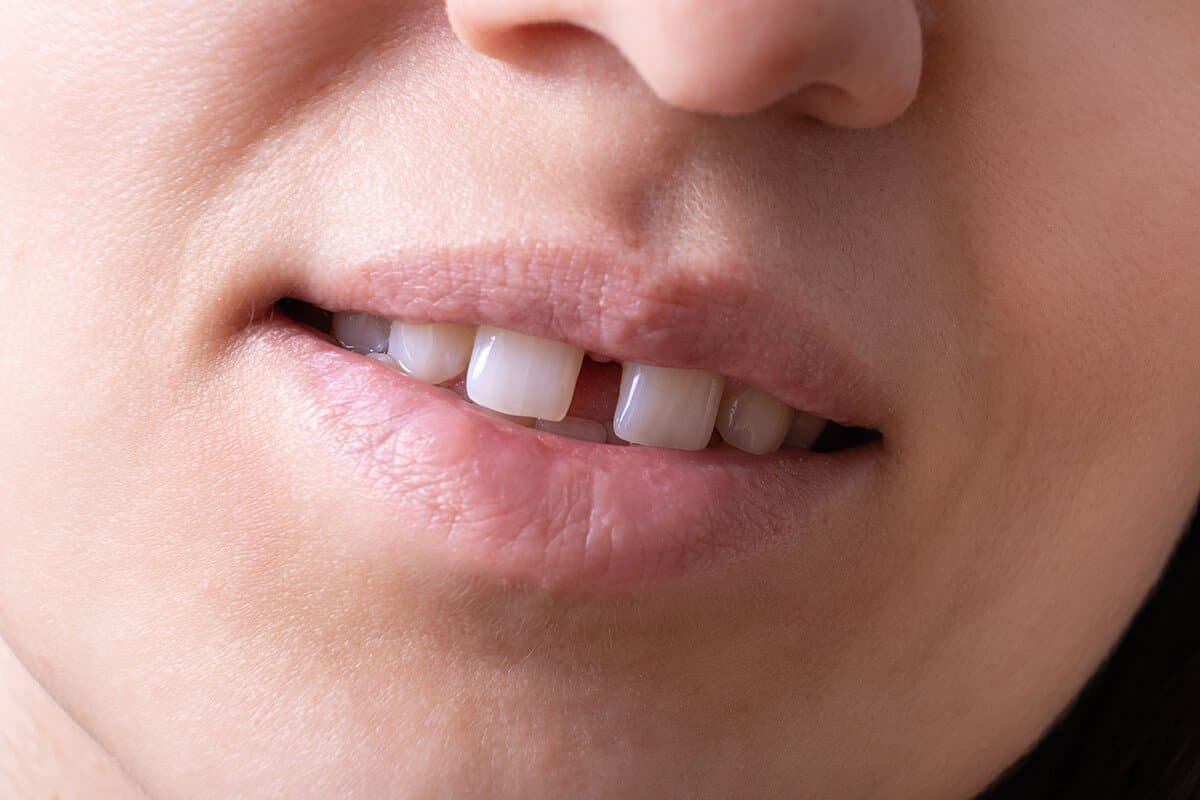
Gapped teeth may not be only an aesthetic matter; behind them there can be different causes such as the structure of the gum's connective tissue, a mismatch between jaw and tooth size, a missing tooth, or certain habits. For this reason, which method is suitable varies from person to person, and the treatment decision must be made with the dentist's evaluation.
At our clinic, for the problem of gapped teeth, we first identify the cause and then plan the most suitable option for you from among composite veneers, porcelain veneers, orthodontic treatment, or, if needed, a small soft tissue procedure. Our goal is to achieve a natural-looking, balanced, and as long-lasting a result as possible.
When the cause and size of the gap are evaluated correctly, the result can be both more natural and more lasting. As Dental Prime, we accompany you at every stage of this process, from the examination to aftercare following treatment, and we care about clarifying your expectations within a realistic framework.
Suitable Treatment Methods for Diastema Treatment in Samsun

Gapped teeth are not a condition solved with a single method. Different approaches come to the fore depending on the location and width of the gap, the health of the teeth, and the patient's expectations. In some cases the gap can be closed in a single session, while in others it may be necessary to correct the alignment of the teeth as a whole.
In choosing a method, the cause of the gap is decisive. Simply closing the visible space is sometimes not enough; if the underlying cause is not addressed, the durability of the result may be reduced. For this reason, the dentist recommends the most suitable option for you after the examination and imaging.
The methods below can be applied alone or in combination. For example, a procedure that corrects the cause may be planned first, followed by an aesthetic closure. Which option is preferred depends entirely on the personal situation, and there is no standard prescription.
When choosing among the methods, factors such as time, the number of sessions required, tissue preservation, and aesthetic expectations are evaluated together. Different approaches may come to the fore for someone looking for a quick solution and someone who prioritizes long-term durability. Striking this balance becomes clear through an evaluation made together with the dentist.
Diastema can arise for different reasons. A mismatch between tooth size and jaw structure, missing or small teeth, hereditary factors, and a low position of the connective tissue that attaches the upper lip to the gum are among the main ones. Some childhood habits can also contribute over time to a gap forming between the front teeth.
Composite Veneers
Composite veneering is a method in which the gap is closed by adding a special tooth-colored filling material to the tooth surface layer by layer and shaping it. It can generally be completed in a single session and, in most cases, does not require impressions or a laboratory stage. In this respect, it stands out as a quick and practical solution.
It can be preferred especially for small and medium-sized gaps. It may be possible to do only a small amount of preparation of the tooth tissue or no grinding at all. For this reason, it is considered a more conservative option; when needed, the flexibility of applying a different procedure to the same tooth in the future can also be preserved.
In composite application, the naturalness of the result is closely related to the dentist's color selection and precision in shaping. When a form and surface texture compatible with the neighboring teeth are created, the added material can go unnoticed. For this reason, the procedure requires meticulous work with attention to aesthetic details.
Over time, color change or slight wear may be seen on the surface depending on habits such as tea, coffee, or similar staining substances. In this case, the composite may need to be renewed or polished. With regular care and check-ups, the life of the result can be extended; which material will be used is decided by the dentist according to the condition of the tooth.
Porcelain Veneers
Porcelain veneering is a procedure in which the gap is closed with thin porcelain coverings bonded to the front surface of the tooth. It can offer an appearance close to the natural tooth in terms of color and light transmission, and it is more resistant to staining than composite. These features may be a reason for choosing it for those who expect long-term aesthetics.
This method generally requires multiple sessions because it involves taking impressions and a laboratory process. A limited amount of preparation may be done on the teeth; the dentist decides its extent. During the preparation period, temporary coverings can keep you comfortable in the interim, so your daily life is not disrupted.
Porcelain veneers do not only close the gap; they can also adjust the size proportions and form harmony of the teeth. For this reason, a holistic smile design is sometimes aimed at by planning for several front teeth together. Whether the scope will be a single tooth or several teeth is decided after the examination.
Although porcelain veneers are durable, they can break or come off in situations such as biting on hard objects, nail biting, or impact. For this reason, it may be recommended to review some habits after the procedure. When planned with the right indication, a long-lasting and balanced aesthetic result can be achieved.
Orthodontic Treatment
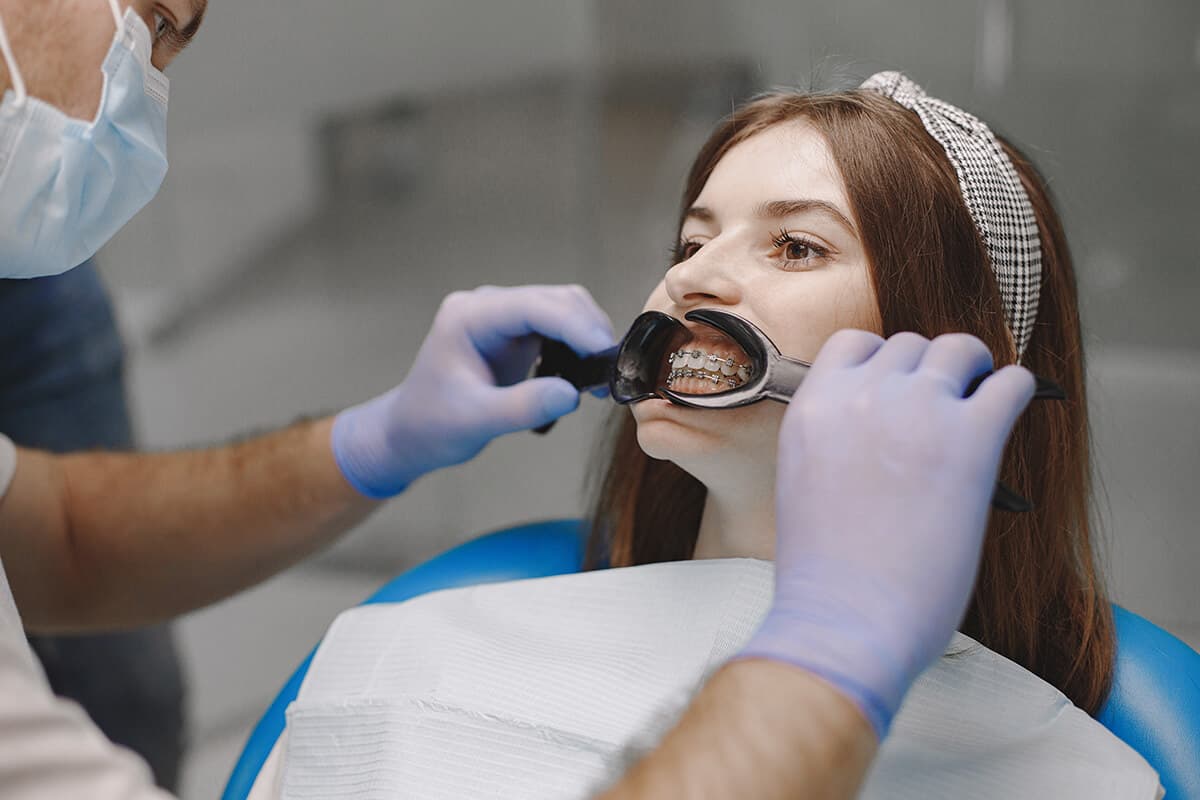
If the gap is seen not in a single area only but together with a general tooth alignment problem, orthodontic treatment may be the most suitable approach. With the help of fixed wires or clear aligners, the teeth can be moved in a controlled way to close the gap between them, and the alignment can be corrected as a whole.
An important advantage of this method is that no material is added to the tooth; your own teeth are brought into the correct position. In this respect, it can be considered an option that protects tissue and prioritizes the natural structure. Which system is suitable is determined by the dentist according to the complexity of the case and the patient's daily lifestyle.
While clear aligners are less noticeable in appearance, fixed wires can provide more controlled movement in some complex cases. Both approaches have their own advantages, and the choice depends on both the clinical situation and the patient's expectations. The dentist determines the most suitable system after the examination.
Orthodontic treatment can take longer than other methods and requires regular check-ups throughout the process. Depending on the size of the gap, the total duration varies from case to case. To maintain the result achieved at the end of treatment, a retainer phase is often recommended; this step can help reduce the likelihood of the gap reopening.
Frenectomy Procedure
In some cases, the gap between the front teeth is accompanied by a low and thick structure of the connective tissue (frenulum) that attaches the upper lip to the gum. This band can prevent the two front teeth from coming together and, when only an aesthetic closure is performed, can set the stage for the gap to reopen.
A frenectomy is a small soft tissue procedure in which this band is reshaped. It is generally performed under local anesthesia and takes a short time. It can be performed with the classic method or with laser assistance; the dentist decides which one is suitable. Afterward, there may generally be mild sensitivity, and this can pass quickly.
Rather than closing the gap on its own, a frenectomy is mostly planned together with another method such as orthodontic treatment. In this way, a holistic solution is aimed at both the cause and the visible gap. Whether the procedure is necessary is decided by evaluating the position and thickness of the connective tissue after the examination.
The Diastema Treatment Process
Gap teeth treatment should be thought of as a process rather than a single procedure. The process begins with a correct diagnosis, continues with a personalized plan, and is completed with follow-up after treatment. Carrying out every stage without skipping any can directly affect the quality and durability of the result.
Below you can find the typical stages of this process. The duration and content of the stages vary according to the method chosen. A process that is completed in a few days for one patient can take months for another patient who needs the alignment corrected. For this reason, the timeline becomes clear only after the examination.
It is important to keep open communication with the dentist at every stage of the process. Sharing your expectations, any concerns you may have, and your daily routine can make the plan more workable for you. This way, a path suited to your expectations can be followed in terms of both comfort and results.
The length of the process varies markedly depending on the method chosen. While composite veneers are mostly completed in a single session, porcelain veneers require a laboratory stage, and orthodontic treatment requires follow-up spread over months. For this reason, expectations about duration can be discussed more reliably once the treatment plan is clarified.
Initial Examination and Diagnosis
In the first stage, the dentist performs an oral examination and, when needed, makes use of radiographic images. The aim is to understand whether the gap is only an aesthetic matter or whether it stems from a cause related to the gum, connective tissue, a missing tooth, or alignment. A correct diagnosis forms the basis of all the following steps.
In this evaluation, the general health of the teeth and gums is also examined. Problems such as cavities or gum inflammation, if present, are generally addressed before the aesthetic procedure; because a healthy foundation supports both the success of the procedure and the lifespan of the result. When necessary, the initial condition can be recorded with photographs and impressions.
During the examination, how the gap formed and whether it has changed over time may also be asked about. A gap that has existed since childhood and a space that appeared later may point to different causes. These details can be a guide for a correct diagnosis and a suitable plan.
Personalized Treatment Planning

Once the diagnosis is clear, the dentist shares the options that may suit you and their advantages. A plan is created from among methods such as composite veneers, porcelain veneers, orthodontic treatment, or a combination of these, according to your expectations and the clinical situation.
At this stage, the approximate duration of treatment, the number of sessions, and what to pay attention to afterward are also discussed. Setting expectations within a realistic framework is especially important in aesthetic treatments. How the process will proceed is explained clearly, and no procedure is started without your approval.
In some cases, a preview of the possible result can be shared with the help of a digital impression or preliminary visual work. This can help make expectations concrete and make the decision process easier. Still, the final result is shaped by the tissue's response, the details of the procedure, and the personal situation.
Application and Refinement
The application stage begins according to the planned method. While composite veneers are mostly completed in a single session, porcelain veneers may require more than one appointment because of the impression and laboratory process. In orthodontic treatment, the movement of the teeth is spread over a certain period and progresses in stages.
When needed, a supportive procedure such as a frenectomy can be added to this process. Your comfort is looked after at every step, and suitable anesthesia methods are used when necessary. During the procedure, the dentist aims for a natural appearance by shaping the tooth form, size proportions, and color harmony to be balanced.
Post-Treatment Follow-Up and Care
Follow-up is important for preserving the result after treatment is completed. The dentist may recommend check-ups at certain intervals and, if needed, apply small corrections or polishing. These check-ups can help small problems be noticed early and the result be maintained for a long time.
In daily care, regular tooth brushing, flossing, and the cleaning habits recommended by the dentist can extend the life of the result. Avoiding habits such as biting on hard objects or chewing on pens or nails also helps protect veneers and composites. Consumption habits can be reviewed to reduce staining.
If there are conditions such as teeth clenching or grinding at night, it is helpful to share these with your dentist. Such habits can put additional load on restorations over time; protective measures can be planned when needed. Small changes noticed early can reduce the likelihood of needing more extensive procedures.
Results and Expectations After Treatment
The result of gap teeth treatment varies according to the method chosen and the initial situation. In most patients, a positive change is aimed at in terms of both appearance and daily comfort. Still, it is important to remember that results can differ from person to person and that no definite promise of success can be made.
Below we have summarized what can typically be expected both aesthetically and functionally. These are general trends; your individual result can be best predicted by your dentist, who evaluates your oral structure and your expectations together.
How sustainable the result will be depends not only on the method applied but also on the care that follows. Regular check-ups and the right habits can help the result achieved be preserved for longer. For this reason, the period after treatment is at least as important as the procedure itself.
Aesthetic Results and Adjustment Period
After treatment, a more cohesive smile can be achieved as the gap between the front teeth closes. When tooth form, size proportions, and color harmony are evaluated together, the result can look natural. Many patients view the balance and symmetry in their smile positively.
The time it takes to get used to the new tooth form can vary from person to person. In the first days, the lips and tongue adapt to the closed gap; some people may feel a slight difference for a short time. This adjustment generally develops quickly and does not noticeably affect daily life.
The naturalness of the aesthetic result also depends on how well the teeth harmonize with your facial features and your smile line. For this reason, rather than being satisfied with simply closing the gap, the dentist can evaluate the overall appearance holistically. In this way, the result can offer a balance in harmony with the person's own expression rather than an artificial look.
Functional Improvements
Diastema does not always cause a functional problem; however, in some cases the gap can cause food buildup, slight changes in speech, or difficulty in cleaning. Closing the gap can provide relief in these respects and make oral hygiene easier.
When the alignment is also corrected with orthodontic treatment, the distribution of chewing force and the cleaning of the spaces between the teeth can become more comfortable. The level of functional gains varies by case. For this reason, it is important to clarify your expectations with your dentist in advance.
Aesthetic and functional gains are often evaluated together; a more orderly alignment can contribute to both appearance and daily comfort. However, which gains will be achieved and to what extent depends on the initial situation and the method chosen. For this reason, results should always be considered within a personal framework.
Maintaining the result achieved for a long time depends on the care that follows as much as on the method applied. Especially after orthodontic treatment, it is important to follow the retention phase recommended by the dentist to prevent the teeth from reopening. Regular check-ups allow possible small changes to be noticed early.
Diastema (Gap Teeth) Treatment Prices in Samsun 2026
The cost of gap teeth treatment cannot be expressed with a single figure, because every case is unique. The size of the gap, the number of teeth to be closed, the method chosen, and the need for additional procedures directly affect the total amount. For this reason, it would not be right to draw a definite conclusion by looking at general figures seen online.
Instead of sharing a fixed list price, we prefer to explain the factors affecting the process transparently. This makes it easier for you to understand why the amount varies from case to case. As the scope of the treatment plan becomes clear, how the cost takes shape also becomes easier to understand.
For example, composite veneers and porcelain veneers involve different processes; because porcelain application requires an impression and laboratory stage, its planning and labor intensity differ. Orthodontic treatment, on the other hand, is spread over time and is therefore evaluated on its own. Each of these methods has a separate cost structure.
The type and quality of the material used is also an important factor affecting the price. In addition, if preliminary procedures such as gum treatment, a frenectomy, or replacing an old restoration are needed, these are added to the overall plan. The table below summarizes the main factors affecting the price.
In some cases, more than one method is planned together; for example, a procedure that eliminates the cause may be performed first, followed by an aesthetic closure. Such combined plans may require a different scope and duration than a single procedure. For this reason, the plan and evaluation of two cases that look similar may differ from each other.
Factor Affecting the Price | Explanation |
Case complexity | The cause and width of the gap determine the scope and duration of planning. |
Number of teeth | As the number of teeth to be closed or corrected increases, the plan and labor change. |
Method chosen | Composite veneers, porcelain veneers, and orthodontics involve different processes and cost structures. |
Material type and quality | Varies according to the choice of veneer or composite material used. |
Additional procedures | Preparation steps such as gum treatment or a frenectomy may be added to the plan. |
Dentist's evaluation | The definitive plan and exact amount are determined only after a clinical examination. |
For this reason, to give you the most accurate information, we recommend a clinical examination and consultation. After examining your oral condition, the dentist shares the suitable options, the number of sessions, and details about the process with you. This way you can plan your expectations within a realistic framework.
We care about talking openly with you about all options and the scope before treatment. So that you can make an informed decision, the process and cost items are explained transparently. As a dental clinic in Samsun, our aim is to determine together the most suitable and sustainable solution for you.
Conclusion
Diastema treatment in Samsun is a holistic process that brings together different methods for closing the gap between the front teeth. Composite veneers, porcelain veneers, orthodontic treatment and, when needed, a small soft tissue procedure can be planned individually.
The foundation of the right result is a careful examination and realistic planning. Which method is suitable is determined by the dentist according to factors such as the cause and size of the gap. For this reason, it is not possible to speak of a single standard solution for gapped teeth.
If you would like clear information about your gapped teeth and to learn the options that suit you, you can book an examination appointment. Evaluating the process together and clarifying your expectations offers a healthier roadmap in terms of both results and comfort.