 Spec. Dt. Gökcan ErtaşOrthodontist
 Dt. Sena KırcaDentist
 Dt. Sevinç Cansu KayıranDentist
 Assoc. Prof. Dr. Sezin ÖzerPediatric Dentist
 Spec. Dt. Sude Yıldırım BolatSpecialist in Periodontology
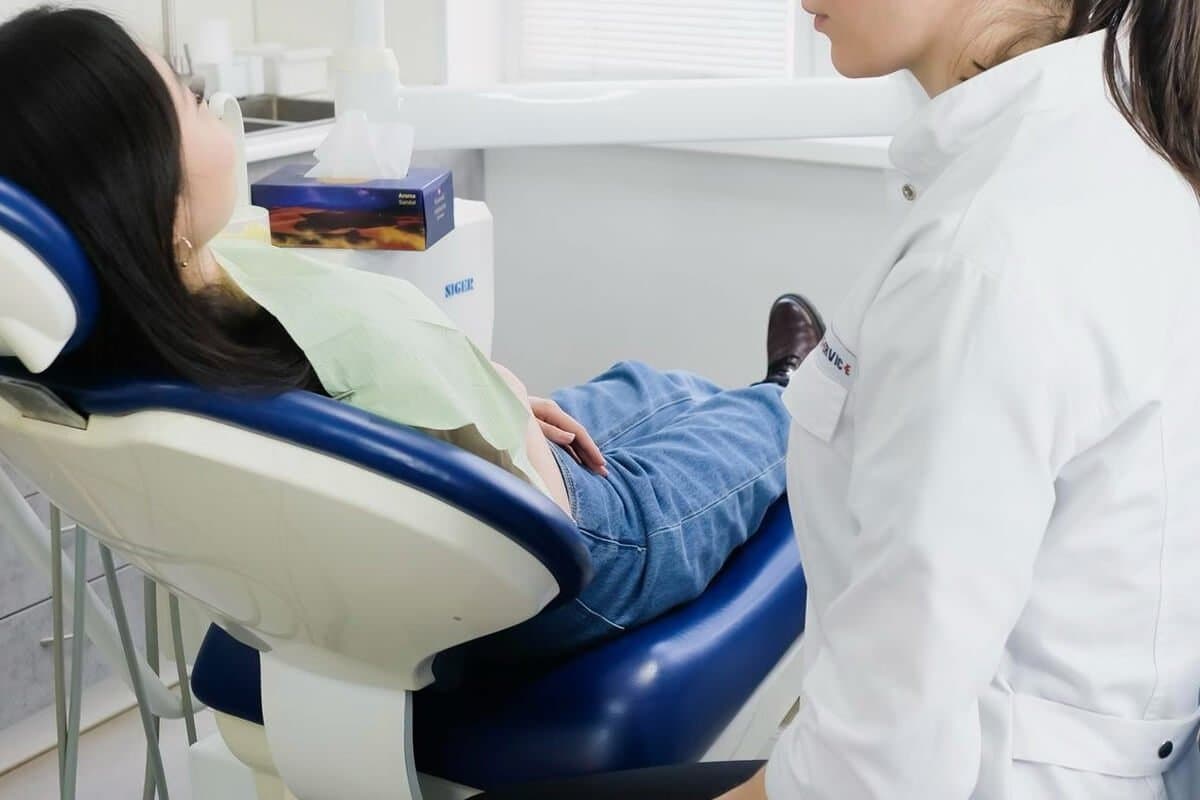
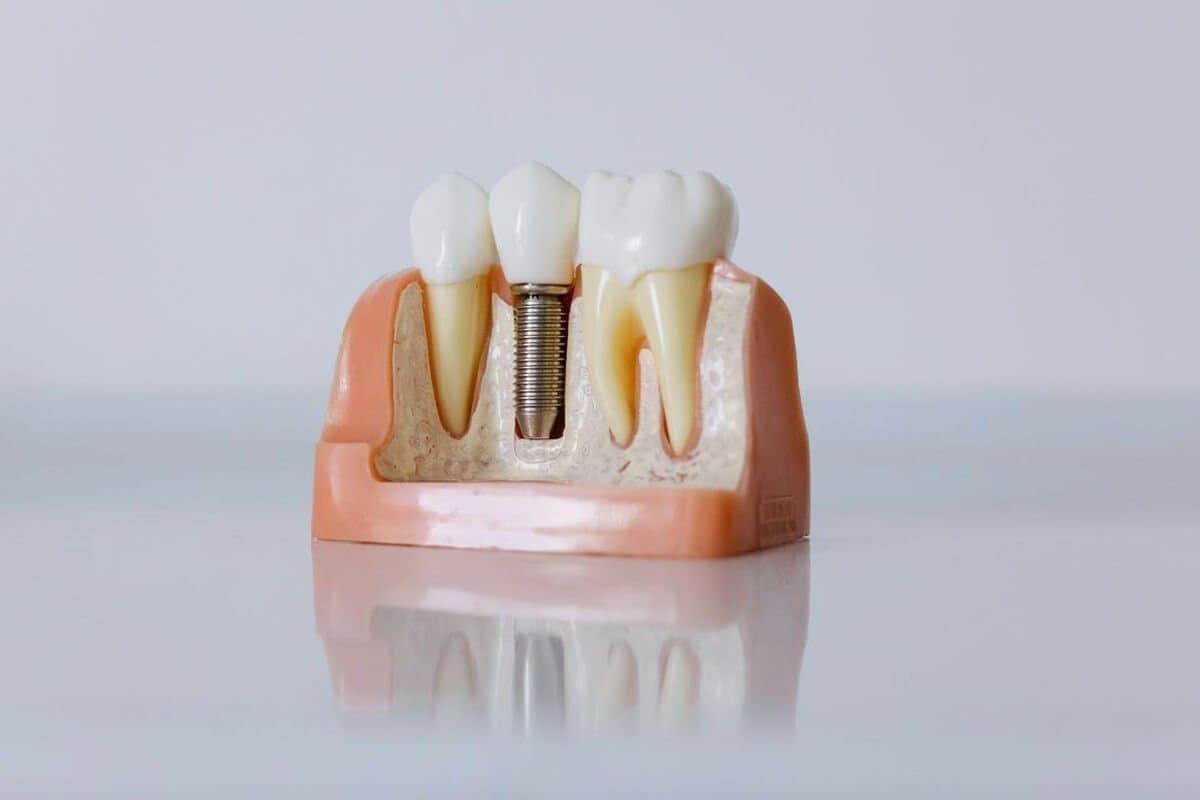
A sinus lift in Samsun is a bone augmentation surgery performed before implants for patients who lack enough bone height in the upper jaw. Because the sinus cavity sits close to the roots in the upper back area, bone loss is common after tooth loss, and this can remove the solid foundation needed for an implant. The floor of the sinus is gently lifted and bone graft material is placed beneath it, creating enough bone volume for the implant, so that the treatment process rests on a solid foundation.
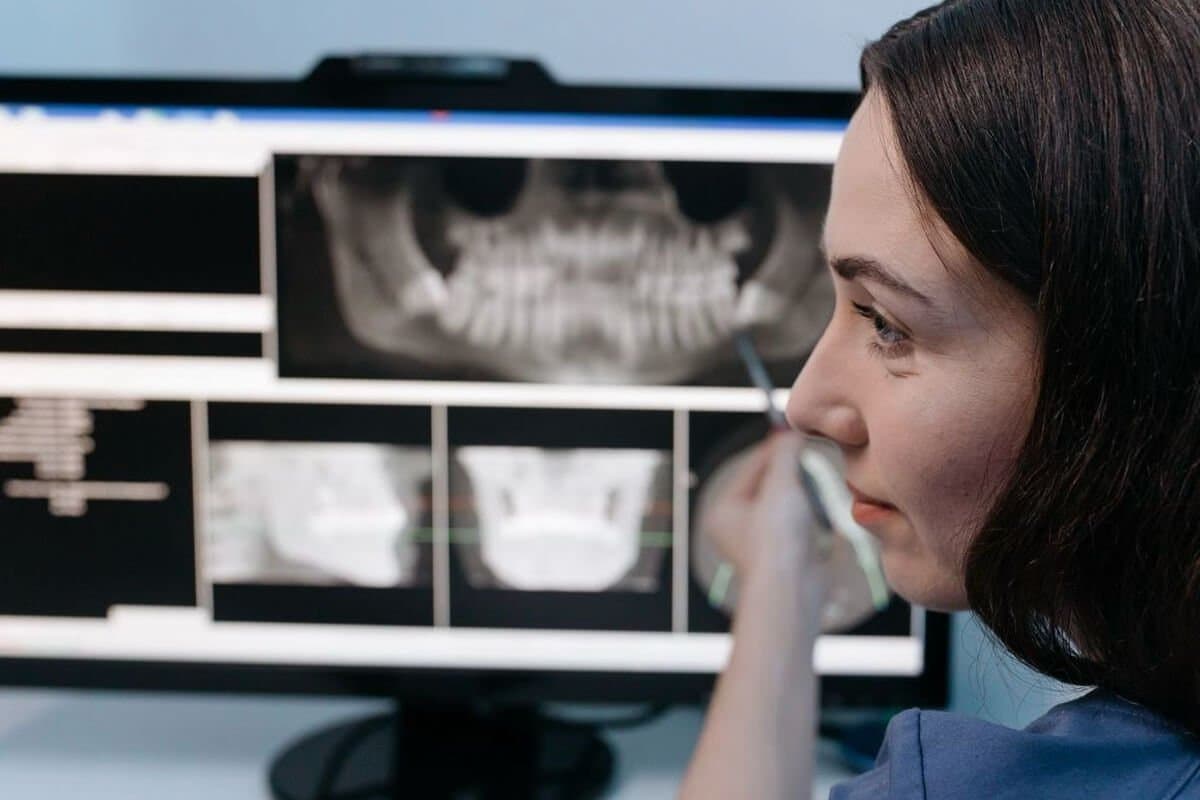
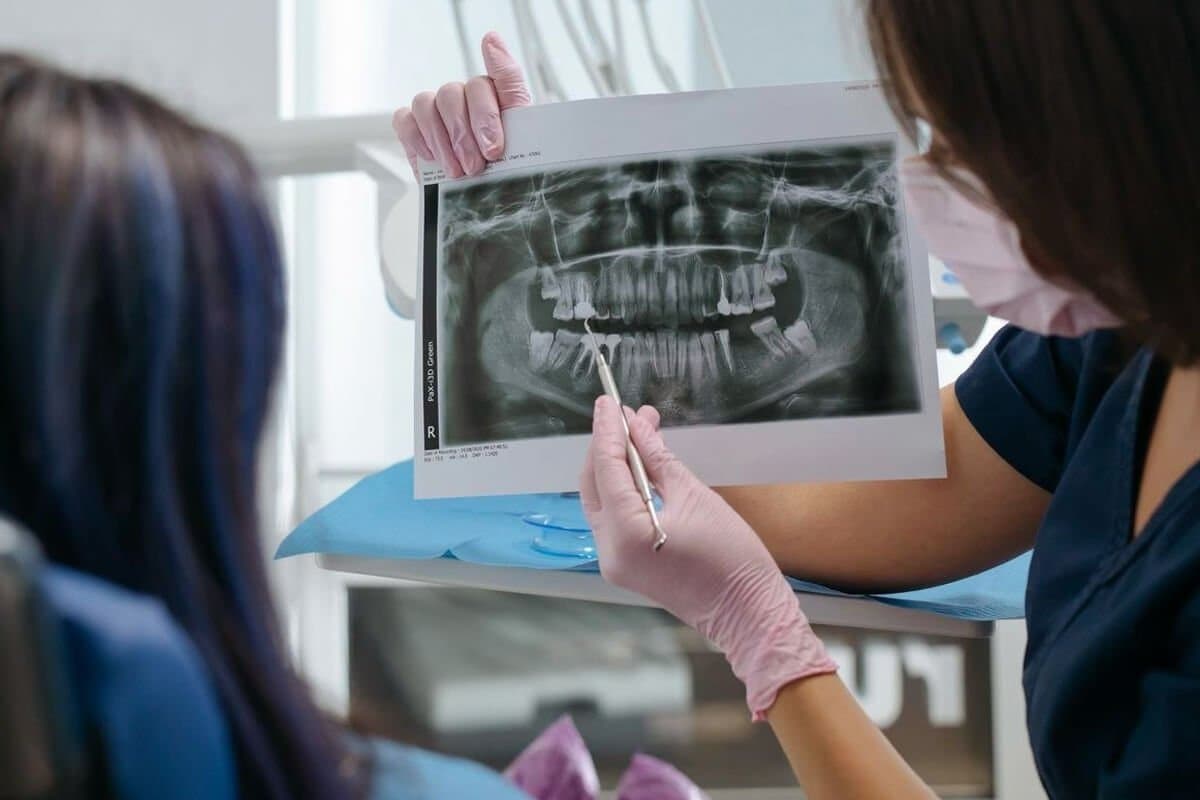
The procedure is planned by a dentist experienced in oral and maxillofacial surgery, after the patient's panoramic and tomography images are evaluated in detail. Depending on the degree of bone loss, an open or closed technique may be chosen; both methods are adapted to the individual patient through the dentist's evaluation. At Dental Prime, this process is planned step by step, from the preliminary examination through to healing follow-up, with the patient's comfort and safety kept first.
What Is a Sinus Lift?
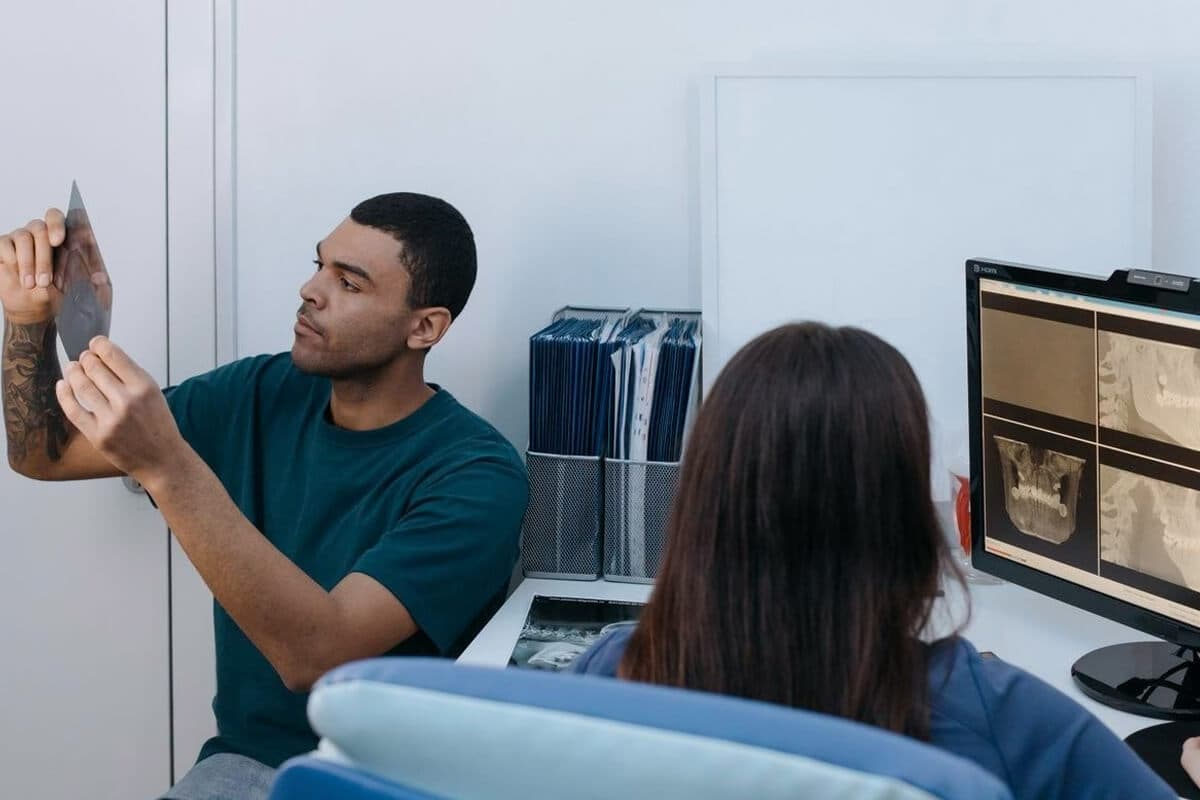
A sinus lift is a surgical method that aims to create enough bone volume between the sinus cavity and the tooth root by lifting the floor membrane of the maxillary sinus, located in the back of the upper jaw. Because of tooth extraction, advanced age, or long-term missing teeth, the upper jawbone thins over time, the sinus cavity expands downward, and the vertical distance needed for an implant narrows.
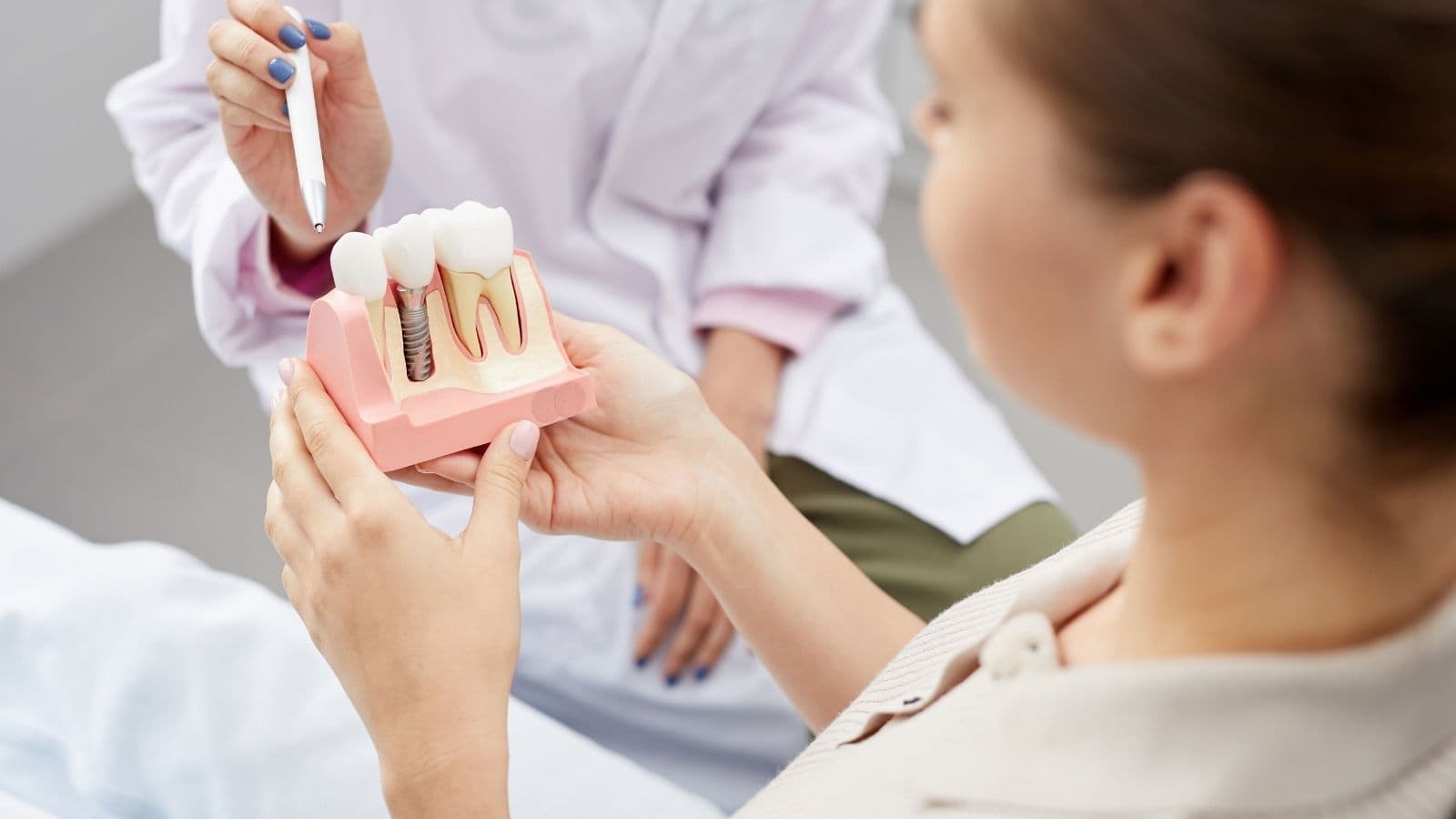
This thinning reduces the amount of bone in which the implant root can hold securely and can make placing an implant on its own risky. When the sinus membrane is carefully lifted and bone graft material is placed in the space, new bone tissue forms within a few months, and a suitable, durable foundation for the implant emerges. The method is planned individually based on the dentist's measurements on the tomography.
A sinus lift is not a treatment on its own but a preparatory stage of implant treatment; for this reason, the decision is always made after a comprehensive examination and three-dimensional imaging. The dentist determines the most suitable approach by evaluating both the anatomical structure of the sinus cavity and the quality of the existing bone.
In patients with an active sinus condition such as chronic sinusitis, this condition may need to be brought under control before the procedure. The dentist evaluates candidacy by asking about the general health history and any past sinus conditions; when deemed necessary, a joint evaluation with an ear, nose, and throat specialist may also be requested.
Although the general principle of the method is similar in all patients, the details of the application differ from person to person. For this reason, general information about sinus lifts found on the internet cannot replace the personalized evaluation the dentist will give at a face-to-face examination; every decision should be based on individual imaging results.
Why Is a Sinus Lift Necessary for Upper Jaw Implants?
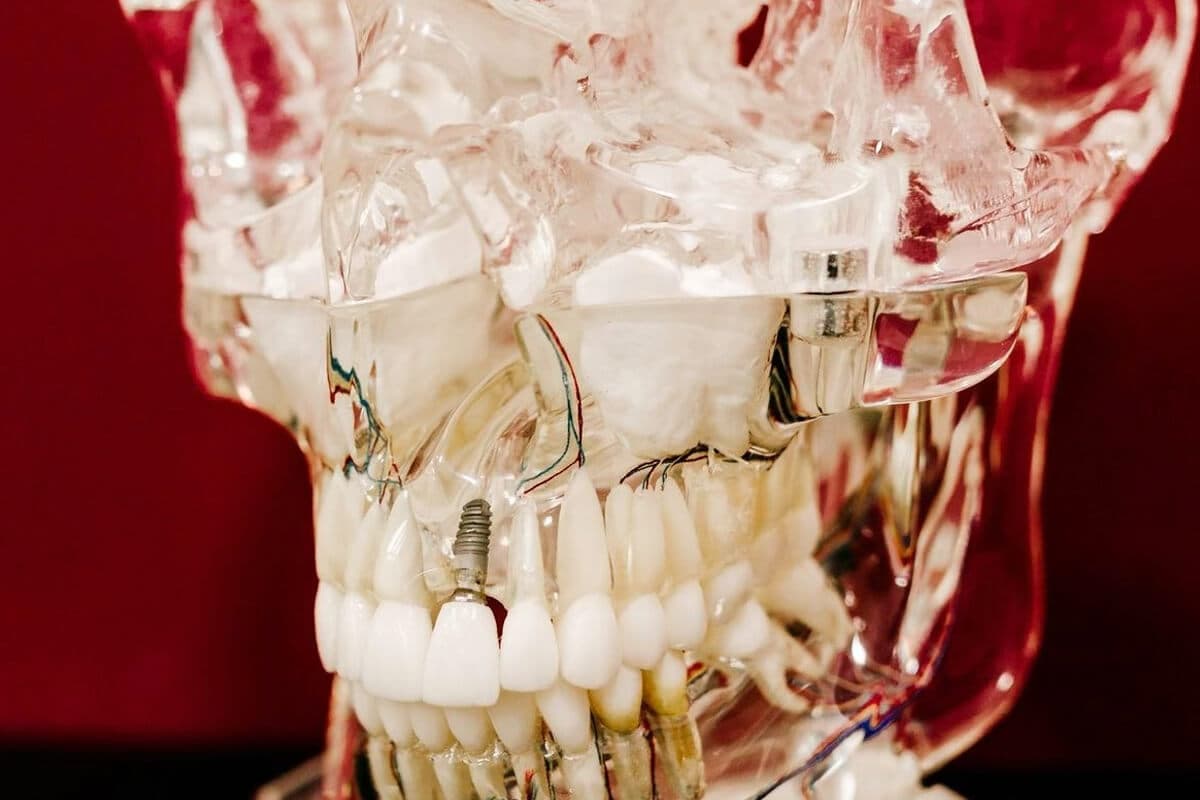
The bone structure in the back of the upper jaw is naturally more porous than in the lower jaw and shrinks faster after tooth loss. When the bone height drops below a certain level, placing an implant directly creates a risk of it protruding into the sinus cavity; this can increase the likelihood of infection, implant loosening, and treatment failure. For this reason, dentists evaluate bone height carefully before an implant.
Many years having passed since the tooth was extracted
Reduced bone density due to advanced age
Progressive bone loss due to periodontal conditions
A congenitally narrow and low sinus floor structure
Bone loss due to long-term use of removable dentures
When one or several of these factors are present, the dentist may consider a sinus lift before the implant. The goal is to create enough bone support so that the implant stays solid and stable in the long term, making it possible for chewing forces to be borne safely by the implant. This evaluation is always based on imaging results.
Trying to place an implant in insufficient bone without a sinus lift can bring both surgical and long-term risks. For this reason, dentists shape the treatment plan by prioritizing the stability the implant will hold over the years rather than short-term gain.
In some patients, because the bone height is borderline, whether a sinus lift is needed only becomes clear through detailed measurement; in this case, the dentist explains to the patient in detail, using the images, how even millimeter differences can affect the implant plan. Early diagnosis allows the treatment process to proceed more predictably.
Skipping the bone evaluation before an implant can lead to unexpected surgical needs later on. For this reason, the three-dimensional imaging done at the first examination is a basic step not only for the sinus lift decision but also for planning the entire implant treatment safely.
Differences Between Open and Closed Sinus Lifts
There are two different surgical approaches, and the choice is shaped by the existing bone height, the degree of loss, and the implant plan. The dentist reviews the tomography images and decides which technique is more suitable for the patient; the thickness of the sinus membrane and overall oral health are also taken into account in this evaluation. The table below summarizes the main differences between the two methods.
Feature | Open Sinus Lift | Closed Sinus Lift |
|---|---|---|
Area of use | Advanced bone loss | Mild to moderate bone loss |
Implant timing | Usually a separate session | Often the same session |
Surgical access | Window through the cheek-side bone | Mini access through the tooth socket |
Healing process | Longer follow-up | Relatively short follow-up |
Open Sinus Surgery for Advanced Bone Loss
When bone height has decreased to an advanced degree, the open technique is preferred. A small window is opened from the cheek side of the bone to reach the sinus membrane, the membrane is carefully lifted, and enough bone graft material is placed in the space. This approach is preferred in cases with a lot of bone loss, where a larger volume needs to be created.
In this method, because the bone volume can be shaped under direct visual control, a safe and predictable result can be achieved even at very low bone levels. After the procedure, a certain period is waited for the bone to mature; the implant is usually placed in a separate session after this healing is complete. This waiting period may vary depending on the patient's bone structure.
Because the open technique allows the dentist to work while directly seeing the sinus membrane, it is a reliable method preferred especially in complex cases with advanced bone loss. The surgical time may be somewhat longer than with the closed technique, but the bone volume obtained is generally greater.
The stitches used in this technique are usually removed within one to two weeks, and healing is followed with check-ups set by the dentist. Depending on the patient's bone structure and healing speed, the time before moving on to the implant placement stage can vary; for this reason, a patient and regular follow-up process is important.
At post-operative check-up appointments, the dentist evaluates both wound healing and the bone maturation process using imaging methods. This regular follow-up allows the move to the implant stage at the most suitable time and makes it possible to notice and manage any possible problem early.
Closed Procedure That Allows an Implant at the Same Time
If the bone loss is mild or moderate, the closed technique can be applied. In this method, the sinus membrane is gently reached with special instruments through the tooth socket opened for the implant, the membrane is pushed up slightly, and bone graft material is placed beneath it. The procedure offers a less invasive approach compared with the open technique.
The most practical aspect of the closed technique is that, in suitable cases, the implant can be placed in the same session. In this way, the patient can shorten the treatment process without waiting for a separate healing session, and the total treatment time may decrease noticeably. Because the surgical area is more limited, the healing process also generally goes more comfortably.
Even so, the dentist can only make this decision after the tomography images and a clinical examination; same-session placement may not be possible in every patient. In cases where bone height is borderline, the dentist may also recommend a two-stage plan, putting safety first.
In the closed technique, because the surgical area is smaller, swelling and tenderness usually remain at a more limited level. Even so, since the result can always vary depending on the patient's individual bone structure and the dentist's surgical experience, no exact timeframe or guarantee of results is given.
Regular check-up appointments remain important for patients who have the closed technique as well; the dentist monitors the process of the implant integrating with the bone using imaging methods. This follow-up is necessary to ensure both the stability of the implant and the overall course of healing.
Bone Graft Placement and the Healing Process
After the sinus membrane is lifted, the bone graft material placed in the space fuses with the surrounding tissue over time and supports the formation of new bone. The graft material used may be taken from the patient's own bone, or synthetic or animal-derived biocompatible products may also be chosen; the choice is made according to the dentist's clinical evaluation.
The healing process generally takes a few months and is closely followed with regular check-ups. Once it has been confirmed with tomography that the bone has matured sufficiently, the implant placement stage begins. This wait is an important safety step for the long-term success of the implant.
First week: mild swelling and a feeling of fullness are considered normal
First month: take care to eat soft foods
Between 3 and 6 months: the bone tissue continues to mature
Check-up examinations: the dentist evaluates healing with tomography at regular intervals
Staying away from smoking throughout this process and carefully following the oral care rules recommended by the dentist can help healing progress in a healthy way. Avoiding movements that create sudden pressure changes is also important during this period.
Age, general health, smoking, and chronic conditions such as diabetes are among the factors that can affect the speed of healing. By evaluating these factors during the examination, the dentist gives the patient a realistic timeframe for the healing process and plans additional check-up appointments when necessary.
The type of graft material used can also affect healing time; grafts taken from the patient's own bone generally integrate faster, while synthetic or biologically sourced grafts may require a somewhat longer maturation process. Which material will be used is determined by the dentist according to the patient's bone structure and treatment goal.
After healing is complete, whether the bone tissue has reached a density that can support the implant is confirmed by the dentist with imaging methods. Moving on to the implant stage without skipping this confirmation step is of great importance for the long-term success of the treatment.
Painless Sinus Lift Surgery in Samsun
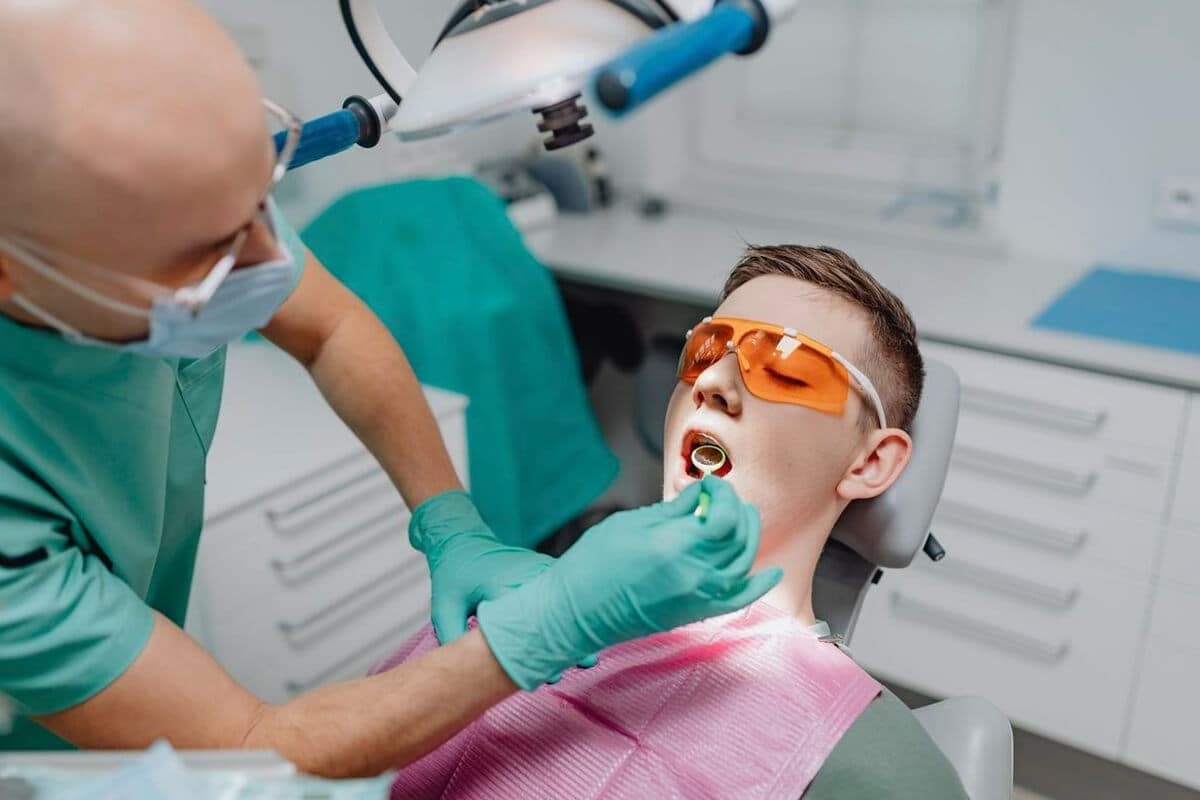
The procedure is carried out comfortably with suitable anesthesia methods; the patient does not feel pain during the operation. After the anesthetic wears off, there may be mild tenderness, which can be easily managed with the pain relievers recommended by the dentist. Most patients can return to their daily routine shortly after the procedure.
Performed by an experienced surgical team at our dental clinic in Samsun, the sinus lift puts patient comfort first through proper planning and sterile conditions. The dentist's experience in this area and the clinic's technical equipment play an important role in completing the procedure safely and within the expected time.
Following the instructions given after the procedure helps the healing process go more comfortably. Temporary symptoms such as swelling and nasal congestion usually decrease on their own within a few days. If you notice any unusual symptom, it is recommended to contact your dentist.
For patients with a high level of anxiety, additional calming approaches may also be considered when the dentist finds them appropriate. In this way, the operation can become a more comfortable experience both physically and mentally; such options are likewise discussed with the dentist during the examination.
In the first days after the procedure, eating warm and soft foods and avoiding hard or very hot foods can ease the healing process. Taking care not to touch the operation area directly while brushing your teeth can be supported with a gentle care routine recommended by your dentist.
Having a trusted relative with the patient on the day of the operation is practically helpful, especially in cases where sedation is used. Taking time to rest after returning home and staying away from heavy physical activity for a few days contribute to a more comfortable healing process.
Sinus Lift Prices in Samsun 2026
The scope of a sinus lift varies significantly from patient to patient; for this reason, rather than giving an exact figure, it is a more accurate and realistic approach to look at the factors that affect the price. The following factors directly determine the scope of the planned treatment.
In cases planned together with implant treatment, the total scope can differ from the sinus lift procedure alone; for this reason, the price is determined by evaluating the entire treatment plan as a whole rather than as a single item. This holistic view allows healthier planning for both the patient and the dentist.
Whether the technique used is open or closed
The type and amount of bone graft used
The degree of bone volume lost
Whether the procedure is done in the same session as the implant
The clinic's technical equipment and the dentist's experience
Because these factors change from person to person, the healthiest path is the personalized plan the dentist presents after an examination with tomography images. It is helpful to get detailed information during the appointment process, clarify expectations, and plan the process from start to finish. During the examination, the dentist clarifies with the patient the technique to be used, the estimated healing process, and any additional treatment needs, so that the process moves forward transparently from start to finish.
Conclusion
A sinus lift in Samsun is a reliable preliminary stage that makes implant treatment possible for patients with insufficient bone height in the upper jaw. The right choice of technique, an experienced surgical team, and regular follow-up play a decisive role in healthy bone healing and the long life of the implant.
A personalized roadmap is created by the dentist, taking into account factors such as the degree of bone loss, general health, and the implant plan. To clarify any points of concern, a detailed examination and imaging should always be the first step before starting the treatment process. With the right information and the right planning, this process can become a predictable and comfortable experience for the patient.