



 Spec. Dt. Gökcan ErtaşOrthodontist
 Dt. Sena KırcaDentist
 Dt. Sevinç Cansu KayıranDentist
 Assoc. Prof. Dr. Sezin ÖzerPediatric Dentist
 Spec. Dt. Sude Yıldırım BolatSpecialist in Periodontology
Oral and maxillofacial surgery in Samsun covers a wide field of treatment, from tooth extraction and jaw fractures to impacted tooth surgery and bone preparation before implants. A treatment process led by a surgeon experienced in the field can help bring pain and infection under control, preserve chewing function, and restore quality of life. Which method is used is determined by the dentist according to the patient's clinical picture, how long the complaint has lasted, and the examination findings; for this reason, the same approach is not applied to every patient.
Who is this treatment recommended for, and in which situations? How does the process work, and how long does healing take? Most of these questions become clear only with a dentist's examination; still, below you will find information on the treatment process, points to watch for, and consultation details. The Dental Prime team, which provides services in this field in Samsun, offers a personalized evaluation plan according to each patient's complaint and clinical needs; by keeping you informed at every step of the process, it aims to clear up your questions and help you make your decision comfortably.
What Is Oral and Maxillofacial Surgery?
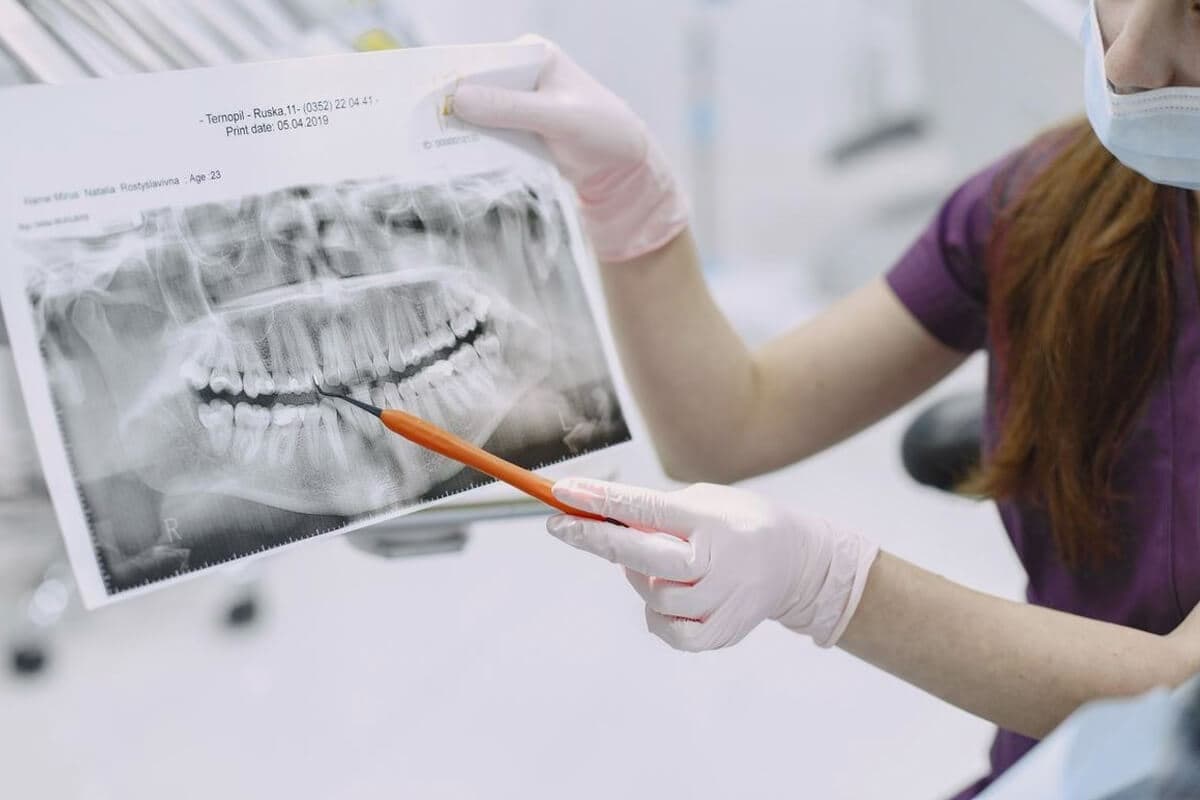
Oral and maxillofacial surgery can be defined as a branch that addresses structural or functional problems of the teeth, jawbone, joints, and soft tissues with surgical methods. It includes many different procedures, from a simple tooth extraction to complex jaw reconstruction. The dentist decides which method will be used by evaluating the examination findings, imaging results, and the patient's general health together. In some cases a single session is enough, while in others a staged treatment plan is followed.
This field refers to a comprehensive approach that covers not only surgical procedures but also follow-up before and after the procedure. The dentist stays in contact with the patient at each stage of diagnosis, treatment, and healing, and manages the process together with them. This comprehensive approach helps support both the outcome and the patient's comfort.
What Problems Does the Scope of Surgery Solve?
This surgical branch covers the extraction of impacted or partially impacted wisdom teeth, the treatment of jaw cysts and tumor-like formations, temporomandibular joint conditions, and the correction of congenital or acquired jaw disorders. In addition, in cases where bone volume is insufficient, bone grafting procedures before implants are also considered within this field and can be included in the treatment plan.
Jaw and facial bone fractures resulting from trauma, soft tissue adjustments needed to support the teeth, and some congenital jaw and facial anomalies can also be addressed within this scope. Because each case is unique, the treatment plan is determined separately by the dentist according to the patient's clinical picture, how long the complaint has lasted, and general health history.
In some patients, more than one problem may be seen at the same time; for example, when an impacted tooth is left untreated for a long time, it can also cause problems in neighboring tissues. In such complex cases, the dentist may determine the order of priority and suggest a staged treatment approach, keeping the patient informed at every stage. This makes the treatment process more predictable.
Surgical extraction of impacted wisdom teeth or those that have difficulty erupting
Treatment of jaw cysts and benign formations
Evaluation of temporomandibular joint (TMJ) conditions
Resolving bone insufficiency before implants
Repair of jaw and facial fractures caused by trauma
For problems noticed early, treatment can usually be completed with simpler methods; if the complaint is expected to progress, the scope of treatment may widen. For this reason, not neglecting changes noticed in the teeth and jaw area for a long time can make both the treatment process and the healing process easier. Regular dental check-ups can also help catch such problems early.
What Is Looked at in Diagnosis and the Preliminary Examination?
At the first examination, the dentist tries to determine the source of the complaint by performing a clinical evaluation inside and outside the mouth. The general condition of the teeth and jaw structure and, if present, swelling, tenderness, or restricted movement are observed at this stage. The patient's medical history, the medications they use, and any chronic conditions are also asked about in detail, since they can directly affect the treatment plan.
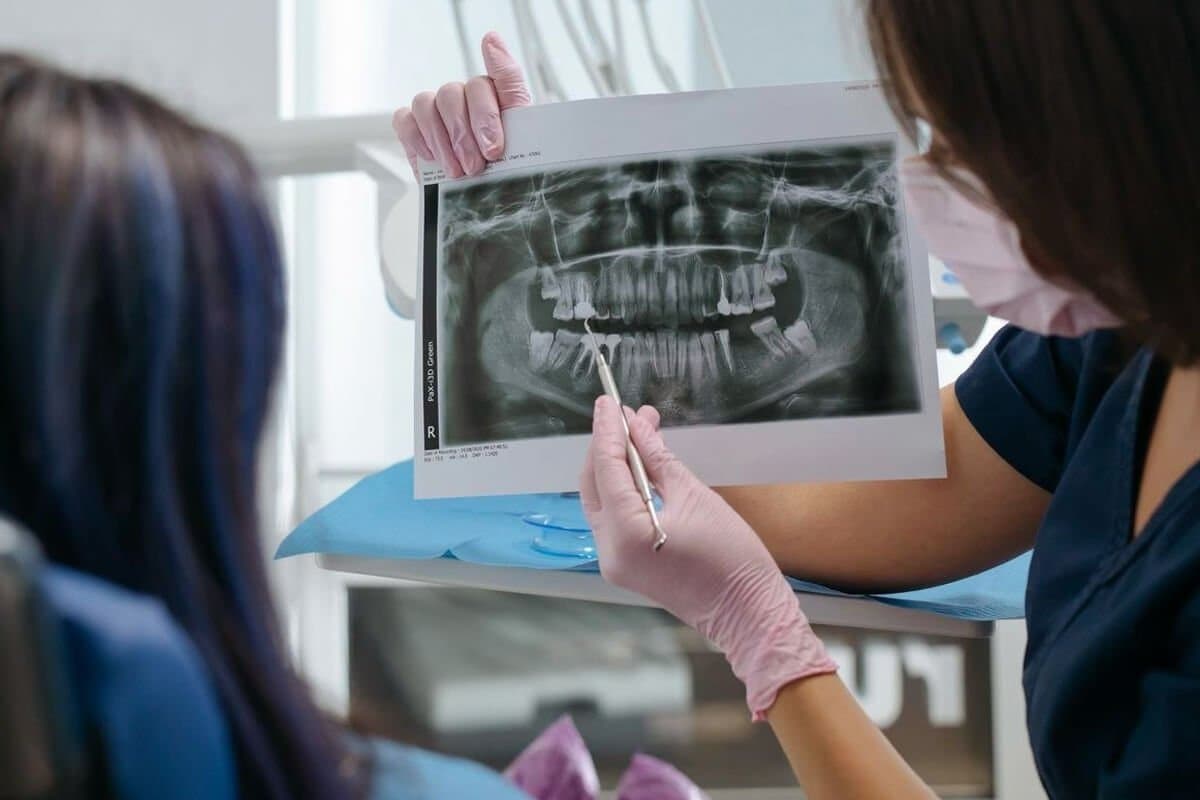
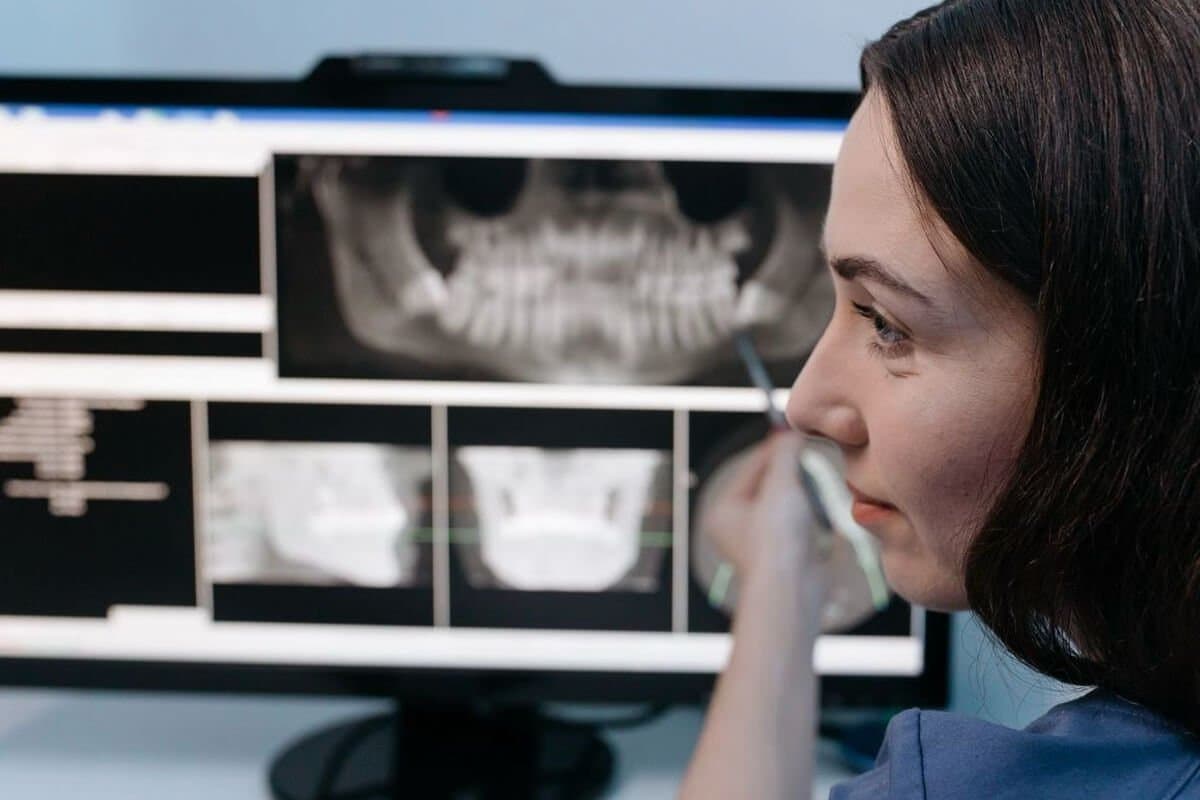
The clinical examination is generally supported by imaging methods such as a panoramic X-ray or three-dimensional tomography. These images clarify the root structure, bone density, and the distance to neighboring anatomical structures. In light of the findings obtained, the dentist creates a roadmap by evaluating, together with the patient, the most suitable surgical approach and any alternative treatment options.
During the examination, the patient's expectations and concerns are also taken into account; this helps ensure that the treatment plan is shaped not only around clinical findings but also around the patient's comfort. When deemed necessary, additional tests may be requested or collaboration with another specialty may be arranged.
In some cases, a single examination may not be enough; the dentist may request a second appointment or additional imaging to clarify points that remain uncertain. This approach aims to build the treatment plan on the most accurate information and keeps patient safety first.
Patient Profiles Receiving Jaw Surgery Treatment in Samsun

The profile of patients seeking treatment in this field is quite varied. Some come in with trauma after an accident, some for a bone evaluation before an implant, and others are referred with sleep apnea complaints. Factors such as age group, how long the complaint has lasted, and general health call for a different evaluation for each patient. Below you will find three commonly seen patient groups and the general treatment approach specific to each.
Trauma and Fracture Treatment
Jaw and facial bone fractures caused by a fall, traffic accident, or blow require urgent evaluation. Depending on the location and severity of the fracture, the dentist may recommend various surgical methods to stabilize the bone. Early intervention can play an important role in preserving chewing function and facial symmetry.
The healing process after trauma varies from person to person; the complexity of the fracture, the patient's age, and general health directly affect this process. By following healing with regular check-ups, the dentist can update the treatment plan when necessary and keeps the patient informed at every stage of the process.
In some trauma cases, soft tissue injuries can accompany a bone fracture; in this case, the treatment plan is expanded to cover both bone and soft tissue repair. In urgent visits, a quick evaluation can positively affect the healing process that follows.
The time between noticing a fracture and seeing a dentist can also affect healing. For this reason, when swelling, restricted movement, or a change in the way the teeth bite together is noticed in the jaw area after a blow, it is recommended to have an evaluation without losing time.
Implants and Prosthetic Applications
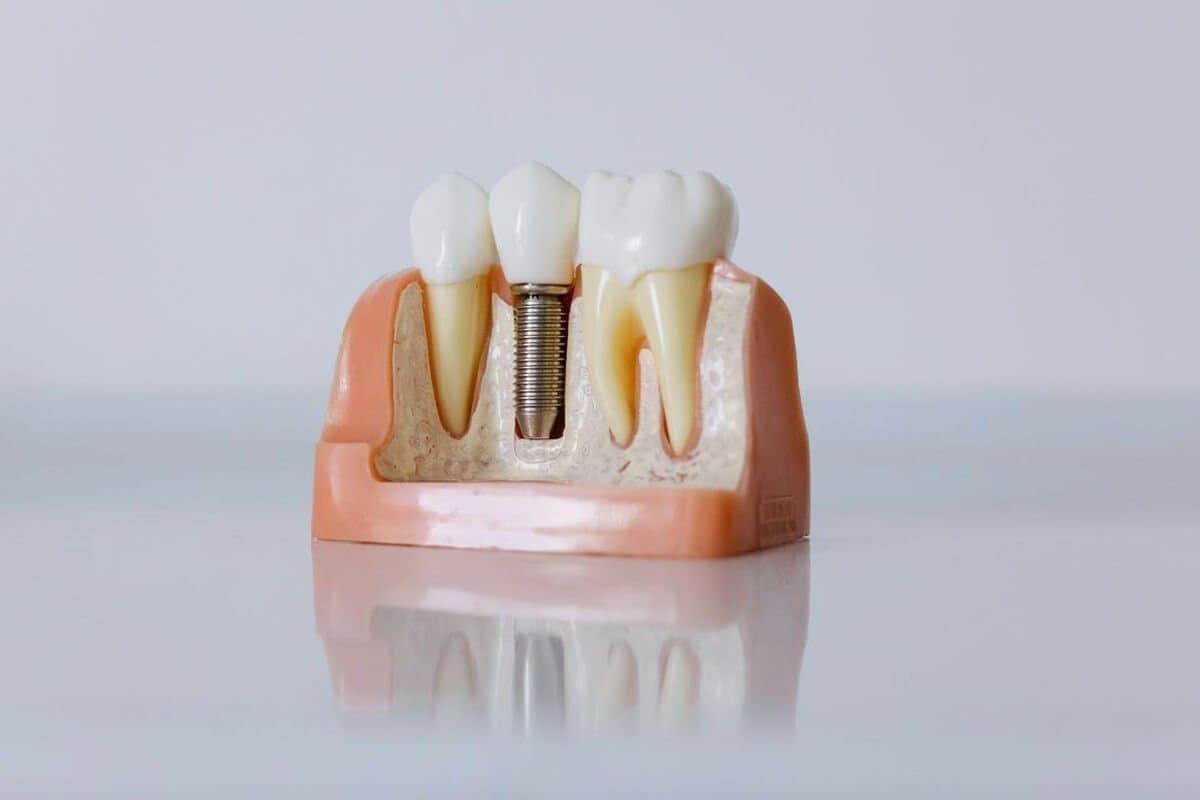
In patients who have lost teeth, the jawbone must have enough volume and density before an implant. When bone insufficiency is detected, supportive surgical procedures such as grafting may come into question. This preparation stage is regarded as a critical step that directly affects the success of the implant treatment that follows.
Cases in which the jawbone may need to be reshaped to improve denture fit are also evaluated in this group. The dentist examines the patient's oral structure and bone condition and determines the most suitable preparation plan; throughout the process, the patient is informed at regular intervals and gets answers to their questions.
In patients who have been missing teeth for a long time, bone loss may be more pronounced, so the preparation process may take somewhat longer. For this reason, having an evaluation without delay after tooth loss can help reduce additional procedures that may be needed later.
After bone preparation is complete, the implant process is generally planned as a separate stage; the time that should pass between the two stages can vary depending on the patient's healing speed. The dentist follows this process closely and decides on the timing of the next step.
Sleep Apnea Surgery
In some cases of sleep apnea, jaw or soft tissue structures that narrow the upper airway may require a surgical evaluation. This group of patients usually comes in with complaints of snoring, a feeling of choking at night, or excessive daytime fatigue, and the diagnosis is confirmed beforehand with a sleep test.
A surgical option is brought up by the dentist only when other treatment methods have been inadequate or when an anatomical narrowing has been clearly identified. The decision process is generally evaluated in cooperation with an ear, nose, and throat specialist and conveyed to the patient together.
In such cases, the treatment plan may not be limited to surgery alone; the patient's lifestyle habits and general health are also included in the evaluation. As a result, the approach presented to the patient is shaped with a personalized and multi-faceted perspective.
Before surgery is planned, the patient's sleep pattern and general health are evaluated in detail. This evaluation aims to ensure that the recommended approach is both effective and suited to the patient's lifestyle.
The Treatment Process Step by Step
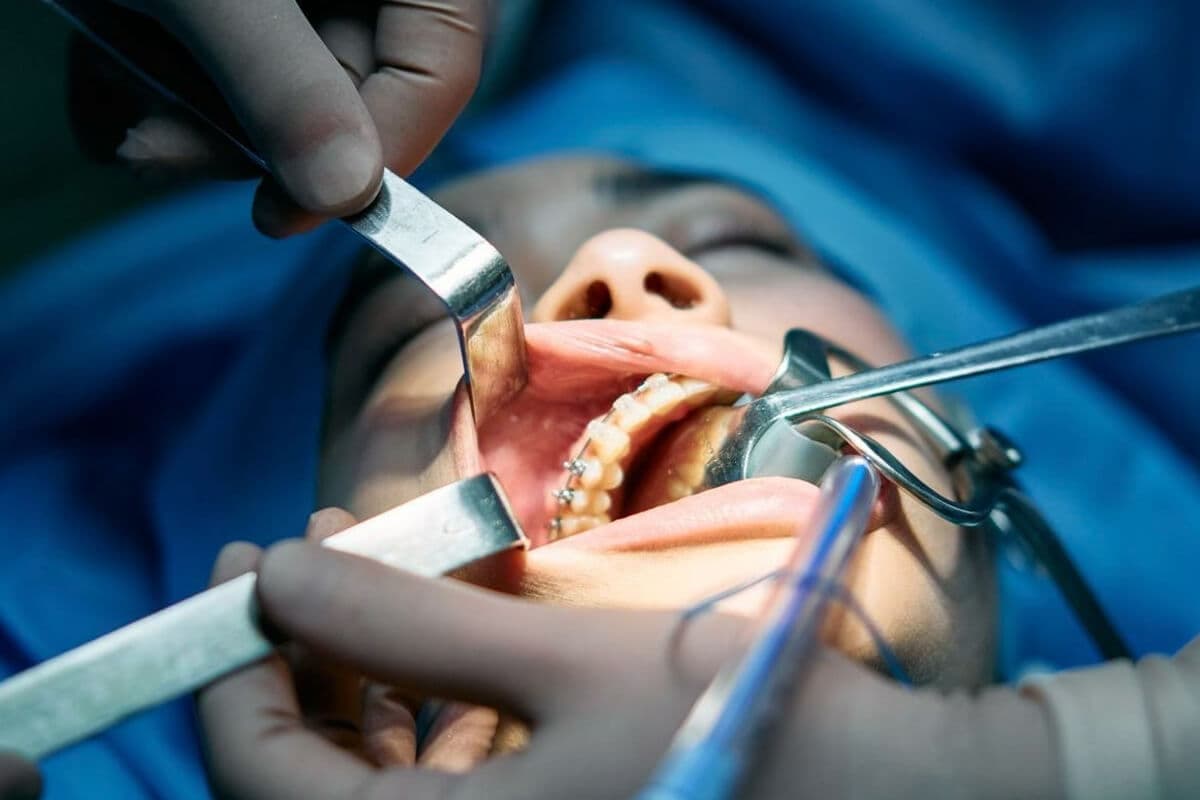
The treatment process consists of several stages, from the initial consultation to the healing period. Keeping the patient informed at each stage and their active participation in the process are among the important elements supporting a successful result. A transparent process can also help reduce the patient's anxiety. Below you will find these stages in order.
Booking the Initial Consultation Appointment
The process begins with the initial consultation appointment, where the patient describes their complaint. In this meeting, the dentist asks about the history, duration, and severity of the complaint and then performs a brief examination of the mouth. Bringing any previous X-ray or tomography images to the appointment can speed up the evaluation.
At the first meeting, the dentist shares the possible treatment options with the patient in general terms. The definitive diagnosis and treatment plan usually become clear after the imaging results are evaluated; for this reason, the first appointment should be seen as a starting point, and the final decision is made at a later stage.
Asking all the questions you have during this meeting helps you move through the rest of the process more comfortably. Open communication with the dentist is an important factor that increases confidence in the treatment.
At the end of the initial consultation, the patient leaves with clear information about what the next step will be. The necessary imaging appointment is usually scheduled right after this meeting, so that the process can move forward without unnecessary delays.
Imaging Tests and Evaluation
To clarify the diagnosis, a panoramic X-ray is taken and, in cases where it is deemed necessary, a three-dimensional tomography. These images show the bone structure, the position of the tooth roots, and the distance to neighboring nerve and blood vessel structures in detail, and form the basis for treatment planning.
In light of the data obtained, the dentist evaluates the surgical approach and any alternative options together with the patient. At this stage, the patient asking questions and sharing their concerns helps the treatment plan become clear and the process go more comfortably.
Imaging results can sometimes reveal a different picture from what was expected at the first examination; in this case, the dentist updates the treatment plan and informs the patient according to the new situation. This flexibility allows treatment to proceed in line with clinical reality.
Reviewing the imaging results together with the patient contributes to a transparent treatment process. At this stage, the patient can understand the scope of the planned procedure and the possible alternatives more clearly.
Preparing for Surgery and Instructions for the Day Before
Once the surgery date is set, the dentist shares with the patient the instructions to follow before the procedure regarding eating, medication use, and general preparation. It is important for patients with a chronic condition or who take regular medication to share this information with the dentist beforehand so the process can proceed safely.
Following the preparation instructions can help the day of the procedure go more smoothly. Considering that the patient may feel tired or temporarily weak after the procedure, it is recommended to lighten the workload and daily plans for that day.
Every detail communicated to the dentist during the preparation stage can help prevent unexpected situations on the day of the procedure. For this reason, even if there is a small uncertainty about the instructions, it is recommended to ask the appointment team.
Getting good sleep before the day of the procedure and reducing stress as much as possible can positively contribute to the overall experience of the process. Preparing in an environment where the patient feels comfortable is also valuable at this stage.
Following the fasting period before the procedure
Sharing the medications you use with the dentist in advance
Adjusting smoking and alcohol use according to the dentist's recommendation
Planning transportation and an accompanying person in advance
Choosing comfortable clothing and a simple schedule for the day of the procedure
Post-Operative Care and the Healing Process
Mild swelling, tenderness, or a temporary feeling of discomfort after the procedure is considered normal. Following the oral care and diet recommended by the dentist can support the healing process. Applying a cold compress can help reduce swelling in the first days.
Healing time varies depending on the scope of the procedure and the patient's general health. Attending the check-up appointments set by the dentist regularly is important for noticing possible complications early and for healthy progress of the process.
Taking care of oral hygiene can help keep the healing area clean and reduce the risk of discomfort. If you notice a symptom that the dentist did not mention, it is recommended to request a check-up appointment without losing time.
Following the medication use and check-up schedule recommended by the dentist helps the healing process progress as expected. Consulting the clinic in case of any uncertainty helps you complete the process with confidence.
When Should You See a Specialist for Jaw Surgery?

Some symptoms may call for an evaluation in the field of oral and maxillofacial surgery. If the complaint is persistent or affects daily life, chewing, or speech, it is recommended to see a dentist. Ignoring such symptoms can, over time, allow the complaint to turn into a more complicated picture. If one or more of the following symptoms are present, it may be appropriate to book an appointment for an evaluation:
Jaw pain or restricted movement that has lasted a long time
Recurrent swelling and pain from an impacted tooth
Deformity in the jaw area after an accident or blow
Marked bone loss due to tooth loss
Excessive daytime fatigue along with snoring
Recurrent noises or a feeling of locking in the jaw joint
The presence of these symptoms does not always mean that surgery is required; the final decision is made together after the dentist's examination and any necessary imaging. Evaluating the complaint at an early stage can help keep treatment options broader and make the process more comfortable. Even in uncertain situations, booking a preliminary evaluation appointment can help clear up questions you may have.
Oral and Maxillofacial Surgery Prices in Samsun 2026
Before giving a clear price for oral and maxillofacial surgery treatments, the dentist needs to examine the patient; for this reason, no fixed fee is shared here. The team at our dental clinic in Samsun who will evaluate you provides a personalized treatment plan and related cost information after the examination.
The scope and complexity of the procedure are chief among the factors that affect the price; a simple tooth extraction and the treatment of a multi-part jaw fracture are not evaluated at the same cost level. The imaging method used, any additional procedures needed, and the type of anesthesia are also among the other important factors that shape the total cost.
The number of follow-up sessions needed after treatment and the type of material to be used are also among the factors that affect the overall process. For this reason, two different patients having the same general diagnosis does not mean they will have the same treatment plan or cost.
For some patients, additional imaging or a second specialist opinion may be needed; such additional steps are also considered part of the process and therefore of the planning. For this reason, the information given at the first examination may be updated as the process progresses.
For patients who want an exact figure, the healthiest approach is to request personalized information from the dentist after the examination. In this way, a current and realistic cost framework specific to the treatment plan can be created. It is recommended to share all points you are curious about with the dentist at the appointment.
A list of questions prepared before the examination can help you better understand the factors that affect the price during the conversation with the dentist. In this way, the patient can base their expectations of the treatment process on realistic ground.
Factor | Effect on Price |
|---|---|
Scope of the procedure | Varies from a simple extraction to multi-part surgery |
Imaging needs | Whether a panoramic X-ray or three-dimensional tomography is needed affects the cost |
Additional surgical procedures | Supportive procedures such as grafting may be added to the overall process |
Type of anesthesia | The choice of local anesthesia or sedation may change the cost |
Check-up sessions | The frequency of follow-up during healing may be reflected in the cost |
Conclusion
Oral and maxillofacial surgery in Samsun covers a wide range of treatment, from a simple tooth extraction to complex jaw reconstruction. A process carried out with an accurate diagnosis, detailed imaging, and an experienced dentist's evaluation can help patients resolve problems such as pain and loss of function. Keeping the patient informed throughout the process is an important element that supports confidence in the treatment.
The treatment decision is always based on personalized examination findings; the information shared in this article offers a general framework, and a dentist's opinion is essential for a definitive diagnosis and planning. If your complaint persists or you are experiencing one of the situations described above, it is recommended that you book an evaluation appointment without losing time.