





 Spec. Dt. Gökcan ErtaşOrthodontist
 Dt. Sena KırcaDentist
 Dt. Sevinç Cansu KayıranDentist
 Assoc. Prof. Dr. Sezin ÖzerPediatric Dentist
 Spec. Dt. Sude Yıldırım BolatSpecialist in Periodontology

Tooth extraction in Samsun is the procedure of safely removing a tooth that is damaged beyond saving or that threatens oral health, after the dentist's evaluation. Decay, fractures, impacted teeth, advanced periodontal disease, or orthodontic needs are among the most common reasons for this decision. In today's dentistry, the procedure can be completed in a largely comfortable and predictable way with detailed imaging, proper anesthesia planning, and the support of an experienced team. An extraction decision made at the right time can also protect the neighboring teeth, the jawbone, and overall oral health from possible risks.
Knowing how the process works before coming to the clinic can reduce your anxiety and lets you prepare for the procedure with the right expectations. In this article we cover in detail the situations that require extraction, the average duration of the procedure, the stages of the procedure, and the aftercare rules. Working with an experienced team, Dental Prime keeps the patient informed at every stage, from the examination to follow-up during healing, and aims to clear up any question marks in your mind in advance.
What Is Tooth Extraction?
Tooth extraction is a minor surgical procedure that refers to removing a tooth, with its root and crown structure, from the jawbone. Dentists generally recommend this method when preventive options such as fillings or root canal treatment have not worked, or when the tooth structure can no longer safely continue its function. The decision is based on findings from an intraoral examination, X-rays, and, when needed, tomography imaging; it is never made by looking at a single symptom.
The procedure can be performed in two ways: simple or surgical. While a simple extraction is enough for visible, single-rooted teeth, impacted or broken teeth, or teeth that remain below the gum line, may require a minor surgical procedure and sometimes stitches.
Impacted wisdom teeth are among the most common examples of this group. When there is not enough room in the jawbone, a wisdom tooth cannot fully erupt, presses on the neighboring tooth, or stays in a tilted position; since this sets the stage for pain and infection, dentists usually recommend extraction.
The decision to extract a tooth is never made in haste; the dentist first evaluates whether the tooth can be saved. For teeth with a chance of being saved, alternatives such as root canal treatment or extensive restoration come up first; extraction is usually planned when these preventive options have run out or when a risk arises that threatens the tissue around the tooth.
Pregnancy, certain chronic diseases, or regularly used medications can affect the timing of the procedure; for this reason, the dentist always evaluates your general health status before the extraction. When considered necessary, the procedure can be planned in coordination with the relevant specialist or postponed to a more suitable time.
Situations That Require Tooth Extraction
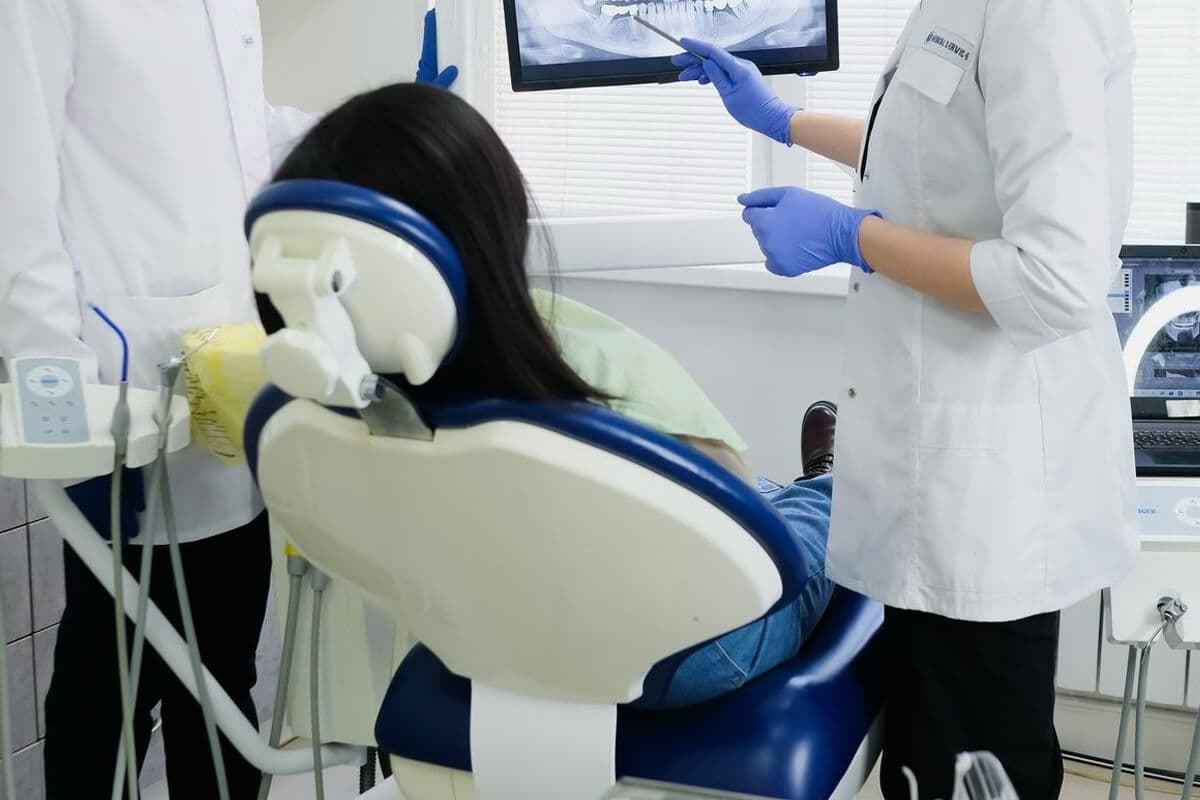
The reasons leading to tooth extraction vary from person to person, and each case is evaluated separately with its own anatomical and clinical features. The headings below summarize the two main groups that dentists encounter most often in daily practice and that call for an extraction decision; in both, the aim is to protect oral health from a greater risk.
Severe Decay and Periodontal Disease
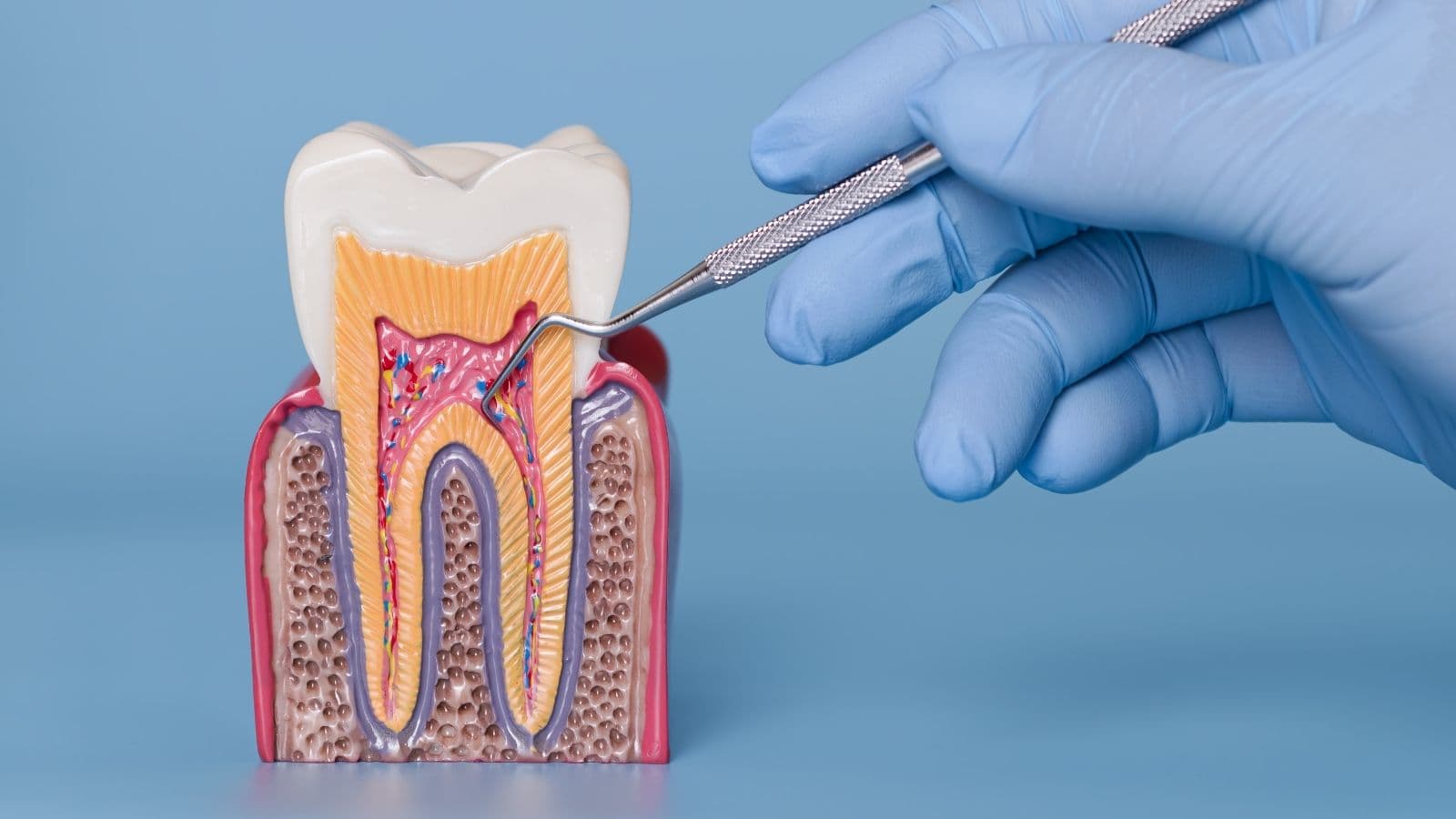
Advanced decay can irreversibly affect the pulp and root structure of the tooth. When decay passes through the enamel and reaches the pulp, pain, sensitivity, and sometimes swelling increase; at this point, even root canal treatment may not be enough to save the tooth. To prevent the risk of infection spreading to the jawbone or neighboring teeth, extraction often becomes the safest and most lasting option.
When periodontal disease advances, the gums and the bone tissue that supports the tooth begin to erode over time; as a result, the tooth becomes loose and its position may be disturbed. Teeth that have lost most of their bone support can no longer safely continue to chew; in addition, because they put the surrounding healthy teeth at risk of infection, the dentist evaluates them for extraction.
Early diagnosis is very important in such cases. Regular dental check-ups can allow decay or gum disease to be noticed before it advances to a stage requiring extraction, and to be addressed with more conservative methods; this can both preserve the tooth and shorten the treatment process.
Increased sensitivity to heat or cold, throbbing-type pain felt while chewing, or repeatedly recurring swelling in the gums are among the early signs that should prompt you to see a dentist. Not ignoring such complaints can help the problem be addressed before it grows.
Implant Preparation and Denture Support
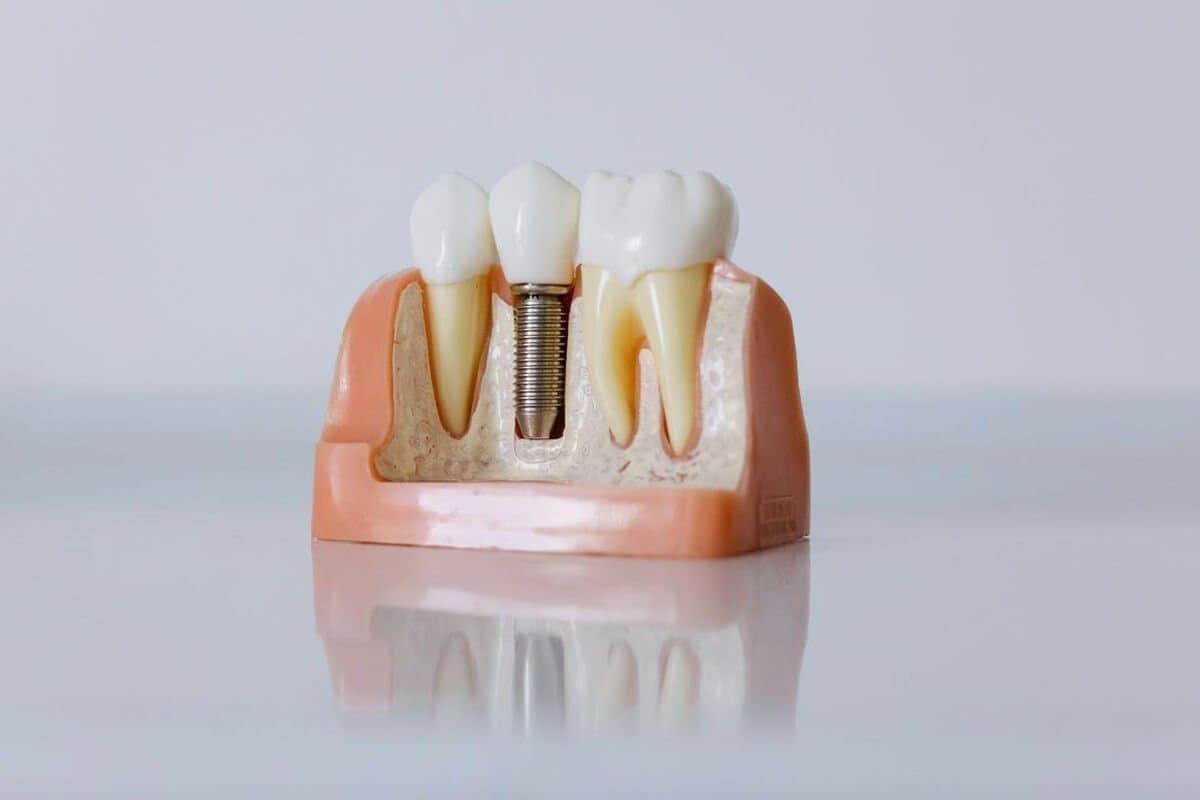
If an implant is planned to replace a tooth that cannot be saved, the existing tooth first needs to be removed in a healthy way that causes the least possible damage to the bone tissue. This step contributes to making the jawbone suitable so that the implant to be placed later can sit on a solid foundation, and it is a stage that directly affects implant success.
Before a complete or partial denture, the extraction of some teeth may also be requested. The aim is to ensure that the denture sits in the mouth properly and in balance, and to prevent in advance any fit problems, pressure points, and feelings of discomfort that may arise later. This evaluation is made by also taking the condition of the remaining teeth into account.
In such planned extractions, the dentist also takes the bone healing period after extraction into consideration. The timing of the implant or denture is then determined together with the patient following this evaluation; in some cases, an additional preparation period may also come into play to strengthen the bone tissue.
In such planned cases, dentists use a gentle extraction technique that protects the surrounding bone and tissue; this approach helps the area where the implant will later be placed remain healthy and of sufficient volume.
How Long Does a Tooth Extraction Take?
The duration of the extraction varies according to the position of the tooth, the number of roots, and the condition of the surrounding tissue. While a simple extraction can take as little as fifteen minutes, in impacted or broken teeth this time can be longer because of the surgical stages and stitching.
Another factor affecting the duration is the patient's anatomical structure. Root curvature, bone density, or a past infection can lengthen the procedure. Based on the imaging results, the dentist will tell you the approximate duration before the procedure and share the possibility of it running longer in advance.
Type of Extraction | Average Duration | Key Feature |
|---|---|---|
Simple extraction (visible tooth) | 10-20 minutes | Usually completed in a single session |
Multi-rooted tooth extraction | 20-30 minutes | Extra care is needed because of the root structure |
Impacted / wisdom tooth extraction | 30-60 minutes | A minor surgical procedure may be required |
Complex surgical extraction | 45-90 minutes | Stitches and additional healing follow-up may be needed |
The appointment time is not limited to the extraction itself; the examination, imaging if needed, anesthesia administration, and post-procedure information are also included in the total time. For this reason, the time you spend at the clinic may be slightly longer than the extraction itself; it is helpful to keep this in mind, especially if you are visiting for the first time.
Whether more than one tooth needs to be extracted in the same session is another frequently asked topic. Looking at the position of the teeth and your general health, the dentist can plan this in a single session or spread across several appointments; the priority is always your comfort and safe healing.
After the extraction is completed, you may be asked to stay under observation at the clinic for a short while longer; this is to make sure the bleeding is under control and that you are in good general condition.
How Is a Tooth Extraction Performed?

The procedure follows a standard and safe sequence; each stage is planned to prioritize the patient's comfort, safety, and a healthy start to the healing process. Below you can find the basic steps of the process.
Examination and Imaging
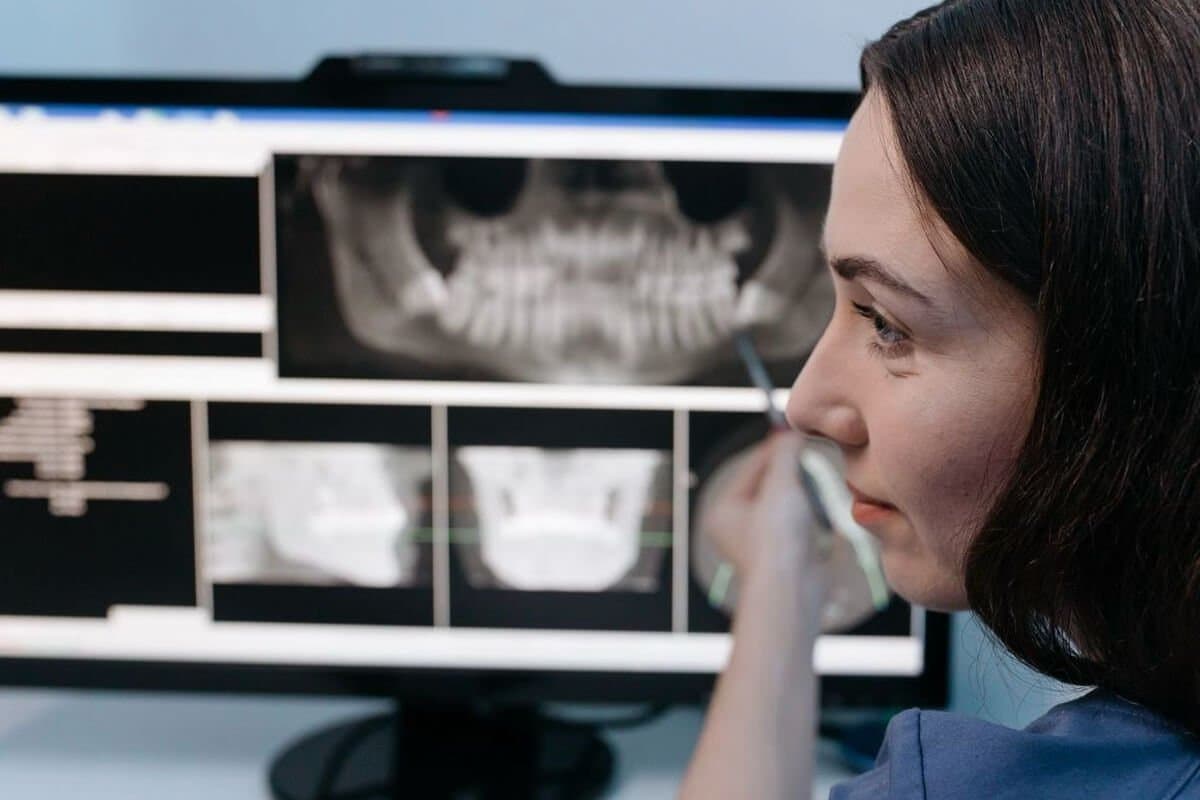
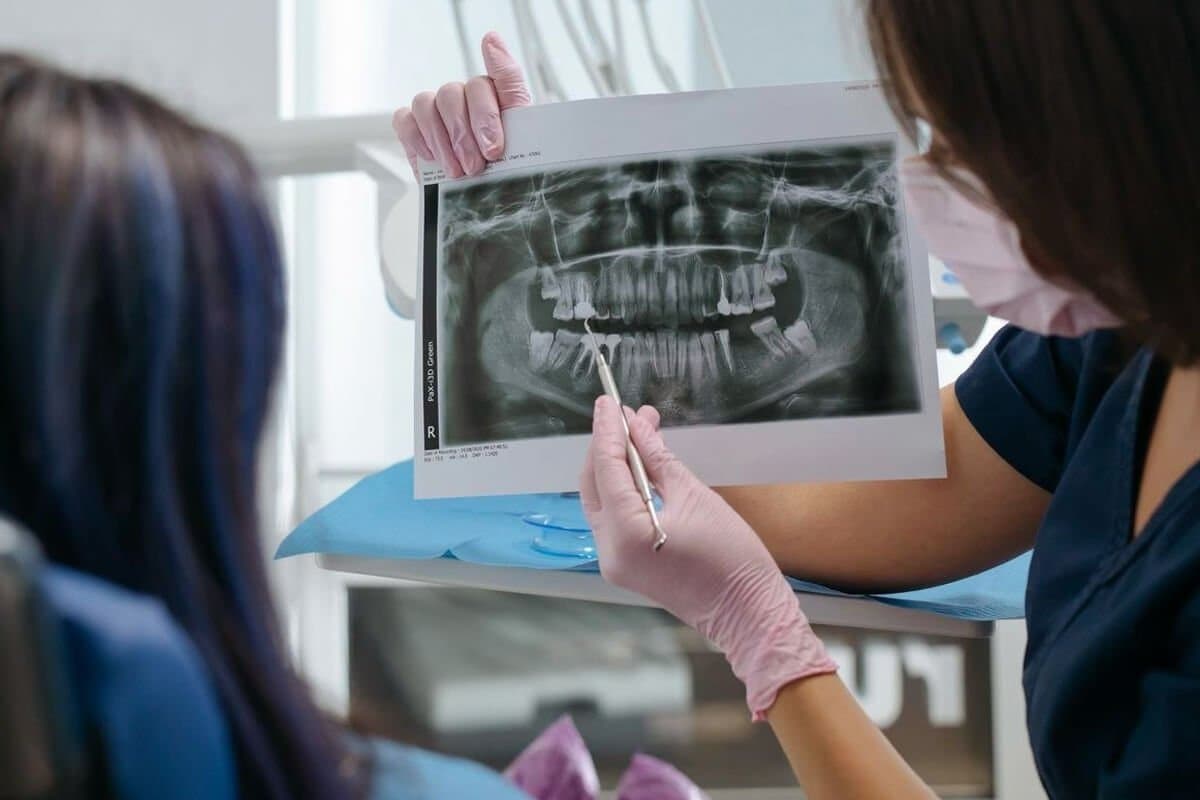
The process begins with an intraoral examination and, when needed, X-ray or tomography imaging. At this stage, the dentist evaluates in detail the root structure of the tooth, the surrounding bone, its distance from the nerve, and any possible sources of infection.
The imaging results determine whether the extraction will be simple or will require a surgical approach. Chronic diseases, allergies, or regularly used medications should also be shared with the dentist at this stage, because the treatment plan and the choice of anesthesia are largely shaped by this information.
Your first visit usually takes the form of a consultation and examination session; the extraction can be done the same day, or it can be left to a separate appointment so that the imaging results can be evaluated. This depends entirely on the condition of the tooth and the dentist's recommendation.
If the patient's history includes a heart condition, a bleeding disorder, diabetes, or regularly used medications such as blood thinners, this information directly affects the procedure plan. If considered necessary, the dentist works with the relevant specialist to make the process safer and sets the extraction date accordingly.
Anesthesia and Pain Control
Before the procedure, local anesthesia is applied to the area so that the sensation of pain is completely eliminated. The effect of the anesthesia begins within a few minutes, and the dentist gently loosens the tooth from its socket and carries out the extraction step by step.
The patient remains conscious and comfortable throughout the procedure; only a slight feeling of pressure may be noticed, and no pain is felt. For patients with high anxiety, sedation support options can also be discussed with the dentist in advance and a personalized plan can be made.
If you feel any discomfort during the procedure, you can let the dentist know by raising your hand or with a signal agreed on beforehand. This simple method of communication lets you feel that you are in control throughout the process.
The type of anesthesia is determined according to the position of the tooth to be extracted and the scope of the procedure. While regional anesthesia is usually enough for simple extractions, for more extensive surgical procedures different support methods can be evaluated and recommended by the dentist; this decision is shaped entirely by the patient's needs.
A numb feeling may last a few more hours after the procedure, depending on the effect of the anesthesia. During this time, it is recommended to be careful not to bite the lip or cheek, and to avoid driving until feeling has fully returned.
Aftercare Following a Tooth Extraction

A smooth healing process depends largely on the care applied in the first days after the extraction. Following the dentist's recommendations fully can speed up healing and reduce the risk of possible complications; for this reason, you are advised to pay attention to the rules below.
First 24 Hours: Care and Eating Rules
In the first hours after the extraction, light pressure is applied on the gauze placed over the area to stop the bleeding, and the gauze can be removed gently after about thirty minutes. During this time, it is important to avoid rinsing the mouth frequently, spitting, and touching the area with the tongue.
Stay away from hot and hard foods for the first 24 hours.
Prefer soft, lukewarm foods.
Avoid drinking through a straw, as the sucking motion can trigger bleeding.
It is recommended to postpone smoking and alcohol for a few days after the procedure.
Avoid poking the area with your tongue or finger.
Paying attention to oral hygiene also supports healing; however, on the first day you need to avoid touching the extraction site directly when brushing your teeth. Gentle rinsing with lukewarm salt water can generally be recommended from the second day, with the dentist's approval, and helps keep the area clean.
Returning to your daily routine and work is usually possible the next day; however, for jobs that require intense concentration or physical effort, resting one more day can make healing easier. If you have plans such as air travel, it is helpful to share them with your dentist in advance.
Using the medications prescribed by the dentist at the recommended dose and duration supports healing. Because they may increase the risk of bleeding, it is recommended that you avoid pain relievers containing aspirin without consulting your dentist.
Managing Pain and Swelling
Once the anesthesia wears off, mild pain and swelling are expected and usually subside within a few days. The pain relievers recommended by the dentist and a cold compress applied to the area during the first twenty-four hours can help ease these symptoms.
Swelling generally begins to decrease from the second day; after the second day, using a warm compress instead of a cold one can provide relief. Sleeping with your head elevated can also help keep the swelling under control and help it subside faster.
The severity of these symptoms can vary from person to person; smoking, the scope of the procedure, the position of the extracted tooth, and general health status are among the factors that affect the speed of healing. Staying away from heavy physical activity for the first few days can also help limit swelling.
Pain and swelling are generally at their most noticeable on the second day, and then decrease markedly from the third and fourth days. If you notice a course that departs from this general pattern, it is recommended that you contact your dentist.
Signs of Complications and Emergency Contact
Some symptoms may indicate that healing has strayed from its expected course and call for contacting the dentist without delay. If you encounter any of the following situations, it is recommended that you inform your clinic.
Bleeding that lasts longer than 48 hours or keeps increasing
Severe pain that does not go away with medication
High fever or foul-smelling discharge
Intense pain due to early loss of the clot in the extraction socket (a sign of dry socket)
A feeling of numbness in the lip or chin that continues for a long time
When any of these symptoms is noticed, reaching the clinic without delay allows possible complications to be brought under control with early intervention. In particular, conditions such as dry socket can be quickly relieved by the dentist with a simple dressing; for this reason, getting in touch rather than staying in doubt is always the safer approach.
Complications such as dry socket can be somewhat more common in patients who smoke and after impacted wisdom tooth extractions. If you are in this risk group, it is recommended that you follow the care instructions given by your dentist especially carefully.
Tooth Extraction Prices in Samsun 2026

The cost of a tooth extraction is determined by several factors together; for this reason, giving a single figure would not be realistic. The position of the tooth, the number of roots, whether it is impacted, and whether surgical support is needed are the first factors that directly affect the price.
The need for imaging, the type of anesthesia used, and post-procedure follow-up sessions are other items included in the total cost. In some cases, additional treatment planning or bone-supporting procedures may be required, which can extend the process and change the cost accordingly.
The equipment of the chosen clinic, the quality of the materials used, and the dentist's experience are also elements that play a role in price differences. None of these variables can be generalized in advance; a separate, personalized evaluation must be made for each patient.
Since there are many clinics you could choose in Samsun, you may want to compare prices; however, instead of looking only at price, evaluating the dentist's experience, the clinic's hygiene standards, and the technology used would be a healthier choice in the long run.
When more than one tooth needs to be extracted, your dentist can present you with a treatment plan that explains the process and the cost as a whole. This way you have the chance to arrange your appointments and budget in advance.
The only way to get the most accurate information specific to you is a one-on-one discussion with your dentist after the examination and any necessary imaging. This evaluation clarifies both the scope of the procedure and the possible cost range, and presents you with the plan that suits you best.
Conclusion
Tooth extraction in Samsun is a short and predictable procedure when planned properly. The method determined through the dentist's evaluation, the anesthesia applied, and the care maintained afterward together play a decisive role in a smooth healing process. Being properly informed before the procedure allows you to go through the process much more comfortably and with confidence.
If you have a complaint, clarifying your situation with an examination without delay both protects your oral health and prevents possible complications. A process planned with a specialist team and followed step by step offers you a comfortable and reassuring experience. Dentist-patient communication in which you can get clear answers to your questions at every stage helps you make your decision with peace of mind.