


 Spec. Dt. Gökcan ErtaşOrthodontist
 Dt. Sena KırcaDentist
 Dt. Sevinç Cansu KayıranDentist
 Assoc. Prof. Dr. Sezin ÖzerPediatric Dentist
 Spec. Dt. Sude Yıldırım BolatSpecialist in Periodontology
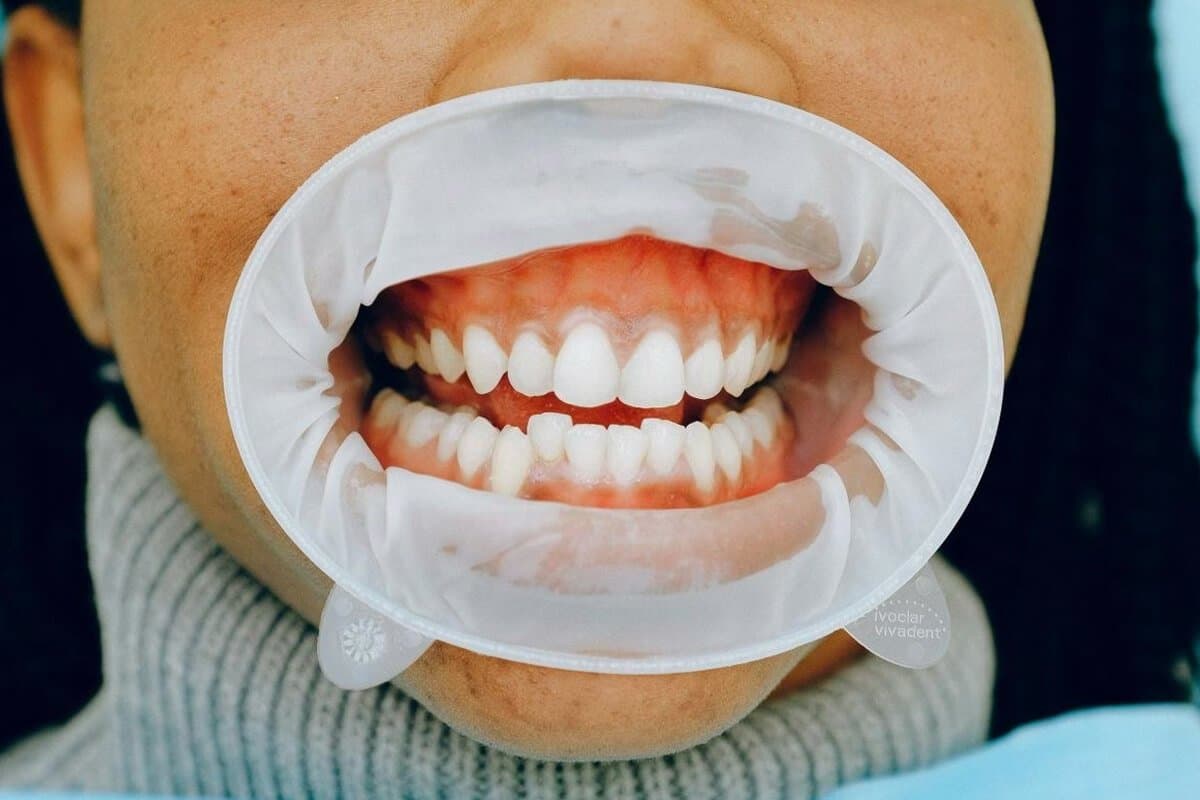
Gum treatment in Samsun is an area of practice, within periodontology, in which gum diseases are evaluated and planned under a dentist's supervision. Early diagnosis of conditions such as gingivitis and periodontitis helps protect the tissues that support the teeth. The aim is to help bring the inflammation under control.
Gum diseases often progress without pain and deepen over the years without the person noticing. Early signals such as bleeding during brushing, mild recession or bad breath are usually overlooked. Yet periodontal treatment that begins early can noticeably narrow both the scope and the duration of treatment.
The periodontology specialist evaluates the examination and imaging findings together and prepares a roadmap specific to each patient. In this content we cover the symptoms of gum disease, the steps of the treatment process, the surgical options used in advanced cases and frequently asked questions. Dental Prime carries out this evaluation using current methods.
Which Symptoms Point to Gum Disease?
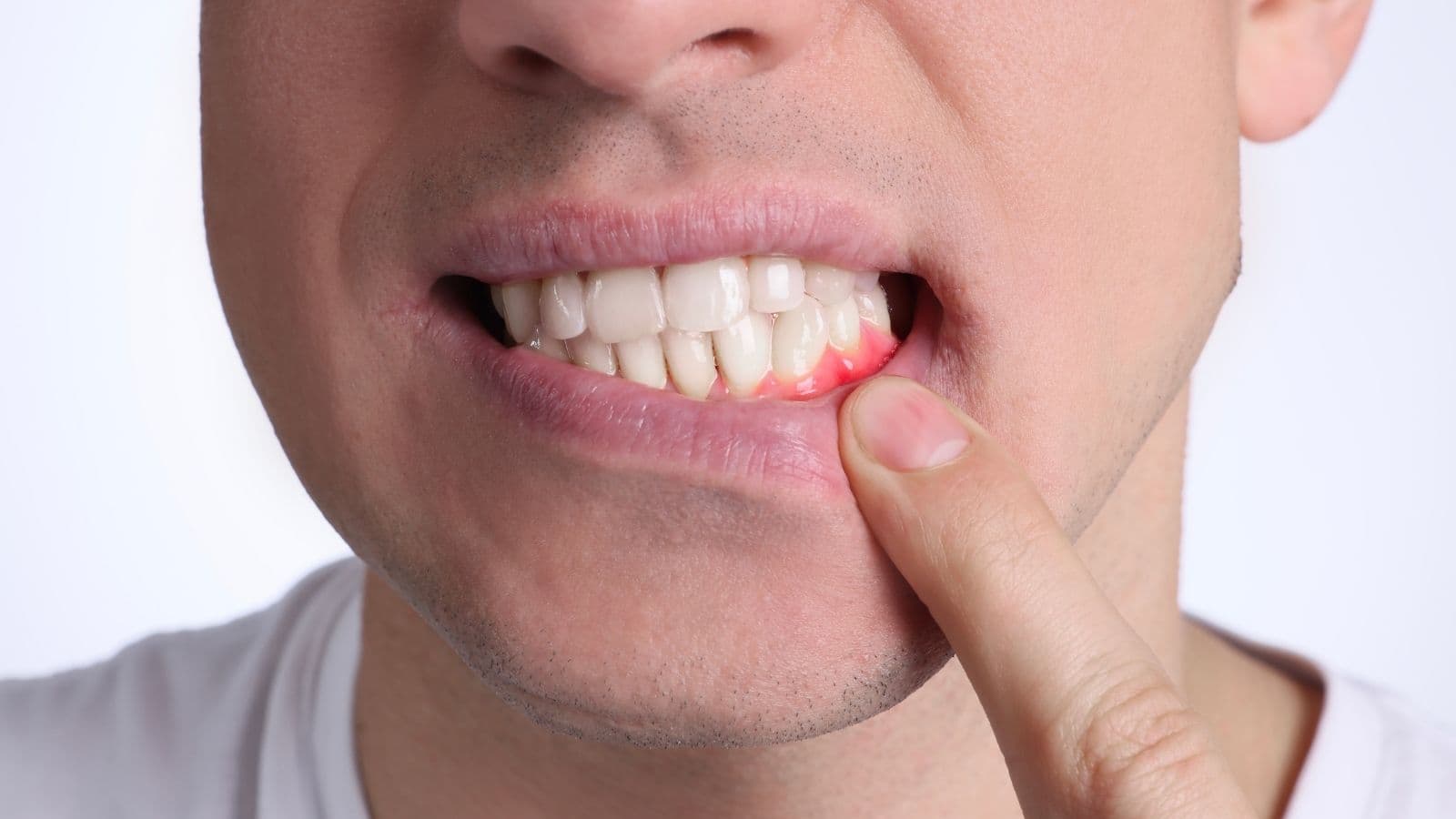
The most obvious signs of gum disease are bleeding, redness, swelling, bad breath and gum recession. These findings may be seen alone or together. Even when the symptoms are mild, since they may point to an underlying inflammatory process, evaluation by a periodontology specialist is recommended.
Healthy gums are light pink, firm and fit snugly against the teeth. Changes such as darkening of color, easy bleeding or softening should be taken into account. Recognizing the symptoms early provides an important advantage in protecting gum health.
Some factors can increase the risk of gum disease. Smoking, uncontrolled diabetes, irregular oral care and certain medications stand out in this group. In addition, the gums can be more sensitive during periods of hormonal change such as pregnancy. Knowing the risk factors helps a person monitor their own condition more closely.
Bleeding During Brushing and Bad Breath
Bleeding seen while brushing or flossing is the most frequently overlooked early symptom. Many people attribute it to the stiffness of the brush; yet in most cases it is an inflammatory response to the bacterial plaque that has built up along the gum line. Bleeding that recurs regularly is a signal that requires evaluation by a dentist.
Persistent bad breath is a similar warning. Bacteria that accumulate in the pockets between the tooth and the gum can create a source of odor that brushing cannot fully clean. When the real cause of the odor is the inflammation in these pockets, superficial solutions do not provide lasting relief; the process needs to be evaluated at its source.
The severity of bleeding is not always proportional to the seriousness of the disease. In people who smoke, the gums may bleed less despite inflammation; this creates a misleading sense of reassurance. For this reason, whether or not there is bleeding, it is a safer approach to have other ongoing symptoms evaluated comprehensively by a dentist.
Stopping brushing when bleeding is noticed is a common mistake. When the gums are left untouched, the inflammation does not subside; on the contrary, plaque build-up increases and the condition can deepen. The right approach is to keep up care with a soft brush and a gentle technique and to report the finding to a dentist. This distinction noticeably changes the effect of the care done at home.
Neglecting dental floss also contributes to bad breath. Because the brush cannot fully reach the surfaces between the teeth, plaque that builds up in these areas produces odor over time. Dental floss or an interdental brush completes the cleaning of these areas. Still, if the odor is persistent, whether the source is inflammation in the gum pocket should be evaluated by the dentist.
Gum Recession and Loose Teeth
Gum recession can cause the teeth to look longer because the tooth root is exposed, and can lead to sensitivity to hot and cold. Recession may be linked to factors such as inflammation, aggressive brushing or teeth clenching. Correctly identifying the cause directly affects the periodontal treatment plan to be applied.
Loose teeth, on the other hand, are generally an advanced finding and may indicate that the bone support surrounding the tooth has decreased. Early intervention at this stage helps preserve the existing support. Since the scope of treatment can widen when the feeling of looseness is noticed late, evaluation by a periodontology specialist in Samsun is recommended at the first sign.
Another invisible consequence of recession is that the exposed root surface becomes more open to decay. Unlike the crown part, which is protected by enamel, the root surface is more vulnerable. For this reason, regular check-ups and correct brushing habits become even more important in people who experience recession. Early monitoring helps reduce additional problems that may arise later.
How Does the Gum Treatment Process Work in Samsun?
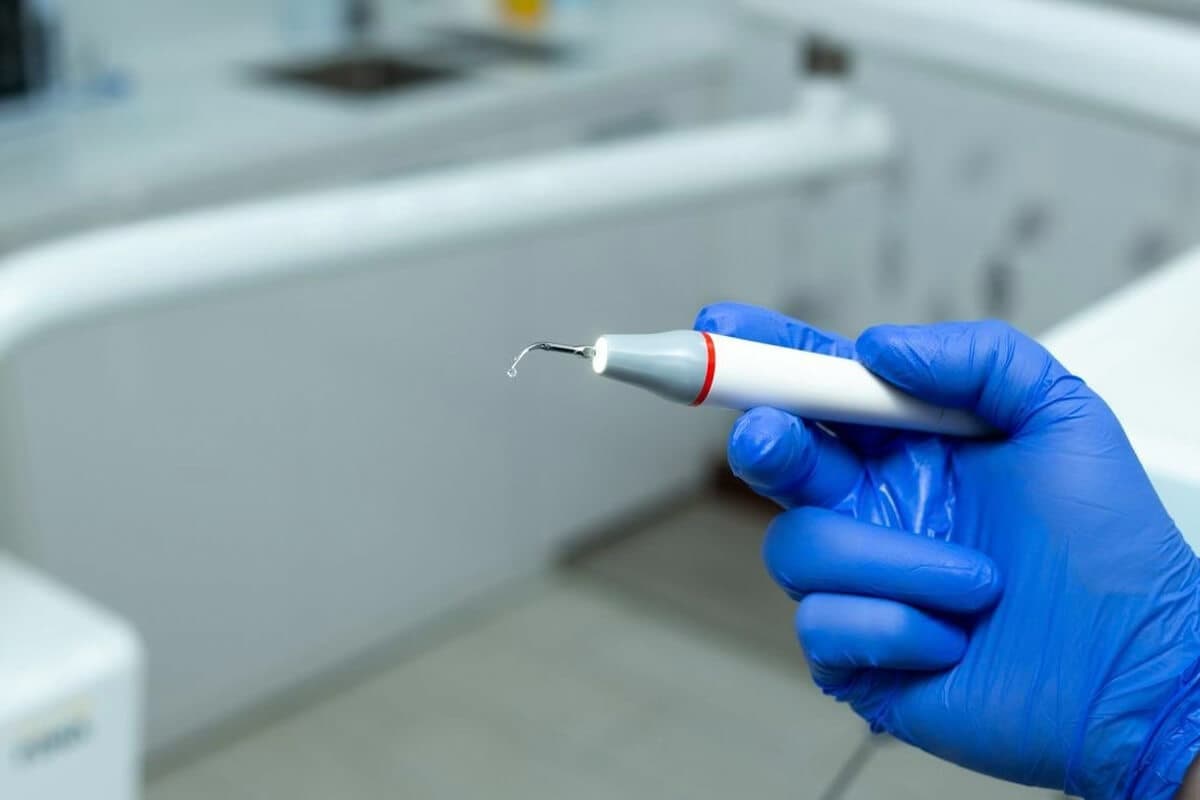
The gum treatment process begins with examination and diagnosis, then continues with procedures planned according to the stage of the disease. The first step is to measure the severity of the disease objectively. This evaluation determines which procedures are necessary and the approximate scope of the treatment.
The general aim of the process is to reduce bacterial build-up in the gum pockets and to help the tissue regain a healthy structure. In the early stages a few sessions may be sufficient, while a more comprehensive program is planned for advanced cases. Regular check-ups after treatment contribute to maintaining the condition achieved.
Digital Pocket Measurement and X-Ray Analysis
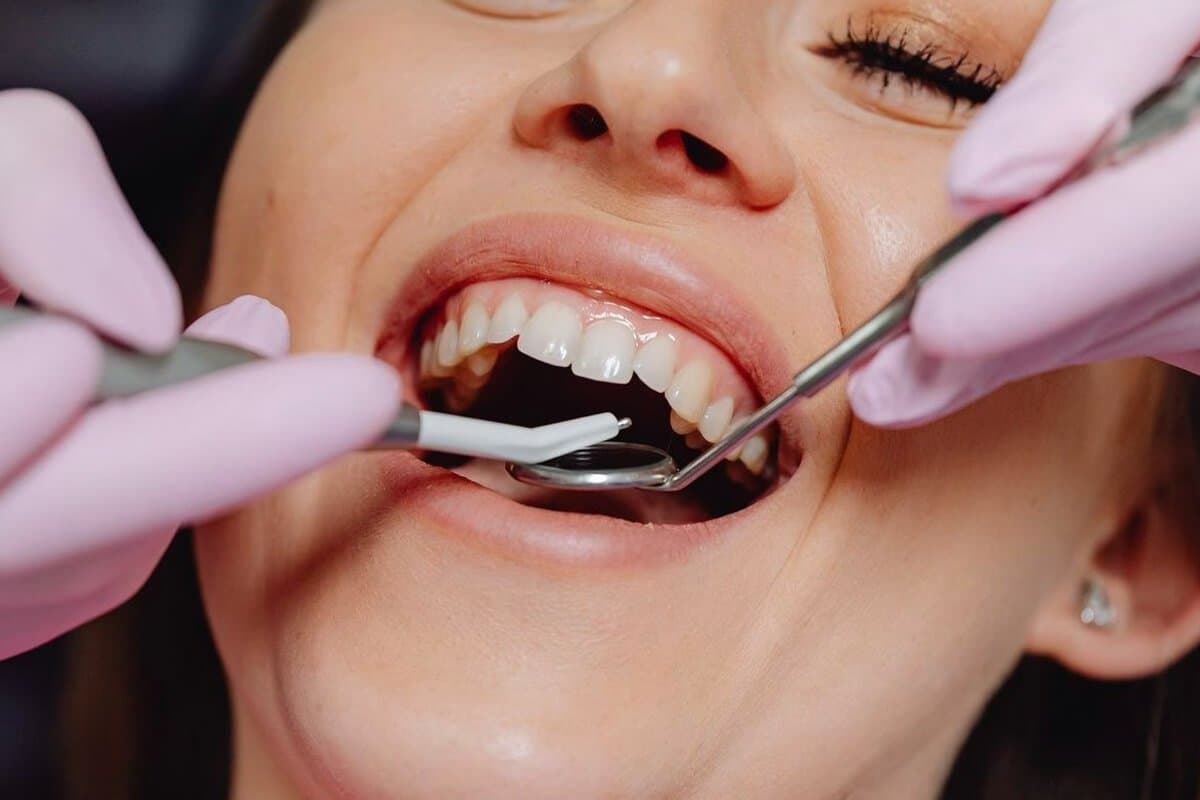
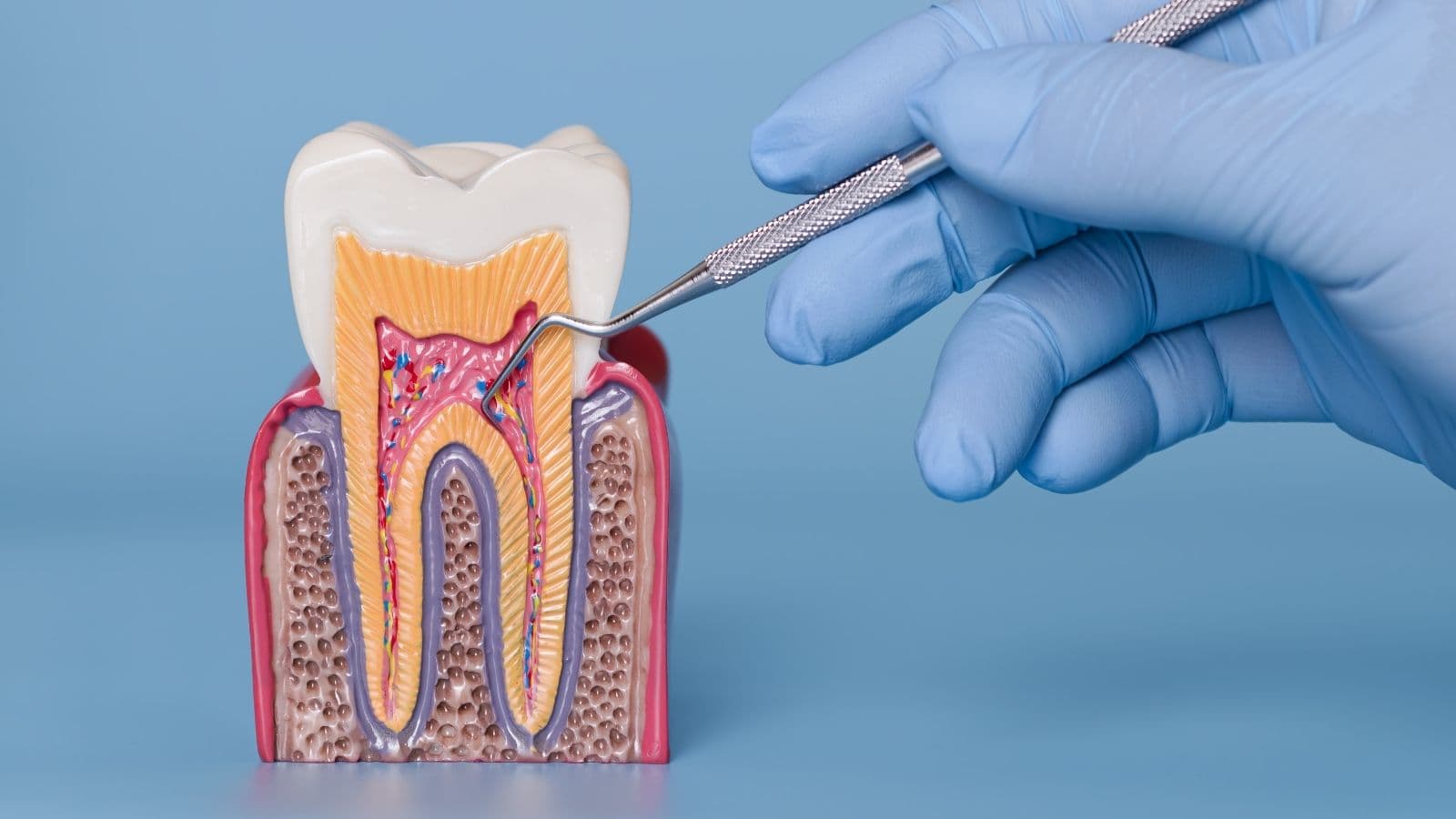
In the first stage of the evaluation, gum pocket depth is measured. With a thin instrument called a periodontal probe, the distance between the tooth and the gum is recorded to the millimeter. This measurement shows how deep the inflammation has reached and determines the starting point of treatment.
X-ray analysis, in turn, reveals the bone level that cannot be seen by eye. Whether there is loss in the bone supporting the teeth is evaluated with these images. Interpreting the pocket measurement and the X-ray findings together helps determine the stage of the disease more accurately and choose the appropriate approach.
The measurements obtained also serve as a baseline record. As treatment progresses, the same areas can be re-measured to monitor how the condition has changed. This comparative follow-up objectively shows whether the steps taken are working and allows the plan to be updated when necessary.
Scaling and Root Planing
Scaling (detartrage) is the procedure of removing the tartar and bacterial plaque that have built up on the tooth surface and along the gum line. It is the basic step of periodontal treatment and, in most cases, the first step applied. The aim is to help the gums recover by reducing the build-up that lays the groundwork for inflammation.
Root planing, on the other hand, is directed at the deeper parts of the gum pocket. The hardened deposits on the root surface are cleaned and the surface is made smooth, making it harder for bacteria to attach again. This procedure is usually performed under local anesthesia, with patient comfort in mind, and contributes to reducing pocket depth.
After the basic treatment is completed, a healing period that usually lasts a few weeks is observed. During this time the healing response of the gums is monitored and, when necessary, follow-up sessions are planned. If the response is sufficient, the process continues with regular follow-up; if not, advanced options are re-evaluated. This staged approach helps avoid unnecessary procedures.
During scaling, ultrasonic devices and hand instruments are usually used together. While ultrasonic tips break up large deposits with vibration, hand instruments provide fine cleaning and the final touch. The scope of the procedure varies according to the amount and location of the tartar. When the area is large, the treatment can be divided into more than one session with patient comfort in mind.
In the first days after treatment, temporary sensitivity or a mild feeling of recession may be seen in the gums. This is a natural result of the swelling decreasing as the inflammation subsides, and it is usually a positive sign. During this period, gargling with warm salt water and gentle brushing, to the extent your dentist recommends, can ease healing.
Surgical Solutions for Advanced Gum Problems
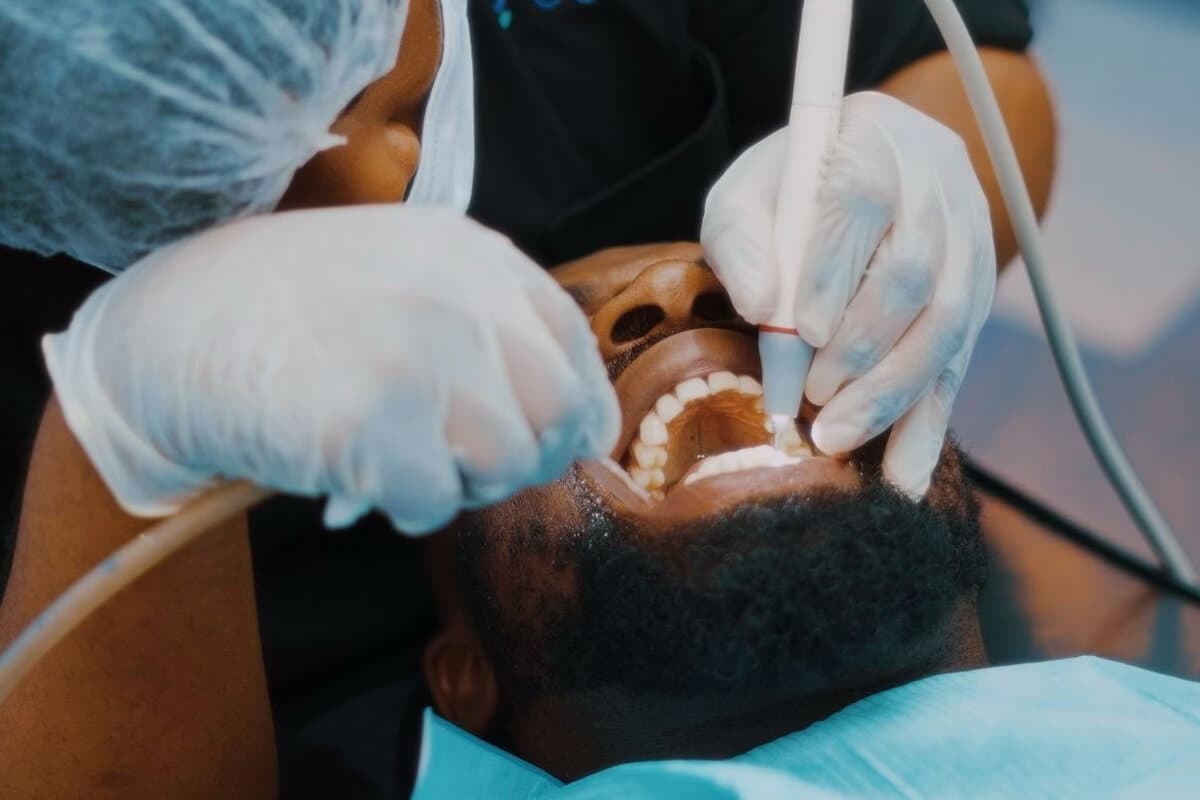
When pocket depth increases to the point where it cannot be cleaned with superficial methods, surgical options come into question. In advanced periodontitis, the inflammation may have settled in hard-to-reach areas of the tooth root and the surrounding bone. In this case the aim is to clean these areas and help preserve the remaining tissue.
The decision for surgery is made by evaluating clinical findings and imaging results together. Not every advanced case is directed straight to surgery; first, the response to basic treatment is observed. In cases that require surgery, the procedures are planned under local anesthesia and in controlled conditions.
Flap Surgery and Bone Grafting
Flap surgery is a surgical method in which the gum is temporarily lifted in a controlled manner to reach the root surface and deep pockets. After the inflamed tissue and deep deposits are cleaned, the gum is repositioned. This approach helps clean areas that cannot be reached with superficial methods.
In cases where bone support has decreased markedly, bone grafting may be considered. In this procedure, graft material that will support bone formation is placed in the lost area, laying the groundwork for the tissue to re-form. Applicability is determined by the periodontology specialist according to the pattern of bone loss and the general condition.
Because the surgical procedure is performed under local anesthesia, the patient does not feel pain during the procedure. Sutures placed after the procedure are usually removed after about a week, and mild swelling or tenderness during this period is normal. Following the care instructions given by your dentist supports healing and helps minimize possible discomfort.
Nutrition and oral care are of great importance during the healing process. Choosing soft foods in the first days, not stressing the treated area and using the recommended mouth rinse make it easier for the tissue to recover. Since smoking is known to be able to negatively affect healing, dentists often recommend staying away from it during this period.
Pink Aesthetics
Pink aesthetics refers to evaluating the gum tissue surrounding the teeth in terms of color, shape and symmetry. The harmony of the gum line visible when smiling directly affects the overall appearance of the smile. Once gum health is established, aesthetic adjustments give more lasting and predictable results.
Gums that look asymmetrical as a result of recession, or a gum line that shows more than necessary, can be corrected in suitable cases. These adjustments are built first of all on a healthy gum foundation. Planning is done by evaluating the teeth, the lip line and the gum tissue as a whole.
In cases where aesthetic expectations are high, periodontology works together with other areas of dentistry. For example, on a tooth planned for a crown or filling, the harmony of the gum line is decisive for the result to look natural. This holistic approach paves the way for more balanced results in terms of both health and aesthetics.
Situations in which the gums show more than necessary when smiling also fall within the scope of pink aesthetics. This appearance can cause the teeth to be perceived as short, and in suitable cases the gum line can be reshaped. The aim of the planning is not only aesthetic but also to give the gum tissue a healthy and balanced structure.
Is Gum Treatment a Painful Procedure?
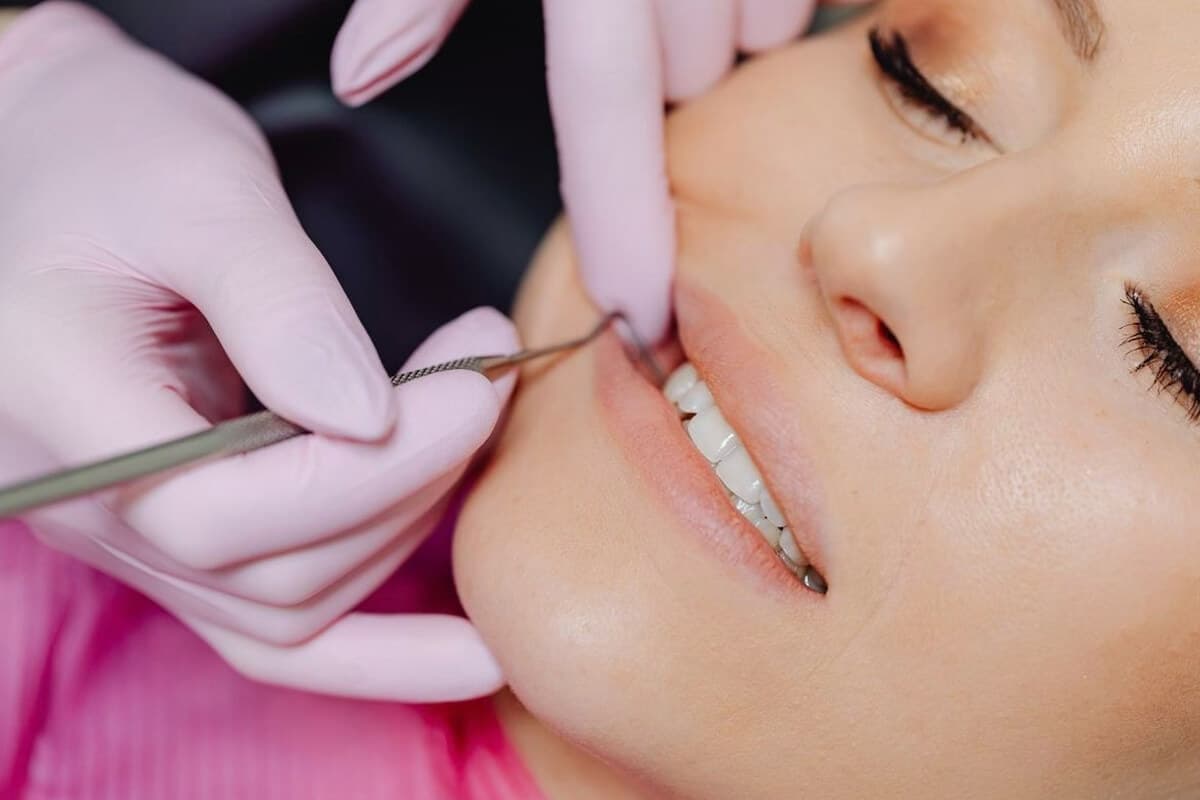
Since gum treatment is generally performed under local anesthesia, pain is not expected during the procedure; most patients feel only mild pressure. Basic procedures such as scaling are mostly completed comfortably without even needing anesthesia. The level of comfort may vary according to the scope of the procedure and the person's sensitivity.
In root planing or surgical procedures, the relevant area is completely numbed. Mild sensitivity lasting a day or two after the procedure is normal and can easily be managed with your dentist's recommendations. Following the care instructions given supports the healing process and increases comfort.
Fear of pain causes many people to postpone treatment; yet postponing often lets the condition progress. Having an evaluation while the symptoms continue, instead of waiting, can pave the way for a process that is both more comfortable and shorter. If you hesitate, talking with your dentist beforehand reduces anxiety.
Post-procedure care also directly affects comfort. Following the brushing technique recommended by your dentist, avoiding very hot or hard foods in the first days and following the oral care instructions given support healing. These simple measures both ease the post-treatment period and contribute to maintaining the result achieved.
It should also be added that gum health is not limited to the inside of the mouth. Chronic gum inflammation is being researched in relation to certain general health conditions. In chronic conditions such as diabetes in particular, oral care becomes even more important; for this reason, informing your dentist of your general health condition helps shape the plan more suitably for you.
Conclusion
Gum treatment in Samsun makes a significant contribution to protecting gum health through early diagnosis and regular follow-up. Symptoms such as bleeding, recession or bad breath may look simple but can point to an underlying process. Evaluating these signals in good time is the most effective approach.
The scope of treatment varies according to the stage of the disease; a few sessions may be sufficient in the early period, while surgical options may come into question in advanced cases. Which path to follow is determined by interpreting the examination and imaging findings together. Every plan is individual and carried out under a dentist's supervision.
Gum health is protected not only by treatment but also by the care afterward. Regular brushing, flossing and periodic check-ups help maintain the condition achieved. When you notice a symptom, consulting a periodontology specialist is the soundest step you can take for long-term oral health.