Spec. Dt. Gökcan ErtaşOrthodontist
 Dt. Sena KırcaDentist
 Dt. Sevinç Cansu KayıranDentist
 Assoc. Prof. Dr. Sezin ÖzerPediatric Dentist
 Spec. Dt. Sude Yıldırım BolatSpecialist in Periodontology
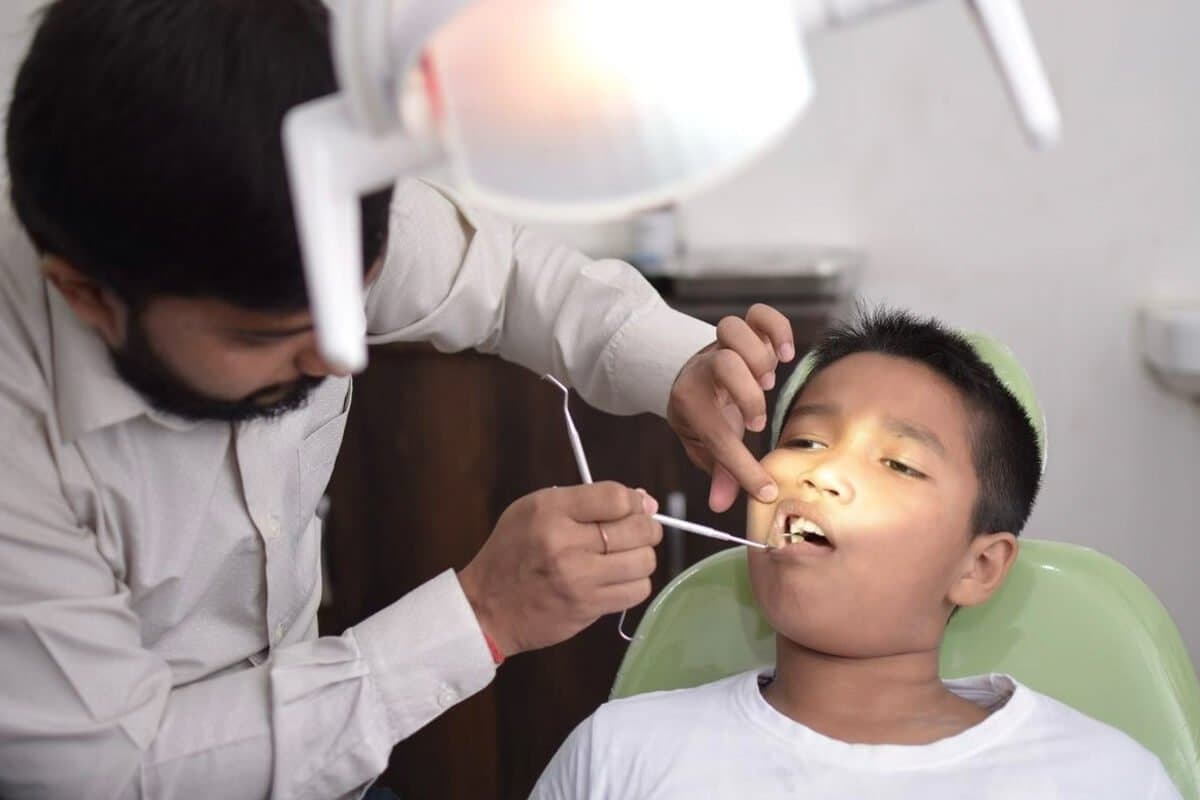
Orthodontic appliances for children in Samsun (palatal expanders) are an orthodontic method applied by a dentist to children to correct conditions such as a narrow jaw, a narrowed palate, or mouth breathing. An appliance is a device placed in the mouth that helps guide the development of the teeth and jawbone; it is often preferred because it offers the chance of early intervention in children who are still growing.
In this guide, we cover what an appliance is, why and in which situations it is used in children, the treatment process, and what to expect. We also explain the types of appliances, their care, the discomforts that may occur during use, and the factors that affect cost. Our aim is to help parents understand the process clearly and have an informed conversation with the dentist.
Every child's mouth and jaw structure is different; therefore, the decision for an appliance and the treatment plan are individual. The information shared in this article is for general information purposes and does not replace a dental examination. An evaluation by the Dental Prime team is recommended to determine the approach suitable for your child.
What Is an Orthodontic Appliance (Palatal Expander)?
An appliance, commonly known as a palatal expander, is an orthodontic device placed in the mouth. It usually consists of an acrylic plate along with various wires and screws. Its basic job is to support development in a certain direction by applying light force to the teeth and jawbone. This method is an approach that can deliver effective results, especially in children who are still growing.
An orthodontic appliance takes advantage of the fact that the jawbones are flexible during the growth period. In children, because the cartilage structure in the middle of the upper jaw has not yet fully turned into bone, the width of the jaw can be increased gradually with the help of this device. Achieving the same effect in adults is often more difficult, which makes an early evaluation important.
An appliance is a different tool from braces. While braces generally focus on aligning the teeth one by one, an appliance is aimed more at guiding jaw development and creating enough space for the teeth. In some cases, an appliance is also thought of as a starting stage that prepares the ground for treatments that may be applied later. The dentist evaluates which method is suitable.
Some appliances are aimed at widening the jaw, while others are aimed at guiding the position of the jaws in relation to each other. This variety makes it possible to determine a different approach according to each child's needs. Because the acrylic body of the device is prepared to the child's mouth measurements, it is custom-made. For this reason, two devices that look the same may be used for different purposes and with different plans.
Why Are Orthodontic Appliances Used in Children?
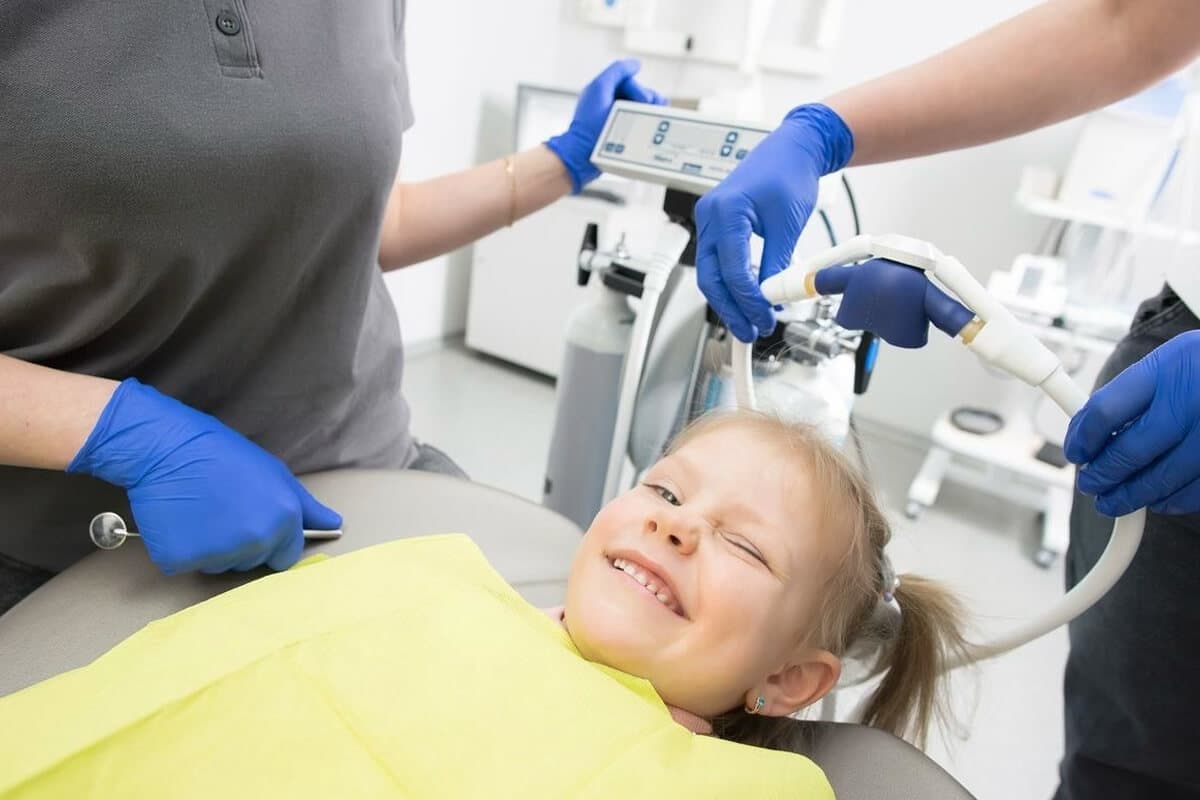
The main purpose of using an appliance is to guide mismatches in jaw and tooth development at an early stage. Where the upper jaw is narrow, a palatal expander can be used for widening; in this way, more space is created for the permanent teeth to come in. This is an attempt to reduce the severity of some crowding that may appear later.
Another reason for use is to support correcting the relationship between the lower and upper jaw. In children who are still growing, the direction and speed of jaw growth can be guided to some extent with suitable devices. This can help limit the progression of bite problems. The treatment plan is determined by the dentist according to the child's age and clinical findings.
An appliance can also be used to help reduce the effect of certain habits. Situations such as prolonged thumb sucking or mouth breathing can affect jaw development. With the dentist's advice, this device can play a supportive role in managing these habits. However, every case is unique and the evaluation is made individually.
An important advantage of early intervention is that the child's growth potential can be put to use. Guidance aimed at correction while the jawbones are still developing is often tolerated more comfortably. For this reason, specialists recommend that the first orthodontic evaluation not be delayed. A dental examination is necessary to determine the right timing.
The purpose of using an appliance is not only about appearance. More harmonious positioning of the teeth and jaws can also positively affect chewing function and oral hygiene. Well-aligned teeth are generally easier to clean. In this respect, an early evaluation can be supportive for both function and long-term oral health.
When Is an Orthodontic Appliance Necessary?
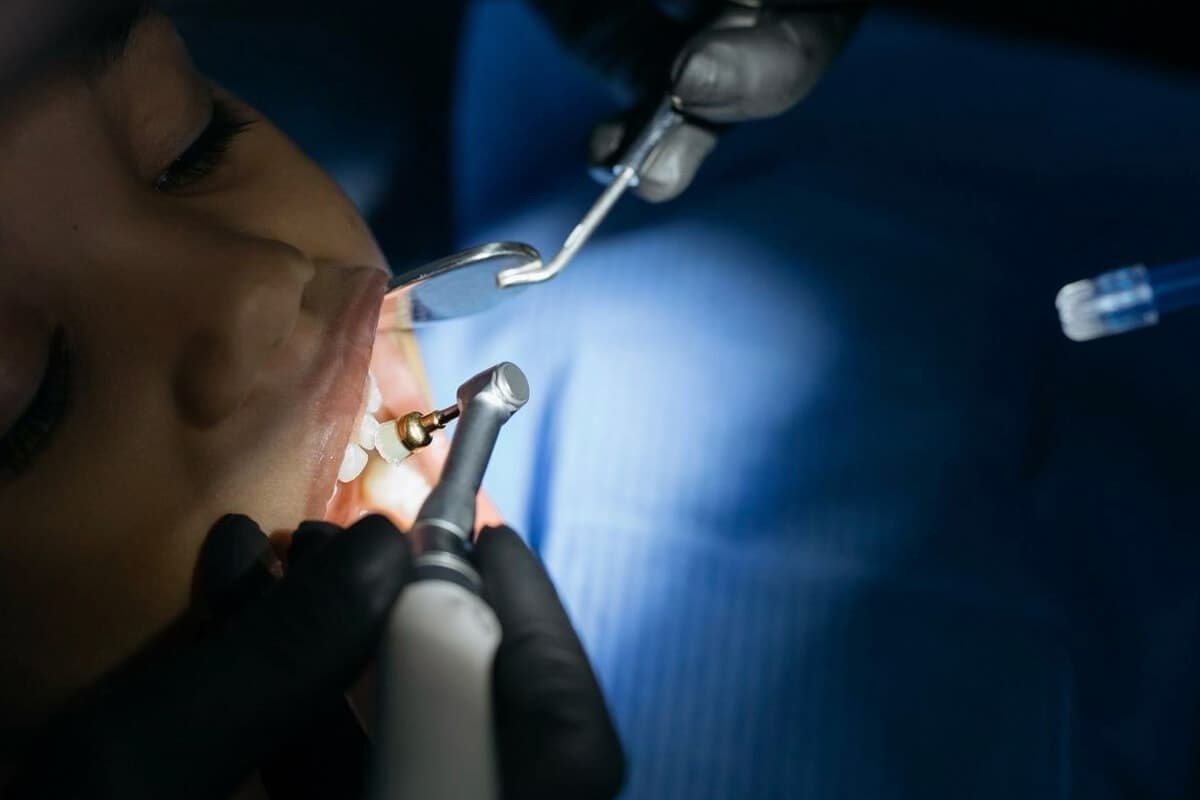
The need for an appliance is determined by a detailed examination of the mouth and jaw structure. A narrow upper jaw, teeth erupting in a crowded way, or jawbones positioned out of harmony with each other are among the main findings that call for an evaluation. The presence of these signs alone does not make using an appliance mandatory; the decision is based on a holistic examination.
A crossbite, which is when the upper and lower teeth close in the wrong position, is also one of the commonly encountered situations. When noticed early, this type of bite problem can be guided with a palatal expander or similar devices. If it is caught late, the correction process can become more complicated; for this reason, regular check-ups are important.
Mouth breathing, that is, constantly breathing with the mouth open, and the changes in jaw development linked to it are also situations that need to be examined. In some children, this picture is seen together with problems involving the nose and nasopharynx area. In such cases, the dentist may recommend a multi-disciplinary evaluation together with other specialties in a dental clinic in Samsun setting if needed.
Marked lack of space as the permanent teeth erupt is another situation in which an appliance evaluation is made. When there is not enough room, the teeth may sit crowded. With a palatal expander, an attempt is made to gain part of this space by widening the jaw. Because each child's rate of development is different, the timing of intervention is again left to the dentist's evaluation.
Early loss of baby teeth is also among the situations that need to be evaluated. When a baby tooth falls out before its time, neighboring teeth can drift into the gap and narrow the space reserved for the permanent tooth. A baby tooth that falls out late can affect the eruption of the permanent tooth beneath it. In such cases, the dentist may consider devices aimed at maintaining the space.
Habits such as prolonged thumb sucking or tongue thrusting can affect the development of the teeth and palate. When these habits continue past a certain age, they can set the stage for pictures such as a gap in the front teeth or changes in jaw structure. When the dentist considers it necessary, they may recommend approaches that support managing these habits. Each child's situation is handled separately.
Orthodontic Appliance Treatment Process and What to Expect
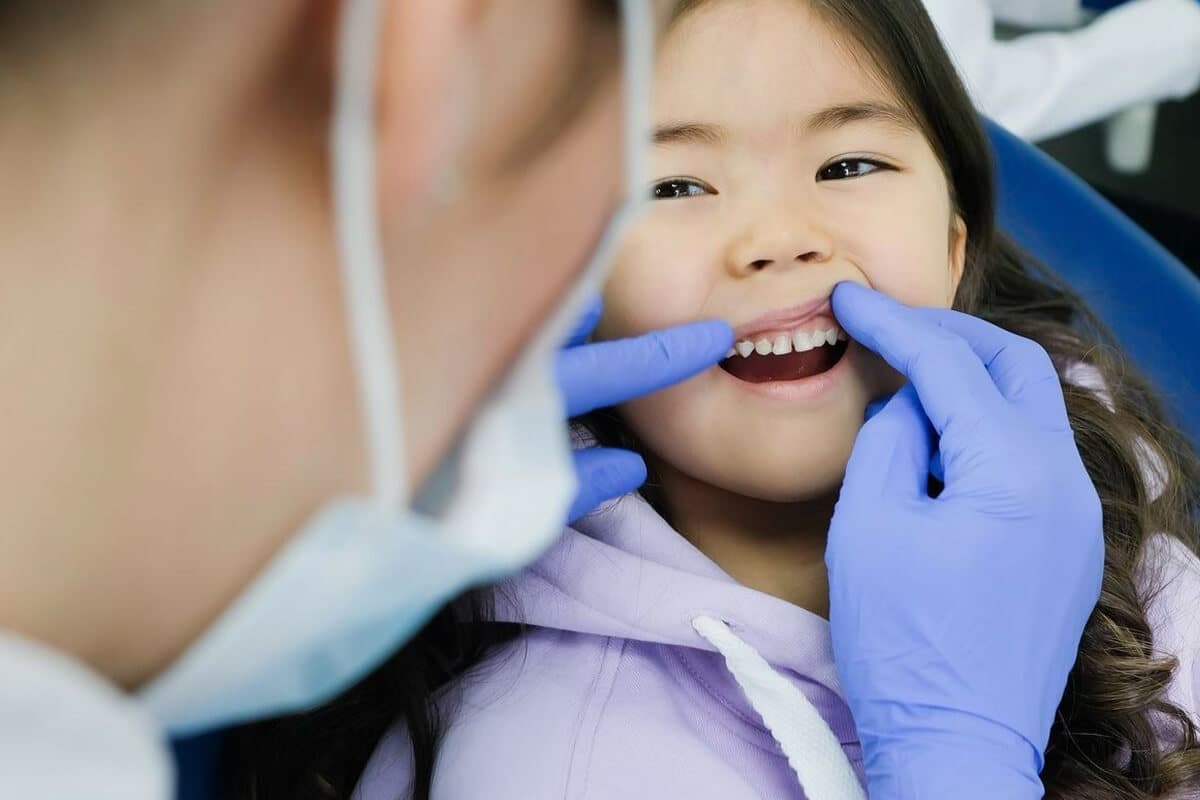
Appliance treatment is not a one-time application but a planned and monitored process. The success of the process depends on the correct diagnosis, the choice of a suitable device, and regular check-ups, as well as on the child using the device according to the rules. In the sections below, we explain how treatment progresses and what parents can expect.
Initial Consultation and Diagnosis Stage
The first step of the process is a detailed examination and diagnosis stage. The dentist examines the child's intraoral structure and, when necessary, uses methods such as radiographic imaging and taking impressions. At this stage, jaw development, tooth position, and any habits are evaluated. The information collected forms the basis of the individual treatment plan.
During the diagnosis stage, the child's general dental health is also reviewed. If there are cavities or gum problems, it may be preferred to address them before applying an appliance. In addition, which stage of the growth period the child is in is important information that affects planning. This holistic view helps treatment start on a healthier footing.
An impression of the mouth needs to be taken to prepare the device. This can be done with the traditional impression method or, in some clinics, with an intraoral scan. The scanning method generally offers a more comfortable experience for children. The impression taken allows a custom device that fits the child's mouth exactly to be prepared; this fit is important for both comfort and effectiveness.
When the diagnosis is complete, the dentist determines whether an appliance is necessary and the suitable device type. Parents are told how the process will proceed, the expected duration of use, and the points to pay attention to. This conversation is an important step where questions are answered and expectations are clarified. Informed consent contributes to healthy progress of the treatment.
Treatment Duration and Follow-Up Plan
The treatment duration varies according to the condition of the case, the type of appliance, and how regularly the child uses the device. In some applications, effective widening is achieved within a few months, while the device may be asked to be used for some time longer to maintain the result achieved. The exact duration can only be determined by the dentist during the examination and follow-up.
The follow-up plan is an inseparable part of treatment. The dentist plans check-up appointments at certain intervals, monitors progress, and makes adjustments when needed. In fixed devices, procedures such as turning the screw are checked at these appointments. Not missing check-ups is important for both the process and the result to progress as expected.
In some cases, procedures such as turning the screw can also be continued at home as described by the dentist. In such applications, following the instructions completely is very important. When an unexpected difficulty or hesitation arises, consulting the dentist without continuing the procedure is the most correct approach. Open communication between the family and the dentist contributes to safe and orderly progress of the treatment.
Discomforts That May Occur While Using an Orthodontic Appliance
When an appliance is first placed or adjusted, children may experience mild discomfort or a feeling of pressure. This is generally temporary and decreases within a few days; most children adapt to the device in a short time. In the case of marked or prolonged pain, consulting the dentist is recommended so that the process progresses healthily.
In the first days, increased saliva, an unfamiliar feeling when swallowing, or a temporary difference in speech may be experienced. These adaptation symptoms are common and fade over time. Encouraging the child makes getting used to the device easier. A patient approach benefits both the child's comfort and compliance with treatment.
In some cases, the edges of the device may irritate the inner surface of the lip or cheek. Such complaints can usually be resolved with small adjustments by the dentist. When the child describes marked discomfort, contacting the dentist instead of taking the device out on their own is the right approach. Regular check-ups allow such problems to be noticed early.
Types of Orthodontic Appliances
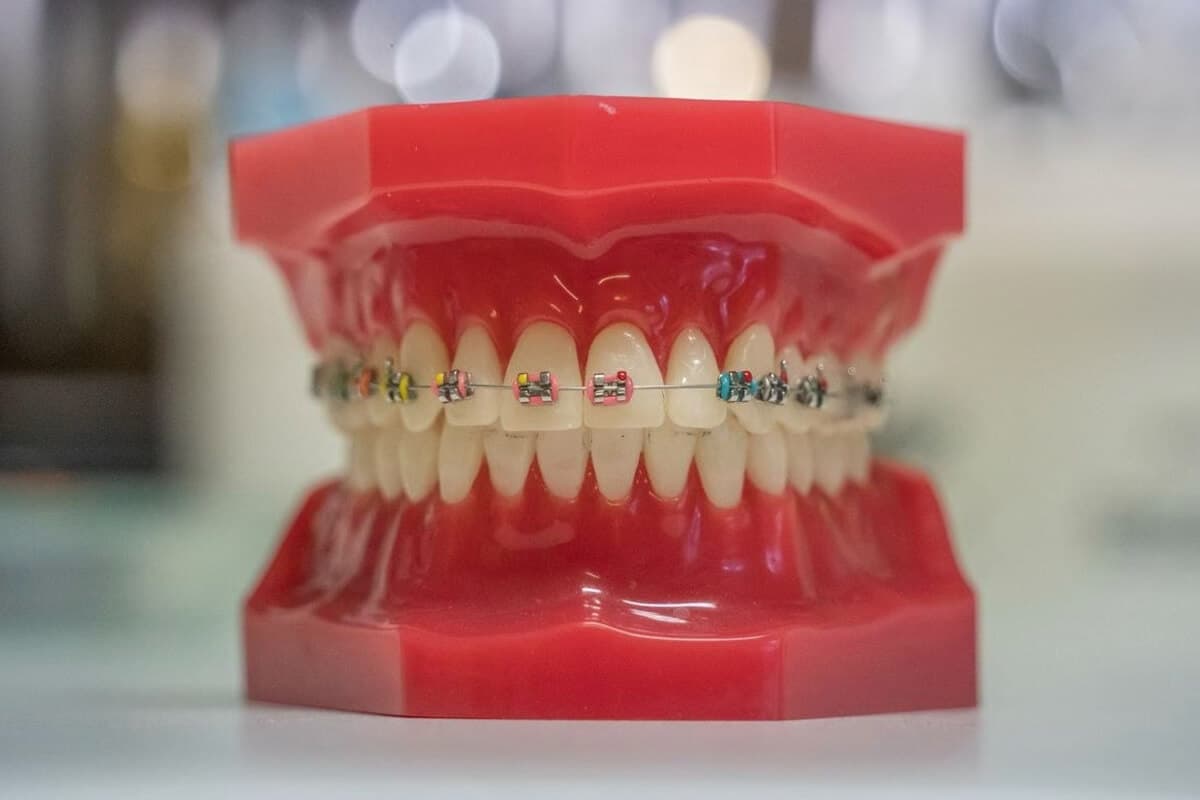
Appliances are divided into different types according to how they are used and their purpose. The most basic distinction is whether the device is a removable type that can be put in and taken out, or a type fixed in place by the dentist. Which type is suitable depends on the child's age, needs, and the dentist's evaluation. Below we explain the two main groups and the differences between them. The palatal expander (widening appliance) used to widen the upper jaw may appear in both of these groups.
Removable Appliances (Systems That Can Be Put In and Taken Out)
Removable appliances are devices that the child can put in and take out. They generally include an acrylic plate, wires, and, when needed, a screw. Because this type can be taken out during meals and tooth brushing, it offers convenience in terms of hygiene. However, its effectiveness depends on the device being worn regularly for the time the dentist recommends.
The compliance of the child and the family is decisive in the success of these devices. The dentist generally recommends wearing it for a certain part of the day, including sleeping hours. When the device is taken out, it should be kept in a storage case so that it is not lost or damaged. Regular use is one of the most important factors in reaching the expected result.
The family's support is very important with removable appliances. Explaining to the child, in an age-appropriate way, why they are using the device makes compliance easier. It helps to build a small habit of keeping the device in a safe place at school or when out. Families acting as a gentle reminder to the child about follow-up contributes to the process continuing without interruption.
Fixed Appliances and the Hyrax System
Fixed appliances are attached to the teeth by the dentist and cannot be taken out by the child. One of the well-known examples of this group is the Hyrax system; this device, which has a screw in the middle, is used to widen the upper jaw. The screw is turned according to a certain plan to support the gradual separation of the suture in the jawbone.
The biggest advantage of fixed devices is that, because they stay in place continuously, they depend less on discipline in use. This can make them preferred especially for children who may struggle with putting a device in and taking it out. On the other hand, because they are fixed, cleaning requires a little more care. The dentist decides which system is suitable according to the clinical findings.
Feature | Removable Appliance | Fixed Appliance (Hyrax) |
|---|---|---|
Putting in and taking out | The child can put it in and take it out | Fixed by the dentist, cannot be taken out |
Area of use | Mild-to-moderate correction and guidance | Jaw widening and fixed control |
Patient compliance | Depends on wearing it regularly | Stays in place, depends less on compliance |
Hygiene | Easy to clean because it can be taken out | Requires more care |
Typical age of use | Generally children in the growth period | Children in the early mixed dentition period |
Orthodontic Appliance Care
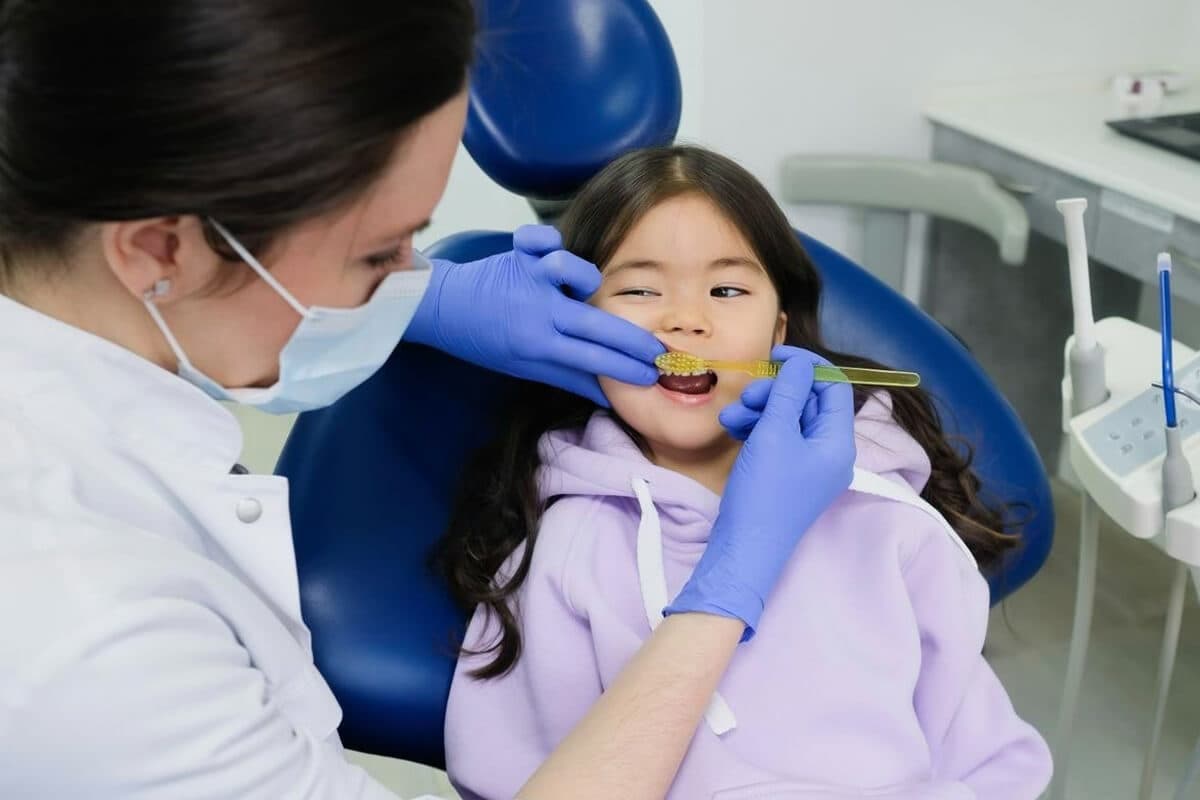
Appliance care is important for both the life of the device and oral health. Removable devices should be cleaned regularly every day and washed with the method the dentist recommends. Because hot water can damage the device, lukewarm water should be preferred. When the device is not in the mouth, keeping it in a storage case rather than wrapping it in a tissue reduces the risk of loss and breakage.
With fixed devices, the habit of tooth brushing becomes even more important. Because food debris can build up around the device, the teeth and the area around the device need to be cleaned carefully. The dentist may recommend helper tools such as an interdental brush if needed. Regular cleaning helps reduce the risk of tooth decay and gum problems.
Eating habits are also part of care. Very hard, sticky, or extremely sugary foods can damage the device or make cleaning harder. Guiding the child on this contributes to the process going smoothly. In the event of any breakage, loosening, or unexpected situation, contacting the dentist without delay is recommended.
Regular dental check-ups are a complementary part of care. At these appointments, both the condition of the device and oral health are reviewed. Getting the child to adopt the daily cleaning routine like a game can make the habit last. A patient and consistent approach to care helps protect both the function of the device and the child's comfort.
A few simple steps are enough for daily cleaning. After a removable device is taken out of the mouth, it is rinsed under lukewarm water and gently cleaned with a soft brush. The device should also be cleaned separately while the child brushes their teeth. When the device is not in use, it should be kept in a ventilated storage case, away from heat sources and direct sunlight.
If breakage, cracking, or one of the wires coming out of place is noticed on the device, use should not be continued. In such cases, keeping the pieces and contacting the dentist as soon as possible is the safest way. Gluing or bending the device at home can both impair its function and cause discomfort in the mouth. The decision on repair should always be left to the dentist.
Orthodontic Appliance (Palatal Expander) Treatment Prices for Children in Samsun 2026
The cost of appliance treatment cannot be stated as a fixed amount, because every case is unique. One of the most important elements that determines the price is the type of appliance. Removable and fixed devices require different manufacturing processes, so their costs also vary. For this reason, realistic information can only be given by the dentist after an examination.
The condition of the case also directly affects the cost. A simpler guidance and a more comprehensive correction process require different planning. In addition, the estimated duration of treatment and the number of check-ups needed are included in the overall evaluation. In cases that require long-term follow-up, planning is expected to be done accordingly.
Additional procedures that may accompany treatment and the dentist's experience are also among the factors taken into account. Some children may need different procedures before or after the appliance; this affects the overall plan. For this reason, general figures found on the internet can be misleading; a healthy evaluation is based on an individual examination.
For accurate and up-to-date information, the healthiest way is to book an examination appointment and have the child's mouth structure evaluated in person. After the examination, the dentist can explain in detail the suitable treatment options and the stages they involve. This makes it possible for the family to make an informed decision. The decision is always shaped by the individual treatment plan.
Conclusion
Orthodontic appliances for children in Samsun are a valuable method used to guide mismatches in jaw and tooth development toward correction at an early stage. Correct timing, choosing a suitable device, and regular follow-up play a decisive role in the process progressing healthily. Because each child's needs are different, decisions should be made individually.
The most important step for parents is to notice the signs early and get a specialist evaluation without delay. Whether an appliance is necessary, which type would be suitable, and how the process will proceed become clear only through a dental examination. The aim of this guide is to support families in moving forward in an informed and calm way by understanding the process.