Spec. Dt. Gökcan ErtaşOrthodontist
 Dt. Sena KırcaDentist
 Dt. Sevinç Cansu KayıranDentist
 Assoc. Prof. Dr. Sezin ÖzerPediatric Dentist
 Spec. Dt. Sude Yıldırım BolatSpecialist in Periodontology
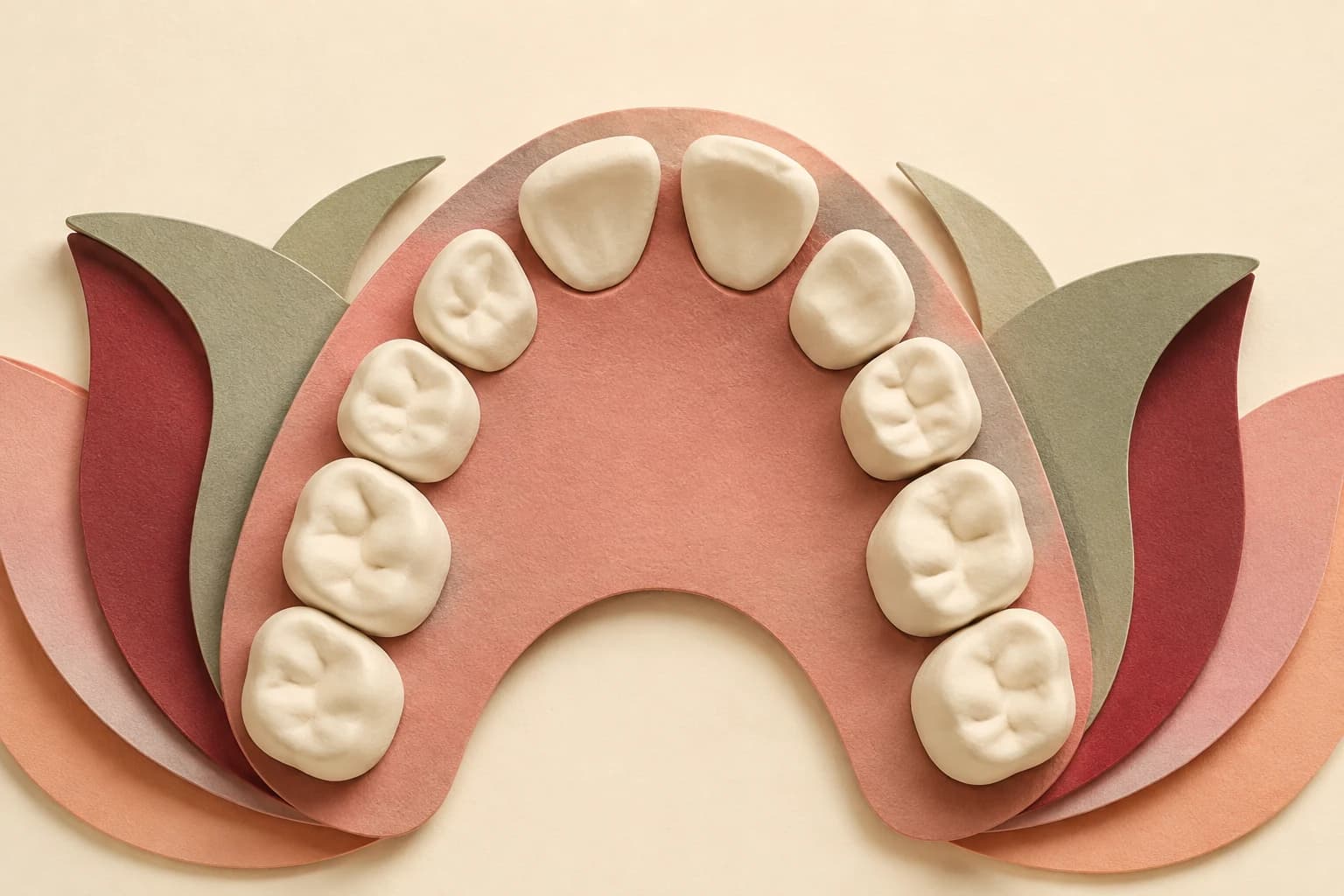
Commonly known as a palatal expander, the expansion appliance is an orthodontic device used in children who have a narrow upper jaw. Its aim is not to straighten the teeth one by one, but to bring the jaw structure the teeth sit on to the correct width.
Timing plays a decisive role in this treatment. When it is applied while the jawbone is still developing, the result can be achieved both in a shorter time and without the need for a surgical procedure; for this reason, early orthodontic evaluation is important.
Which appliance will be used for which child and at what age can only be determined by an examination and radiographic evaluation. The dentists at Dental Prime evaluate the child's jaw development and create a personalized treatment plan.
What Is a Palatal Expander (Expansion Appliance)?
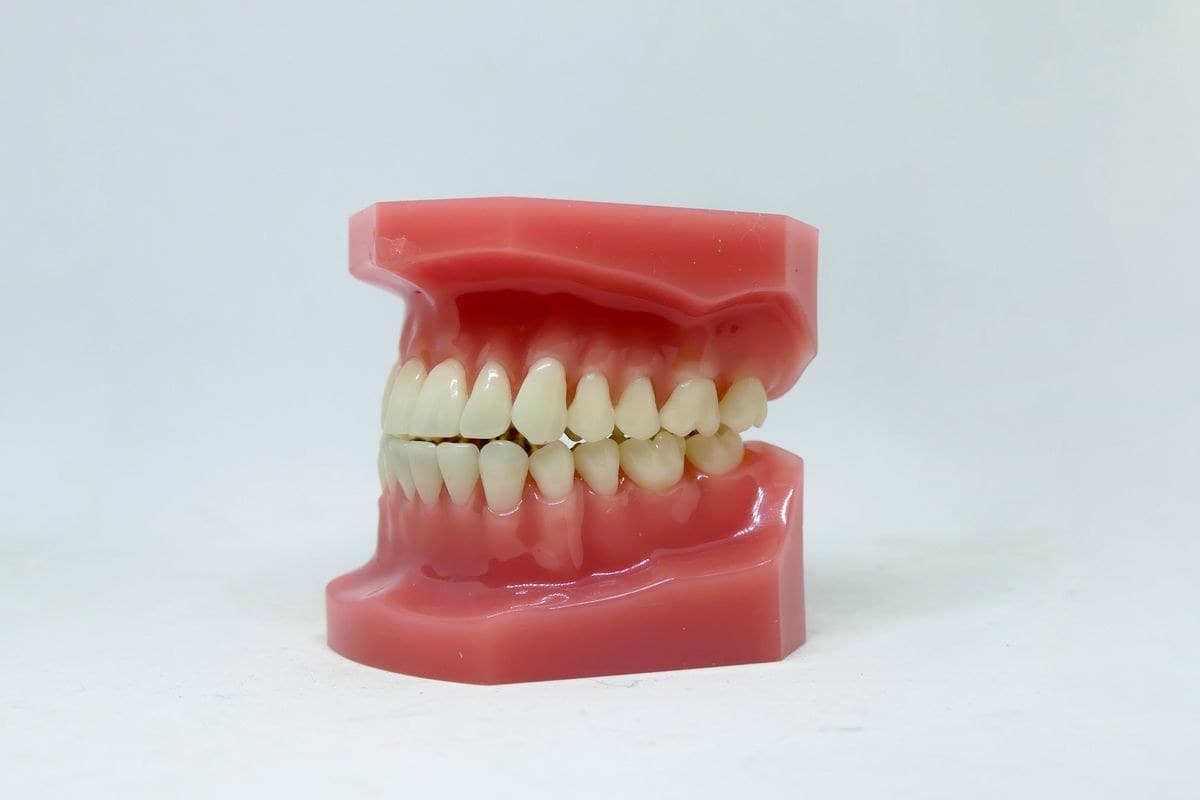
A palatal expander is an orthodontic appliance used to widen the jaw in a controlled way when the upper jaw has remained narrow. In dentistry it is called an expansion appliance or an upper jaw expansion appliance.
This appliance targets not the teeth but the jawbone directly. By applying a controlled force to the connection area between the right and left halves of the upper jaw, it allows these two halves to gradually move apart.
This distinction also explains why the treatment is more effective in a certain age range. While a force applied during jawbone development can create a structural change, after development is complete the same force only moves the teeth.
Structure of the Expansion Appliance and Its Position in the Mouth
The appliance has a structure that sits on the roof of the mouth and anchors to the back molars. In its center is a screw mechanism that does the real work of the treatment. With each turn of this screw, the appliance opens a very small amount and delivers a light force to the jaw. Because the force is transmitted directly to the jawbone, noticeable expansion can be achieved in a short time.
Because the appliance has a surface that touches the tongue, a foreign-body sensation is normal in the first days. As the device is prepared specifically for the person, it fits the mouth precisely, and this feeling fades quickly in most children.
Depending on the model, the appliance is either fixed to the teeth with bands or designed so that the child can put it in and take it out. Your dentist decides which structure to use according to the degree of narrowness and the child's age.
Differences Between a Palatal Expander and Braces
The two treatments are often confused, but their goals differ from each other. A palatal expander corrects the width of the jaw; braces, on the other hand, adjust the alignment and position of the teeth on the jaw.
They also differ in timing. A palatal expander gives the most efficient result in the early period while jaw development is ongoing, whereas braces treatment is generally applied after most of the permanent teeth have erupted.
In many cases these two treatments are not alternatives to each other but complements. First, enough space is created in the jaw with the palatal expander, and then, if needed, the teeth are fine-tuned with braces.
Criterion | Palatal Expander (Expansion Appliance) | Braces |
|---|---|---|
Goal | Upper jaw width | Alignment of the teeth |
Area of effect | Jawbone | Tooth root and crown |
Suitable period | While jaw development is ongoing | After the permanent teeth have erupted |
Typical duration | Active period a few weeks, retention months | Usually over a year of follow-up |
What Does a Palatal Expander Do?
The main job of a palatal expander is to bring a narrow upper jaw to its normal width. This expansion can solve several interrelated problems in the mouth at the same time.
Its first and best-known benefit is that it makes room for the permanent teeth. When there is not enough space in the jaw, the permanent teeth cannot find a place to come in and erupt crowded; expansion removes this narrowness at its source.
The second benefit relates to the bite pattern. When the upper jaw remains narrow relative to the lower jaw, a picture called a crossbite appears; this can lead to reduced chewing efficiency and the jaw shifting to one side.
When the relationship between the upper and lower jaw is corrected after expansion, chewing force is distributed more evenly to both sides. This balance also contributes to a more even load on the jaw joint in the long term.
Third, the widening of the upper jaw may also affect the volume of the nasal floor to some extent. For this reason, in some children who tend to breathe through the mouth, treatment can also be addressed from a breathing standpoint, following your dentist's evaluation.
Expansion done at an early stage can also reduce the scope of treatment that might be needed later. A narrowness addressed in time can be resolved before turning into a picture that requires much more extensive methods after adolescence.
It should also be noted that a palatal expander is not a cosmetic procedure. The aim is not to change the appearance of the teeth but to correct a measurable deficiency in the jaw structure; the improvement in aesthetics is a natural result of this correction.
Likewise, not every crowded tooth requires a palatal expander. If the source of the lack of space is tooth size rather than jaw width, your dentist may recommend an entirely different treatment plan instead of expansion.
When Is a Palatal Expander Necessary?
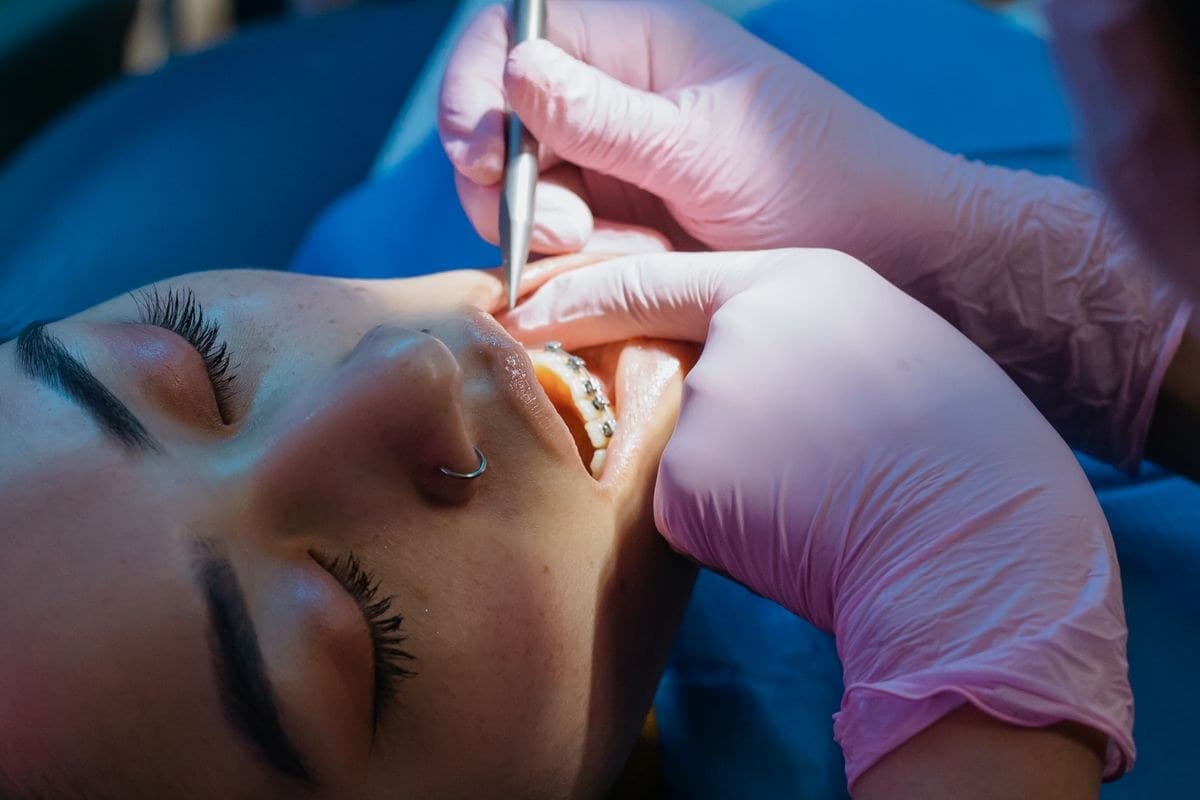
A palatal expander comes into question not for every case of crowding but in cases where there is jaw narrowness underneath. The basis of the decision is the measurable condition of the jaw structure rather than the appearance of the teeth. The most common indicator is a crossbite. When the child closes their teeth, the upper back teeth sitting inside the lower teeth is a clear finding that points to a narrow upper jaw.
Permanent teeth erupting noticeably crowded is also a common reason. In particular, the upper lateral incisors coming in set back or rotated can be a sign of insufficient space in the jaw.
Impacted canines, a disrupted order of tooth eruption, the jaw shifting to one side as it closes, and the appearance of a narrow palatal vault are other findings taken into consideration. A habit of mouth breathing, snoring at night, and a lip position that stays constantly open can also be seen together with a narrow upper jaw in some children. These findings do not by themselves establish a diagnosis; however, they are among the signs that call for an orthodontic evaluation.
Parents may notice some of these signs at home; however, noticing and diagnosing are different things. The final decision is made by your dentist after an oral examination, model measurements, and, when needed, radiographic examination.
At What Age Is a Palatal Expander Fitted?
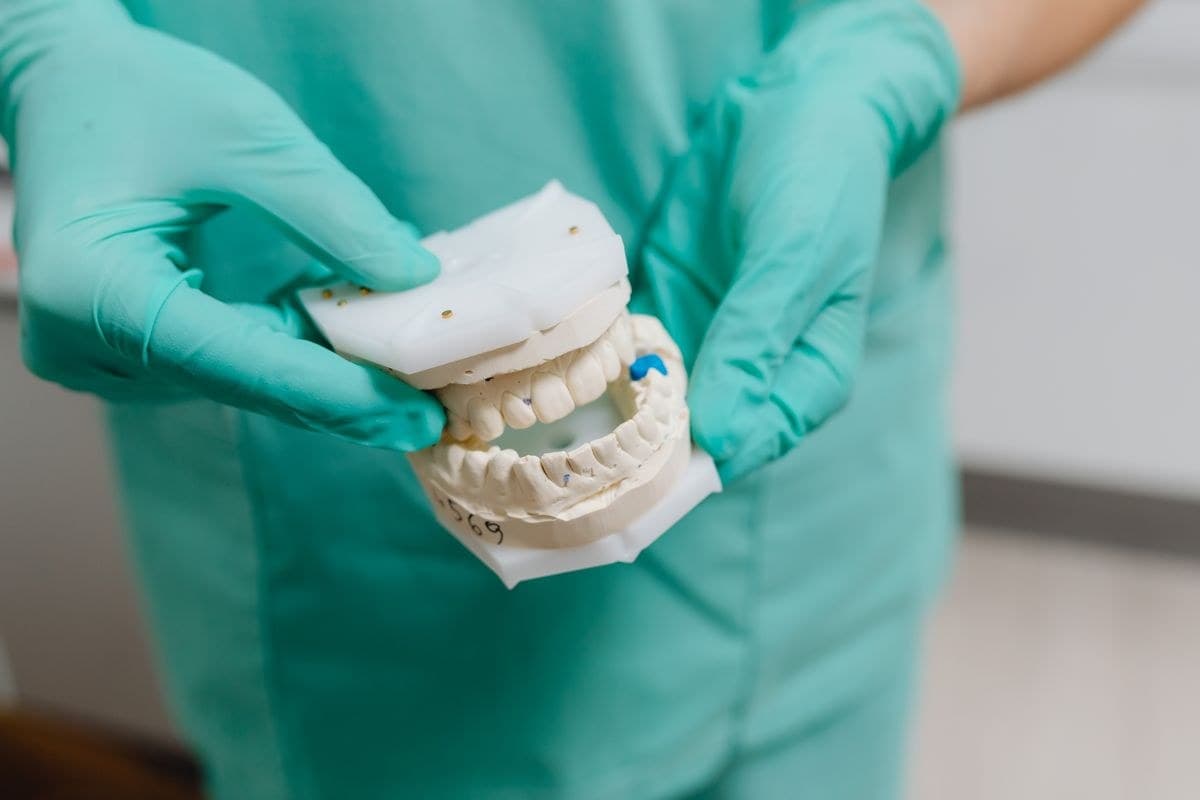
The most critical element that determines success in palatal expander treatment is timing. When the appliance is applied in the right period, the jawbone responds to the force as expected and the result is lasting.
The Ideal Age Range and Why This Period Is Chosen
The generally accepted ideal period is around age 7-8. At these ages, the first permanent molars and incisors have erupted; this way, the narrowness can be clearly measured, and there are sturdy teeth for the appliance to anchor to.
In practice, the range of application spans about ages 7-13. The reason for this wide range is that jaw development does not progress on the same timetable in every child; what is decisive is not calendar age but the level of bone development.
For this reason, it is recommended that the first orthodontic evaluation be done around age 7. Treatment may not need to start immediately at this examination; the aim is to follow development and not miss the right time.
Application at earlier ages may come into question, but this is an exceptional situation. Because sturdy anchor teeth for the appliance are limited during the baby tooth period, treatment is generally planned by waiting for the first permanent molars to erupt.
The Effect of Closure of the Midpalatal Suture on Timing
The upper jaw is actually not a single piece of bone; its right and left halves are joined by a connection line called the suture, which runs through the middle of the palate. In childhood, this line has not yet fully ossified.
The working principle of the palatal expander is based on exactly this point. When the appliance applies force, the two halves separate along this line, and the gap between them gradually fills with new bone tissue.
As age advances, this line gradually hardens and interlocks. This interlocking generally becomes noticeable from adolescence onward; this means the response to the appliance weakens.
The speed of closure varies from person to person and cannot be estimated by looking at age alone. For this reason, your dentist examines the condition of the suture with radiographic evaluation when needed.
Is Palate Expansion Possible in Adults?
After the suture has closed, the effect obtained with a classic palatal expander is largely reduced. In this period, instead of separating the jawbone, the force applied mostly tilts the teeth sideways, which does not give the desired result.
However, expansion is not completely impossible in adults. In these cases, your dentist may consider different approaches such as screw-supported appliance systems or surgically assisted expansion.
These methods are more extensive than the treatment applied in childhood. This is the main reason why a narrowness addressed early can turn into a much more complex process at an advanced age.
Types of Palatal Expansion Appliances
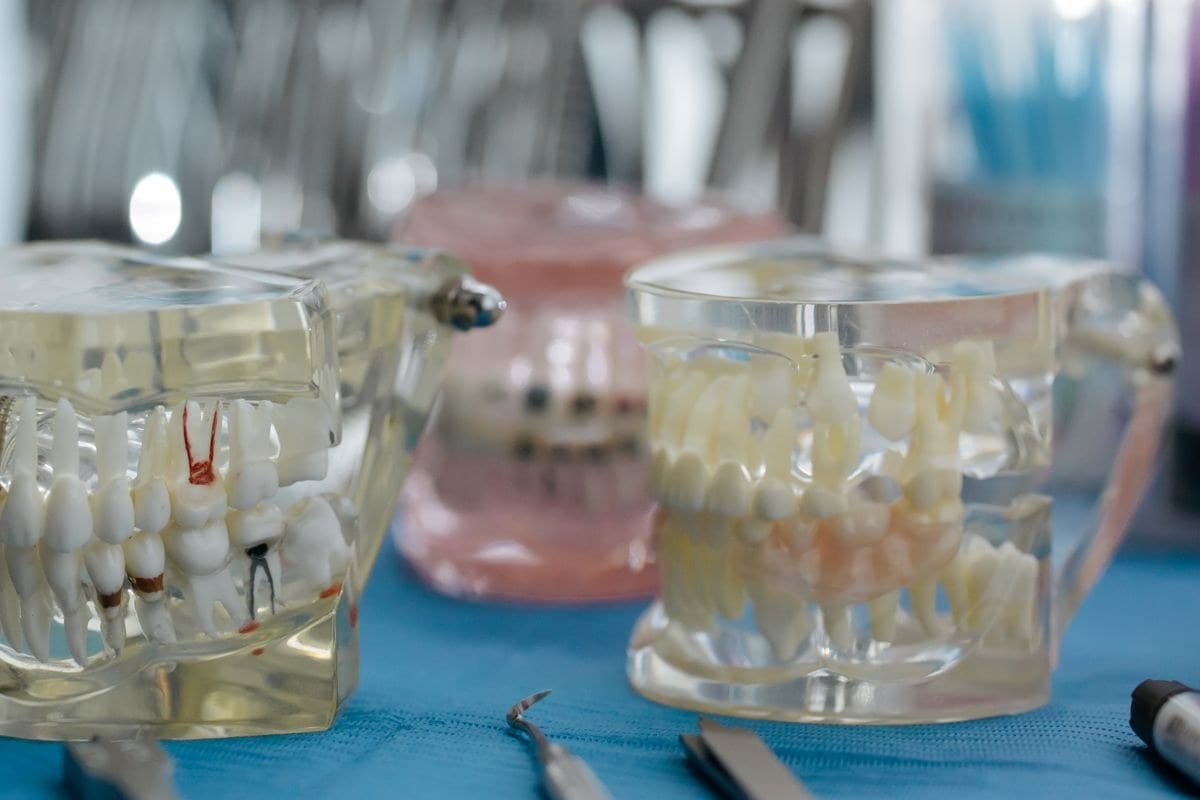
Expansion appliances are divided into two main groups according to whether they stay fixed in the mouth. Detailed information about the other types of appliances (palatal expanders) used in orthodontics is available in our related guide.
Fixed Expansion Appliances
Fixed appliances are attached to the back molars with bands and are not removed from the mouth throughout treatment. This structure ensures that the applied force is delivered continuously and predictably.
This group includes models with an all-metal body and models with acrylic support that touches the palate. Both work on the same principle; the difference between them is through which surfaces the force is transmitted to the jaw.
The most notable advantage of fixed appliances is that they do not depend on the child putting them in and taking them out. Because the treatment plan proceeds without interruption, they are preferred especially in cases with marked narrowness. On the other hand, fixed appliances require more care for oral hygiene. Because they cannot be removed, all surfaces around the appliance need to be cleaned separately during brushing.
Removable Expansion Appliances
Removable appliances are models that the child can put in and take out. They generally consist of an acrylic plate with a screw in the middle; they are preferred for milder narrowness. Because they can be removed during meals and brushing, they provide convenience for oral hygiene. On the other hand, their success depends directly on wear time.
If they are not worn for the daily time set by your dentist, the expected effect cannot be achieved and the treatment is prolonged. For this reason, the child's compliance is a decisive criterion in choosing a removable appliance.
How Is It Decided Which Appliance to Choose?
The choice is based not on a single criterion but on evaluating several factors together. The amount of narrowness, the child's age, and the level of bone development are at the top of these factors.
In cases with marked narrowness where rapid expansion is aimed for, fixed systems generally stand out. When measurements are borderline and the child is compliant, removable options may come into question.
Oral hygiene habits, the child's willingness to use the appliance, and the family's ability to follow the process also affect the decision. The final choice is determined together with your dentist after the examination.
How Does Palatal Expander Treatment Proceed?
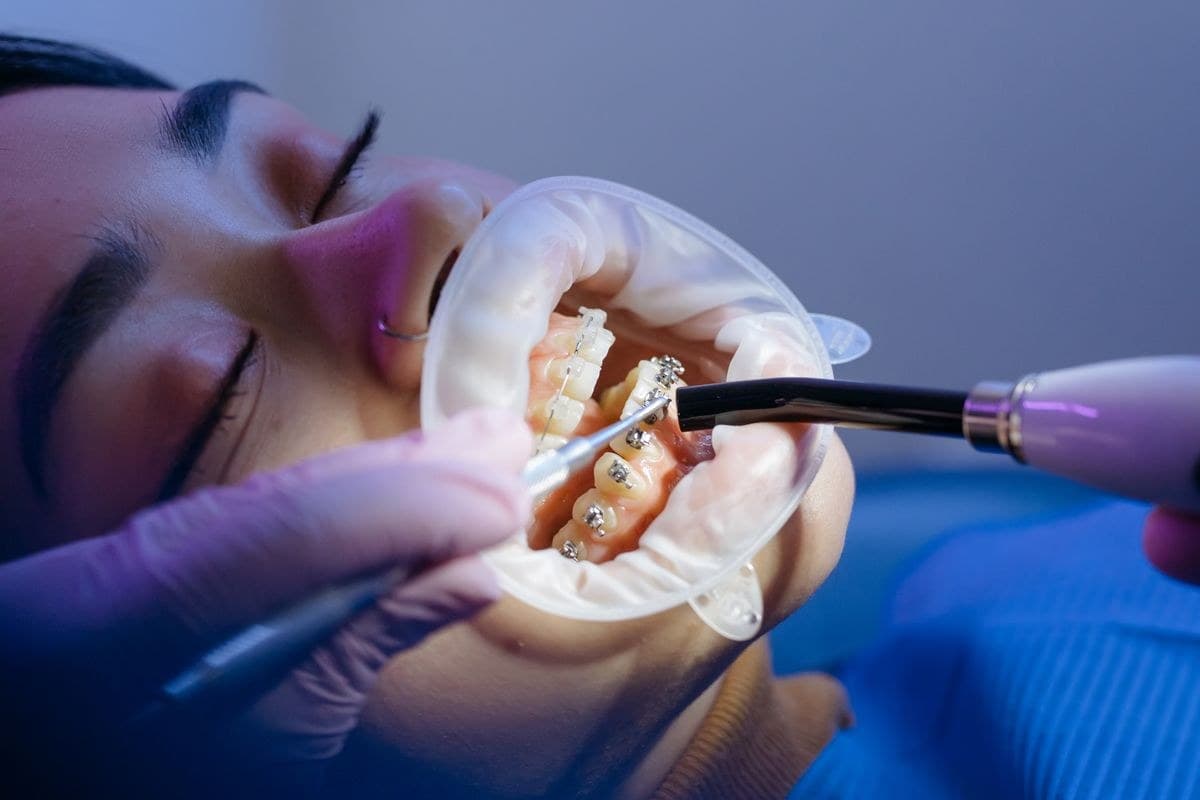
Treatment consists of planned, consecutive steps. Having the family know what to do at each stage of the process makes it easier for the treatment to proceed smoothly.
Taking Impressions and Preparing the Appliance
The process begins with a detailed examination and any radiographs deemed necessary. At this stage, the degree of narrowness is measured and the treatment goal is clarified. Then an intraoral impression is taken or a digital scan is made. The appliance is prepared in the laboratory specifically for the child according to this impression.
The prepared appliance is fitted in the mouth within a few days. For fixed models, the bands are fixed to the teeth; for removable models, the fit is checked and necessary adjustments are made.
At the fitting appointment, the method of turning the screw is also demonstrated to the family in person. Teaching this step hands-on in the clinic ensures that the procedure at home is carried out correctly and without hesitation.
The Screw-Turning Process and the Parent's Role
The screw in the middle of the appliance is turned with a special key provided by your dentist. This is usually done at home, by the parent, and according to the schedule set by your dentist.
Each turn produces a very small amount of opening in the jaw; the result emerges cumulatively over weeks. For this reason, skipped or extra turns directly affect the treatment plan.
The parent's task here is not only to turn the screw; contacting your dentist when noticing unexpected swelling in the mouth, marked pain, or looseness in the appliance is also part of the process. The number and frequency of turns is not the same for every child. This schedule is determined entirely by your dentist and should not be changed on your own.
Retention Period
When the targeted width is reached, screw turning stops, but the treatment is not over. The appliance is kept in the mouth for a further period to hold the jaw in the position it has reached.
This waiting period is one of the most critical stages of treatment. Because it takes time for new bone tissue to form and mature in the separated area, the jaw may return to its previous position if the appliance is removed early.
The retention period varies depending on the case and can last for months. When the appliance will be removed is decided by your dentist after a clinical and, when needed, radiographic check.
How Long Does Palatal Expander Treatment Take?
The treatment duration cannot be expressed with a single number, because the process consists of two different periods. This is also the point families confuse most often.
The Difference Between Active Expansion and Retention Periods
Active expansion is the period in which the screw is turned regularly and generally lasts a few weeks. Most of the visible change in the jaw takes place in this short period.
The retention period, on the other hand, is much longer and consists of months in which the appliance stays in the mouth without moving. This period is the stage that makes the result lasting. When the two periods are considered together, the total duration is expressed in months in most cases. The active period being short does not mean the treatment is over.
Factors That Affect the Duration
The degree of narrowness is the first factor that determines the duration; as the amount of targeted expansion increases, the active period also gets longer. The child's age and level of bone development also directly affect the speed of the response.
The type of appliance used is another factor. In removable systems, the duration varies depending on how much the appliance is worn each day. Going to check-up appointments regularly is also a practical factor that shortens the process. Missed check-ups can lead to necessary adjustments not being made on time and the treatment being prolonged.
Whether the orthodontic need will be completely over after treatment also varies by case. In some children expansion alone is enough, while in others an additional stage may be planned for the alignment of the teeth.
The Adjustment Period With a Palatal Expander and Common Challenges
It is expected for the child to go through an adjustment period in the first days after the appliance is fitted. Most of the challenges encountered in this period are temporary.
The most commonly reported change is in speech. Until the tongue gets used to the appliance on the palate, a temporary difference may occur especially in some sounds; this usually improves noticeably within a few days.
Increased saliva is also a common response in the first days. As the mouth adapts to the presence of a new object, this increase subsides on its own.
After the screw is turned, a mild sense of pressure lasting a few hours may be felt in the jaw area and at the bridge of the nose. This feeling is an expected response; however, if there is severe pain that does not go away, your dentist should be consulted.
A gap opening between the front teeth is also commonly seen in this treatment and generally indicates that the expansion is progressing as expected. In most cases this gap closes on its own over time.
Explaining the process to the child in a calm way is the most practical method for making compliance easier. Preferring soft foods in the first days also noticeably eases adjustment.
Oral Care and Cleaning While Using a Palatal Expander
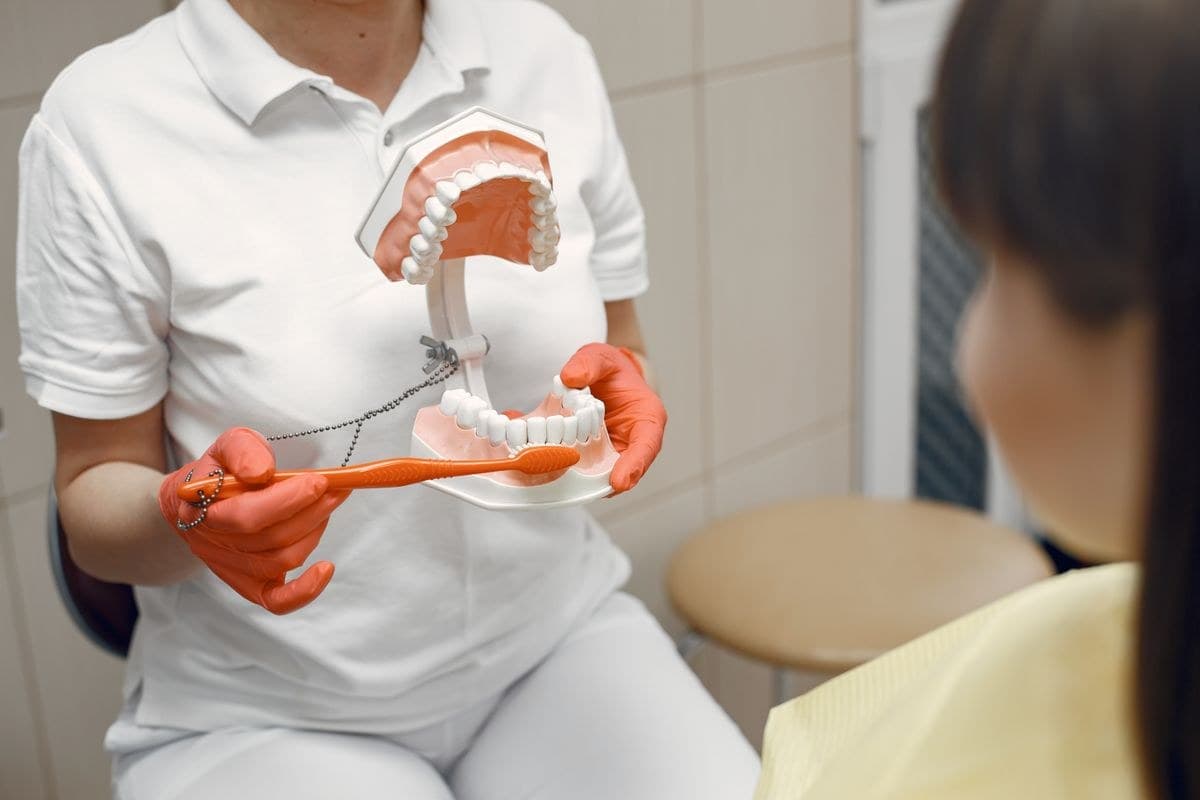
The appliance creates new surfaces in the mouth where food residue can build up. For this reason, oral care should be more meticulous than usual throughout treatment. Brushing after every meal is the basic rule in this period. The banded areas where the appliance touches the teeth and the palate surface should be cleaned especially carefully.
For hard-to-reach areas in fixed appliances, an interdental brush or a water flosser can help. Removable models should be taken out and cleaned separately, and then the mouth should also be brushed.
Avoiding hard, sticky, and sugary foods protects both the appliance and the teeth. Foods such as gum, caramel, hard nuts, and ice are not suitable throughout treatment because they can cause the appliance to loosen.
When removable appliances are taken out of the mouth, they should be kept in their own case. Appliances left wrapped in a napkin are easily lost or broken; in addition, cleaning with hot water can distort the shape of the device.
Regular check-ups at a dental clinic in Samsun allow cavities and gum problems to be noticed early in this period. Check-ups mean monitoring not only the appliance but the whole of oral health.
What Happens If Palatal Expander Treatment Is Not Done on Time?
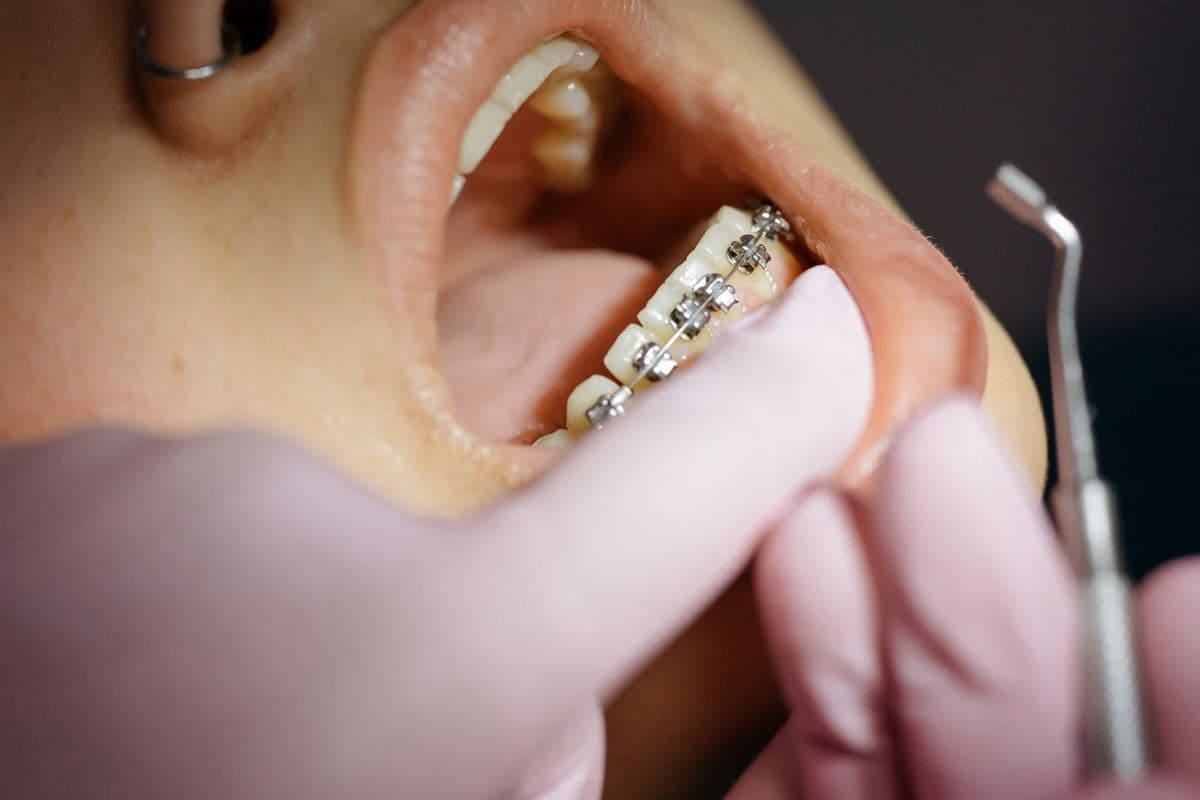
Upper jaw narrowness is not something that corrects itself. When left untreated, the problem does not stay in the same place; as the child grows, its effects can spread to different areas. The first consequence is increased lack of space. When permanent teeth try to fit into a narrow jaw, crowding becomes more noticeable and some teeth may remain impacted.
An uncorrected crossbite causes chewing force to be distributed unevenly. Over time, this imbalance can set the stage for the jaw shifting to one side while closing and for asymmetric development.
Most importantly, the treatment window closes. After the suture hardens, more extensive methods may be needed for the same result; this increases the duration and scope of treatment. This picture explains why early evaluation is emphasized so much.
When a child is seen for orthodontics once around age 7, intervention can be made at the right time if needed.
Conclusion
The summary of what a palatal expander does is this: by widening a narrow upper jaw, it makes room for the permanent teeth, corrects a crossbite, and improves the chewing pattern.
The success of the treatment depends largely on timing. When applied while jaw development is ongoing, the result can be achieved without the need for a surgical procedure and in a shorter time.
Although active expansion is completed in a few weeks, the lasting nature of the result depends on the retention period. For this reason, the appliance should be kept in the mouth until your dentist considers it appropriate.
If you have noticed a crossbite, marked crowding, or a narrow palate structure in your child, early evaluation is the right step. Which treatment will be applied at which age can only be decided by your dentist after an examination.