
 Spec. Dt. Gökcan ErtaşOrthodontist
 Dt. Sena KırcaDentist
 Dt. Sevinç Cansu KayıranDentist
 Assoc. Prof. Dr. Sezin ÖzerPediatric Dentist
 Spec. Dt. Sude Yıldırım BolatSpecialist in Periodontology
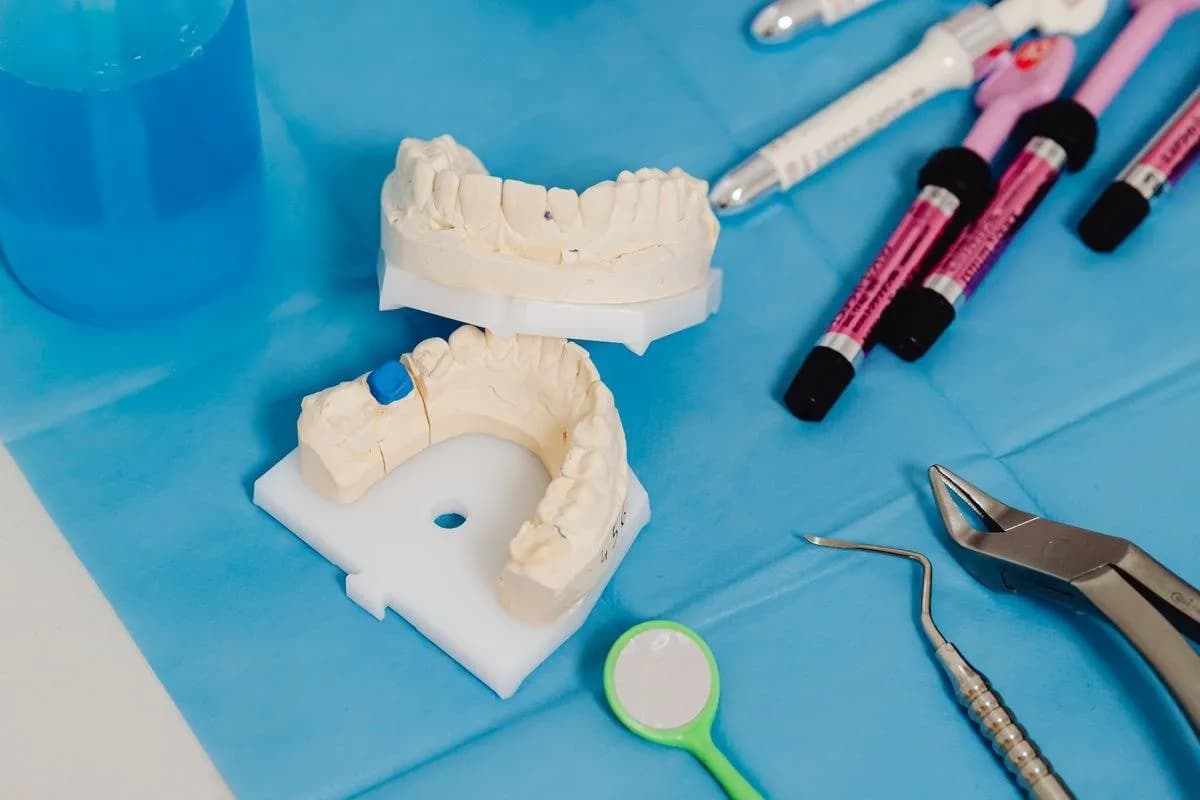
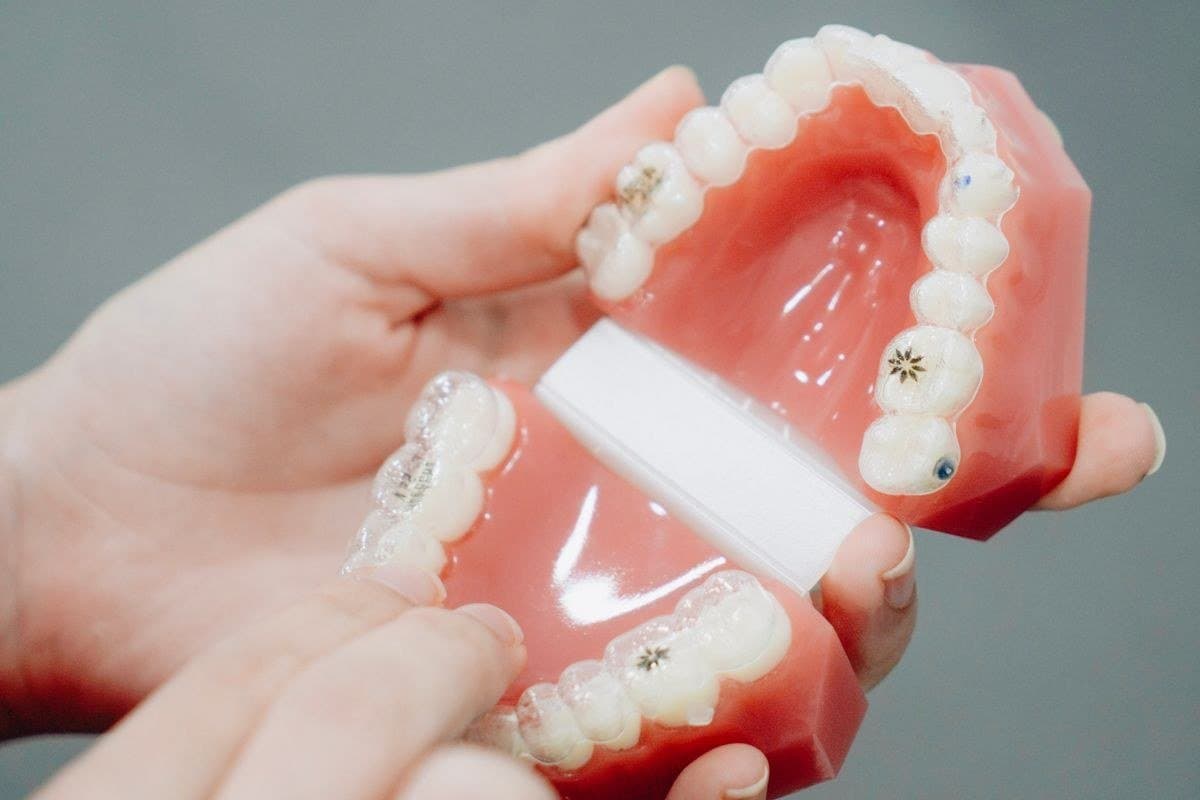
An orthodontic appliance (palatal expander) is a removable or fixed oral orthodontic device used in orthodontic treatment to help the teeth and jaw structure develop in the right position. It is used to arrange tooth alignment, increase jaw width, and correct bite problems. To determine the right approach in orthodontic appliance treatment for children in Samsun, an evaluation by the Dental Prime team is recommended.
Palatal appliances used in orthodontic treatment play an important role in guiding jaw development, especially in childhood and adolescence. Through controlled force applied to the teeth, these devices help reduce crowding, correct a narrow jaw, and bring the teeth into proper occlusion.
Removable and fixed orthodontic appliance types are designed in different ways depending on the goal of treatment and the patient's age. Removable palatal appliances can be put in and taken out by the patient, while fixed appliances are attached to the teeth and work continuously. Both types support the balanced development of the teeth and jaw structure.
Jaw expansion appliances, retainer-type palatal appliances, and functional orthodontic appliances are orthodontic devices developed for different treatment needs. These appliances are used to maintain the position of the teeth, guide jaw development, and keep the alignment achieved after orthodontic treatment in place.
What Is an Orthodontic Appliance (Palatal Expander)?
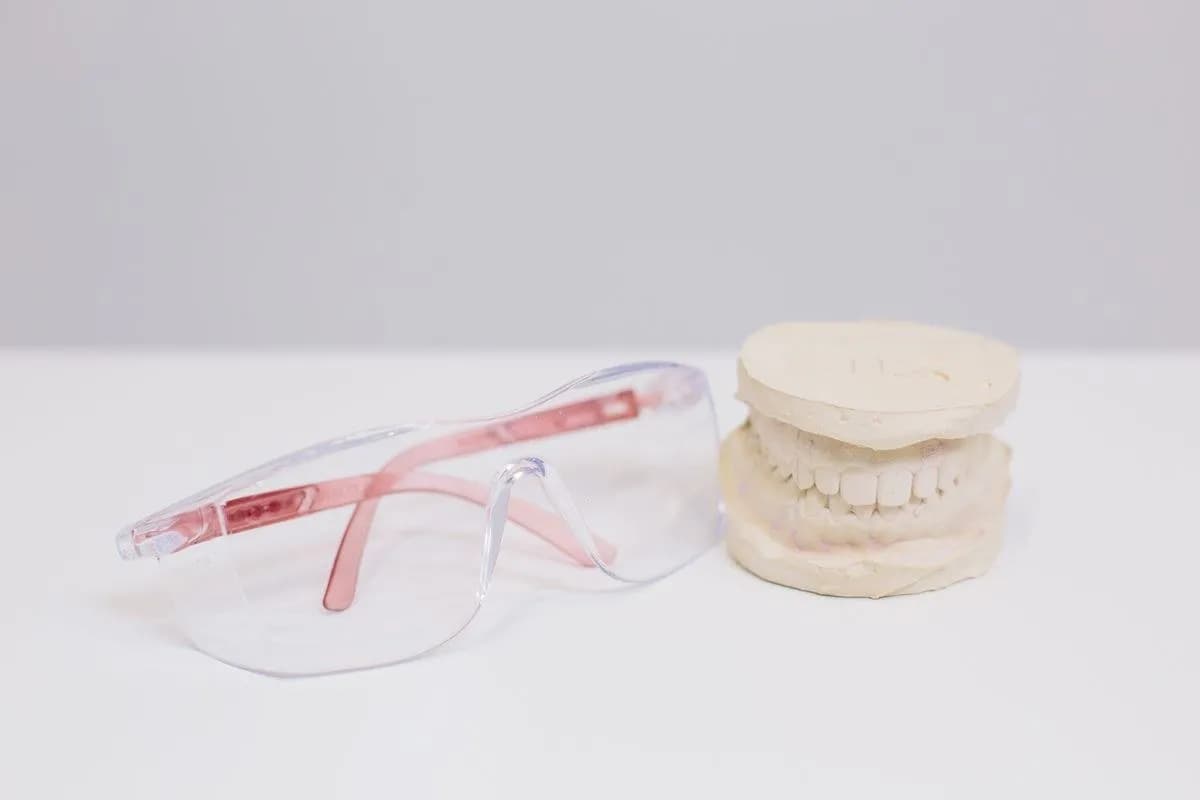
An orthodontic appliance (palatal expander) is a device, usually removable or fixed, used in orthodontic treatment to help bring the teeth and jaws into the right positions. Its main purpose is to guide the growth of the jawbones, correct crowding of the teeth, or keep the teeth stable in a particular position. Appliances are custom designed and manufactured according to the current condition of the mouth and the treatment goals.
These appliances can be used together with braces or on their own. In some cases, they play a critical role in shortening the duration of braces treatment or achieving more effective results. The design of appliances varies greatly depending on the patient's age, jaw structure, and the complexity of the problem being treated. They generally consist of acrylic and metal wires.
The Basic Function of the Appliance
The basic function of the appliance is to act as a supporting mechanism in solving orthodontic problems. This support can take the form of guiding the movement of the teeth, improving the harmony between the jaws, or preventing unwanted tooth movement. Especially in children and teenagers who are still growing, they positively influence the development of the jawbones, which makes it possible to achieve more lasting and stable results.
Appliances offer an effective solution in many situations, such as a narrow jaw, an upper jaw that sits forward, a lower jaw that sits back (Class II skeletal relationship), or bite problems of the teeth. The success of treatment depends on designing the appliance correctly, the patient wearing it regularly, and following the orthodontist's instructions closely.
What Is an Orthodontic Appliance (Palatal Expander) Used For?

Appliances serve a number of important functions in orthodontic treatment. These functions aim to improve the person's oral and jaw health, correct chewing function, and give them an attractive smile. The main benefits that appliances provide are the following:
Guiding Jaw Growth: Especially in children who are still growing and developing, appliances help control the direction and rate of growth of the upper or lower jaw. This is critically important in correcting skeletal jaw problems without surgery.
Correcting a Narrow Jaw: When the upper jaw is narrow, appliances are used for jaw expansion (maxillary expansion). This procedure increases jaw width by slowly separating the suture where the two bones of the upper jaw meet (the median palatal suture). It creates enough room for the permanent teeth and reduces crowding.
Correcting Tooth Position: When used together with braces, appliances support the movement of the teeth toward the desired positions. Fixed appliances can control tooth movement more precisely, while removable appliances are used mostly to guide the jaw.
Correcting Bite Problems: Appliances can be used to correct abnormalities in how the teeth close against each other (for example, a deep bite or an open bite). This improves chewing efficiency and reduces abnormal loads on the teeth.
Stabilizing the Teeth: In some cases, especially at the end of orthodontic treatment or after a tooth extraction, appliances are used to prevent unwanted tooth movement and keep the teeth in their current positions. These are generally called retainers (retention appliances).
Functional Improvement: Properly aligned teeth and jaws improve overall oral function by allowing more effective chewing, better speech, and encouraging nasal breathing instead of mouth breathing.
Oral health is not only about the appearance of the teeth; it also directly affects our overall quality of life. A proper jaw structure and tooth alignment can prevent speech problems, reduce temporomandibular joint (TMJ) problems, and may even be supportive in the treatment of serious breathing problems such as sleep apnea.
Its Role in Growth and Development
One of the most notable benefits of appliances is that they positively influence the development of the jawbones in people who still have growth potential. Because the jawbones are still taking shape during childhood and adolescence, orthodontic treatments applied during this period can give faster and more lasting results.
For example, when the upper jaw is set back or the lower jaw sits forward (Class III skeletal relationship), appliances aimed at changing the direction of growth can be used. These appliances can encourage the lower jaw to grow less forward while somewhat restraining growth of the upper jaw. In this way, skeletal discrepancies can be corrected without surgery, or the need for surgery can be postponed.
In the case of a narrow jaw, the expanding effect of appliances creates enough room for baby teeth to fall out and permanent teeth to erupt. This reduces the future need for more complex orthodontic treatments or tooth extractions. Early diagnosis and intervention maximize the effectiveness of these growth-guiding appliances.
Effects on Chewing and Speech Function
Properly aligned teeth and a balanced jaw relationship ensure efficient chewing function. Appliance treatment helps the teeth contact each other better, allowing food to be broken down more effectively. This also indirectly helps the digestive system work more comfortably.
In addition, the correct position of the teeth and jaws is also important for producing speech sounds correctly. Some bite problems, especially open bites, can lead to speech problems such as lisping. Appliance treatment helps correct such problems, allowing a person to speak more clearly and understandably. A complete closure of the mouth also reduces the risk of mouth breathing.
Cosmetic and Psychological Benefits
The most visible benefit of orthodontic treatment is, without a doubt, the cosmetic improvement. Correcting crowded teeth and teeth that stick out or sit back completely changes a person's smile and gives a more attractive appearance. This cosmetic improvement boosts the person's self-confidence.
Among teenagers in particular, the appearance of the teeth can significantly affect social interactions and self-confidence. People who feel better about themselves are more at ease in social settings, are not afraid to smile, and have a more positive mood. These psychological benefits are as valuable as the physical benefits of treatment.
What Are the Types of Orthodontic Appliances (Palatal Expanders)?
Appliances are divided into various categories according to their purpose of use, design, and mobility. The most common types of appliances are the following:
Removable Appliances
Removable appliances are those that the patient can take out of and put back into the mouth. They generally consist of an acrylic base and metal wires. Although being removable is an advantage for cleaning, the success of treatment depends largely on how the patient uses them. The palatal expander (expansion appliance) used for a narrow upper jaw is also one of the most frequently used examples in this group.
Plate-Type Appliances: This is the most common type of removable appliance. It consists of an acrylic plate covering the palate in the upper jaw and metal wires that sit on the teeth. This plate helps change the position of the teeth by applying pressure to them or supporting them. Upper jaw expansion appliances also usually have this plate-type design.
Bilateral Appliances: These are removable appliances that can be used in the lower and upper jaw at the same time. They are generally used to correct the position of the teeth relative to each other or to improve the jaw relationship.
Hawley Retainer: A retainer usually used at the end of orthodontic treatment to keep the teeth in their new positions. It consists of a wire that surrounds the upper front teeth and an acrylic structure that supports the palate.
Advantages:
It is easier to keep them clean and maintain oral hygiene.
They can be removed while eating and drinking.
In some cases, they may cause less discomfort.
Disadvantages:
The success of treatment depends on the patient's use; inadequate use prolongs treatment or makes it fail.
They cannot control tooth movement as precisely as fixed appliances.
They may cause a temporary speech disturbance.
Fixed Appliances (Orthodontic Devices)
Fixed appliances are those that are bonded to the teeth or attached through a wire by means of brackets (the parts of braces), and that cannot be removed by the patient. They are used to guide tooth movement in a more precise and controlled way.
Metal Bracket Appliances: The best-known type of fixed appliance. It consists of metal brackets bonded to the teeth and the metal wires passed through these brackets, which apply force to the teeth.
Ceramic Bracket Appliances: They work in a similar way to metal brackets, but because they are made of tooth-colored or clear ceramic material, they offer a more cosmetic appearance.
Lingual Appliances: These are appliances in which the brackets are bonded to the inner (tongue-side) surface of the teeth. They are not visible from the outside, which makes them one of the best options cosmetically. However, their manufacture and application are more complex.
Damon System (Self-Ligating Brackets): Systems in which the brackets have a clip mechanism to hold the wires in place. It is claimed to create less friction than conventional brackets and, in some cases, to provide faster treatment.
Advantages:
They control tooth movement very precisely.
Treatment time is usually shorter.
They depend less on patient compliance (because they cannot be removed).
Disadvantages:
It is harder to maintain oral hygiene, which can increase the risk of tooth decay or gum inflammation.
They may place some restrictions on eating and drinking.
Pain and discomfort can be more noticeable when first fitted or after adjustment.
Functional Appliances
Functional appliances are generally used in children and teenagers who are still growing to correct skeletal discrepancies in the jaw relationship. These appliances work by changing the position of the lower jaw or guiding jaw growth. For details on designs such as the monoblock and twin block, see our article on the functional appliance.
Bionator (Balkwill Bionator, Balters Bionator): Removable appliances that wrap around the teeth in the upper and lower jaw and change the direction of growth by holding the jaws in a certain position. They are generally used when the lower jaw sits back.
Twin Block Appliance: It consists of two separate blocks that sit on the teeth in the upper and lower jaw. When the patient closes their mouth, these blocks lock together, pushing the lower jaw forward and keeping it in that position. It is effective in patients with growth potential.
Herbst Appliance: Generally a fixed appliance that pushes the lower jaw forward. It consists of metal rods attached to brackets on the upper and lower jaw. It is used when the lower jaw sits back and provides a more continuous effect than removable appliances.
Advantages:
It is effective in correcting skeletal jaw problems without surgery.
When applied while there is still growth potential, it can give lasting results.
Compared with braces, it focuses less on tooth movement and more on the jaw relationship.
Disadvantages:
It is effective only in patients who are still growing.
It can make speaking and eating difficult when first fitted.
Patient compliance is important, especially with removable functional appliances.
Classification by the Purpose of Appliance Use
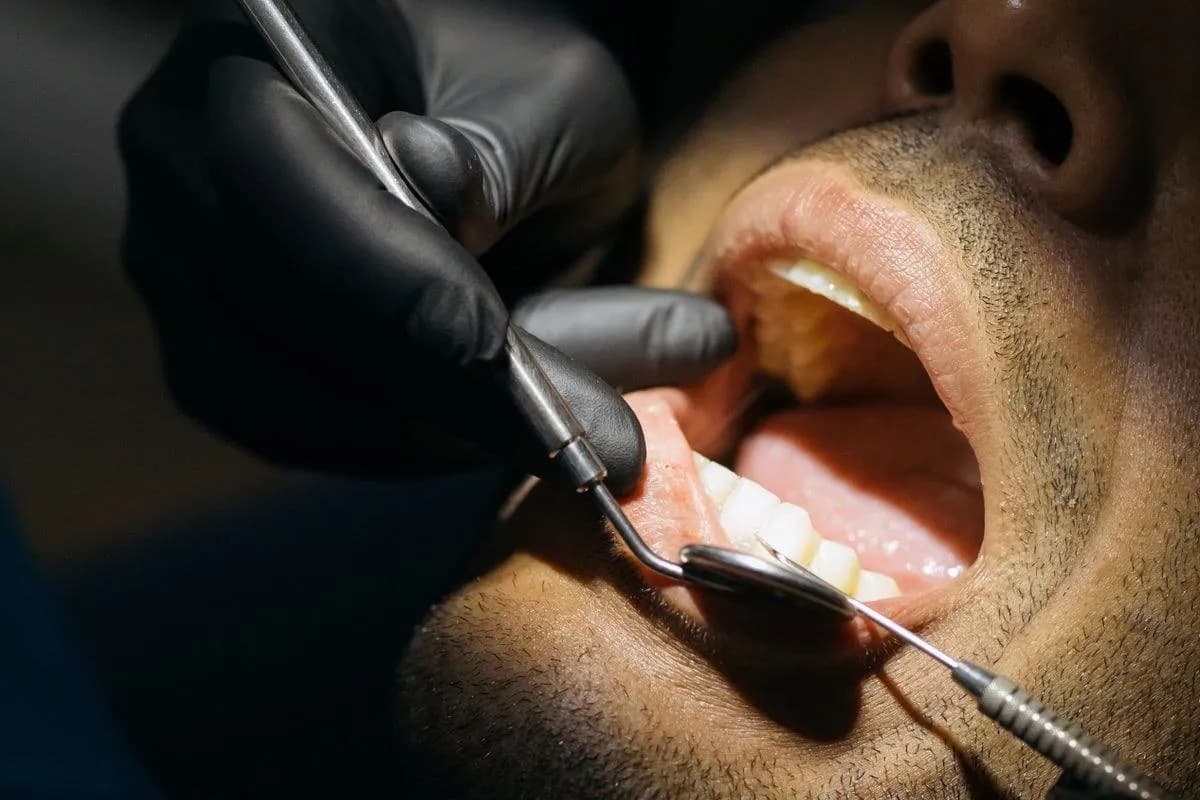
Appliances can be classified not only by their type but also by their role in the treatment process:
Expansion Appliances: Used to increase jaw width in the case of a narrow jaw. Upper jaw expansion appliances (maxillary expanders) fall into this category.
Guiding Appliances: Used to change the direction of jaw growth or to make the teeth move in a particular direction. Functional appliances serve this purpose.
Retention Appliances: Used after orthodontic treatment is complete to keep the teeth in their new positions. Hawley retainers or clear aligners belong to this group.
Crossbite Correction Appliances: Appliances specially designed to correct crossbites in the front or back teeth.
Each type of appliance has its own areas of use, advantages, and disadvantages. The orthodontist determines the most suitable type of appliance by taking into account the patient's oral structure, age, treatment goals, and expectations.
Benefits and Risks of Using an Orthodontic Appliance (Palatal Expander)

While appliance treatment offers important benefits in solving orthodontic problems, as with any medical intervention it may also bring some potential risks or challenges.
Benefits
A More Attractive Smile: Correcting crowded, misaligned, or missing teeth gives a more attractive smile.
Improved Chewing Function: Proper alignment of the teeth and jaws allows food to be chewed more effectively.
Better Speech: Speech clarity improves when bite problems are corrected.
Increased Self-Confidence: Cosmetic improvement raises the person's self-confidence.
Improved Oral and Dental Health: Properly aligned teeth are easier to clean and lower the risk of decay and gum disease.
Fewer Jaw Joint Problems: Correcting an unbalanced bite can reduce stress on the temporomandibular joint (TMJ).
Reduced Need for Surgery: Appliance treatments applied during the growth period can correct some skeletal problems without surgery.
Risks and Side Effects
Difficulty with Oral Hygiene: Especially with fixed appliances, cleaning the teeth can become harder. Inadequate hygiene can lead to tooth decay, gum inflammation, and permanent stains.
Gum Inflammation (Gingivitis): Plaque buildup around the appliances can cause gum inflammation.
Pain and Discomfort: Pain, sensitivity, and a feeling of pressure in the teeth and jaw joint may be experienced after the appliance is fitted or adjusted.
Difficulty Speaking and Eating: Especially when first fitted or with large appliances, there may be temporary difficulties in speaking and eating habits.
Allergic Reactions: Although rare, allergic reactions to the materials the appliances are made of can occur.
Usage Errors (Removable Appliances): Not wearing removable appliances enough, or at all, can cause treatment to fail or take longer.
Root Resorption: In very rare cases, excessive or uncontrolled force applied to the teeth can cause erosion (resorption) of the tooth roots. This is a risk that can be prevented with regular check-ups.
What to Keep in Mind During Appliance Treatment
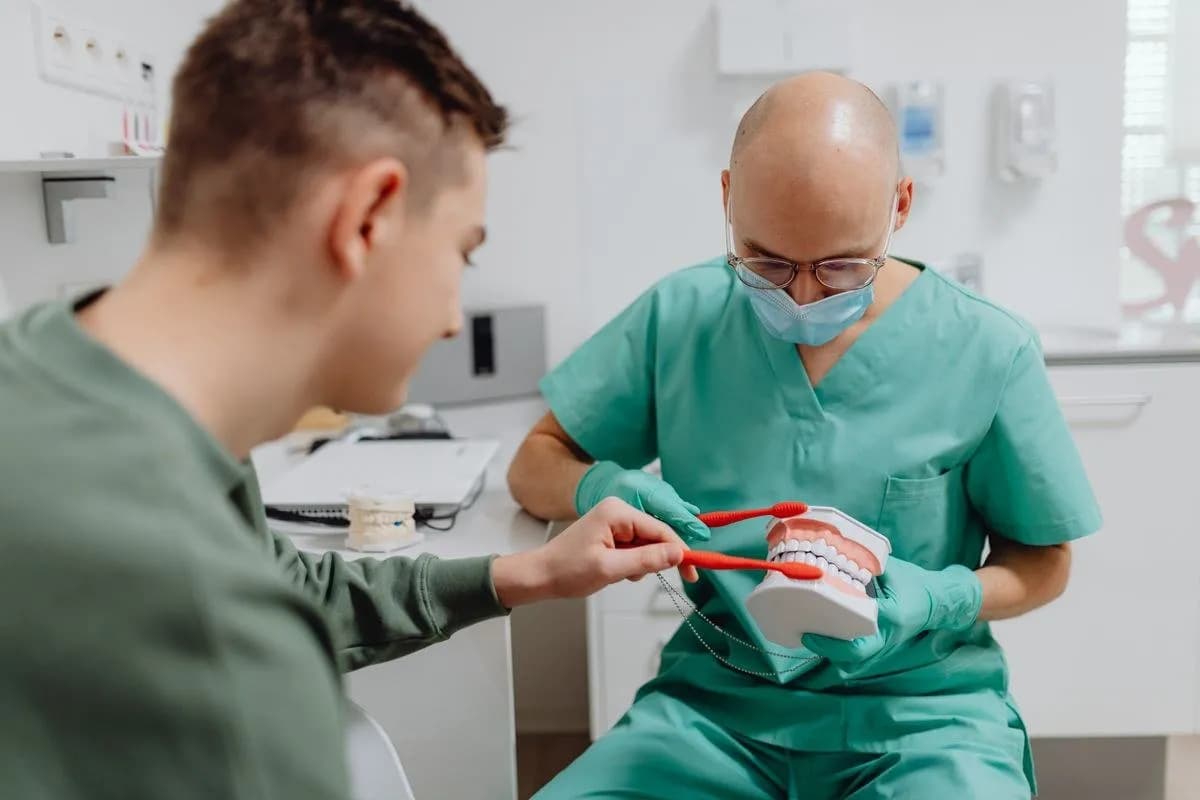
The success of appliance treatment depends not only on the quality of the appliance or the orthodontist's skill but also on how well the patient complies with the treatment process.
Recommendations for the Patient
Hygiene: Cleaning the appliances and the mouth is the most important matter. For fixed appliances, special toothbrushes, interdental brushes, and floss should be used. Removable appliances should be cleaned every time they are taken out and before they are put in.
Following Usage Instructions: The orthodontist's instructions on how long removable appliances should be worn must be followed exactly. Adequate wear time is critical for the effectiveness of treatment.
Diet: Hard, sticky, or very fibrous foods should be avoided. Such foods can damage the appliances or cause brackets to come off.
Regular Check-Ups: Attending orthodontist appointments without fail is necessary to make sure treatment is progressing correctly and to catch possible problems early.
Pain Management: Mild pain and discomfort after appliance adjustments are normal. If needed, pain relievers recommended by the orthodontist can be used.
Protecting the Appliance: Removable appliances must always be kept in their protective case when not in use. Losing or breaking them means extra cost and treatment delays.
Recommendations for the Orthodontist
Comprehensive Examination: A detailed evaluation of the patient's mouth, teeth, and jaw structure before starting treatment.
Accurate Diagnosis and Planning: Correctly diagnosing the problem and creating a personalized treatment plan.
Choosing the Right Appliance: Selecting the type of appliance best suited to the patient's age, jaw structure, and treatment goals.
Patient Education: Giving the patient and their family detailed information about using the appliance, hygiene, diet, and what to watch for.
Regular Follow-Up and Adjustments: Regularly checking the progress of treatment and adjusting the appliances when needed.
Informing About Possible Risks: Informing the patient about the potential risks and side effects related to the treatment process.