Spec. Dt. Gökcan ErtaşOrthodontist
 Dt. Sena KırcaDentist
 Dt. Sevinç Cansu KayıranDentist
 Assoc. Prof. Dr. Sezin ÖzerPediatric Dentist
 Spec. Dt. Sude Yıldırım BolatSpecialist in Periodontology
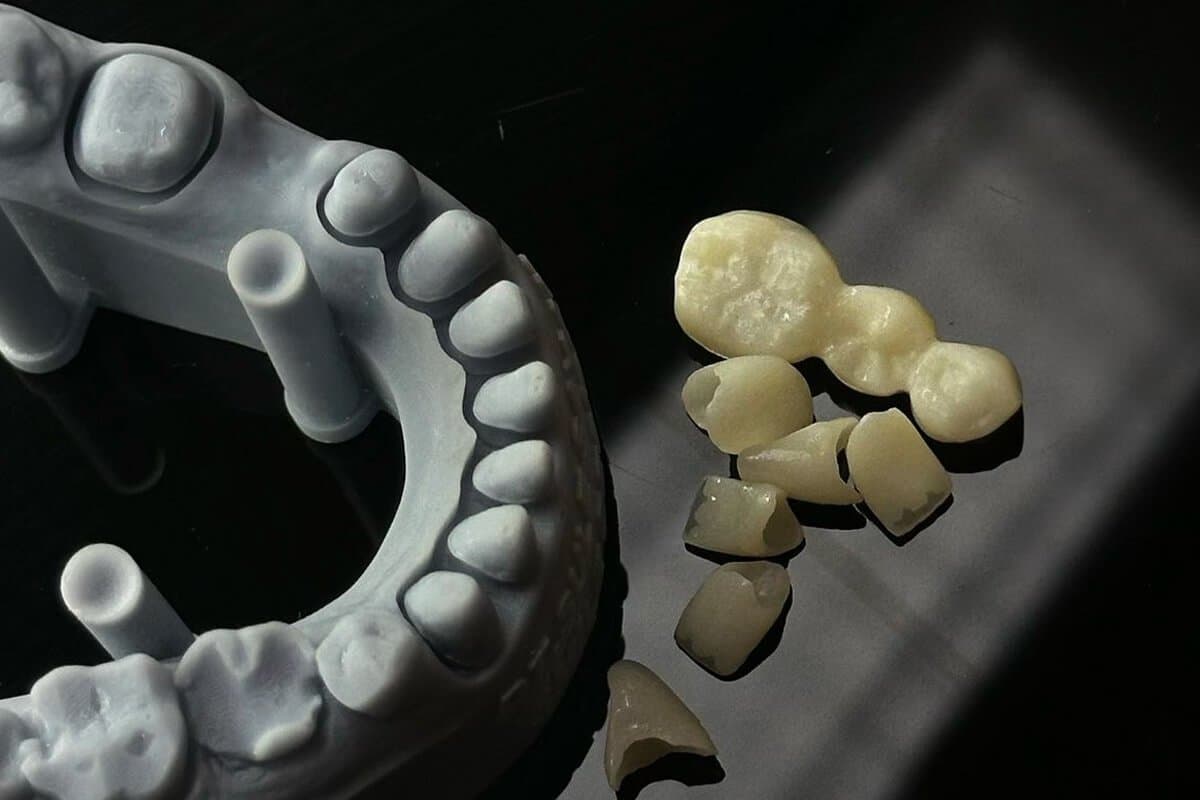
Porcelain dental veneers in Samsun are a highly aesthetic dental method in which a thin ceramic layer is placed on the front surface of the tooth while the natural tooth structure is preserved as much as possible. They aim to correct color and shape irregularities and give the teeth a more even and harmonious look. The procedure is an aesthetic solution planned according to the person's oral structure.
Whether this method is suitable for a person and which material will be preferred only become clear with the dentist's intraoral examination. Gum health, enamel thickness, the bite relationship, and expectations are evaluated. This evaluation helps the result look natural and the health of the teeth be preserved. Correct planning forms the basis of a long-lasting restoration.
For those looking for aesthetic dental solutions in Samsun, porcelain veneers stand out as an important part of smile design. At Dental Prime, such procedures are carried out with measurement, planning, and try-in stages, taking the patient's expectations into account. In this way, a result balanced in both aesthetic and functional terms is targeted.
What Are Porcelain Dental Veneers?
A porcelain dental veneer is a type of aesthetic restoration that aims to correct the color, shape, and size of a tooth through thin ceramic layers bonded to the front surface of the tooth. Because ceramic material has a light transmission similar to natural enamel, the result mostly looks quite natural. This method helps improve the overall harmony of the smile.
Veneers are generally applied in two basic forms. The first is thin porcelain veneers (laminates) that cover only the front surface of the tooth and require minimal reduction. The other is full-coverage crown restorations that wrap around the entire tooth. Which one is suitable is determined by the dentist according to the tooth's current condition, the amount of fracture or filling, and the aesthetic goals.
The most notable feature of porcelain is that its color stays largely stable over time. While natural teeth can change color due to factors such as coffee, tea, and cigarettes, a polished porcelain surface is more resistant to such staining. In this way, with proper care, veneers can stay close to their first-day appearance for a long time. Even so, regular dental check-ups remain important.
This procedure is not just a visual intervention. In teeth that are misshapen, worn, or small, it can also contribute to biting and speaking functions. Therefore, porcelain restorations should be thought of as part of a holistic treatment approach that considers functional needs as well as aesthetic concerns. In this respect, veneers aim to support daily comfort while making the smile more beautiful.
Whether a porcelain veneer is suitable varies from person to person; it is not a one-size-fits-all solution. The current health of the teeth, the amount of enamel, and the patient's aesthetic expectations are evaluated together. In some cases, less invasive options such as whitening or orthodontic treatment may come to the fore. For this reason, the decision is shaped by an examination in which alternatives are also discussed.
Porcelain veneers are generally preferred in the front area, on the teeth that show when smiling, because this is the area where the aesthetic effect is most noticeable. However, having enough sound enamel is important so that the veneer can bond to a strong base. In cases of advanced wear where the amount of enamel has decreased, the dentist may also consider different types of restoration. This distinction is clarified from the outset for the durability of the result.
When Porcelain Veneers Should Be Applied
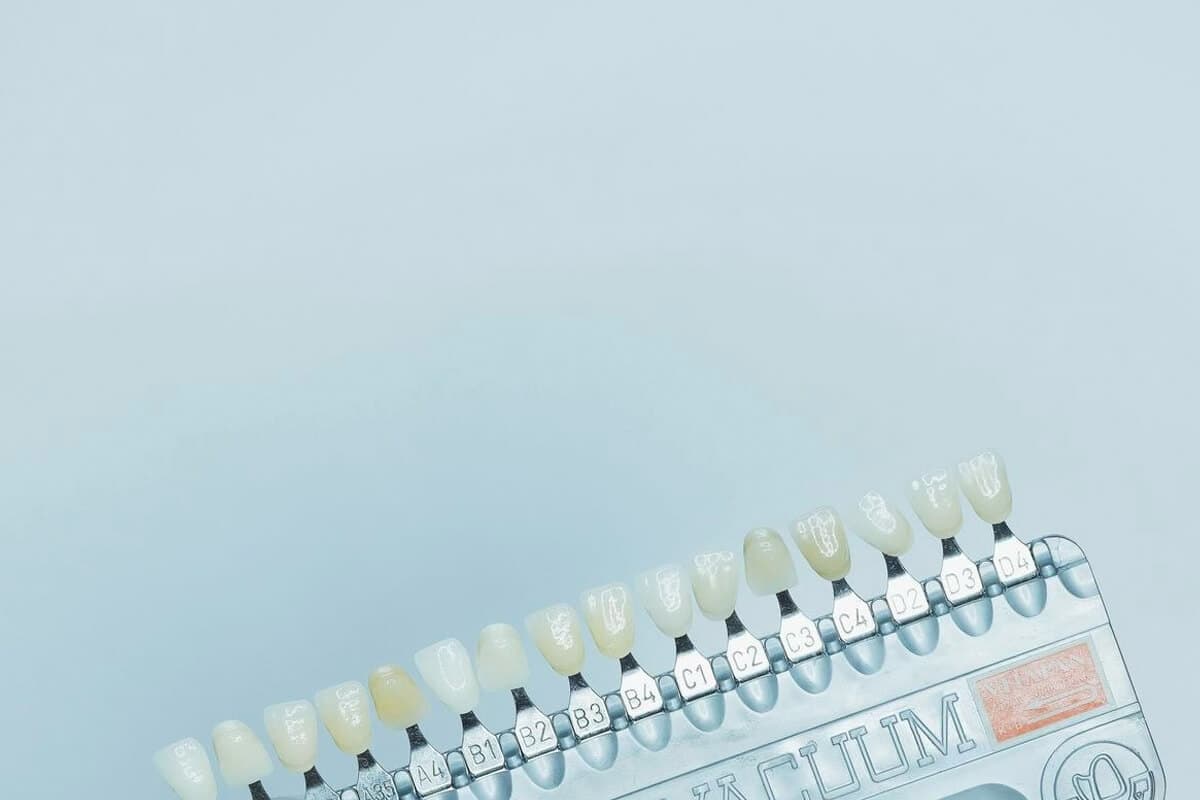
A porcelain veneer is not a procedure required for every tooth; it is an option considered for certain aesthetic and structural problems. It may come up in situations such as permanent discoloration of the teeth, shape irregularities, mild crowding, or wear of old restorations. The decision on suitability is made by the dentist after an examination, and alternative methods are also evaluated.
Veneers for Tooth Color and Shape Irregularities
Some teeth may have a color and shape different from what is expected because of congenital enamel structure or factors during the developmental period. In dark discolorations where whitening methods do not give adequate results, a porcelain veneer offers an alternative solution. The ceramic layer covers the color underneath and helps give the tooth a lighter and more harmonious appearance.
Shape irregularities are also among the situations in which this method is often considered. Teeth that have stayed small, have chipped tips, or have worn edges can be made more harmonious with neighboring teeth with the help of veneers. In this way, irregularities in the smile line are reduced. When this adjustment is planned with the natural proportions of the teeth in mind, the result is more balanced and aesthetic.
A Solution for Staining and Discoloration Problems
Surface stains that build up over the years can often be lightened with professional cleaning and whitening. However, deep discolorations caused by antibiotic use, advanced fluorosis, or trauma may not respond sufficiently to these methods. In such permanent discolorations, a porcelain veneer can contribute to a more uniform color by covering the outer appearance of the tooth.
The stain-resistant nature of porcelain provides a clear advantage at this point. While natural teeth may change color again, a polished ceramic surface tends to keep its color stability for longer. Even so, protecting the natural tissue and gum health around the veneer is important for the long-term appearance and requires regular care.
Situations in Which a Dentist Should Be Consulted
The decision on a porcelain veneer is not only a visual preference; it concerns the whole of oral health. If there is active gum disease, an untreated cavity, or an advanced teeth-clenching habit, these may need to be addressed first. The dentist helps by setting priorities and planning the appropriate order of treatment.
Discussing expectations realistically is also an important part of this stage. The number of teeth, the bite relationship, and the smile line are evaluated together. An examination carried out in a dental clinic in Samsun with an experienced team makes it easier to create a personalized and workable plan. This approach supports both satisfaction and the durability of the result.
The Porcelain Dental Veneer Procedure Step by Step
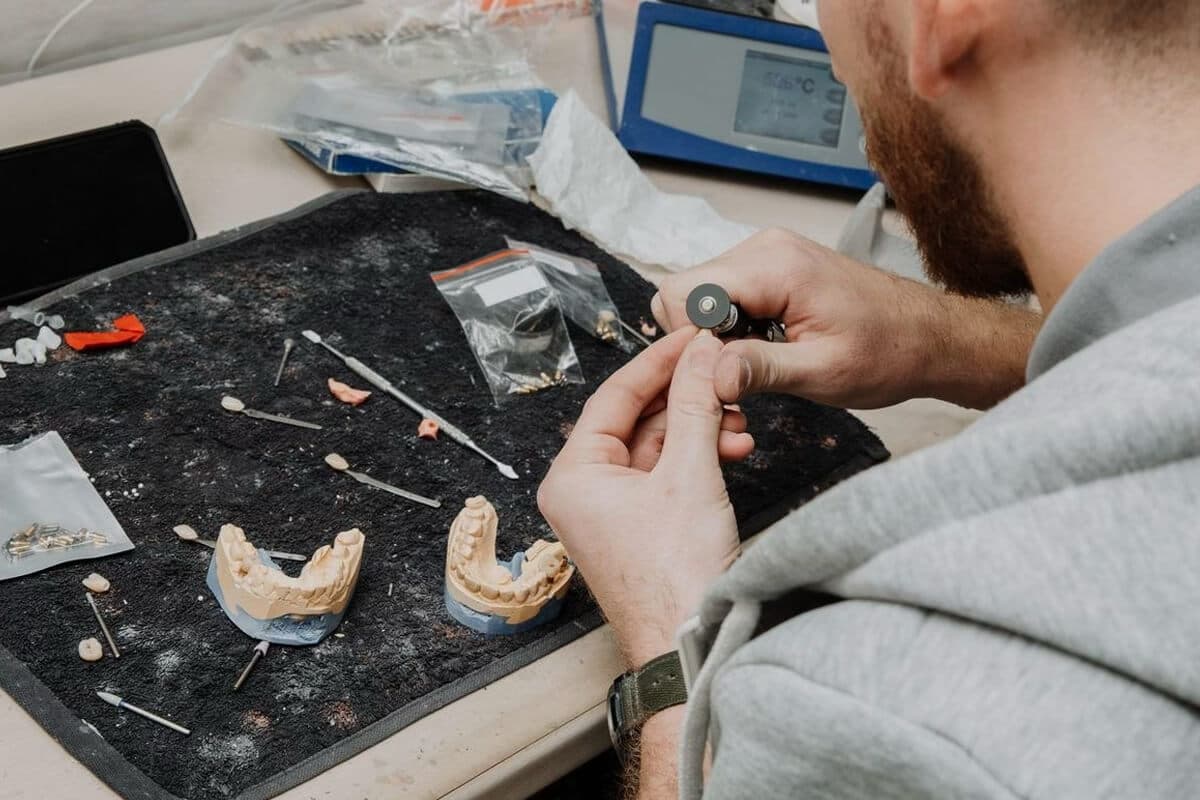
A porcelain veneer is made up of successive planned stages rather than a single procedure. The process includes examination, measurement, tooth preparation, laboratory fabrication, and bonding. Carrying out each stage meticulously is decisive for both the aesthetic result and the longevity of the restoration. These steps are explained in order below.
Initial Examination and Tooth Measurement
The process begins with a comprehensive intraoral examination. The dentist examines the condition of the teeth, gum health, and the bite relationship, and, if deemed necessary, records the current picture with X-rays and photographs. This first evaluation helps determine which teeth will receive veneers and what kind of aesthetic goal is appropriate.
After the examination, impressions of the teeth are taken. These impressions can be obtained with the traditional putty method or with digital intraoral scanners. Smile design is worked out on the resulting model, and a wax-up or a digital preview is prepared when needed. In this way, the patient has the chance to see the possible result before treatment begins. This preview also allows expectations to be shared clearly with the dentist.
Tooth Preparation and Size Adjustment
So that the veneer sits in harmony with the tooth and at a natural thickness, a very thin layer is removed from the front surface of the tooth. The aim at this stage is to preserve as much sound tissue as possible. In modern porcelain veneer procedures, the amount of reduction can be kept quite limited; the decision is determined by the condition of the tooth and the type of restoration chosen.
During preparation, the treatment area can be numbed with local anesthesia for the patient's comfort. After the tooth is prepared, a temporary protective restoration may be placed until the permanent veneer is made. This temporary restoration protects the tooth from external factors, helps reduce sensitivity, and makes the process more comfortable by providing an aesthetic interim appearance.
Fabrication of the Porcelain Veneer in the Laboratory
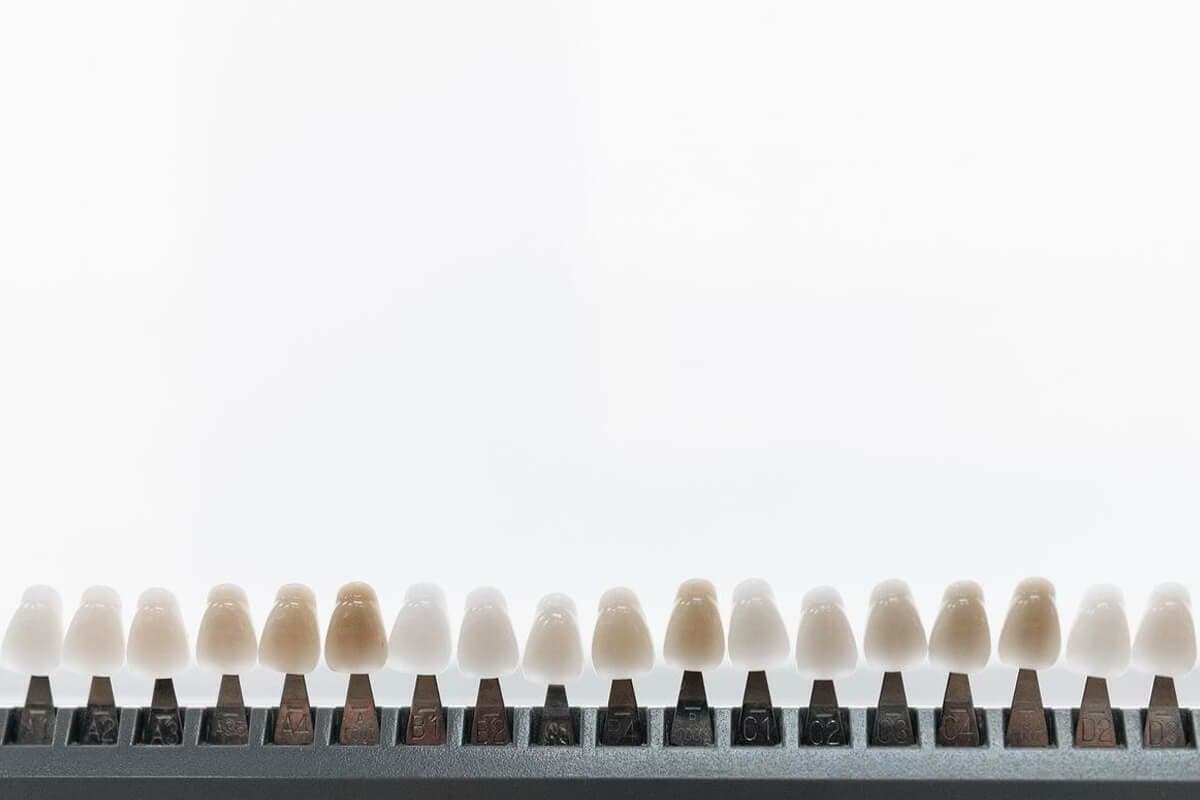
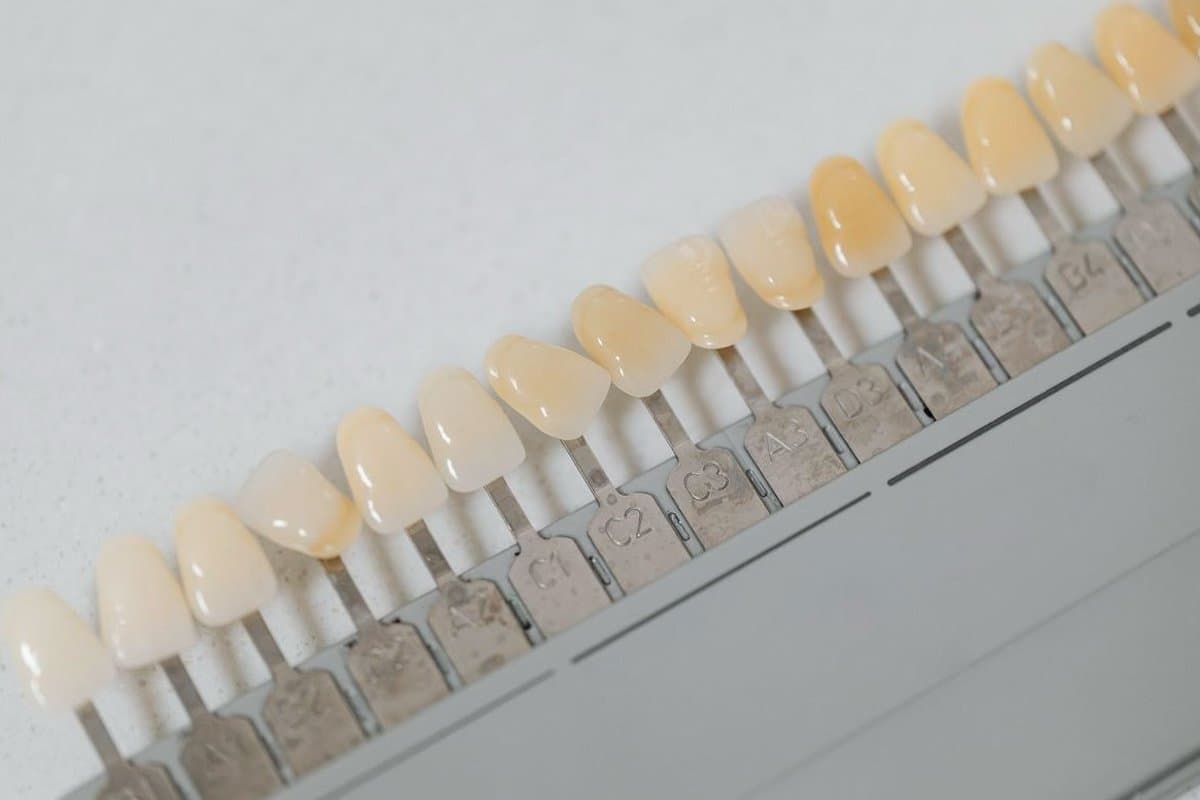
The impressions and shade records are sent to the dental laboratory. Here, technicians carefully fabricate the porcelain restoration to match the patient's tooth structure and the specified shade. Light transmission, surface texture, and color transitions are worked on carefully at this stage so that the result looks natural. Fabrication time may vary depending on the complexity of the case.
In some clinics, veneers can be prepared in a shorter time thanks to digital design and manufacturing systems. These technologies speed up the chain from impression to fabrication and can also increase precision. Which fabrication method is preferred is evaluated by the dentist according to the clinic's capabilities, the type of case, and aesthetic expectations.
Bonding of the Veneer and Final Check
When the veneer is ready, it is tried on the tooth before permanent bonding. In this try-in, shade match, margin fit, and the bite relationship are checked; fine adjustments are made if deemed necessary. The patient can also share feedback about the appearance at this stage. The aim is to obtain the most suitable result before moving on to the permanent step.
Once the fit is approved, the veneer is fixed to the tooth with special adhesives and hardened with light. Excess material is cleaned off, the edges are polished, and a final bite check is performed. After the procedure, the dentist shares care recommendations. After a short adjustment period, veneers generally feel like natural teeth in daily use.
During the bonding stage, the surfaces of the tooth and the veneer undergo special treatments to increase bond strength. Moisture control is critically important in this step; the working area must be kept dry for the adhesive to perform fully. This meticulousness helps support the longevity of the restoration by reducing the risk of leakage or early detachment along the edges of the veneer.
Advantages of Porcelain Dental Veneers
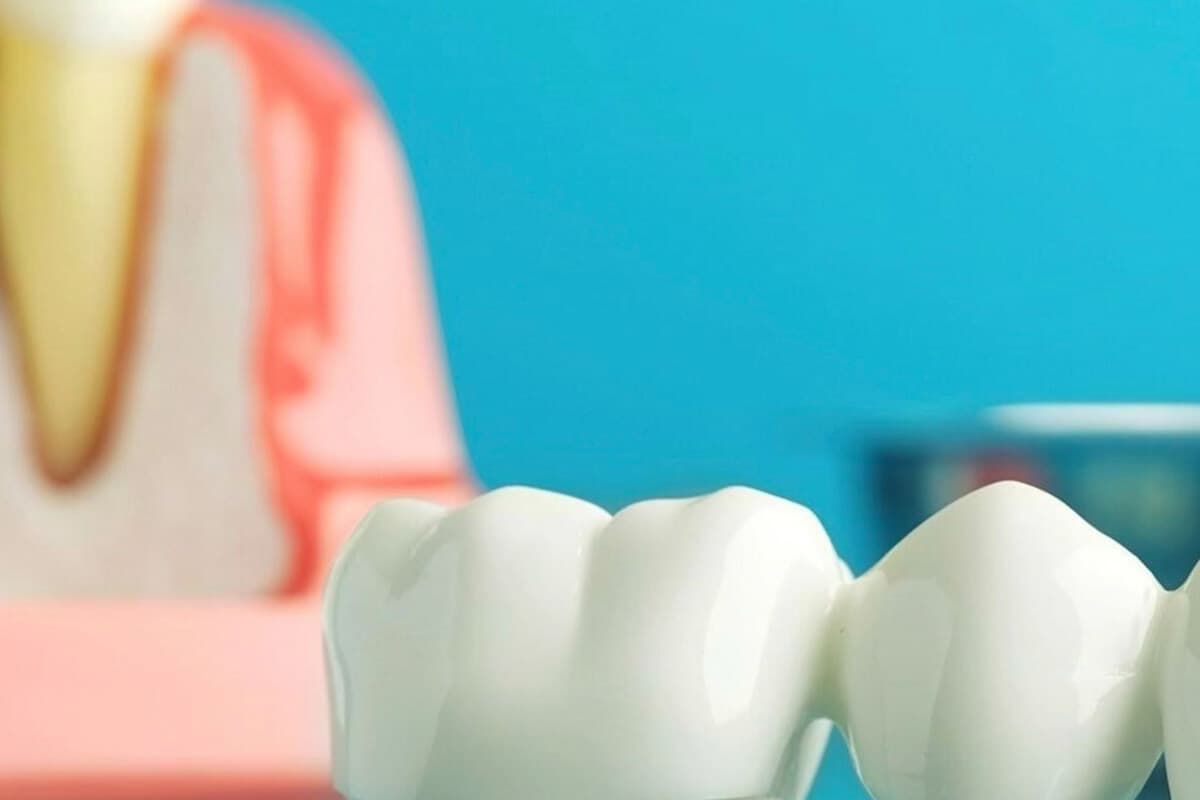
The main reason porcelain veneers are preferred is that they can offer aesthetics and function together. Their natural look, the tissue-friendly nature of the material, and their resistance to staining are the features that stand out. These advantages are covered under separate headings below, explaining the contribution of each to the aesthetics of the smile and to oral health.
Aesthetic Success and Natural Appearance
The strongest side of porcelain is its light transmission close to natural enamel. Because it can transmit light like a natural tooth, veneers can offer a lively appearance with depth. When color, form, and surface texture are adjusted to the individual, the result generally achieves a harmony that is hard to tell apart from the neighboring teeth. This helps achieve a natural smile.
Aesthetic planning is not limited to a single tooth; the whole of the smile line is taken into account. Tooth sizes, the midline relationship, and harmony with the lips are evaluated together. Thanks to this holistic approach, the aim is to design a smile that is not only white but also balanced with the facial features. The result can contribute to the person's overall expression.
Biocompatibility and Gum Health
Porcelain is known as a material compatible with oral tissues and, when applied correctly, is generally well tolerated by the gums. With metal-free all-ceramic options, the risk of a gray reflection that can develop at the gum margin over time is reduced. This contributes to a cleaner and more natural appearance, especially in the front area.
Finishing the veneer margins in harmony with the gums is a critical detail for health. Well-fitted margins help reduce plaque buildup and keep the gum tissue healthy. For this reason, both the precision of fabrication and the patient's daily oral care are important together for long-term gum health.
Stain Resistance and Longevity
Thanks to its non-porous structure, a polished porcelain surface is more resistant to staining agents than a natural tooth. Surface stains caused by coffee, tea, and similar drinks tend to form much more slowly on porcelain. This feature helps veneers stay close to their first-day color vibrancy for a long time and supports aesthetic satisfaction.
Under suitable care conditions, the service life of porcelain restorations can be long; in many cases they can keep their function for years. Among the main factors affecting lifespan are oral hygiene, teeth-clenching habits, and regular check-ups. When these conditions are observed, the performance and aesthetic continuity obtained from veneers increase noticeably. Regular dentist follow-up also helps detect possible wear or margin problems early.
Aftercare for Porcelain Veneers
The longevity of porcelain veneers depends largely on aftercare following the procedure. Although veneers are resistant to staining, the natural tissue and gums underneath them need care. A regular and correct oral care routine helps protect both the appearance of the restorations and overall oral health. This routine is not complicated and can be turned into a habit.
Brush your teeth gently at least twice a day with a soft brush and suitable toothpaste.
Regularly clean the veneer margins and between the teeth with dental floss or interdental brushes.
Take care to avoid biting extremely hard, hard-shelled, or very sticky foods with your front teeth.
If you have a habit of clenching or grinding your teeth, use the night guard recommended by your dentist.
Do not skip your regular appointments for a dentist check-up and professional cleaning every six months.
Mild sensitivity may be felt in the first days after the veneers; this usually decreases quickly. If noticeable discomfort, a rough edge, or a change in color is noticed, consulting the dentist is recommended. Early evaluation helps possible problems be addressed before they grow and helps preserve the lifespan of the veneers.
Healthy eating and staying away from tobacco products positively affect both gum health and the overall appearance of the smile. Although veneers are durable, they need care just like natural teeth. A conscious approach to care helps the aesthetic investment be preserved for many years and satisfaction be maintained.
Some mouthwashes containing alcohol may, with long-term use, affect the polish of the veneer surface and the bonded margins; for this reason, the dentist's recommendation should be taken into account when choosing products. In addition, avoiding overly hard toothbrushes and abrasive toothpastes helps preserve surface shine. These habits, which seem small, make a noticeable difference in the appearance of veneers over the long term.
Comparison of Porcelain Veneers and Zirconia Crowns
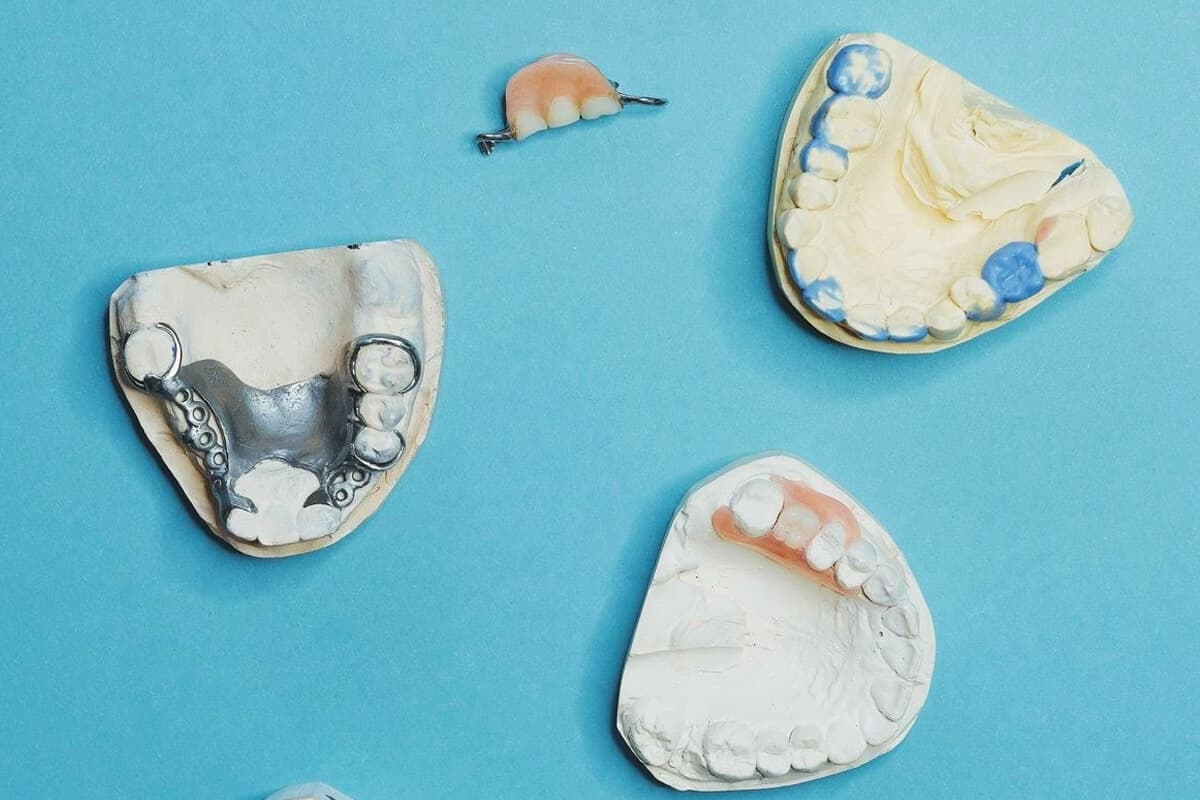
In aesthetic dental solutions, porcelain and zirconia are the two options most often compared. Both can offer natural-looking results; however, their material structures, light transmission, and durability characteristics differ. The right choice is determined through the dentist's evaluation according to the position of the tooth, aesthetic expectations, and personal habits.
The table below summarizes the main differences:
Criterion | Porcelain Veneer | Zirconia Crown |
|---|---|---|
Material structure | Thin layer based on feldspathic or glass ceramic | Ceramic over a zirconium dioxide substructure |
Aesthetics / light transmission | Very close to natural enamel, high light transmission | High aesthetics, good light transmission in all-ceramic types |
Durability | Aesthetics-focused, long-lasting in the right area | High fracture resistance, durable against chewing forces |
Suitable area | Generally the front area and aesthetics-focused cases | Front and back areas; may be preferred for load-bearing teeth |
Gum compatibility | High gum compatibility in a metal-free structure | Contains no metal, gives a natural look at the gum margin |
Material Properties and Aesthetic Difference
Thanks to their thin glass-ceramic structure, porcelain veneers offer an appearance quite close to the light transmission of natural enamel. This feature helps achieve a deep and lively aesthetic, especially in the front teeth. The natural passage of light through the tooth contributes to the result blending more easily with the neighboring teeth.
Zirconia crowns, on the other hand, are produced by layering ceramic over a strong substructure. Modern all-ceramic zirconia systems offer much higher aesthetics than previous generations and contain no metal. In this way, no gray reflection appears at the gum margin. Even so, the highest light transmission usually stands out in thin porcelain veneers.
Durability and Long-Term Performance
In terms of durability, zirconia draws attention with its high fracture resistance. In the back areas where chewing forces are intense and in people with a teeth-clenching habit, this resistance can be an important advantage. For this reason, in load-bearing teeth, zirconia can stand out as a more frequently preferred option based on the dentist's evaluation.
With the right indication and suitable care, porcelain veneers can keep their aesthetic appearance for many years. They are a strong choice, especially in the front area where aesthetic priority is high. As a result, the two materials are not so much rivals of each other as complementary options that respond to different needs. The final decision is made individually after the examination. In some cases, porcelain on the front teeth and zirconia on the back teeth can be planned together so that both aesthetics and durability are taken into account in a balanced way.
Duration and Schedule of the Porcelain Veneer Procedure
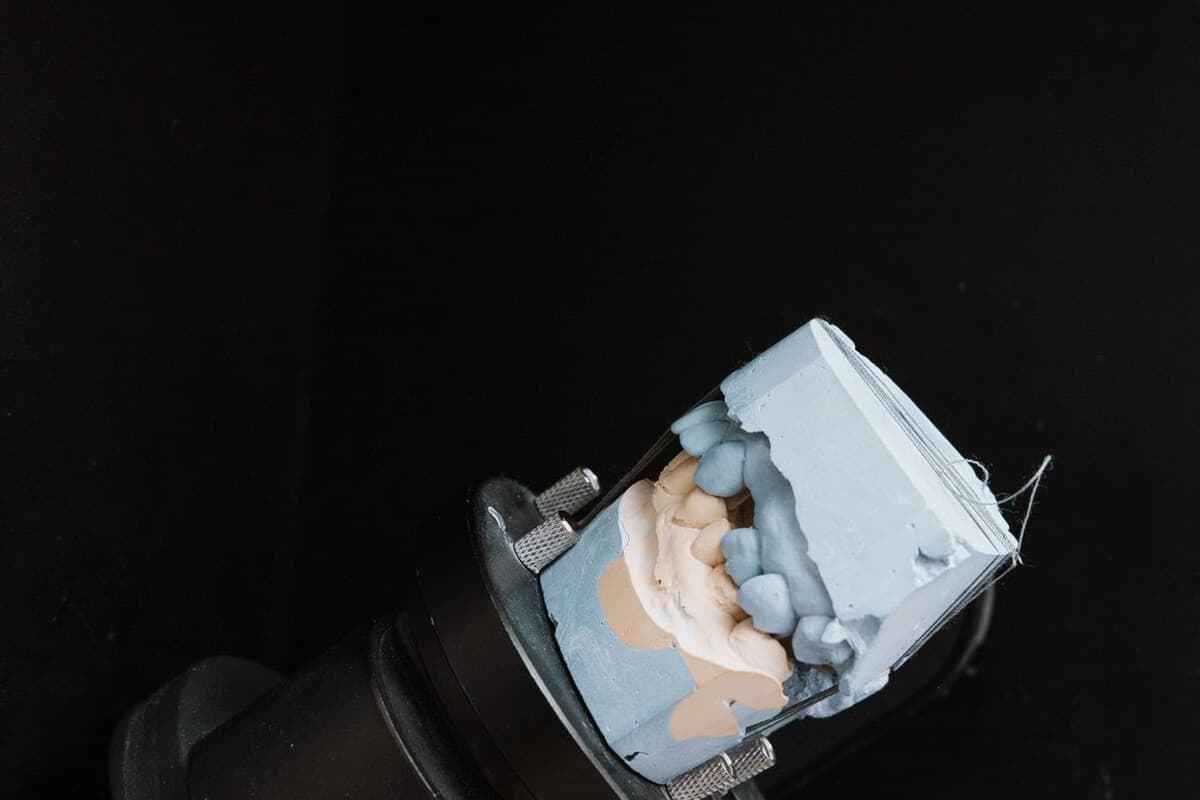
The total duration of the porcelain veneer process varies with the number of teeth to be covered, the complexity of the case, and the fabrication method chosen. Some procedures can be completed in a short time with digital systems, while traditional methods may require several sessions. During the planning stage, the dentist helps clarify expectations from the start by creating a schedule suited to the patient's situation.
Procedures That Can Be Done in a Single Session
In centers with digital design and in-clinic fabrication systems, some procedures covering a limited number of teeth can be completed in a single session. In this method, the impression taken with an intraoral scan can be turned into a restoration on the same day. In this way, the need for a temporary veneer is reduced and the treatment process can become shorter for the patient.
The single-session approach offers a practical advantage, especially for patients with time constraints. However, not every case may be suitable for this method; in extensive smile designs or special aesthetic requirements, multi-stage planning may be more appropriate. The decision on suitability is evaluated by the dentist according to the scope of the case and determined together with the patient.
Traditional Multi-Session Veneer Process
In the traditional method, the process is generally spread over more than one appointment. In the first session the examination, impression, and tooth preparation are carried out; then a temporary veneer is placed. While the permanent restorations are fabricated in the dental laboratory, this interim period can range from a few days to a few weeks. The duration varies with the scope of the case and the laboratory workload.
In the second stage, the try-in and permanent bonding are carried out. When necessary, an additional check-up appointment can be scheduled for shade and fit. The multi-session approach allows more detailed aesthetic work in extensive cases. This rhythm may be preferred because it allows the result to be shaped meticulously and the patient to give feedback at every stage.
Porcelain Veneer Prices in Samsun 2026
Porcelain veneer prices in Samsun cannot be expressed with a single fixed figure, because every oral structure and treatment plan is different. The price is shaped by the combination of many case-specific factors. For this reason, the best way to get realistic information is a personalized evaluation prepared after a clinical examination. The main factors affecting the price are explained below.
Scope of the case: The number of teeth to be covered and the extent of the smile design directly affect the cost.
Material used: The choice of all-ceramic, glass ceramic, or different porcelain types is reflected in the price.
Need for additional procedures: Preparations such as gum contouring, replacing fillings, or root canal treatment may affect the process.
Fabrication method: There may be differences between digital design with in-clinic fabrication and traditional laboratory fabrication.
Dentist experience and clinic facilities: Expertise, technological infrastructure, and laboratory quality are included in the overall evaluation.
When these factors are evaluated together, the treatment plan, and the budget tied to it, of two different patients can differ noticeably. For this reason, general figures on the internet only give an idea; they do not offer a definite match for a personal situation. Transparent and clear planning is only possible with an in-person examination and helps prevent false expectations.
The healthiest approach is to book a detailed examination appointment before starting treatment. In this meeting, the condition of the teeth is examined and suitable options and an estimated schedule are discussed. In this way, a realistic and understandable picture emerges for both aesthetic expectations and cost. For an informed decision, this first step is one of the most valuable parts of the process.
Conclusion
Porcelain dental veneers in Samsun are a highly aesthetic solution that aims to correct color and shape irregularities while preserving the natural tooth structure as much as possible. With correct planning, suitable material selection, and meticulous application, natural-looking and long-lasting results are targeted. This process is carried out individually, with the dentist's evaluation at every stage.
Whether a veneer is suitable for a person, which material will be preferred, and what kind of schedule will be followed only become clear with a detailed examination. Working with an experienced team with whom you can discuss your aesthetic expectations realistically makes the process easier. For a healthy and natural smile, the right step goes through an informed evaluation and a personal treatment plan supported by regular care.