





 Spec. Dt. Gökcan ErtaşOrthodontist
 Dt. Sena KırcaDentist
 Dt. Sevinç Cansu KayıranDentist
 Assoc. Prof. Dr. Sezin ÖzerPediatric Dentist
 Spec. Dt. Sude Yıldırım BolatSpecialist in Periodontology

Wisdom tooth extraction in Samsun is a dental procedure performed under local anesthesia, depending on the position of the tooth, how it has erupted, and its relationship with the surrounding tissues. In this process, which requires individual evaluation, the right decision becomes clear after a detailed examination by a dentist. It usually comes up for wisdom teeth that remain impacted, cause crowding, lead to recurring infection, or make cleaning difficult. In some patients, the need for extraction may be noticed during a routine checkup even when there are no complaints. This process concerns not only patients who are in pain, but also those who want to prevent a problem that may develop in the future. When the right technique, an experienced team, and regular care come together, the healing process goes largely without problems.
The Dental Prime clinic, which provides services in this field in Samsun, accompanies its patients with transparent price information, quick appointment availability, and a team of specialist dentists. Because every case is different, a detailed oral examination is recommended before making a final decision.
What Is Wisdom Tooth Extraction?
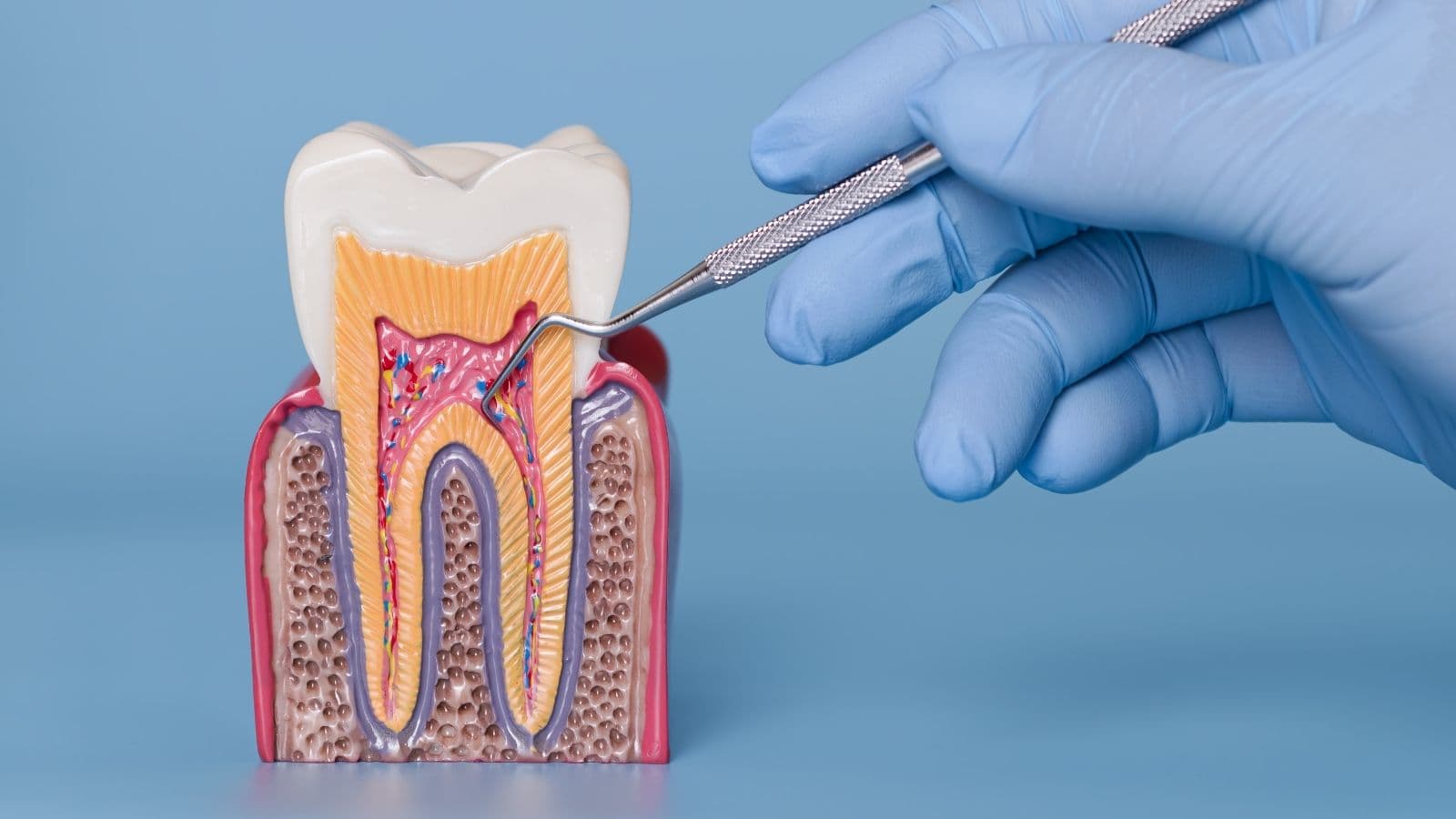
Wisdom teeth are the third molars, the last teeth to erupt in the mouth; they usually begin to come in between the ages of 17 and 25. When there is not enough space in the jawbone, these teeth may remain partially or completely impacted. This can make extraction necessary because they may press on neighboring teeth, set the stage for infection, or increase the risk of decay.
Not every wisdom tooth has to be extracted; teeth that erupt in a proper position, make correct contact with the opposing tooth, and are easy to clean may in some cases remain in the mouth. The dentist evaluates this decision together with the clinical examination and, when necessary, imaging methods. The patient's age and general dental health are also among the factors that play a role in this evaluation.
Impacted teeth can be classified in different ways according to their position; horizontal, vertical, or angled placement are some of them. This classification is an important factor that affects the complexity of the extraction and the approach the dentist will follow. Some wisdom teeth erupt only partially and remain partly covered by gum tissue; this can increase food buildup and the risk of irritation in the area.
When Is Wisdom Tooth Extraction Necessary?
The decision to extract is shaped not only by the presence of the tooth, but also by its position, its relationship with neighboring tissues, the patient's complaints, and overall oral health. Some wisdom teeth can stay in the mouth for years without causing any symptoms, while others can cause discomfort in a short time. The headings below summarize situations that dentists frequently encounter in the clinic.
Common Situations That Lead to Extraction
Wisdom teeth may require extraction for different reasons. Some of these situations show themselves with pain and swelling, while others are noticed during a routine checkup.
Teeth that remain partially or completely impacted
Positions that press on neighboring teeth and cause crowding
Frequently recurring gum infection (pericoronitis)
An angle that makes cleaning difficult and increases the risk of decay
Impacted teeth that set the stage for a jaw cyst or tissue changes
When one or several of these signs are seen together, the condition of the tooth should be evaluated in detail by a dentist. In cases noticed early, the extraction process is usually more comfortable, because the pressure on the tissue and the buildup of inflammation have not yet progressed.
The Importance of a Dental Examination
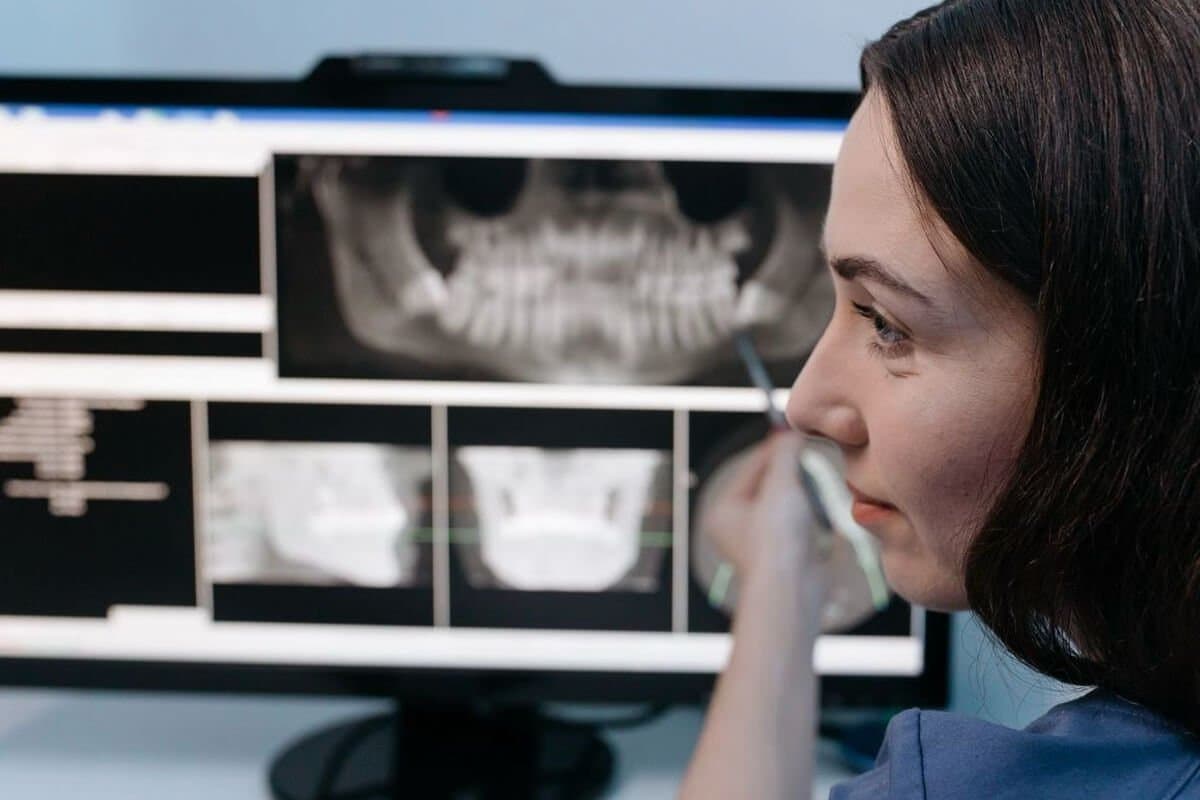
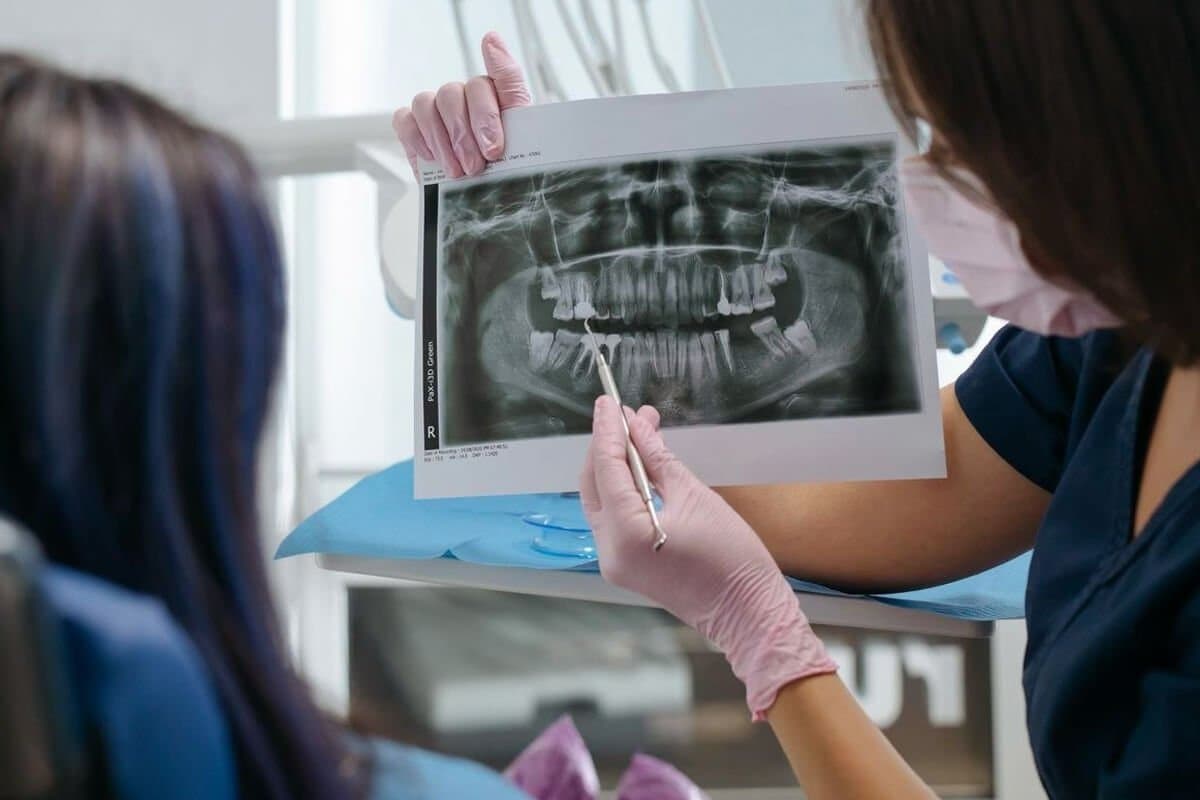
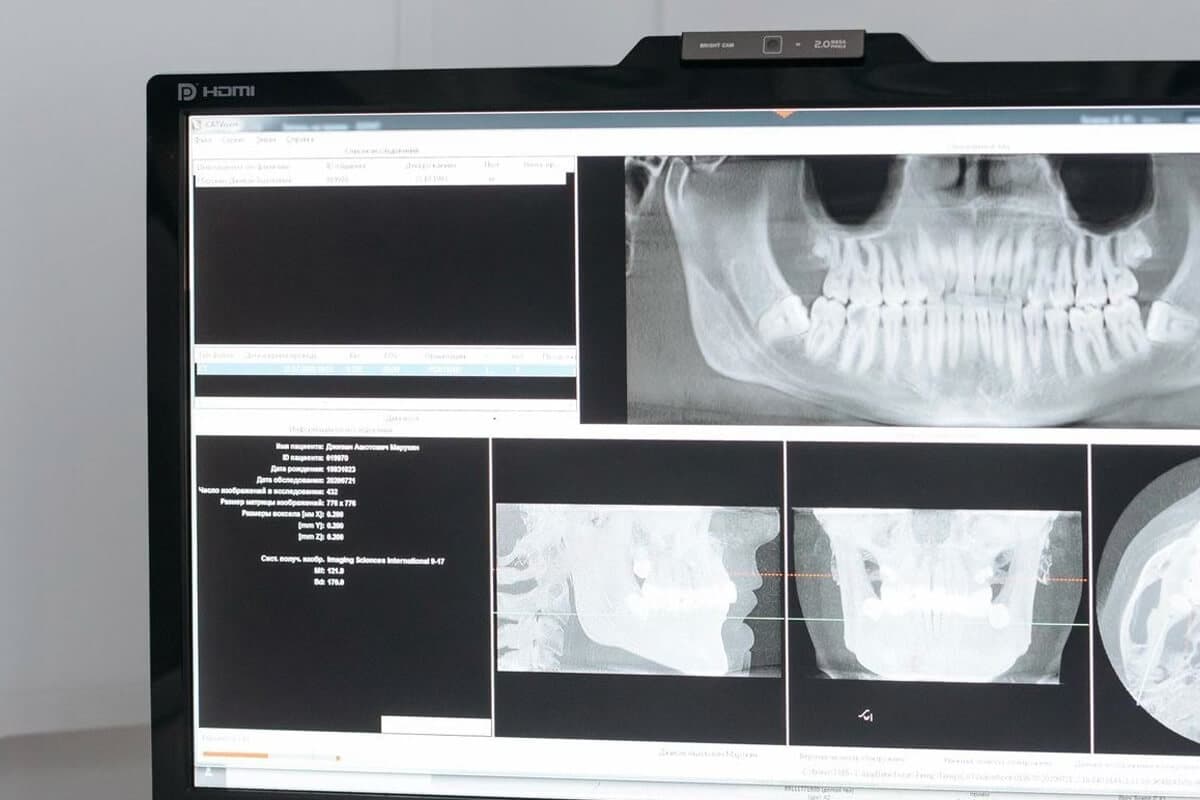
A visual examination alone may not be enough to determine the need for extraction; for this reason, imaging methods such as a panoramic X-ray are frequently preferred. Imaging reveals the root structure of the tooth and its proximity to nerves.
It is not right to make a general extraction recommendation without an individual evaluation. Because every patient's anatomy is different, the final decision becomes clear together with the dentist's examination.
In addition, the patient's general health, the medications they use, and their allergy history are also included in the evaluation. This holistic approach aims to minimize the risks that may be encountered during and after the extraction. If there is pregnancy, a chronic illness, or a condition that affects the immune system, this information must be shared during the examination.
Preparation Before Wisdom Tooth Extraction
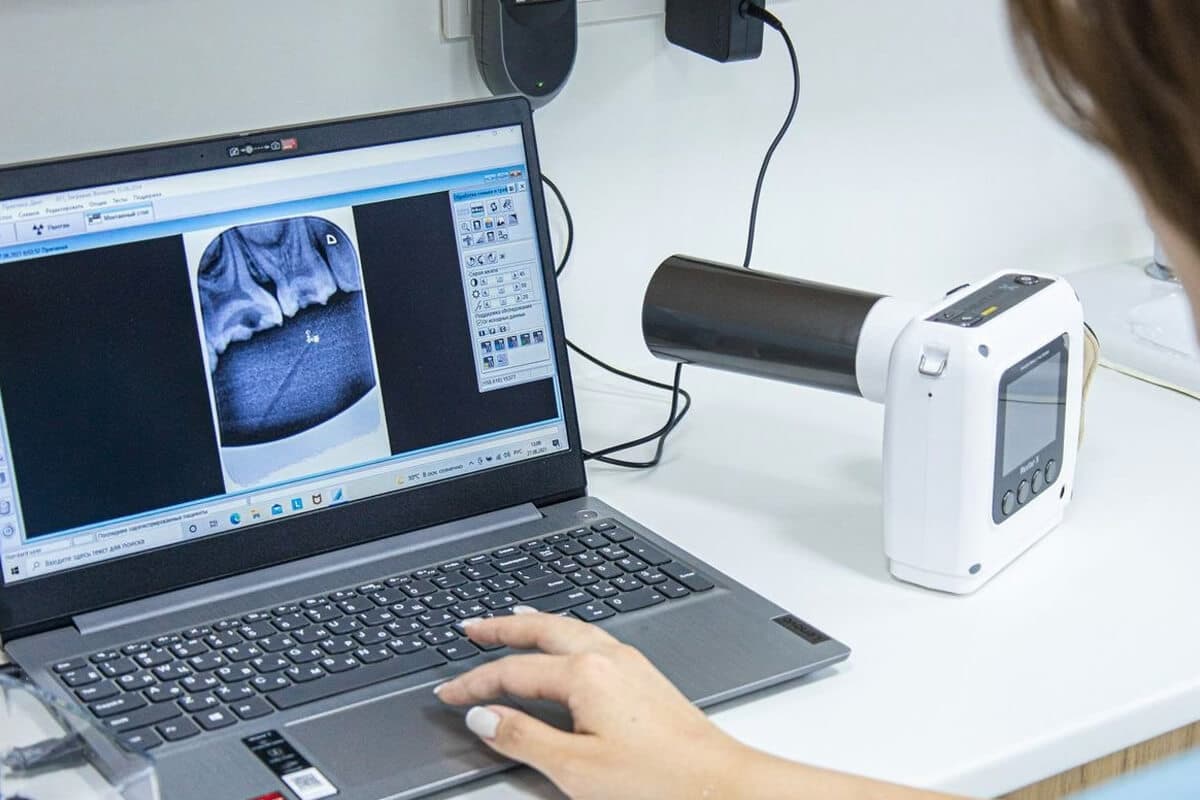
Before the extraction, the patient's general health, the medications they use, any chronic conditions, and past anesthesia experiences should be shared in detail with the dentist. This information is very important for anesthesia planning and aftercare.
The X-ray images are reviewed to evaluate the root structure and angle of the tooth and its proximity to the nerve. When considered necessary, additional imaging may be requested. This evaluation helps anticipate in advance the difficulties that may be encountered during the procedure.
Confirming with the dentist whether you need to come on an empty stomach before the procedure
Informing the dentist about the medications you use (including blood thinners)
Reducing smoking and alcohol use before the procedure
Coming to the appointment in comfortable, loose clothing
Planning transportation home after the procedure in advance
During the preparation stage, patients are encouraged to share any questions they have with the dentist; the duration of the procedure, the type of anesthesia, and the points to pay attention to afterwards can be clarified in this conversation. When anxious patients share this with the dentist in advance, the process usually goes more comfortably.
How Does the Wisdom Tooth Extraction Process Work?

The wisdom tooth extraction process is not made up of a single step; it begins with making an appointment, continues with the examination and planning, and is completed with the extraction day and the aftercare recommendations. Each stage has its own purpose.
Appointment Process
Appointments are usually made by phone or through online channels. In the first conversation, the patient's complaint and, if any, pain history are briefly noted.
In urgent situations (such as severe pain or swelling), most clinics try to offer an evaluation on the same day. Here too, rather than promising an exact time, it is best to consult the clinic directly.
When making the appointment, the patient may be asked for brief information about their medical history and the medications they use, if any. This preliminary information helps the day of the examination go more efficiently.
Examination and Preliminary Evaluation
During the examination, in addition to a visual check inside the mouth, the dentist clarifies the position of the tooth with an X-ray if needed. At this stage, the patient is given information about the process.
As a result of the evaluation, the need for extraction, the type of anesthesia to be used, and the possible risks are shared with the patient. Questions are answered at this stage, and the patient gives informed consent.
When considered necessary, additional tests may be requested; in this case, the extraction is planned after the test results have been evaluated. The goal is to determine the safest approach specific to each patient. At this stage, the procedure does not proceed without the patient's consent.
Extraction Day and Aftercare
On the day of the extraction, the procedure is carried out after local anesthesia is applied to the area. The duration of the procedure may vary depending on the position of the tooth.
After the procedure, the dentist informs the patient about bleeding control and the points to pay attention to in the first hours. Written care instructions are usually shared with the patient.
There should be a communication channel through which the patient can reach the dentist after leaving the clinic; being able to consult without delay in an unusual situation is important for safe monitoring of the healing process. In some clinics, a short follow-up call is made within the first 24 hours to check on the patient's condition.
How Is Wisdom Tooth Extraction Performed?
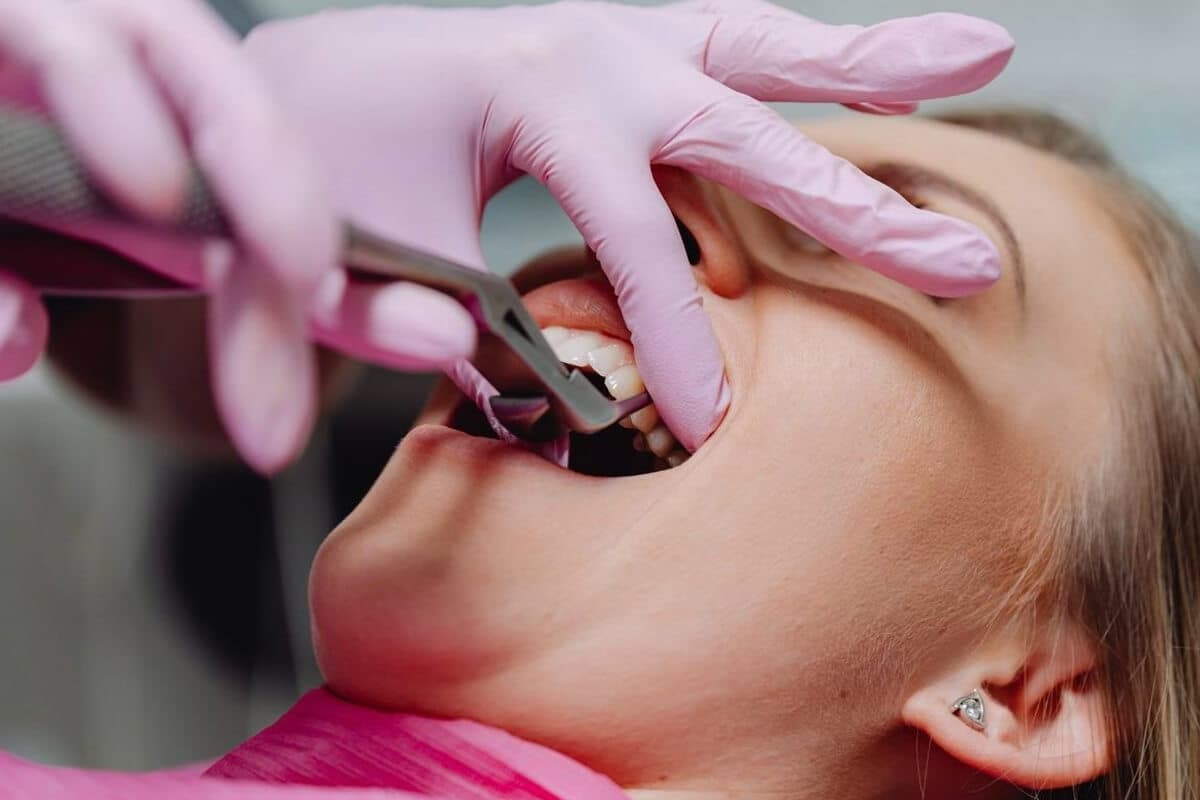
Before the extraction, local anesthesia is applied to the area to numb it. Depending on the position of the tooth, either a simple extraction or a surgical approach may be preferred.
For impacted teeth, it may be necessary to make a small opening in the gum; in some cases, the tooth may be divided into pieces before being removed. This approach aims to limit the impact on the surrounding tissue.
After the procedure is completed, the area is cleaned and, if needed, stitches are placed. The dentist gives brief information about the healing process.
The type of anesthesia used and the approach followed are determined by the dentist according to the patient's general health and the position of the tooth. For this reason, even if the process looks similar in two different patients, there may be differences in the details.
The patient's comfort is also taken into consideration throughout the procedure; for patients who feel tense, the dentist can proceed by explaining the process step by step. This approach contributes to completing the procedure more comfortably. If any discomfort is felt during the procedure, sharing it with the dentist allows additional measures to be taken if necessary.
Healing Process After Wisdom Tooth Extraction

Healing time varies from person to person; the position of the tooth and the type of extraction are the main factors that affect this period. The first 24-48 hours usually pass with mild swelling and tenderness.
Following the care recommendations given by the dentist during this period supports healing. Pain reliever use should also be limited to the dose and duration recommended by the dentist. Focusing on rest and avoiding heavy physical activity on the first day also positively affect the healing process.
Swelling usually begins to decrease from the second day; a cold compress applied to the area from time to time can be soothing during this process. The dentist's recommendations should be followed regarding the duration and frequency of the compress.
Applying light pressure to the area with clean gauze in the first hours
Eating soft foods that are lukewarm rather than hot
Avoiding drinking through a straw (risk of dislodging the clot)
Staying away from smoking during the healing period
Maintaining oral hygiene as recommended by the dentist
Period | Expected Condition |
|---|---|
Day 1 | Mild swelling and tenderness, rest is recommended |
Days 2-3 | Swelling begins to decrease, soft diet continues |
Days 4-7 | Gradual return to daily activities |
After day 7 | Healing is evaluated at the follow-up appointment |
Because the course of the process may differ from person to person, you should see your dentist without delay in the case of unusual pain, bleeding, or swelling. Not missing the follow-up appointment is recommended to make sure healing is progressing correctly. It is also advised to return to your tooth-brushing habit gradually, without irritating the area.
Wisdom Tooth Extraction Prices in Samsun 2026
The main factors that affect the cost of wisdom tooth extraction include whether the tooth is impacted, the type of extraction (simple or surgical), the type of anesthesia used, and the number of images needed. As case complexity increases, the duration of the procedure and therefore the cost may also change. The number of teeth to be extracted and any need for additional tests are other factors that affect the total cost.
Choosing a reliable dental clinic in Samsun is important for both procedural safety and transparent information. To get clear and personalized price information, it is recommended to speak with the dentist after the examination.
In some patients, more than one wisdom tooth may be addressed in the same session; in this case, planning is shaped according to the dentist's clinical examination and the patient's general health. The healthiest way to get exact, personalized information is to contact the clinic directly.
During the examination, the dentist also shares with the patient any possible additional needs depending on the scope of the extraction (such as imaging or a follow-up appointment). This way, the patient has an idea of the whole process in advance.
Conclusion
Wisdom tooth extraction in Samsun is a dental procedure that, with the right timing, a detailed examination, and a specialist evaluation, can be completed comfortably for most patients. Following the dentist's recommendations at every stage of the process contributes to both the procedure and the healing going smoothly. The preparation, extraction, and healing stages should each be treated as part of a whole.
If you have a complaint or want to learn the current condition of your wisdom tooth, it is recommended that you consult your dentist for an individual evaluation before reaching a firm conclusion. A detailed examination and, if needed, imaging are the most reliable way to determine the approach best suited to you. An early appointment makes both the process and the possible waiting time more predictable. With the right information and regular follow-up, the healing process also goes largely comfortably.