Spec. Dt. Gökcan ErtaşOrthodontist
 Dt. Sena KırcaDentist
 Dt. Sevinç Cansu KayıranDentist
 Assoc. Prof. Dr. Sezin ÖzerPediatric Dentist
 Spec. Dt. Sude Yıldırım BolatSpecialist in Periodontology
This procedure is often preferred by people who are bothered by discoloration, shape irregularities, loss of tooth structure, or misalignment in the tooth arrangement. It is planned through the dentist’s evaluation both to meet aesthetic expectations in the front area and to support chewing function in the back teeth. In this way, both appearance and function are taken into account at the same time.
A properly planned restorative treatment helps preserve the tooth’s own structure while aiming for a long-lasting result. As a center that carefully plans this kind of prosthetic procedure in Samsun, Dental Prime aims to create a personalized roadmap by evaluating each patient’s oral structure and expectations individually.
What Is a Zirconia Dental Crown?
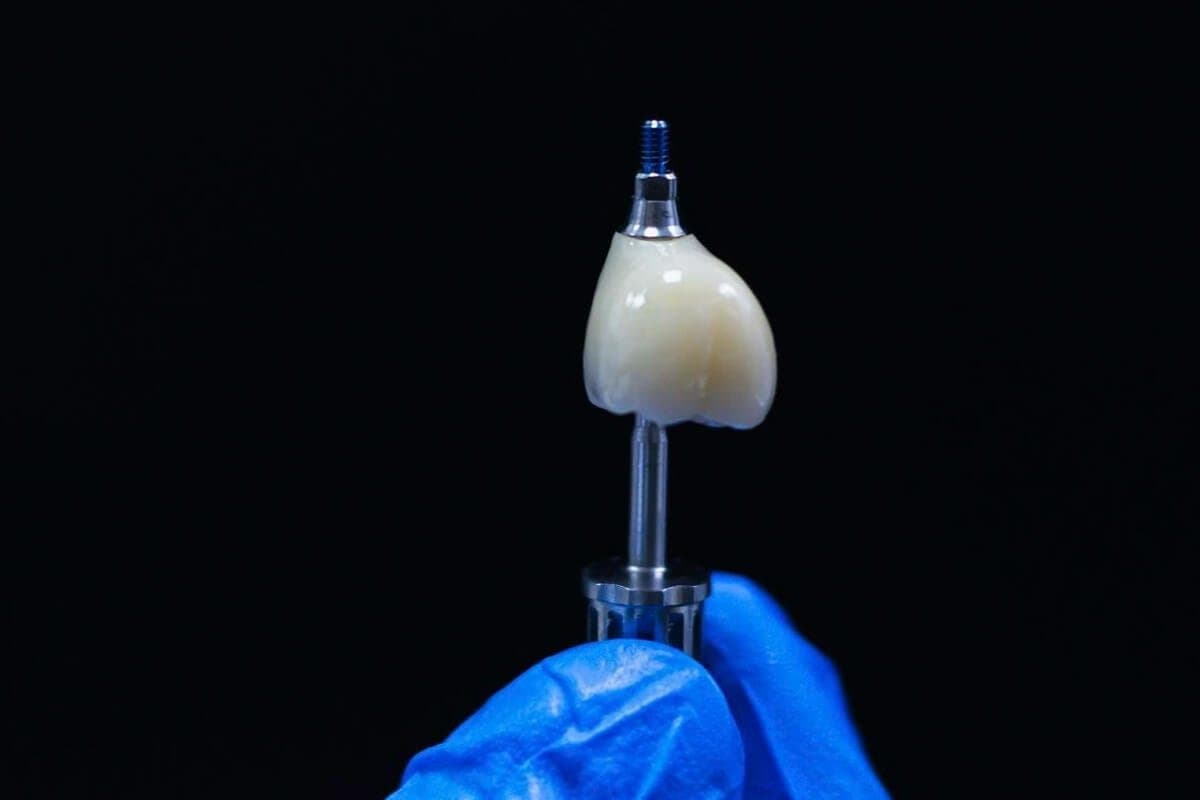
A zirconia dental crown is a restoration that surrounds the visible surface of the tooth and is made from a white, semi-translucent ceramic framework called zirconium oxide (zirconia). This framework is layered with porcelain matched to the natural tooth color. The aim is to achieve a surface that is both strong and aesthetic.
In traditional crowns, the framework is made of metal, and because this metal does not let light through, the tooth can sometimes look dull or artificial. Zirconia, on the other hand, refracts light like natural enamel and offers a look with depth. This feature creates a clear aesthetic difference, especially on the front teeth, which are the most noticeable when smiling.
Zirconium oxide is a biocompatible material that has been used in medicine and dentistry for many years. It is highly compatible with oral tissues and is generally well tolerated. Because it contains no metal, the likelihood of a dark line or discoloration at the gum is also low. This provides a cleaner look around the gum.
This restoration can be applied to a single tooth, and it can also be used in bridgework covering multiple teeth and in broad smile designs. Which method is suitable is determined by the dentist, taking into account the condition of the tooth, the neighboring teeth, and the patient’s aesthetic expectations. Each case is planned according to its own conditions.
Zirconia sits in a different place from other aesthetic options such as veneers or composite procedures. While veneers are preferred more for surface-level aesthetic corrections, a zirconia crown comes to the fore when both aesthetic and structural support are needed together. For this reason, the choice of material is made not only according to appearance but also according to the functional load the tooth carries.
If there are multiple missing or damaged teeth in the mouth, a holistic smile design can be planned with zirconia. In this approach, the teeth are handled not one by one but as a harmonious whole. The balance of color, shape, and size is adjusted according to the smile line. In this way, the result aims for an overall look harmonious with the facial features, beyond correcting a single tooth.
In Which Cases Are Zirconia Crowns Applied?
A zirconia crown is a versatile procedure preferred both for resolving aesthetic concerns and for supporting teeth whose function has been impaired. The decision to proceed is made with an intraoral examination and, when needed, an X-ray evaluation. The headings below summarize the situations in which this restoration most often comes to the fore.
Aesthetic Problems
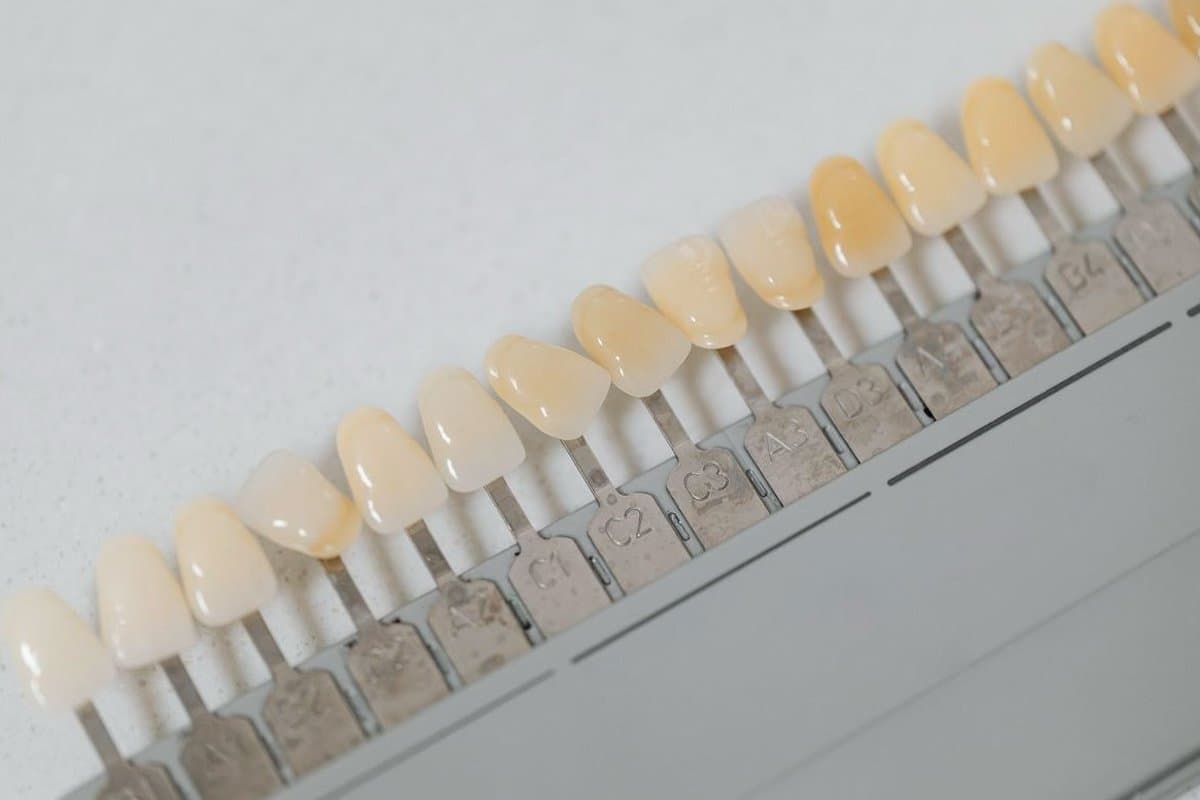
Permanent discolorations that do not respond to whitening procedures are among the most common aesthetic reasons a zirconia crown is chosen. In dark staining linked to certain antibiotics or structural factors, the surface of the tooth is covered with this restoration, aiming for a brighter and more balanced look. The color match is adjusted to the neighboring teeth.
Excessive gaps between teeth, mild crowding, or length mismatches can also be corrected with this method. In situations where orthodontic treatment is not suitable or where the patient wants a result in a short time, a crown can be an aesthetic alternative. The aim is also to give a more even form to broken, worn, or edge-worn teeth.
We can list the main situations in which a zirconia crown stands out for aesthetic purposes as follows:
Permanent tooth discolorations that do not respond to whitening
Wide and bothersome gaps between teeth
Mild crowding or misalignment in the tooth arrangement
Broken, worn, or edge-worn teeth
Renewal of old, stained, or ill-fitting-looking fillings and crowns
Disproportions in tooth length and symmetry
In making these corrections, the aim is not only to replace a single tooth but to preserve the overall balance of the smile. The gum line, the lip line, and the symmetry of the face are evaluated together. In this way, the crown becomes part of a natural whole without creating an artificial emphasis in the mouth. This holistic view helps make the aesthetic result lastingly satisfying.
Dental Health Problems
Teeth that have lost a large amount of structure, have been weakened by large fillings, or are at risk of cracking can be supported by being surrounded with a crown. This aims to protect the tooth against fracture and to maintain chewing function. The restoration wraps the weakened tooth structure like a whole and distributes the load more evenly.
Teeth that have had root canal treatment can become brittle over time; in these teeth, a zirconia crown is considered a protective solution. This material is also frequently preferred in bridgework replacing missing teeth and in implant-supported prostheses. In every case, suitability is determined by the dentist’s clinical evaluation and planned individually.
Wear is not only an aesthetic problem but can also be a functional warning sign. Teeth becoming noticeably shorter or their surfaces flattening can affect the bite relationship and chewing balance. In such cases, a zirconia crown aims to support both appearance and function by restoring the appropriate length and form to the teeth. The evaluation is again made by the dentist.
How Is the Zirconia Crown Procedure Done in Samsun?
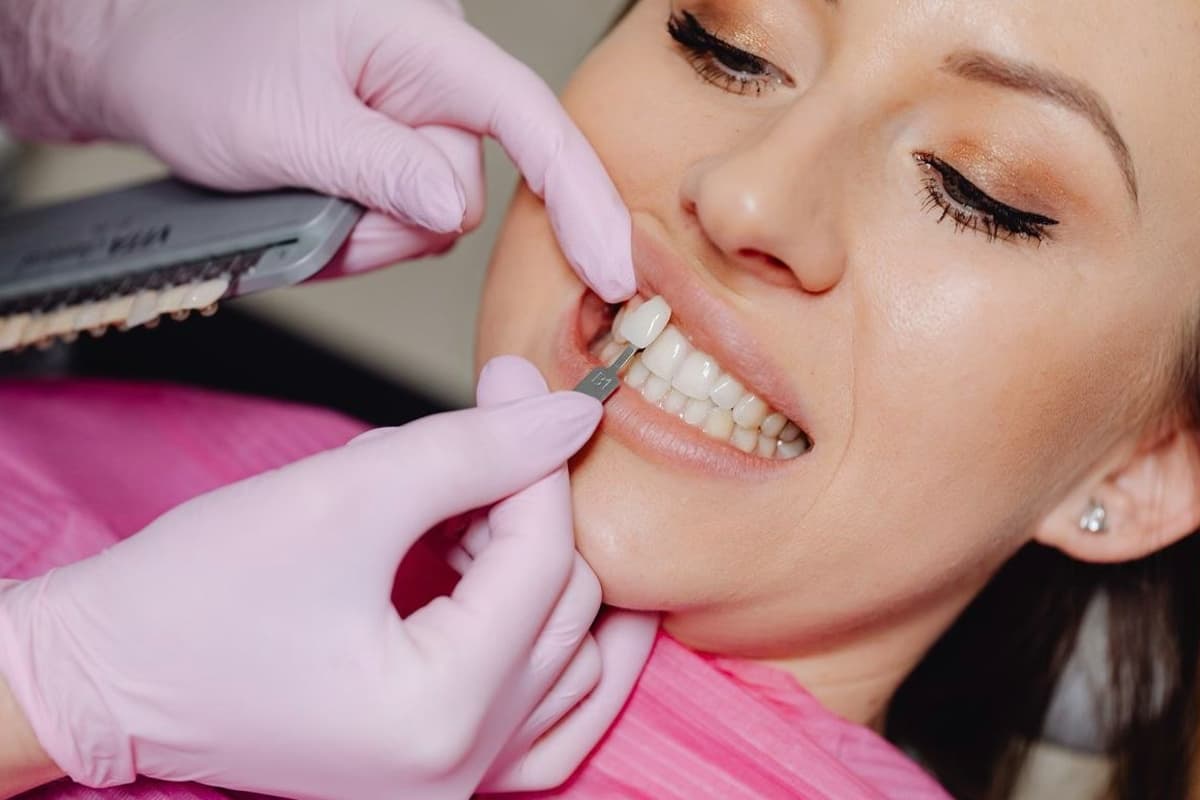
The zirconia crown procedure is a planned process that is generally spread over several visits. The aim is both to protect the health of the tooth and to reach an aesthetically natural result. The steps below show how a typical procedure unfolds. The process may be longer or shorter depending on the complexity of the case.
1. Initial Examination and Planning
In the first stage, the dentist examines the mouth in detail and, when needed, takes X-ray images. The general condition of the teeth, gums, and jaw structure is evaluated. If there is decay, infection, or a gum problem, it is planned to resolve these before the crown. This step is decisive for the durability of the result.
During planning, the patient’s aesthetic expectations are also discussed. A detailed conversation is held about tooth color, form, and smile line. If deemed necessary, digital scans or photo records are taken to refine the design. In this way, the patient and the dentist reach a shared view of the targeted result and the process moves forward transparently.
2. Preparing the Tooth
The tooth to be crowned is reduced in a measured way so the crown can be seated. This allows the crown to sit on the tooth with a natural thickness and supports all-around aesthetic harmony. In modern techniques, the aim is to remove as little as possible from the tooth structure. In this way, the effort is to preserve the sound structure of the tooth.
Because this stage is done under local anesthesia, it is generally a comfortable experience. After the preparation is complete, the impression of the tooth is taken with the classic method or with an intraoral digital scanner. This data is passed on to the technical team so the crown can be produced precisely in the laboratory, and the production process begins.
3. Placing the Temporary Crown
While the permanent zirconia crown is being prepared in the laboratory, the reduced tooth should not be left unprotected. For this reason, a temporary crown is placed over the tooth. The temporary crown protects the tooth from external factors, reduces sensitivity, and helps the patient speak and eat comfortably during this time. It also offers an aesthetic look.
During the temporary period, it is recommended to avoid very hard or sticky foods, because these crowns are more delicate than permanent ones. This stage allows both for protecting the health of the tooth and for the patient to get a preview of the targeted form and color. If deemed necessary, small corrections to the design are considered at this stage.
4. Preparing the Zirconia Crown
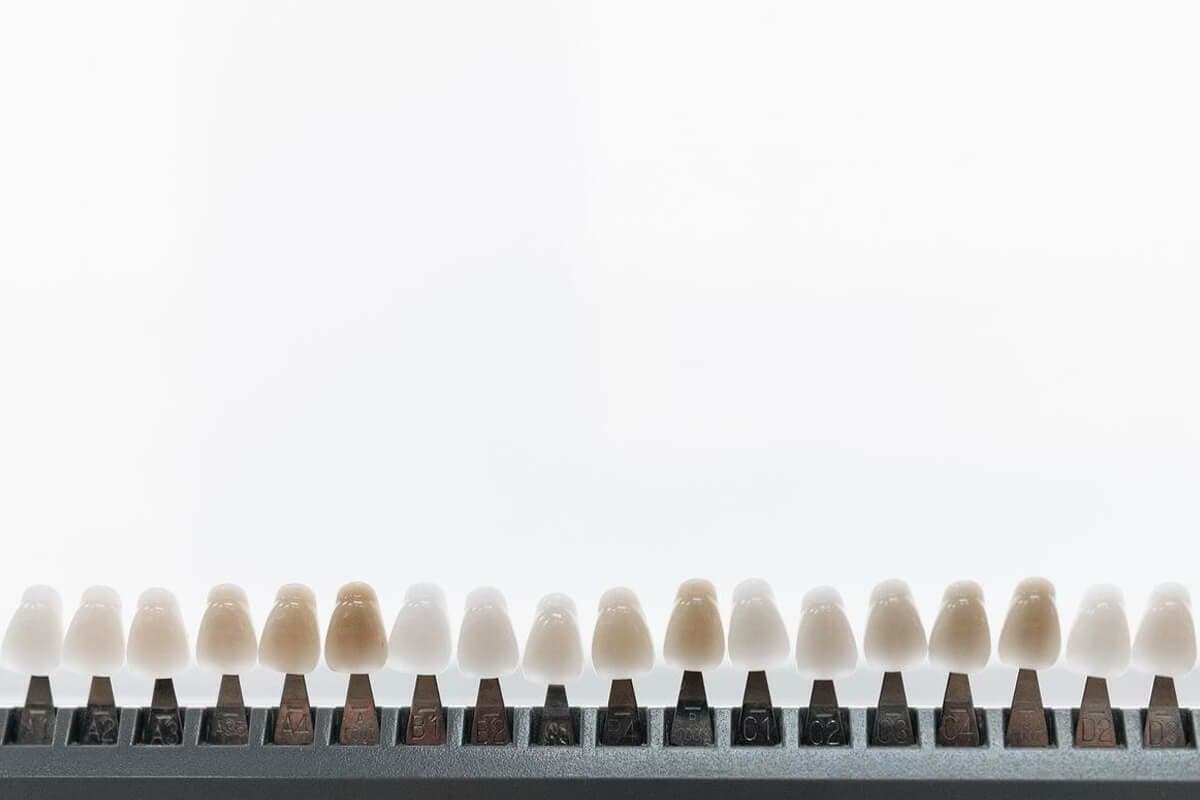
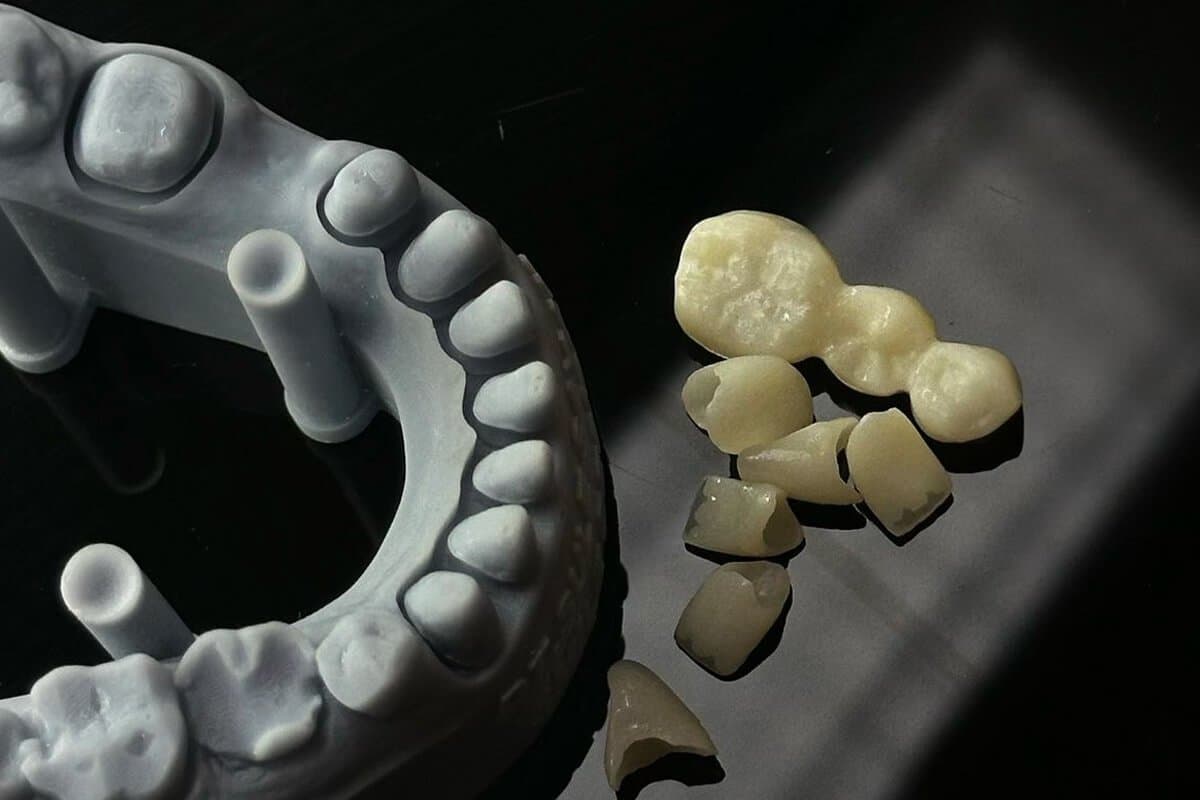
The impressions taken are transferred to computer-aided systems, and the zirconia block is milled according to the calculated form. After a strong framework is obtained, layers of porcelain matched to the natural tooth color are added on top. At this stage, the color transitions and translucency are meticulously adjusted to harmonize with the neighboring teeth. The aim is an unobtrusive, natural result.
This production process requires cooperation between an experienced technical team and the dentist. The shape, surface texture, and shine of the tooth are shaped according to the patient’s facial features and smile style. In quality work, these details aim to make the crown difficult to tell apart from a real tooth. This forms the foundation of aesthetic success.
5. Placing the Permanent Crown
The prepared zirconia crown is tried on the tooth before being permanently bonded. The dentist carefully checks how the crown sits, the color match, the relationship of the edges with the gum, and the bite. Fine corrections deemed necessary are made at this stage. The patient also evaluates the look in front of a mirror and gives feedback.
When everything is found suitable, the crown is secured to the tooth with special adhesives. Finally, the bite is checked once more and any excess is cleaned. After this step, the patient is given information about care and the adjustment period. In this way, the groundwork is laid for a use that is both comfortable and long-lasting.
Getting used to the new crown usually takes a short time; however, in the first days, a mild feeling of fullness or temporary sensitivity to temperature may be seen. This mostly decreases on its own. If a persistent discomfort related to the bite is felt, you should see your dentist for a small adjustment. Early feedback is important for comfortable use and should not be overlooked.
Advantages of Zirconia Crowns
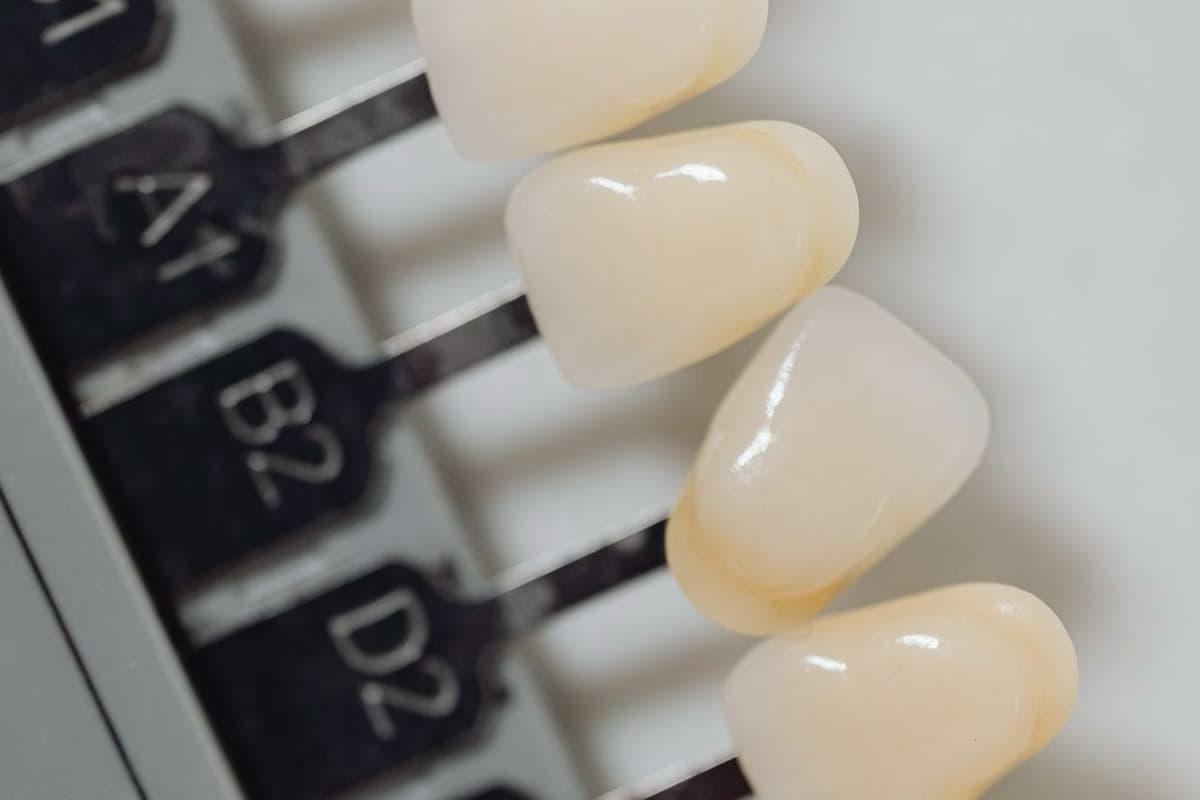
The most noticeable advantage of a zirconia crown is its aesthetic appearance, which is very close to a natural tooth. Thanks to its semi-translucent structure that lets light through, it does not create a dull look, and the tooth takes on a lifelike appearance. Containing no metal reduces the risk of dark discoloration at the gum margin and offers a cleaner line in the smile.
The material is highly compatible with oral tissues and is generally well tolerated. Zirconia has an insulating structure that helps reduce sensitivity to hot and cold foods. Its surface is resistant to staining; for this reason, it is aimed to keep its color for a long time despite drinks such as tea and coffee. This provides aesthetic stability in the long term.
Another important strength is the precision zirconia offers at the impression and production stages. Being able to be processed with computer-aided design and manufacturing technologies contributes to the crown fitting the tooth very well. A well-fitting margin helps reduce plaque buildup and protect gum health. In the long term, this offers an advantage in both comfort and hygiene.
Durability is another strong point of this restoration. Thanks to its high compressive strength, it offers a solid structure against chewing forces and, when used correctly, is aimed to keep its function for many years. The table below compares zirconia with a porcelain-fused-to-metal crown on key points. This lets the two options be seen more clearly.
Feature | Zirconia Crown | Porcelain-Fused-to-Metal |
|---|---|---|
Aesthetics | Very close to a natural tooth, lifelike look | A duller look in some cases |
Light Transmission | High; lets light through like natural enamel | Low; the metal framework does not let light through |
Gum Compatibility | High; low risk of margin discoloration | Darkness may appear at the gum margin over time |
Durability | High compressive strength, aimed at long life | Durable but limited in aesthetics |
As can be seen from the table, zirconia stands out especially in terms of aesthetics and gum compatibility. Even so, which material is most suitable for each patient is determined by the dentist’s evaluation, taking into account the position of the tooth, the chewing load, and expectations. The right choice is only possible with individualized planning.
Another practical advantage of zirconia is its low heat conduction. While heat and cold can be felt more quickly with crowns that have a metal framework, zirconia’s insulating structure softens this transition. In this way, in daily life, consuming tea, coffee, or cold drinks becomes more comfortable for most patients. Reduced sensitivity can also make it easier to get used to the crown.
Situations in Which Zirconia Crowns Are Not Applied
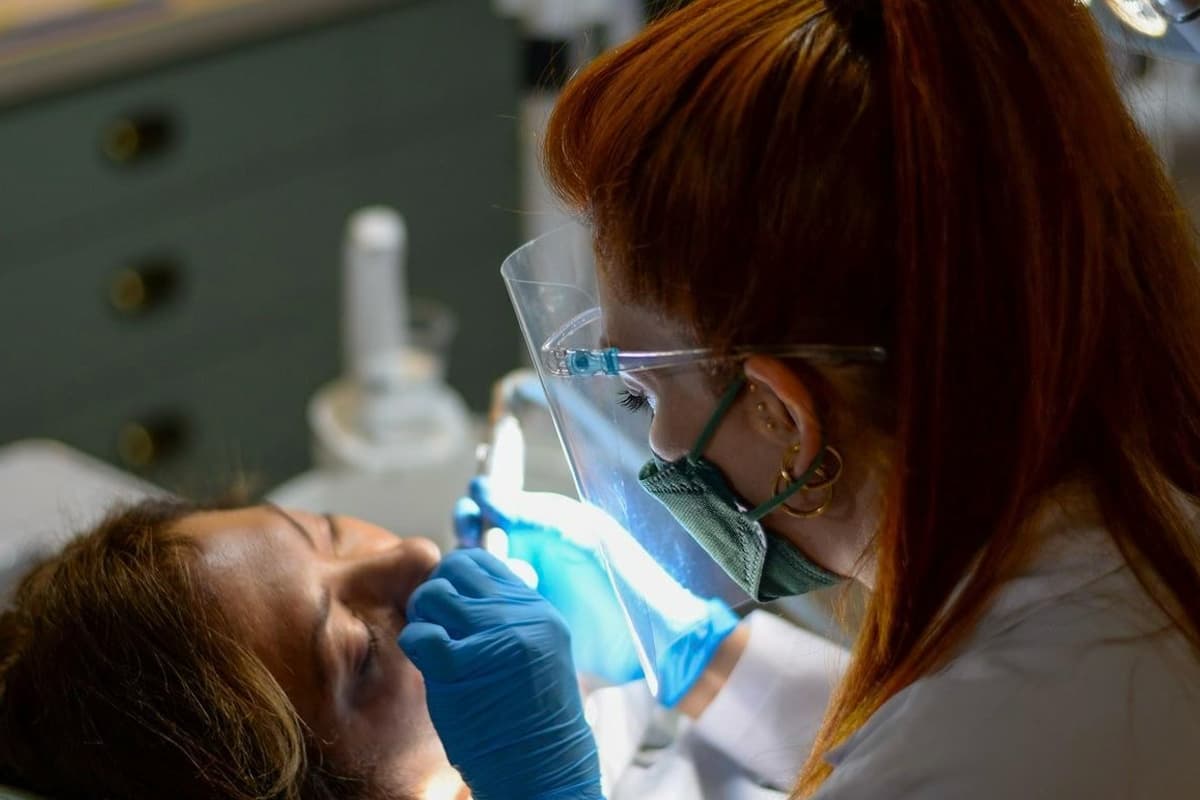
Although a zirconia crown is a versatile procedure, it may not be suitable for every mouth and every tooth. In some cases, different treatments may be needed first or alternative solutions are considered. The headings below summarize typical situations in which the procedure should be postponed or re-planned. The final decision always belongs to the dentist.
Bone Loss
In teeth with marked bone loss due to advanced gum disease, a crown may not be the first-line solution. For a crown to be long-lasting, the tooth underneath and the tissues surrounding it need to rest on a solid foundation. It can be harder for a restoration built on a weak base to deliver the expected result, and the life of the treatment may be shortened.
In such cases, treatments aimed at improving the health of the gums and surrounding tissues are planned first. Once tissue health has been brought to a sufficient level, whether a crown is suitable is re-evaluated. Skipping these steps can jeopardize the desired result both aesthetically and functionally. For this reason, the sequence is strictly maintained.
Teeth in Childhood
In individuals of growth and development age, the jaw and tooth structure has not yet matured. Because the gums and supporting tissues continue to develop during this period, a permanent crown is generally not recommended. A restoration done early may become a misfit at a later age and may need to be renewed. This can lead to unnecessary tissue loss.
In this age group, preventive dentistry approaches and, when needed, temporary solutions are preferred first. If there are aesthetic or functional concerns, the patient is monitored by the dentist until development is complete. For a permanent zirconia crown, it is generally expected that tooth and jaw development has largely been completed. Timing is important for the durability of the result.
Parafunctional Habits
Parafunctional habits such as teeth clenching and grinding place extra load on teeth and crowns. Restorations made before these habits are brought under control may wear out faster than expected or be damaged. For this reason, when such a situation is detected, the cause first needs to be evaluated and the necessary precautions taken.
In patients with these kinds of habits, a protective night guard is often recommended. In this way, the aim is to distribute the excessive force on the crown and reduce possible damage. Managing the habit helps extend the life of both the natural teeth and the restoration made. This step should not be ignored.
Lifespan and Care of Zirconia Crowns
The lifespan of a zirconia crown depends on many factors, such as material quality, the quality of the procedure, and the patient’s oral care. Crowns that are well planned and properly cared for are aimed to keep their function for many years. One of the most important determinants of lifespan is keeping up daily oral hygiene habits regularly. Care directly affects the durability of the result.
The crown itself does not decay; however, the health of the natural tooth underneath and of the gums must be protected. If plaque builds up at the margin where the crown meets the gum, gum problems or margin decay can develop over time. For this reason, not neglecting cleaning is decisive for the long life of the restoration. Regular care plays a protective role.
For effective care, brushing twice a day with the proper technique and using floss are recommended. Interdental brushes can help clean the area between the gum and the crown. Being careful with foods that require very hard biting contributes to protecting the crown. These small habits can make a big difference in the long term.
The main points that can be paid attention to in daily life to support the life of the crown are as follows:
Regular brushing twice a day with a soft-bristled brush
Not neglecting cleaning between the teeth with floss and interdental brushes
Being cautious with very hard, crusty, or extremely sticky foods
Using the recommended night guard if there is clenching or grinding
Avoiding biting ice, pens, or hard objects with the teeth
A dental check-up every six months and professional cleaning when needed
Following these recommendations contributes to protecting the health not only of the crown but of all the teeth in the mouth. It should not be forgotten that a crown is not a replacement for the natural tooth but a solution that supports it. Therefore, keeping the tissue underneath healthy is the basic condition for a long-lasting result. Making care sustainable is decisive for lasting satisfaction.
The choice of products used in oral care is also a small but overlooked detail. Toothpastes with abrasive ingredients or very hard brushes can reduce the surface shine of the crown over time. For this reason, soft-bristled brushes and toothpastes with balanced ingredients should be preferred. Getting a recommendation from your dentist about which products are suitable helps you establish a proper care routine.
Regular dental check-ups are valuable for noticing possible problems early. In examinations done every six months, both the crowns and the natural teeth are evaluated; if deemed necessary, professional cleaning is performed. A dental clinic in Samsun offering quality service aims to plan this follow-up process in an orderly and understandable way for the patient. This reinforces trust.
Zirconia Tooth Prices in Samsun 2026
It would not be accurate to give a single, fixed amount for zirconia crown prices, because every mouth and every case differs from one another. In 2026, the factors that determine the price are the complexity of the case, the number of teeth to be crowned, and any additional procedures needed before treatment. For this reason, clear information can only be shared personally after an examination.
The quality of the material used is also an important factor affecting cost. Different types of zirconia and the quality of the porcelain differ in terms of both aesthetics and durability. In addition, whether the tooth is in the front or back area, the level of aesthetic expectation, and the detail of the design are also among the factors that directly affect the planning and therefore the price.
If additional procedures such as root canal treatment, gum treatment, or decay removal are needed before the crown, these also affect the overall process. The dentist’s experience, the technology used, and the laboratory quality are also among the factors that determine the quality of the result. Therefore, rather than focusing on the lowest figure, it is a healthier approach to evaluate the service offered as a whole.
The way to reach the most accurate and up-to-date information is through a detailed examination by a dentist. In this evaluation, your oral structure is examined, your needs are determined, and a treatment plan specific to you is created. Then, transparent information suited to this plan is provided. We recommend booking an examination appointment before making a final decision.
Conclusion
Zirconia crowns in Samsun are a prosthetic solution that considers aesthetics and function together, with a natural look and durability. When properly planned, they aim for both a look in harmony with the smile and long-lasting use. However, every case is unique, and applicability is always determined by the dentist’s evaluation.
If discoloration, fractures, loss of tooth structure, or misalignment in the tooth arrangement bother you, the first step to take is a comprehensive examination. With this evaluation, it becomes clear which solution suits you, which preparations are needed, and what kind of process awaits you. In this way, your expectations and the treatment plan meet on common ground.
Early evaluation always offers an advantage for a healthy and aesthetic smile. Keeping up your oral care regularly, not skipping dental check-ups, and following recommendations contribute to the life of both your natural teeth and the restorations made. We recommend getting support from a specialist dentist to create the roadmap that suits you best together.