Spec. Dt. Gökcan ErtaşOrthodontist
 Dt. Sena KırcaDentist
 Dt. Sevinç Cansu KayıranDentist
 Assoc. Prof. Dr. Sezin ÖzerPediatric Dentist
 Spec. Dt. Sude Yıldırım BolatSpecialist in Periodontology

Teeth grinding treatment in Samsun (bruxism) covers procedures aimed at bringing under control the situation in which the teeth rub against each other or make strong contact because the jaw is involuntarily clenched during sleep at night or during the day. Most people are not even aware of this habit; the first warnings usually appear as tooth wear, morning jaw fatigue or recurring headaches.
When left untreated, bruxism can lead to problems such as enamel wear, fractures of fillings and crowns, gum recession, pain in the jaw joint and head and neck tension. When noticed early, this condition can usually be slowed with the right approach and the teeth can be protected. The aim is not to end the condition at once, but to reduce the pressure and balance the load on the teeth.
Today, the leading solutions for jaw clenching and teeth grinding are the night guard (occlusal splint), occlusal adjustment with restorative repair when needed, and behavioral/stress management approaches. Which method is suitable varies according to the severity and cause of the complaints. At Dental Prime, every patient is first evaluated with a detailed examination, and then a personalized plan is created under a dentist's supervision.
What Is Teeth Grinding?
Teeth grinding is a condition called bruxism in medicine, which involves the teeth being involuntarily clenched or rubbed against each other. It has two basic forms: sleep bruxism and awake bruxism. During sleep the person does not notice it; in the daytime form, the jaw tenses without awareness during moments of stress, intense concentration or tension.
Jaw clenching causes the teeth to come into contact continuously and with more force than normal. While the chewing muscles normally come into play only during meals, in bruxism they stay contracted for a long time. This load strains both the hard tissue of the teeth and the jaw joint. Over time, wear, cracks and sensitivity can develop on the enamel surface.
This condition can be seen at any age; it is found in both children and adults. In some people it remains limited to a temporary period, while in others it turns into a habit that continues for a long time. Since the symptoms are not always obvious, diagnosis is usually made by combining the wear marks the dentist notices during the examination with the complaints the patient describes.
Bruxism does not have a single cause. Stress and anxiety are the most prominent factors; however, sleep disorders, bite (occlusion) discrepancies, some medications and habits such as caffeine and tobacco can also affect the picture. For this reason, the evaluation is made by looking not only at the teeth but also at the person's general lifestyle.
Why Is Teeth Grinding Treatment Needed?

Teeth grinding is not merely an annoying habit; it is a process that can lead to permanent damage when left untreated. The constant force applied by the jaw muscles wears down the natural structure of the teeth, and this wear is often irreversible. That is why early intervention is important both for protecting the teeth and for preventing the need for more extensive procedures later.
The most common consequence is tooth wear. As the enamel layer thins, the teeth become shorter, their edges flatten and they become sensitive to hot and cold. In advanced cases, cracks in the teeth and fractures in existing fillings and crowns may be seen. Gum recession and loose teeth are also among the possible consequences of long-term jaw clenching.
The complaints are not limited to the teeth. Pain in the jaw joint, sounds when opening and closing the mouth, and fatigue and tension in the jaw muscles in the morning are typical findings. In many people, recurring headaches, a feeling of pressure in the temple area, pain around the ear and neck-shoulder tension also accompany the picture. These symptoms can noticeably lower quality of life.
One reason treatment is needed is that the process progresses silently. Many patients do not realize for years that they clench their teeth; the problem is understood only when noticeable wear or pain appears. At this point, the aim is to bring the situation under control, help reduce the load on the teeth and repair the existing damage under a dentist's supervision.
Early evaluation also allows the underlying factor to be understood. A picture caused by stress and a picture due to a bite discrepancy require different approaches. Identifying the right cause increases the effectiveness of the chosen method and helps avoid unnecessary procedures.
Teeth Grinding Treatment Options
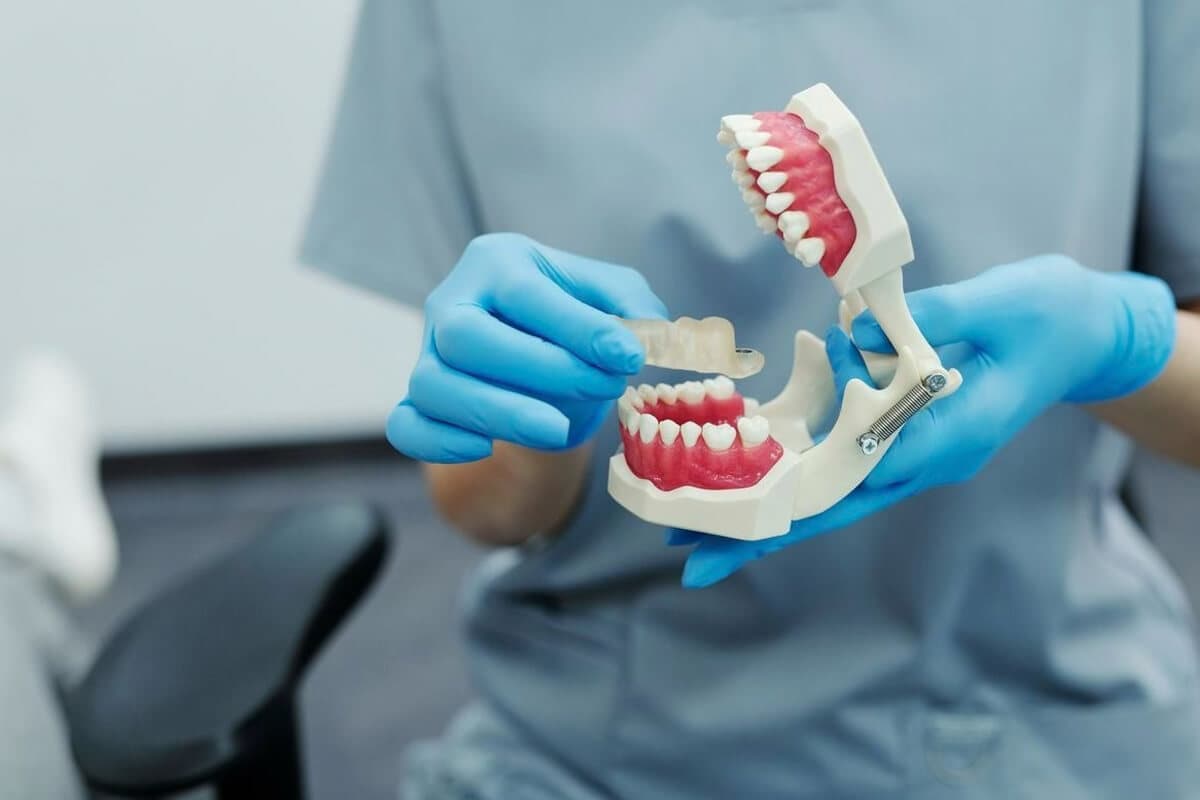
In approaching jaw clenching and teeth grinding, no single method suits every patient. Options are determined according to the severity and cause of the complaint and the degree of damage to the teeth. In most cases more than one method is used together: a procedure aimed at protecting the teeth, repair of the damage and management of the underlying factor are planned together.
The three leading basic approaches are the night guard (occlusal splint), occlusal adjustment with restorative repair, and behavioral/stress management. While the night guard physically protects the teeth, occlusal adjustment improves the harmony of the bite and restorative procedures repair existing damage. Behavioral approaches, on the other hand, target the source of the habit. The table below compares these methods.
Method | Purpose | Who It Is Suitable For | Expected Effect |
|---|---|---|---|
Night Guard (Occlusal Splint) | To protect the teeth from clenching force and distribute the contact load | People with sleep bruxism and at risk of tooth wear | Helps protect the teeth and reduce tension in the jaw muscles |
Occlusal Adjustment and Restorative Repair | To improve the harmony of the bite and repair worn or broken teeth | People with a bite problem or noticeable tooth damage | Provides a balanced bite and helps restore the function of worn tissues |
Behavioral and Stress Management | To reduce the factors that trigger the jaw-clenching habit | People in whom stress or a daytime clenching habit is dominant | Supports reducing the frequency and intensity of clenching and increases the effectiveness of other methods |
The methods shown in the table are not alternatives to one another but are often complementary. For example, while the night guard protects the teeth, stress management acts on the source of the habit; together this pair provides a more sustainable result. Which combination is suitable is determined by the dentist after the examination in Samsun.
Night Guard Application, Indications and Use
The night guard, known by its medical name as an occlusal splint, is the most commonly preferred method in managing teeth grinding and the one requiring the least intervention. The guard, which is prepared specifically for the person's dental structure and is usually a clear, hard acrylic appliance, is fitted over the upper or lower dental arch during sleep. Its job is to prevent direct contact between the lower and upper teeth and to spread the clenching force over a wide surface.
The guard acts as a buffer that protects the teeth against wear. When the jaw muscles tense throughout the night, the force created is transferred to the surface of the guard instead of the teeth. In this way the enamel surface, fillings and crowns are protected from wear. It can also help the jaw joint stay in a more balanced position and reduce muscle tension.
A night guard is especially suitable for people who have sleep bruxism, whose teeth have started to wear, or who describe tension in the jaw joint. It is also the first-line option for patients who want to protect their existing restorations. When the guard is made custom for the person according to the impression the dentist takes, rather than from ready-made molds, it is much more comfortable and effective.
Regularity of use is important. The guard is usually put in every night just before going to sleep and removed in the morning. Its cleaning should not be neglected, and when it is not in the mouth it should be stored dry in a suitable case. The dentist checks the fit of the guard at certain intervals; when necessary, small adjustments are made to maintain comfort and protection.
Occlusal Adjustment and Restorative Repair
In some patients there is a bite discrepancy underlying or alongside teeth grinding. When the teeth do not fit together properly, parts of the jaw can become overloaded. Occlusal adjustment aims to balance the bite by correcting these discrepancies at the contact points of the teeth, and helps distribute chewing force more evenly.
Restorative repair, on the other hand, aims to restore the function and appearance of teeth damaged by grinding. Worn tooth surfaces, broken fillings or damaged crowns can be repaired with fillings, crowns or suitable restorations. The aim is to preserve the structural integrity of the tooth and to help prevent further wear.
These methods are usually planned together with a protective procedure. Repairing the damage alone is not enough; as long as the clenching force continues, new damage can occur. For this reason, restorative procedures are often supported by a night guard and behavioral approaches, so that the repaired teeth are protected.
The scope of occlusal adjustment and restorative repair varies from person to person. In some patients correcting just a few contact points is sufficient, while in patients with advanced wear a more extensive restoration plan may be required. A detailed examination and, when necessary, radiological evaluation are important for correct planning.
Teeth Grinding Treatment Process
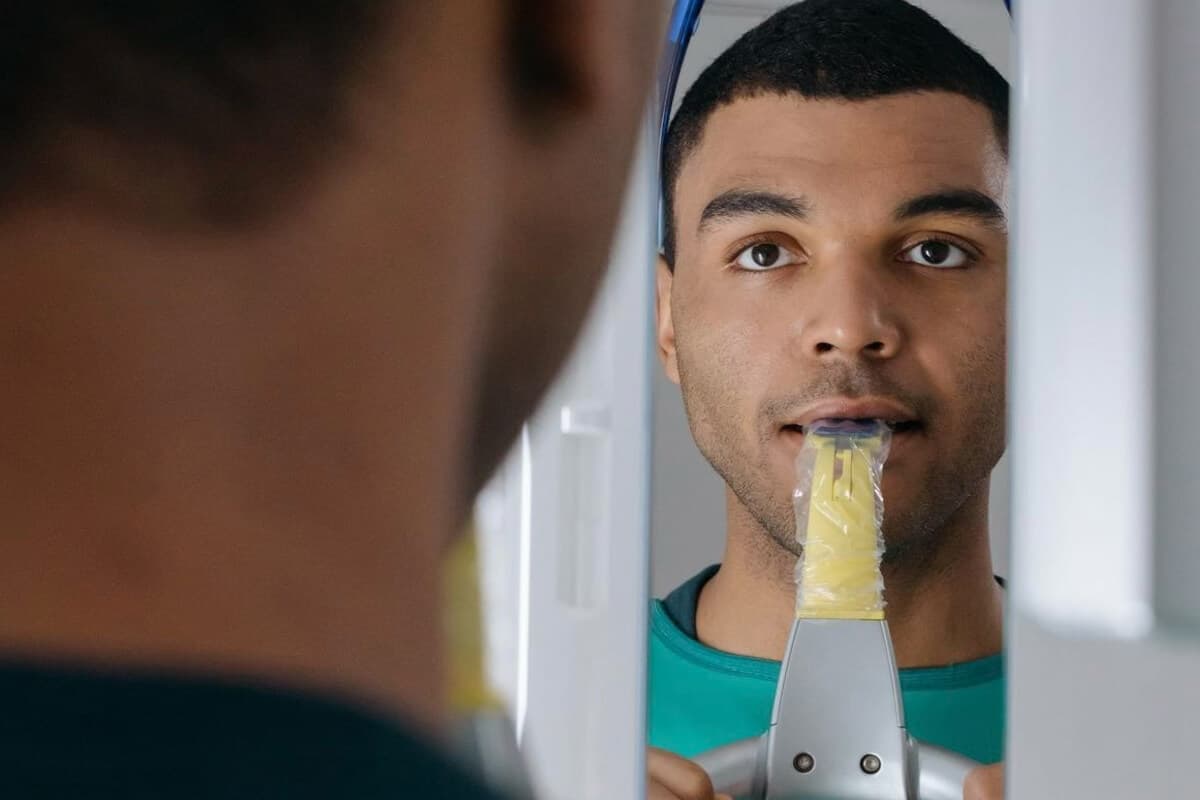
Managing teeth grinding is not a single procedure; it is a process that begins with an examination and continues with planning and follow-up stages. The aim of the process is not only to relieve the current complaint but to understand the cause of the condition and help prevent its recurrence. For this reason, the first step is to evaluate the patient holistically.
At a reliable dental clinic in Samsun, the process begins with listening to the patient's complaints, examining the wear marks on the teeth and evaluating the jaw joint. In light of the findings, a personalized plan is created. Since every patient's needs are different, an individual approach is adopted instead of a standard prescription.
Initial Examination Process and Treatment Planning
At the first examination, the dentist listens to the patient's complaints in detail. Symptoms such as jaw fatigue in the morning, headache, tooth sensitivity or sounds in the jaw joint are asked about. The teeth are then examined one by one; wear surfaces, cracks, gum condition and existing restorations are evaluated. This examination reveals the extent of the problem.
The clinical examination is often accompanied by an evaluation of the jaw joint and muscles. When necessary, the condition of the teeth and jaw can be examined in more detail with radiological imaging. The dentist also takes into account factors such as stress level, sleep pattern and daily habits, since these factors directly affect the treatment plan.
When all the findings are put together, a personalized plan is created. The plan may include a protective procedure, restorative procedures if needed, and behavioral recommendations. The dentist explains the chosen methods and the expected course to the patient. The patient's understanding of the process and adherence to the recommendations play a decisive role in the success of the result.
Time to Effect of Each Treatment Method
The time each method takes to show its effect is different and varies from person to person. The night guard starts protecting the teeth from the first night it is worn; however, the reduction of tension in the jaw muscle and the easing of morning complaints usually become noticeable within a few weeks. The protective effect of the guard continues as long as it is used regularly.
The effect of occlusal adjustment and restorative repair appears when the procedure is completed; the function of the repaired teeth and the balance of the bite improve immediately. The durability of this gain, however, depends on how well the clenching habit is brought under control. When not supported by protective measures, new damage can develop.
The effect of behavioral and stress management approaches is more gradual. Since it takes time for habits to change and stress levels to decrease, the benefit of these methods is usually seen within weeks, with regular practice. For this reason, a lasting result should not be expected from any method all at once; the process should be followed under a dentist's supervision.
Care Before and After Teeth Grinding Treatment

Maintaining the result achieved in managing teeth grinding depends largely on the patient's daily care and adherence to recommendations. Acquiring the right habits before treatment and keeping up regular follow-up afterward help protect the teeth and reduce the recurrence of complaints. Care is an integral part of the process.
Before treatment, having healthy teeth and gums makes the planned procedures more effective. Regular brushing, flossing and paying attention to gum health are the basic steps. In addition, avoiding hard and chewy foods that strain the jaw muscles and trying to keep the teeth relaxed during the day support the process.
After treatment, regular use of protective measures and periodic check-ups come to the fore. Patients who use a night guard should pay attention to its cleaning and fit. Simple exercises to relax the jaw muscles, a warm compress and light massage can help reduce tension on your dentist's recommendation. When necessary, physical therapy approaches can also be considered.
What to Do in Teeth Grinding Caused by Stress
Stress and anxiety are among the most commonly encountered triggers of teeth grinding. In moments of intense tension the jaw tenses without awareness; this can continue both during the day and during sleep. For this reason, in stress-related cases it is not enough to protect the teeth alone; the source of the habit must also be addressed.
Relaxation techniques are an important support at this point. Deep breathing exercises, meditation, regular physical activity and attention to sleep patterns can help reduce tension during the day. Taking care that the teeth do not touch throughout the day, and keeping the teeth slightly apart when the lips are closed, is a useful habit.
Simple exercises and light massage for the jaw muscles can help reduce muscle tension under your dentist's guidance. In cases of marked and continuous stress, behavioral approaches or support from an appropriate specialist can be considered. These approaches, when used together with protective measures, provide a more sustainable result.
What matters is that managing stress is not a one-time application but a sustained habit. Although short-term efforts provide temporary relief, consistency is needed for lasting benefit. The dentist supports this process by offering practical recommendations suited to the patient's lifestyle.
Common Misconceptions About Using the Guard After Treatment
One of the most common misconceptions about the night guard is the idea that the guard completely eliminates teeth grinding. In fact, the guard does not remove the clenching habit; it acts as a buffer that protects the teeth from the effect of this force. If the source of the habit is stress or another factor, behavioral approaches may also be needed alongside the guard.
Another misconception is that the guard can be worn only when there are complaints. The guard shows its protective effect only when used regularly; wearing it occasionally does not provide sufficient protection. Likewise, ready-made guards bought online are not made specifically for the person, so they can cause discomfort and may not provide the expected protection.
Some patients think that once a guard is made it never needs checking. In fact, a guard can wear over time or its fit can change; for this reason periodic check-ups are important. In addition, if cleaning is neglected, a guard can create an environment for bacteria and odor; regular cleaning should not be overlooked in this respect.
Teeth Grinding Treatment Prices in Samsun 2026
The cost of managing teeth grinding is not the same for every patient; it varies markedly according to the person's needs. For this reason, giving a definite amount in advance would not be accurate. The most important factor affecting the price is the scope of the methods to be applied. The cost of a protective guard alone and of a comprehensive restorative plan differ from each other.
The main factors that determine the cost include the severity of the complaint, the degree of damage to the teeth, the type of night guard and its custom fabrication, and, if needed, the number of occlusal adjustment and restorative procedures. In addition, the quality of the material used and the total duration of treatment also affect the total amount. The combination of these variables is different for every patient.
Another factor is the follow-up and check-up process. Adjusting the fit of the guard, periodic evaluations and, when necessary, plan updates are part of the process. For this reason, the price should be thought of not as the fee for a single procedure but in terms of the scope of the planned holistic approach. Budget planning also makes sense once this scope is clarified.
The most accurate information can only be given after a detailed examination. After the dentist evaluates the condition of the teeth and jaw and creates the personalized plan, they can clearly explain which procedures are needed and the scope of the process. For this reason, booking an examination appointment in Samsun is the healthiest step for current and personalized information.
Conclusion
Teeth grinding treatment in Samsun (bruxism) is a condition that allows the teeth to be protected when noticed early and managed correctly. Although the jaw-clenching habit cannot be ended all at once, when the night guard, occlusal adjustment with restorative repair, and behavioral approaches are used together, the pressure can be reduced and the load on the teeth can be balanced.
What matters is not to ignore the symptoms and to carry out the process under a dentist's supervision. Seeing a specialist when you notice jaw fatigue in the morning, headache, tooth sensitivity or wear helps prevent the need for more extensive procedures later. A step taken at the right time protects both the teeth and quality of life.
Since every patient's needs are different, the most correct approach is determined through a personalized examination. To understand the cause of your complaints and create the appropriate plan, booking an examination appointment in Samsun is the healthiest first step you can take to bring this condition under control.