Spec. Dt. Gökcan ErtaşOrthodontist
 Dt. Sena KırcaDentist
 Dt. Sevinç Cansu KayıranDentist
 Assoc. Prof. Dr. Sezin ÖzerPediatric Dentist
 Spec. Dt. Sude Yıldırım BolatSpecialist in Periodontology
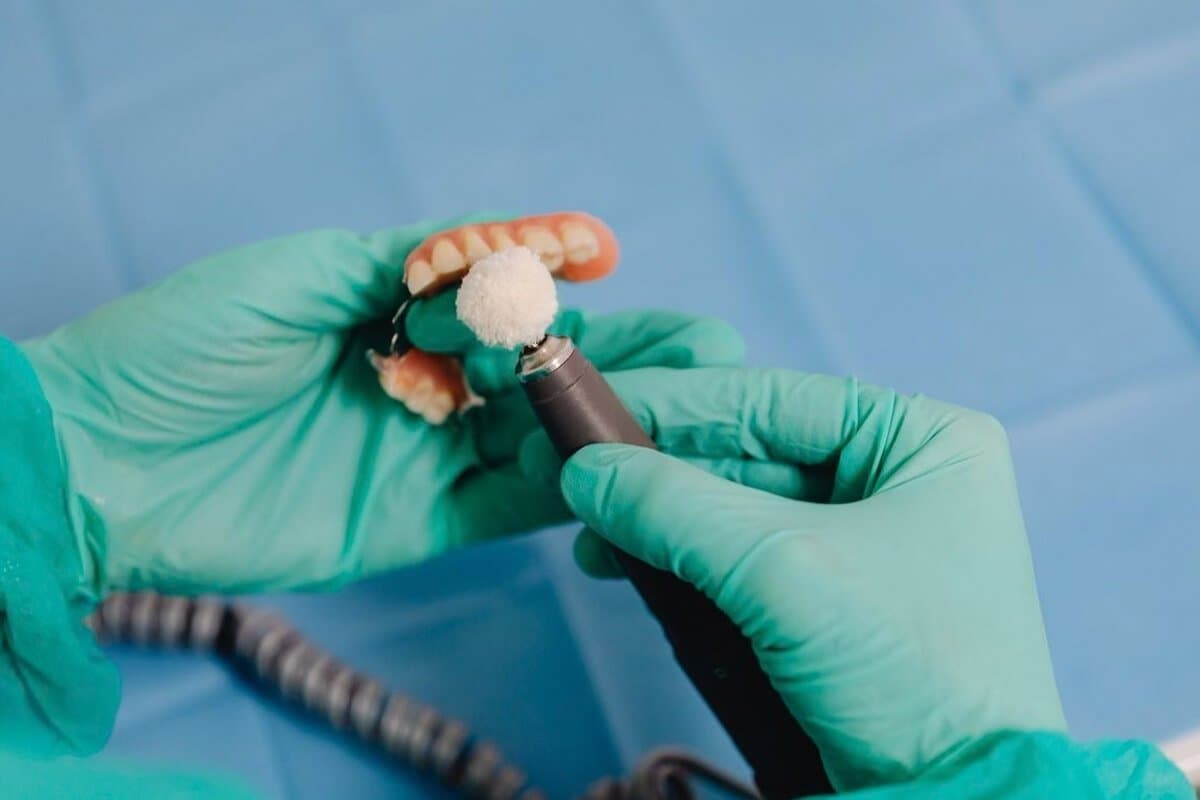
Prosthodontic dental treatment in Samsun is a field of dentistry that aims to improve the chewing function and outward appearance of the mouth by rebuilding missing, damaged, or non-functioning teeth with crowns and prostheses. This field supports daily functions such as speaking, chewing, and smiling by replacing the lost part of the natural tooth with artificial materials.
Prosthetic procedures come into question for people who have lost teeth through decay, fracture, wear, or extraction, who have discoloration or shape problems in their teeth, or who are not satisfied with their existing prosthesis. Because the need varies from person to person, the dentist decides which method is suitable by evaluating the mouth structure and general health condition.
In this article you will find what prosthetic treatment is, in which situations it may be needed, the types of prostheses used, the steps of the treatment process, and care recommendations afterward. Dental Prime, which offers restorative and prosthetic solutions in and around Samsun, values an approach planned according to each patient's needs; the information here is general and does not replace an in-person examination.
What Is Prosthodontic Dental Treatment?
Prosthodontic dental treatment is the branch that aims to re-establish the integrity of the mouth by placing artificial structures in place of lost or severely damaged tooth tissue. Crowns, bridges, removable dentures, and implant-supported procedures are considered within this scope. The aim is not only to fill the gap; it is to balance the chewing force, protect neighboring teeth, and achieve aesthetic harmony.
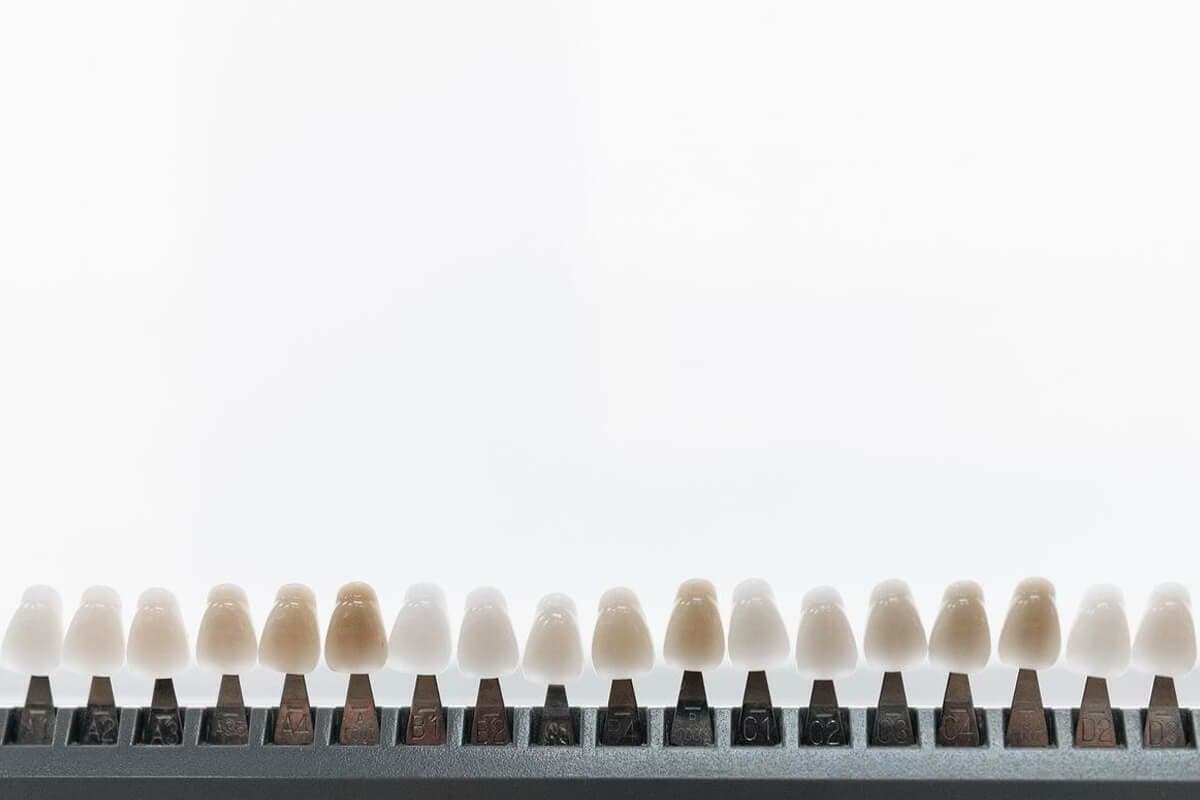
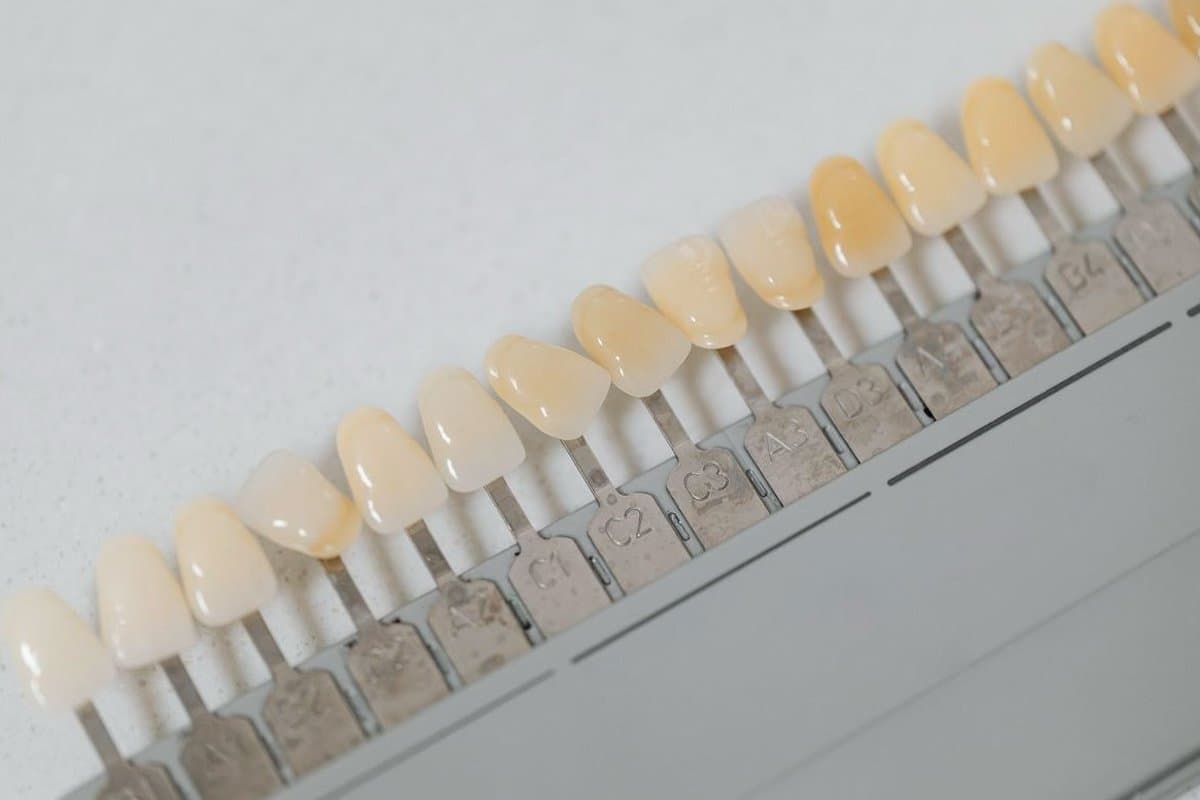
In these treatments, custom impressions are taken and restorations produced in a laboratory are fitted to the mouth. The material used is chosen according to the position of the tooth and expectations from options such as metal-supported ceramic, all-ceramic, or acrylic. Correct planning plays an important role in achieving both long-lasting and natural-looking results.
Another aim of the prosthetic approach is to consider the balance of the mouth as a whole. Even the absence of a single tooth can change the distribution of chewing force; for this reason, when planning, not only the area concerned but also the relationship with the opposing and neighboring teeth is evaluated. In this way, the restoration is designed in harmony with the overall functioning of the mouth.
Scope of Prosthetic Teeth
The scope of prosthetic teeth covers a wide range, from restoring a single tooth to rebuilding the entire jaw. Strengthening a tooth that has suffered extensive loss of structure with a crown, closing a gap in between with a bridge, or applying a denture where many teeth are missing are all part of this field.
Closing the gap of a single missing tooth with a bridge or an implant-supported crown
Supporting a tooth that has had root canal treatment or has fractured with a crown
Applying partial or complete dentures in jaws where more than one tooth is missing
Aesthetic coverings in areas with deterioration in tooth color and shape
Renewing existing prostheses whose fit has deteriorated
Each of these procedures has a different indication. Which option comes to the fore is determined by taking into account the number of remaining teeth, the condition of the jawbone, gum health, and the patient's daily habits. For this reason, the scope becomes a personalized plan rather than a standard list.
The Difference Between Prosthetic and Restorative Treatment
Although restorative treatment and prosthetic treatment are sometimes confused with each other, their focus points are different. In the restorative approach, decay or small fractures are generally repaired with methods such as fillings, and most of the tooth is preserved. The aim is to keep the natural tissue in place as much as possible and maintain function.
In prosthetic treatment, on the other hand, the loss of structure is more advanced or the tooth is missing entirely. At this point a filling is not enough; the tooth is covered with a crown, the gap is closed with a bridge, or it is replaced with a denture. In short, restorative treatment mostly refers to repair, while prosthetic treatment refers to rebuilding. In most cases the two fields are planned together in a way that complements each other.
In practice, these two approaches often follow one another. For example, a tooth with advanced decay is first brought to a healthy base with restorative methods, then supported with a crown if needed. For this reason, what matters to patients is not so much which term is used, but that the solution most suitable for the tooth's condition is planned in the right order.
Why Might Prosthodontic Dental Treatment Be Needed in Samsun?
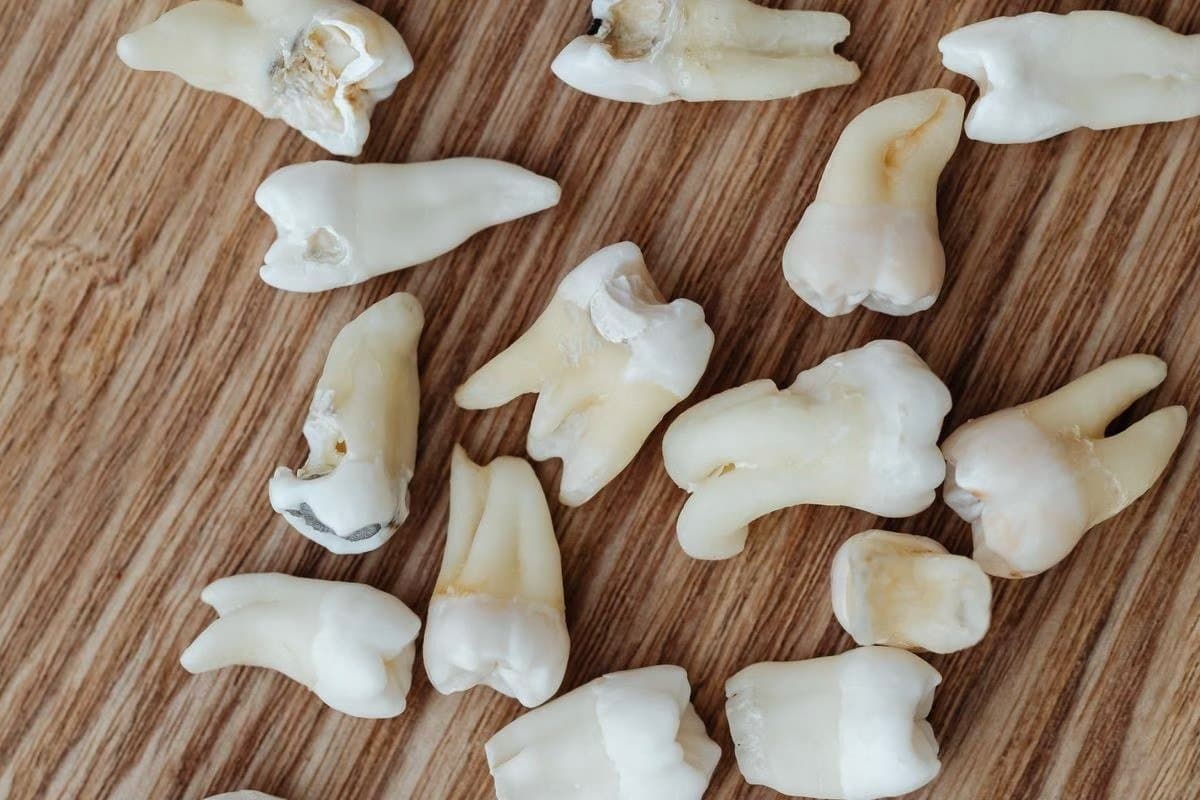
The need for prosthetic procedures mostly arises with tooth loss or teeth damaged beyond repair. A missing tooth does not only affect appearance; it disturbs chewing balance and can cause the opposing and neighboring teeth to shift. Over time, this situation can cause strain in the jaw joint and in gum health.
It is important to evaluate such problems before they progress. Through an examination in a dental clinic in Samsun with an experienced dentist, both current complaints and possible risks are addressed together. In this way, the prosthetic solution most suitable for the person can be planned by prioritizing needs.
Procedures for Missing Teeth and Damage
Tooth loss can occur after decay, trauma, advanced gum disease, or extraction. When the gap is not closed for a long time, the opposing tooth can over-erupt and the teeth next to it can tilt toward the gap. These shifts both disturb the chewing pattern and make future procedures harder.
Replacing teeth that cannot be saved because of advanced decay or fracture by prosthetic means
Trying to protect teeth that have become brittle after root canal treatment with a crown
Correcting loss of height due to tooth wear or grinding with restorations
Recreating the chewing surface with a denture when multiple teeth are missing
Which method is chosen depends on the degree of damage and the amount of sound tissue remaining. An evaluation made at an early stage can help bring less invasive options into consideration. For this reason, seeing a dentist while the complaint is small is valuable in widening treatment options.
Managing Aesthetic and Functional Expectations
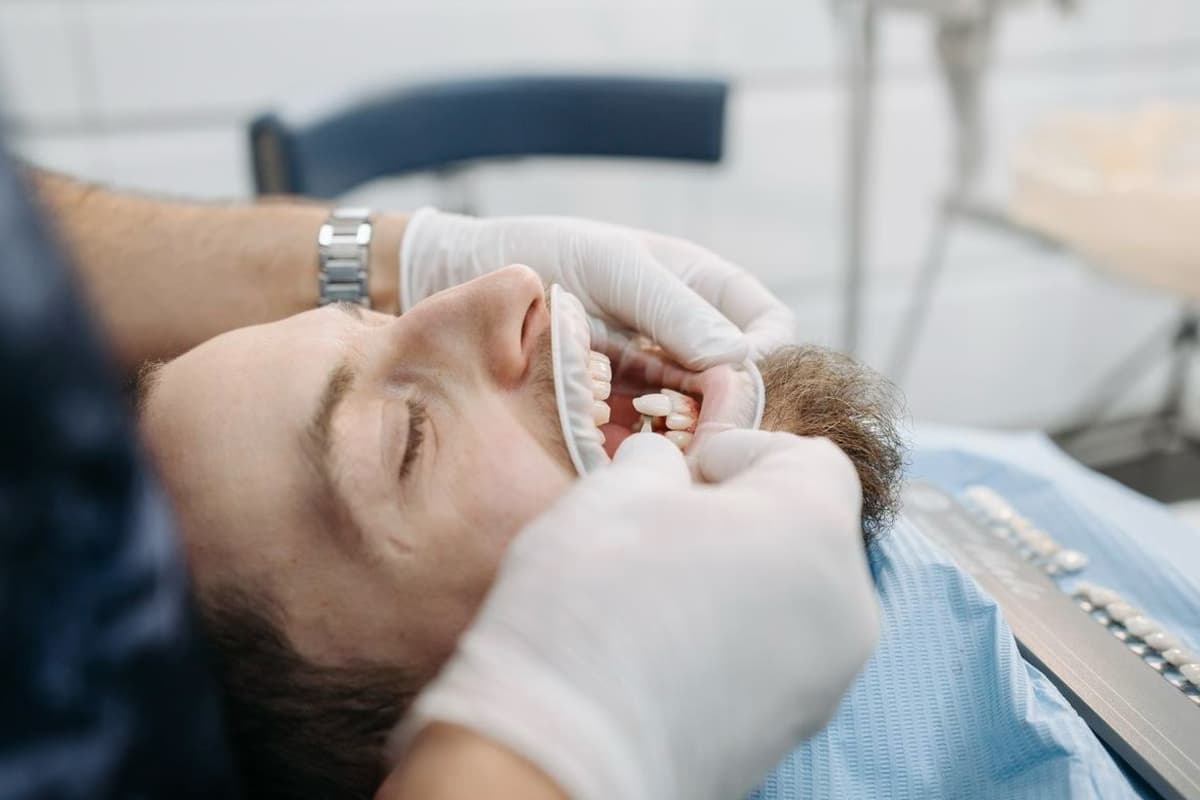
The expectations of people who seek prosthetic treatment are generally grouped under two headings: comfortable chewing and a natural look. For some patients function is the priority, while in the front teeth aesthetics may come to the fore. Good planning aims for a balanced result by considering these two expectations together.
At this stage, the color and shape of the tooth and its harmony with the smile line are evaluated; harmony with the neighboring teeth is taken into account. Discussing expectations openly with the dentist from the start allows the process to proceed more predictably. Setting realistic goals positively affects both satisfaction and the longevity of the procedure.
Meeting functional expectations directly affects quality of daily life. Being able to chew comfortably supports variety in nutrition, while clear speech increases social confidence. A plan that considers aesthetics and function together aims for the person to be satisfied with both what they see in the mirror and how it works day to day.
Types of Prosthetic Treatment Used in Samsun
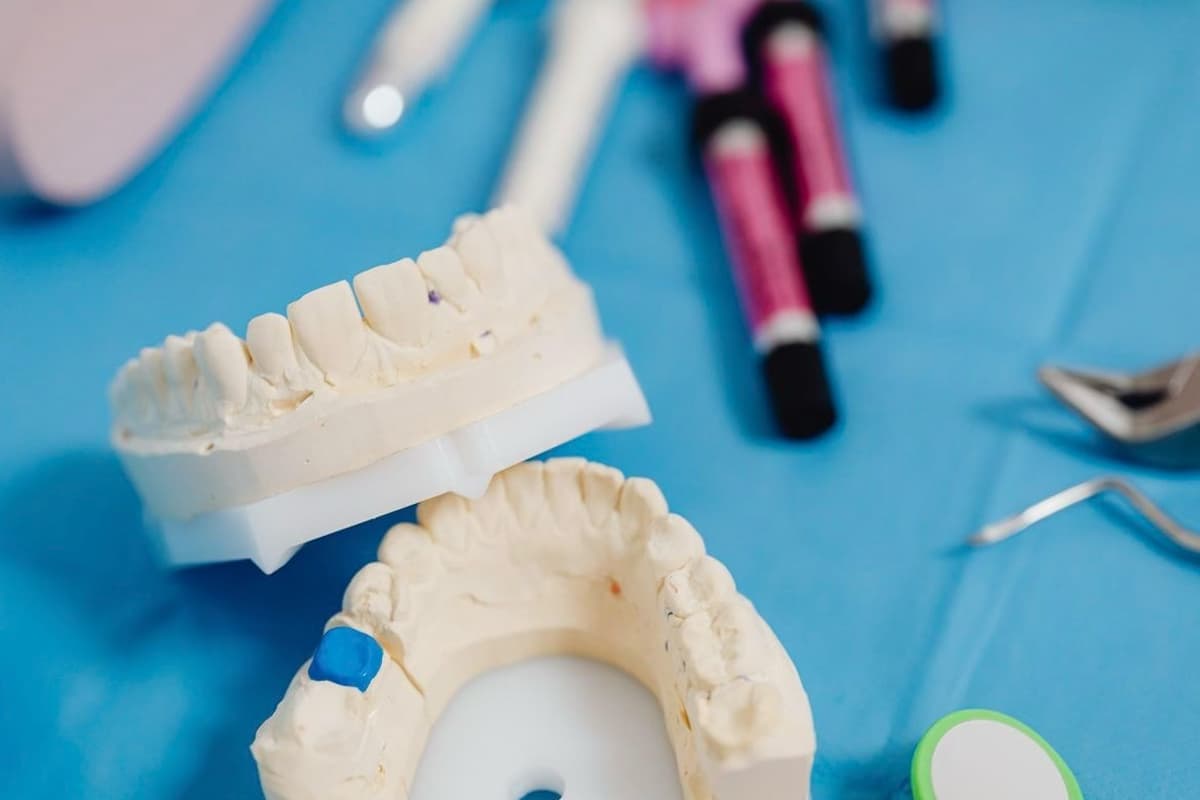
Prosthetic procedures fall into three basic groups: fixed prostheses, removable prostheses, and implant-supported prostheses. Which one is suitable is related to the number of missing teeth, the condition of the jawbone and gums, the patient's expectations, and general health conditions. In most cases these options are evaluated together rather than individually.
Fixed Prostheses and Crowns
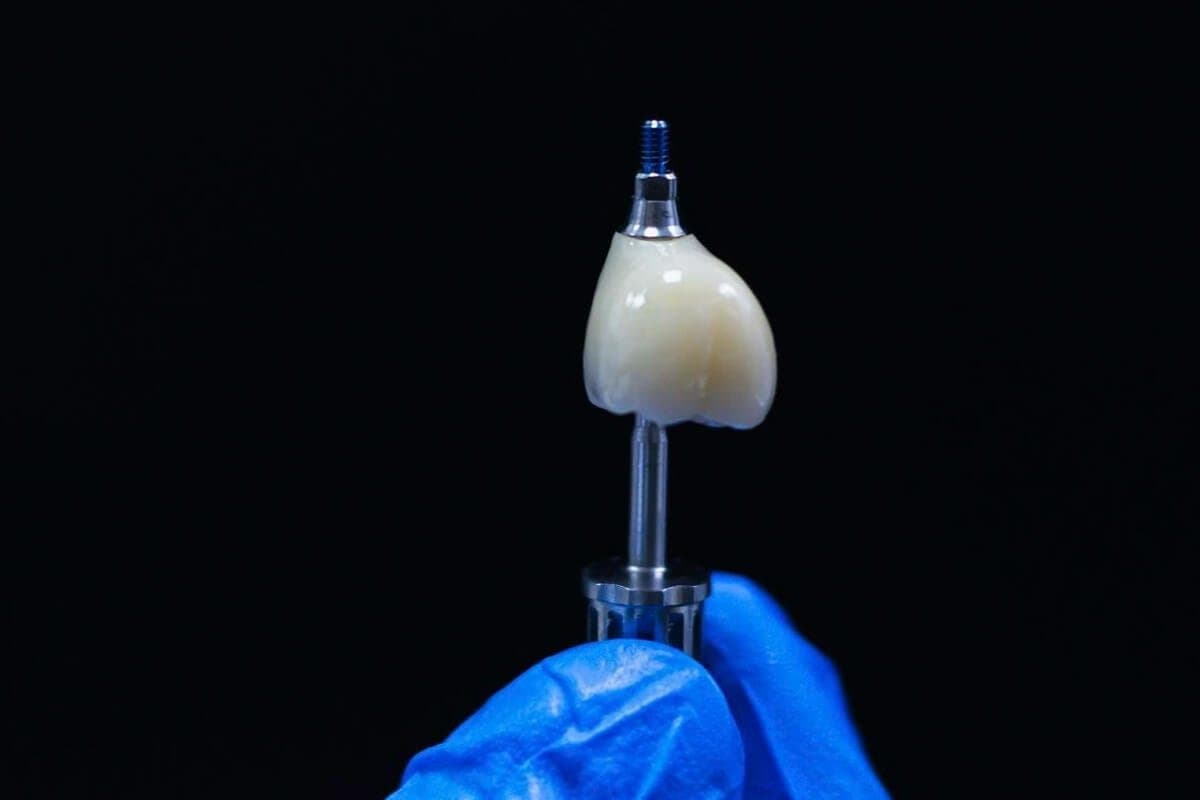
Fixed prostheses are restorations that the patient does not take out once they are placed in the mouth. A crown fully covers a single tooth, strengthening it and giving its shape back. A bridge closes the gap of one or a few missing teeth by taking support from the neighboring teeth.
This method is preferred where there are sound or supportable neighboring teeth. Offering a feel close to a natural tooth is an important advantage. On the other hand, for a bridge the neighboring teeth may need to be reduced by a certain amount; for this reason, the condition of the tooth tissue is carefully evaluated before the decision.
The choice of crown material is also a topic that affects the result. In the front teeth, all-ceramic options that let light pass through close to a natural tooth stand out aesthetically, while in the back areas where chewing force is heavy, durability is prioritized. Which material is suitable is decided together with the dentist according to the position of the tooth and expectations.
Removable Prostheses
Removable prostheses are solutions that the patient can put in and take out, and they generally come into question when many teeth are missing. A complete denture is applied in jaws where all teeth have been lost, and a partial denture where some teeth remain. Partial dentures are positioned by also taking support from the remaining teeth.
The most important advantage of these prostheses is that they offer an affordable and feasible option for extensive tooth loss. At the beginning, a short adjustment period may be experienced in speaking and chewing. Fit is maintained with regular cleaning and periodic check-ups; as the gums and bone change over time, the denture may need to be adapted.
In partial dentures, hooks called clasps that provide grip on the remaining teeth, or precision attachments that offer a more aesthetic look, can be used. In complete dentures, retention depends largely on the suction effect formed with the gum and palate surface. For this reason, the denture fitting the mouth exactly and the edge fit being correct are decisive for comfort in daily use.
Implant-Supported Prostheses
Implant-supported prostheses are procedures that take support from artificial tooth roots placed in the jawbone. In this method, the prosthesis is anchored to implants instead of loading the natural teeth; in this way, the aim is to create a solid foundation without needing to reduce neighboring teeth. They can be designed as fixed or as retained-removable.
Especially in jaws where all teeth are missing, prostheses seated on a limited number of implants aim for more stable use. The suitability of this option is closely related to the volume and density of the jawbone. Whether there is sufficient bone support is evaluated by the dentist after the examination and imaging.
Implant-supported procedures stand out because they do not place load on neighboring teeth and they contribute to functionally supporting the jawbone. On the other hand, the process requires a certain healing period for the implant to integrate with the bone. For this reason, the total treatment time may be longer than with other methods; planning is done taking this waiting period into account.
Step-by-Step Prosthodontic Dental Treatment Process
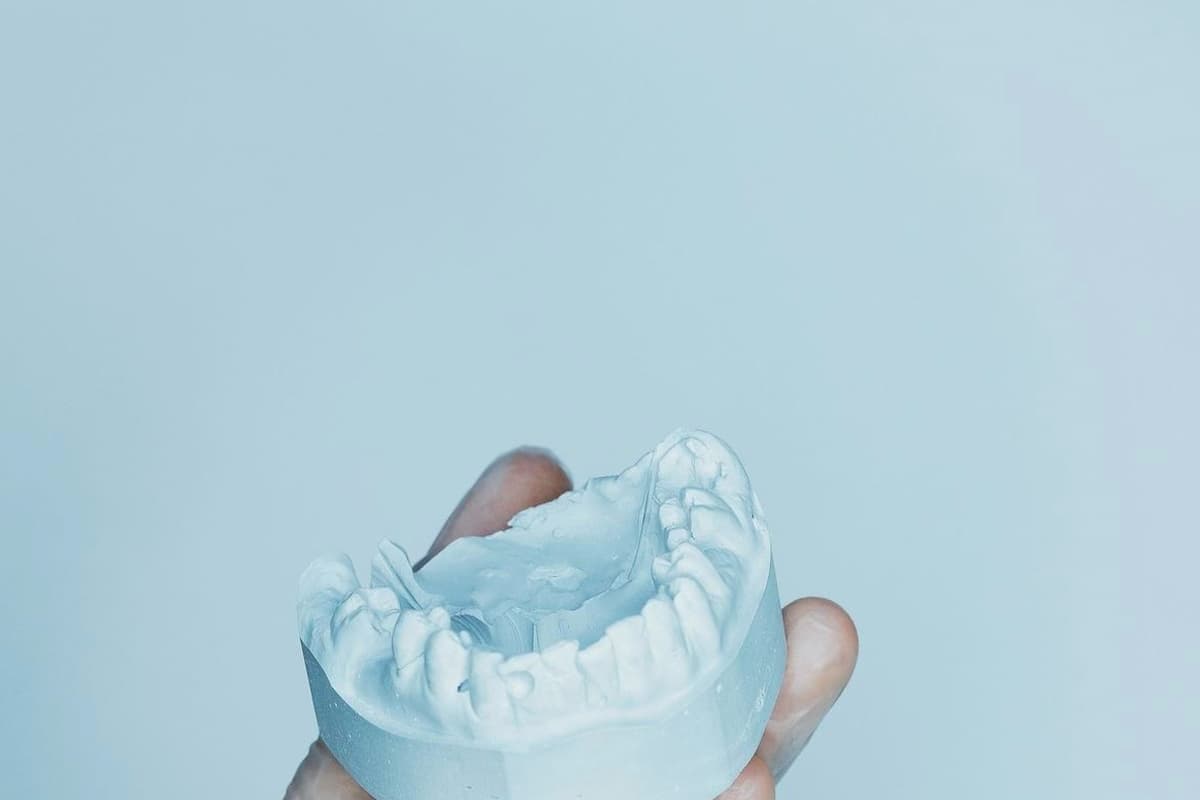
Prosthetic treatment is not a procedure completed in a single session; it is a process made up of consecutive steps. It begins with the examination, passes through the preparation and impression stages, continues with laboratory production, and is completed by fitting the restoration to the mouth. The length of the process varies according to the case, the method used, and any intermediate procedures required.
Each step prepares the ground for the next one to proceed healthily. For this reason, not skipping stages and keeping to the appointment schedule are important for the quality of the result. Below, the process is summarized through a typical flow.
Throughout the process, communication between the patient and the dentist directly affects the quality of the result. Sharing expectations, habits, and any discomfort allows the plan to be updated when needed. When temporary solutions are used between stages, paying attention to their care also helps the final restoration be completed healthily.
Initial Examination and Diagnosis
The process begins with a comprehensive oral examination. The dentist examines the teeth, gums, and jaw structure and, when necessary, makes use of radiographic imaging. In this evaluation, missing and damaged teeth, bone support, and gum health are addressed as a whole.
In light of the findings obtained, the suitable prosthetic options are determined and a treatment plan is created together with the patient. At this stage, sharing expectations, habits, and general health condition, if any, helps the plan be realistic and suited to the person.
In the diagnosis stage, not only the missing teeth but also the underlying causes are evaluated. If there is an ongoing gum problem, untreated decay, or a teeth-clenching habit, these may need to be brought under control before moving on to the prosthetic procedure. Planning built on a solid foundation helps the following steps proceed more predictably.
Tooth Preparation
In cases where a crown or bridge is planned, the relevant teeth are prepared so that the restoration will seat properly. This preparation aims for the structure to fit in harmoniously by removing a certain amount of material from the surface of the tooth. The procedure is carried out under suitable anesthesia with the patient's comfort in mind.
Because tooth sensitivity may increase after preparation, temporary protection may be applied until the permanent restoration is ready. The amount and shape of tooth preparation are planned meticulously for the longevity of the restoration. In implant-supported procedures, the implant and healing process take the place of this stage.
Taking Impressions and Preparing Models
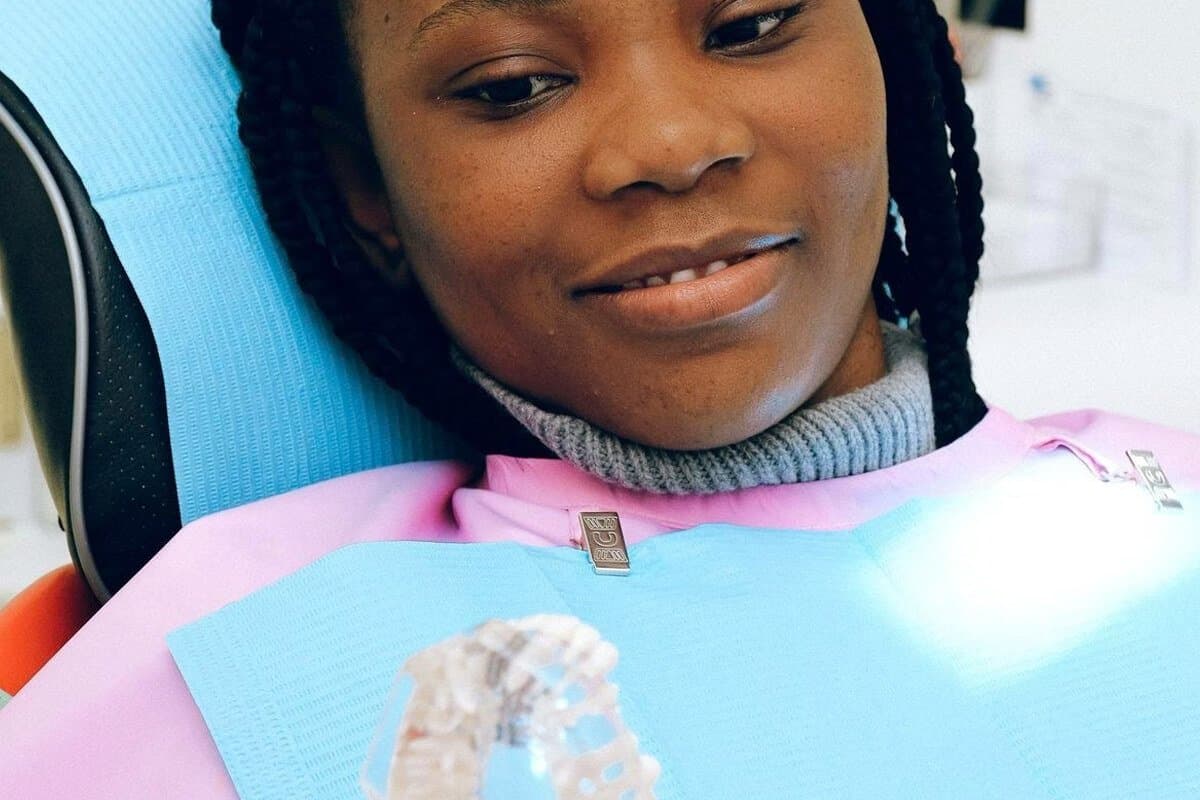
After the teeth are prepared, a precise impression of the mouth is taken. This impression can be obtained with traditional impression materials or, in suitable cases, with a digital scanning method. The aim is to be able to transfer an exact copy of the teeth and surrounding tissues to the laboratory.
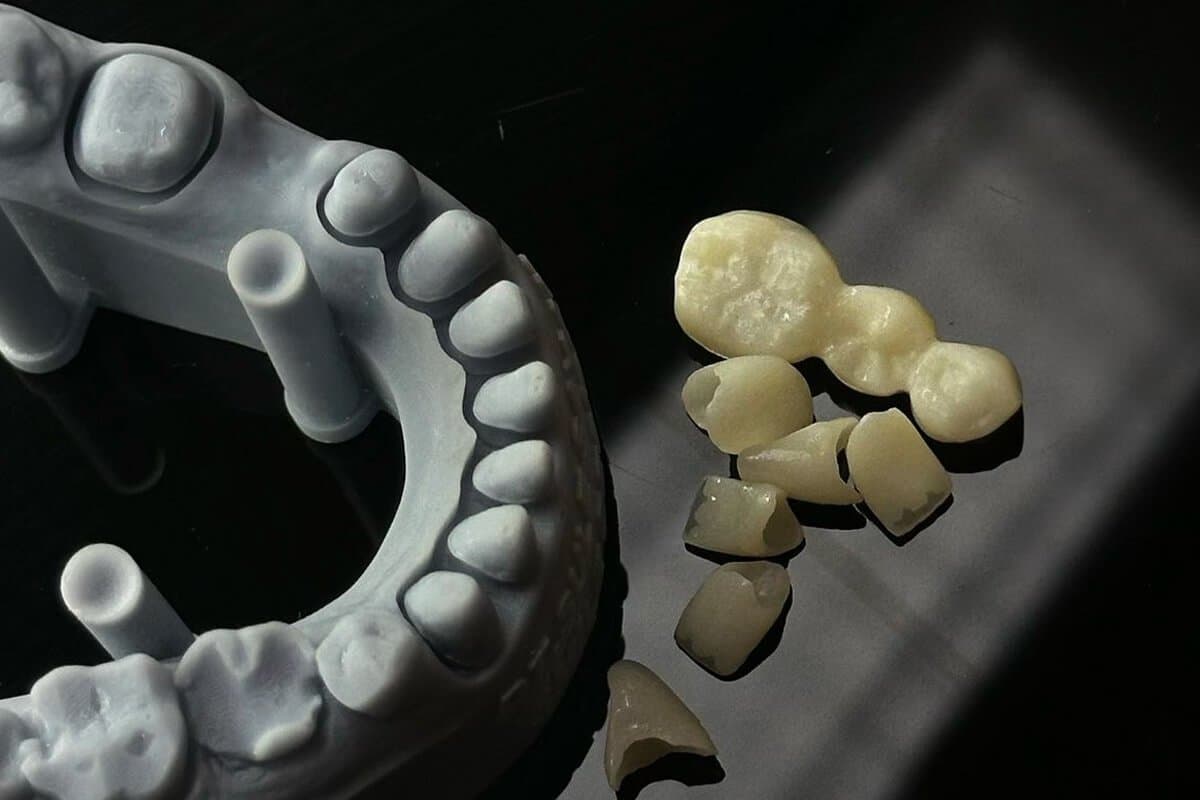
A patient-specific model is created from the impression taken, and the restoration is designed on this model. The accuracy of the impression is decisive for the crown or denture to be produced to fit the mouth exactly. For this reason, the margin of error is aimed to be minimized at the impression stage.
Laboratory Production
The model and design information are sent to the dental laboratory; the restoration is produced here according to the chosen material. Options such as metal-supported ceramic, all-ceramic, or acrylic are determined according to the position of the tooth and aesthetic expectations. Color and shape are adjusted to be in harmony with the neighboring teeth.
Production is mostly completed in a period ranging from a few working days to a few weeks. At this stage, communication between the technician and the dentist is important for color and fit. While the permanent restoration is being prepared, the patient generally continues daily life with a temporary solution.
Fitting the Prosthesis and Adjustment
The restoration coming from the laboratory is first tried in the mouth. The dentist checks the way it seats, color harmony, and chewing contacts. Small corrections deemed necessary are made at this stage. When fit is achieved, fixed restorations are secured in place with suitable methods.
For removable prostheses, the habit of putting them in and taking them out and cleaning methods are explained to the patient. A slight feeling of strangeness at first use is normal and generally decreases in a short time. Additional check-up appointments may be planned for cases where adjustment is needed after the procedure.
Care and Follow-Up After Prosthodontic Dental Treatment
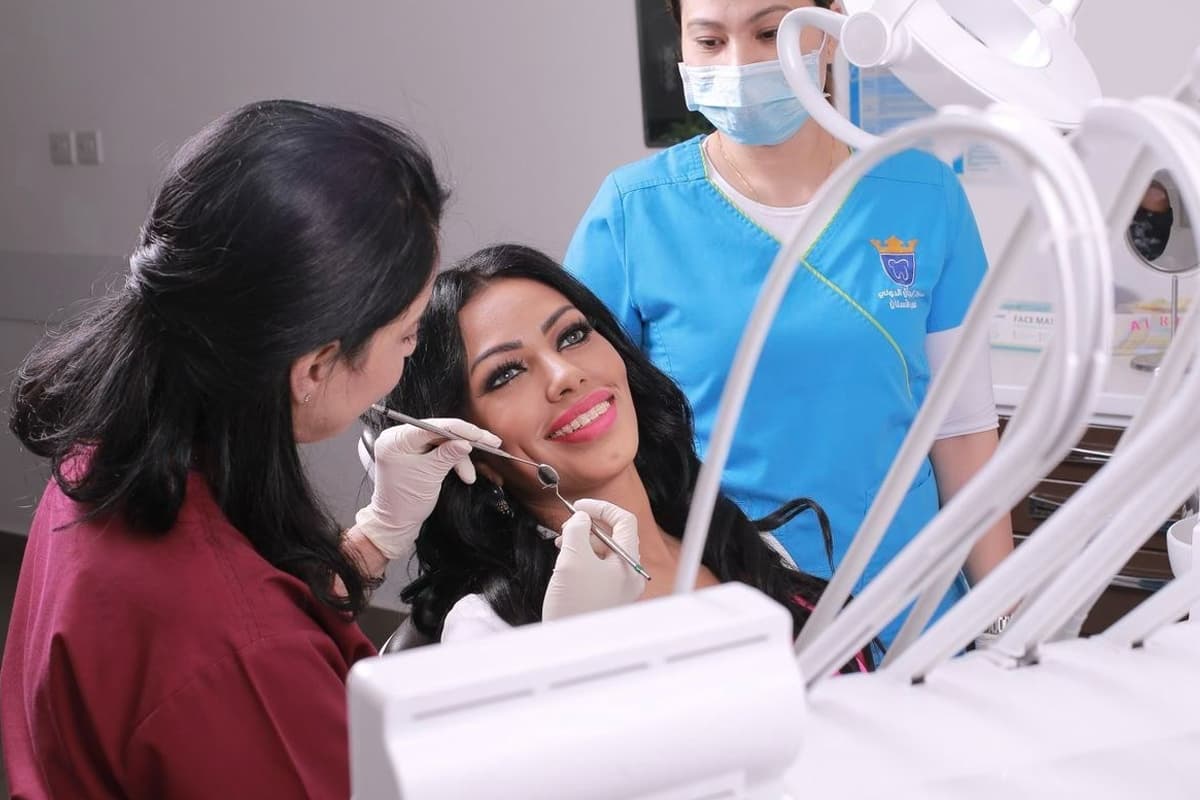
The success of treatment is not limited to the procedure itself; the care afterward also directly affects longevity. Regular cleaning, correct habits, and periodic check-ups help protect the health of both the restoration and the surrounding tissues. A well-cared-for prosthesis can keep functioning for much longer.
The following headings cover hygiene, managing the first days, nutrition, check-up appointments, and the life of the prosthesis. These recommendations are general; for personalized guidance, the instructions given by the dentist should be taken as the basis.
Oral Hygiene and Prosthesis Cleaning
After prosthetic procedures, the care given to oral hygiene is the foundation of long-lasting use. With fixed restorations, in addition to daily brushing, cleaning between the surfaces is important; interdental brushes or special floss may be recommended for under bridges.
Taking out and cleaning removable prostheses after every meal
Gently brushing prostheses with a soft brush and suitable cleaners
Not neglecting interdental cleaning around fixed crowns and bridges
Taking out removable prostheses during night sleep to let the tissues rest
Meticulously cleaning the surrounding tissue in implant-supported procedures
Keeping up cleaning habits regularly helps prevent problems such as gum inflammation and bad breath. Which products and techniques are suitable can vary from person to person; for this reason, following the care instructions given by the dentist is the safest approach.
Managing Pain and Discomfort in the First Days
In the first days after the procedure, mild sensitivity, a feeling of pressure, or temporary discomfort in the gum area may be seen. This is mostly part of the process of the mouth adapting to the new structure and generally decreases within a few days. Avoiding hard and very hot foods during this period can increase comfort.
A new prosthesis can create pressure points on the gum, and small adjustments may be needed from time to time. If the discomfort lasts longer than expected, increases, or gives a noticeable feeling of striking, the dentist should be contacted. Any medication use for pain management should only be with the dentist's recommendation.
Nutrition Recommendations During the Healing Process
Paying attention to eating habits during the period of getting used to the new restoration supports both comfort and fit. In the first days, soft and warm foods may be preferred; very hard, sticky, or fibrous foods may be temporarily limited. Chewing in small bites and evenly on both sides is helpful.
Preferring soft-textured and warm foods at first
Reducing hard-shelled, very sticky foods and foods requiring strong chewing for a while
Distributing chewing evenly to both sides instead of loading one side
Avoiding sudden shifts between extreme hot and extreme cold
As adaptation is achieved, eating can be gradually returned to normal. Adequate fluid intake and balanced nutrition contribute to gum health and overall healing. If there are special dietary restrictions, the dentist's recommendations take priority.
Regular Check-Up Appointments
After prosthetic treatment, regular check-ups are important for noticing possible problems early. At these appointments, the dentist evaluates how the restoration seats, the chewing contacts, and the condition of the surrounding tissues. When a small fit problem is corrected early, larger problems can be prevented.
The check-up interval is determined by the dentist according to the method used and the person's oral health. Tartar removal and gum evaluation can also be part of these visits. Going for check-ups at the recommended intervals even when there are no complaints is valuable for long-term health.
These visits are also a good opportunity to review home care. The dentist can update the technique being used by showing the spots missed in brushing and interdental cleaning. In this way, the tissues around the restoration are protected and a possible problem can be noticed before it deepens and be addressed in time. Once a check-up routine suited to the person is established, care becomes a natural part of the daily routine.
Life of the Prosthesis and the Need for Renewal
The service life of prosthetic restorations differs depending on the type of material, oral hygiene, chewing habits, and changes in the gums and bone. While well-cared-for fixed restorations can keep their function for many years, with removable prostheses the fit may decrease over time because of changes in the tissues.
When wear, color change, or loss of fit appears over time, renewal or adaptation may be needed. What identifies this need most accurately is the dentist's evaluation during regular check-ups. Small problems noticed early can often be resolved with simple interventions.
Extending the life of the prosthesis is largely in the user's hands. Regular hygiene, avoiding chewing hard objects, managing habits such as teeth grinding, and following the recommended check-ups help the restoration keep doing its job for longer. A procedure supported with appropriate care offers a long-term solution for both function and aesthetics.
Conclusion
Prosthodontic dental treatment in Samsun is a comprehensive field that aims to improve oral function and appearance by rebuilding missing and damaged teeth with crowns, bridges, and prostheses. Among fixed, removable, and implant-supported options, the dentist determines the one most suitable for the person in light of the examination and the necessary imaging.
The price of treatment depends on so many variables that it cannot be expressed as a single amount. The complexity of the case, the material used, the number of teeth to be restored, any additional procedures needed, and the dentist's experience are the main factors affecting cost. For this reason, the most accurate way to get healthy information is to receive a personalized evaluation after an in-person examination.
The longevity of results depends on the care afterward as much as on the procedure. Regular cleaning, balanced nutrition, and following the recommended check-ups help protect the health of both the restoration and the surrounding tissues. Seeing a dentist while complaints are small widens the options and makes for a more comfortable process.