Spec. Dt. Gökcan ErtaşOrthodontist
 Dt. Sena KırcaDentist
 Dt. Sevinç Cansu KayıranDentist
 Assoc. Prof. Dr. Sezin ÖzerPediatric Dentist
 Spec. Dt. Sude Yıldırım BolatSpecialist in Periodontology
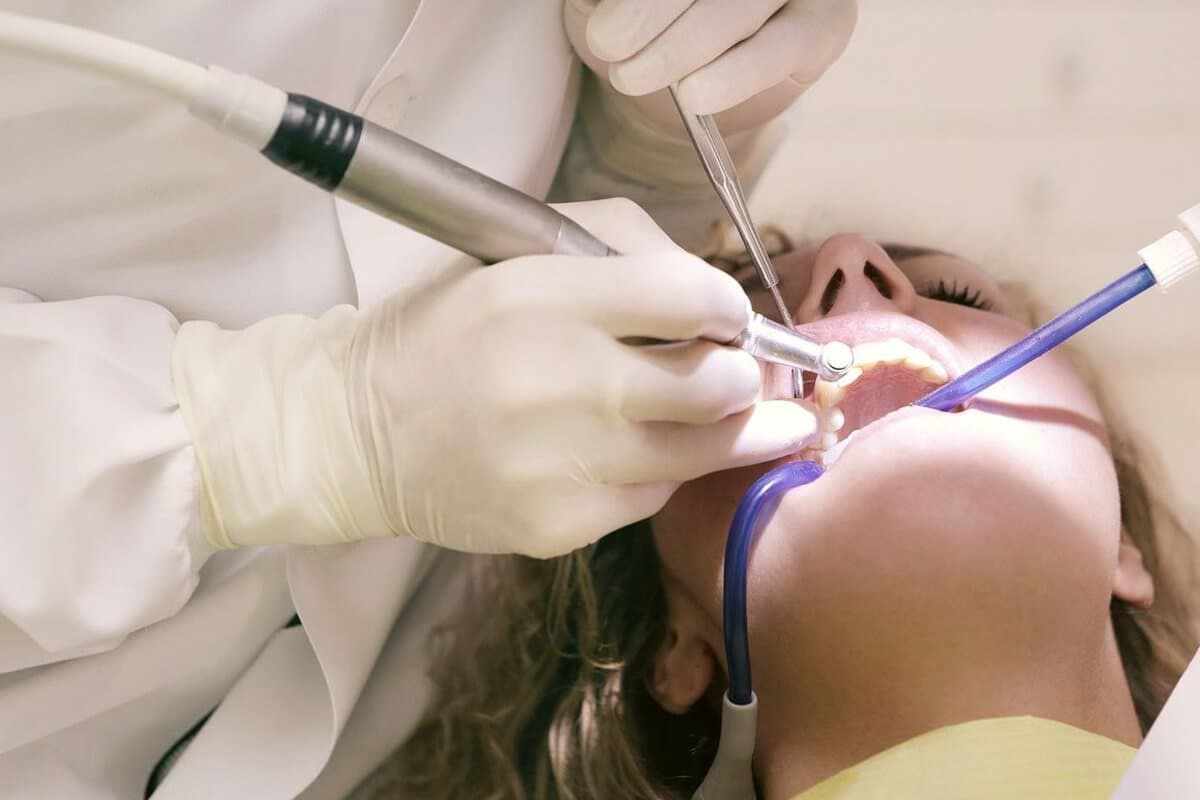
Composite veneers in Samsun are a cosmetic method that aims to correct the color and shape of teeth with composite resin applied to the tooth surface in thin layers. For people bothered by discoloration, small chips, or gaps between the teeth, it can be a minimally invasive option; whether it is suitable is determined by the dentist’s evaluation.
On this page you will find the definition of the procedure, the steps it involves, how it differs from porcelain veneers, the treatment process in Samsun, and the factors that affect 2026 prices. Our aim is to offer you a simple, clear, and accurate framework as you make your decision.
Aesthetic expectations vary from person to person, and every smile is unique. The right treatment plan can only become clear with an intraoral examination and your dentist’s recommendation. For detailed information and an evaluation, you can consult the Dental Prime team.
What Are Composite Veneers?
A composite veneer is a cosmetic procedure achieved by adding composite resin matched to the tooth color onto the front surface of the tooth enamel in layers and shaping it. It is also commonly known as bonding. The material is worked onto the tooth directly in the mouth and gains its final form by being hardened with a special light.
This method is generally preferred for the front teeth. Light discoloration, small gaps between teeth, chipped or worn edges, and mild shape irregularities can be corrected this way. Because the natural tooth structure is largely preserved, it is regarded as an option close to the philosophy of preventive dentistry.
The most distinctive feature of the composite veneer is that, in most cases, very little or no material is removed from the tooth. This often makes it possible to complete the procedure in a single visit. However, every mouth is different; whether the procedure is suitable for you can be decided by your dentist after an examination.
Another aspect of the procedure is that it can be done tooth by tooth when needed. It may be possible to repair a chip in just one tooth, or to do a smile makeover covering all the front teeth. This flexibility allows the plan to be scaled to the person’s needs and can respond to different expectations.
The question of who it is suitable for comes up often. In general, people whose gum and tooth health are in good order and who have color or minor shape problems in the front area may benefit from this procedure. On the other hand, conditions such as advanced wear, widespread decay, or teeth grinding may require a different treatment approach.
The main advantages of the method include minimal intervention on the tooth, a relatively short treatment time, and ease of repair when needed. Its limitations are that it is prone to staining over time and that its surface durability can be lower compared to porcelain options. This balance helps guide which method makes more sense for you.
How long a composite veneer will last varies with the quality of the material, the application technique, and the person’s oral care. In general, a service life that starts from a few years and can extend longer under suitable conditions is spoken of. Regular check-ups and small repairs when needed may affect this period positively.
The composite material can give an appearance close to the natural tooth, but over time its color may change due to factors such as tea, coffee, and smoking. Regular care and check-ups may help preserve the result for longer.
How Are Composite Veneers Applied?
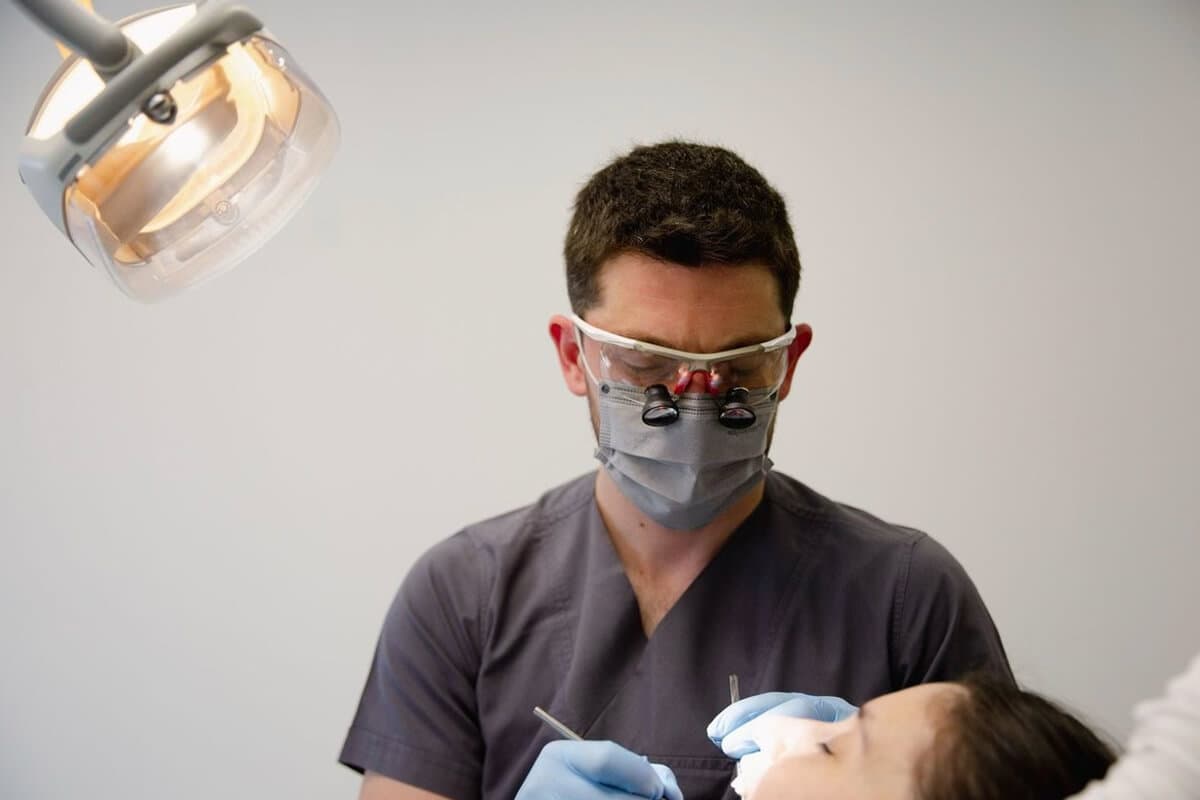
The procedure begins with the dentist’s smile analysis. The current condition of the teeth, the bite relationship, and the patient’s expectations are evaluated. Then the shade that best suits the tooth is determined; this step is important for achieving a natural look.
After the shade is selected, the tooth surface is cleaned and roughened in a controlled way so the composite can bond. A special bonding agent is applied to the surface. These steps lay the groundwork for the material to adhere firmly to the tooth.
The composite resin is placed in thin layers according to the form of the tooth. Each layer is hardened with a special light source. During this time, the dentist shapes the length, edge lines, and symmetry of the tooth to approach the desired aesthetic form.
The dentist’s making small adjustments to the symmetry and tooth length during the procedure is decisive for a natural-looking result. For this reason, it is important to clarify expectations between the patient and the dentist beforehand. Once you are satisfied with the trial, the final polishing is done and the tooth is ready for everyday use.
In the final stage, the tooth surface is refined, the bite is checked, and the tooth is polished. In most cases the procedure can be completed in a single visit; however, the time may vary depending on the number of teeth and the specifics of the case. We recommend getting aftercare advice from your dentist after the procedure.
Is Smile Design Possible Without Cutting the Teeth?
In many composite veneer cases, an aesthetic result can be achieved without the need to cut the tooth. The method is based on adding material to the surface rather than removing material from the tooth. For this reason, it often stands out as an approach that preserves tooth structure.
When no significant reduction is made to the tooth enamel, many patients may not need numbing, and the procedure is generally comfortable. Closing small gaps between teeth, repairing minor chips, or adjusting tooth length may be possible this way.
Still, not every case is the same. Factors such as the position of the teeth, the bite pattern, and existing fillings can change the plan. In teeth with severe crowding or marked darkness, composite alone may not be enough. In some cases, a very limited surface preparation may be needed; your dentist makes this decision after an intraoral examination.
Because this approach, done by adding material to the surface, preserves the sound structure beneath the tooth, many people find it less worrying. Even so, in the long term, preserving the tooth’s own structure should be supported by proper brushing and check-ups. Maintaining dental health is part of the plan as much as the aesthetic gain.
Procedures done without cutting the tooth are generally easier to reverse. This can make the method appealing for people who want to evaluate their aesthetic expectations before making a permanent decision. If you do not like the result, switching to a different plan is often possible.
Another advantage of composite veneers applied without cutting the tooth is that they offer a more flexible foundation if your preferences change in the future. Because the material added to the surface can be adjusted when needed, more options remain open if the patient wants to move toward a different aesthetic plan.
Differences Between Composite Veneers and Porcelain Veneers
Composite and porcelain veneers are two different methods commonly used in smile aesthetics. Although their aim is similar, they differ markedly in material, preparation process, durability, and cost. The right choice varies according to the person’s tooth structure and expectations.
A composite veneer is applied directly to the tooth in the mouth, whereas a porcelain veneer is made by bonding thin ceramic shells, prepared in a laboratory after an impression is taken, onto the tooth. This basic distinction largely determines the other features of the two methods.
The table below summarizes the basic differences between the two methods. The table is for general information; which method suits you becomes clear with your dentist’s evaluation.
Feature | Composite Veneer | Porcelain Veneer |
Cost | Generally more affordable | Generally higher |
Treatment time | Mostly a single visit | May require several visits |
Durability | Medium to long term with good care | Generally longer-lasting |
Repair | Easily repaired in the mouth | Mostly needs to be replaced |
Tooth reduction | Minimal or none in most cases | Generally minimal reduction |
In terms of resistance to staining, porcelain surfaces are generally more advantageous. Composite material can change color over time, but it may be more practical to renew and repair. When deciding which method is right for you, it is important to get your dentist’s opinion.
When choosing between the two methods, it helps to look not only at the first impression but also at long-term expectations. If color stability and longevity come first, porcelain may make more sense; if speed, affordable cost, and ease of repair are your priority, composite may make more sense. In most cases these two options are not used together in the same case but evaluated separately according to the person’s priority.
Comparison of Cost and Treatment Time
Because a composite veneer does not require a laboratory stage, it can generally be completed in a shorter time and at a more affordable cost. In many cases it can be finished in a single visit. In this respect it can be a practical option for people who want a quick result.
A porcelain veneer, on the other hand, may require more than one visit because of steps such as impressions, laboratory fabrication, and bonding. Its cost is generally higher; in return, it can offer advantages such as longevity and color stability. The choice is shaped by expectations and budget.
Ease of Repair in Case of Breakage
One of the standout features of the composite veneer is that it is relatively easy to repair if damaged. In the case of a small chip or wear, the dentist can often repair the tooth in the mouth by adding the same material; it may not be necessary to replace it entirely.
With a porcelain veneer, on the other hand, the piece usually needs to be replaced in case of breakage, because repair is more limited compared with composite. For this reason, in people who play sports actively or who clench their teeth, the dentist can make an individualized evaluation and, when needed, recommend protective measures such as a night guard.
The Composite Tooth Coating Process in Samsun
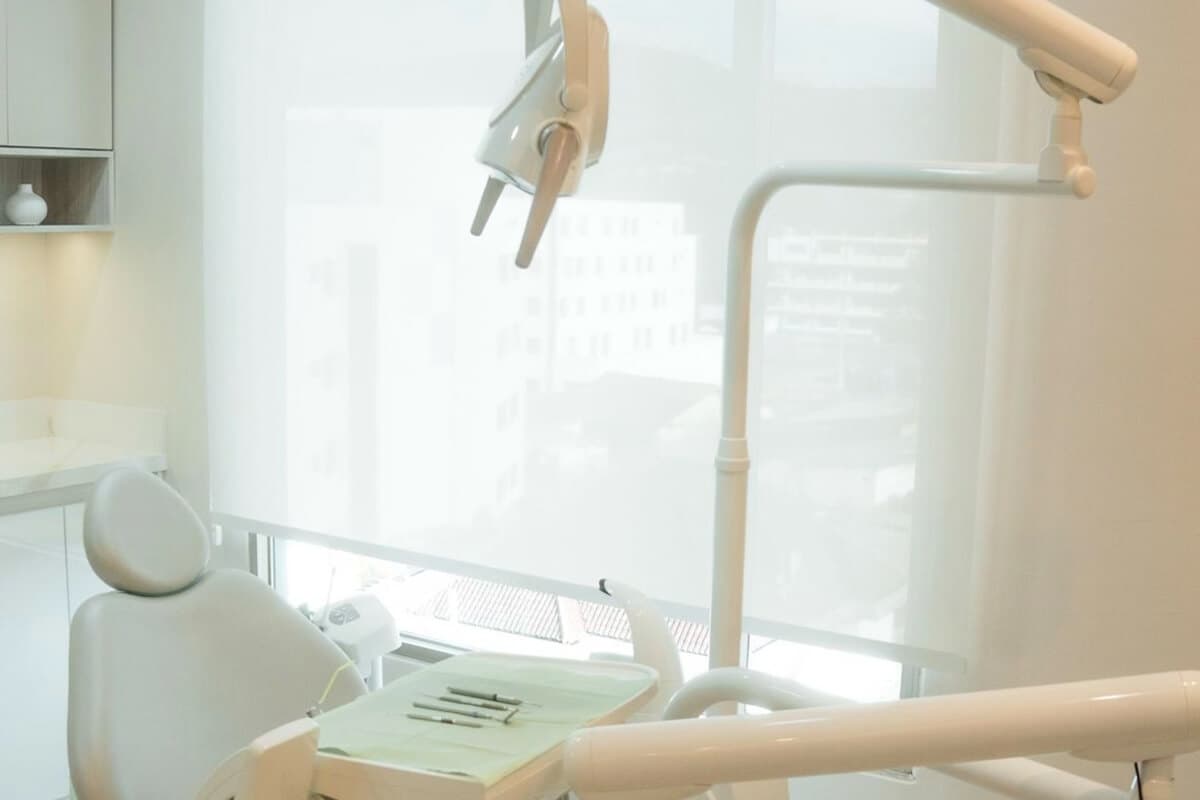
The composite veneer process in Samsun begins with listening to the patient’s expectations and an intraoral examination. The dentist evaluates conditions such as gum health, decay, or existing fillings. If deemed necessary, these issues can be addressed before the procedure.
After the examination, a plan suited to the person is created. The number of teeth to be treated, the expected aesthetic result, and the shade selection are discussed at this stage. Transparent information lets the patient know what to expect throughout the process.
Choosing a reliable dental clinic in Samsun is important for both hygiene and process management. After the procedure, care recommendations are given and follow-up appointments are scheduled when needed. Regular check-ups can help preserve the result.
A practical advantage of being treated at a local clinic is easy access for check-ups and possible minor repairs. Small staining or wear that may develop on composite surfaces over time can be noticed early and corrected thanks to close follow-up. This contributes both to preserving the result and to patient comfort.
Digital Smile Analysis and Shade Selection
Digital smile analysis is a method that helps evaluate how well the teeth harmonize with the facial features. This can give a clearer idea of the possible result before the procedure. The patient also gets the chance to express their expectations in concrete terms.
Shade selection is a critical step for a natural look. The tone of the neighboring teeth, the smile line, and the patient’s preferences are evaluated together. Choosing the right tone helps the composite surface look harmonious with the surrounding teeth.
In shade selection, factors such as the daylight, the lip structure, and the skin tone are also taken into account. It should not be forgotten that a very white tone may not suit every face and that a natural result often brings more lasting satisfaction. For this reason, the choice of tone is decided jointly by the patient and the dentist.
Light Curing and Polishing Stage
After the composite material is placed on the tooth, each layer is hardened with a special light source. This process lets the material gain its strength. Working in layers allows the dentist to shape the form more precisely.
The polishing stage that follows curing gives the surface a smooth and glossy look. Good polishing supports the natural aesthetics and may help the surface hold less stain. This stage directly affects the quality of the result.
Aftercare after the procedure directly affects the life of the result. Brushing twice a day with a soft-bristled brush, using floss, and going to regular check-ups are beneficial. Avoiding biting very hard foods directly with the teeth and habits such as nail biting and chewing ice may help protect the surface.
To maintain the shine, the polish may need to be renewed from time to time. During regular check-ups, the dentist can easily remove any dulling or small stains on the surface; this keeps the composite veneer looking fresh for a long time.
Composite Veneer Prices in Samsun 2026

It would not be accurate to give a single fixed price for composite veneers, because the cost depends on many variables. Chief among the most important factors is the number of teeth to be treated. The cost of a single-tooth correction and that of a smile design covering many teeth naturally differ.
The complexity of the case is another factor that affects the price. The size of the gaps between teeth, the condition of existing chips, and the desired level of aesthetics change the amount of labor and material needed. More detailed cases generally require more time and effort.
As the number of treated teeth increases, the total time and material needs also change, so multi-tooth plans within a smile design are evaluated differently from single-tooth procedures. In addition, the chosen shade scheme and the desired surface detail can affect the labor time spent. All of these items become clear with a personalized estimate.
The quality and brand of the composite material used may be reflected in the price. In addition, if additional procedures are needed before the treatment, such as fillings, gum contouring, or cleaning, the total cost is affected by this. These procedures vary from person to person.
The dentist’s experience and the service conditions the clinic offers also play a role in pricing. For this reason, the general figures you see online may not reflect your situation. A clear price specific to you can only be given after an intraoral examination.
The most accurate approach is to evaluate your expectations and tooth structure face to face with a dentist. During the consultation, you can get clear information about both the suitable method and the estimated cost. Thinking about the cost not only over the first procedure but also together with the maintenance and renewal that may be needed in the long term can also help put your budget on a sound footing.
Conclusion
Composite veneers in Samsun are a cosmetic option that aims to correct color and shape by removing little or no material from the tooth, and that can be completed in a single visit in most cases. With qualities such as a natural look, short treatment time, and ease of repair, they may be worth considering for many people.
Still, every method has its own advantages and limitations. Whether composite or porcelain veneers are more suitable for you depends on your tooth structure, your expectations, and your dentist’s evaluation. It is important to get a professional opinion for a sound decision.
You can book an examination appointment to clarify your aesthetic expectations and determine the plan that suits you. With proper information and regular check-ups, the result achieved can be preserved for longer.