 Spec. Dt. Gökcan ErtaşOrthodontist
 Dt. Sena KırcaDentist
 Dt. Sevinç Cansu KayıranDentist
 Assoc. Prof. Dr. Sezin ÖzerPediatric Dentist
 Spec. Dt. Sude Yıldırım BolatSpecialist in Periodontology
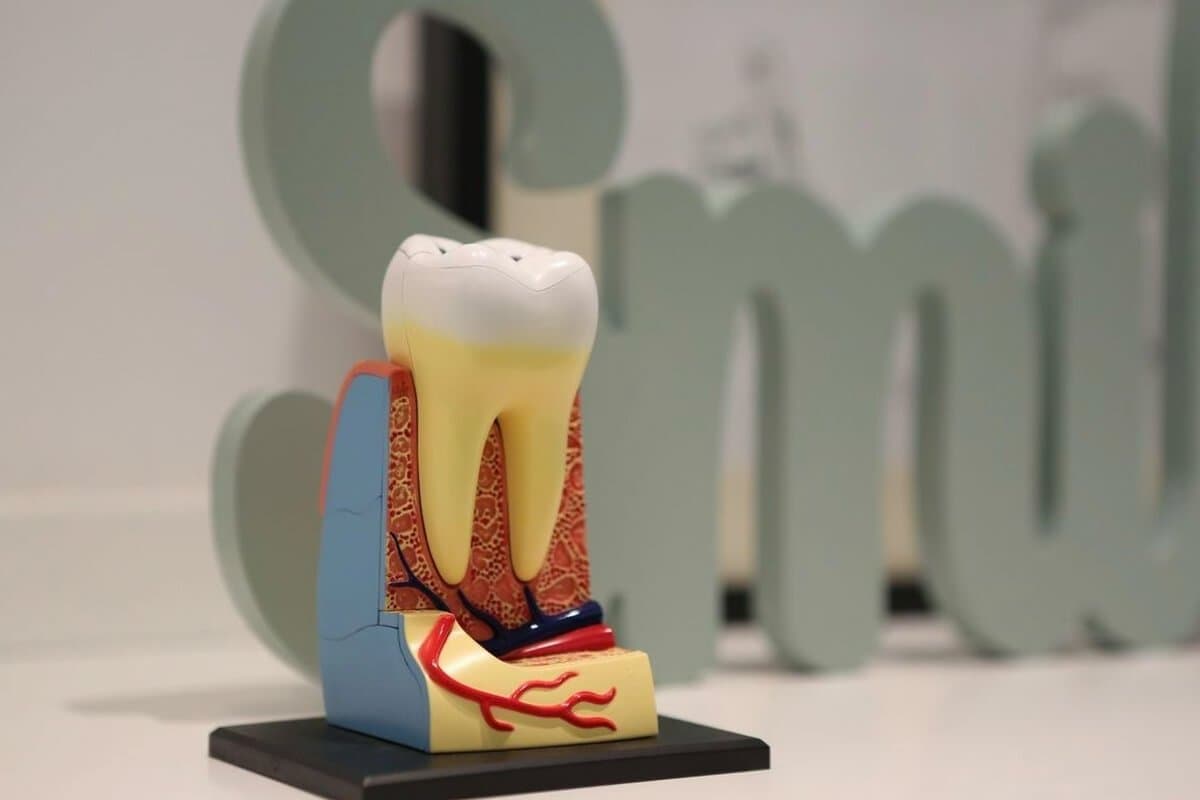
Pulp capping in Samsun is a conservative dental treatment that aims to protect the pulp tissue when deep decay or trauma brings damage close to the tooth's nerve, that is, the pulp. The goal is to keep the tooth vital without the need for root canal treatment or extraction. Whether it can be applied must always be evaluated by the dentist, because the degree of pulp damage and the overall condition of the tooth differ markedly from person to person.
How long the tooth pain will last, how much the treatment will extend the life of the tooth, and what the process will cost are among the topics patients ask about most. With the right diagnosis and an appropriate technique, the pulp can be preserved; however, there is no single method that guarantees this result in every case, because success depends on the degree of pulp damage and the patient's individual healing capacity. The sections below cover in detail the diagnostic process, the stages of the procedure, care recommendations, and the factors that affect the price.
Patients in Samsun who wish to have this treatment evaluated can undergo a detailed examination at Dental Prime, which provides services with up-to-date imaging methods and an experienced team of dentists. A personalized evaluation directly affects both the long-term success of the treatment and the comfort the patient will experience throughout it; for this reason, the first step should always be a comprehensive clinical examination.
What Is Pulp Capping?
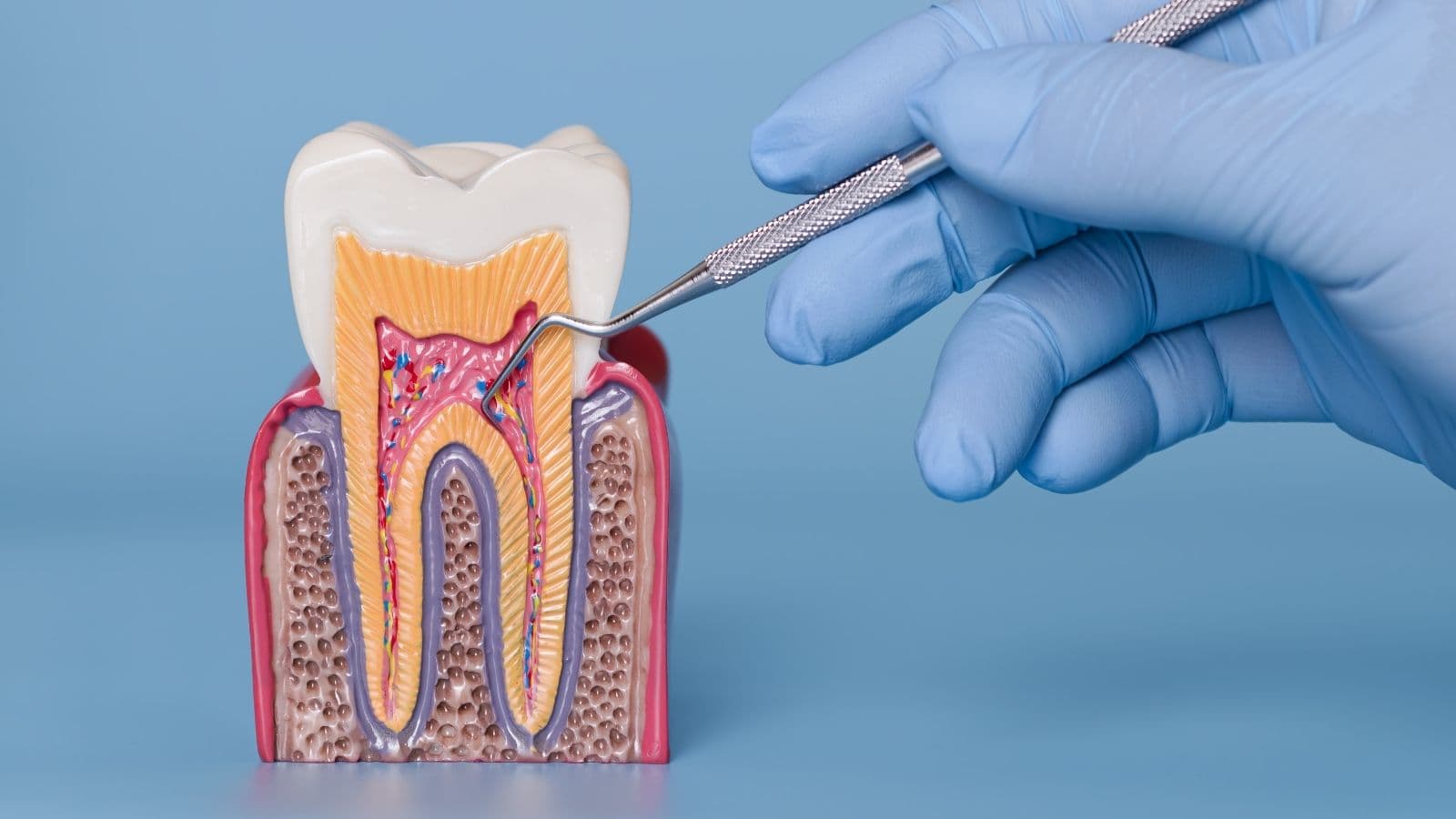
Pulp capping is a treatment method applied to protect the pulp tissue that lies beneath the enamel and dentin layers of the tooth. When damage close to the pulp occurs as a result of deep decay, a fracture, or trauma, the aim is to intervene before the nerve tissue is completely affected. In this way, the tooth's vitality is maintained and the need for more extensive procedures can be reduced.
The basic logic of the treatment is to place a biocompatible material in the area close to the pulp after the damaged tissue has been meticulously cleaned. This material sets the stage for the pulp tissue to repair itself and form new dentin. The procedure is regarded as a preventive dentistry approach that supports the tooth's own natural defense and healing mechanisms.
The term "kuafaj" (pulp capping) is used in dentistry only to describe this procedure and has nothing to do with hairdressing services; the term comes from an expression of French origin meaning "to cover, to place under protection" the inner structure of the tooth. Today it is a common treatment option that can be applied to both adult and pediatric patients when certain conditions are met.
The pulp tissue is a soft structure located in the center of the tooth that houses nerve endings and blood vessels. It supplies the tooth with nourishment, allows it to sense stimuli such as heat and cold, and enables it to mount a defense response against external factors. When this tissue is seriously damaged, the tooth may lose its vitality; for this reason, protective approaches such as pulp capping are of great importance in dentistry.
Pulp capping may come into question not only in large cavities but also in situations where the pulp is approached due to excessive tooth wear, a fracture, or the removal of a previous filling. Whatever the reason, the distance to the pulp matters down to the millimeter, and this distance is usually assessed with radiographic imaging. An approach noticed early broadens the treatment options.
Diagnosis for Pulp Capping and Assessment of Pulp Damage
Before a decision for pulp capping is made, the tooth needs to be examined in detail both clinically and radiographically. The dentist evaluates together the depth of the decay, the distance to the pulp, and, if there is a pain complaint, the nature of that complaint. This evaluation largely determines which pulp capping technique will be appropriate or whether the treatment is possible at all.
Methods such as the cold test, the electric pulp test, and percussion examination are also frequently used in the diagnostic process. These tests provide valuable information about the vitality of the pulp tissue and help the dentist build the treatment plan more reliably. As a result of the evaluation, the pulp is classified as healthy, reversibly inflamed, or irreversibly damaged.
Pulp capping can be performed by general dentists, and in complex or borderline cases it may also be referred to dentists who specialize in endodontics. Which specialty will carry out the treatment varies according to the depth of the damage and the clarity of the clinical findings. This referral is made to ensure that the treatment is planned under the most suitable conditions.
Signs of Pulp Damage and Indications for Pulp Capping
Sensitivity to heat and cold, mild discomfort while chewing, or brief sharp pain may be counted among the possible signs of damage close to the pulp. Pain that starts spontaneously and continues for a long time or increases at night may indicate that the pulp is affected to a more advanced degree. In such situations, evaluation by a dentist should not be postponed, because delay over time can narrow the treatment options.
The pulp being exposed at a single point and to a limited extent during removal of the decay
Small-scale pulp exposure resulting from trauma
Cases in which bleeding control can be achieved quickly and easily
Absence of a complaint of persistent, severe, or spontaneously starting pain in the tooth
Situations in which protecting the pulp is a priority in young patients whose tooth root has not yet completed its development
No sign of infection around the root on radiographic examination
The presence of these conditions together indicates that pulp capping may be a suitable treatment option. However, the final decision can be made only on the basis of the findings the dentist obtains during the examination; assessing symptoms on your own is not sufficient for a proper treatment plan.
In dentistry, pulp inflammation is examined in two main groups: reversible and irreversible. In reversible inflammation, the pulp tissue has the potential to heal with appropriate treatment, and pulp capping may be a suitable option for teeth evaluated in this group. In irreversible inflammation, the pulp tissue is not expected to repair itself, and a different treatment approach is required.
The way patients describe their pain also offers the dentist important clues. A brief sensitivity that goes away immediately when the stimulus stops is generally regarded as a positive sign, whereas pain that continues after the stimulus is removed requires a more careful evaluation. Dentists also give weight to the patient's subjective description when making this distinction.
Choosing Between Root Canal Treatment and Pulp Capping
The choice between pulp capping and root canal treatment is determined by the degree of damage to the pulp. If the pulp is still healthy and affected to a limited extent, pulp capping may be preferred; if most of the pulp tissue has been damaged or the infection has advanced, root canal treatment may be necessary. This distinction can be clarified only with clinical examination and imaging methods.
Criterion | Pulp Capping | Root Canal Treatment |
|---|---|---|
Purpose | To maintain the tooth's vitality by protecting the pulp tissue | To completely clean out an infected or irreversibly damaged pulp |
Situation Applied | Limited, superficial pulp exposure | Advanced pulp damage or infection |
Pulp Preservation | Efforts are made to preserve the pulp tissue to a large extent | The pulp tissue is removed completely |
Scope of Procedure | Conservative treatment in one or two sessions | Multi-session canal cleaning, shaping, and filling |
As can be seen from the table, both treatments aim to keep the tooth in the mouth; the key difference between them is how much of the pulp tissue can be preserved. The dentist decides which approach is more suitable for the patient based on the examination findings and can update the plan during treatment if necessary.
Pulp Capping Stages and the Treatment Process
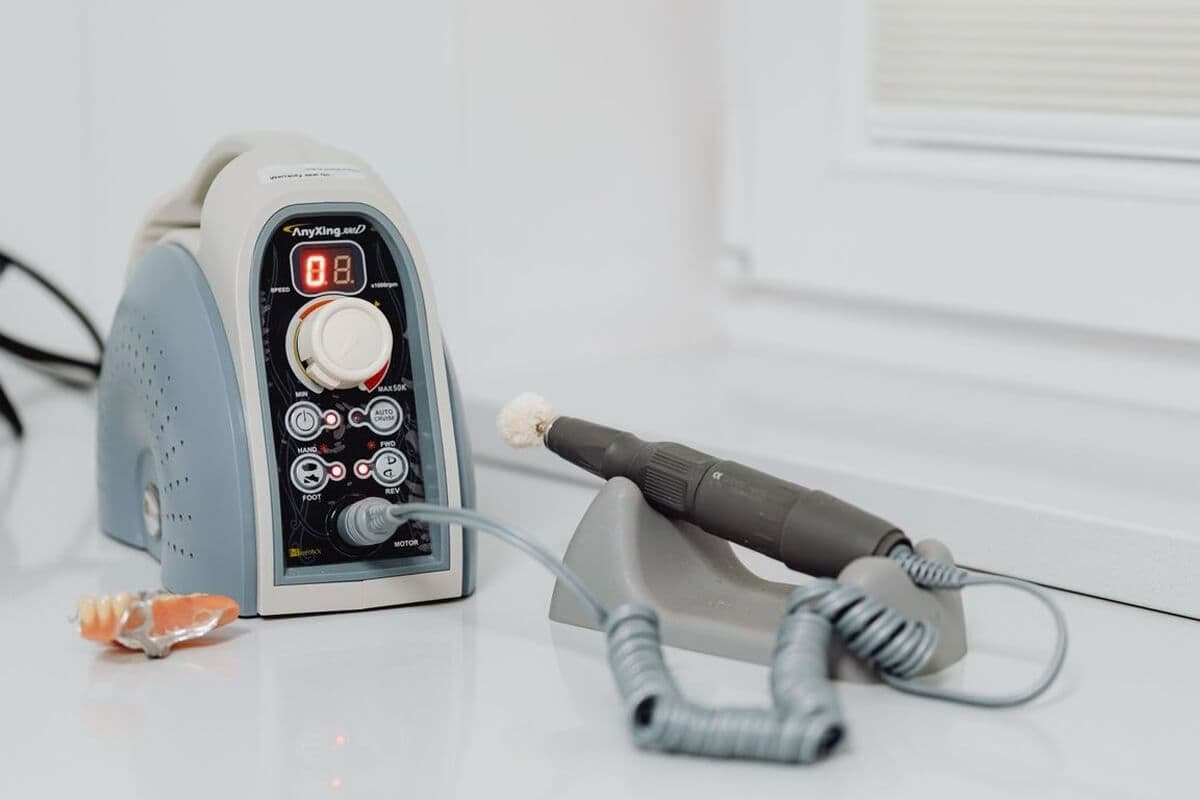
Pulp capping can be performed with different techniques depending on the type and degree of the damage. The general process consists of the steps of cleaning the decayed tissue, evaluating the area close to the pulp, placing a suitable material, and sealing the tooth with a permanent or temporary filling. The technique chosen is divided into two: direct and indirect pulp capping.
Before the procedure, local anesthesia is applied to the area so that the patient feels no pain throughout the procedure. After the decayed tissue is removed, the area is disinfected and the area close to the pulp is checked for bleeding. Whether the bleeding can be stopped quickly is an important criterion that determines the direction the treatment will take.
Isolating the inside of the mouth from saliva during treatment is a critical step so that the material can be applied correctly. For this purpose, dentists generally use special isolation dams or absorbent cotton rolls. Providing a sterile working environment is another important factor that directly affects the long-term success of the treatment.
The total treatment time varies according to the technique chosen. Direct pulp capping can mostly be completed in a single session in about thirty to forty-five minutes, while indirect pulp capping requires two separate appointments spaced a few weeks apart. This difference in duration is a practical detail patients should keep in mind when planning their treatment.
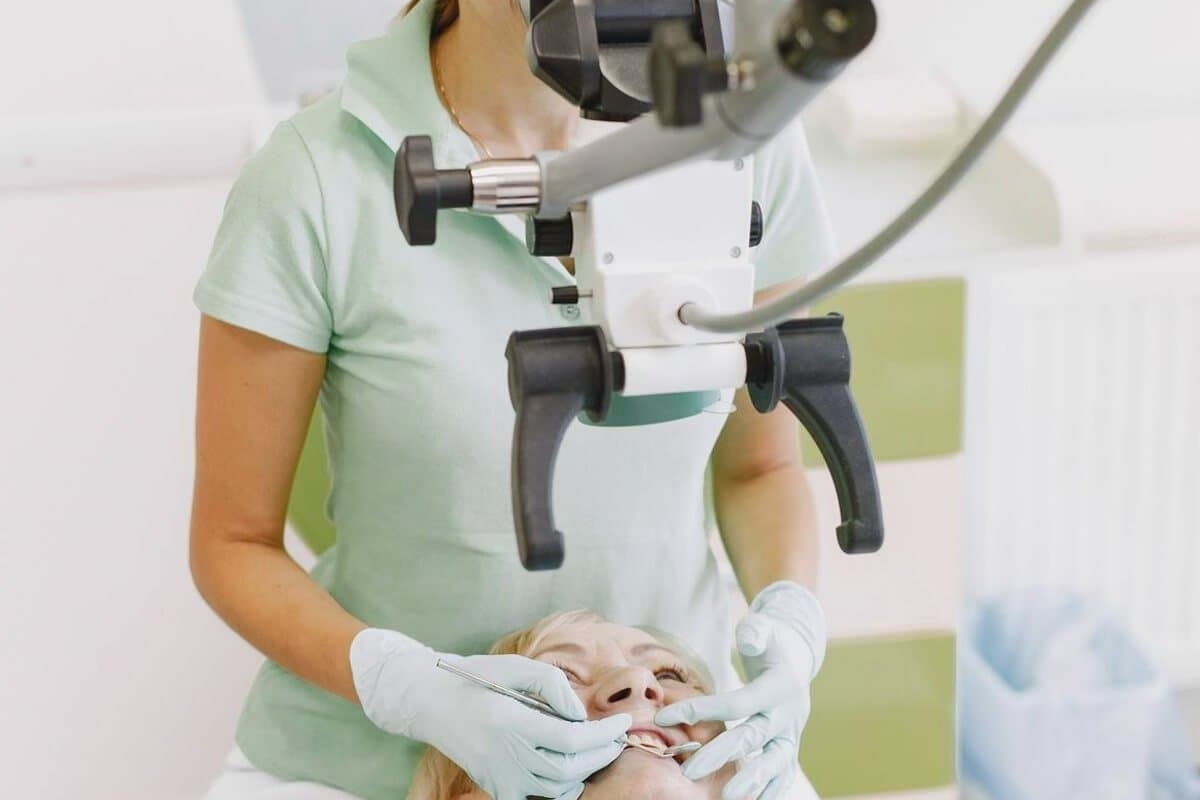
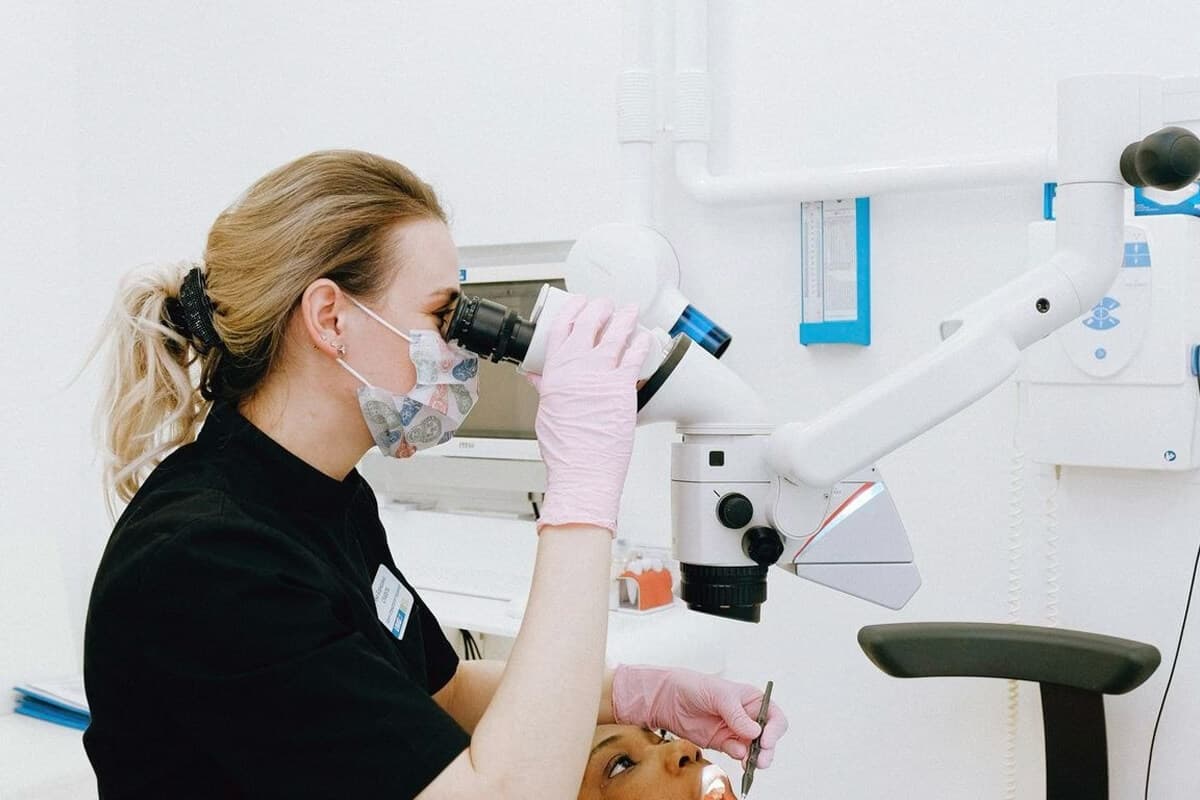
In some clinics, the use of a magnifying microscope or loupes during the procedure allows the area close to the pulp to be seen more clearly and the intervention to be performed with precision. This kind of technological support can contribute to the dentist's decision-making process, especially in borderline cases. The equipment used may differ from clinic to clinic.
Direct Pulp Capping Technique and When It Is Applied
Direct pulp capping is applied in cases where the pulp is exposed at a small point during removal of the decay and the bleeding can be stopped quickly. In this technique, the biocompatible material is placed directly on the exposed pulp surface, and the tooth is sealed with a filling in the same session. The procedure can generally be completed in a single session, which gives the patient a time advantage.
The success of direct pulp capping depends largely on how small the pulp exposure is and how quickly the bleeding is brought under control. If the exposure area is large or the bleeding goes on for a long time, the dentist may consider a different treatment approach instead of direct pulp capping; for this reason, the decision made during the procedure is kept flexible.
Indirect Pulp Capping and Stepwise (Blind Cavity) Management
Indirect pulp capping is preferred in situations where decayed tissue lies very close to the pulp but the pulp has not yet been exposed. In this method, the deepest layer of decay is deliberately left partially in place, and the tooth is temporarily sealed by applying a protective material over it. If healing is observed at the check-up made a few weeks later, the treatment moves on to a permanent filling; this approach is also called blind cavity management.
The aim of blind cavity management is to preserve the vitality of the tooth by reducing the risk of exposing the pulp. Mild sensitivity may be seen in the tooth during the waiting period, but if severe or spontaneously starting pain develops, the dentist should be consulted without waiting for the check-up appointment. This approach is especially preferred in young patients and in teeth whose root development is not yet complete.
Aftercare Following Pulp Capping
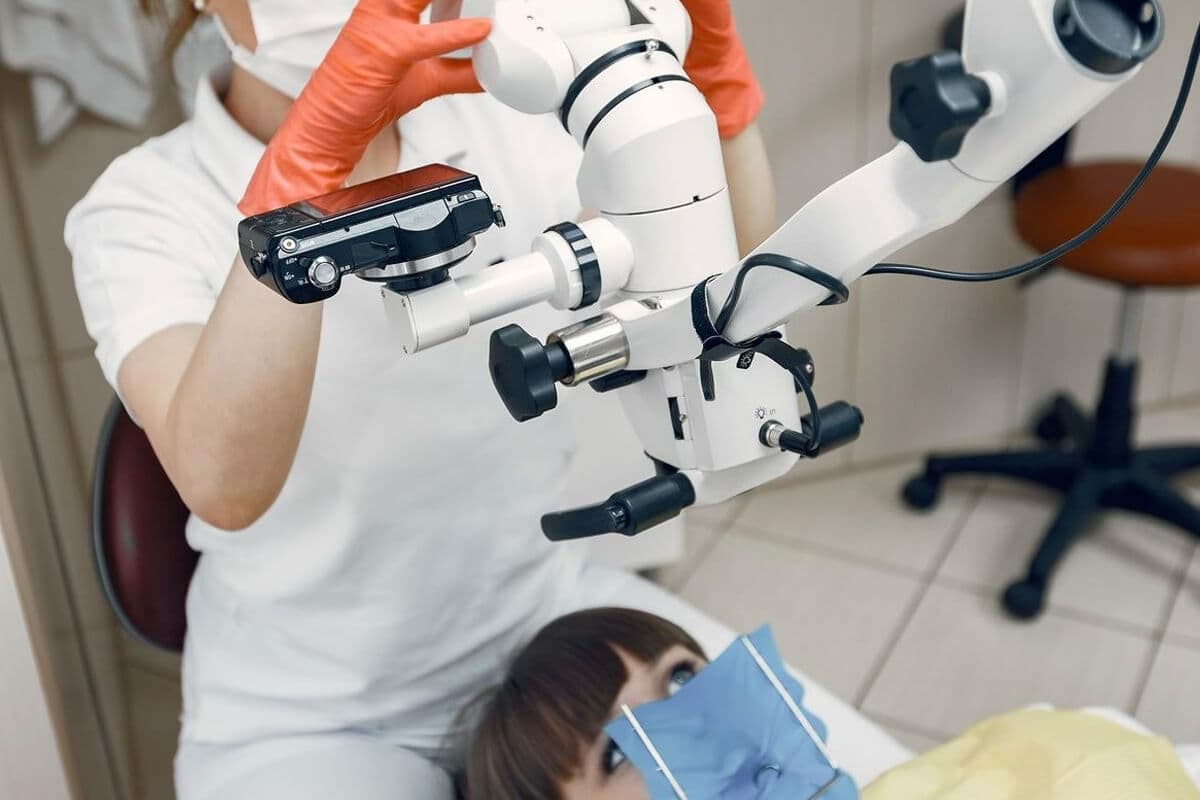
Proper care after pulp capping is a factor that directly affects the long-term success of the treatment. It is important to protect the tooth from excessive loading during the healing process and to follow the dentist's recommendations completely. The points to pay attention to during this period cover a wide area, from eating habits to oral care.
The healing process can differ from person to person; in some patients the sensitivity decreases within a few days, while in others this period may be a little longer. What matters is to attend the check-up appointments set by the dentist without missing them, because whether the pulp has healed becomes clear only through these check-ups.
Dietary Restrictions in the First 24 Hours and the First Week
In the first 24 hours following the treatment, it is recommended not to chew hard foods on the side where the procedure was performed. During the first week, avoiding extremely hot, cold, or very sweet foods may help reduce the temporary sensitivity in the tooth. Sticky and hard foods should be limited during this period to prevent damage to the temporary filling.
Avoiding hard foods that are difficult to chew on the first day
Limiting extremely hot or cold drinks
Not eating sticky and sugary sweets during the first week
Being gentle with the area when flossing and brushing
Reducing acidic and carbonated drinks as much as possible
Never missing the recommended check-up appointment
Following these restrictions helps keep the temporary filling intact and supports the pulp in healing without being disturbed. Small changes in your diet can increase comfort after treatment while also reducing the risk of possible complications.
General oral care is also an integral part of the healing process. Not applying hard pressure directly to the treated area while brushing, choosing a soft-bristled brush, and following the dentist's recommendations on mouthwash use are simple but effective steps that support healing.
Pain Management After Pulp Capping and Its Type
Mild sensitivity or a dull feeling of discomfort lasting a few days after pulp capping is considered normal. This kind of pain generally decreases over time and can be managed with painkillers recommended by the dentist. Sensitivity to heat and cold is also a common symptom during this period that goes away on its own.
However, if the pain intensifies, increases at night, starts spontaneously, or lasts longer than a few days, you should see the dentist without delay; this may indicate that the pulp has been negatively affected and that the treatment needs to be reviewed. Early intervention can reduce the likelihood that the tooth will need root canal treatment.
Pulp Capping Materials and the Biocompatible Materials Used
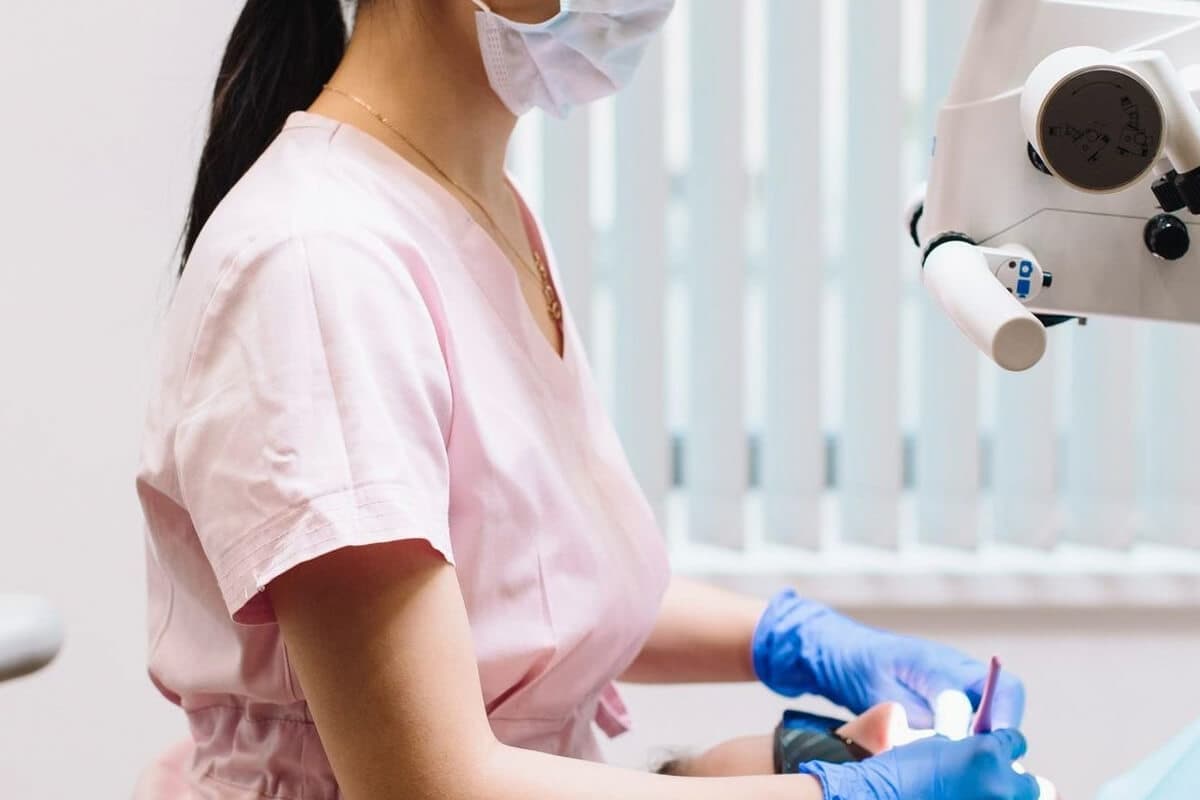
The materials used in pulp capping are specially developed to support the healing of the pulp tissue and to encourage the formation of new dentin. These materials are biocompatible and form a protective layer over the pulp. The choice of material is determined by the dentist according to the size of the damage and the overall condition of the tooth.
Calcium hydroxide-based products are among the traditional options that have been used for many years and are known for their antibacterial properties. Mineral trioxide aggregate, MTA for short, and bioceramic-based materials are frequently preferred today because they provide higher biocompatibility and sealing. The choice of these materials can directly affect the long-term success of the treatment.
The ability of bioceramic materials to set in the presence of moisture and their low irritation on contact with pulp tissue can be counted among the reasons this group is preferred. Because which material will be used can vary with the patient's clinical picture, the position of the tooth, and the dentist's experience, a personalized approach is adopted for material selection instead of a standard prescription.
The temporary or permanent filling material placed over the material is also important for the integrity of the treatment. Glass ionomer cements and composite filling materials are among the options frequently used to seal the tooth after pulp capping. Applying the filling in a leak-proof manner is a decisive factor in allowing the protective material beneath it to remain effective.
The materials used in pulp capping of baby teeth may have different properties from those used in permanent teeth, because the pulp structure and root development process of a baby tooth differ from those of a permanent tooth. When choosing materials for pediatric patients, whether the material will affect the healthy development of the permanent tooth that will replace the baby tooth is also considered an important criterion.
Another point considered in material selection is the product's setting time; some bioceramic materials set within hours in a moist environment, while some formulations allow a faster clinical workflow. The dentist can choose the material with the appropriate setting time according to the urgency of the case and the session plan.
Pulp Capping Success Rate and Long-Term Results
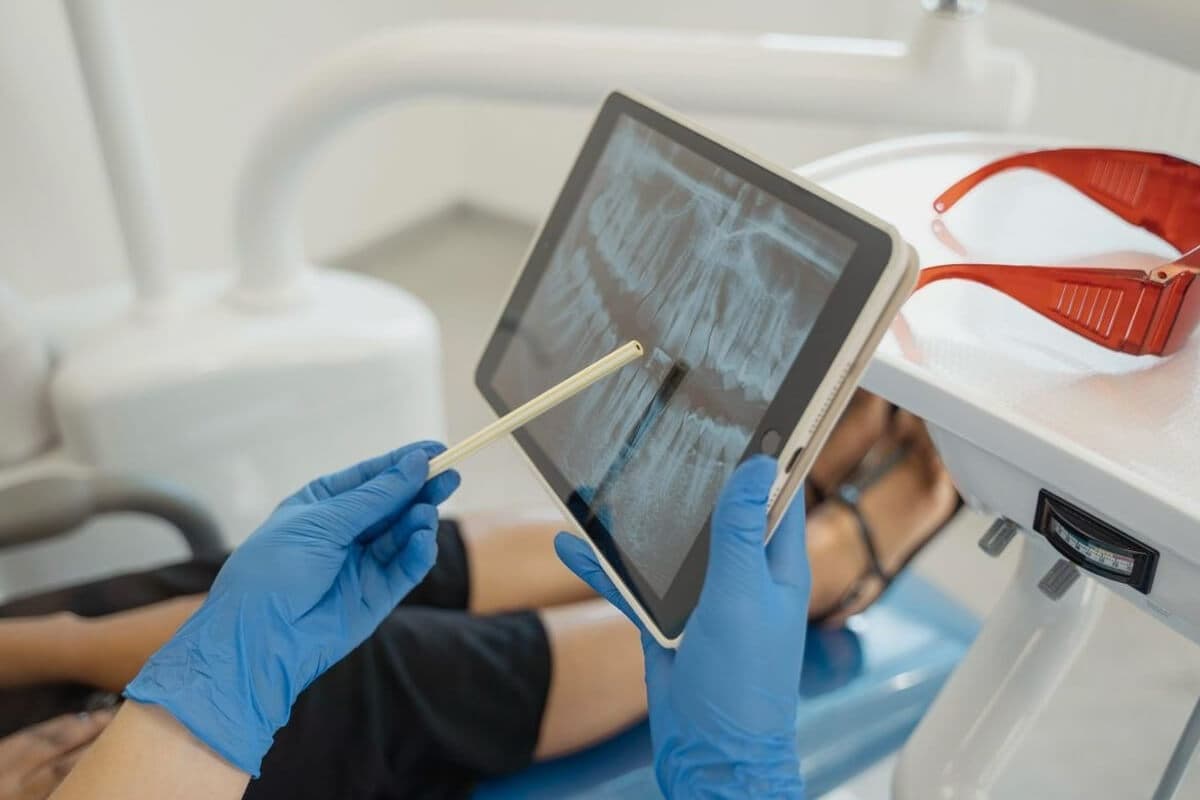
The success rate of pulp capping varies depending on the degree of pulp damage, the technique chosen, the material used, and the patient's overall oral health. It is known that the success rate tends to be higher in cases diagnosed at an early stage and involving limited damage. In contrast, in advanced pulp damage the outcome can differ markedly from case to case.
After a successful pulp capping, the tooth can maintain its vitality and continue its normal function for many years. Even so, regular check-up examinations are important so that a possible failure can be noticed early. If the treatment fails, the tooth may need to be referred for root canal treatment; for this reason, follow-up appointments must never be neglected.
Another element that affects long-term results is the patient's daily oral care habits. Regular brushing, flossing, and periodic dental check-ups can help extend the life of a tooth that has had pulp capping. It is also recommended to share with the dentist any factors that may delay healing, such as smoking.
The patient's age, general health, and any systemic conditions are also among the factors that can affect the success rate. For example, informing the dentist in advance about conditions that can slow the healing process, such as diabetes, helps shape the treatment plan accordingly. Radiographs taken at check-up examinations make it possible to monitor the long-term condition of the pulp objectively.
In young patients, because root development is not yet complete, protecting the pulp carries separate importance for the root to mature normally. In such cases, successful pulp capping can support not only the vitality of the tooth but also the healthy development of the root structure; for this reason, the frequency of follow-up in pediatric patients is generally kept closer.
Follow-up is generally planned as radiographic check-ups several times in the first year after treatment and once a year in the following years. This regular monitoring can help a possible failure be noticed before it gives symptoms. Adhering to the follow-up schedule recommended by the dentist directly affects the long-term prognosis of the tooth.
Pulp Capping Prices in Samsun 2026
The price of pulp capping varies according to the complexity of the case, the number of sessions, the position of the damaged tooth in the mouth, any additional procedures performed, and the dentist's experience. For this reason, rather than giving a definite figure, it is a more useful and realistic approach for patients to know the factors that determine the price.
The size of the pulp damage and the pulp capping technique applied (direct or indirect)
The number of sessions required and the frequency of follow-up appointments
The position of the tooth to be treated in the mouth and how difficult it is to access
The type and quality of the biocompatible material used
Whether additional imaging or supportive procedures are needed
The dentist's experience and the technological infrastructure the clinic provides
While some of these factors can be determined before treatment, some become clear only during the procedure; for example, the true condition of the pulp can often be seen fully only after removal of the decay has begun. For this reason, the information given about price before treatment is preliminary in nature, and the final amount becomes clear after the examination.
The technological infrastructure used by clinics, such as digital X-rays or magnification systems, is also among the elements that can affect pricing. In addition, whether the tooth will later need to be supported with a permanent filling or a crown can also change the total treatment cost. For this reason, when comparing prices, not only the pulp capping procedure but also possible additional procedures should be taken into account.
Fees applied at private clinics may differ from the reference tariffs of public institutions; this difference is generally related to the quality of the material used, the clinic's technological equipment, and the dentist's level of expertise. When comparing prices, patients are advised to pay attention not only to the amount but also to the scope of the treatment and the method used.
Because each of these factors differs from patient to patient, the most reliable way to obtain current price information specific to you is to have an examination. A detailed evaluation at a dental clinic in Samsun that provides services in this area will clarify both the treatment plan and the cost.
Conclusion
Pulp capping in Samsun is a conservative treatment approach that aims to maintain the tooth's vitality by protecting the pulp tissue. With the right diagnosis, an appropriate technique, and regular follow-up, the pulp can be preserved; however, the specific conditions of each case must be taken into account. Patients with complaints having a dentist's evaluation without delay can have a positive effect on the success of the treatment.
The diagnostic process, treatment stages, care recommendations, and factors affecting price covered in this article aim to help patients be informed before treatment. The final decision should always be made by the dentist following a comprehensive clinical examination; this article is for informational purposes and does not replace a dentist's evaluation.