

 Spec. Dt. Gökcan ErtaşOrthodontist
 Dt. Sena KırcaDentist
 Dt. Sevinç Cansu KayıranDentist
 Assoc. Prof. Dr. Sezin ÖzerPediatric Dentist
 Spec. Dt. Sude Yıldırım BolatSpecialist in Periodontology

Cyst surgery in Samsun is the surgical removal of cystic lesions that form in the mouth and jaw area. These cysts, which can occur in the teeth, bone structure or soft tissues, are evaluated by the dentist after diagnosis and a treatment decision is made. The aim of the operation is to remove the cyst completely, eliminate the risk of infection and improve oral health.
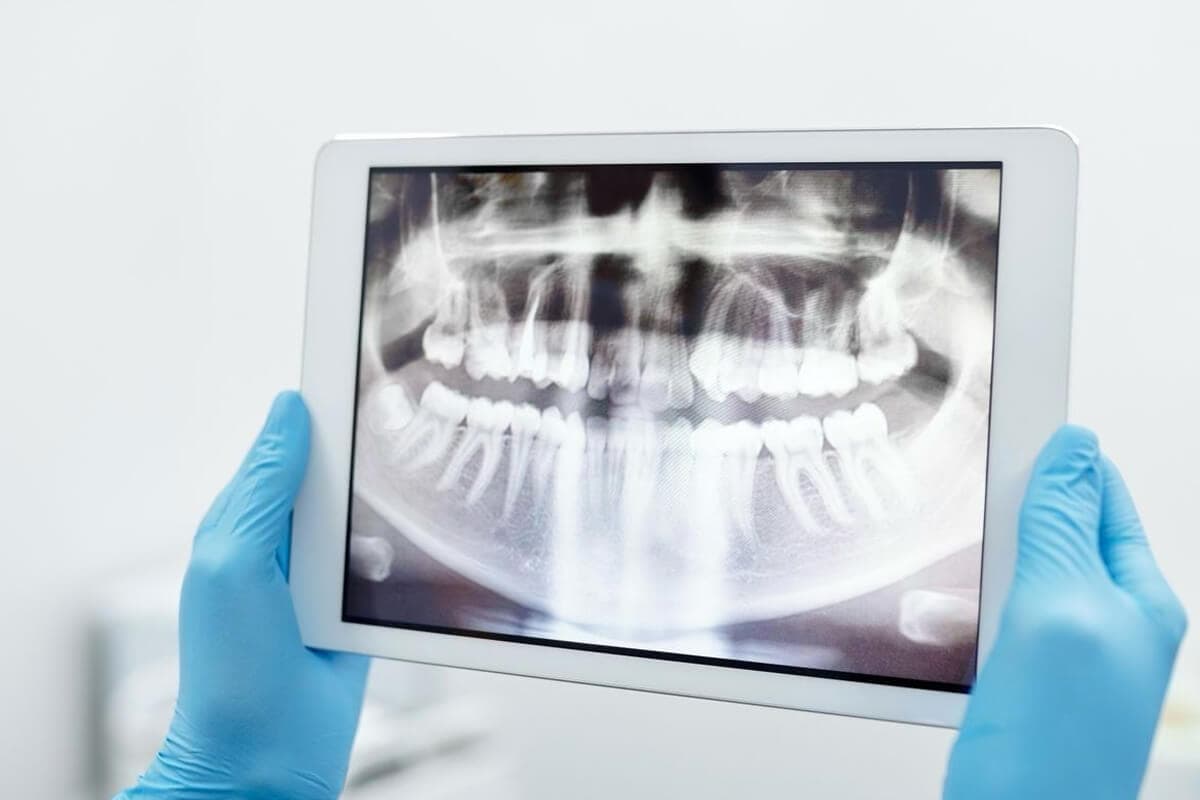
Most cysts are noticed on an X-ray taken during a routine dental examination or for a different complaint, and the patient may not feel any obvious discomfort at first. Once diagnosed, the size and location of the cyst and its relationship with neighboring teeth are examined in detail. This evaluation plays a decisive role in deciding which surgical approach will be suitable.
Some cysts can grow for a long time without symptoms; for this reason, routine imaging taken during regular dental checkups is important. If swelling, tenderness or an unusual feeling of fullness in the jaw area is noticed, it is recommended to see an oral and dental health specialist without delay.
The Dental Prime team, which handles this kind of case in Samsun, evaluates imaging findings together with the patient and explains the process step by step. This article covers what cyst surgery is, the stages of the procedure and the points to pay attention to during healing.
What Is Cyst Surgery?
Cyst surgery means the surgical removal of a pathological cavity surrounded by fluid or semi-fluid content within the jawbone or soft tissues. Cysts generally grow slowly and over time can cause erosion in the surrounding bone tissue. For this reason, early diagnosis helps simplify the treatment plan.
Depending on the size and location of the cyst, the procedure can be performed under local or general anesthesia. During surgery, the cyst is removed together with its capsule, and if deemed necessary, a sample of the surrounding tissue is sent for pathological examination. This step is important for clarifying the nature of the cyst contents.
Different surgical techniques may be preferred depending on the size of the cyst. In small and limited cysts, the method called enucleation, in which the cyst is removed whole with its capsule, is frequently used. In very large cysts, a method called marsupialization, which first drains the cyst contents and reduces its size, may be planned, followed by a complementary surgical procedure.
Cyst surgery is generally considered outpatient treatment; that is, it may be possible for most patients to go home the same day. In more extensive cases where general anesthesia is used, a short observation period may be recommended.
The success of the procedure depends largely on the correct diagnosis, appropriate surgical planning and the patient's adherence to the recommendations during healing. For this reason, information given before and after the operation is seen as an integral part of treatment.
Patients often wonder about the difference between a cyst and a tumor; cysts are generally considered benign and affect the surrounding tissue in a limited way. Even so, the definitive nature of every lesion is confirmed by pathological examination of the removed tissue.
After the operation, the area is closed with stitches and the healing process is followed under the dentist's supervision. Although cyst surgery may look like tooth extraction, it requires different surgical planning in terms of scope and technique.
The cavity left in the area after cyst surgery gradually begins to fill with new bone tissue through the body's own healing mechanism. This natural filling process can take months, and the dentist follows it with follow-up imaging taken at certain intervals. In large cysts, additional methods may also be considered to support healing.
Surgical Options After a Mouth and Jaw Cyst Diagnosis
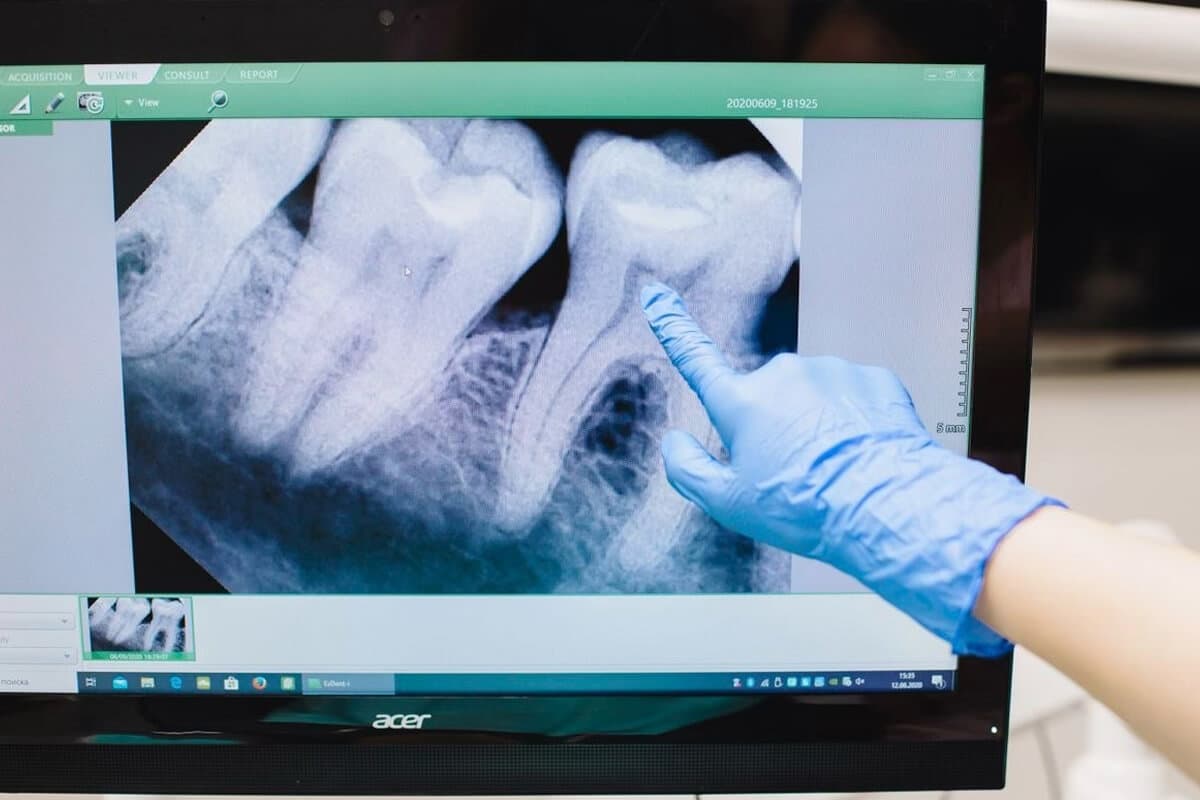
After diagnosis, which surgical option will be used varies depending on the type, size and location of the cyst. The dentist evaluates the imaging findings and recommends the most suitable method for the patient.
At this stage, the patient's age, general health and the relationship of the cyst with neighboring tissues are also taken into account. The aim is to determine the method that gives the least invasive and most reliable result.
Cyst Types and Treatment Indications
The most common cyst types in the mouth and jaw area include radicular cysts, dentigerous cysts and odontogenic keratocysts. Radicular cysts generally develop due to untreated decay or root tip infections, while dentigerous cysts form around impacted teeth.
Some cyst types, such as radicular cysts, can appear when root canal treatment fails or decay progresses. Dentigerous cysts, on the other hand, are generally noticed around teeth that have remained impacted, such as wisdom teeth.
Odontogenic keratocysts may require closer follow-up because of their tendency to recur. The cyst type directly affects the scope of the treatment plan and the frequency of follow-up after the operation.
With imaging methods, the borders of a cyst are generally seen as smooth with a clear contour; this feature gives the dentist an idea in distinguishing the cyst from some tumor-like formations. Even so, the definitive diagnosis is often clarified by pathological examination of the removed tissue.
As cyst size increases, slight displacement of surrounding teeth or thinning of the jawbone may be seen; these findings become more apparent on imaging and help clarify the scope of the treatment plan. In some cases, the cyst may require more careful surgical planning because of its proximity to neighboring anatomical structures.
In some rare cyst types, as with lesions that show tumor-like behavior, a more extensive surgical approach and a strict follow-up program may be required. In such cases, the process is explained to the patient in detail from the start.
The duration and severity of the patient's complaint are also included in the evaluation; a mild discomfort that has lasted for a long time and a noticeable swelling that develops suddenly may be handled at different levels of urgency.
Cyst Type | Commonly Seen Area | Typical Approach |
|---|---|---|
Radicular Cyst | Around the root tip | Cyst removal and root tip evaluation |
Dentigerous Cyst | Around an impacted tooth | Evaluating the cyst and the associated tooth together |
Odontogenic Keratocyst | Within the jawbone | Wide removal and regular follow-up |
This table offers a general framework; the definitive treatment approach is clarified by imaging results and the dentist's examination.
Dentist's Evaluation in the Decision for Surgery
When making the decision for surgery, the dentist evaluates together the size of the cyst, its relationship with neighboring anatomical structures and the patient's general health. Some small cysts that cause no symptoms can be monitored with follow-up at certain intervals.
In contrast, surgical intervention may be considered a more suitable option for cysts that are growing, causing pain or swelling, or affecting neighboring tooth roots. The patient's expectations are also taken into account at the decision stage.
When deemed necessary, consultation with other specialties such as ear, nose and throat or general surgery may be requested; especially in cases where the cyst is close to the sinus cavity, this collaboration can help increase treatment safety.
The patient's systemic conditions, for example uncontrolled diabetes or clotting disorders, can affect the timing of the operation and the preparation process. In such cases, coordinated planning with doctors from the relevant specialties is preferred for the process to proceed safely.
How soon the patient will return to daily life after the operation is also one of the factors evaluated in the decision process. Factors such as occupation and active sports schedule may be taken into account when setting the operation date.
This evaluation process is carried out in an examination setting where the patient can ask questions and share concerns.
Step-by-Step Cyst Surgery Process

Cyst surgery is not a single procedure; it consists of successive stages from the examination through healing follow-up.
Each stage is shaped by the outcome of the previous one; for this reason, the patient is encouraged to stay in communication with the dentist throughout the process and to ask about anything they wonder about.
Initial Examination and Imaging (CT, MRI)
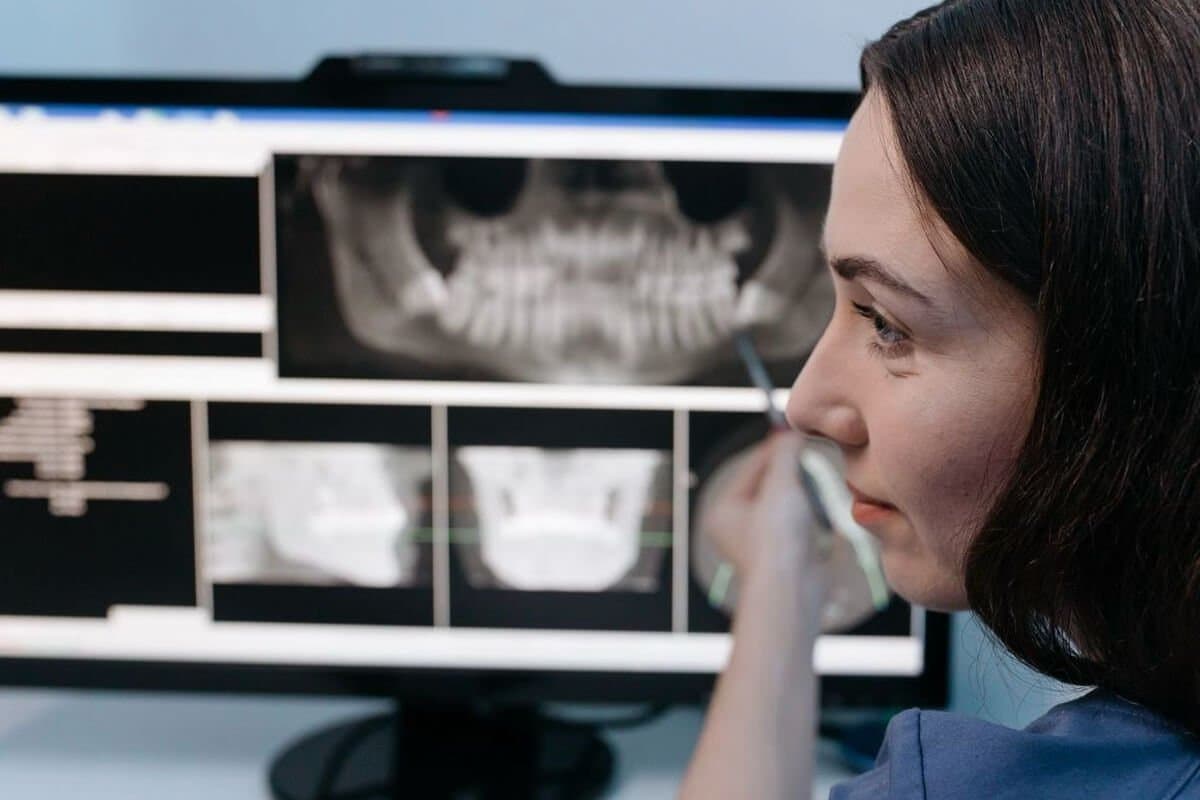
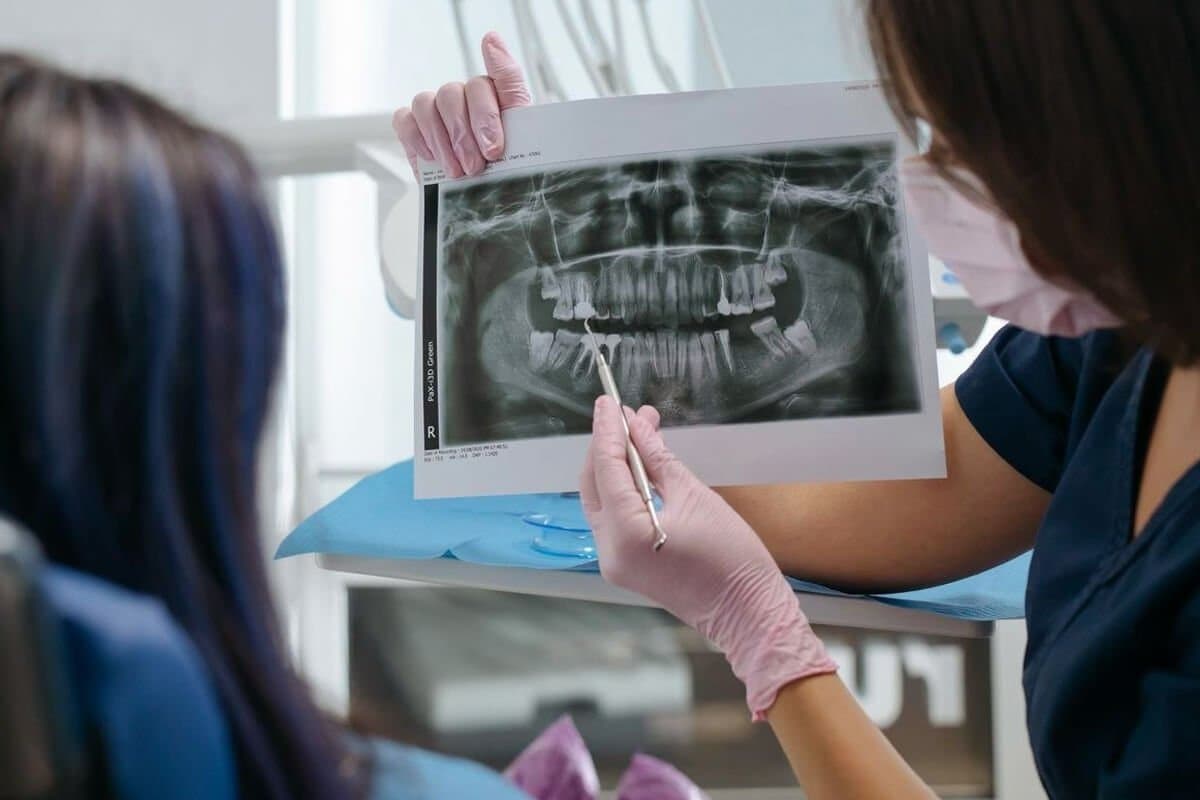
The first step of the process is a detailed intraoral examination. The dentist asks about the history of the complaint and examines the area clinically. Then imaging is requested to clarify the borders and size of the cyst and its relationship with neighboring structures.
During the examination, the dentist applies gentle pressure to the area to assess tenderness and checks whether neighboring teeth are healthy with vitality tests. These tests can help identify the tooth the cyst originates from.
A panoramic X-ray is generally the first-choice imaging method. When the spread of the cyst within the jawbone or its proximity to anatomical structures such as the sinus is in question, computed tomography (CT) may be requested. In cases where the soft tissue content is unclear, magnetic resonance imaging (MRI) may also be added to the evaluation.
These imaging findings guide the dentist in determining the scope of the operation and which anesthesia method is suitable.
Imaging results are filed and used as a reference both in planning the operation and in later follow-up examinations. These records also allow the healing process to be evaluated comparatively over time and let the dentist base the treatment decision on documentation.
Anesthesia Planning and Preparation Stage
The anesthesia method is planned according to the size and location of the cyst and the patient's general health. While local anesthesia may often be enough for small and limited cysts, sedation or general anesthesia may be preferred for large or deeply located cysts.
For patients with high surgery anxiety, sedation-assisted procedures can help increase comfort. This option is evaluated together with the dentist according to the patient's general health and preference.
Before anesthesia, the patient is given detailed information about the method to be used, its possible effects and how the process will proceed; this briefing ensures that the patient's informed consent is obtained knowingly and supports a sense of trust throughout the process.
In the preparation stage, information is taken from the patient about their current medical history, the medications they use and any allergies. Situations such as the use of blood thinners must be planned together with the dentist before the operation.
Before the day of the operation, the patient is informed about matters such as the fasting period, medication use and having a companion afterward. This preparation contributes to the process proceeding safely.
Performing the Surgical Procedure
After anesthesia is achieved, the dentist reaches the cyst capsule by making a small opening in the gum or mucosal tissue over the cyst. When necessary, bone tissue is gently removed to reveal the full borders of the cyst.
The aim is to remove the cyst whole together with its capsule; this approach can help reduce the risk of recurrence. If there is a tooth associated with the cyst, whether the tooth can be preserved is evaluated separately.
Meticulous adherence to sterile conditions in the operating room plays an important role in reducing the risk of infection. The surgical instruments and materials used are prepared in accordance with hygiene standards, and when single-use products are preferred, they are additionally checked.
Throughout the procedure, the patient's vital signs such as pulse and oxygen level are monitored. The surgical team works in a way that puts the patient's comfort first during the operation.
After the cyst cavity is cleaned, the area is rinsed with saline and the tissue layers are closed with appropriate suturing techniques. The duration of the procedure varies with the size of the cyst but is usually completed in one session.
Postoperative Management
Mild swelling, tenderness and bruising are expected after the operation. Pain relievers recommended by the dentist and, if needed, antibiotics can help support the healing process.
At discharge, the patient is given written care instructions; these include which symptoms require seeing the dentist without delay. Written information helps the patient feel safer at home.
The level of pain can differ from person to person; using medication at the doses recommended by the dentist helps manage this difference. If severe or increasing pain beyond what is expected is noticed, it is recommended to contact the clinic.
A cold compress applied to the area at intervals during the first twenty-four hours can help keep swelling limited. Eating soft and lukewarm foods is preferred so as not to irritate the area during healing.
Keeping the area clean and avoiding hard and hot foods for a while is recommended. The stitches either dissolve on their own or are removed by the dentist after a certain period, depending on the technique used.
If the removed tissue sample was sent for pathological examination, the results are shared with the patient at the follow-up examination and additional follow-up is planned if needed.
Risks of Cyst Surgery and Things to Watch Out For
As with every surgical procedure, there are some risks in cyst surgery; these risks can be managed to a large extent through prior information.
An informed patient can notice possible symptoms early and contact their dentist in time; this allows possible problems to be addressed before they grow.
Possible Postoperative Complications
The most common situations after the operation include temporary swelling, tenderness and mild bleeding. These usually fade on their own within a few days.
Mild swelling and tenderness
Local bruising
A small amount of bleeding
Temporary difficulty chewing
Rarer situations include infection and temporary changes in sensation in neighboring tooth roots or nerve structures. When such a symptom is noticed, it is recommended to contact the dentist.
The detailed discussion held with the dentist before the operation helps in understanding the extent to which these risks apply to the individual patient. Because every patient's health history is different, a personalized evaluation is the basis rather than general information.
An allergic reaction to the pain relievers or antibiotics used can rarely occur; this possibility can be largely avoided by the patient sharing previous drug allergies with the dentist in advance.
Smoking is considered a factor that can slow the healing process and increase the risk of infection; dentists frequently recommend quitting or reducing it as much as possible in the postoperative period.
When part of the bone tissue needs to be removed in large cysts, healing taking a little longer is considered normal. Regular follow-up examinations help possible problems be noticed early.
Healing Time and Activity Restrictions
The healing time varies according to the size of the cyst and the scope of the operation; soft tissue healing is generally largely completed within one to two weeks. Full healing of the bone tissue can take longer.
In the first days, it is recommended to avoid heavy physical activity, smoking and drinking through a straw. These behaviors can help protect the blood clot in the area and support healing.
Getting approval from the dentist before activities that may cause pressure changes, such as air travel or intense sports, can help prevent possible discomfort. A waiting period of a few weeks is generally recommended for such activities.
Some patients may report a temporary numb feeling in the surgical area; this usually passes on its own in a short time. If a change in sensation that lasts a long time is noticed, it is recommended to inform the dentist.
While brushing, it is recommended to stay away from the surgical area for a while while maintaining overall oral hygiene. The dentist may also include the use of an antiseptic mouthwash in the process if deemed necessary.
Regularly attending the follow-up appointments planned by the dentist is important for monitoring whether healing is progressing as expected.
Operation Planning and Contact in Samsun
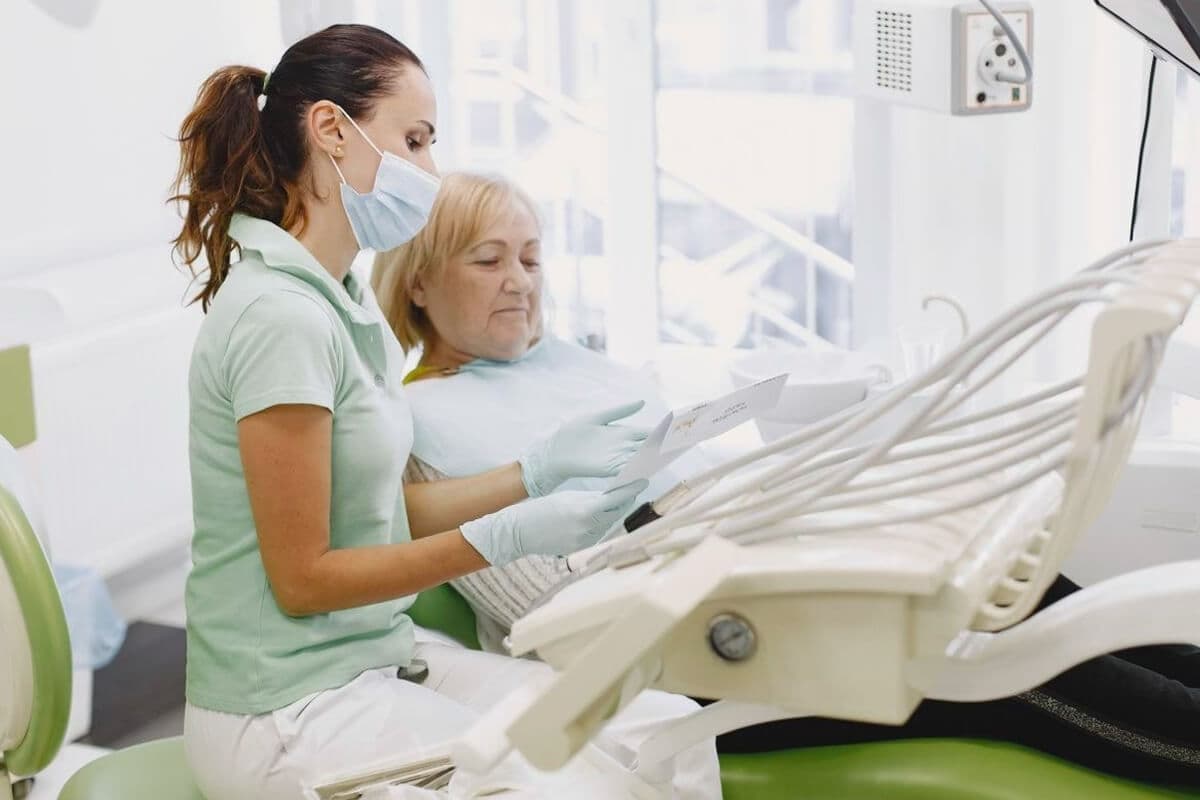
For patients planning cyst surgery in Samsun, the process begins with contacting the right dental clinic in Samsun. In the first meeting, the patient's complaint is listened to and any existing imaging records are reviewed.
The clinic answers the patient's questions so that they gain clarity about the process; this can contribute to building trust before treatment begins.
The Process of Booking the First Examination Appointment
An appointment request can be made by phone or through online communication channels. During booking, preliminary information is taken about the patient's complaint and any previously taken X-ray or tomography images.
At the first examination, the dentist performs a clinical examination and requests additional imaging if needed. This meeting is an important starting point for clarifying the next steps.
The first meeting generally lasts less than an hour, and during it the patient is given information about the next steps. If deemed necessary, additional imaging can be planned on the same day.
Before the appointment, the patient may be asked to fill out a short medical history form; this form saves time during the examination and helps the dentist evaluate the patient more holistically.
Where remote consultation is offered, it may be possible for the patient to ask their general questions before the first in-person examination. This preliminary information lets you come to the clinic visit better prepared.
Bringing Diagnostic Reports and Images
For patients who have had imaging taken at another center, bringing their panoramic X-ray, CT or MRI images to the first examination speeds up the process. Existing images can reduce the need for repeat imaging.
Previous treatment reports, if any, and information about the medications being used should also be shared with the dentist. This information contributes to shaping the treatment plan for the patient.
If technical terms in an imaging report are not understood, asking the dentist for an explanation in plain language helps the patient follow the process better. Such questions can always be asked during the examination.
Images can also be shared digitally; in this way, patients can send their records to the clinic in advance without needing to carry physical files.
Cost Information and Payment Options
Clear information about the cost of cyst surgery can only be given after the examination and imaging, because there are many variables that affect the price. For payment options, it is recommended to talk directly with the clinic.
In a preliminary conversation with the clinic, you can get information about payment plan options and installment possibilities, if any. This conversation helps the patient plan according to their budget.
Clinics may occasionally offer different payment conveniences or consultation advantages; the most reliable way to get this kind of up-to-date information is to contact the clinic directly.
Some health insurance policies may cover part of surgical procedures under certain conditions; up-to-date information on this should be confirmed with the patient's insurance company or the clinic's information desk.
Cyst Surgery Prices in Samsun 2026

The cost of cyst surgery varies depending on many factors, such as the size of the cyst, its location, the type of anesthesia used and the scope of the operation. For this reason, generalizing from a single figure is not an accurate approach.
The need for imaging (CT or MRI), whether a tooth associated with the cyst will be extracted and whether pathological examination is needed are also among the factors that affect the overall process and therefore the cost. The number of follow-up examinations after the operation is also included in planning.
Elements such as the appointment time the patient prefers, a request for additional comfort sedation or a special follow-up program may also be included in the overall process. Such preferences are clarified together with the patient while the treatment plan is discussed.
Some patients may prefer to get information from different clinics before making a treatment decision. In this process, comparing not only the cost but also the scope of the method used and the recommended follow-up program can help make a more informed decision.
Items such as medications to be used after the operation, follow-up examinations and, if needed, additional imaging are also part of the overall process. Discussing these in advance can help prevent encountering an unexpected situation during treatment.
When researching prices, it is recommended to pay attention not only to figures but also to the scope of the method used and the clinic's experience. A suitable budget plan can be made by talking openly with the dentist during the examination.
Having all questions resolved before starting the treatment process is important for both patient satisfaction and adherence to the treatment plan. An open conversation with the dentist can largely eliminate uncertainties on this subject.
The most accurate way to get up-to-date, patient-specific price information is to have an examination, have the imaging results evaluated and speak with the dentist one-on-one. In this meeting, both the treatment plan and the payment options are clarified.
Conclusion
Cyst surgery in Samsun offers a reliable solution aimed at protecting oral health through correct diagnosis and planning. The process begins with an examination and imaging, is shaped by the dentist's evaluation and is completed with regular follow-up.
Patients in whom a cyst has been detected seeing a dentist early can help keep treatment options simpler. Questions and concerns can be shared one-on-one with the dentist during the examination.
An operation planned with the right timing and up-to-date imaging techniques can give the patient an advantage in terms of both comfort and predictability. Because each case is evaluated on its own, the most accurate information always comes from an in-person examination.
Patients evaluating this process in Samsun can have a more planned and safer treatment experience with up-to-date imaging facilities and an experienced team.
Open communication between the patient and the dentist throughout the treatment process can contribute to a more comfortable experience both physically and psychologically.