 Spec. Dt. Gökcan ErtaşOrthodontist
 Dt. Sena KırcaDentist
 Dt. Sevinç Cansu KayıranDentist
 Assoc. Prof. Dr. Sezin ÖzerPediatric Dentist
 Spec. Dt. Sude Yıldırım BolatSpecialist in Periodontology

Fluoride treatment for children in Samsun is a professional dental service that strengthens the enamel structure of baby and permanent teeth to provide superior protection against cavities. Tooth enamel weakened by sugar consumption and inadequate brushing is repaired through this procedure, and children's oral health is safely protected.
This preventive treatment is safely performed in a clinical setting, especially for children with a high susceptibility to tooth decay. Preventive interventions made at an early age head off painful dental problems and difficult treatments that may occur later.
Early preventive dentistry is extremely important for children to have healthy and happy smiles for life. To safely protect your child's dental health and stop cavities before they even begin, you can get support from the Dental Prime clinic, which stands out with its team of specialist dentists.
What Is Fluoride Treatment for Children?
Fluoride treatment for children is a preventive treatment in which the mineral fluoride is applied to the tooth surface to strengthen tooth enamel and prevent cavities before they form. Fluoride is an entirely natural mineral, also found in water and various foods, that supports tooth and bone structure. This procedure, performed in a clinical setting, is one of the most reliable methods of modern dentistry for protecting children's oral and dental health.
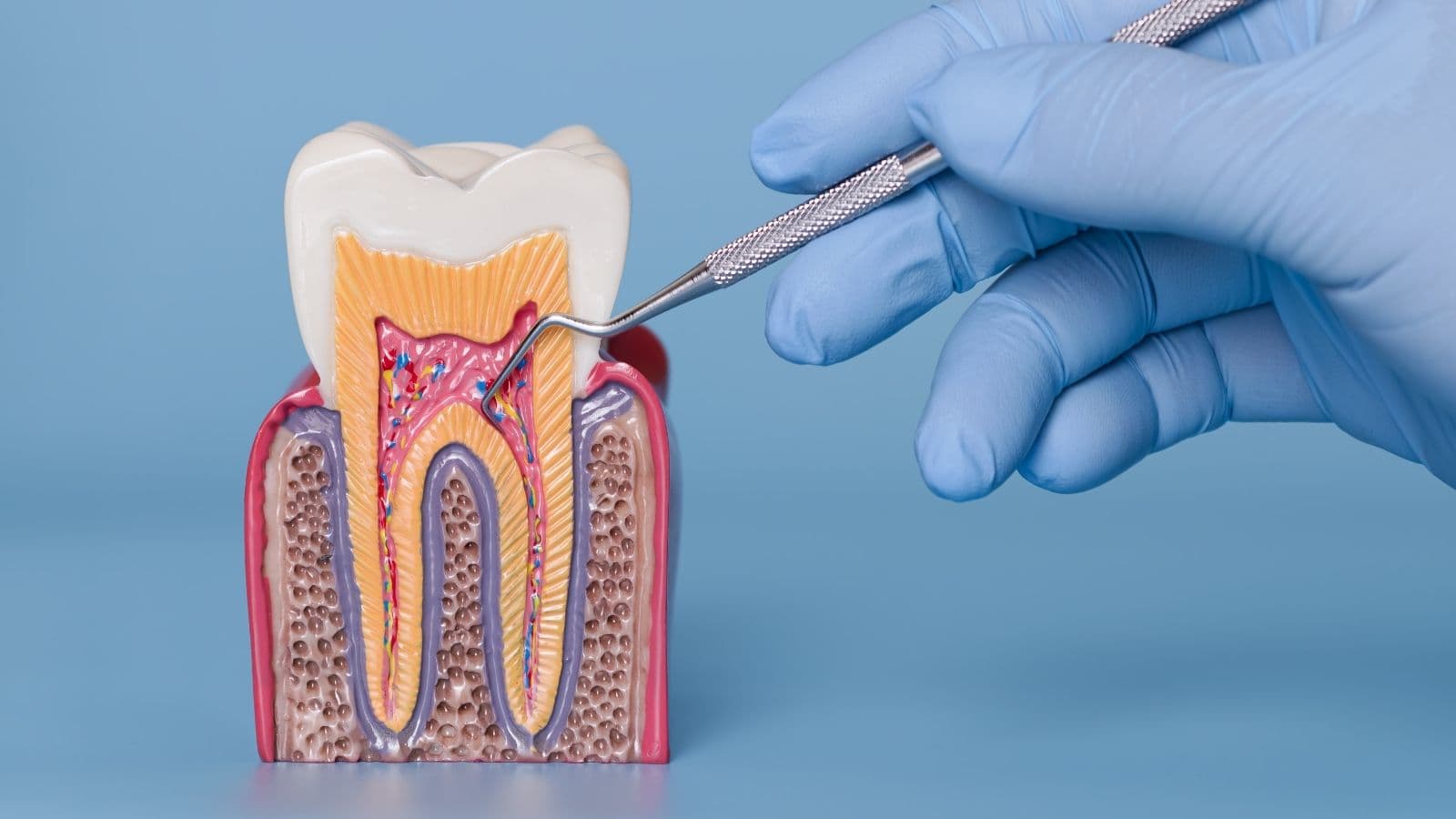
Tooth enamel gradually loses minerals because of the acids produced by bacteria in the mouth, becoming weaker and vulnerable to decay. Fluoride applied to the tooth surface combines with the calcium and phosphate in saliva and becomes part of the enamel structure, forming a much harder layer called fluorapatite. This new mineral structure is much more resistant to bacterial acid attacks than natural enamel.
Depending on the children's ages and cavity risk groups, fluoride is applied to the tooth surface in varnish, gel or foam forms with special brushes.
The success rate of the treatment depends on the right material being used with the right technique by a specialist pedodontist (pediatric dentist). Professional fluoride treatments performed in a well-equipped pediatric dental clinic in Samsun fully safeguard children's dental development. Dentists evaluate the child's oral hygiene habits in detail and decide on the frequency of this treatment on an individual basis.
Why Is Fluoride Treatment Important for Children?
Childhood is a critical period in which cavities progress fastest because of a carbohydrate-heavy diet and brushing habits that are not yet fully established. The enamel layer of baby teeth is much thinner than that of adult teeth and is vulnerable to acids. This structural weakness sets the stage for bacteria to quickly dissolve the tooth and form cavities; fluoride treatment is the strongest biological shield that stops this process.
Contrary to the common misconception in society, baby teeth should never be neglected with the thought that "they will fall out anyway." Baby teeth act as a natural space holder for the permanent teeth forming inside the jawbone and guide their correct eruption. Baby teeth lost early because of decay lead to a narrow jaw and to the need for serious orthodontic treatments later.
Another vital importance of fluoride treatment is its ability to reverse a cavity while it is still at an early stage. Microscopic mineral losses on the enamel surface can be completely repaired when fluoride penetrates the tissue, before a hole forms in the tooth. In this way, natural and lasting healing is achieved without the need to place fillings in children's teeth.
In addition, preventive fluoride treatments offer indisputable advantages for both the family budget and the child's psychological development. Treating cavities involves difficult processes that may require anesthesia, are costly, and are generally stressful for young patients.
Who Is Fluoride Treatment For?
Fluoride treatment is a preventive procedure that can be safely applied to all children who have completed tooth eruption and especially to those at risk of cavities. Although it is generally recommended to start around age 3, when the baby teeth have completed their alignment, it can also be done comfortably at earlier ages when the dentist considers it necessary. Because every child's oral flora, saliva structure and susceptibility to cavities are different, the most accurate decision is made with a detailed dental examination.
Children who frequently consume sugary and sticky foods, who have a history of baby bottle tooth decay, or who have not yet fully acquired the habit of brushing are in the high-risk group. Because the enamel of these children is much more vulnerable to bacterial acids, fluoride support from outside is almost essential.
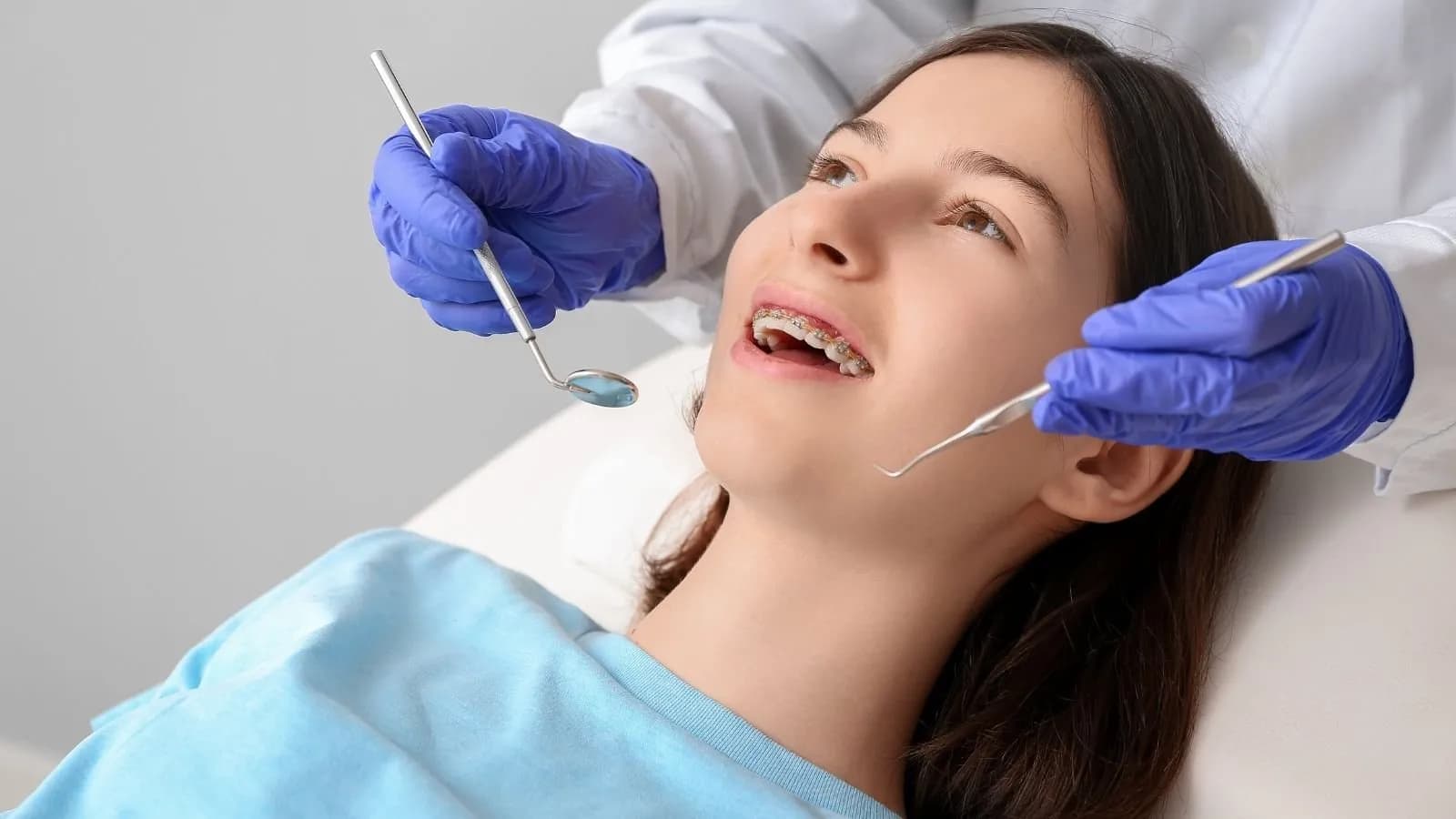
The procedure is also often preferred for children undergoing orthodontic braces treatment, to prevent mineral loss in hard-to-reach areas around the brackets.
Fluoride treatment also plays a life-saving role for children with physical or mental disabilities who have difficulty maintaining oral hygiene on their own. Children who use chronic medications that reduce saliva flow, or whose tooth enamel develops weakly because of systemic diseases, are also priority target groups for this treatment.
The main goal is to support weak enamel structure and completely eliminate the environment suited to cavity formation.
Step-by-Step Fluoride Treatment Process for Children
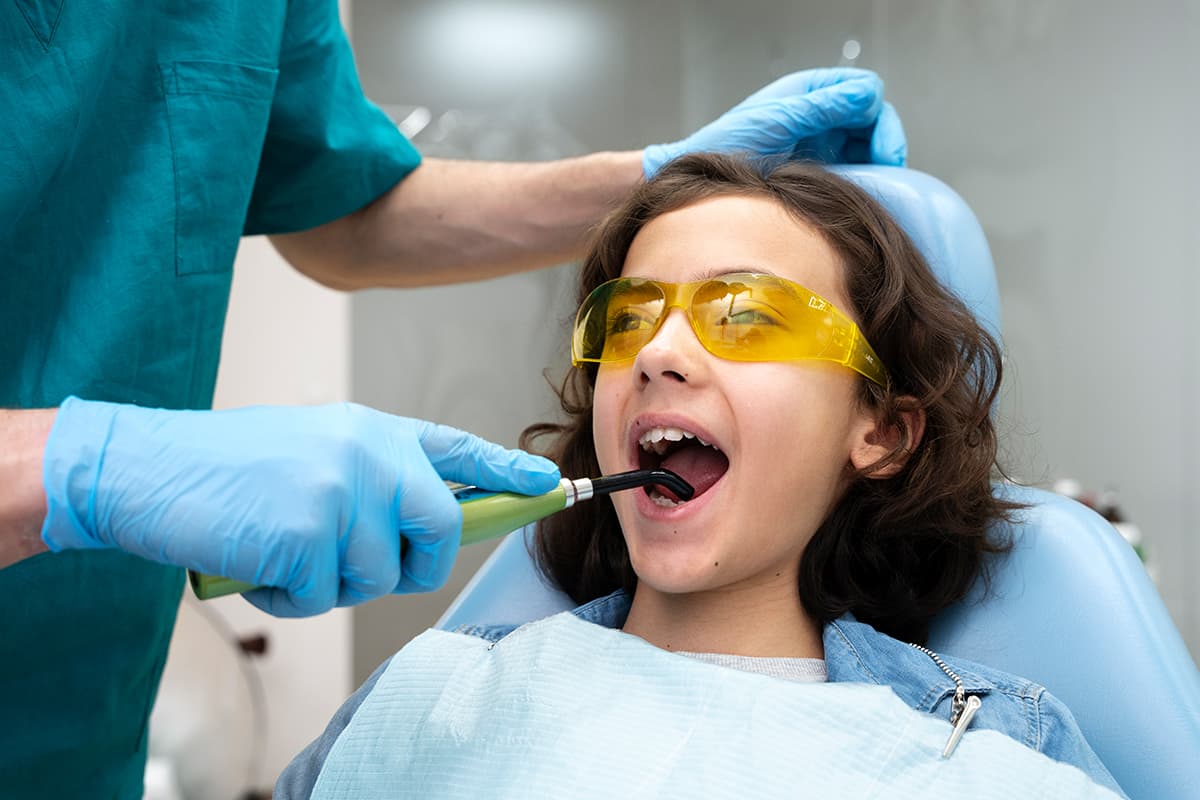
This process, which takes only a few minutes in total, is completed by turning it into a fun game through the dentist's good communication with the child.
For the procedure to be fully successful and for the fluoride to adhere to the tooth, certain steps must be carried out in order and with great care.
Examination and Teeth Cleaning Stage
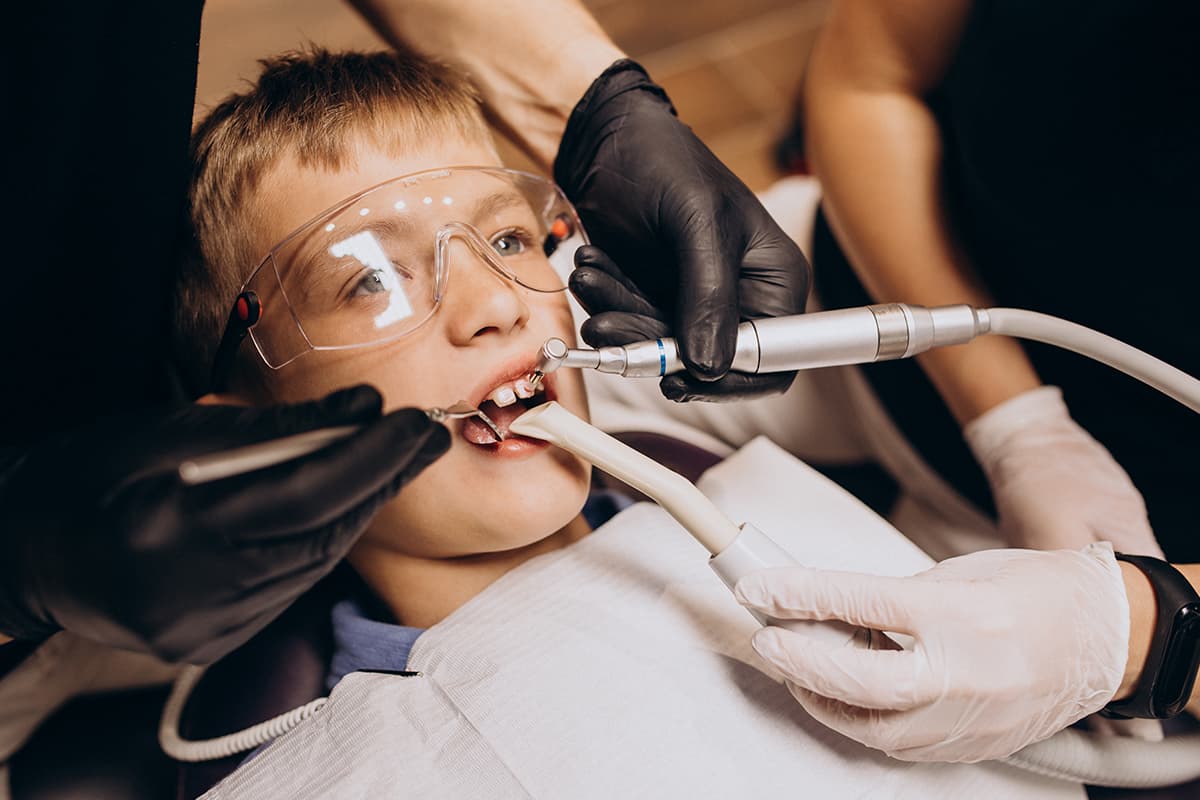
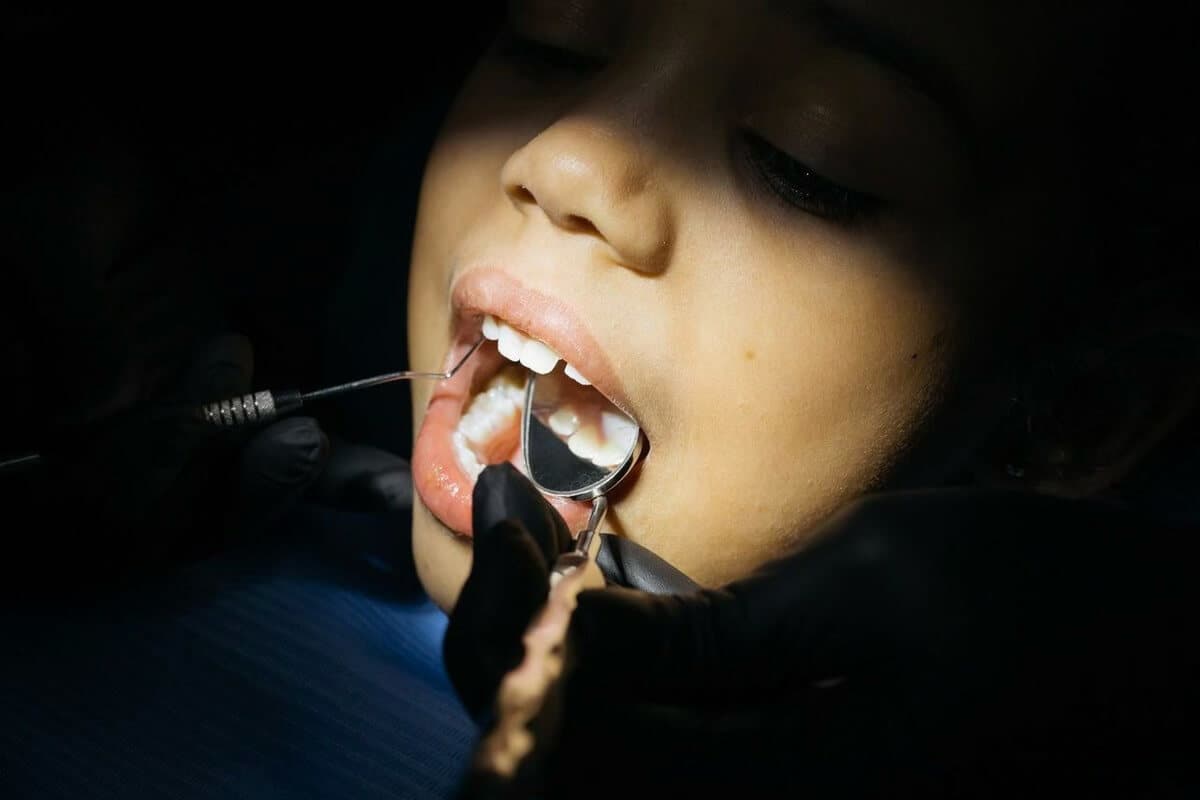
In the first stage of the procedure, the pediatric dentist examines the child's mouth in detail and evaluates the current cavity risk and the general condition of the tooth surfaces.
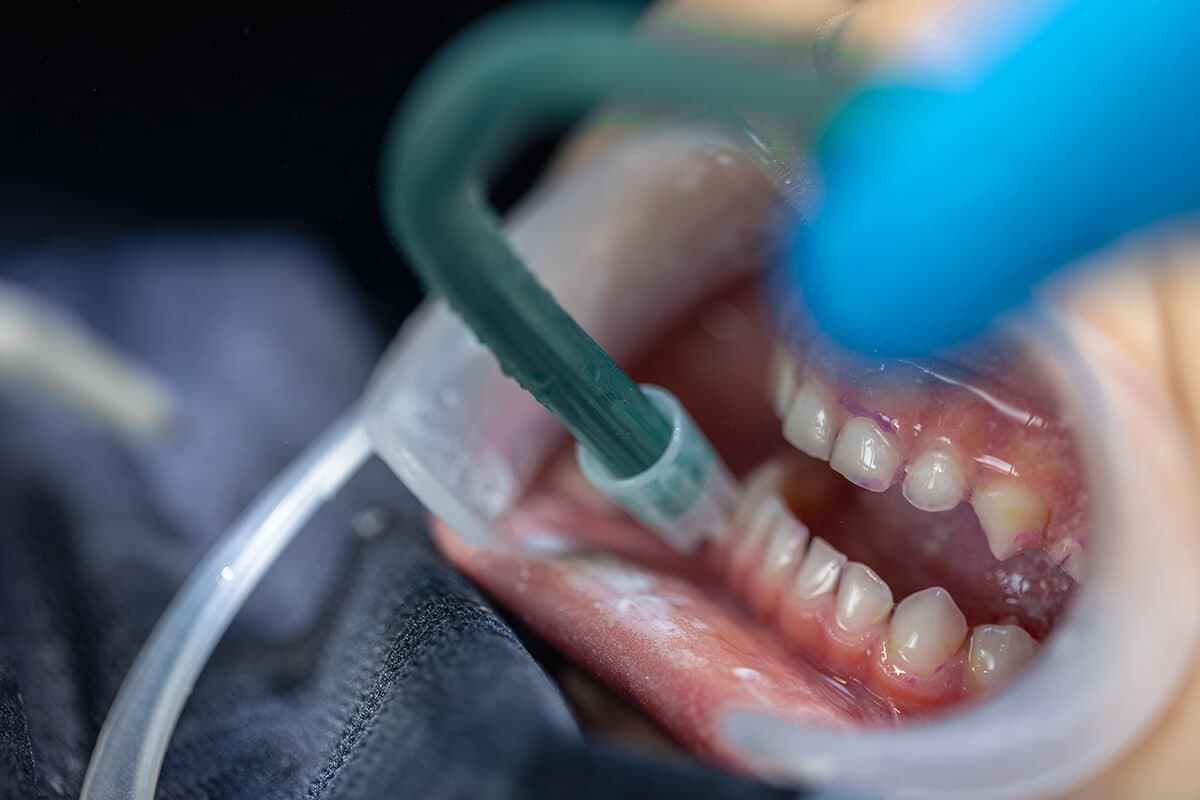
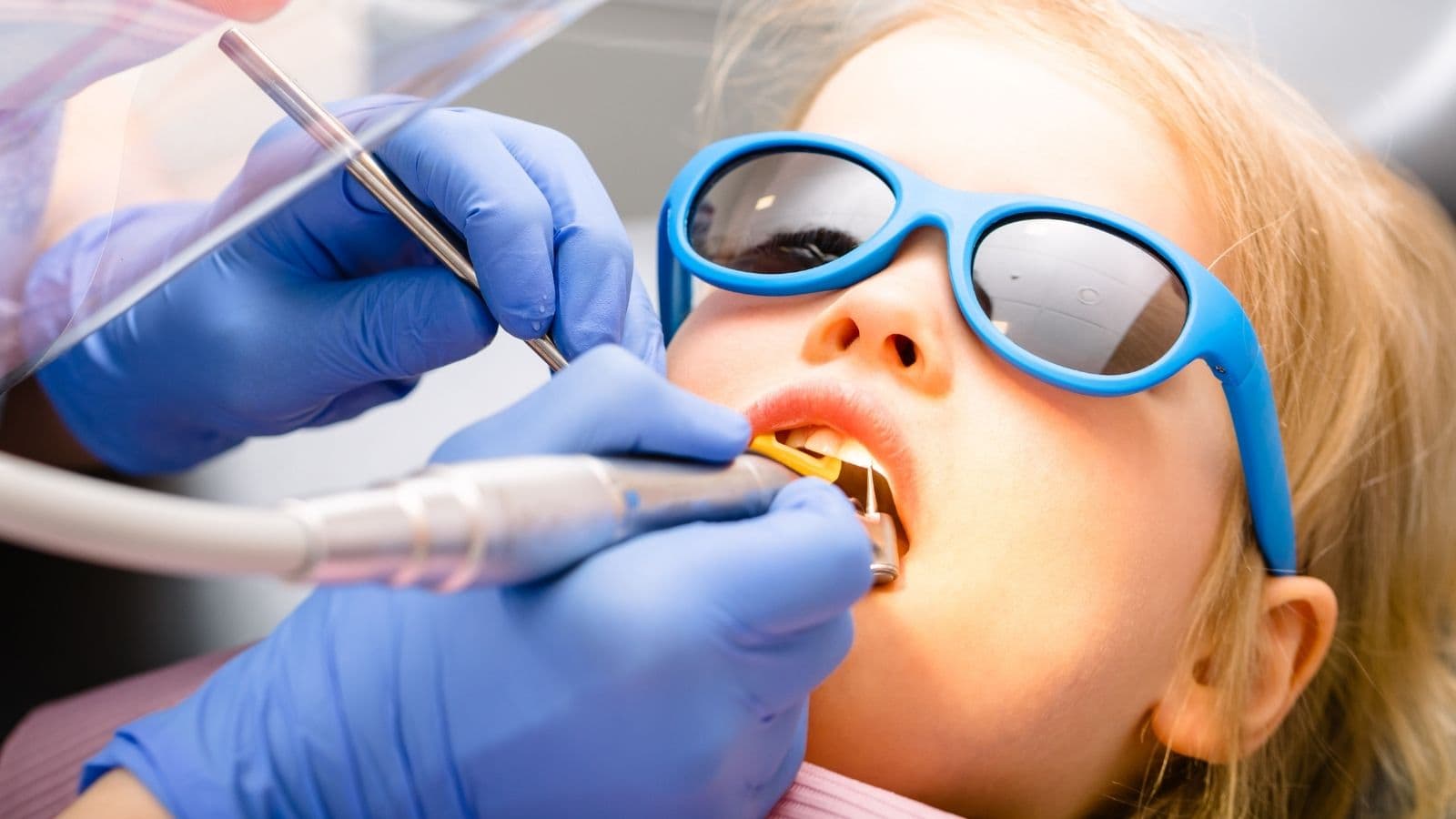
Then, so that the fluoride can fully penetrate the tooth enamel, deposits, plaque and food debris on the tooth surfaces are gently cleaned with the help of a soft rotating brush. The teeth are completely dried with air and freed from saliva; this is because a dry and clean surface is the most basic requirement for fluoride to adhere to the tooth.
Fluoride Gel or Varnish Application
After cleaning and drying are completed, the fluoride form most suitable for the child's age, cooperation and clinical condition is selected. Fluoride varnish, the most commonly preferred method today, is carefully applied by the dentist with a small, soft brush to the surfaces of all baby and permanent teeth.
This special material hardens quickly the moment it comes into contact with saliva in the mouth, adheres firmly to the tooth surface and instantly forms its protective barrier.
Eating Guide After the Treatment

To increase the durability and effectiveness of the treatment, the eating routine immediately after the application requires great care and attention.
For the fluoride to settle fully into the tooth enamel, be absorbed and strengthen the structure at the cellular level, nothing should be eaten for the period specified by the dentist. This short waiting period is an extremely critical stage to prevent the newly applied mineral layer from being washed away by chewing forces or liquids.
Duration of Effect and Repeat Interval of Fluoride Treatment for Children
The protective effect of professional fluoride treatment performed in a clinical setting on the tooth surfaces is not a permanent shield that lasts for life.
Depending on the child's daily sugar consumption habits, brushing routine and saliva structure, tooth enamel needs mineral support again over time. For this reason, to reduce cavity formation to zero and keep protection at the maximum level, the procedure must be renewed at certain intervals.
Dentists decide how often this preventive treatment should be repeated after establishing the child's overall oral health profile. If the child has many cavities in the mouth and oral hygiene is inadequate, this treatment can be repeated every 3 months to bring the risky period under control.
For children with a low cavity risk and a regular brushing habit, these protection sessions are usually quite sufficient when done twice a year.
6-Month Protection Period of Varnish Application
Fluoride varnishes, regarded as the gold standard in pediatric dentistry today, are the most successful method in terms of adhesion to the tooth and long-term protection capacity. With a resin-based structure, the varnish hardens quickly on contact with saliva the moment it is applied with a brush and completely seals the microscopic pores in the tooth.
The strong protective barrier created by this form of treatment actively protects the teeth against cavity attacks for an average of 6 months, as long as standard oral hygiene habits continue.
Short-Term Effect of Gel Application
Fluoride gels are another form that is applied with special measuring trays suited to children's mouths and works by being left on the tooth surface for a few minutes.
Because the gel form has a weaker ability to adhere (adhesion) to the tooth compared to varnishes, it uses up the protective mineral reserve in the tooth enamel in a shorter time. For this reason, gel applications may need to be repeated at much more frequent intervals than varnishes to extend the duration of effect and achieve the same level of protection.
Possible Side Effects of Fluoride Treatment for Children

"Is fluoride harmful?" is one of the topics that parents worry about most and ask experts about most often, especially because of misinformation on the internet. The fluoride preparations applied by pediatric dentists in a clinical setting are medical materials whose doses are specially calculated at the milligram level.
When used with the right technique and in appropriate amounts, they have no systemic or toxic harm to the teeth; on the contrary, they are the most reliable scientific method for preventing cavities.
The situation that poses a danger is not applying fluoride to the tooth surface, but swallowing large amounts of it over a long period and in an uncontrolled way. Thanks to their sticky properties, fluoride varnishes adhere to the tooth the moment they are applied, and the chance of them mixing with saliva and going down to the stomach is almost zero. However, a child continuously swallowing fluoride toothpaste used at home without parental supervision can set the stage for some unwanted local side effects.
Risk of Fluorosis and Ways to Prevent It
Young children whose teeth have not yet finished developing swallowing excessive amounts of fluoride on a continuous basis can lead to a permanent enamel defect called fluorosis. Fluorosis shows itself as chalk-white spots on the surface of the teeth or, in more advanced cases, brown discoloration and pits in the enamel.
To avoid this cosmetic problem, children should use fluoride-free toothpaste until the age of 3, and in later periods only an age-appropriate, "pea-sized" amount of toothpaste, always under parental supervision.
What to Do After Fluoride Treatment for Children
Paying attention to the home care process after the professional procedure at the clinic is extremely important so that the applied fluoride can adhere to the teeth to the maximum extent. Following exactly the instructions given after the dentist finishes the application is necessary so that the treatment is not wasted and the protective barrier is strengthened.
The following simple but critical rules will greatly increase the effect of the fluoride varnish or gel.
Avoiding Food in the First 30 Minutes
After fluoride treatment, dentists ask that children absolutely not drink water, eat or rinse their mouth for at least 30 to 45 minutes.
This period is the minimum time the applied gel or varnish needs to settle fully into the pores of the tooth enamel and to harden by forming its chemical bonds. Liquids or foods consumed too early wash away the fluoride layer that has not yet fully set and seriously reduce the protective effect of the treatment.
When to Start Brushing Teeth
On the evening of the day of treatment, the child's teeth should not be brushed at all, in order to extend the time the applied fluoride varnish stays on the tooth. The mechanical abrasive effect of the brush and the structure of the toothpaste can scrape the newly applied fluoride layer off the tooth surface before it has fully penetrated.
The normal routine of brushing and flossing can be resumed in the morning, one day after the treatment, as usual and without any problems.
Fluoride Treatment Prices for Children in Samsun 2026
The prices of fluoride treatments applied to children vary according to the form and quality of the material used and the equipment of the clinic performing the procedure. Treatment fees set for 2026 are based on the minimum price schedule updated every year by the Turkish Dental Association (TDB). Whether the treatment is applied as varnish or gel is also among the factors that determine the price.
Compared with procedures such as fillings, root canal treatment or tooth extraction for deep cavities that may develop later, fluoride treatment is an extremely economical investment.
A detailed examination by a specialist is essential for the treatment plan best suited to your child's mouth and for current price information.
Conclusion
Fluoride treatment for children in Samsun is an entirely painless and highly effective shield that protects little ones' baby and permanent teeth against cavities.
Combined with a regular brushing habit, this professional support stops cavities before they even begin.
These procedures, which take just a few minutes and are carried out in a playful atmosphere, help children approach the clinical setting positively before any fear of the dentist develops. With the conscious steps of families and the right guidance of specialist dentists, painful cavities are no longer the fate of childhood.
To safely support your child's healthy dental development and build lasting beautiful smiles for life, you should not skip professional dental check-ups.