 Spec. Dt. Gökcan ErtaşOrthodontist
 Dt. Sena KırcaDentist
 Dt. Sevinç Cansu KayıranDentist
 Assoc. Prof. Dr. Sezin ÖzerPediatric Dentist
 Spec. Dt. Sude Yıldırım BolatSpecialist in Periodontology
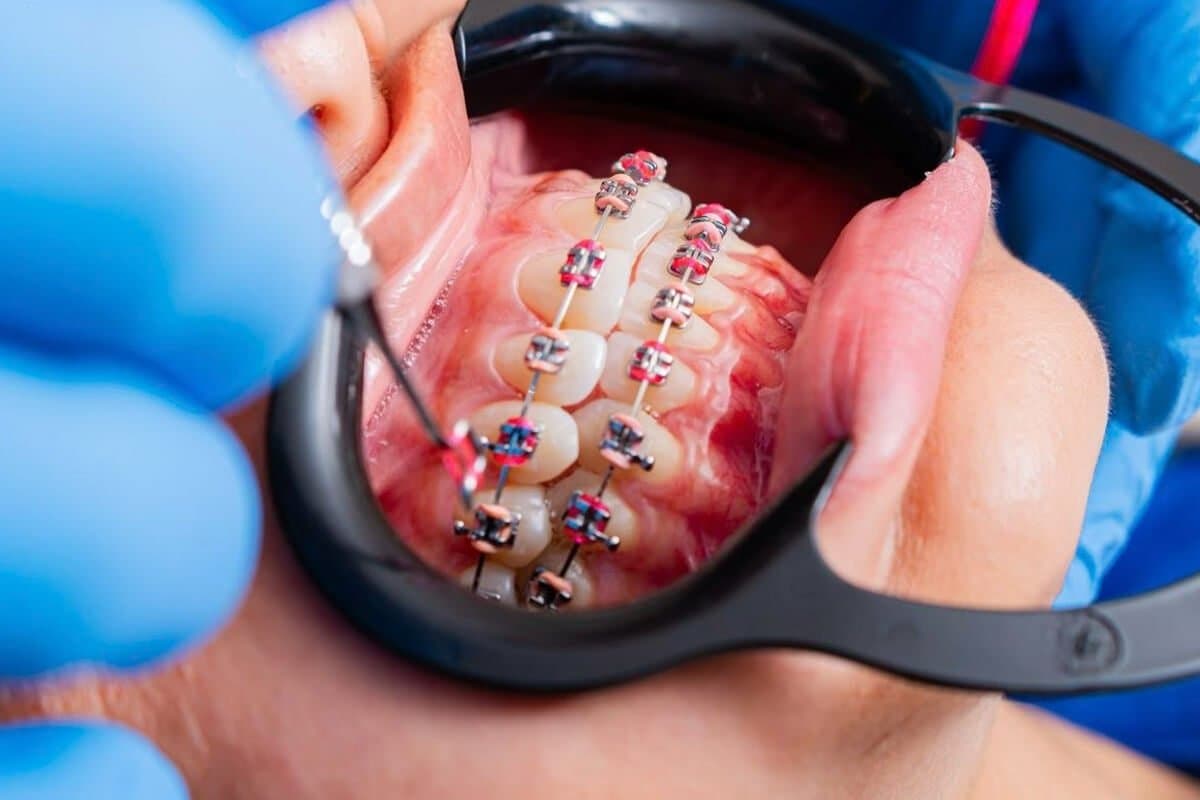
Orthodontic treatment in Samsun services are a field of dentistry in which crowded teeth, gaps between teeth, bite problems (malocclusion), and jaw-face discrepancies are evaluated under a dentist's supervision. The aim is to help bring the teeth and jaws into a more harmonious position. An individual treatment plan is prepared for both child and adult patients.
Orthodontic treatment is not merely an aesthetic adjustment. A well-aligned bite also positively affects basic functions such as chewing, speaking, and oral hygiene. In modern practice, the most suitable path for the patient is determined using digital planning, three-dimensional imaging, and different appliance options.
In this article we clearly explain what orthodontics is, who it is suitable for, which treatment methods are used, the steps of the process, and the patient's responsibilities. Decisions about the process are always made by the dentist after an examination. At Dental Prime clinic, planning, patient expectations, and clinical findings are evaluated together.
What Is Orthodontics?
Orthodontics is the branch of dentistry that studies the position of the teeth and jaws relative to each other and to the facial structure. It evaluates crowded teeth, open or deep bites, gaps between teeth, and jaw discrepancies. The goal is to help create a healthy bite by bringing the teeth closer to an ideal alignment.
Malocclusion is the condition in which the lower and upper teeth do not close properly. It has different types, such as crossbite, deep bite, or open bite. These conditions can be related to heredity, early loss of baby teeth, or habits such as thumb sucking or mouth breathing. A clinical examination and imaging are needed for a correct diagnosis.
Orthodontic problems do not affect appearance alone. Crowded teeth are harder to clean, which can increase the risk of cavities and gum problems. An incorrect bite can, over time, lead to strain on the jaw joint and chewing muscles. For this reason, early evaluation is important.
Orthodontics is not just about putting on braces. Appliances that guide jaw development during growth, removable appliances, and clear aligners are also part of this field. Which method is suitable is determined by the dentist according to age and the type and severity of the problem.
Who Is Orthodontic Treatment Suitable For?

Orthodontic treatment is suitable for people with crowded teeth, wide gaps between teeth, bite problems, or jaw discrepancies. Suitability is evaluated separately for each patient. Teeth and gums are expected to be healthy enough to begin treatment; if necessary, existing problems are addressed first.
It is a common approach to have a first orthodontic evaluation in children at around age 7. Because jaw development is still ongoing at this stage, early intervention in some problems can be easier. An early evaluation can help reduce the scope of treatment that may be needed later. The decision is made according to the child's growth.
Orthodontic treatment is also possible in adults. Since teeth can move at any age, age alone is not an obstacle. In adults, because jaw growth is complete, the process may sometimes be planned to take longer, and less visible options may be preferred due to aesthetic concerns. These expectations are reflected in the planning.
Some situations require extra attention. If there is active gum disease, many untreated cavities, or inadequate oral hygiene, these problems are addressed first. In certain systemic conditions or advanced jaw discrepancies, the treatment plan may be created together with different disciplines. This evaluation is made by the dentist.
Treatment Methods Used in Orthodontics
There is no single method in orthodontics; different appliances are used depending on the type of problem and the patient's expectations. The main options are fixed bracket systems, clear aligners, and removable appliances for the growth period. Each option has its own advantages and points to be aware of.
The table below compares three commonly used fixed and non-removable options in terms of visibility, comfort, ease of hygiene, and general suitability. The table is for general information; which method is right for you is determined only after an examination.
Feature | Metal Braces | Ceramic Braces | Clear Aligners |
|---|---|---|---|
Visibility | Noticeable, metallic | Less noticeable, close to tooth color | Almost invisible |
Comfort | Good, requires an adjustment period | Good, requires an adjustment period | High, removable |
Ease of Hygiene | Moderate, careful cleaning required | Moderate, careful cleaning required | High, removed for cleaning |
General Suitability | A wide range of cases | Cases where aesthetics is a priority | Mild to moderate cases |
Fixed Wire and Bracket Treatments
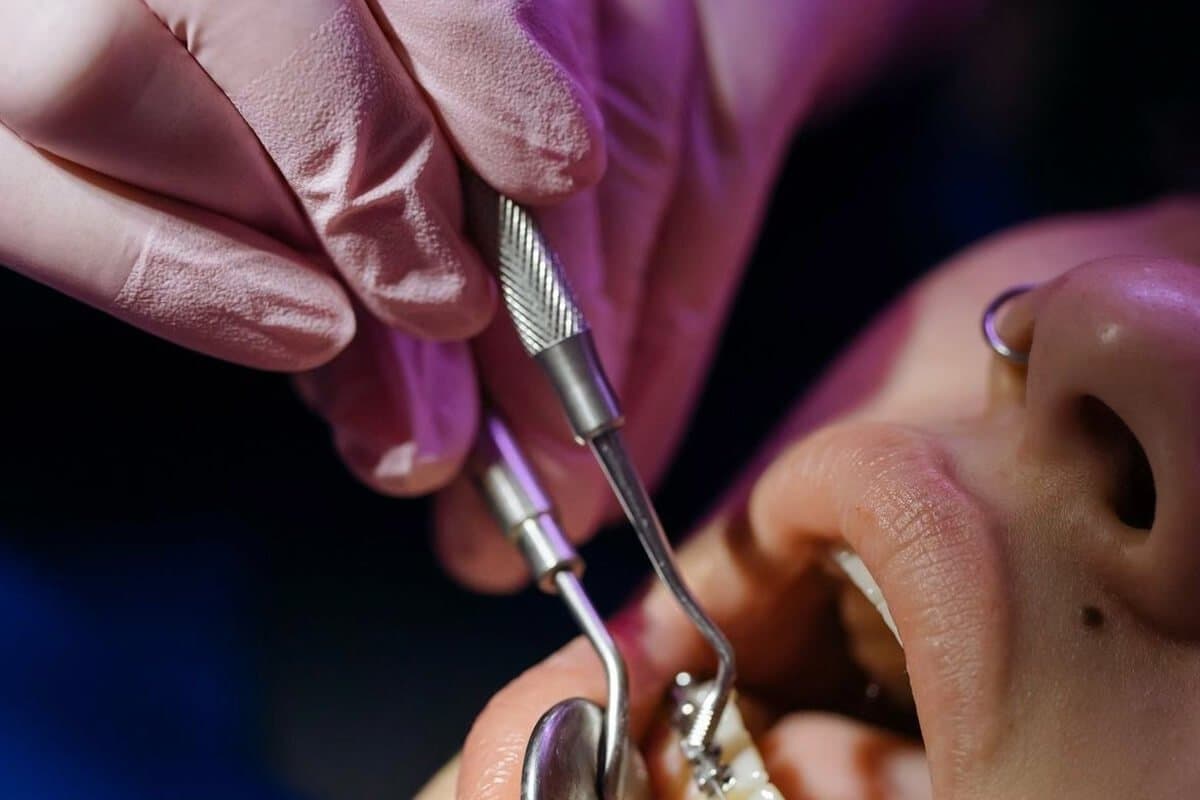
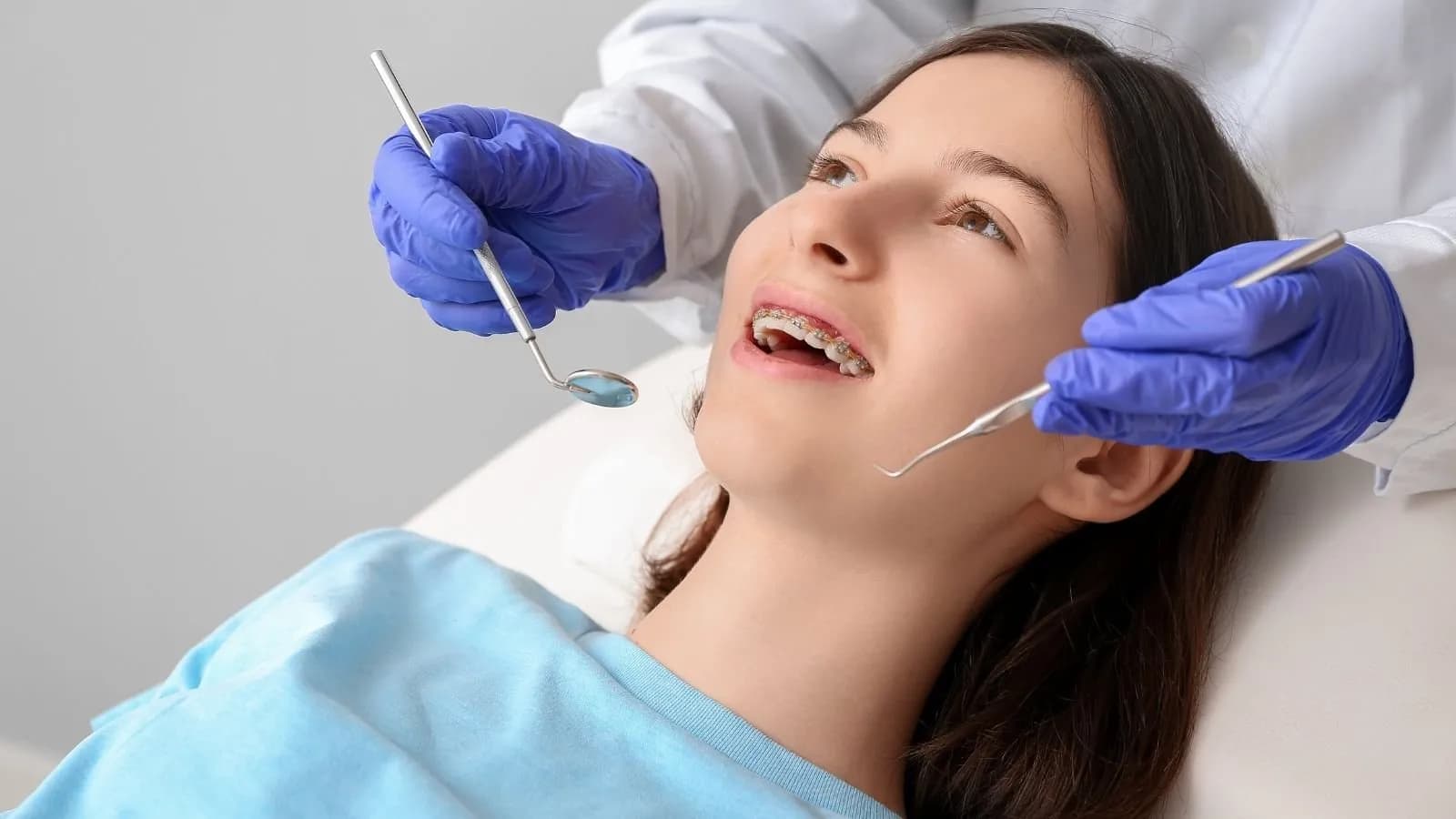
In fixed bracket systems, small brackets are bonded to the surface of each tooth and connected to one another with a wire. The wire applies controlled force to the teeth and helps guide their movement. This method is a classic approach preferred across a wide range of cases.
Brackets can be metal or ceramic. Metal brackets are a durable and widely used option. Ceramic brackets, being close to tooth color, draw less attention and stand out for patients with high aesthetic expectations. The choice between the two is made according to the clinical situation and the patient's wishes.
In fixed systems, because the brackets stay in place throughout treatment, continuity is high. This helps treatment progress without depending on the patient putting the appliance in and taking it out. On the other hand, brushing and flossing must be done more carefully, because food can build up around the brackets.
Clear Aligner and Removable Appliance Options
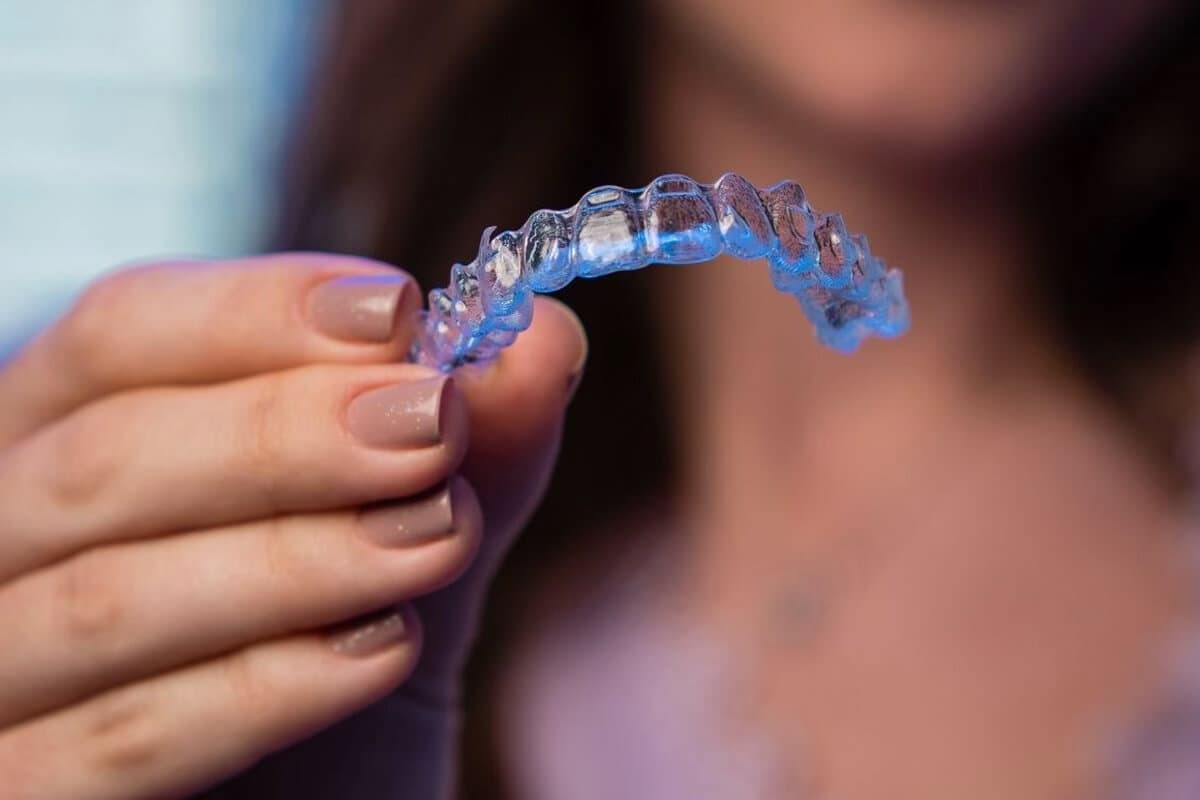
Clear aligners are thin, removable trays made specifically for each person from impressions of the teeth. A series of aligners replaced at certain intervals helps guide the teeth gradually to the targeted position. Their low visibility is an important advantage for patients with aesthetic concerns.
Being able to remove the aligners makes eating, drinking, and brushing easier. But this convenience also brings a responsibility: the aligners are expected to stay in for the recommended number of hours per day. Irregular use can delay the planned progress. For this reason, patient compliance is decisive here.
In children who are still growing, removable appliances and functional appliances may be used. These appliances can help guide jaw development and correct simple tooth irregularities. Which appliance is suitable is determined by the dentist according to the child's growth stage and the nature of the problem.
Supporting Technologies and Digital Planning
In today's orthodontics, digital tools support planning. Intraoral scanners can create a three-dimensional model of the teeth as an alternative to classic impression methods. These models help treatment steps to be planned more predictably and make it easier to share the process with the patient.
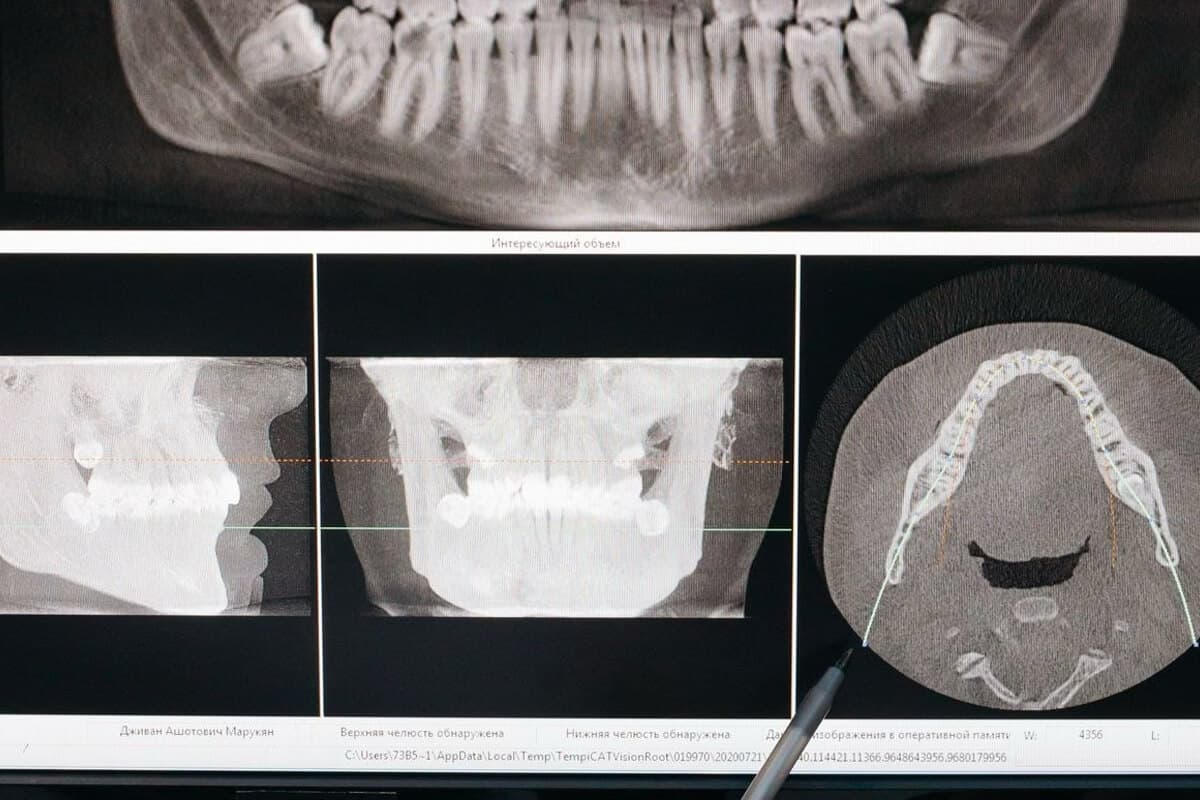
Panoramic and cephalometric X-rays are standard imaging methods for evaluating the teeth and jaw structure. These images make it possible to examine impacted teeth, root structure, and jaw relationships. An accurate diagnosis is the foundation of accurate planning, and this step is not skipped.
Digital planning can also help show the possible outcome through simulation before treatment. This helps the patient better understand the process. Still, simulations are an estimate; the actual result varies with the patient's biological response and compliance with treatment. No definite guarantee is given.
Intraoral scanning can reduce the discomfort experienced with classic impression material and lower the likelihood of triggering the gag reflex. During scanning, a small camera records the surface of the teeth section by section, and a three-dimensional model forms on the screen in real time. This model can be examined again and again when needed.
Digital records also make it easier to make comparisons throughout treatment. By comparing the initial model with interim records, the match of tooth movement to the plan can be evaluated. This approach helps update the plan at an early stage when needed. Technology is a tool that supports the dentist's decision; the final decision is made by the dentist.
Steps of the Orthodontic Treatment Process
Orthodontic treatment is a planned and phased process. It begins with examination and diagnosis; it continues with preparing the treatment plan, applying the appliance, and regular check-ups. The process is completed with post-treatment follow-up and a retention period. At every stage, the dentist can update the plan by observing progress.
Initial Examination and Diagnosis Stage
In the first stage, the dentist performs an intraoral examination and listens to your complaints. The alignment of the teeth, the bite relationship, and gum health are evaluated. When necessary, panoramic and cephalometric X-rays, photographs, and intraoral impressions are taken. These data are brought together to understand the type and severity of the problem.
The findings obtained at the diagnosis stage are interpreted together. The degree of crowding, the jaw relationship, and possible additional problems are determined. This evaluation guides which method may be suitable. Treatment does not begin until the diagnosis is clear, because accurate planning rests on this step.
While records are being taken, different data are brought together. Intraoral impressions or digital scanning create a model of the teeth, while photographs contribute to facial and smile analysis. X-rays show the bone structure and impacted teeth. This multi-faceted record becomes a permanent reference for the starting condition before treatment.
Treatment Plan Preparation and Observation Periods
After the diagnosis, an individual treatment plan is prepared. This plan includes the method, estimated duration, check-up frequency, and expected stages. The options and the process are explained to the patient; expectations are clarified. The plan is built on a shared understanding between the dentist and the patient and can be updated when necessary.
Once treatment begins, regular check-ups follow. At these appointments the wires are adjusted, aligners are evaluated, and tooth movements are observed. Check-ups are generally scheduled every few weeks. Observation periods are critical for tracking whether the process is moving in the planned direction.
The total duration of orthodontic treatment ranges from about 1 to 3 years on average, but this varies by case. For mild irregularities the process may be shorter, while it can take longer for advanced jaw discrepancies. The patient's attendance at check-ups and use of appliances are also important factors affecting the duration.
During observation periods, the dentist evaluates whether the teeth are moving in the planned direction. When a movement different from what was expected is seen, the wire or aligner adjustment can be updated. For this reason, it is important not to miss appointments; missed check-ups can allow a small deviation to grow unnoticed and prolong the process.
Post-Treatment Follow-Up and Retention
When the teeth reach the targeted position, active treatment ends, but the process is not entirely over. Until the teeth settle into their new positions, they may tend to return to their old places. For this reason, a stabilization period called retention begins and helps maintain the result achieved.
In retention, fixed or removable retainers may be used. Fixed retainers are thin wires placed on the back surface of the teeth. Removable retainers are generally aligners worn at night. Which option is suitable and how long it will be used is determined by the dentist; this period should not be neglected.
Post-treatment follow-up appointments allow the stability of the result to be monitored. During this period, gum health and the condition of the retainers are checked. Regular follow-up contributes to preserving the alignment in the long term. The patient's care in using retainers is decisive for the success of this stage.
Health Benefits of Orthodontic Treatment
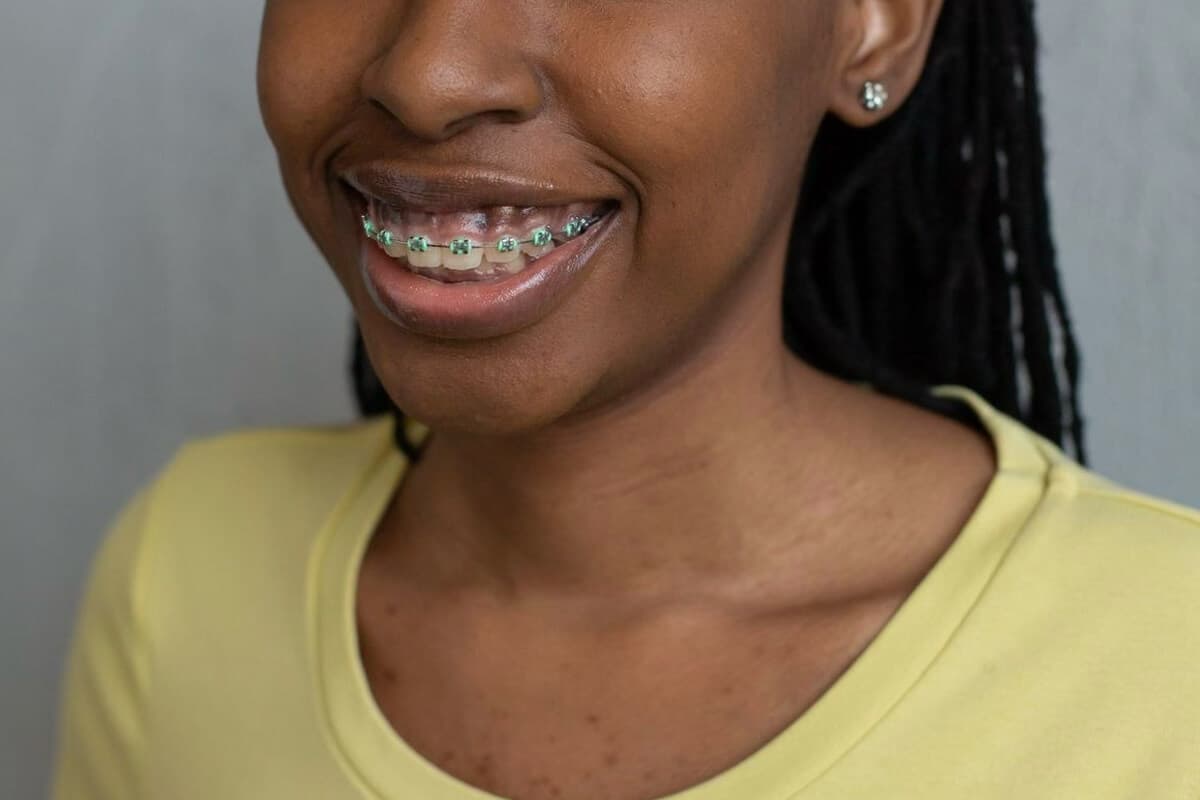
Beyond appearance, orthodontic treatment has aspects that support oral and general health. Well-aligned teeth are easier to clean, and a correct bite supports chewing and speaking functions. These benefits vary from person to person and become clear as a result of an individual evaluation.
Improvement in Dental and Oral Health
It is difficult to clean the areas between crowded and overlapping teeth. Food and plaque buildup in these areas can increase the risk of cavities and gum problems. Bringing teeth into a more regular position supports oral hygiene by making brushing and flossing easier.
A correct bite can help distribute forces between the teeth more evenly. In an unbalanced bite, some teeth may be overloaded, which can lead to wear over time. A balanced alignment can contribute to preserving the long-term health of the teeth. Results vary from person to person.
Functional Improvements in Speech, Chewing, and Breathing
Some irregularities in tooth and jaw position can affect speech. Producing certain sounds is related to the position of the teeth and tongue. Improvements in alignment can, in some cases, contribute positively to ease of speech. This effect differs according to the type of the problem.
Chewing function depends on the teeth closing in harmony. With an incorrect bite, food may not be ground completely, which can indirectly affect digestion. A more even bite can help make chewing more efficient. The load on the jaw joint can also be balanced.
Some jaw discrepancies can be related to mouth-breathing habits and the airway. Especially during growth, guiding treatments aimed at the jaw structure can be supportive in this regard. However, this evaluation is multi-faceted and, when necessary, is addressed together with other specialties.
Facial Aesthetics and Effect on Self-Confidence
The harmony of the teeth and jaws has a noticeable effect on the smile and facial lines. A more regular tooth alignment can improve the appearance of the smile in many people. Aesthetic expectations are personal, and these expectations are taken into account in the treatment plan.
Satisfaction with one's smile can have a positive social and emotional effect on a person. Many patients say they express themselves more comfortably after treatment. This effect is individual and is not guaranteed; however, aesthetic improvement is one of the aspects of treatment most frequently mentioned.
Patient Responsibilities and Warnings During Orthodontic Treatment
The success of orthodontic treatment depends not only on the dentist's work but also on the patient's compliance. Oral hygiene, eating habits, and regular check-ups are the basic responsibilities in this process. Paying attention to these contributes both to the progress of treatment and to the protection of oral health.
Oral Hygiene and Tooth Brushing Guide
In patients with fixed appliances, food can build up around the brackets and wires. For this reason, teeth should be brushed carefully after every meal. Interdental brushes and dental floss help clean between the brackets. Good hygiene contributes to reducing the risk of cavities and gum problems.
Those using clear aligners should brush their teeth after removing the aligners and also clean the aligners. Aligners need to be cleaned regularly to prevent bad odor and buildup. When oral hygiene is maintained, the condition of the gums and teeth may stay healthier at check-ups at a dental clinic in Samsun.
A few simple habits make a difference in daily care: brushing the teeth with a soft-bristled brush for at least two minutes, cleaning around the brackets with an interdental brush, using floss patiently, and preferring fluoride toothpaste. When needed, a mouthwash recommended by the dentist can help clean the remaining areas.
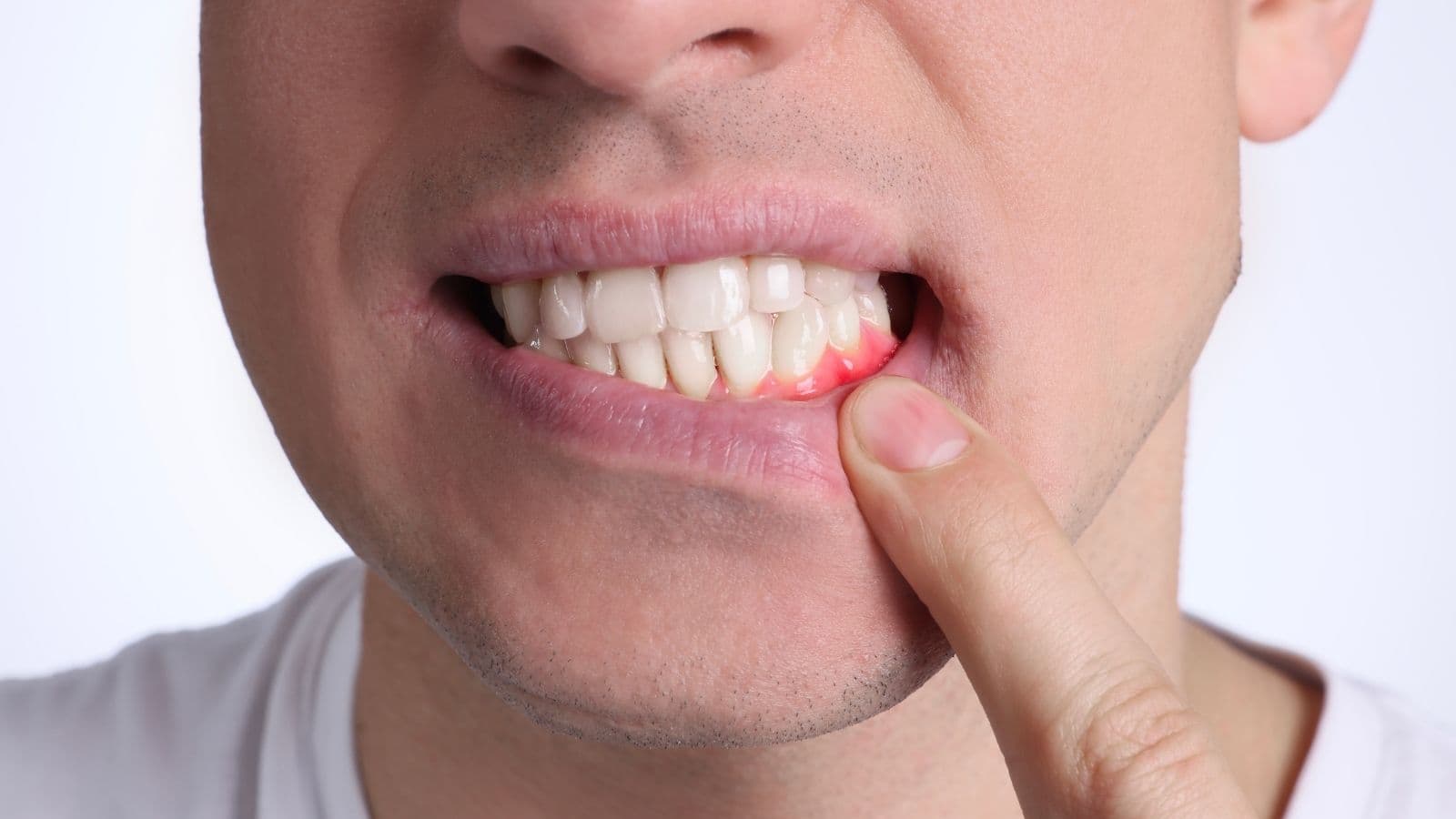
If bleeding gums, persistent bad breath, or whitish spots around the brackets are noticed, these may indicate that hygiene is inadequate. In this case, reviewing the brushing technique and moving up the check-up appointment is helpful. Problems noticed early are generally easier to manage.
Dietary Restrictions and Food Choices
Patients with fixed appliances are advised to avoid hard and sticky foods. Hard-shelled foods, chewing gum, and very hard candies can cause a bracket to come off or the wire to be damaged. Such damage can require an extra appointment and affect treatment time.
Foods eaten in soft, small bites are safer. It is useful to cut hard fruits and vegetables into small pieces. For those using clear aligners, it is recommended to drink only water while the aligners are in, and to pay attention to a balanced diet while they are out. Avoiding overly sugary drinks is important.
Examples of foods recommended to be avoided by those with fixed appliances include hard-shelled nuts, chewing gum, hard candies, crunchy raw carrots, the hard kernels of popcorn, and biting hard fruits such as apples whole. These foods can cause a bracket to come off or the wire to bend.
Safer choices include yogurt, soup, well-cooked vegetables, pasta, soft fruits, and meat cut into small pieces. Very hot and very cold drinks should be consumed in moderation because they can increase sensitivity after a wire adjustment. A balanced and soft diet contributes to protecting the appliance and keeping the process on track.
Periodic Check-Up Visits and Appliance Care
Regular check-up appointments are necessary for treatment to progress in the planned direction. At these appointments, the wires are adjusted, aligners are evaluated, and possible problems are noticed early. Skipping check-ups can prolong the process or disrupt the plan. It is important to arrive on time for appointments.
Appliance care is also part of the responsibility. In situations such as a bracket coming off, a wire poking, or damage to an aligner, the clinic should be notified. Reporting problems on time helps small issues be resolved before they grow. Communication between the patient and the clinic supports the healthy progress of the process.
Conclusion
Orthodontic treatment in Samsun services cover the evaluation, under a dentist's supervision, of a wide range of conditions from crowded teeth to bite problems. An accurate diagnosis, an individual plan, and regular follow-up are the deciding elements for the healthy progress of the process. Every case is unique, and the decision is made after an examination.
Whether the treatment method is fixed braces or clear aligners, success depends largely on patient compliance. Taking care of oral hygiene, following dietary recommendations, and not skipping check-ups support both the process and oral health. Results vary from person to person; no definite result is guaranteed.
If you have a concern about your tooth alignment or bite, the best step is a clinical evaluation. The dentist plans the options and the process suitable for your situation together with you. In most cases, an early evaluation can offer an advantage for a more comfortable and predictable treatment process.