


 Spec. Dt. Gökcan ErtaşOrthodontist
 Dt. Sena KırcaDentist
 Dt. Sevinç Cansu KayıranDentist
 Assoc. Prof. Dr. Sezin ÖzerPediatric Dentist
 Spec. Dt. Sude Yıldırım BolatSpecialist in Periodontology
Impacted tooth extraction in Samsun is the surgical removal of teeth that are misaligned or lie partially or completely beneath the jawbone. This condition, which is generally seen in wisdom teeth, can put pressure on neighboring teeth and lead to pain and recurrent infection. In some patients it may go unnoticed for years without causing any complaints, which is why regular X-ray check-ups are important. An extraction performed at the right time and with the right technique can help prevent possible complications.
In Samsun, such surgical procedures are performed with a team of dentists experienced in oral and maxillofacial surgery. During the procedure, the sensation of pain is minimized with local anesthesia, and although the duration varies depending on the position of the tooth and how deeply it is impacted, it is generally completed in a single session. When the care recommendations given afterward are followed, the healing process can proceed comfortably and a return to daily life may be possible in a short time. At Dental Prime, this process is carefully planned, from the first examination through healing follow-up, with an approach that prioritizes the patient's comfort.
What Is an Impacted Tooth? Why Does It Need to Be Extracted?
An impacted tooth is a tooth that has not been able to position itself fully within the jawbone or that remains partially covered beneath the gum. It is seen most often in wisdom teeth, and sometimes in canines and premolars. A lack of sufficient space in the jawbone disrupts the angle at which the tooth erupts and lays the groundwork for this situation. The tooth may remain in a vertical, horizontal, or angled position within the bone; this position directly affects the extraction plan.
These teeth can often stay in the bone for years without giving any obvious symptoms. However, extraction may become necessary if the tooth presses on a neighboring tooth, sets the stage for cyst formation, or causes recurrent infections. The dentist evaluates the position of the tooth with a panoramic X-ray and decides whether extraction is needed. In some cases, a partially erupted tooth can also lead to food debris accumulating and daily cleaning becoming difficult.
Impacted teeth that are not extracted can, over time, cause bone loss in the jaw, root damage to the adjacent tooth, or recurrent infections. For this reason, regular dental check-ups are important for early diagnosis and can reveal possible risks during the symptom-free period. In cases noticed early, the extraction process also generally proceeds more simply and predictably.
Impacted teeth are classified by their position as mesial, distal, horizontal, or vertically angled. This classification guides the dentist in determining the extraction plan and the technique to be used. For example, a horizontally positioned tooth may require a more extensive surgical approach than a vertically positioned one.
Diagnosis and Symptoms of an Impacted Tooth

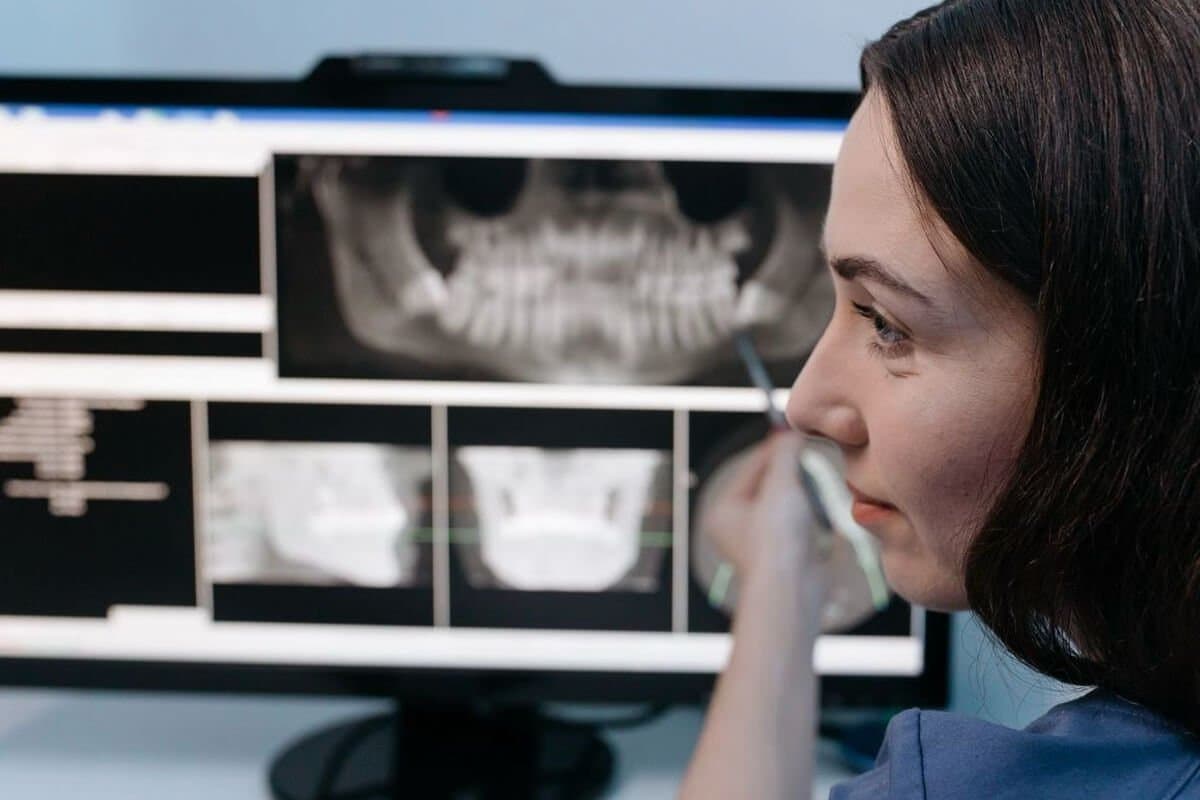
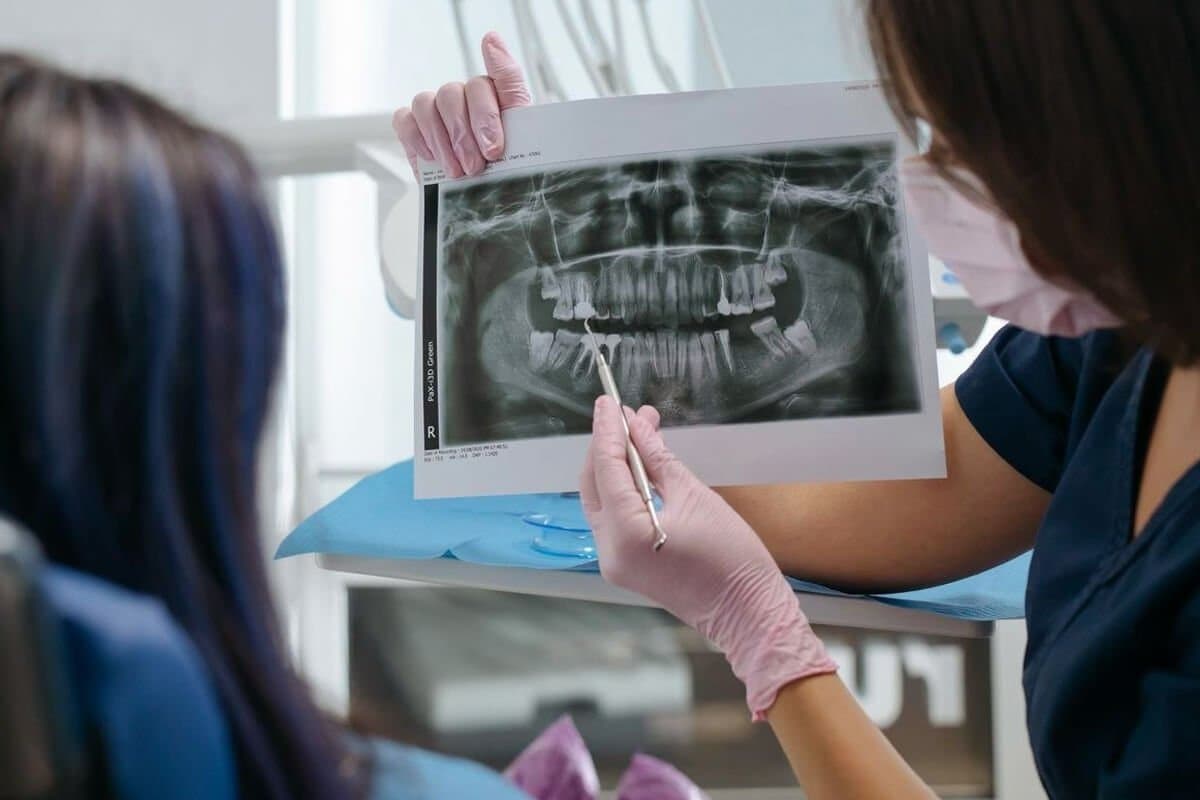
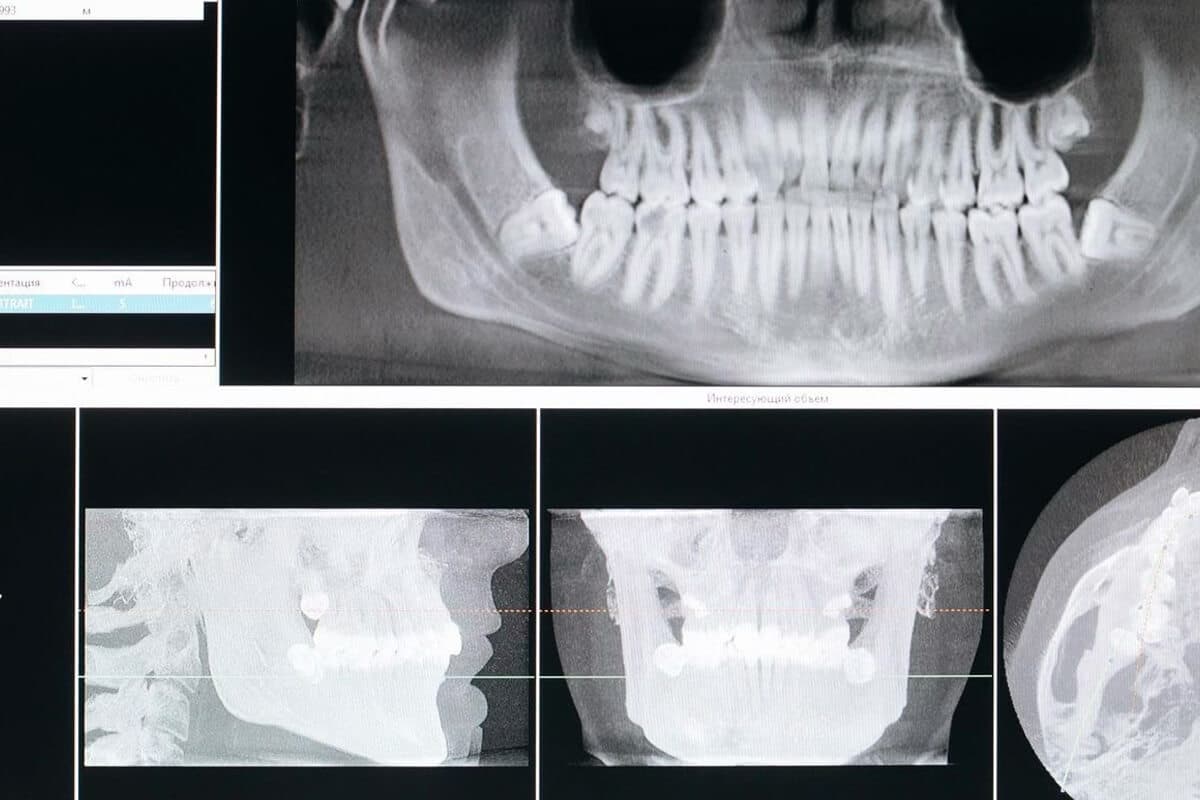
An impacted tooth can sometimes go unnoticed without giving any symptoms; for this reason, the diagnosis is most often made with a panoramic X-ray during a routine dental examination. In the image, the angle of the tooth within the jawbone, its distance to neighboring teeth, and its proximity to the nerve canal are evaluated. In cases deemed necessary, a more detailed examination can be performed with three-dimensional tomography.
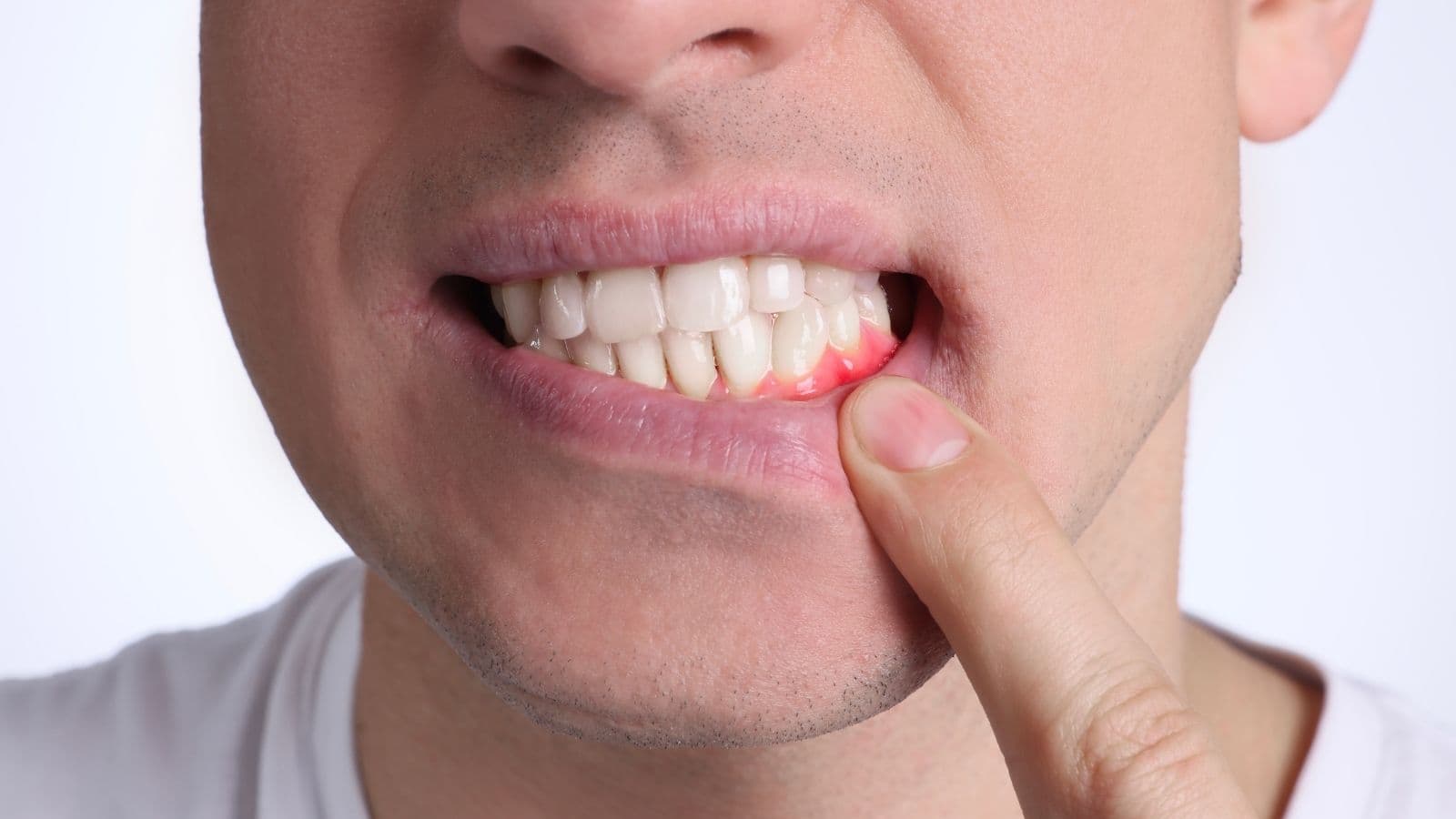
In cases that cause symptoms, the most common complaints are a feeling of pressure in the back of the jaw and mild swelling. Redness of the gum, difficulty opening the mouth fully, and discomfort while chewing are also among the frequently encountered findings. Some patients also mention a dull ache felt from time to time in this area.
In some patients, recurrent gum inflammation can develop around the impacted tooth; in this case, swelling of the gum, a bad taste in the mouth, and sometimes difficulty swallowing may be seen. Seeing the dentist in such a situation can help prevent the process from progressing. Even if the complaints are mild, if they keep recurring, it is important to evaluate the underlying cause.
In some cases, localized bone loss or gum recession can also be seen in the area next to the impacted tooth. Such findings are usually noticed during a routine examination, because the patient may have difficulty distinguishing these symptoms on their own.
A constant feeling of pressure in the back of the jaw
Swelling or redness of the gum
Difficulty opening the mouth
Sensitivity in the neighboring tooth
Persistent bad breath
If any of the symptoms above last longer than a few days or keep recurring, it is recommended to see a dentist without delay. Early evaluation can help relieve the complaints and manage the process without the need for a more extensive treatment. Even if the symptoms seem temporary, if they recur in the same area, it is helpful to keep a record of them and share it with the dentist.
Situations in Which an Impacted Tooth May Need to Be Extracted
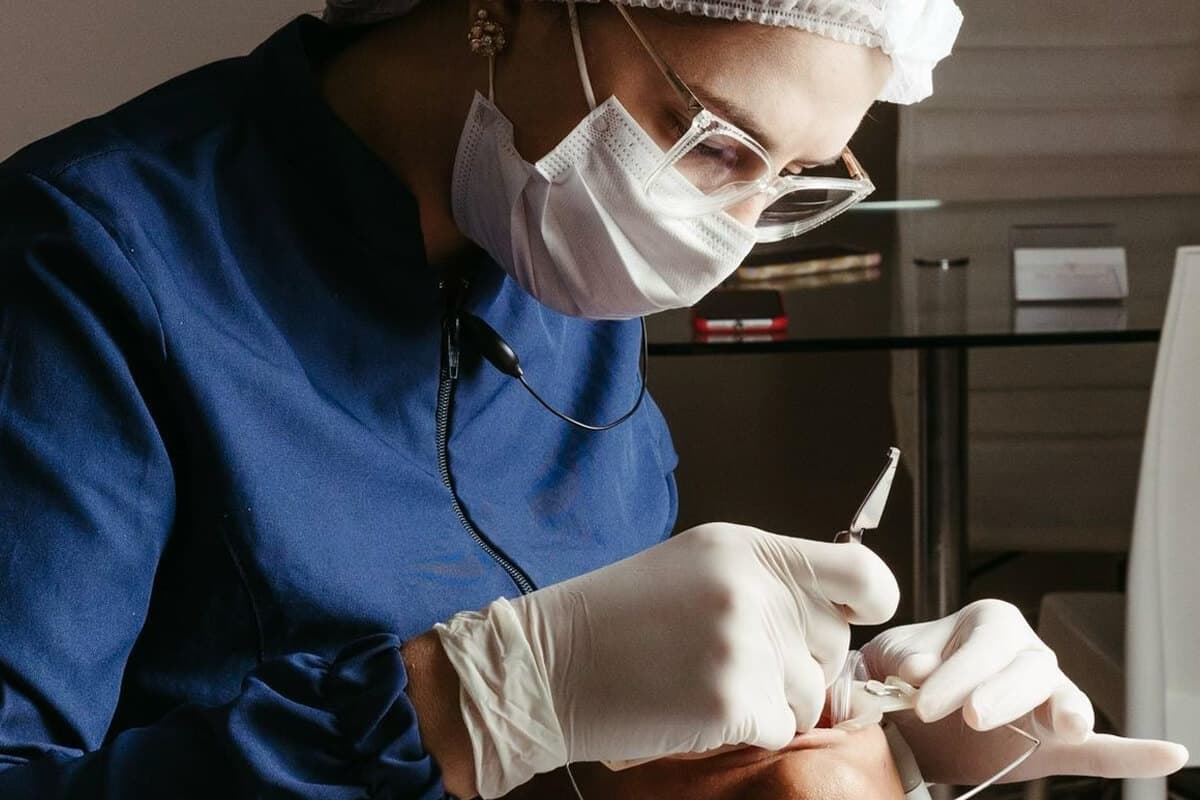
Not every impacted tooth requires extraction; the dentist's evaluation is the deciding factor. However, extraction is recommended in some clinical situations, because leaving the tooth in place can negatively affect oral health. In this decision, the patient's age, the position of the tooth, and general oral health are evaluated together. When one or more of the following situations are seen, the dentist may bring up extraction.
Pressing on a neighboring tooth and causing crowding
Development of recurrent gum inflammation
Setting the stage for a cyst or benign growth
Causing pain in the jawbone
The need to create space in an orthodontic treatment plan
Creating a risk of damage to the root of a neighboring tooth
When one or several of these situations are seen together, the dentist performs a detailed evaluation with a panoramic X-ray and, if necessary, three-dimensional imaging. The decision to extract is made by considering the patient's general oral health and the position of the tooth together. In cases that cause no symptoms but carry risk, follow-up at regular intervals may be recommended.
Especially in patients planning orthodontic treatment, the presence of an impacted tooth is a factor that can affect treatment success. For this reason, an evaluation for impacted teeth is frequently recommended before braces or clear aligner treatment. In cases where a prosthesis or implant is planned, an impacted tooth in the neighboring area is also evaluated separately, since it can affect the treatment design.
What Causes an Impacted Tooth?
The most common cause of an impacted tooth is that there is not enough space in the jawbone for the tooth to erupt properly. The jawbone becoming smaller over time because of modern eating habits has made this condition more common. A diet based on soft foods may also contribute to the jawbone not being stimulated enough during its development. For this reason, impacted teeth are encountered more often today than in the past.
Hereditary factors can also be decisive; if the parents have a history of impacted teeth, the likelihood of a similar situation in the children increases. Early loss of a baby tooth can cause the eruption path to close, leading the permanent tooth to remain impacted. In such cases, early orthodontic evaluation can help prevent impaction that might occur later.
A congenitally incorrect eruption angle of the tooth, and the presence of cysts or benign growths in the jawbone, are other factors that increase the risk of an impacted tooth. For this reason, regular dental follow-up is recommended from childhood. X-rays taken during annual check-ups can show at an early stage whether the eruption process is progressing normally.
A past trauma to the jawbone or surgical procedures performed at an early age can also change the eruption path of the tooth. In such cases, the dentist may recommend imaging at regular intervals to be able to predict the future position of the tooth. A mismatch between the growth rate of the jawbone and the number of teeth is also another explanation frequently encountered in the literature.
How Does the Impacted Tooth Extraction Process Work?

Impacted tooth extraction is a planned surgical process made up of several stages. Each stage is carried out with the patient's comfort and safety in mind. In a dental clinic in Samsun, this process proceeds step by step, from the initial evaluation through healing follow-up, in an arrangement that complies with sterilization standards. The headings below describe in detail how each stage works.
Initial Evaluation and Imaging
The process begins with the dentist's oral examination and evaluation of the panoramic X-ray. The position of the tooth within the jawbone, its proximity to the nerve canal, and its relationship with neighboring teeth are clarified at this stage. During this first meeting, the patient's general health history is also reviewed. Questions the patient has are also answered at this stage, in preparation for the following steps.
In complex cases, three-dimensional tomography imaging may be requested. This imaging reveals the exact position of the tooth and possible risks in detail, helping the extraction plan be prepared safely. Based on the images obtained, the dentist determines the most suitable surgical approach.
During the evaluation stage, the patient is informed about the process, possible risks, and what to expect afterward. This information helps the patient feel more comfortable and secure about the process. The medications the patient uses and any chronic conditions are also noted at this stage, because this information can affect the anesthesia and extraction plan.
Anesthesia and Pain Control Methods
Before the extraction, local anesthesia is applied to the area; in this way the sensation of pain during the procedure is largely eliminated. The patient goes through the process awake but comfortable throughout the procedure.
For patients with high anxiety, sedation-supported options can also be evaluated. Which method is suitable is decided together by the patient's general health and the dentist's evaluation.
For the mild discomfort that may be felt after the procedure, the dentist recommends suitable pain control methods. In this way, the comfort level is kept as high as possible throughout the healing period. If there is any allergy or adverse experience in the patient's anesthesia history, this information should be shared with the dentist before the procedure.
Extraction Technique and Treatment Duration
The extraction technique varies depending on the position of the tooth and how deeply it is impacted. For teeth that remain entirely within the bone, a small surgical opening may be needed, while for partially erupted teeth the procedure may proceed more simply.
The duration of the procedure generally varies between 20-45 minutes; in complex cases this time may be longer. After the extraction, the area is cleaned and, if necessary, stitches are placed to support the healing process.
Throughout the procedure, the patient's comfort is closely monitored; when deemed necessary, the dentist takes additional measures and completes the process safely. After the extraction, the patient may be given written information about the next steps. In some cases, the tooth may be removed by sectioning it into small pieces to make removal easier; this can allow the surrounding tissue to be affected less.
Aftercare and Healing Period
In the first 24 hours after the extraction, applying ice to the area and avoiding hot, hard foods are recommended. The oral care routine recommended by the dentist can help speed up healing.
Swelling and mild discomfort are considered normal in the first few days; when the care steps recommended by the dentist are followed, these complaints decrease over time. Following the dentist's instructions on rinsing and brushing supports healing. It is recommended to avoid hard brushing and direct contact with the procedure area for the first few days.
Day | Expected Condition |
|---|---|
Days 1-2 | Swelling and mild pain may be seen |
Days 3-5 | Swelling decreases, chewing becomes easier |
Week 1 | Stitches, if any, are removed; the area largely heals |
Weeks 2-4 | Soft tissue healing is completed |
During this process, staying away from smoking and alcohol is among the important factors that speed up healing. In an unusual situation such as excessive bleeding, high fever, or prolonged swelling, it is recommended to contact the dentist. Attending follow-up appointments regularly is important for confirming that healing is progressing as expected.
A return to light exercise and daily activities is generally possible within a few days; however, strenuous exertion such as intense sports and heavy lifting should be postponed until the dentist gives approval. This precaution helps protect the blood clot in the area and allows healing to progress without problems.
Impacted Tooth Extraction Prices in Samsun 2026

The most important factor affecting the price of impacted tooth extraction is the position of the tooth within the jawbone and how deeply it is impacted. Extracting a tooth that lies entirely within the bone requires more extensive surgical planning than a partially erupted tooth, and this directly affects the cost.
The imaging method used, the choice of anesthesia, and the number of post-procedure check-ups are also among the factors that affect cost. For every patient, the process is shaped by an individual evaluation and planned specifically for the person rather than as a standard procedure. Whether the tooth is on one side or both sides is another detail that affects planning. The imaging technology offered by the clinic and the quality of the materials used are also included in this evaluation.
To get clear price information, the position of the tooth needs to be imaged and evaluated by the dentist during the examination. After this evaluation, a patient-specific treatment plan and cost information are provided. General figures shared online before an examination should not be considered binding, since they may vary according to the individual situation.
Whether a single tooth or more than one impacted tooth will be extracted, the chosen anesthesia method, and possible additional procedures are also among the factors that determine the scope of the overall process. For this reason, the most accurate information is always given after an in-person examination.
Some patients can also discuss social security coverage and support options with the dentist during the examination. Such matters can be clarified by contacting the clinic's administrative office, and the treatment plan can be shaped accordingly.
Conclusion
Impacted tooth extraction in Samsun, when performed at the right time and with the appropriate technique, can help protect oral health and prevent possible complications. Even when there are no symptoms, regular check-ups allow impacted teeth to be noticed early and make the treatment process easier.
Patients who experience swelling, pain, or a feeling of pressure in the jaw area are advised to seek a dentist's evaluation without delay. A process planned with a specialist team can contribute to a comfortable experience from the first examination through healing follow-up.
The evaluation that begins with a panoramic X-ray turns into a treatment plan suited to the patient's needs. Whether or not there are symptoms, any question about jaw and dental health can be clarified together with the dentist during the examination.
Coming to the examination with your questions noted down before the appointment helps make better use of the time spent with the dentist. This way, both the diagnosis and the treatment plan become clearer for the patient.