Spec. Dt. Gökcan ErtaşOrthodontist
 Dt. Sena KırcaDentist
 Dt. Sevinç Cansu KayıranDentist
 Assoc. Prof. Dr. Sezin ÖzerPediatric Dentist
 Spec. Dt. Sude Yıldırım BolatSpecialist in Periodontology
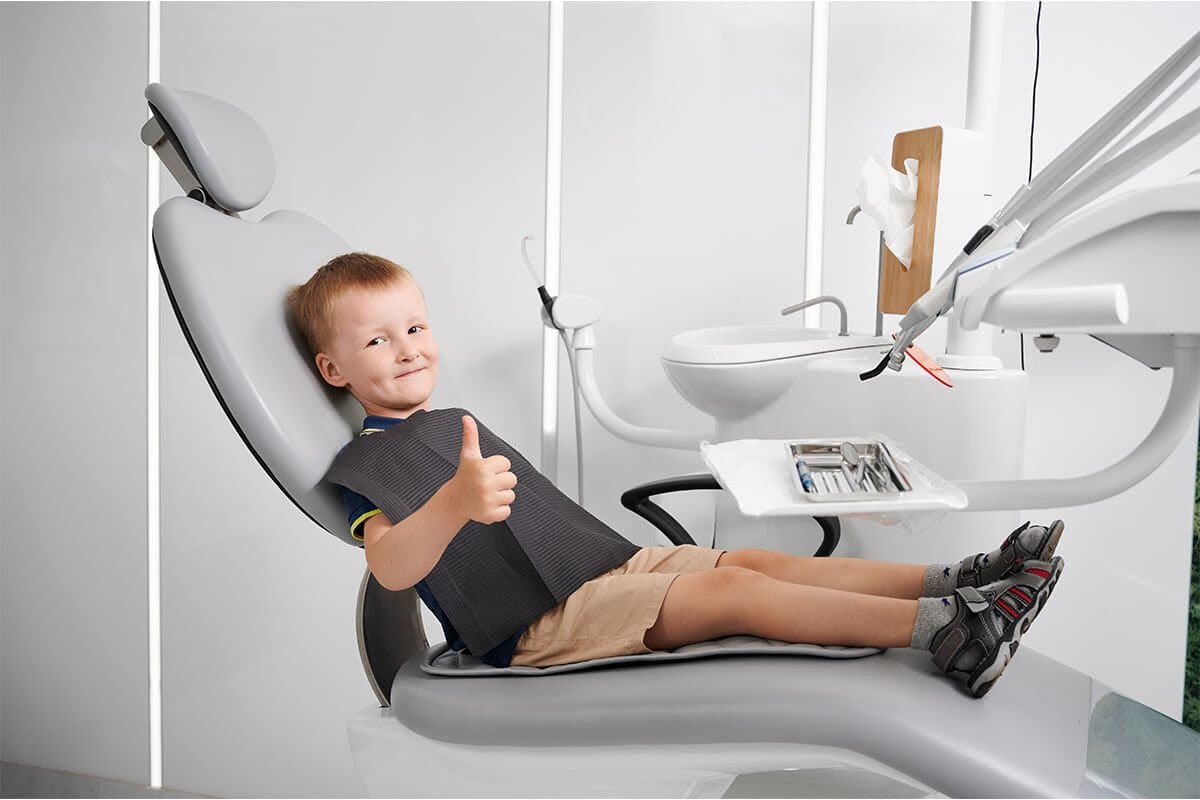
Yet a first examination performed early on helps prevent many oral and dental problems before they even begin. A positive experience at this visit directly affects whether your child will develop a fear of the dentist later in life.
Your child's first encounter with the dental chair calls for great sensitivity, less as a medical procedure than as a matter of building trust. For this reason, choosing a well-equipped pediatric dental clinic in Samsun with a good understanding of child psychology is the most important part of the process.
In the right clinical environment, children see the dental examination not as a frightening obligation but as an enjoyable game of play and discovery.
During the first examination, not only the condition of the existing baby teeth but also jaw development and eating habits are examined in detail. Parents receive comprehensive, practical information about how to brush their child's teeth and about preventive dentistry practices.
To entrust your child's oral and dental health to safe hands from the very beginning, and to help them have this first experience in a caring, comfortable setting, you can turn to the expertise of Dental Prime.
When Should Babies and Children Have Their First Dental Examination?
Oral and dental care for babies should begin without delay, as soon as the first baby tooth breaks through the gum. Contrary to popular belief, waiting until all of a child's baby teeth have erupted or until they start talking before visiting the dentist is a thoroughly mistaken approach.
These early check-ups offer a great opportunity to prevent fast-progressing dental problems specific to infancy, such as baby bottle tooth decay.
What Is the Ideal Age for the First Dental Appointment?
The World Health Organization and pediatric dentistry specialists strongly recommend that the first dental examination take place within six months after the baby's first tooth erupts. This usually falls within the critical window between the baby's sixth month and first birthday.
The main purpose of this very early visit is not to provide medical treatment, but to lay a preventive foundation by informing the family about proper nutrition and oral hygiene.
What Should You Keep in Mind When Preparing Your Child for the First Appointment?
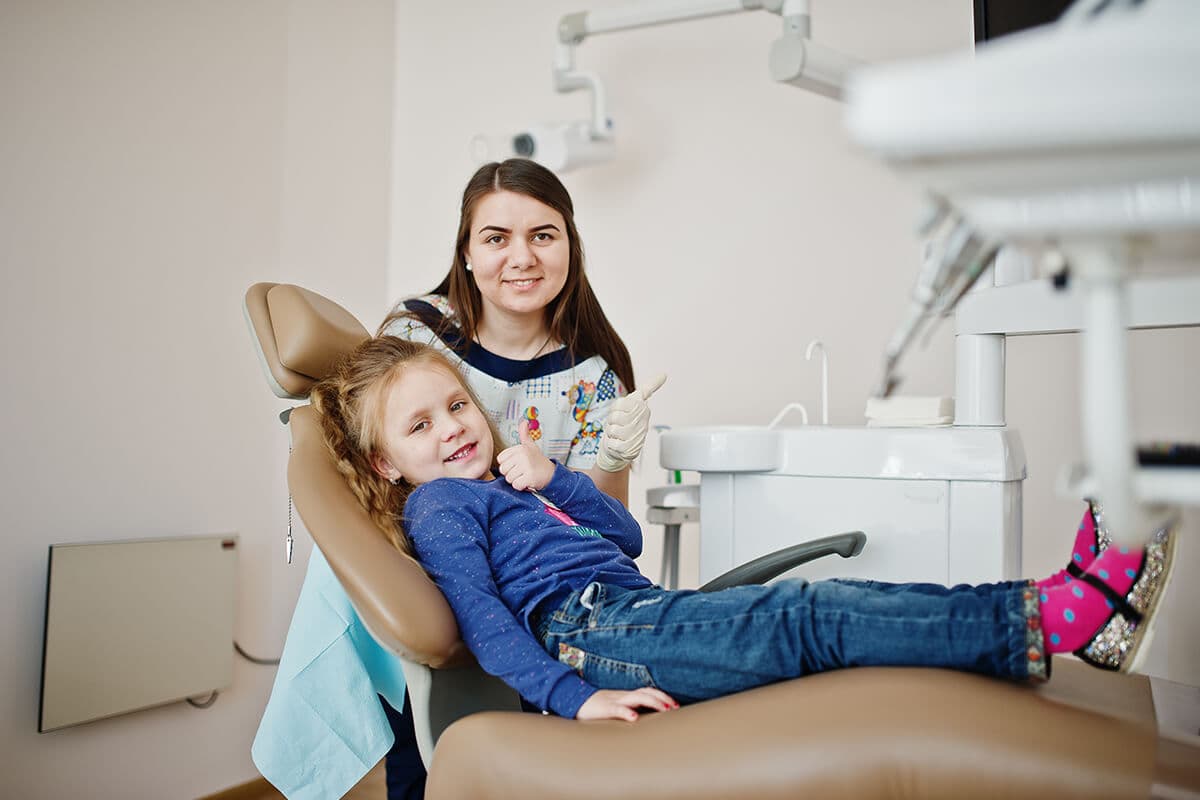
Children's attitude toward the clinic and the dentist is shaped largely by how their parents present the experience to them.
As the appointment day approaches, creating a relaxed and positive atmosphere at home clears up any uncertainties that may form in your child's mind. Explain to your child, in simple, playful, and understandable language, that the dentist will simply count their teeth to check that they are healthy.
Ways to Prevent Fear of the Dentist
When talking with your child about the appointment, you should avoid words with negative associations, such as "pain," "bleeding," or "don't be scared."
Even saying "It won't hurt" can create an expectation of pain in your child's mind and trigger their defense mechanism. Instead, choose a completely reassuring, positive way of speaking, such as saying that the dentist will just look at their teeth with a tiny mirror, rinse them with a little water, or count them.
If parents avoid passing on their own dental anxieties to the child, the process goes perfectly.
Rehearsing the Appointment at Home Through Role Play
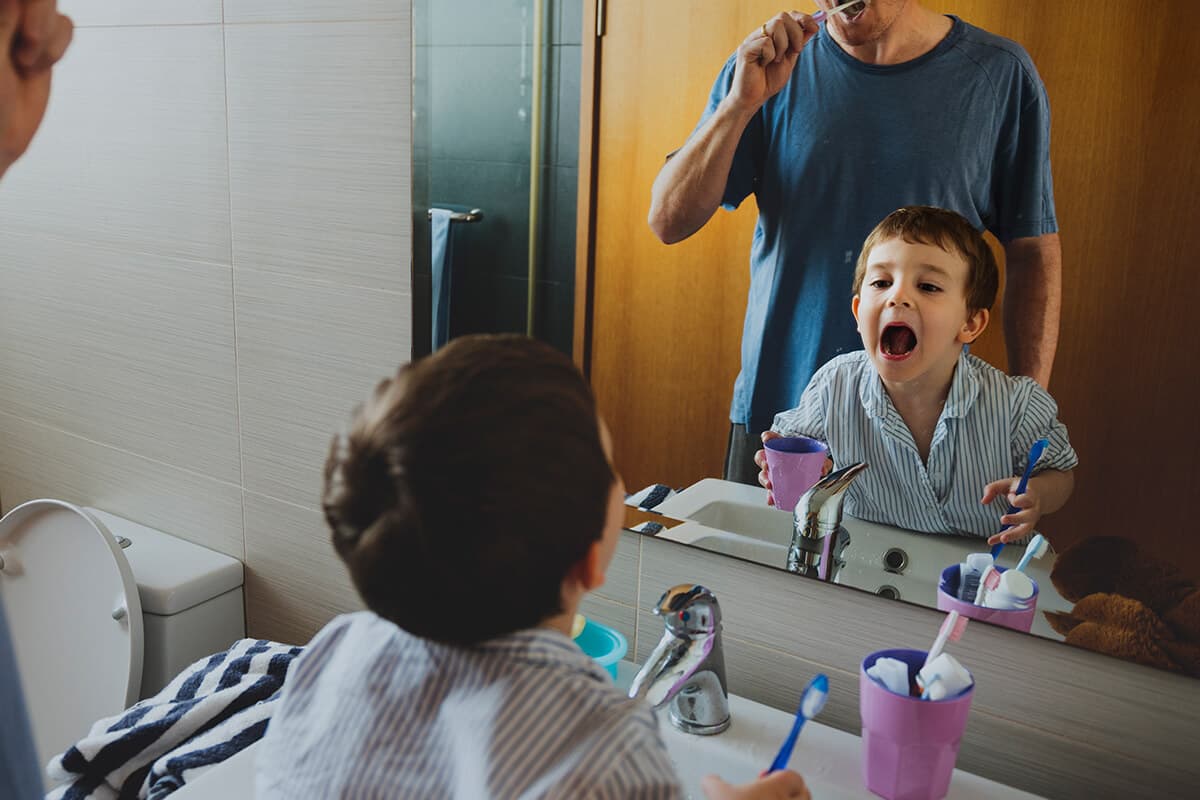
Before the appointment, you can turn the dental examination into a fun and familiar rehearsal by playing short games with your child at home. Having your child lie on their back while you play a tooth-counting game with a flashlight and a small spoon helps them get used to the specific position of the examination chair.
Then you can let them count your teeth, or those of their favorite stuffed toy, so they feel a sense of control and the examination process becomes completely normal to them.
What Happens During a Child's First Dental Examination?
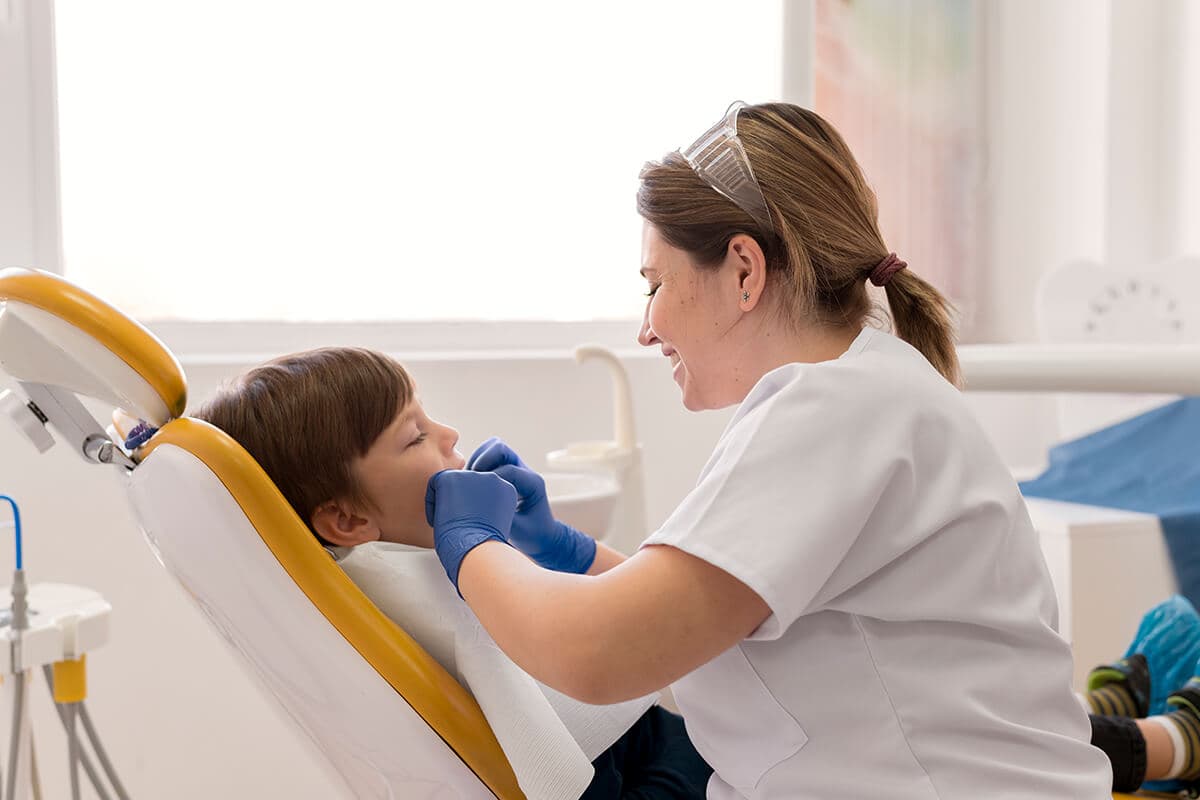
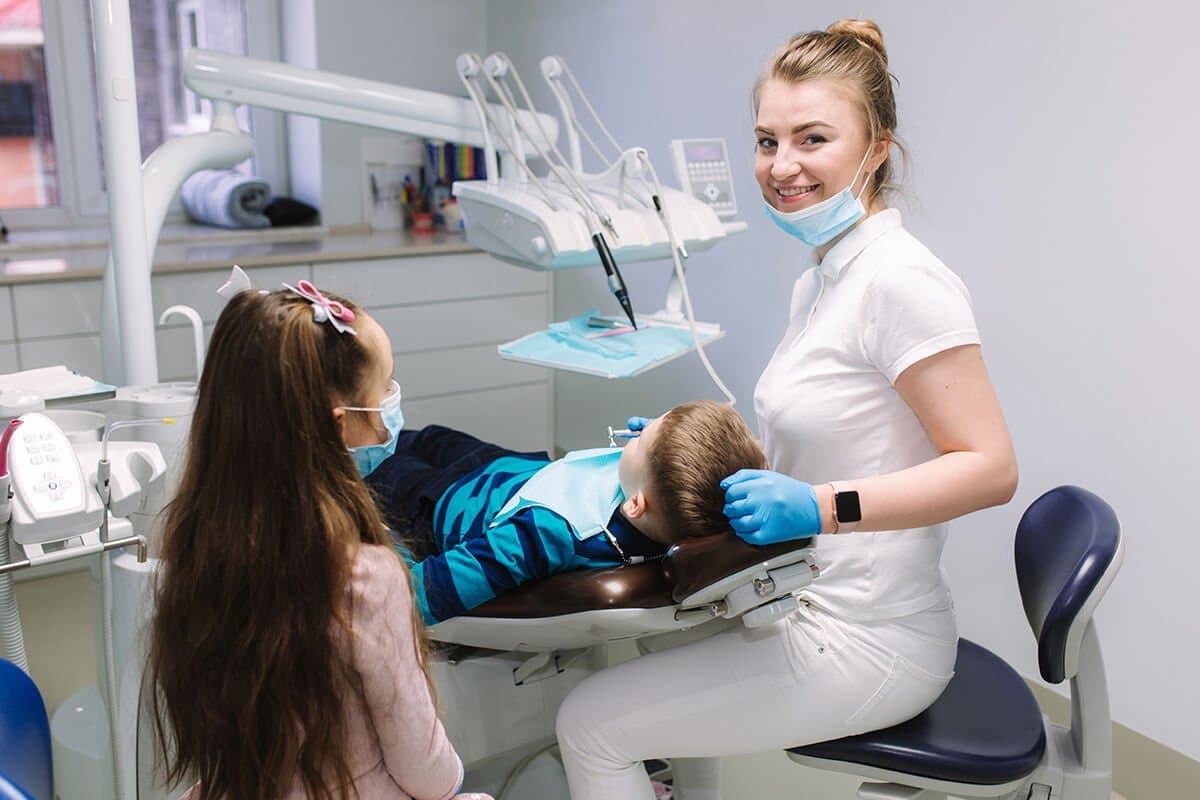
The first dental examination is an introductory session in which the child builds a bond of trust with the dentist and fully adapts to the clinic setting. In this special session, generally no demanding treatment is performed; the priority is always the child's comfort and sense of safety. The dentist examines the child's teeth, gums, and jaw structure and makes a general assessment of oral development. After the examination, the family is given comprehensive information about proper feeding routines suited to the baby's age in months or the child's age.
Getting Used to the Chair in Child-Friendly Clinics
In Pediatric Dentistry clinics, the examination chair and instruments are designed in a fun form that catches children's interest. Specialist dentists gradually introduce the child to all the equipment in the room using a special pedagogical method known as "tell-show-do." The tool that sprays water is described with endearing names such as "water gun," and the device that blows air as "wind machine." Thanks to this fun, play-focused approach, the child manages to sit in the dental chair without fear and of their own accord.
Checking Baby Teeth and Analyzing Future Cavity Risk
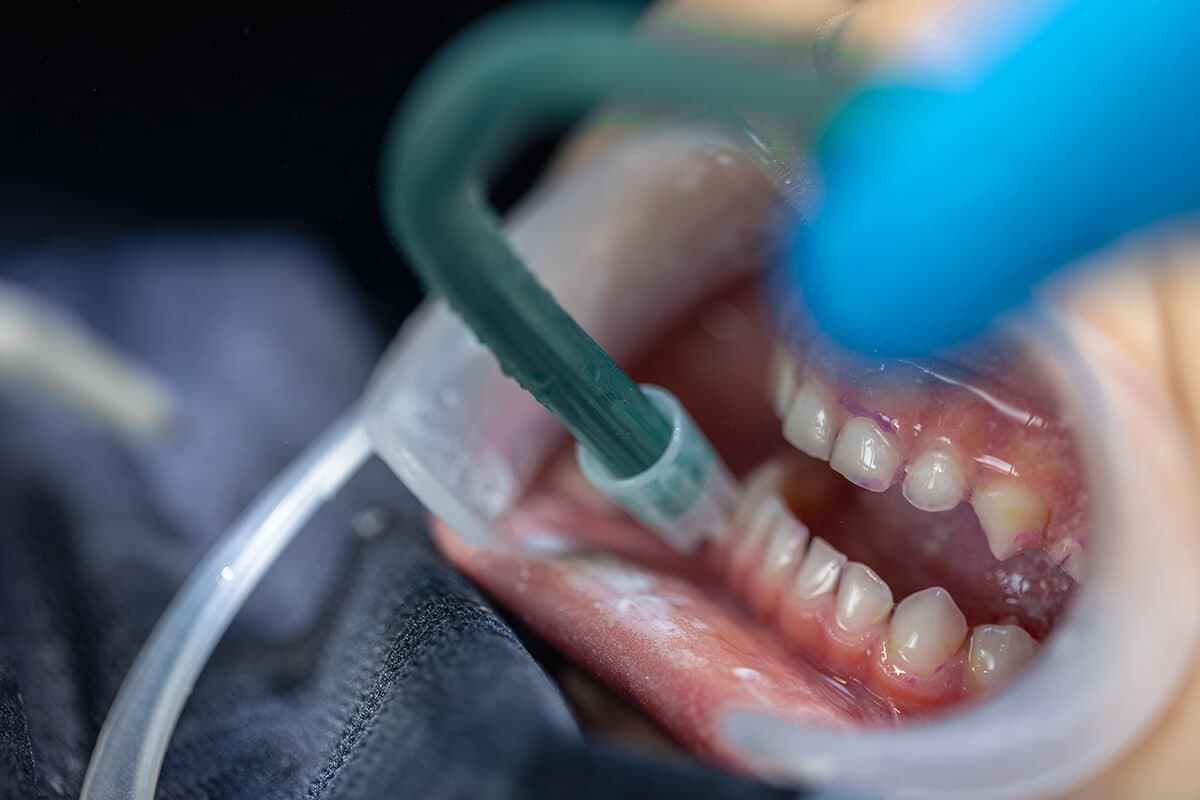
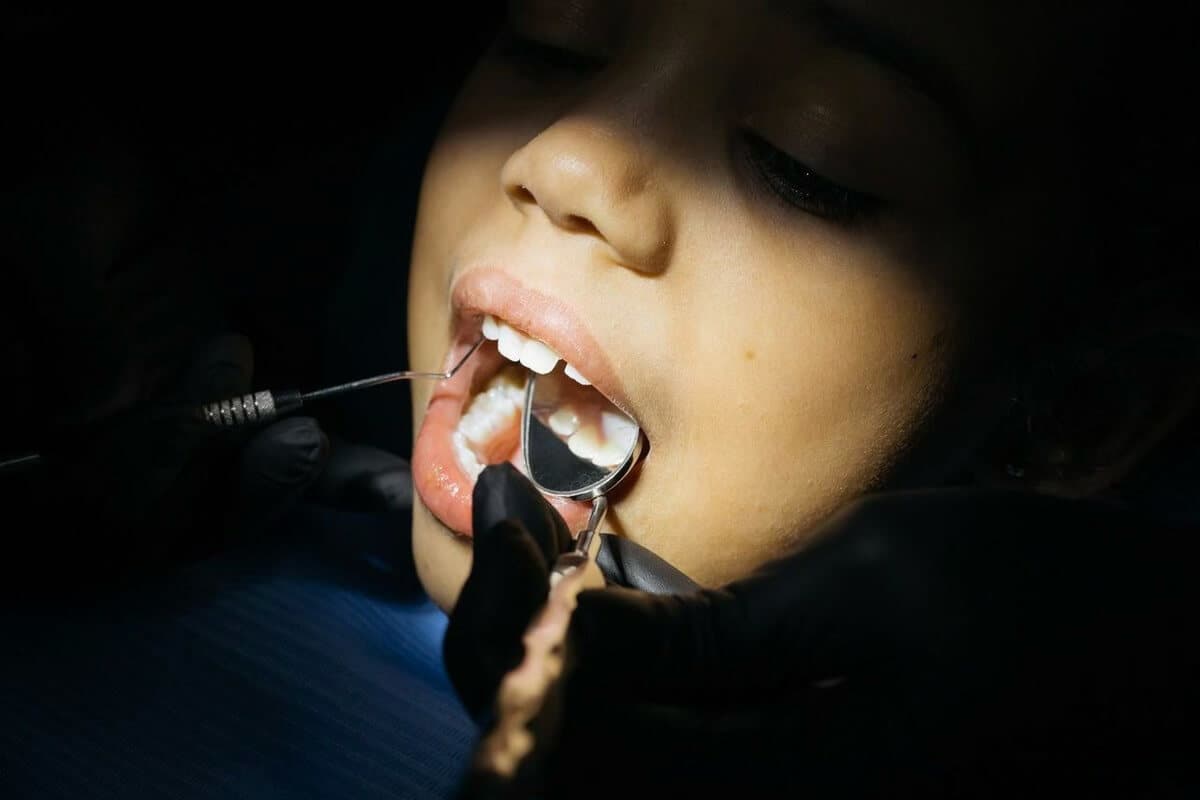
Once the chair-familiarization stage has been completed successfully, the dentist quickly checks the existing baby teeth with a tiny mouth mirror. Possible developmental irregularities in the teeth, white spots on the enamel, or early-stage fine cavities are detected right away.
Next, factors such as pacifier use, thumb-sucking habits, or night-time feeding are evaluated to analyze the child's future cavity risk. Based on these results, a tooth-brushing routine tailored to the family and the right amount of toothpaste to use are explained in detail.
What to Consider When Choosing a Pediatric Dentist in Samsun
Choosing the right specialist and clinic is a vital decision so that your child's first encounter with the dentist does not turn into a lasting trauma. First and foremost, you should be sure that the dentist you choose is a specialist with dedicated training in "pedodontics," that is, Pediatric Dentistry.
Because pediatric dentists have a deep understanding of the psychology of this age group, they have the skill to manage any difficult moments during treatment professionally.
It is not only the dentist's expertise but also how well the clinic's physical setting suits children that directly affects the success of the process. A colorful, child-friendly clinic with play areas eases a child's worries before they even walk through the door.
In addition, the way the dentist communicates with the child, speaking while making eye contact and never rushing, are the most important criteria to look for.
Conclusion
A first dental visit in Samsun is the most valuable step in laying the foundation of the oral and dental health awareness your child will carry for life.
Thanks to parents' conscious preparation and the pedagogical approach of pediatric dentists, this process becomes an enjoyable and fun memory.
Healthy smiles are built through the right preventive measures taken from infancy onward and regular check-ups with the dentist. Protecting your child's baby teeth, correctly monitoring jaw development, and helping them love their oral care habits all depend on this first step parents take.
To have your children's first examination experience in a safe and caring clinical environment that follows pedagogical principles, you can confidently count on the expertise of Dental Prime.