Spec. Dt. Gökcan ErtaşOrthodontist
 Dt. Sena KırcaDentist
 Dt. Sevinç Cansu KayıranDentist
 Assoc. Prof. Dr. Sezin ÖzerPediatric Dentist
 Spec. Dt. Sude Yıldırım BolatSpecialist in Periodontology
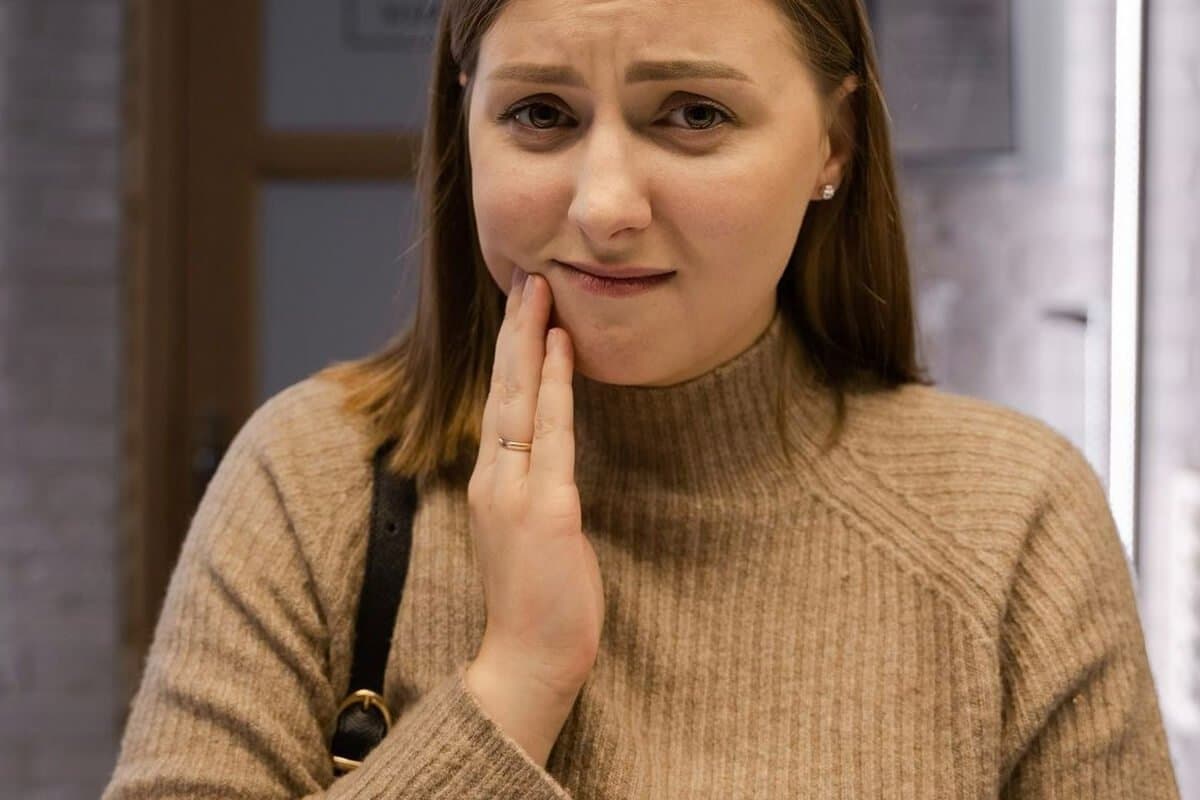
Teeth clenching treatment in Samsun covers approaches aimed at bringing under control the problem of unconsciously clenching and grinding the teeth (bruxism) at night or during the day. Symptoms such as tooth wear, jaw pain and headaches are the first signs of this condition. With a night guard, behavioral methods and occlusal adjustment, the complaints are managed under a dentist's supervision.
In most people, teeth clenching progresses unnoticed. Clues such as waking up with jaw fatigue in the morning, tooth sensitivity or the sound of teeth grinding on the pillow can point to jaw clenching. Bruxism evaluated in the early period is easier to manage with proper planning, and the risk of permanent tooth wear is reduced.
In this article, you will find what teeth clenching is, how it is diagnosed, which methods are used to manage it and how the treatment process proceeds. A personalized evaluation always begins with an examination; for this reason, people who have symptoms are encouraged to contact the Dental Prime team and plan a detailed examination.
What Is Teeth Clenching?
Teeth clenching, known medically as bruxism, is a person pressing, clenching or grinding their teeth together without being aware of it. This condition occurs through involuntary contraction of the jaw muscles. This force, which comes into play outside of chewing, places a constant load on the teeth and the jaw joint and can lead to various complaints over time.
Bruxism is examined under two main headings. In sleep bruxism, teeth clenching occurs involuntarily at night during sleep, and the person is mostly unaware of the condition. Awake bruxism is seen as clenching the teeth during the day, usually during moments of intense concentration or stress. Both types make themselves known through different signs.
The causes of teeth clenching are multifactorial. Stress, anxiety and tension are the most prominent factors. In addition, sleep disorders, bite misalignments and some lifestyle habits can affect the picture. Attributing it to a single cause is often not correct; for this reason, the evaluation is done holistically.
Lifestyle habits visibly affect the picture. Heavy consumption of caffeine and similar stimulants in the evening hours can disrupt sleep quality and increase the tendency to clench at night. Irregular sleep hours, heavy screen use before bed and not setting aside enough time for rest also make it harder for the muscles to relax. Reviewing these habits is a natural part of management.
Bite misalignments can also be one of the factors that trigger teeth clenching in some people. Uneven contact between the teeth can cause the jaw muscles to work harder. Similarly, factors that disrupt sleep patterns can make nighttime bruxism more pronounced. For this reason, the dentist evaluates not only the teeth but also the person's general habits and sleep patterns together.
The effects of jaw clenching are not limited to the teeth. Constantly contracting muscles can cause pain in the head, neck and facial area; strain can develop in the jaw joint. For this reason, bruxism is treated not just as a tooth problem but as a condition that concerns the chewing system as a whole. Early awareness helps limit progression.
Teeth clenching that continues untreated for a long time can lead to different outcomes over time. Wear on the tooth enamel can deepen, fillings and crowns can be damaged, and tooth sensitivity can increase. In advanced cases, clicking sounds, catching, or difficulty opening and closing the jaw may appear in the jaw joint. For this reason, evaluating symptoms early helps make the process easier to manage.
How Is Teeth Clenching Diagnosed?
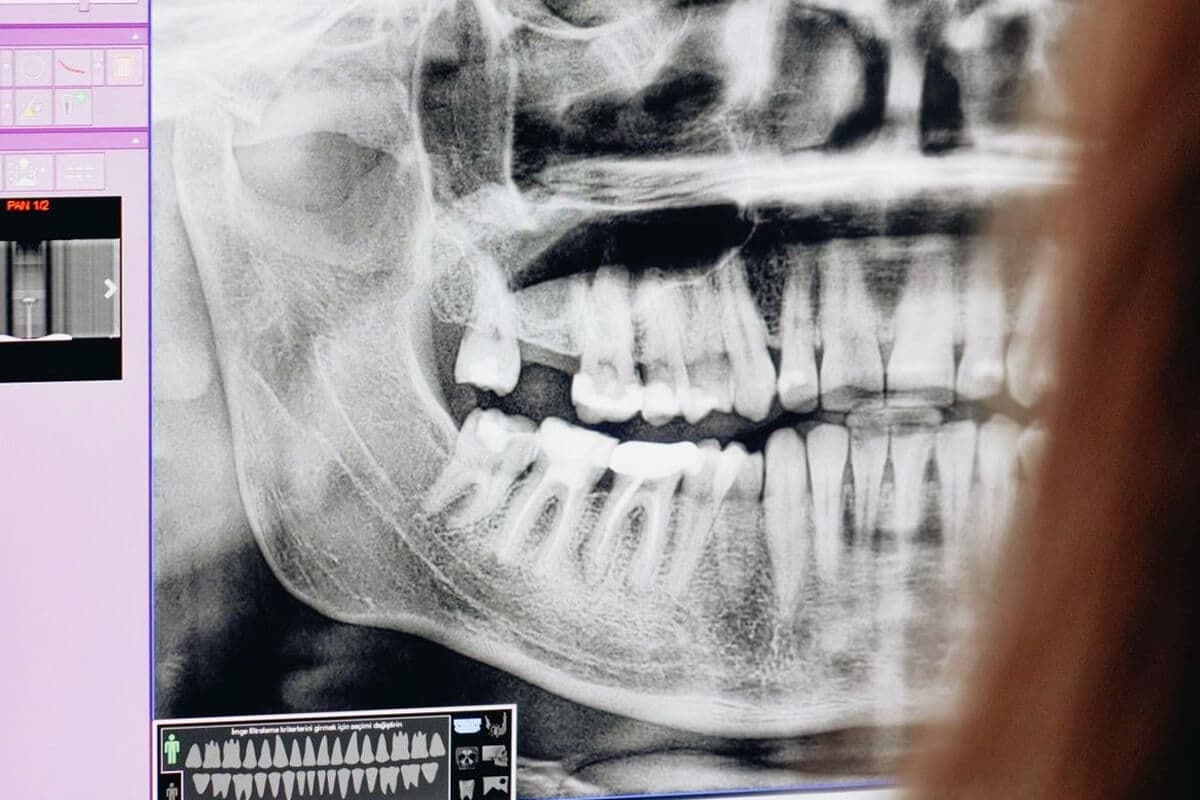
Teeth clenching is diagnosed by evaluating a detailed clinical examination together with the complaints the person describes. The dentist examines wear marks on the teeth, the condition of the jaw muscles and joint movements. Observations such as the person's morning fatigue, headaches or the grinding sound heard by a partner provide important clues that support the diagnosis.
During the examination, flattening, cracks and sensitive points on the teeth are checked. Unusual wear on fillings or crowns can also be a sign of bruxism. When necessary, the bite relationship is examined in detail. This holistic view helps understand which type of teeth clenching it is and how severe, and guides the treatment plan.
At the diagnosis stage, the person's daily habits and stress level are also evaluated. This is because the type and frequency of teeth clenching directly affect the approach to be used. The dentist clarifies the picture by combining symptoms and examination findings. A correct diagnosis helps avoid unnecessary procedures and plan the process in the most suitable way for the person.
Symptoms of Teeth Clenching at Night
Because nighttime teeth clenching is involuntary, symptoms usually appear in the morning. Waking up with fatigue and tension in the jaw muscles, headaches in the temple area and tooth sensitivity are the most common signs. Some people become aware of the condition thanks to a grinding sound heard by their partner.
In nighttime bruxism that continues for a long time, noticeable wear on the teeth, pain around the ear and strain in the jaw joint can develop. Sleep quality may drop, and the person may wake up not feeling rested. Seeing these symptoms together is a clear reason for a dentist's evaluation, and early intervention helps limit the progression of wear.
A partner's observation is especially valuable for noticing nighttime bruxism. The sound of teeth grinding heard during sleep is a clear clue that the person themselves could never hear. In addition, flattening of the teeth and wear marks on the edges become more noticeable over time. When these signs come together, it is appropriate to have the condition evaluated with an examination.
Signs of Teeth Clenching During the Day
Daytime teeth clenching mostly happens unnoticed during intense work, tasks that require attention or stressful moments. The person realizes they are clenching their teeth only when they feel jaw fatigue. Teeth clamping together while at the computer, in traffic or during a tense conversation is a typical sign.
In this type, chewing marks on the inside of the cheek, indentations on the edge of the tongue from tooth pressure and jaw tension that builds throughout the day may be seen. When daytime bruxism is noticed, awareness exercises can give faster results, because the person can learn to catch the moment of clenching and relax the muscles. This increases the importance of behavioral approaches.
Teeth Clenching Treatment Methods and Options

In treating teeth clenching, the aim is not to eliminate the condition completely but to protect the teeth and bring the complaints under control. The approach is individualized and is usually planned by using more than one method together. Options are determined according to the type and severity of the bruxism and the person's lifestyle; the decision is always made under a dentist's supervision.
The main methods are a night guard (occlusal splint), behavioral therapy and lifestyle adjustments, and, when necessary, occlusal adjustment and physical therapy and massage aimed at relaxing the jaw muscles. These options complement each other; for example, while a night guard protects the teeth, behavioral approaches help reduce the underlying tension.
An evaluation at a reliable dental clinic in Samsun is the foundation of choosing the right method.
Night Guard (Occlusal Splint) Application
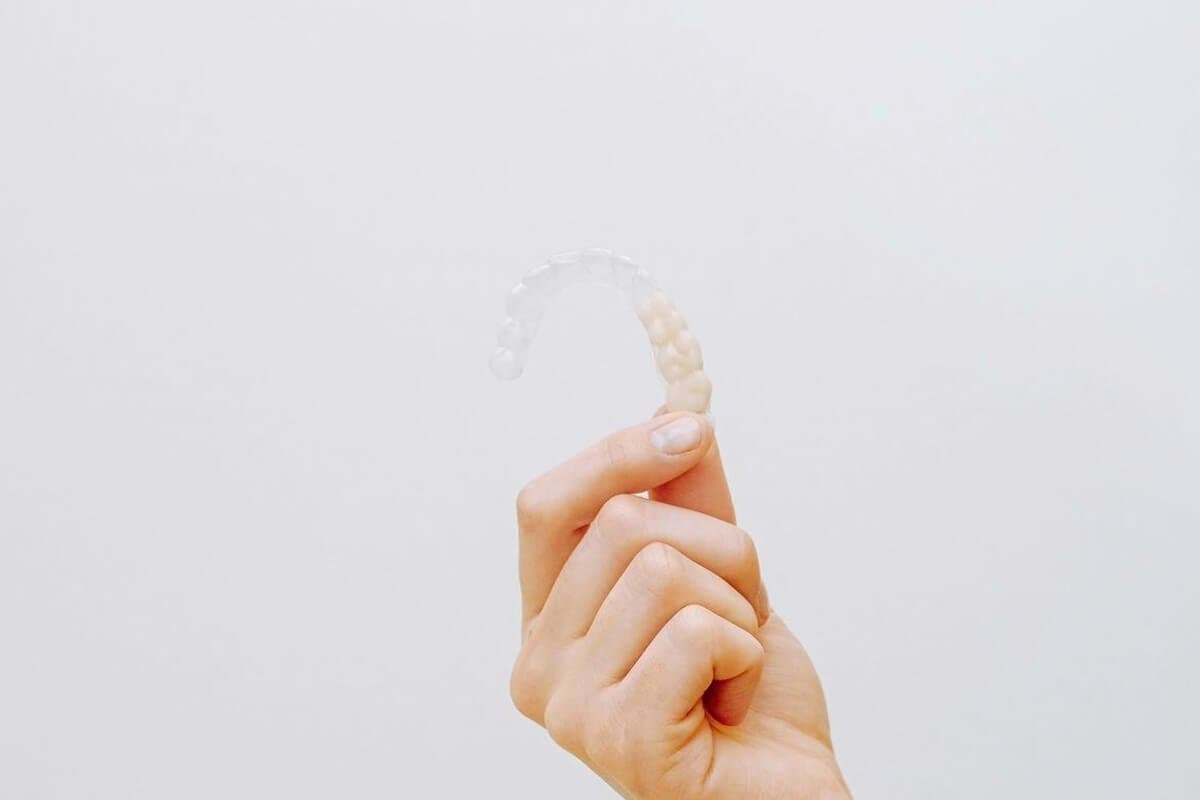
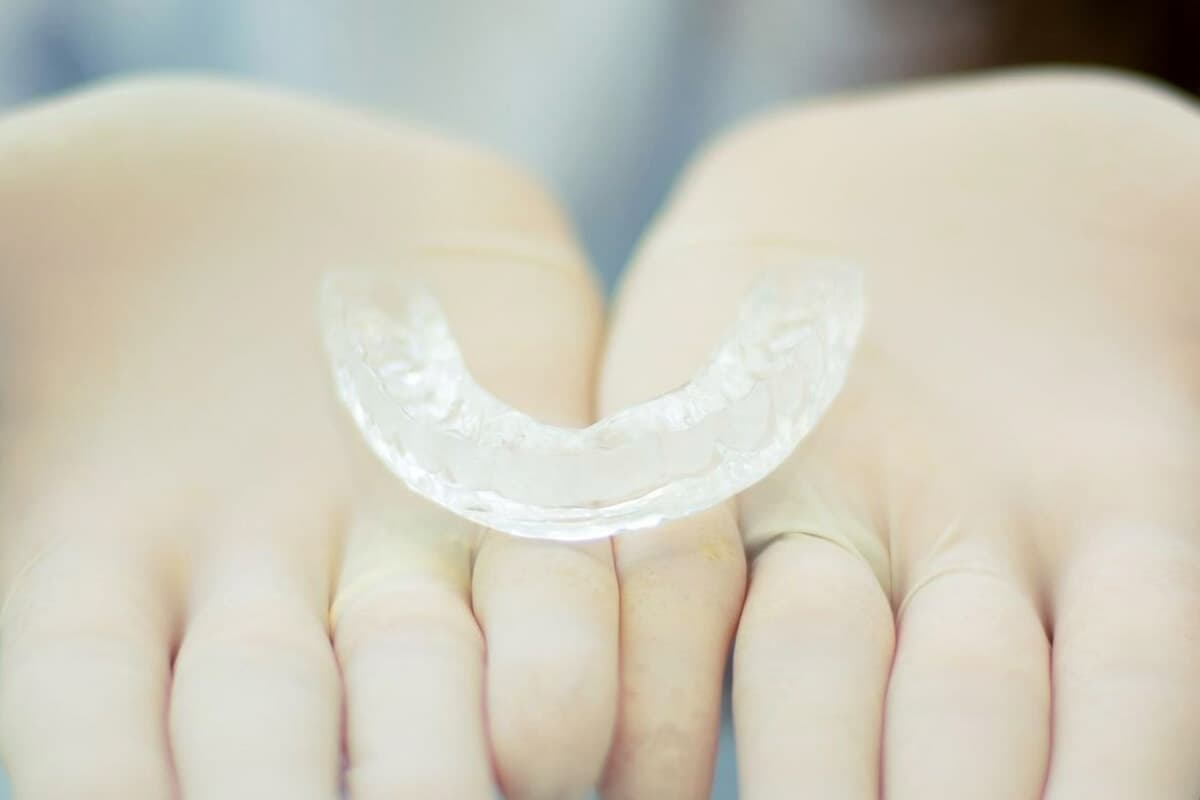
A night guard is the most commonly preferred protective method in managing teeth clenching. It is a hard or soft appliance that fits over the upper or lower teeth and prevents direct contact between the teeth. In this way, the force produced during clenching is distributed over the guard, and the teeth and jaw joint are protected from this load.
The safest form of the guard is a custom-made model prepared from the impression taken by the dentist. Ready-made, standard guards can cause poor fit and increased joint complaints in some people. A custom guard fits the structure of the mouth exactly, so it is both more comfortable and helps protect the teeth in a more balanced way.
A night guard is usually put in before sleep and removed in the morning. Regular use contributes to slowing tooth wear and reducing morning jaw fatigue. A guard is not a solution that ends teeth clenching on its own; while it protects the teeth, it is recommended to address the underlying causes with behavioral methods. Checkups are important in this process.
Behavioral Treatment and Lifestyle Changes
Because stress and tension are often behind teeth clenching, behavioral approaches are an important part of treatment. Stress management techniques, breathing and relaxation exercises, and the habit of relaxing the jaw during the day help reduce the frequency of clenching. These methods contribute noticeably, especially in daytime bruxism.
Sleep hygiene also directly affects the picture. Regular sleep hours, reducing screen and stimulant use before bed, and limiting the evening consumption of caffeine and similar stimulants support sleep quality. More restful sleep can help reduce the tendency of the muscles to over-contract at night and makes it easier to manage the complaints.
Awareness exercises aim for the person to catch the moments they clench their teeth during the day and consciously relax their jaw. Keeping the lips closed, the teeth slightly apart and the tongue resting on the palate is a simple but effective habit. When necessary, physical therapy and massage for the jaw muscles help reduce tension.
In people whose jaw muscles are tense, physical therapy approaches and simple relaxation exercises recommended by the dentist can be helpful. Massage and warm compresses applied to the chewing muscles help the muscles relax. These methods are not a solution on their own; when planned together with a night guard and behavioral recommendations, they contribute to reducing jaw tension.
Adding small but regular habits to the daily routine is effective for stress management. Deep breathing exercises, relaxing the shoulder and jaw area during short breaks, regular walks and creating a calming routine before sleep help reduce tension. These simple approaches lower the tendency to clench over time and support the effect of the other methods.
Teeth Clenching Treatment Process
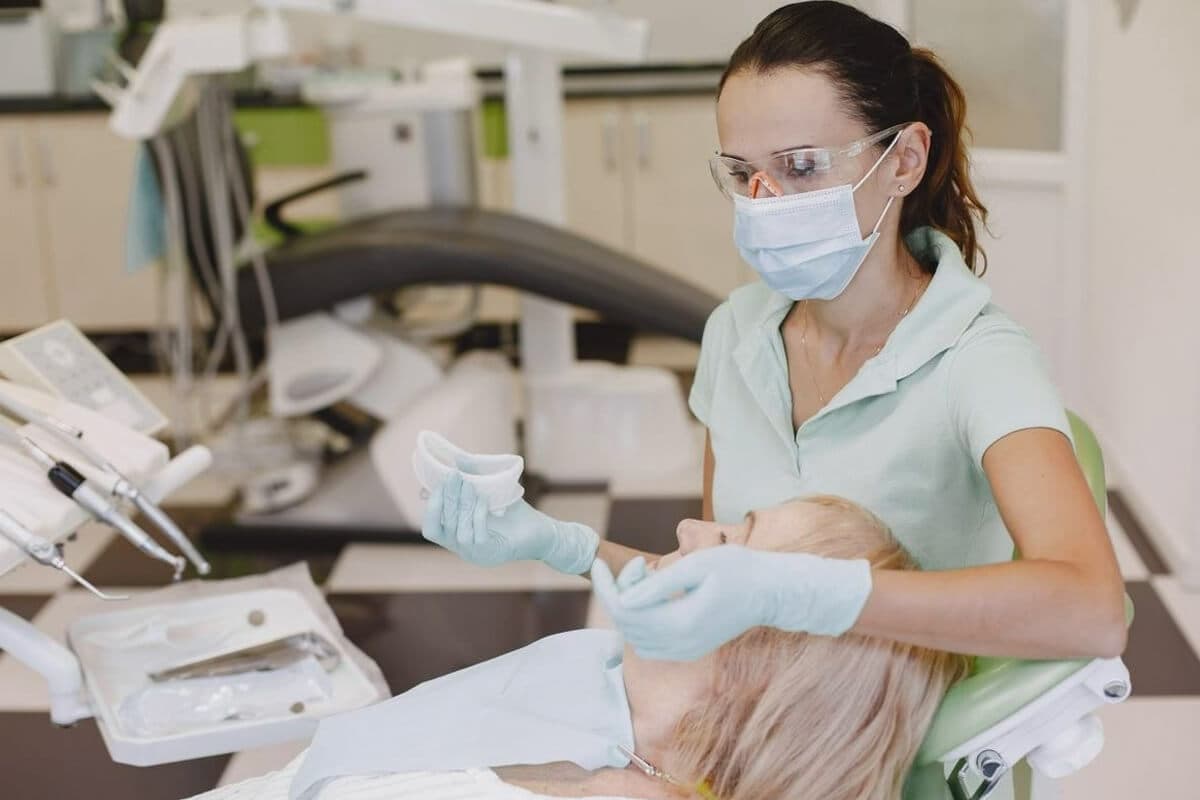
The teeth clenching treatment process is not a single procedure but a planned follow-up process. It begins with an examination, a personalized plan is created and it proceeds with regular checkups. The main goals of the process are to protect the teeth, reduce complaints and manage the underlying factors. Each stage can be updated according to the person's response, and treatment is shaped accordingly.
What Does the First Examination Include?
At the first examination, the dentist first listens to your complaints and habits. Questions are asked about morning pain, jaw fatigue, headaches and sleep patterns. Then the teeth, jaw muscles and joint movements are examined; wear, cracks and sensitive points on the teeth are evaluated. This step forms the basis for understanding the type and severity of the bruxism.
As a result of the evaluation, the dentist shares the most suitable approach for you. In most cases, an impression is taken for a custom night guard and behavioral recommendations are given. If needed, the bite relationship is examined in more detail. The first examination is the most important stage, as it both clarifies the diagnosis and enables a realistic treatment plan to be created.
Treatment Schedule and Follow-Up Appointments
The treatment schedule varies from person to person, but the general flow is similar. After the impression is taken, a custom guard is prepared and a fit check is performed. In the first weeks, the fit and comfort of the guard and any change in complaints are closely monitored. Making small adjustments during this period is normal and helps the guard be used more comfortably.
Follow-up appointments are critical to the success of the process. At these visits, the dentist evaluates the wear condition, muscle relaxation and adherence to behavioral recommendations. As complaints decrease, the intervals between checkups may become longer. Regular follow-up supports long-term management by allowing problems to be noticed early and the plan to be updated on time.
What to Know During Teeth Clenching Treatment
Managing teeth clenching is a process that requires patience. It may take time for complaints to decrease, and keeping up the guard and behavioral recommendations together directly affects the result. It is not accurate to say that bruxism definitely ends; the aim is to keep the condition under control and protect the teeth. It is important to clarify this expectation from the start.
During periods of increased stress, teeth clenching complaints may become more noticeable again. For this reason, it is recommended to keep up guard use and relaxation habits. When you notice a change in symptoms, contacting your dentist for a checkup appointment helps update the plan and manage the complaints again. Regular communication supports the success of the process.
During treatment, it is useful to see the methods as a whole. While the night guard protects the teeth, behavioral changes reduce the underlying tension; occlusal adjustment supports balance when needed. Maintaining a personalized combination rather than relying on a single method provides more lasting management. This approach also helps keep expectations realistic.
Adjustment Period When Using a Night Guard
Getting used to a new night guard can take from a few days to a few weeks. In the first nights, a feeling of fullness in the mouth, increased saliva or a slight sense of strangeness is normal. In most people this feeling fades quickly. Wearing the guard regularly every night helps the mouth adapt to the appliance faster and increases comfort.
If, during the adjustment period, the guard presses, causes pain or you feel a noticeable change in your bite, you should contact your dentist. A small adjustment usually increases comfort. Keeping the guard clean, rinsing it every morning and storing it in the recommended case is important for both hygiene and durability. These simple habits extend the life of the guard.
Cleaning the guard should be part of the daily routine. Rinsing with lukewarm water after removing it in the morning and gently cleaning it with a soft brush prevents buildup. Very hot water should be avoided because it can distort the shape of the guard. When not in use, the guard should be stored in its dry, ventilated case and shown to the dentist at regular checkups so its condition can be evaluated. This care allows the guard to keep its function for a long time.
Teeth Clenching Treatment Prices in Samsun 2026
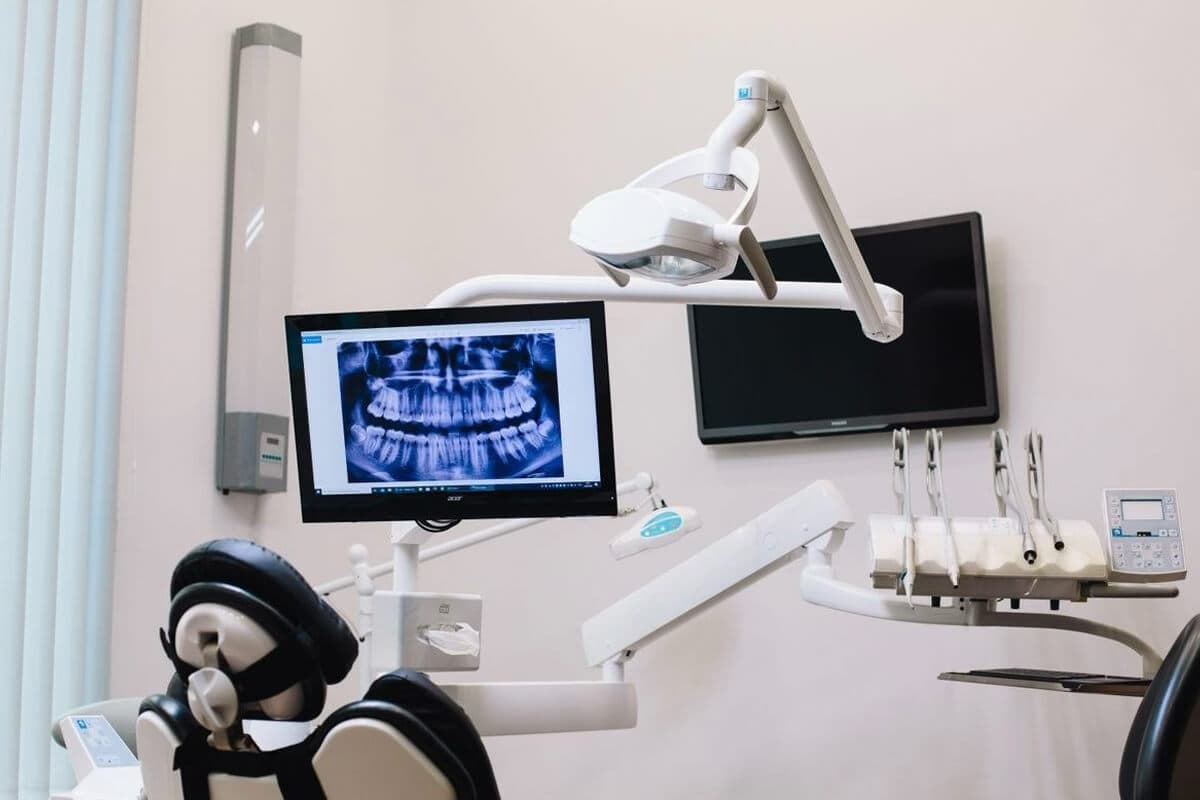
Because the cost of teeth clenching treatment varies by person and case, it would not be accurate to give a single amount. The price depends on many factors, from the type of guard to the scope of the treatment plan. Definite information can only be given after an examination and evaluation; for this reason, planning a detailed examination first is the healthiest approach.
The main factors that affect the cost are: the preferred type of guard (hard or soft, a custom-made model), the severity and complexity of the case, any additional procedures deemed necessary, the number of follow-up appointments and the dentist's experience. Adding behavioral support and, when necessary, physical therapy approaches to the plan can also affect the scope.
In cases with more advanced wear or that need bite adjustment, the process may be more comprehensive, which also affects the cost. For this reason, rather than deciding based on general figures online, it is best to get an evaluation specific to you. During the examination, you can clarify both the treatment plan and the cost framework attached to it.
It is important not to think of the price based on just a single procedure. Managing teeth clenching is mostly a process that includes the guard, behavioral support and follow-up appointments. Planning that keeps this whole in mind supports both realistic expectations and more sustainable management in the long term. Definite information is always obtained through an examination.
Conclusion
Teeth clenching approaches in Samsun aim not to eliminate bruxism entirely but to protect the teeth and manage the complaints under a dentist's supervision. When a night guard, behavioral treatment, occlusal adjustment and, when necessary, physical therapy and massage are planned together, problems such as tooth wear and jaw pain can be helped to come under control.
The most important step is not to ignore the symptoms and to start the process on time. If you experience morning jaw fatigue, headaches or tooth sensitivity, it is helpful to clarify the source of this with an examination. Early evaluation helps reduce the risk of permanent wear and lets you go through a more comfortable process.
Proper planning begins with a personalized evaluation. To get clear information about your symptoms and discuss the options suitable for you, we recommend booking an appointment with an experienced team. A plan supported by regular checkups makes it easier to manage teeth clenching in the long term and to protect your oral health.