 Spec. Dt. Gökcan ErtaşOrthodontist
 Dt. Sena KırcaDentist
 Dt. Sevinç Cansu KayıranDentist
 Assoc. Prof. Dr. Sezin ÖzerPediatric Dentist
 Spec. Dt. Sude Yıldırım BolatSpecialist in Periodontology
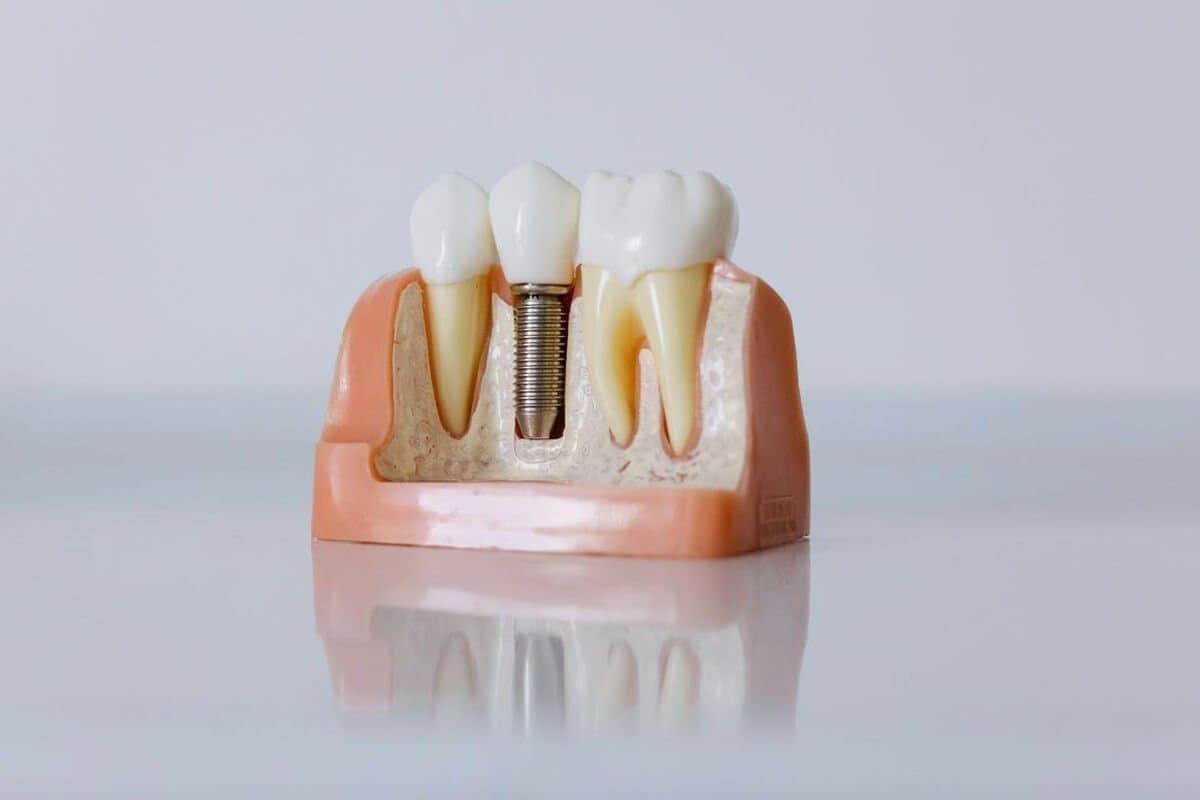
Dental implant treatment in Samsun is a treatment method that aims to restore natural tooth function and appearance by means of titanium roots placed in place of missing or damaged teeth. This procedure is not planned the same way for every patient; a dentist's evaluation and a personalized treatment plan are required. When performed under the right conditions, it can positively affect quality of daily life by offering a high success rate, long service life, and a natural look.
Many people in Samsun who have lost teeth are looking into implants to regain chewing function and a cosmetic appearance. This article covers in detail what the treatment is, who it is suitable for, the stages of the process, and what to pay attention to afterwards.
A personal plan prepared after a comprehensive examination and imaging is important for the process to progress safely. Rather than rushing the decision, evaluating the different options together with your dentist stands out as a healthier approach. The team of dentists at Dental Prime aims to provide patients with detailed information throughout this process.
What Is Implant Treatment?
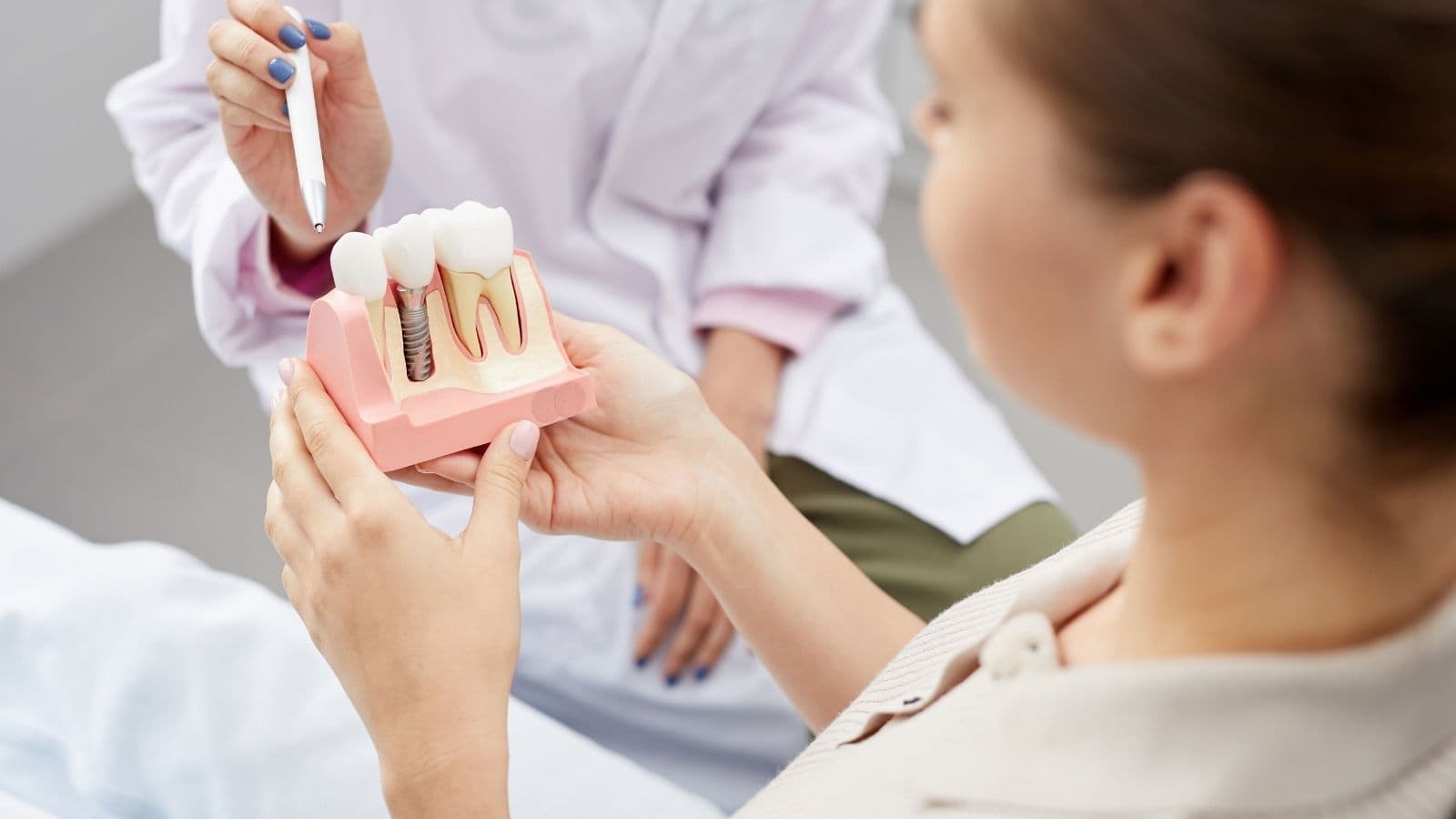
Implant treatment is a method that involves placing fixed or removable prostheses on special biocompatible roots placed in the jawbone in place of missing teeth. These roots, which fuse with the bone tissue, provide support similar to a natural tooth root and help the prosthesis placed on top stay firmly in place.
The treatment decision is evaluated by the dentist depending on many factors such as jawbone density, general health, and the cause of tooth loss. For this reason, each case is handled on its own merits. The quality of the materials used and the accuracy of the technique applied are also among the factors that directly affect the result.
An implant treatment usually consists of three main components: the root placed in the jawbone, the connecting piece that joins this root to the prosthesis, and the superstructure that forms the visible part. The harmonious working of these components determines the quality of both the functional and the cosmetic result. The dentist determines the component combination best suited to the patient's oral structure in the treatment plan.
Using Implants for Natural Tooth Loss
Tooth loss can occur for different reasons such as decay, trauma, advanced gum disease, or congenital absence. Leaving the place of a lost tooth empty for a long time can cause neighboring teeth to shift over time and the jawbone to wear away. This can affect both chewing function and the natural appearance of the facial contours.
Implant-supported prostheses aim to restore the function and cosmetic integrity of the lost tooth. This method, which can be considered in different scenarios from a single missing tooth to multiple tooth losses, is shaped according to the plan determined by the dentist. When the bone structure is sufficient, the treatment process progresses more predictably.
Noticing and evaluating tooth loss at an early stage can help keep jawbone loss limited. For this reason, it is recommended to consult a dentist without delay when a missing tooth is noticed. Early evaluation can also preserve the variety of treatment options that can be applied later.
In cases of multiple tooth loss, different solutions such as an implant-supported bridge or full-arch prostheses may be considered. Which method will be used is determined by the dentist according to the patient's jaw structure and general health.
Legal and Medical Framework of the Treatment
In Turkey, dental implant procedures are performed by licensed dentists subject to Ministry of Health regulations, in settings that hold a health facility license. The implant materials used are expected to have medical device approval and to be applied in accordance with sterilization standards. The patient is informed through an informed consent process before treatment.
This framework aims to protect patient safety and the transparency of the treatment process. The dentist decides on the suitability of the treatment after evaluating the patient's medical history, the medications they use, and any chronic conditions. Not skipping this evaluation is important for managing the process safely.
Before the procedure, the patient is informed both in writing and verbally about the materials to be used, possible risks, and alternative options. Not starting treatment before the consent process is completed is an important step for both patient rights and treatment safety. This practice aims to maintain transparency at every stage of the process.
The patient has the right to ask the dentist questions at any point during treatment. This transparent form of communication strengthens trust in the treatment and contributes to the healthy progress of the process.
Who Is Implant Treatment Suitable For?
Implant treatment can be considered for adults who are in suitable general health and have sufficient jawbone density. A wide range of patients, from those who have lost a single tooth to those with multiple missing teeth or complete tooth loss, can be examined for this option after a dentist's examination. Confirmation of candidacy depends on the clinical examination and imaging findings; for this reason, the same result cannot be guaranteed for everyone.
Jawbone density being suitable for carrying an implant
The gums and oral tissues being on a healthy foundation
Obtaining the dentist's approval for chronic conditions that are kept under control
The willingness and habit of paying regular attention to oral hygiene
Evaluating smoking together with the dentist
Even in patients whose jawbone is found to be insufficient, suitability for treatment can be achieved with supportive methods such as bone grafting; this decision depends entirely on the dentist's clinical evaluation. In situations such as uncontrolled diabetes, certain bone diseases, or the use of certain medications, the treatment plan may differ or additional precautions may be needed. For this reason, a preliminary examination is a step that should not be skipped in order to clarify candidacy.
While jaw development is expected to be complete in younger patients, in older age groups general health is evaluated first and foremost. The candidacy decision is shaped not only by age but by the person's overall health profile. For this reason, each patient's own clinical picture is examined separately.
At the first consultation stage, the patient's expectations are listened to carefully and evaluated within a realistic framework. This conversation ensures that both the dentist and the patient are aiming for the same goal before treatment begins. Expectation management is an element that directly affects satisfaction at the end of the process.
Things to Consider Before Implant Treatment
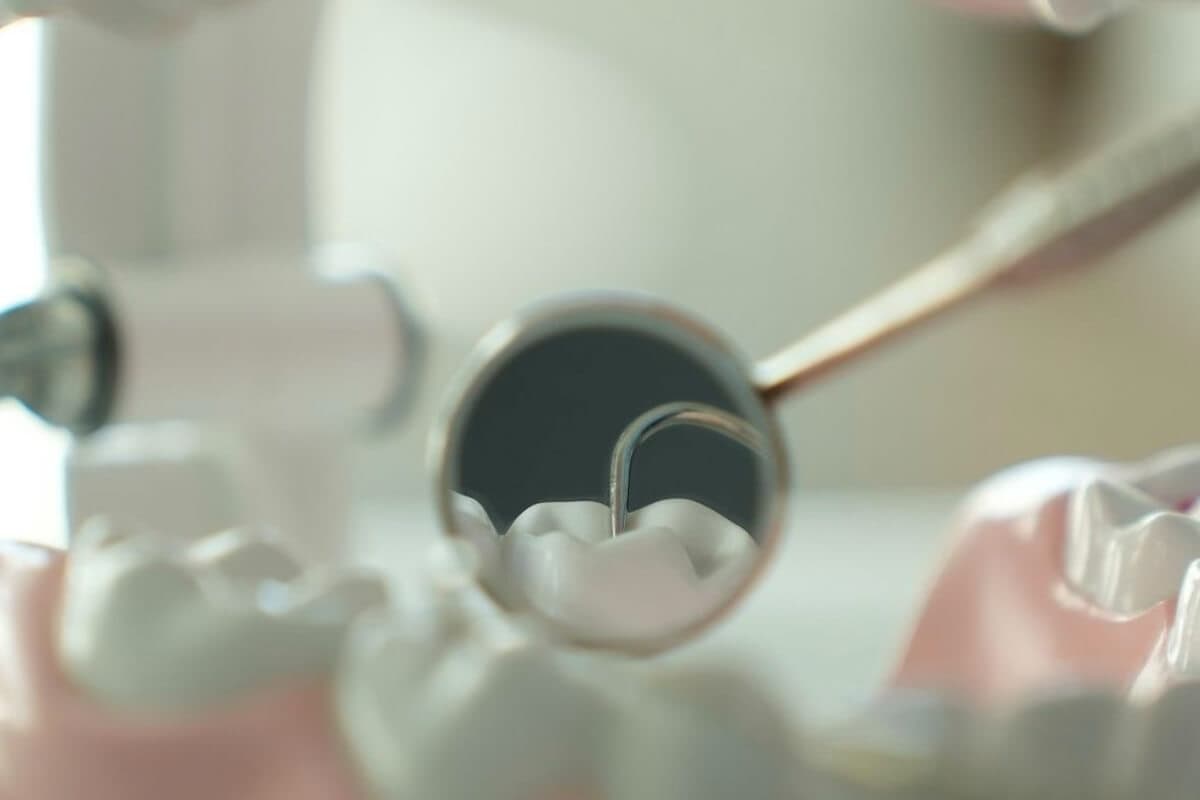
A detailed oral examination and general health evaluation before treatment are important for planning the process safely. The medications the patient uses, surgeries they have had, and chronic conditions should be shared with the dentist. This information contributes to shaping the treatment plan to the individual.
Fully sharing your current health status and the medications you use with the dentist
Informing the dentist about smoking and alcohol use
Bringing oral hygiene to a regular routine before treatment
Treating any active gum inflammation first
Attending the radiological imaging appointment on time
In addition, the patient's expectations need to be addressed on a realistic basis; it is recommended to get detailed information from the dentist about the treatment duration, the healing process, and possible additional procedures. The more carefully the preparation stage before treatment is carried out, the greater the likelihood that the following steps will progress smoothly. For this reason, it is advised to follow the preparation process recommended by the dentist without being impatient.
If you use blood-thinning medications or have treatments that affect bone density before treatment, these need to be shared with the dentist in advance. In some cases, an adjustment of medication or additional tests may be requested. Not skipping these steps contributes to the surgical process progressing safely.
The patient's psychological preparation should also not be overlooked in the pre-treatment period; having questions answered and concerns eased can help you go into the day of the procedure with a calmer mind. Open communication with the dentist is one of the most important parts of this preparation process.
The Implant Treatment Process
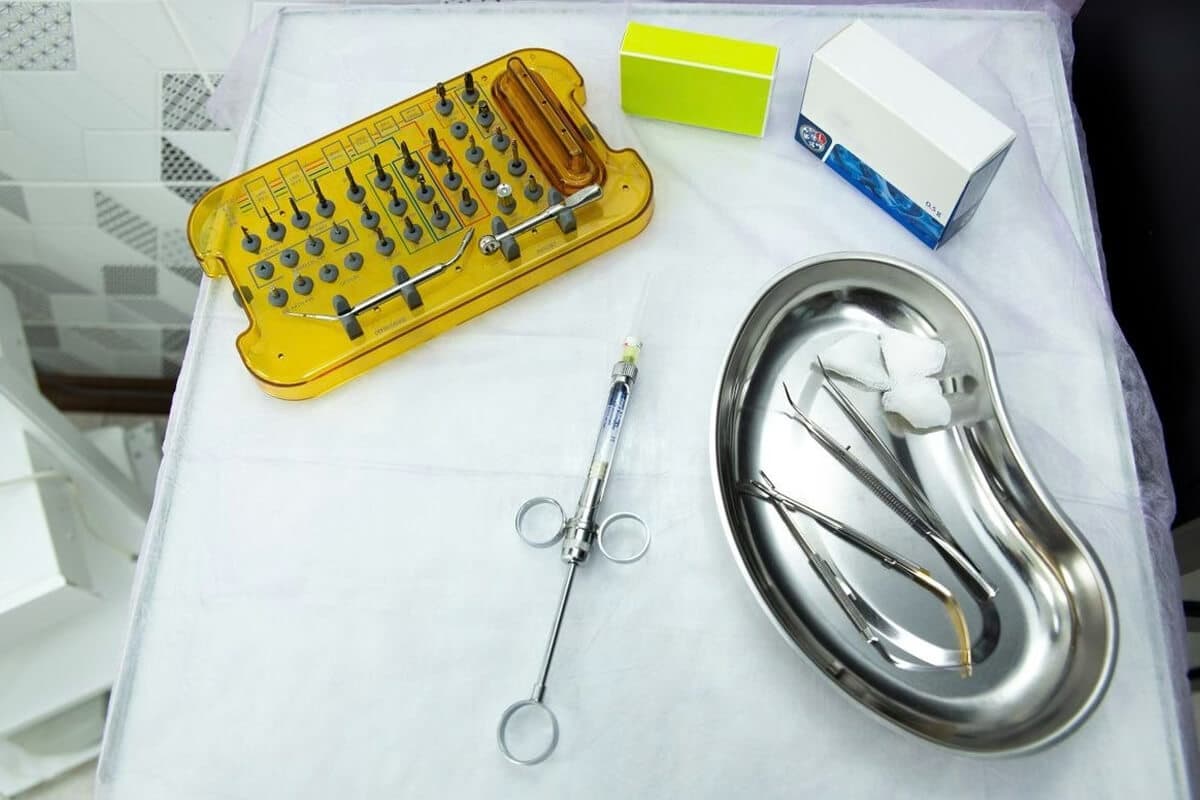
Implant treatment is not a procedure completed in a single session, but a process made up of consecutive stages. From the application until the prosthesis is placed, the patient goes through regular dentist checkups. The duration of each stage may differ according to the patient's individual situation. The basic steps of this process are summarized below.
Stage | Description |
|---|---|
Initial Examination | Evaluation of the oral condition and general health history |
Radiology | Examination of the jawbone structure with imaging methods |
Planning | Preparation of a personalized treatment map by the dentist |
Placement | Surgical placement of the implant roots in the jawbone |
Prosthesis | Preparation and fitting of the prosthesis after healing |
The total duration of the process may differ among cases ranging from a single implant to multiple tooth loss. In some patients all stages can be completed within a few months, while in some cases the process may take longer because of additional preparation steps. This difference makes individual evaluation necessary rather than giving a firm time commitment in advance.
Application and Initial Examination
The first step of the process is the preliminary consultation, in which the patient shares their complaints and expectations with the dentist. At this stage an oral examination is performed, and the condition of the gums and existing teeth is observed. The dentist notes the patient's general health history and any medications they use.
During the initial examination, the patient is given general information about the treatment process; possible options and how the process may progress are explained. This conversation offers an opportunity for the patient to ask questions and gain clarity about the treatment. The findings of the initial examination guide the next step, imaging.
In this conversation, the patient's daily habits, oral hygiene routine, and any previous dental treatments are also included in the evaluation. The information obtained forms the basis of the treatment plan to be prepared in the later stages and helps the dentist determine the right method.
Radiology Examination
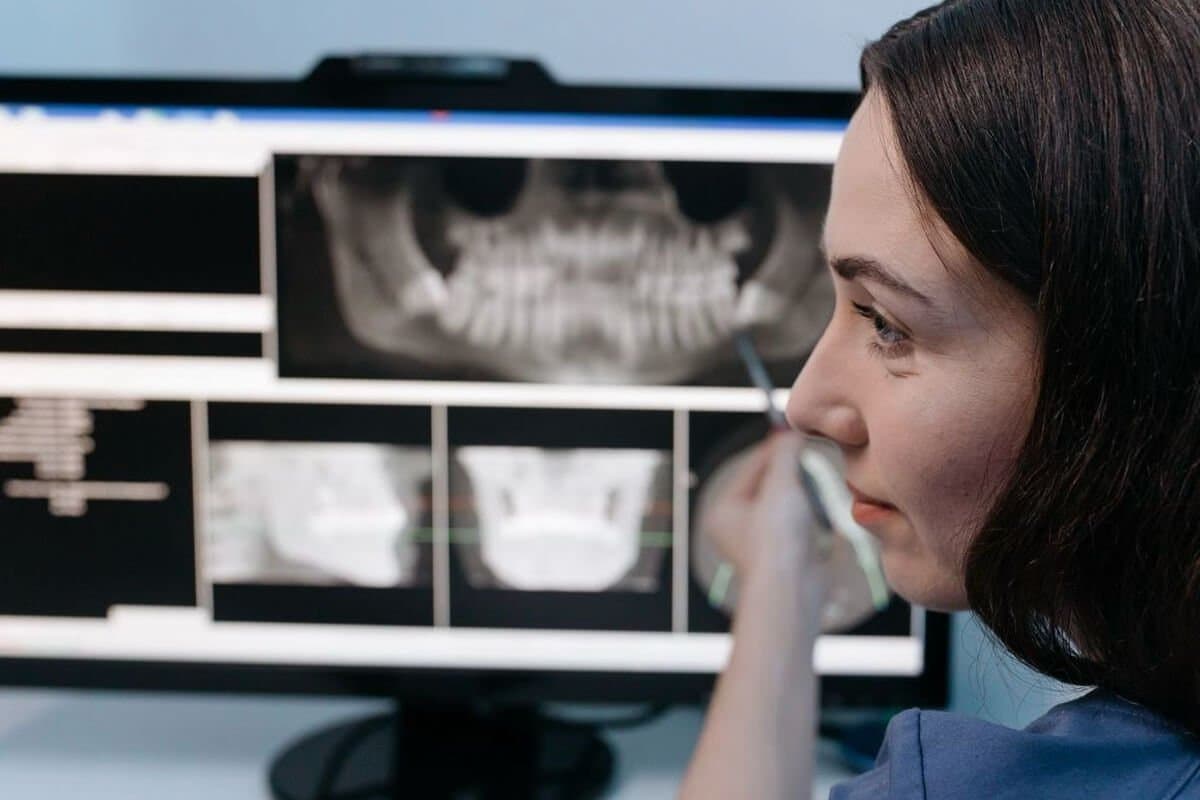
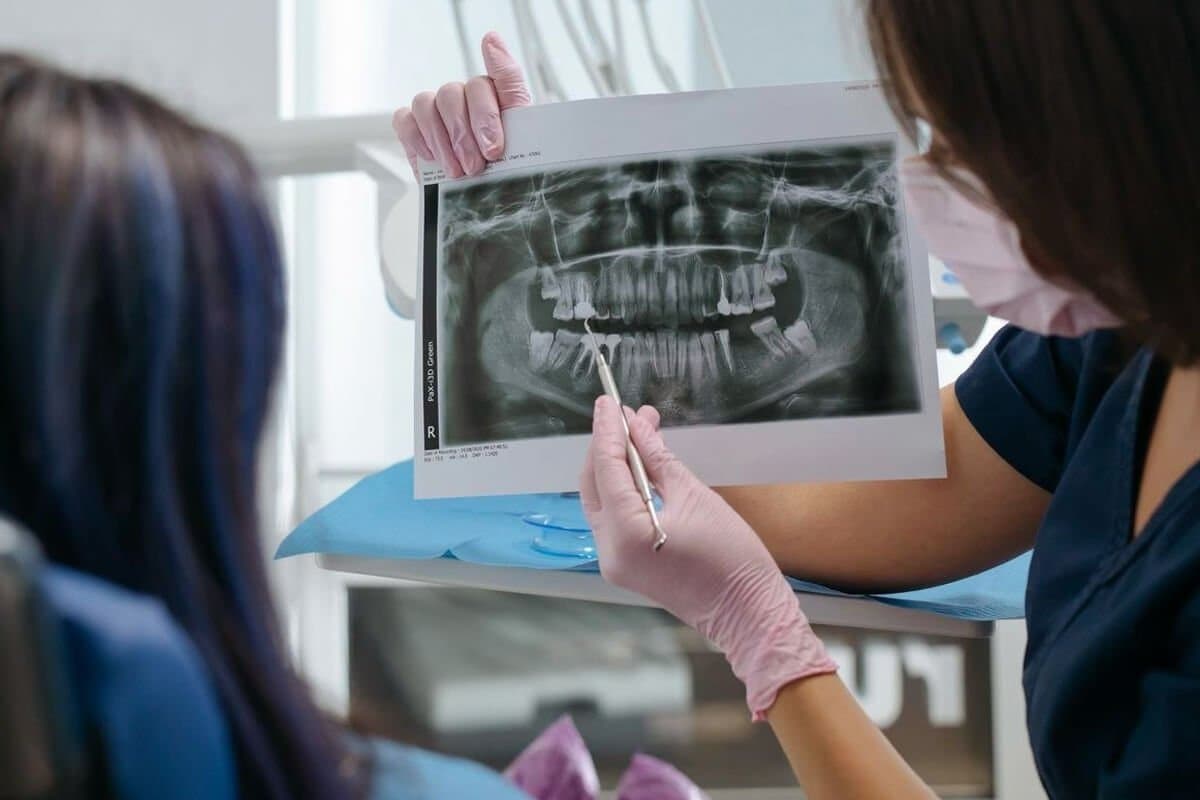
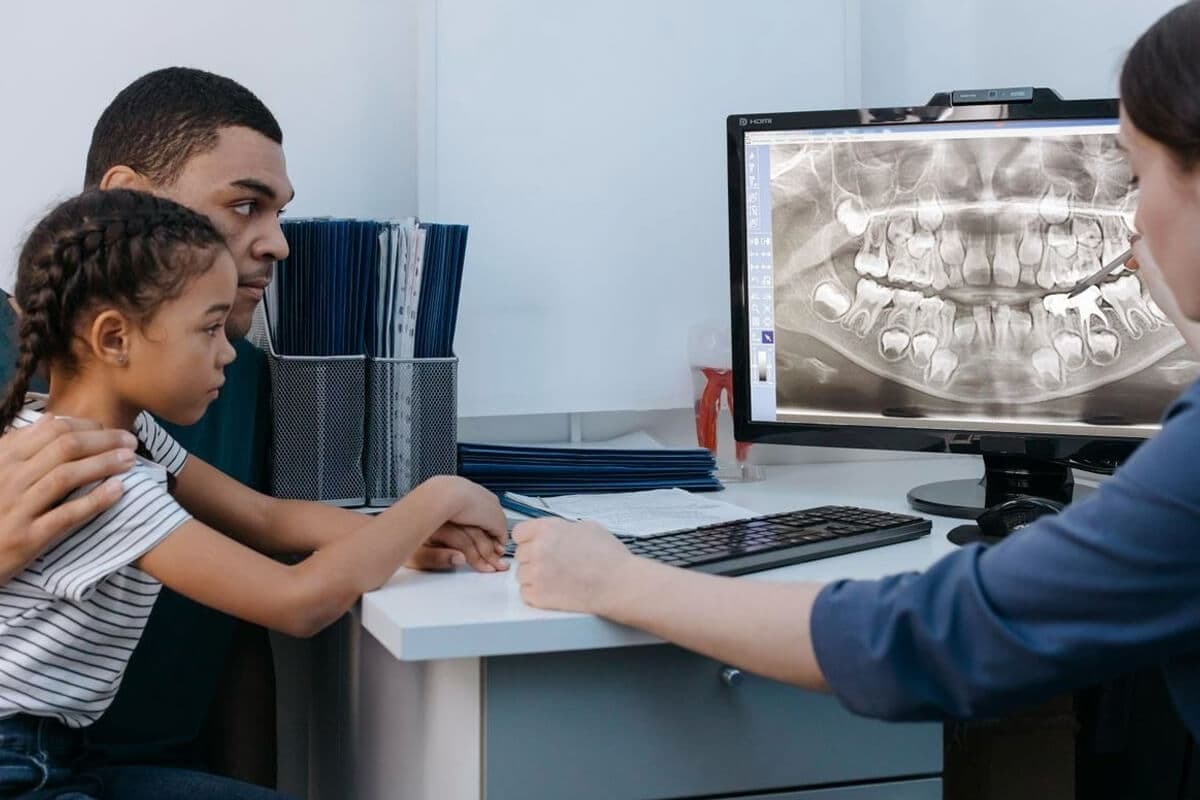
Details such as the density, height, and width of the jawbone are examined with imaging methods such as a panoramic X-ray or three-dimensional tomography. This examination clarifies the anatomical structure of the area where the implant will be placed. The location of sensitive areas such as the sinus cavity or the nerve canal is also determined at this stage.
Imaging results are the main reference point in creating the treatment plan safely. In cases where bone density is found to be insufficient, the dentist may consider additional supportive methods. Not skipping this stage increases the predictability of the surgical process.
Three-dimensional imaging methods can reveal the structure of the jawbone in more detail than conventional X-rays. This way, the dentist can plan the angle and depth at which the implant will be placed more precisely. Imaging results are saved in the patient file and used as a reference in later stages.
Treatment Planning
By bringing together the examination and imaging findings, a patient-specific treatment plan is prepared. In this plan, details such as the number of implants, placement points, and the method to be used are determined. The planning stage has a decisive role in the healthy progress of the following steps of the process.
At this stage the patient is informed about the plan, and the steps of the process and an approximate timeline are shared. Aligning expectations with clinical reality is a matter that needs to be clarified before treatment begins. Questions should be addressed with the dentist at this point.
Planning that can be completed in a single session in some cases may require additional stages in situations such as insufficient bone. These differences may result in an individual timeline that varies from patient to patient. The final version of the plan is shared with the patient by the dentist after all findings have been evaluated.
Implant Placement Surgery
After planning is complete, the implant roots are surgically placed in the jawbone under local anesthesia. The duration of the procedure varies depending on the number of implants to be placed and the characteristics of the case. The dentist carefully adheres to sterile conditions and the planned position during the procedure.
After the procedure, the patient is informed about the healing period; nutrition, oral care, and the points to pay attention to are explained. The fusion of the bone with the implant root requires a certain amount of time; this time may differ from person to person. During this period, it is important to follow the checkup schedule recommended by the dentist.
The procedure can usually be completed in the clinic setting without requiring an additional hospital stay. After the procedure, the patient can return home in line with the instructions given by the dentist. However, taking care to rest in the first few days and avoiding heavy physical activity is an important element that supports the healing process.
Preparing the Prosthesis and Fitting
After it is determined that the bone and the implant root have fused to a sufficient level, the process moves on to the superstructure, that is, the prosthesis stage. Through impressions, a prosthesis design suited to the patient's oral structure is prepared. This prosthesis may be fixed or removable; the choice is determined by the dentist according to the patient's situation.
The prepared prosthesis is placed in the mouth and adjusted for function and appearance. The fine adjustments needed for biting and chewing function to work naturally are made at this stage. The patient is informed in detail about the use and care of the prosthesis.
After the prosthesis is delivered, it is recommended to plan follow-up appointments at regular intervals. During these checkups, the bite balance and the overall fit of the prosthesis are reassessed. If deemed necessary, small adjustments are made at this stage to support the long-term comfort of the prosthesis.
Aftercare Following Implant Treatment

The longevity of implant treatment depends on both the patient's daily care habits and regular dentist checkups. This section covers the main points to pay attention to after the process is complete. Periodic checkups performed at a dental clinic in Samsun can help detect possible problems early. When these habits become routine over time, the implant is expected to become such a natural part of daily life that it goes unnoticed.
Daily Oral Hygiene and Implant Cleaning
Brushing and flossing are very important for protecting the health of the tissues around the implant. It is recommended to choose soft-bristled brushes and dental floss or interdental brushes suitable for implant care. The habit of brushing regularly at least twice a day should be maintained.
Using a mouthwash can be added to the routine in line with your dentist's recommendation. Preventing plaque buildup around the implant can help reduce the risk of gum inflammation. Being careful when biting into hard foods also helps preserve the life of the prosthesis.
For patients who have difficulty using floss, alternative cleaning tools such as a water-based oral irrigator can be considered with the dentist's recommendation. In cases where you are unsure of the correct technique, asking the dentist or dental hygienist for a practical demonstration can be helpful. These small steps contribute to keeping the tissues around the implant healthy in the long term.
During the healing period, a soft and balanced diet can support the oral tissues in recovering comfortably. It is recommended to avoid very hot or very cold foods during the sensitivity period. It can be helpful to get advice from your dentist about eating habits.
Regular Checkup Appointments and Professional Cleaning
Checkup appointments held at intervals determined by the dentist are important for monitoring the condition of the implant and the surrounding tissues. At these appointments, if needed, professional teeth cleaning is performed to remove plaque and tartar buildup. Problems noticed early can be solved with simpler methods.
The frequency of checkups is determined by the dentist according to the patient's individual situation. Regular follow-up is an important element that supports the long-term success of the implant. If any discomfort is felt, it is recommended to contact the dentist without waiting for an appointment.
Professional cleaning sessions help remove buildup in areas that cannot be reached with home care. The frequency of these sessions is determined by the dentist according to the patient's oral hygiene habits and overall risk profile. Regular attendance can have a positive effect on long-term results.
During the care process, cooperation between the patient and the dentist directly affects the long-term success of the implant. Noticing even small changes in time and sharing them with the dentist can help solve possible problems before they grow.
Dental Implant Prices in Samsun 2026
The cost of implant treatment is shaped by many factors that vary from patient to patient; for this reason, rather than giving a fixed figure, it is more accurate to evaluate the factors that affect the price. The number of implants to be used, the choice of brand and material, and whether additional procedures such as bone grafting are needed are among the main factors that directly affect the cost of treatment.
In addition, the patient's oral condition, the type of prosthesis to be chosen, and the number of stages in which the treatment process will be completed are other factors that shape the total cost. Because of the number of these variables, the healthiest way to get current and personalized price information is an in-person examination with the dentist.
The treatment plan prepared during the examination clarifies both the method to be used and the cost of the process. For this reason, patients who want detailed information are advised to first request a preliminary examination appointment. This way, a realistic alignment can be achieved between expectations and the clinical evaluation.
When comparing different clinics, it is recommended to pay attention not only to cost but also to the quality of the material used, the dentist's experience, and the care process offered. The most suitable option is not always the one with the lowest cost, but the solution that best fits the person's needs.
Some patients may discuss with their dentists the option of spreading the process over different stages in order to reduce the cost of treatment. Such planning can provide flexibility in terms of both budget and the treatment schedule. The final decision is made by evaluating the dentist's clinical recommendation and the patient's preferences together.
Conclusion
Dental implant treatment in Samsun is an option that, with proper planning, a detailed examination, and regular dentist follow-up, can support individuals who have lost teeth both functionally and cosmetically. The success of treatment may vary depending on the patient's general health, jawbone structure, and post-treatment care habits. For this reason, personalized evaluation and realistic expectation management should be prioritized rather than a guarantee of a specific result.
Those who want to obtain current and accurate information are advised to rely on an examination specific to their own oral structure rather than general information. Staying in contact with the dentist at every stage of the process contributes to noticing possible problems early and to the treatment progressing safely. People who have lost teeth and want information on this subject are advised to schedule a preliminary examination appointment as a first step.