Spec. Dt. Gökcan ErtaşOrthodontist
 Dt. Sena KırcaDentist
 Dt. Sevinç Cansu KayıranDentist
 Assoc. Prof. Dr. Sezin ÖzerPediatric Dentist
 Spec. Dt. Sude Yıldırım BolatSpecialist in Periodontology
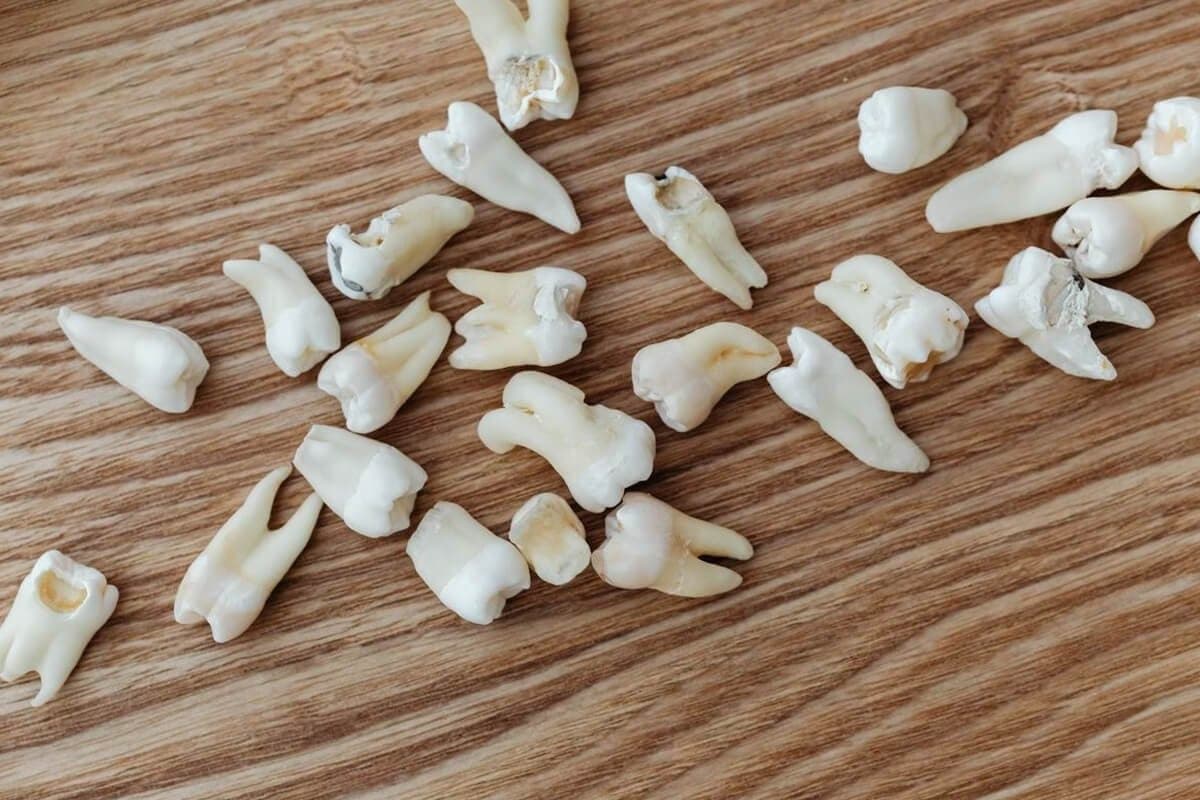
This treatment is needed when tooth decay progresses and reaches the pulp, when a deep crack forms, when the tooth takes a blow as a result of trauma, or when repeated dental procedures irritate the root tissue.
Severe hot-cold sensitivity, throbbing pain that lasts through the night, swelling in the gum, and a sharp pain felt when the tooth is touched are among the most common symptoms. When any of these symptoms is noticed, seeing a dentist without waiting for the problem to grow both makes treatment easier and increases the chance of saving the tooth.
The experienced dentists at Dental Prime approach each case with a detailed clinical examination and radiological evaluation; the treatment plan becomes clear only after this evaluation. Although root canal treatment looks like a standard procedure, every tooth's anatomy, the extent of the infection and the patient's general health are different; for this reason, an individualized approach is adopted.
In this article, we will cover in detail what root canal treatment is, its stages, what to pay attention to afterward, the risks that may arise when treatment is delayed, and the factors that affect the price.
What Is Endodontics (Root Canal Treatment)?
Endodontics is the branch of dentistry concerned with the pulp and the root canal system. Root canal treatment is the most commonly performed procedure in this field, and its aim is to remove infected tissue so that the tooth can continue to function in the mouth without being extracted. In this way, the patient keeps the natural tooth and continues to preserve chewing function and smile aesthetics.
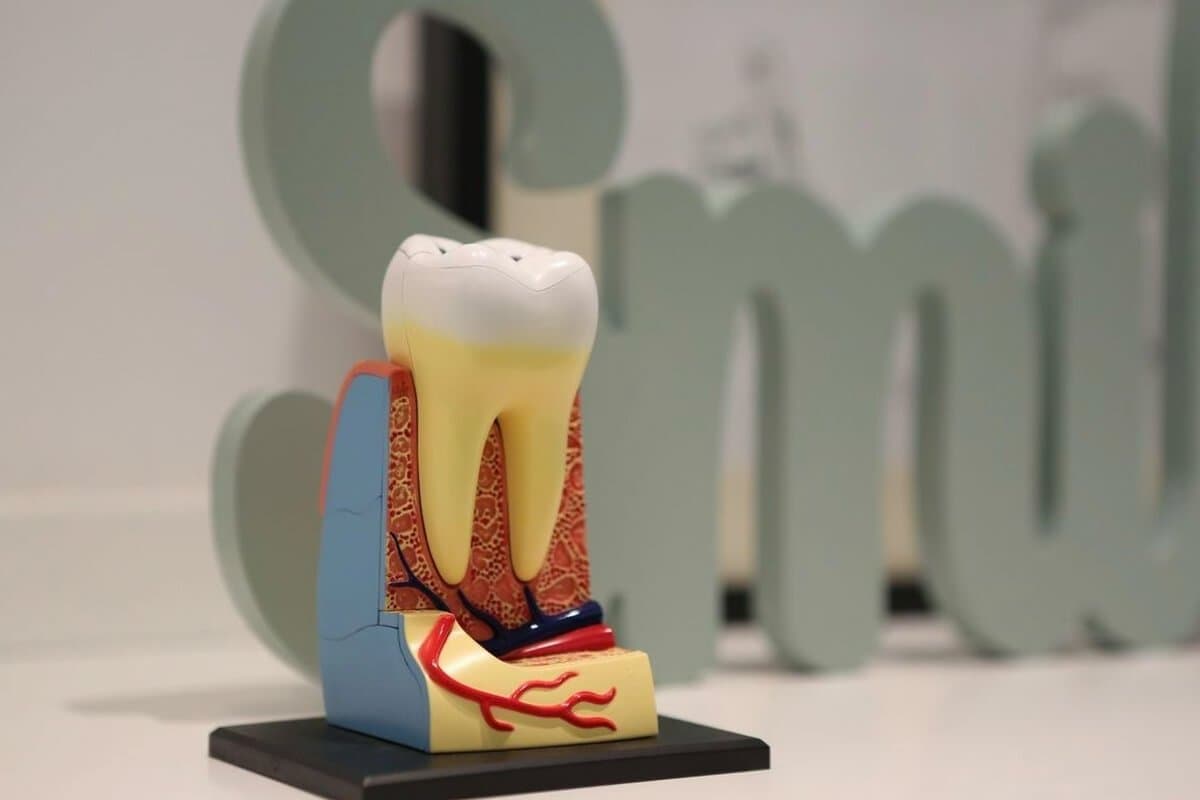
The pulp, which lies beneath the enamel and surrounds the dentin layer, is made up of nerve endings, blood vessels and connective tissue; it is responsible for nourishing the tooth and transmitting sensation. When bacteria reach this tissue through decay, a crack or trauma, inflammation develops; over time the tissue loses its vitality, and if left untreated, the infection can progress to the bone at the tip of the tooth root.
In some cases, if the pulp damage has not yet become irreversible, more conservative methods such as pulp capping can be tried. However, if the infection has progressed or the tissue has lost its vitality, root canal treatment becomes unavoidable.
Today, technologies such as digital X-rays, apex locators and, in some cases, the operating microscope significantly increase the precision and success rate of treatment. These tools ensure that even the finest details of the canal system are not missed and allow the dentist to see complex canal structures more clearly. The correct use of technology shortens treatment time while also increasing the reliability of results.
Root canal treatment can also be performed by general dentists; however, in cases with complex canal anatomy or where previous treatment has failed, referral to an endodontist specializing in this field may be made. The level of difficulty of the case is an important criterion in determining which dentist will undertake the treatment.
Why Are the Dental Pulp and Roots Treated?
Deep decay, tooth fractures, repeated filling procedures and trauma are the main causes of damage to the pulp. Large restorations done repeatedly on a tooth can also irritate the pulp over time. When these factors affect the inner tissue of the tooth irreversibly, cleaning the tissue becomes the only solution.
The habit of teeth grinding, untreated deep decay and sudden blows to the tooth can also be counted among the factors that speed up pulp damage. Regular dental check-ups make it possible to notice such problems at an early stage.
Untreated pulp inflammation can over time turn into abscess formation, cyst development at the tip of the tooth root, and widespread infection that also affects neighboring teeth. In some cases, the infection can progress to the jawbone and require more extensive surgical intervention. For this reason, early diagnosis both increases the success of treatment and prevents more extensive procedures.
Pulp inflammation does not always show itself with severe pain; in some cases the process is silent and the infection is noticed only on a routine X-ray check. For this reason, even without any obvious complaint, regular dental examinations play an important role in catching possible pulp damage at an early stage. Because changes in the bone tissue may have started even in silent cases, periodic check-ups should not be neglected.
Basic Principles of Root Canal Treatment
The basic principle of root canal treatment is the removal of all infected tissue in the root canal system by mechanical and chemical methods. The canals are shaped with special instruments, rinsed with disinfecting solutions and filled in a sealed way that does not allow microorganisms to multiply again. These three stages, cleaning, shaping and filling, are considered a whole that complements one another.
Determining the full length of the canal during the procedure, cleaning completely to the tip of the canal and completing the filling without leaving gaps directly affect success. Incomplete filling or overfilling of the canal can negatively affect treatment success in the long term. Carrying out these steps meticulously is the most important factor determining the long-term durability of the treatment.
The quality of the instruments and materials used is another factor that affects treatment success; flexible nickel-titanium files provide safer cleaning in complex canal curvatures.
Step-by-Step Endodontic Treatment Process
Root canal treatment is a systematic process made up of specific stages. Each stage depends on the success of the previous one; for this reason, the dentist's experience and the technology used directly affect the outcome of the process. Below, the four basic steps of the process, from diagnosis to completion of the canal filling, are explained in detail. An average root canal treatment session can last between 30 and 90 minutes, depending on the number of canals in the tooth and the condition of the infection.
Diagnosis and Radiological Evaluation
Before treatment, the dentist performs a clinical examination to determine the source of the pain and evaluates the tooth's response to hot and cold stimuli and its sensitivity when biting. X-ray imaging reveals the number and shape of the root canals and whether the infection has spread to the bone tissue.
In some cases, three-dimensional imaging methods are used to detect complex canal structures, additional canals that might be missed, or root fractures. This detailed imaging helps the dentist anticipate possible difficulties before treatment and create a plan accordingly. A correct diagnosis ensures that the treatment plan is accurate and prevents unnecessary procedures.
At the diagnosis stage, the patient's medical history, the medications they use and any chronic diseases are also evaluated. This information is important for shaping the choice of anesthesia and the treatment plan safely.
Vitality tests measure the vitality of the pulp and help determine whether treatment is necessary. These tests can be done with hot, cold or electrical stimuli.
During the examination, the dentist determines the source of the pain more clearly by lightly tapping the tooth (percussion test) and examining the surrounding tissue by hand (palpation). When these simple but informative tests are evaluated together with the X-ray image, they increase the accuracy of the diagnosis. In some cases, testing neighboring teeth as well can reveal that the true source of the pain is, surprisingly, a different tooth.
Anesthesia and Isolation of the Tooth
Before the procedure, the area to be treated is numbed with local anesthesia, so the patient does not feel pain throughout the process. The effect of the anesthesia begins quickly and continues until the procedure is completed; during this process the patient may feel only slight pressure or vibration. Before anesthesia, the patient should share any allergies and the medications they use with the dentist.
The tooth is surrounded with a rubber sheet (rubber dam) to isolate it from saliva and bacteria. This isolation prevents microorganisms from contaminating the canal again and allows the treatment to proceed under sterile conditions. It also increases the safety of the procedure by preventing the solutions used in canal cleaning from escaping into the patient's mouth.
In some patients, additionally numbing the gum tissue locally can increase comfort during the procedure. The dentist checks that the anesthesia is at a sufficient level before starting.
Pulp Removal and Canal Cleaning
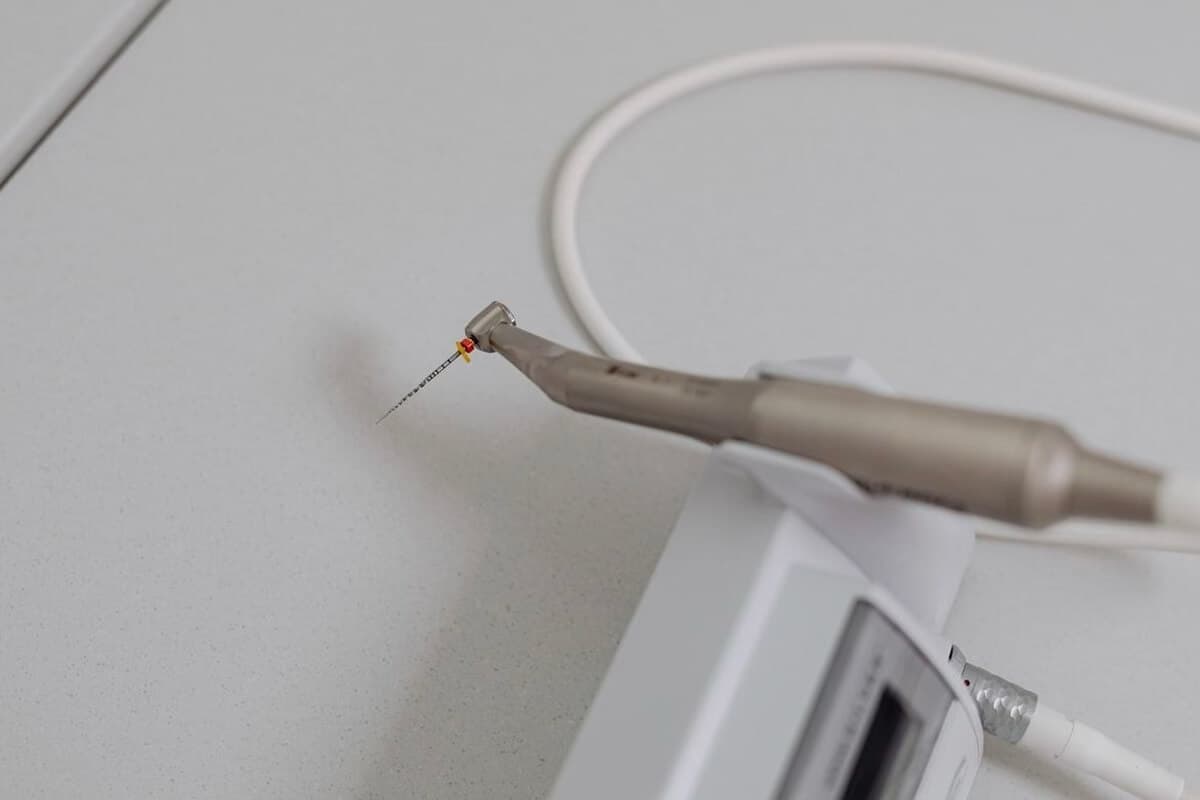
The pulp chamber is reached through a small access opening made in the top surface of the tooth, and the damaged tissue is removed from the canal with the help of special files. This cleaning, which proceeds along the canal, aims to completely remove infected tissue and bacteria-containing debris. The movements of the files inside the canal are continuously monitored with electronic measuring devices.
During cleaning, the canals are rinsed repeatedly with disinfecting solutions and the remaining bacterial load is reduced to a minimum. In some cases, ultrasonic activation methods are also used for additional disinfection. The width and shape of the canal are prepared so that the filling material to be applied in the next stage fits perfectly.
Control X-rays taken from time to time during the procedure confirm that cleaning proceeds completely along the canal. These checks make it possible to move on to the next stage of treatment with confidence.
The files used in canal cleaning can be manual or motor-driven (rotary) systems; rotary systems shorten procedure time while providing more uniform shaping of the canal walls. In teeth with curved canals, choosing flexible-alloy files reduces the risk of perforating the canal wall. Which system is used varies according to the tooth's anatomy and the dentist's preference.
Canal Filling and Sealing the Opening
The cleaned and shaped canals are filled in a sealed way with a biocompatible filling material. This stage guarantees the long-term success of the treatment by preventing bacteria from entering the canal again. The filling reaching all the way to the tip of the canal reduces the possible need for retreatment.
After the canal filling is completed, the top of the tooth is closed with a temporary or permanent filling. In teeth whose root structure has been weakened, a crown is recommended to protect the tooth against chewing forces and fractures. The crown contributes to the treated tooth being used without problems for many years.
The control X-ray taken after the filling confirms that the material has filled the canal from end to end and no gaps remain. This step is the final confirmation that the treatment has been completed successfully.
Preparing and placing the crown is generally planned a few weeks after the canal filling; this period is necessary for the tooth and surrounding tissue to heal.
Effectiveness and Success Rates of Endodontic Treatment
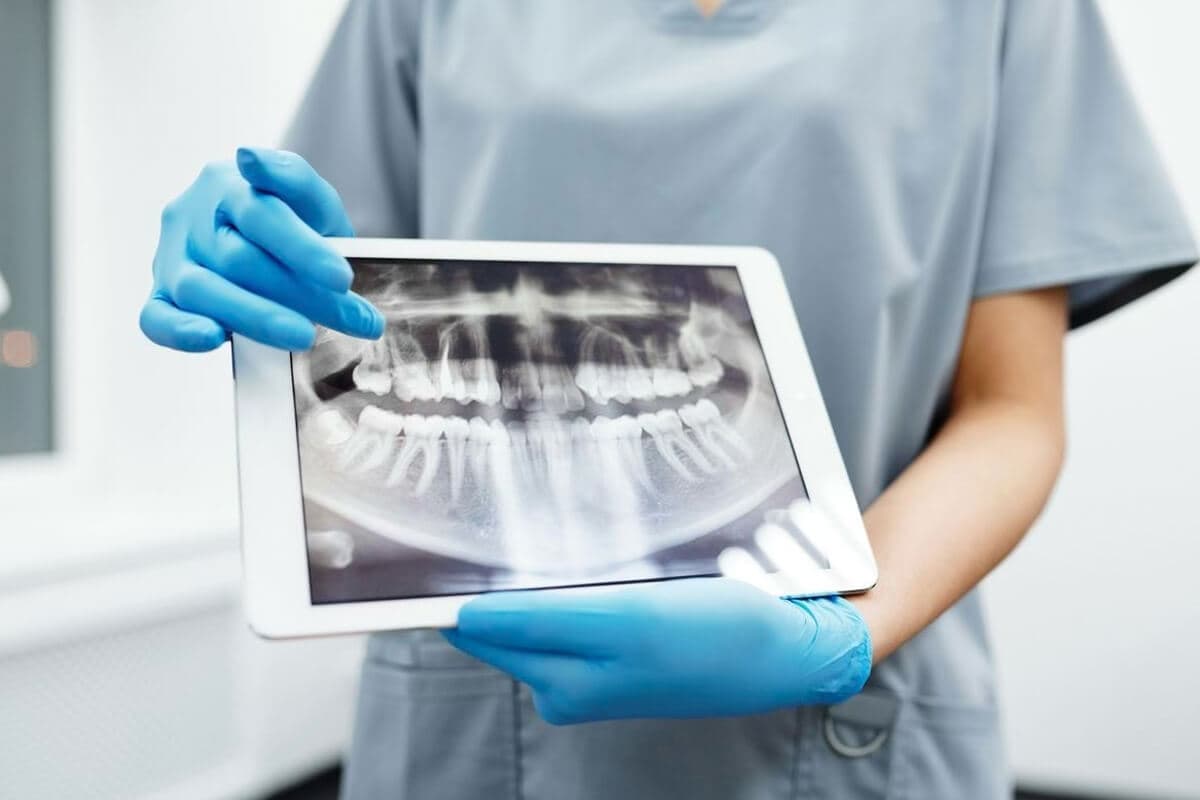
The success rate is high in root canal treatments performed with the right indication and an appropriate technique; with modern equipment and experienced practice, this rate can increase even further. The most important factors affecting success are the extent of the infection, the complexity of the canal anatomy, whether the tooth is fractured, and the patient's compliance with post-treatment care recommendations.
Even when treatment fails, the tooth is generally not lost; preserving the tooth is often possible with additional methods such as repeating the root canal treatment (retreatment) or apical surgery. These methods make it possible to correct a canal missed in the first treatment or a leaking filling. Regular check-up appointments allow possible problems to be noticed at an early stage.
Patients also have responsibilities to increase the success rate; attending check-up appointments regularly after treatment and maintaining the recommended oral care contribute to the tooth's longevity. Smoking and irregular oral care can negatively affect the healing process. This cooperation between dentist and patient keeps the success of the treatment sustainable.
One of the things patients wonder about most is the durability of the treatment; with appropriate care, teeth that have had root canal treatment can be used without problems for years. On the other hand, the tooth decaying again or a new infection developing is related to oral care habits, not to the success of the root canal treatment.
In treatments performed with an operating microscope, the likelihood of detecting additional canals that cannot be seen with the eye increases; this is another factor that positively affects the success rate.
The patient's age and general health are also among the factors affecting the speed of healing; since chronic conditions such as diabetes can slow tissue healing, the frequency of follow-up may be increased in these patients. Using medications that affect the immune system is also important information that should be shared with the dentist. When such special circumstances are included in the treatment plan, the process can proceed without negatively affecting the success rate.
Feature | Conventional Root Canal Treatment | Retreatment |
|---|---|---|
Reason for Treatment | Pulp infected for the first time | Failure of the previous treatment |
Number of Sessions | Usually 1-2 sessions | Usually 2-3 sessions |
Procedure Time | 30-90 minutes | 60-120 minutes |
Level of Difficulty | Standard | Higher (old filling is removed) |
Success Rate | High | Varies by case, moderate to high |
Care After Endodontic Treatment

The long-term success of root canal treatment depends on the care after the procedure. Following the dentist's recommendations speeds up the healing process and reduces the risk of complications. This section covers the points to pay attention to in the first days after treatment and in the following period.
Food and Drink Restrictions in the First Days
Not eating until the anesthesia wears off prevents involuntarily biting the tongue or cheek. Chewing hard or sticky foods with the treated tooth should be avoided until the filling has fully hardened. Hard-shelled foods such as hazelnuts and walnuts are especially risky during this period.
Chewing on the opposite side rather than the treated side for the first few days reduces the load on the tooth. Avoiding very hot or very cold drinks minimizes temporary sensitivity. Choosing lukewarm, soft-textured foods increases comfort during this process.
Since smoking and alcoholic drinks can slow the healing process, they should be limited as much as possible in the first days after treatment. Acidic drinks can also increase temporary sensitivity in the tooth.
Managing Pain and Swelling
Mild pain and sensitivity lasting a few days after the procedure are considered normal; this is generally brought under control with prescribed pain relievers. If swelling occurs, a cold compress applied externally to the area can provide relief. The compress can be applied several times a day at 15-20 minute intervals.
Gentle rinsing with lukewarm salt water can help reduce sensitivity in the gum and keep the area clean. This is recommended for the first few days following treatment.
If the pain becomes more severe, increases rather than decreasing as days pass, or occurs together with a high fever, a dentist should be seen without delay. A bad taste or odor in the mouth should be treated the same way. These symptoms may require an additional examination and evaluation.
Over-the-counter pain relievers should not be used for a long time without a dentist's approval; people with stomach problems or chronic conditions in particular are advised to consult their dentist on this. Sleeping with the head slightly raised may ease the throbbing felt on the first night to some extent. It usually takes a few days for the pain to go away completely; this period may differ from person to person depending on the condition of the tooth.
Medication Use and Compliance with the Dentist's Instructions
Antibiotics and pain relievers prescribed by the dentist should be used completely at the recommended dose and for the recommended duration. Stopping the treatment halfway may cause the infection not to be fully cleared and the symptoms to return. If any side effect related to medication use is noticed, the dentist should be contacted.
Using non-prescribed pain relievers or antibiotics on your own is not recommended; they can pose a risk in terms of drug interactions and side effects.
Continuing oral hygiene with regular brushing and flossing helps keep the tissues around the treated tooth healthy. Being gentle with the treated area while brushing makes healing easier. Not missing check-up appointments confirms that healing is progressing as planned.
Do not chew hard foods on the treated side for the first 24 hours.
Use the prescribed medications completely for the recommended period.
Continue brushing and flossing without a break.
Contact your dentist if you notice swelling or increased pain.
Attend your check-up appointments without missing them.
Risks of Delaying Endodontic Treatment When It Is Needed

When a symptom that calls for root canal treatment is ignored, the problem does not go away on its own; on the contrary, the infection deepens over time. In cases that are delayed, the treatment process may take longer, additional sessions may be needed, and the chance of saving the tooth may decrease. For this reason, consulting a dentist at the first symptoms both simplifies treatment and prevents possible complications.
Spread of Infection and Bone Loss
Untreated pulp inflammation can spread from the tip of the tooth root into the bone tissue and lead to the formation of an abscess or cyst. This process reduces the density of the surrounding bone and sets the stage for neighboring teeth to be affected as well. As bone loss progresses, additional procedures may also be needed later for an implant.
A spreading infection can in some cases also cause systemic symptoms such as swelling in the facial area, fever and general fatigue. When one or more of the following symptoms is noticed, it is recommended to see a dentist without delay:
Throbbing toothache that has lasted for a long time
Recurrent swelling or discharge in the gum
Increasing sensitivity to hot foods and drinks
Marked darkening of the tooth
Sharp pain felt when chewing
A cyst or abscess that has formed may in some cases require a minor surgical procedure together with root canal treatment. Early diagnosis greatly reduces the need for such additional procedures.
Tooth Loss and the Need for an Implant
In teeth whose root structure is severely damaged or fractured, root canal treatment may not be enough and extraction may be required. In place of the extracted tooth, alternatives such as an implant or bridge are considered to restore chewing function and aesthetics. Planning and carrying out these alternatives generally requires more than one appointment.
The cost and treatment time of these alternatives are generally higher than those of a root canal treatment done in time. In addition, extra procedures such as supporting neighboring teeth or a bone graft may be needed. For this reason, having an evaluation at a dental clinic in Samsun at the first symptoms is important both for saving the tooth and for saving time.
The most effective way to prevent tooth loss is to notice symptoms early and have an examination without delay. A root canal treatment done in time can, in most cases, prevent the tooth from being extracted.
Endodontic Treatment Prices in Samsun 2026
Root canal treatment prices are determined by many factors that vary from case to case; for this reason, explaining the factors that affect the price is a more accurate approach than giving a firm figure. The individualized treatment plan created after the examination gives the most realistic cost information and prevents unexpected additional expenses.
The number of canals in the tooth to be treated is one of the most important factors determining the price; the scope of the procedure differs between a single-canal incisor and a molar with three or more canals. The extent of the infection, the number of sessions required and the position of the tooth in the mouth also directly affect the total cost.
Whether the root canal treatment is performed for the first time or as retreatment, the imaging technology used and the type of filling material are other factors that may cause price differences. Retreatments are generally a more extensive process because removing the old filling requires an additional procedure. Additional procedures such as the crown to be placed after the canal filling are also included in the total cost.
The dentist's experience, the quality of the equipment used in the clinic and the sterilization standards applied during treatment also play a role in pricing. Because these factors directly affect the quality and long-term success of treatment, they should be evaluated together with the price.
Some private health insurance plans may partially cover dental treatments; finding out in advance whether your insurance coverage includes root canal treatment makes budget planning easier.
The initial examination and X-ray evaluation are the first steps needed to clarify the treatment plan and the approximate cost. After this evaluation, the patient is given detailed information explaining the scope and stages of the treatment.
The healthiest way to get a personalized, up-to-date and realistic price quote is to have your tooth examined and radiologically evaluated; for this reason, instead of a firm amount, we recommend that you book an appointment at our clinic for an evaluation.
When planning the cost of treatment, not only the root canal treatment but also complementary procedures such as the crown to be placed afterward should be taken into account; this way you will not encounter unexpected additional expenses. Some clinics offer payment options that allow the cost of treatment to be paid in installments. The most up-to-date information on payment terms can be obtained during the discussion after the examination.
Conclusion
Endodontic treatment in Samsun, when performed at the right time, both eliminates pain and allows the natural tooth to be preserved without extraction. Every stage of the process is directly related to the dentist's experience and the patient's compliance with post-treatment care recommendations. Correct diagnosis and meticulous practice are the most important factors determining the long-term success of treatment.
Having an evaluation without delay when symptoms such as toothache, hot-cold sensitivity or swelling in the gum are noticed both increases the success of treatment and prevents more extensive procedures. Early intervention positively affects both the tooth's lifespan and overall oral health in the long term. When you notice a suspicious symptom, it is recommended that you consult a dentist.