 Spec. Dt. Gökcan ErtaşOrthodontist
 Dt. Sena KırcaDentist
 Dt. Sevinç Cansu KayıranDentist
 Assoc. Prof. Dr. Sezin ÖzerPediatric Dentist
 Spec. Dt. Sude Yıldırım BolatSpecialist in Periodontology
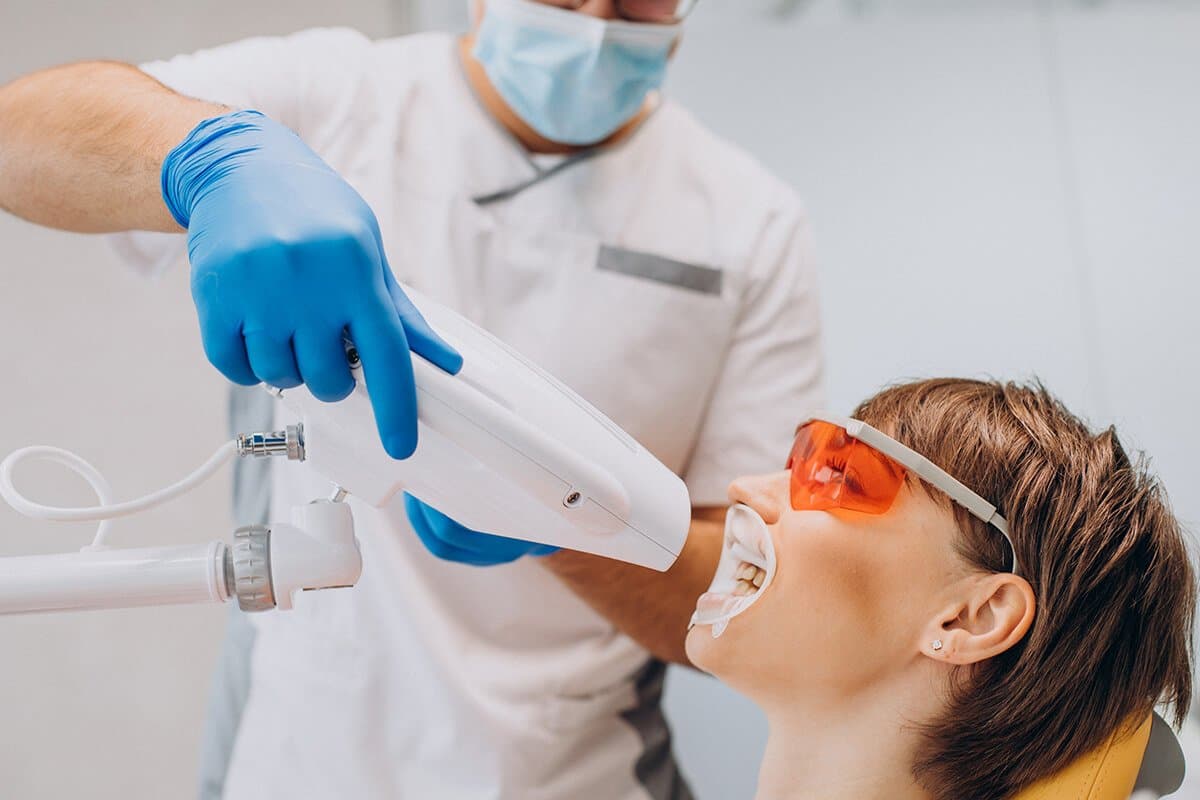
Teeth whitening in Samsun is a professional cosmetic procedure that lightens teeth safely and effectively under a dentist's supervision. In teeth that darken over time due to coffee, tea, smoking, and age, the color can be lightened by several shades. This method can help provide a visible result in a short time for people who want to improve their smile aesthetics.
Yellowing and staining of the teeth affect not only appearance but also how comfortable a person feels when smiling. Whitening focuses on lightening the color pigments on the surface and beneath the enamel without changing the structure of the tooth. When done correctly, it can help achieve a brighter look without harming the tooth.
Because every oral structure and type of discoloration is different, who the whitening will be applied to and with which method requires a dentist's evaluation. The Dental Prime team aims to determine the plan suited to the individual after the examination and to help meet expectations within a realistic framework.
What Is Teeth Whitening?
Teeth whitening is a cosmetic treatment that lightens the color pigments accumulated on the tooth surface and in the enamel layer with the help of special whitening gels, making the teeth look several shades brighter. The procedure does not change the natural structure of the tooth or its fillings; it focuses only on breaking down the pigments that cause the discoloration.
The whitening agents used generally contain hydrogen peroxide or carbamide peroxide. These substances penetrate the enamel and chemically lighten the molecules that give color. The concentration and application time are determined by the dentist according to the condition of the tooth; for this reason, doing it in a controlled environment is important for safety.
Teeth whitening aims to bring back the natural whiteness of the teeth; it does not promise an artificial whiteness beyond the existing color. The result varies from person to person depending on the tooth's starting shade and enamel thickness. For this reason, the same procedure may produce different degrees of lightening in two different people.
Whitening has no effect on artificial surfaces such as fillings, crowns, or implants. For this reason, in patients who have dentures or fillings in the front area, additional planning for color matching may be needed. The aim of the treatment is not a flawless whiteness but a visible and balanced lightening within the tooth's natural shade.
Teeth Whitening Methods
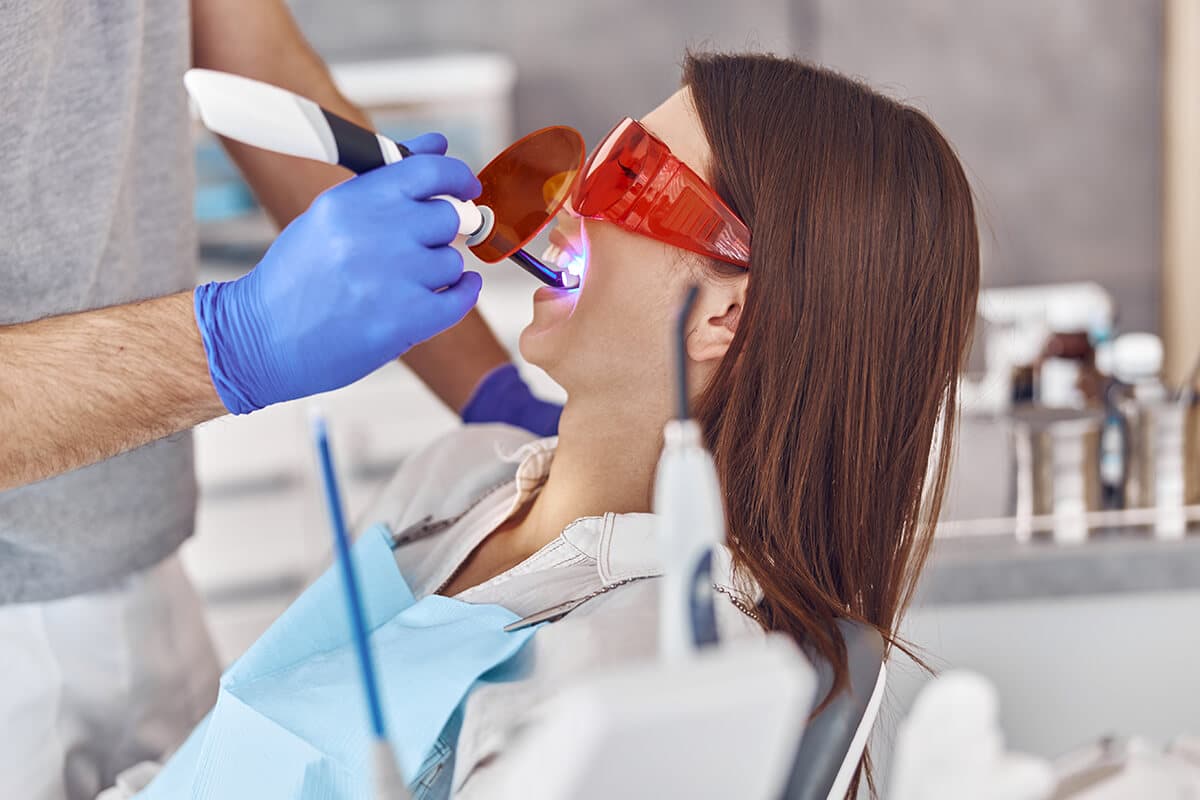
Whitening is not just one method. There are procedures performed in the clinic with a dentist, systems used at home under the dentist's supervision, and approaches that combine the two. Which method is suitable varies according to the type of discoloration, the level of sensitivity, and the person's expectations.
In choosing a method, the person's daily life and the time they can set aside for the process play a role as much as the current condition of the teeth. The suitable option may differ for someone who wants a quick result and for someone who wants to carry out the process at a comfortable pace at home. The dentist makes a recommendation after the examination, taking these expectations into account as well.
Laser-Assisted In-Office Whitening
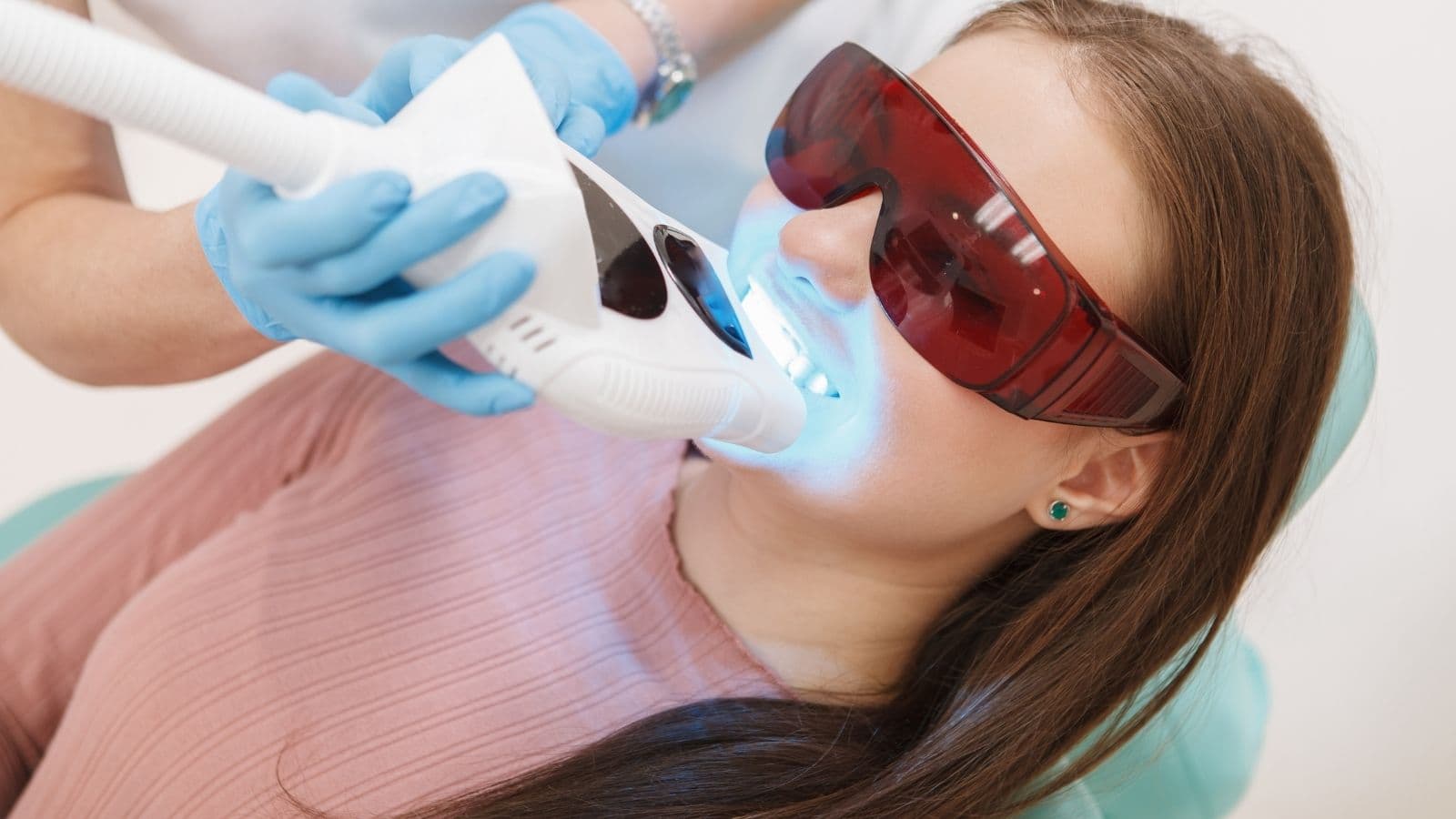
In this method, the procedure is carried out entirely in the clinic under the dentist's control. After the gums are protected with a special barrier, whitening gel is applied to the teeth and the effectiveness of the gel is increased with a special light or laser source. It can help achieve a visible lightening in a single session.
The most notable advantage of in-office treatment is that the process proceeds from start to finish under expert supervision. Because the gel concentration is higher, results are generally seen faster. Although the session length varies by case, it is mostly completed in a short time, and the dentist takes the necessary precautions to reduce the risk of sensitivity.
This method may be suitable for people who want a noticeable change in a short time or who want to have their teeth lightened before a special occasion. Throughout the procedure, the dentist closely monitors the gel's contact with the gums and the teeth's response. In this way, a controlled process is carried out in terms of both comfort and safety.
At-Home Application with a Ready-Made Tray System
In the at-home application method, thin trays prepared specifically for the patient's tooth structure are used. The low-concentration gel recommended by the dentist is placed in these trays and kept in contact with the teeth for the specified time. The process is continued at home for several days or weeks.
This method may be suitable for people who want to proceed at their own pace; however, it still requires dentist follow-up. Because using more gel than the prescribed amount can cause gum irritation, it is important to follow the instructions. Results tend to appear more gradually than with the in-office type.
Preparing the trays specifically for the individual helps the gel spread evenly over the teeth and reduces its spilling onto the gums. For this reason, trays produced from impressions are considered healthier than ready-made molds. The dentist recommends a personalized schedule for the duration of use and the number of daily repetitions.
Combined Method
In the combined approach, in-office and at-home applications are planned together. Generally, after a session in the clinic, a tray system is used at home for a certain period to consolidate the result. In this way, the aim is both a quick start and support for the lightened color.
The combined method may be preferred for people with more pronounced discoloration or those who want the result to last longer. Carrying out both applications with the dentist's planning can help keep sensitivity under control and achieve a balanced result.
What You Need to Know Before Teeth Whitening Treatment
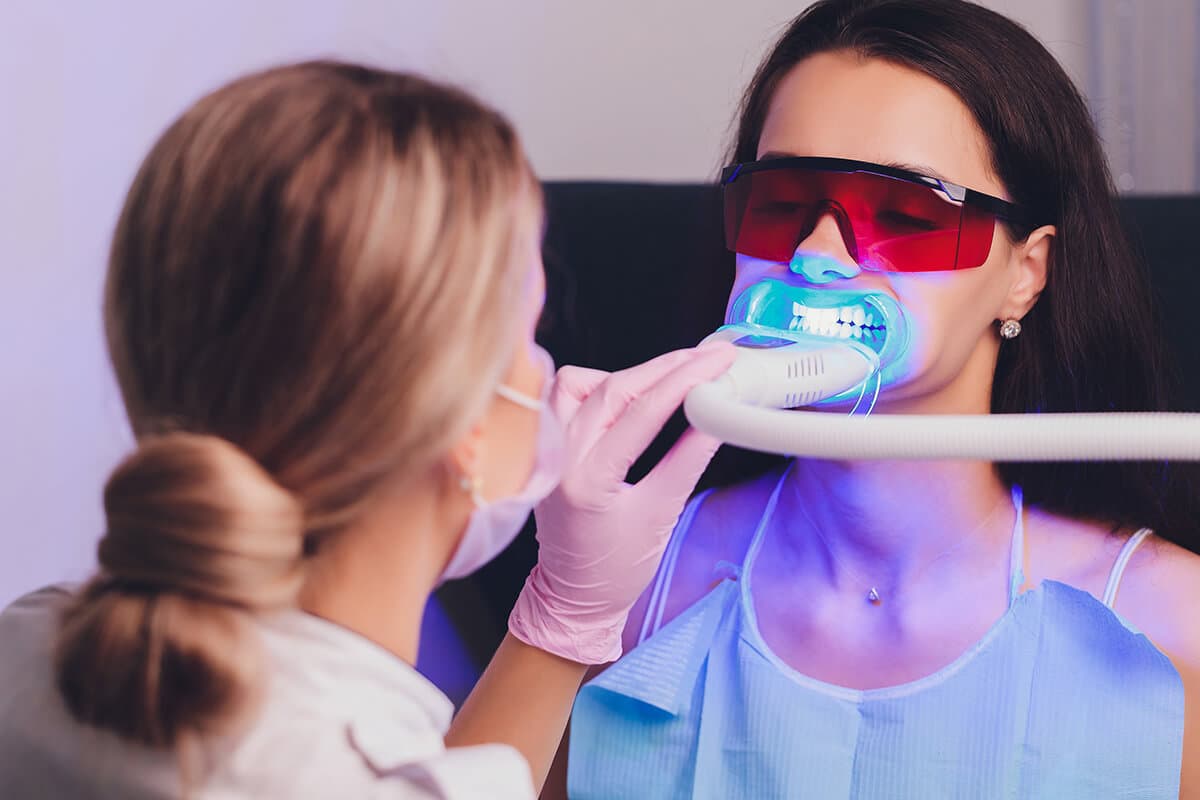
Before deciding on whitening, the health of the teeth and gums should be evaluated. A comprehensive examination before treatment is decisive for both a safe procedure and realistic expectations of the result. In some cases, another treatment may need to be completed first.
Tooth Sensitivity and Types of Discoloration
Discoloration is basically divided into two groups. Extrinsic discoloration comes from stains left on the tooth surface by coffee, tea, smoking, and certain foods, and it generally responds better to whitening. Intrinsic discoloration forms within the inner tissue of the tooth and can give different results.
Intrinsic discoloration related to root canal treatment, trauma, use of certain medications, or high fluoride intake may not lighten completely with classic whitening. In these cases, the dentist may recommend alternative approaches. In addition, in people with enamel wear or existing sensitivity, the method needs to be chosen carefully.
Correctly determining the type of discoloration is one of the steps that most affects the expected result. While extrinsic surface stains are often easier to lighten, color changes coming from the inner tissue of the tooth can be more resistant. The dentist determines the appropriate method by evaluating the source of the discoloration during the examination.
Dentist Supervision and Suitability Assessment
Not every individual may be suitable for whitening. The procedure may not be recommended for pregnant or breastfeeding people, for those with advanced gum disease or an oral infection, and for very young individuals. For this reason, proceeding to treatment only after a dentist's evaluation supports safety.
If conditions such as decay, missing fillings, or gum recession are detected during the examination, these may need to be resolved before whitening. A professional evaluation can help reduce surprise sensitivities and make the result more predictable. At this point, working with an experienced dental clinic in Samsun makes the process easier.
Scaling performed before whitening can help the gel contact the tooth more evenly by removing deposits on the surface. The dentist can also record the starting shade of the teeth and evaluate the change that appears after treatment in a comparative way. This approach helps place expectations on a concrete footing.
Results and Durability After Teeth Whitening
The result obtained after whitening varies from person to person. The tooth's starting shade, the type of discoloration, and the method applied affect both the amount of lightening and how long this result will last. Daily habits play a decisive role in preserving the result.
Time to Results and Visible Whitening
With in-office applications, visible lightening can generally be noticed after the first session. With at-home application, the result tends to appear gradually within a few days or weeks. A short wait may be needed for the final shade to settle.
The degree of whitening varies depending on the tooth's natural structure and the depth of the discoloration. In multi-layered or intrinsic stains, the result may be more limited. The dentist can help set realistic expectations by sharing the estimated achievable result during the examination.
Immediately after the procedure, the teeth may temporarily look more matte; this returns to normal shortly as the moisture balance of the enamel settles. For this reason, allowing a few days to evaluate the final result is healthier. The dentist can review the result together with you at a follow-up visit.
Durability of Whitening and Tips for Maintaining It
Whitening is not a permanent procedure; how long the result lasts varies according to lifestyle. Cigarettes, coffee, tea, cola, and dark-colored foods can speed up the re-staining of the teeth. Reducing these habits can help the lightened color last longer.
Regular brushing, flossing, and check-ups at the intervals recommended by the dentist are important for maintaining the result. A slight return of color may be seen over time; in this case, the dentist may recommend a supportive procedure as needed. Regular oral care supports both whiteness and overall dental health.
Simple habits such as drinking dark-colored beverages through a straw, rinsing the mouth with water after consumption, and having regular professional cleanings can help preserve the result. In some people, brief touch-up applications at certain intervals can help refresh the lightened shade. The dentist determines this schedule according to the person's needs.
Side Effects and Risks of Teeth Whitening
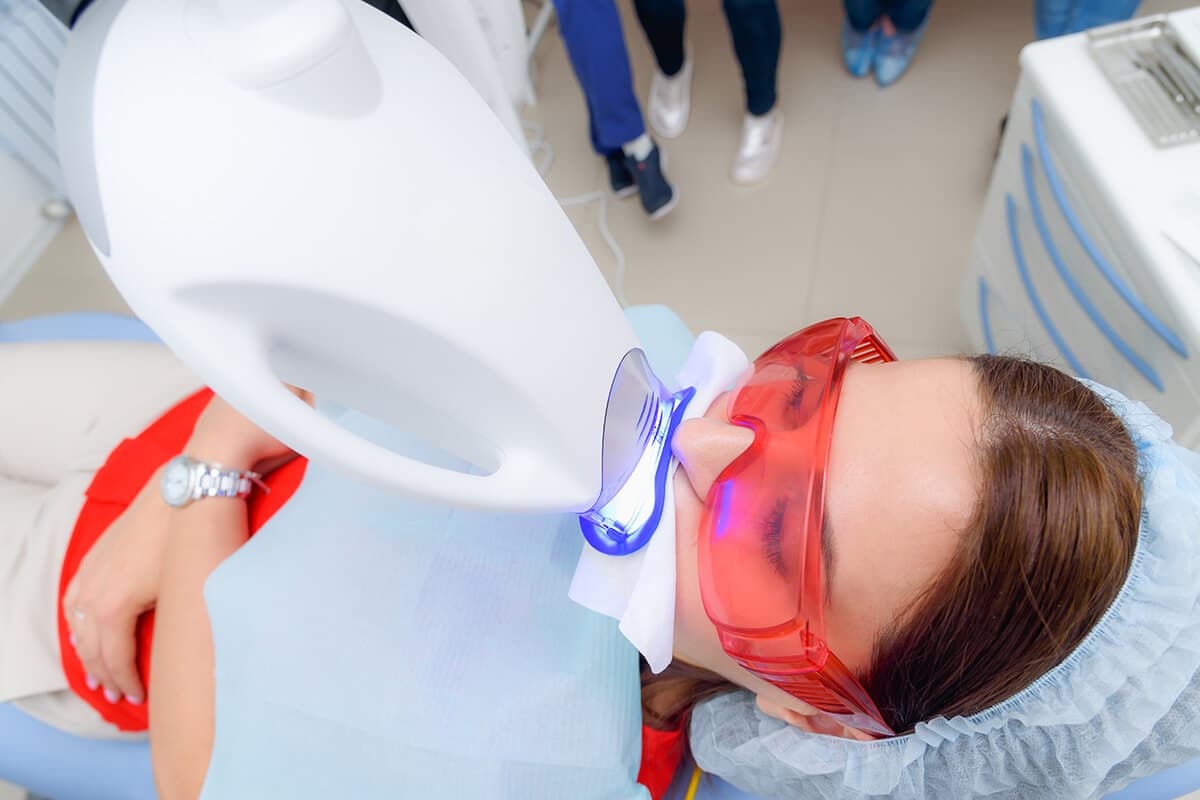
Whitening performed under a dentist's supervision is generally considered safe; however, as with every medical procedure, some temporary effects may be seen. Most of these effects are short-lived and can be managed with appropriate measures. Knowing the process honestly helps balance expectations.
Temporary Tooth Sensitivity
The most common effect is temporary sensitivity of the teeth to heat and cold. This is generally noticeable on the first day or days after the procedure and subsides on its own in a short time in most people. The sensitivity results from the tooth temporarily becoming more responsive to stimuli.
To reduce sensitivity, the dentist may recommend fluoride-containing products or special toothpastes. Avoiding very hot and very cold foods for a while can also provide relief. If the sensitivity lasts longer than expected, it can be helpful to contact the dentist.
Gum Irritation and Protection
If the whitening gel comes into too much contact with the gums, mild irritation or redness may be seen. In clinical applications, this risk is reduced by covering the gums with a special protective barrier. In at-home application, using the right amount of gel is important.
Temporary discomfort that may occur in the gums generally subsides in a short time. Even so, if the irritation continues, pausing the application and consulting the dentist is the right approach. Professional follow-up can help such effects be noticed and managed early.
Permanent Damage Is Rare
In whitening performed under a dentist's supervision with appropriate concentrations and durations, permanent damage to the enamel is rarely seen. The real risk arises from the unknowing use of uncontrolled products or non-prescription high-dose applications; for this reason, professional guidance is important.
Temporary changes in the structure of the enamel may occur during whitening, but regular oral care and the products recommended by the dentist are expected to balance this out. In a properly planned procedure, the aim is to achieve an aesthetic result while protecting the health of the tooth.
Teeth Whitening Prices in Samsun 2026
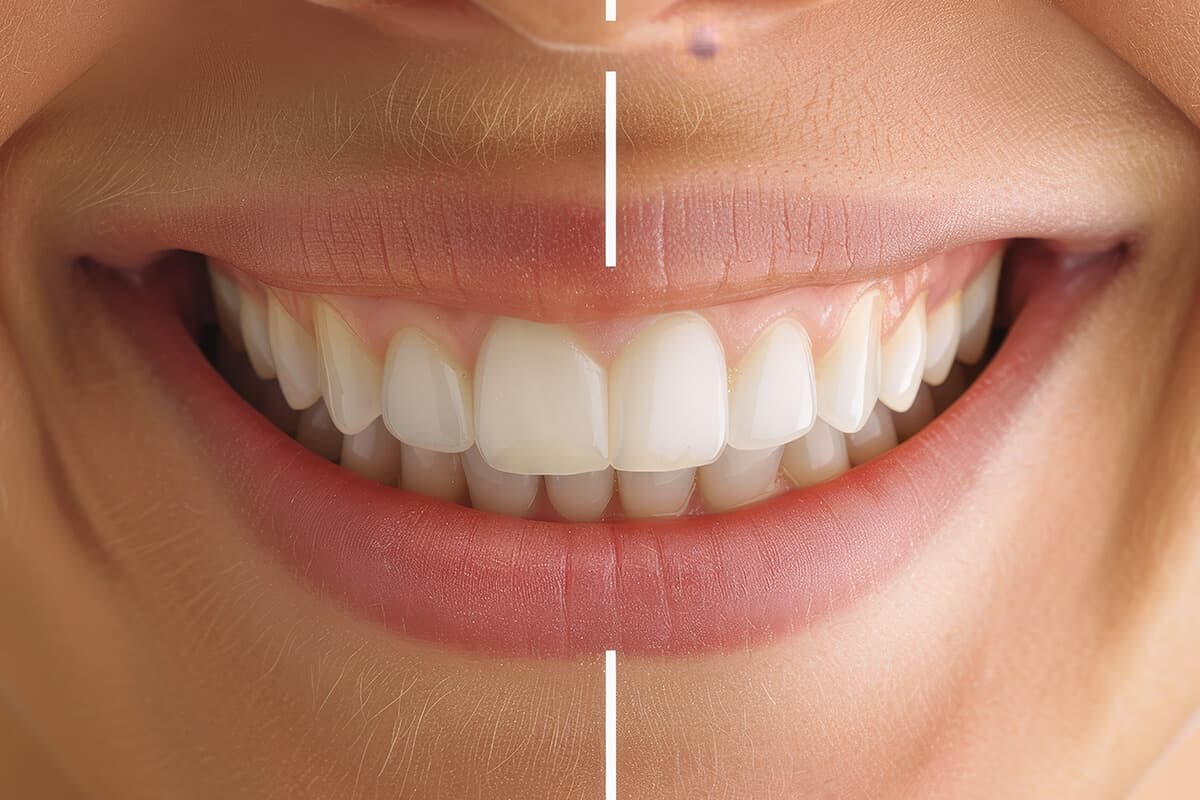
It would not be right to give a single fixed price for whitening, because the fee depends on many variables specific to each patient. For this reason, general figures seen on the internet can be misleading. Clear and reliable information emerges only after a clinical examination and evaluation.
The main factors affecting the price are as follows: the complexity of the case, the type and depth of the discoloration, the number of teeth to be whitened, the method chosen (in-office, at-home application, or combined), and the material used and the quality of the gel. In addition, the number of sessions required can also change the total fee.
The fact that the same method may be completed in different times for two different people explains why a single price cannot be given. In a case with more pronounced discoloration, an additional session may be needed, while a shorter process may be sufficient for mild discoloration. For this reason, the evaluation and plan also form the basis of the price.
Factor Affecting Price | Explanation |
Complexity of the case | The depth of the discoloration and the condition of the tooth affect the duration |
Number of teeth | The number of teeth to be whitened determines the scope of the procedure |
Method applied | In-office, at-home application, or combined approach |
Material and gel quality | The properties of the product used can change the cost |
Number of sessions | The number of sessions required affects the overall evaluation |
Additional procedures | Cleaning or treatments that need to be done first |
In some cases, scaling or a minor treatment may be needed before whitening; this also affects the evaluation. To get accurate information specific to you, the healthiest way is a dentist's examination and consultation. At the examination, the condition of your teeth can be seen and a personalized plan can be created.
Conclusion
Teeth whitening in Samsun is a safe, aesthetics-focused procedure that, when performed under a dentist's supervision, can help teeth look brighter. Because choosing the right method depends on the type of discoloration and the person's oral health, it is important that the decision be made after an examination.
The result of whitening is not permanent and is directly related to daily habits. Reducing cigarettes, coffee, and dark drinks, regular oral care, and dentist check-ups can help the achieved color last longer. A realistic expectation increases satisfaction.
Effects such as temporary sensitivity are mostly short-lived and can be managed with appropriate measures. To learn the method suited to your teeth and a personalized plan, it is recommended that you consult a specialist; in this way, a safe and balanced result can be aimed for.