Spec. Dt. Gökcan ErtaşOrthodontist
 Dt. Sena KırcaDentist
 Dt. Sevinç Cansu KayıranDentist
 Assoc. Prof. Dr. Sezin ÖzerPediatric Dentist
 Spec. Dt. Sude Yıldırım BolatSpecialist in Periodontology
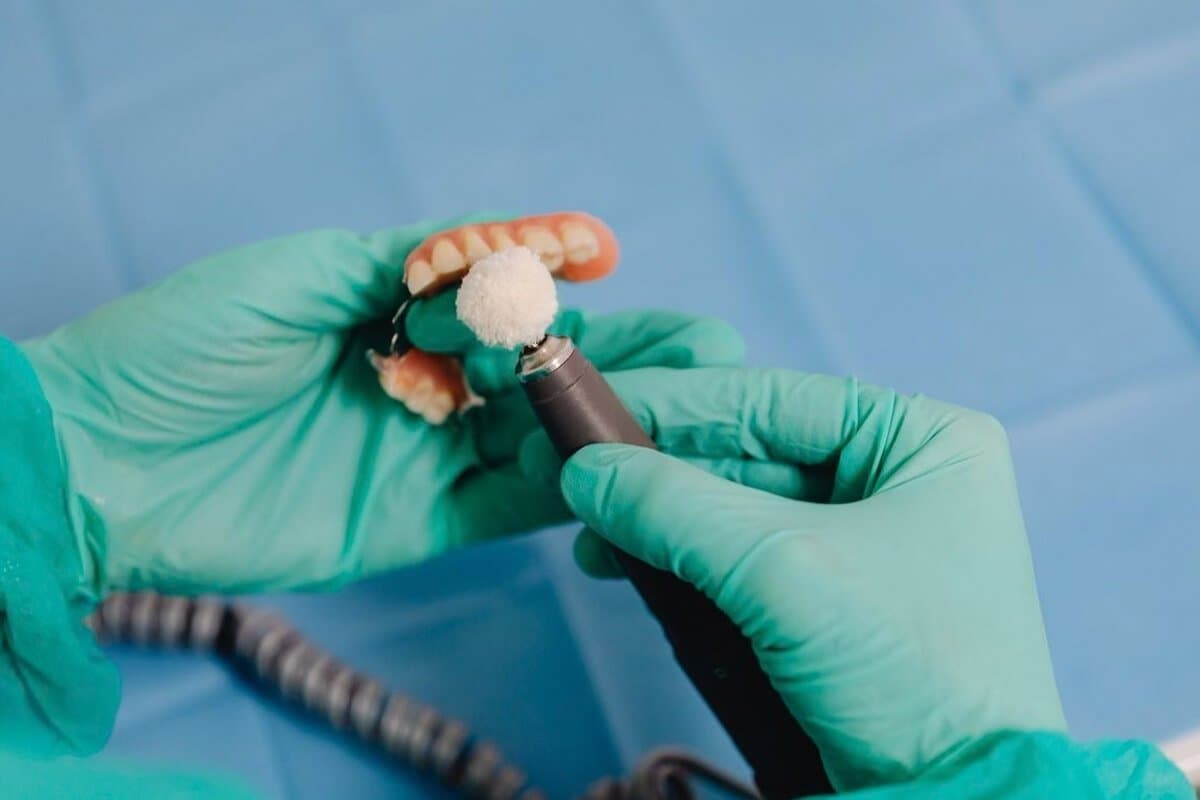
Precision attachment snap-on dentures in Samsun are modern prosthetic systems secured to remaining natural teeth or implants with discreet snap-like retainers. Compared with conventional removable dentures, they offer greater stability and aesthetics; they appeal to people who are missing many teeth, are not suitable for a fixed bridge, or are looking for a more comfortable solution.
In this system, the attachment components are hidden on the inner surface of the denture, so they are not visible from the outside. The absence of visible hooks or clasps provides a more natural smile and a more secure hold. As a result, the wearer is largely free of the worry that the denture will move out of place while speaking, smiling, or eating.
This guide is for informational purposes only and does not replace a personal examination. A dentist's evaluation is required to determine the most suitable type of denture for your oral structure. Dental Prime, which provides services in this field in Samsun, aims to offer solutions suited to each patient's needs by addressing the diagnosis and planning process individually for every patient.
What Is a Precision Attachment Snap-On Denture?
A precision attachment snap-on denture is a system in which a removable denture is secured to remaining teeth or implants with special retainer components. It is commonly known as a snap-on denture because the retainers lock together like a snap fastener and hold the denture in place. This design significantly reduces the loosening problem seen in conventional clasp-retained dentures.
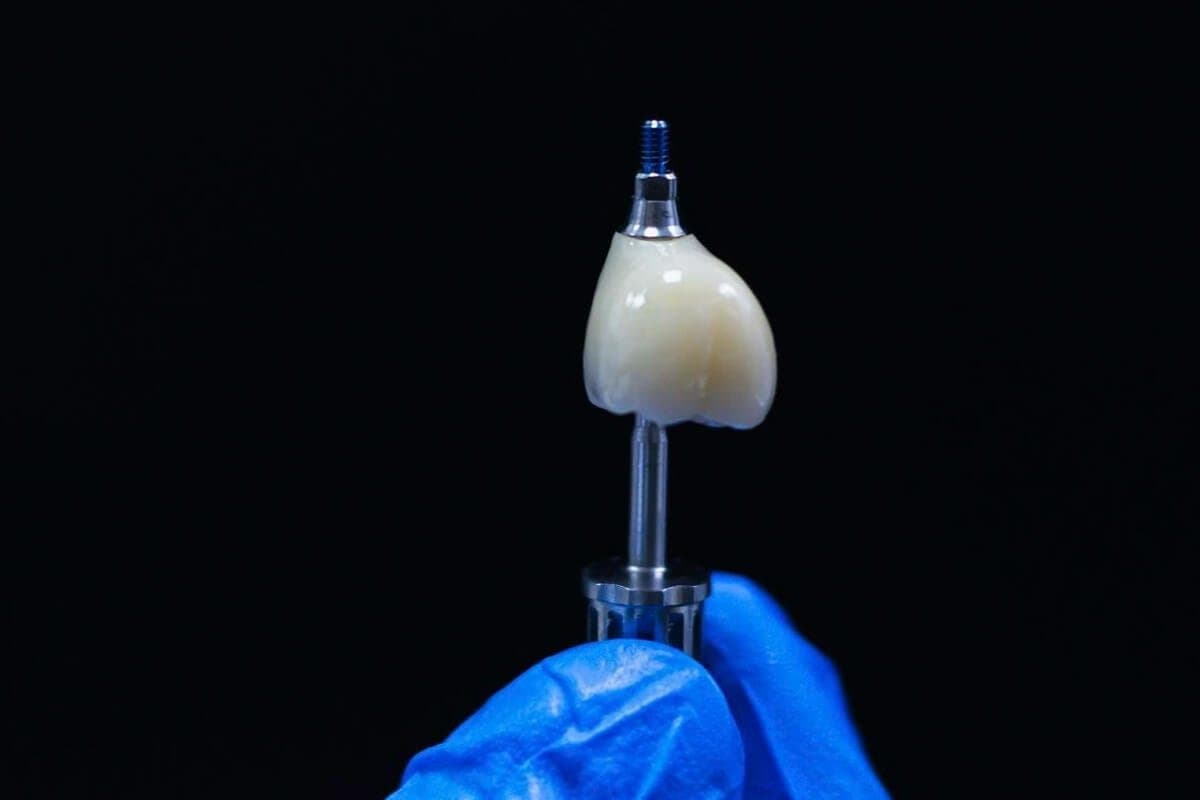
The way the system works is based on two parts. One part is placed inside a crown or cap made over the teeth used as support. The other part is positioned in the body of the denture. When the denture is seated in the mouth, these two parts fit together and form a stable connection.
Reinforcing the support teeth with crowns helps distribute the force on the retainers evenly. The attachment elements can be made of metal or durable polymer materials. The choice of material is evaluated by the dentist case by case in terms of retention tightness and long-term durability.
This type of denture offers a middle ground between fixed and fully removable solutions. The patient can remove and clean the denture on their own, yet in daily use the denture feels almost fixed. This balance is an important reason for preference among people who want both ease of hygiene and a high level of comfort.
The key point that distinguishes the snap-on system from a conventional removable denture is that retention relies on sound supports rather than on the gums. In clasp-retained dentures, retention is provided by metal hooks attached to the outer surface, whereas here the connection is established with hidden, interlocking retainers. This difference noticeably changes both the aesthetics and the sense of confidence in daily use.
The support can rest on natural teeth or on placed implants. In implant-supported applications, the aim is to achieve a stable hold even in areas without sound teeth. This flexibility makes the snap-on system a versatile restoration option that can be adapted to different oral structures. The appropriate design is planned separately for each case.
The types of retainers used also vary by case. Options such as ball attachments, bar attachments, and magnetic systems offer different advantages in terms of retention tightness and ease of cleaning. The dentist determines the most suitable type of attachment by considering the patient's manual dexterity, the number of remaining teeth, and aesthetic expectations. This choice directly shapes how the denture feels in daily use.
Advantages of Precision Attachment Snap-On Dentures
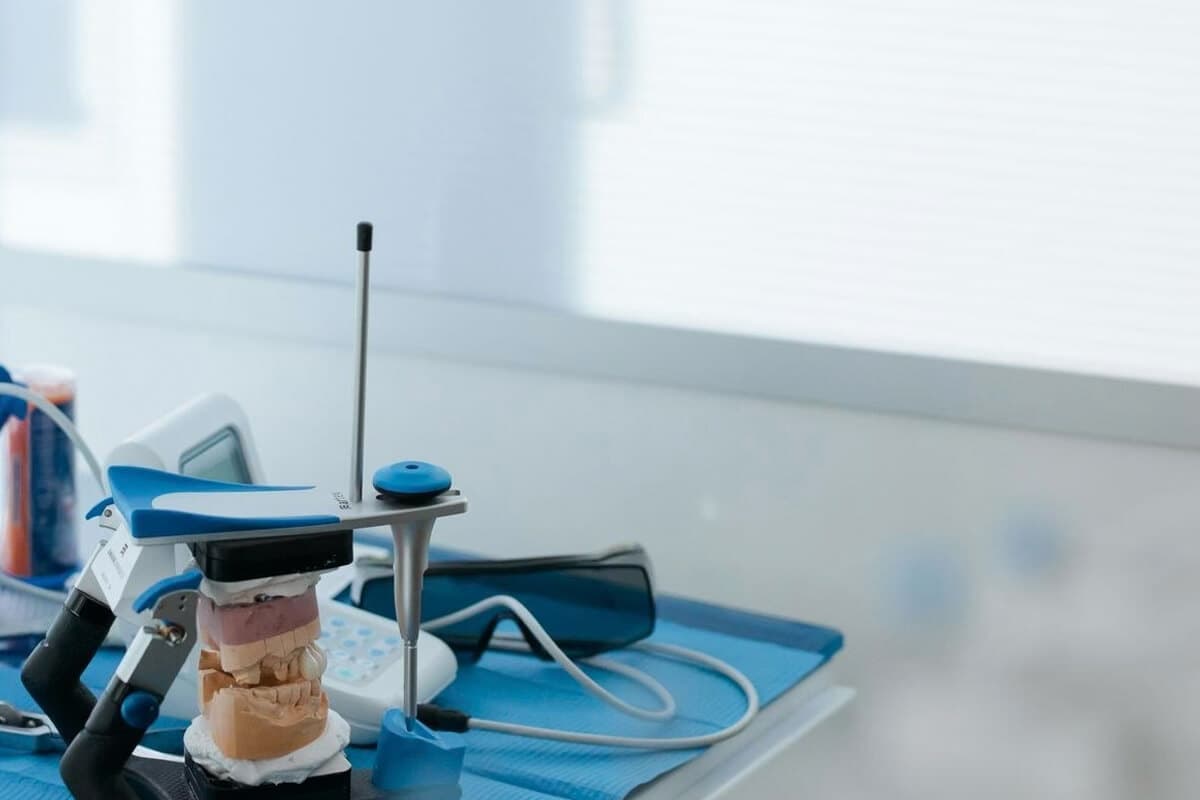
The most notable advantage of this denture system is that it offers retention and aesthetics together. Because it contains no visible metal clasps, a look that blends with natural teeth is achieved. At the same time, because it moves less, it gives the wearer noticeable confidence while speaking and chewing.
The table below compares a conventional clasp-retained removable denture with a precision attachment snap-on denture across basic usage categories. This comparison offers a general overview; the most suitable option for you becomes clear only through a dentist's evaluation.
Feature | Conventional (Clasp-Retained) Removable Denture | Precision Attachment Snap-On Denture |
|---|---|---|
Retention | Depends on clasps, may loosen over time | Stronger and more stable with snap retainers |
Aesthetics | Metal hooks may be visible from the outside | More natural look because the attachment is hidden |
Comfort | May have more of a sense of movement | Closer to a fixed feel, higher comfort |
Use | Easy to insert and remove, but low stability | Easy insertion and removal combined with stability |
Stability and Fit Advantages
In a snap-on system, the denture sits noticeably more stably in the mouth thanks to the retention it gets from the support teeth or implants. Because the force is distributed across multiple points, the likelihood of the denture slipping or shifting during chewing is reduced. This helps improve both chewing efficiency and daily comfort.
Hiding the attachment elements inside the denture provides not only an aesthetic but also a functional benefit. The pressure on the soft tissues is reduced and the load on the support teeth is transferred more evenly. A properly planned fit helps the denture behave like a single piece during jaw movements.
Increased stability also has a positive effect on speech clarity. Problems such as slipping or whistling sounds that are occasionally seen with conventional dentures are reduced thanks to a more secure hold. The wearer can speak more comfortably in social settings without worrying that the denture will move, and feels more confident.
A more stable hold also indirectly contributes to dietary variety. Hard or fibrous foods that conventional denture wearers sometimes avoid can be chewed more comfortably thanks to the secure connection. This helps both increase chewing efficiency and maintain a balanced diet. In this way, the denture stands out not only as an aesthetic gain but also as a functional one.
Ease of Use and Daily Care
Because this restoration can easily be removed and reinserted by the patient, daily hygiene becomes noticeably easier. Removing the denture to clean it allows both the denture surface and the support teeth to be cared for better. In this way, the aim is to contribute to protecting gum health.
Inserting and removing the denture becomes quite practical after a short adjustment period. The wearer places it by feeling that it is seated correctly. This ease considerably simplifies daily life, especially for people without limited manual dexterity, and keeps denture use from being a burden.
The Economic Side of Long-Term Use
Precision attachment dentures may require a higher initial investment than conventional removable dentures. However, the stability, comfort, and aesthetic continuity they provide have a positive effect on user satisfaction in the long run. With proper care, a longer service life can make this cost more meaningful over time.
In addition, worn parts of the snap mechanisms can in many cases be replaced without renewing the entire denture. This helps balance maintenance costs. In a long-term evaluation, the value the system offers becomes clearer when comfort and durability are considered together.
In an economic evaluation, not only the initial cost but also the functional gain provided should be taken into account. More stable chewing contributes to preserving oral health and supporting dietary habits. The comfort that aesthetic continuity provides in social life cannot be reduced to a number, but it carries important value for the user.
Who Is a Precision Attachment Snap-On Denture Suitable For?
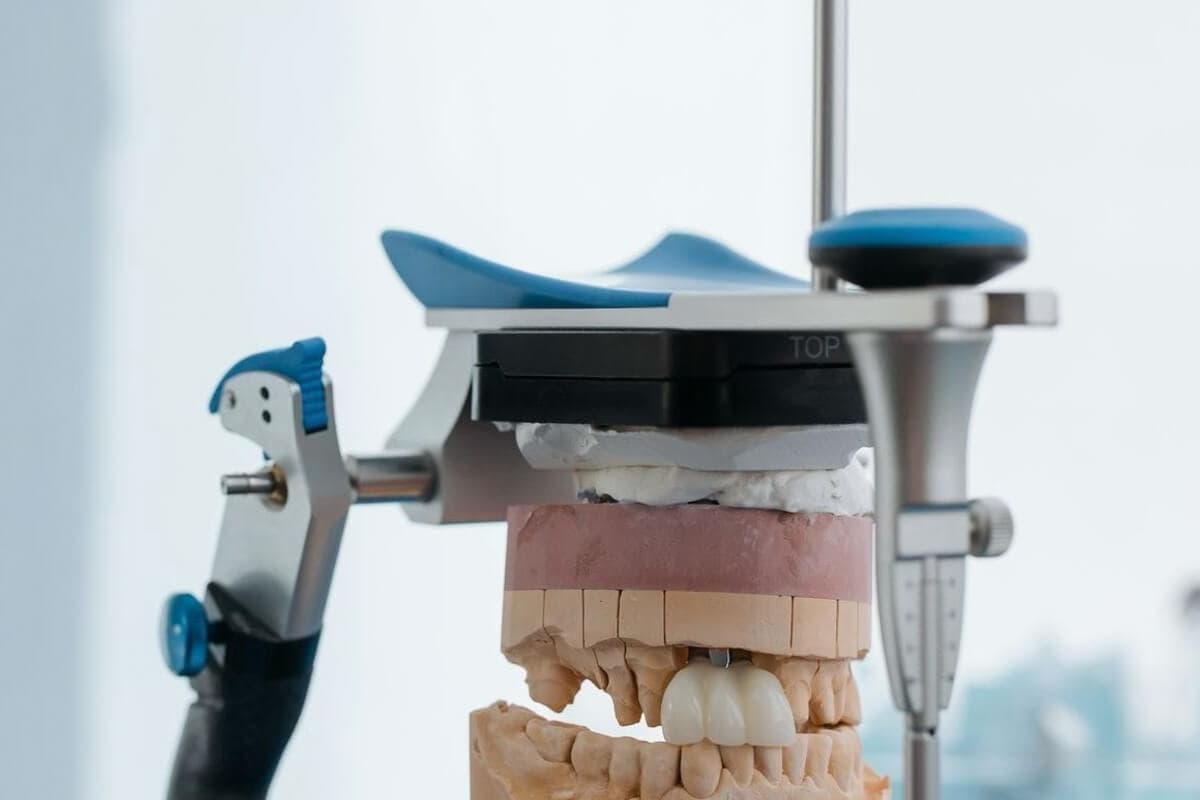
This denture system is a suitable option for people who are missing one or more teeth and are looking for a more stable solution. It is considered a comfortable alternative, particularly for patients who are not satisfied with the retention of their conventional removable denture. Suitability is always determined by a clinical examination of the oral structure.
The system gives more successful results where sound support teeth are present or where implant support can be planned. A single missing tooth generally does not form sufficient grounds for this method; it is preferred more by people who have lost multiple teeth. This evaluation can only be made by a dentist.
People who are missing many teeth and do not have sufficient support for a fixed bridge
Patients who use a conventional clasp-retained denture but are not satisfied with its retention and aesthetics
People aiming for higher stability with an implant-supported solution
Users who do not want visible metal hooks and are looking for a natural smile
People who want ease of hygiene by easily removing and cleaning their denture
In some cases, bone density, gum health, or the condition of the existing teeth may not be suitable for this method. In such cases, the dentist evaluates alternative denture or restoration options. For this reason, the decision must be made after a comprehensive examination and radiographic assessment. An experienced dental clinic in Samsun carries out this evaluation meticulously; for a reliable center, you can look into our dental clinic in Samsun.
In the suitability assessment, the patient's general health is also taken into account. In people with gum disease or noticeable problems with their support teeth, these problems may need to be resolved first. Because a procedure carried out without preparing a healthy foundation can negatively affect the denture's lifespan and comfort, preliminary treatments should not be neglected.
For people who have no teeth left in the mouth, the system is generally planned together with implant support. This approach aims to offer a more stable alternative to people who use a complete denture and complain about retention problems. In every scenario, the procedure is shaped individually according to the person's bone structure and expectations.
The Precision Attachment Snap-On Denture Procedure
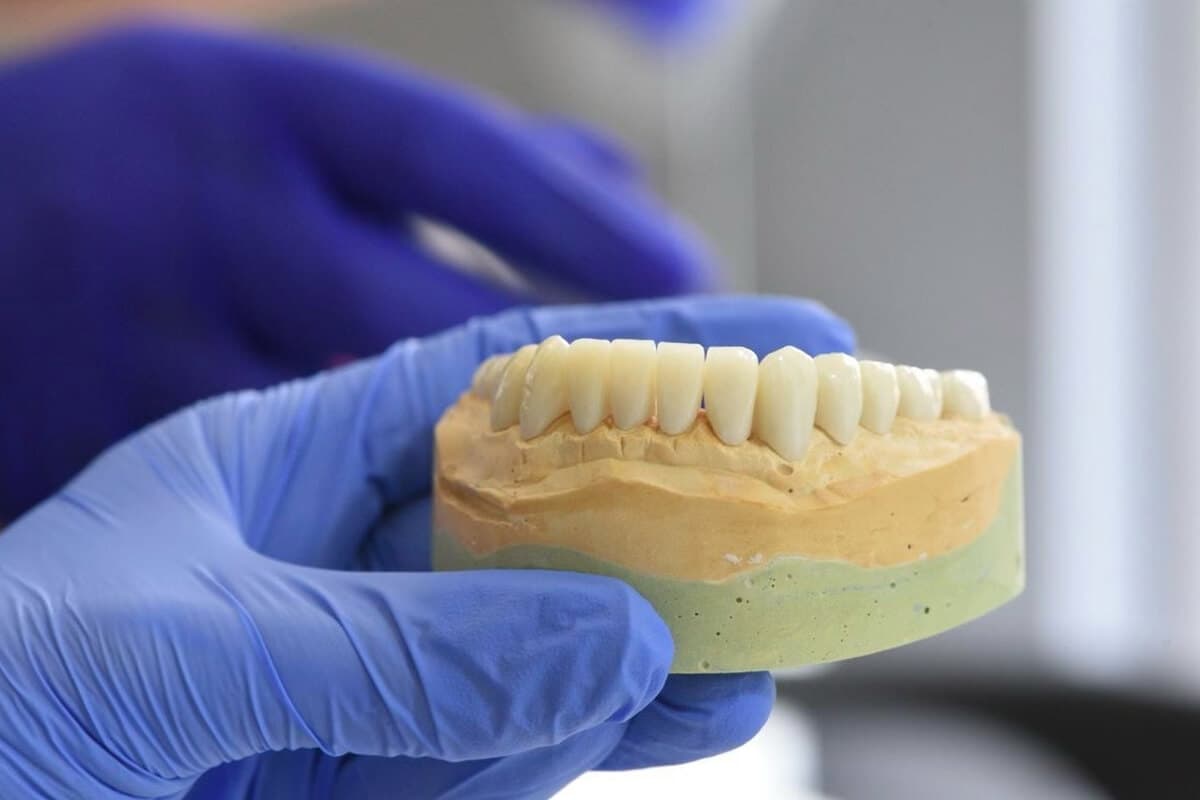
The procedure is a planned journey that begins with an individual examination and spreads across several appointments. In general, the process can vary from a few weeks to a month depending on the oral structure and preparation needs. Each stage aims to make the denture compatible both functionally and aesthetically.
Initial Consultation and Tooth Assessment
In the first stage, the dentist evaluates the condition of the existing teeth, gums, and jawbone with an intraoral examination and radiographic assessment. The soundness of the teeth to be used as support is determined at this step. If deemed necessary, preliminary treatments, professional cleaning, or the extraction of teeth that cannot be saved are planned.
During this consultation, the patient's expectations, daily habits, and budget are also taken into account. The dentist evaluates whether the snap-on system is suitable for this case and explains the alternatives. In this way, the patient has the opportunity to make a decision with clear information about the process.
Denture Design and Positioning of the Snap Attachments
Once suitability is confirmed, impressions are taken and the denture design is prepared. Crowns or caps are made on the support teeth, because one part of the connection is precisely placed inside these crowns. The position of the retainers is carefully planned so that chewing forces will be evenly distributed.
At this stage, close work is carried out with the laboratory. The denture body and the snap mechanisms are produced to fit the oral structure precisely. The precision of positioning is a critical factor that directly affects both how stably the denture stays in place and how easily it can be inserted and removed.
Try-In Session and Adaptation
Before the denture reaches its final form, a try-in session is held. In this session, the fit of the denture, the bite alignment, and the aesthetic appearance are checked. If deemed necessary, fine adjustments are made to the tightness of the retainers, the borders of the denture, or the tooth arrangement, and the patient's feedback is obtained.
The adaptation stage is important for making comfort lasting. Points that cause pressure during chewing are identified and corrected. In this way, when the denture is delivered, the patient's adjustment period is shortened and efforts are made to minimize the likelihood of discomfort that may be encountered in daily use.
Follow-Up and Adjustments After Delivery
A short adjustment period after the denture is delivered is normal. During this period, the dentist monitors how the denture behaves in the mouth by calling the patient in for check-up appointments. Pressure points or minor fit problems that may appear in the first few days are resolved with simple adjustments.
Regular follow-up helps both the denture and the support teeth stay healthy for a long time. Any loosening the retainers may show over time is checked and adjusted when necessary. This follow-up system is important so that the user maintains comfort and gets many years of use from the denture.
The total duration of the process varies depending on the need for preliminary treatment and the laboratory stages. Cases that require no additional procedures can be completed in a shorter time, while the duration may be longer in cases that are waiting for an extraction or gum healing. The list below summarizes the basic stages of a typical procedure and makes it easier to see the process in outline.
Examination, radiographic assessment, and preparation of the treatment plan
Necessary preliminary treatments, cleaning, or tooth extraction procedures
Taking impressions and applying crowns or caps to the support teeth
Denture design, positioning of the snap retainers, and laboratory production
Try-in session, fine adjustments, and delivery of the denture
Post-delivery check-up appointments and any necessary fit adjustments
Caring for a Precision Attachment Snap-On Denture
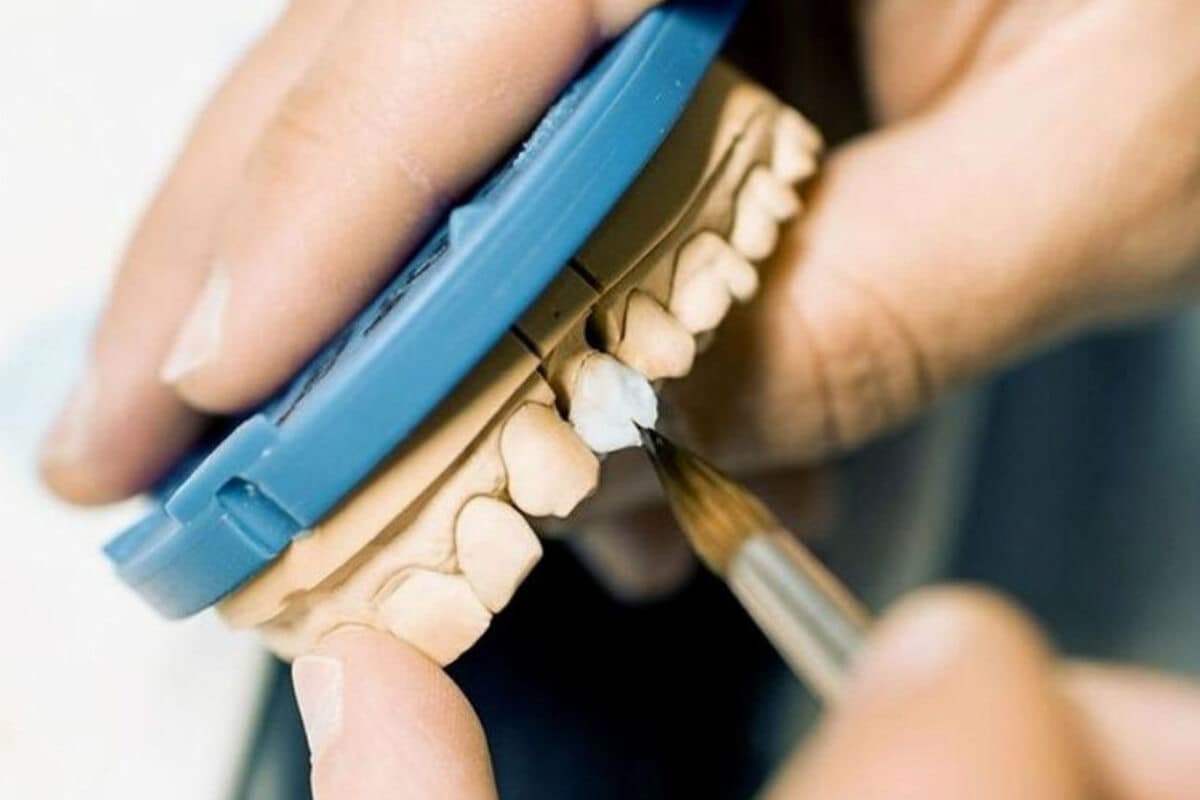
Proper care directly affects the performance and lifespan of this denture. Regular cleaning of both the denture surface and the attachment components is important for both hygiene and durability. A good care routine also helps protect the health of the support teeth and gums.
Daily Cleaning and Disinfection
The denture should be removed from the mouth after meals and gently brushed with a soft brush and a suitable cleaner. Abrasive toothpastes and hard brushes are not recommended because they can scratch the denture surface. Additional disinfection once a week with denture cleaning tablets may be beneficial.
Removing the denture at night helps the gum tissue rest. The removed denture should be kept in a container filled with clean water so that it does not dry out and change shape. These simple habits help both prevent bad breath and keep the denture hygienic for a long time.
Caring for the natural teeth and gums remaining in the mouth is at least as important as cleaning the denture. The support teeth should be brushed regularly with a soft brush, and interdental cleaning should not be neglected. Because the health of these teeth directly affects the retention of the denture, regular oral care is one of the most fundamental habits that extends the life of the system. In this way, both the natural teeth and the denture are protected.
Care of the Snap Mechanisms
The attachment components are the most delicate part of the denture and require gentle care. Excessive force should not be applied while cleaning the retainers, and they should not be poked with sharp-tipped instruments. Inserting and removing the denture should also be done slowly and in a controlled way; the denture should not be forced into place by biting down.
Over time, natural wear may be seen in the snap parts and the hold may loosen slightly. This is generally not a problem; the dentist can restore the original retention strength by replacing the worn parts. Regular check-ups help this need be noticed in time.
Service Life and the Need for Replacement
The service life of a precision attachment denture varies according to material quality, oral hygiene, and care habits. A well-maintained denture can be used comfortably for many years. Even so, the retainers and the denture body may require renewal or maintenance over time due to natural wear.
Changes that occur in the jawbone over time can also affect the fit of the denture. For this reason, regular dentist check-ups allow the denture to be refitted when necessary. When the decision to replace or renew is planned with the dentist's evaluation before the denture loses its function, comfort can be maintained without interruption.
A few simple habits make a big difference in extending service life. Avoiding cracking hard objects with the denture, staying away from very hot water, and taking care not to drop the denture help protect both the body and the retainers. These small precautions help prevent unexpected damage.
Points to Consider When Choosing a Precision Attachment Denture
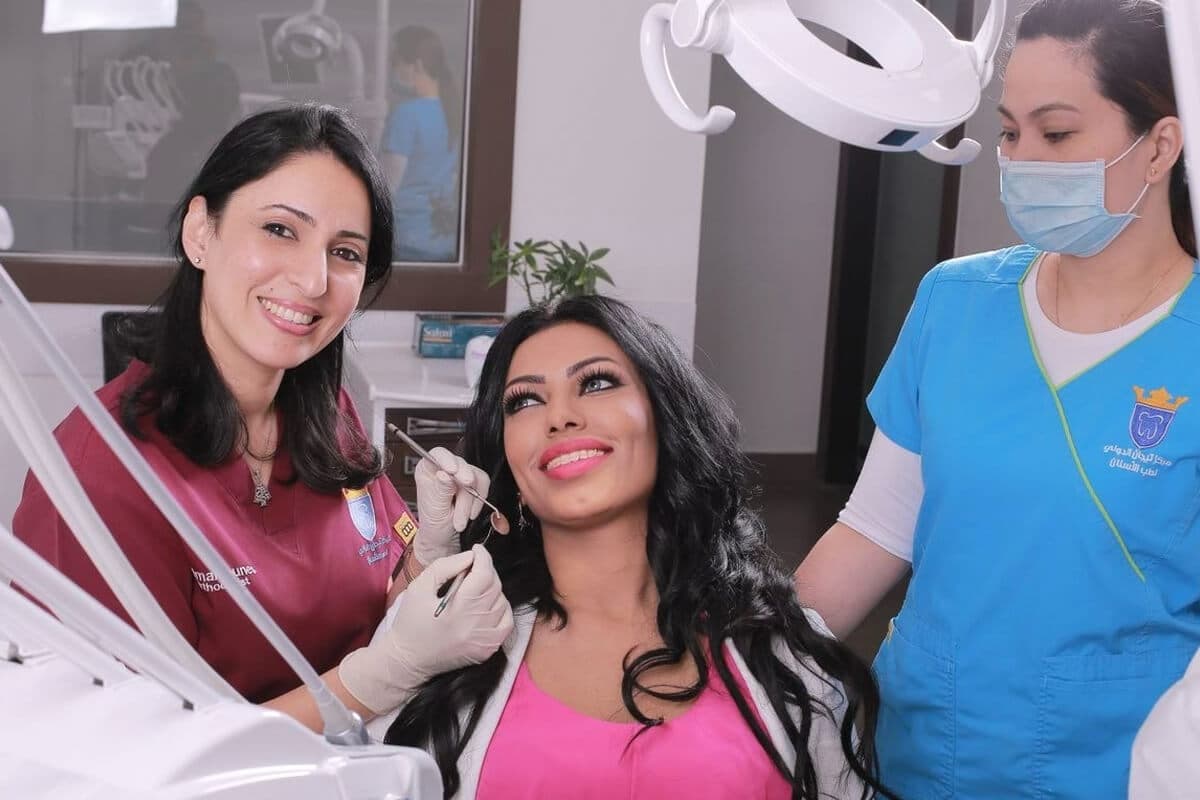
A sound denture decision is not limited to choosing the method; the quality of the team performing the procedure and of the materials used also determine the outcome. Making an informed choice is important both for comfortable use and for long-term satisfaction. The headings below can serve as a guide in this decision.
The Dentist's Clinical Experience and Competence
A precision attachment denture is a procedure that requires technical knowledge and experience in both planning and execution. Positioning the retainers correctly, ensuring crown fit, and balancing the bite depend on the dentist's competence. For this reason, working with a dentist experienced in this area directly affects the quality of the result.
An experienced dentist evaluates the particular conditions of the case, determines the most suitable design, and anticipates possible risks in advance. They also keep the patient informed at every stage of the process and set expectations within a realistic framework. This transparency is a decisive factor for patient satisfaction.
The quality of the laboratory the clinic works with is also an invisible factor that affects the result. The precision of the denture and the fit of the retainers depend on the care taken during production. For this reason, not only the dentist but also the technical team behind them being experienced contributes to achieving a long-lasting and comfortable result.
Quality of the Materials Used
The quality of the material used in the denture body and attachment components directly affects durability and comfort. Quality retainers maintain their retention strength for a long time and show less wear. The fit of the denture base helps keep the pressure on the gums balanced.
Because material choice varies by case, a personalized evaluation is needed rather than a standard choice. The dentist recommends the most suitable material according to the patient's oral structure and expectations. Transparent information gives the patient confidence in the components used.
After-Sales Support and Warranty
The support offered after the denture is delivered is an important part of long-term satisfaction. Having a clear process for regular check-ups, adjustment options, and replacement of worn parts gives the patient confidence. For this reason, it is important that after-sales terms are clearly stated from the beginning.
A good clinic plans post-delivery follow-up appointments and possible maintenance needs transparently for the patient. Knowing in advance what situations the warranty covers prevents uncertainties that may arise later. In this way, the patient can use their denture with confidence for many years.
Snap-On Denture Prices in Samsun 2026
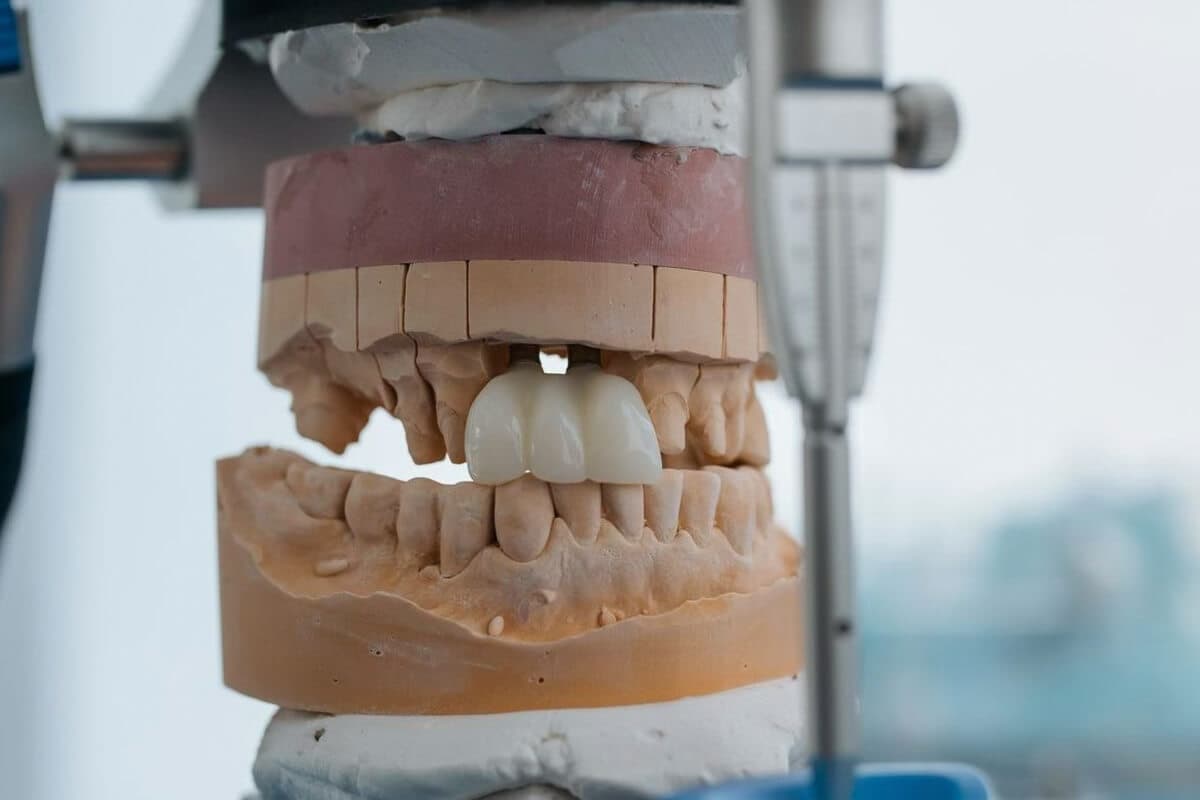
Precision attachment snap-on denture prices cannot be expressed with a single fixed amount, because every case is unique. The most fundamental factor determining the price is the condition of the oral structure and the scope of the treatment. For this reason, a clear fee emerges only after a personal examination and planning.
The complexity of the case is at the top of the factors affecting cost. The number of missing teeth, the amount of crowns or caps to be made on the support teeth, and whether implant support is needed directly change the total fee. In cases that require more extensive preparation, planning also expands.
The type and quality of the material used is also an important factor determining the price. The type of attachment elements, the quality of the denture base, and the laboratory workmanship are reflected in the final cost. In addition, processes such as extractions, preliminary treatments, or gum procedures may also be included in the overall plan.
The dentist's clinical experience and the follow-up services provided are also among the factors that affect value. The healthiest approach is to evaluate the price not merely as a number but together with the service provided as a whole. For this reason, it is recommended that you make an examination appointment for realistic information.
When comparing prices, focusing only on the lowest figure can be misleading. The quality of the material used, the quality of workmanship, and the scope of after-delivery support are the factors that determine long-term satisfaction. A quote from a clinic that offers transparent information and a detailed treatment plan often means a more reliable choice.
Conclusion
Precision attachment snap-on dentures in Samsun are a strong solution that offers stability, aesthetics, and comfort together for people with missing teeth. Thanks to their structure without visible hooks and their secure hold, they provide noticeable ease in daily life compared with conventional removable dentures.
The success of the system is closely related to proper case selection, meticulous planning, quality materials, and the work of an experienced dentist. Regular care and follow-up habits also help you get many years of use from the denture. Taking these elements into account together directly increases user satisfaction.
Determining the most suitable type of denture and the cost for you is only possible through a personal evaluation. To learn the solution suited to your oral structure and to get clear information about the process and options, you can begin with confidence by making an examination appointment with an experienced dentist.