 Spec. Dt. Gökcan ErtaşOrthodontist
 Dt. Sena KırcaDentist
 Dt. Sevinç Cansu KayıranDentist
 Assoc. Prof. Dr. Sezin ÖzerPediatric Dentist
 Spec. Dt. Sude Yıldırım BolatSpecialist in Periodontology
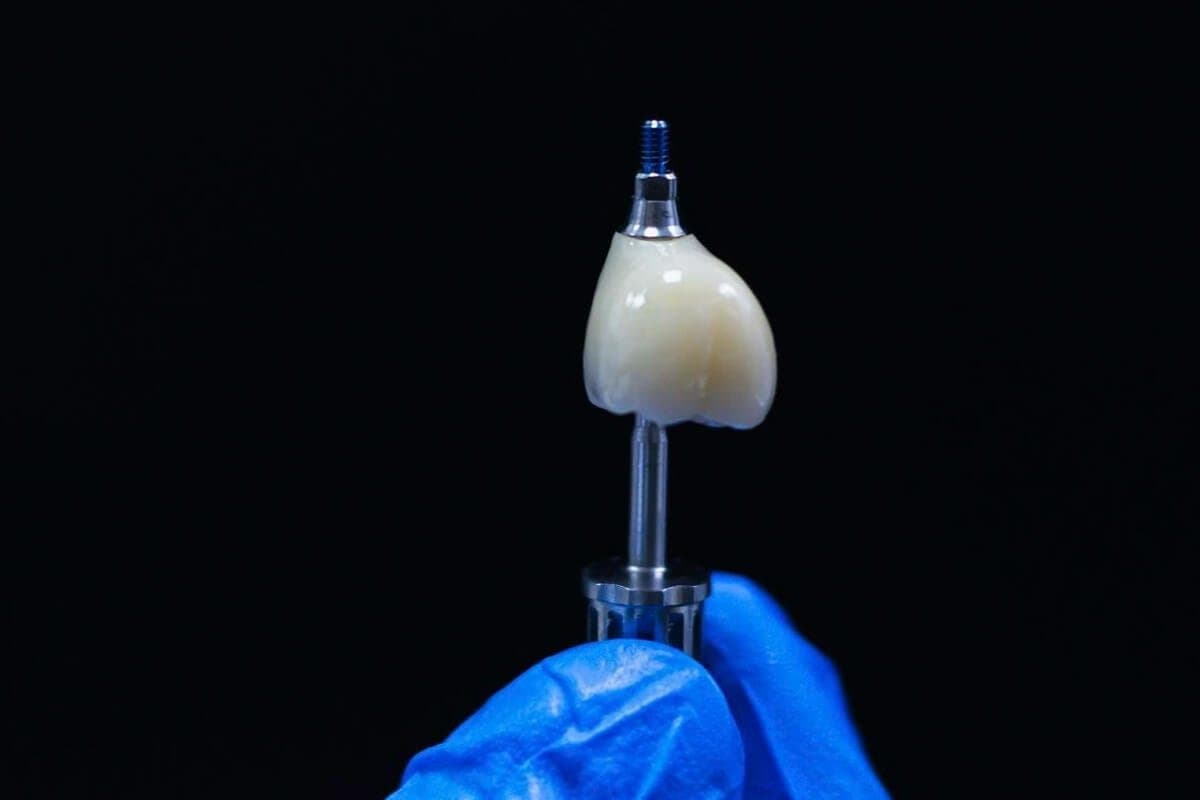
Implant-supported prosthesis in Samsun is a treatment anchored on titanium implants placed in the jawbone to restore chewing and speaking function after tooth loss. Compared with traditional removable dentures, it aims for greater retention, stability, and comfort; it provides a user experience close to natural teeth.
In people who have lost one or more teeth, leaving the gap open for a long time can set the stage for problems such as drifting of the neighboring teeth and bone loss. Implant-supported solutions aim to restore the function and appearance of lost teeth, following your dentist's evaluation. In this way, the goal is to meet both aesthetic and functional expectations.
In this article we cover in detail what the treatment is, its stages, its advantages, its care, and its possible risks. For patients seeking treatment in Samsun, we also touch on criteria for choosing a dentist and the examination process. For personalized planning, a preliminary evaluation with the Dental Prime dental team provides guidance.
What Is an Implant-Supported Prosthesis?
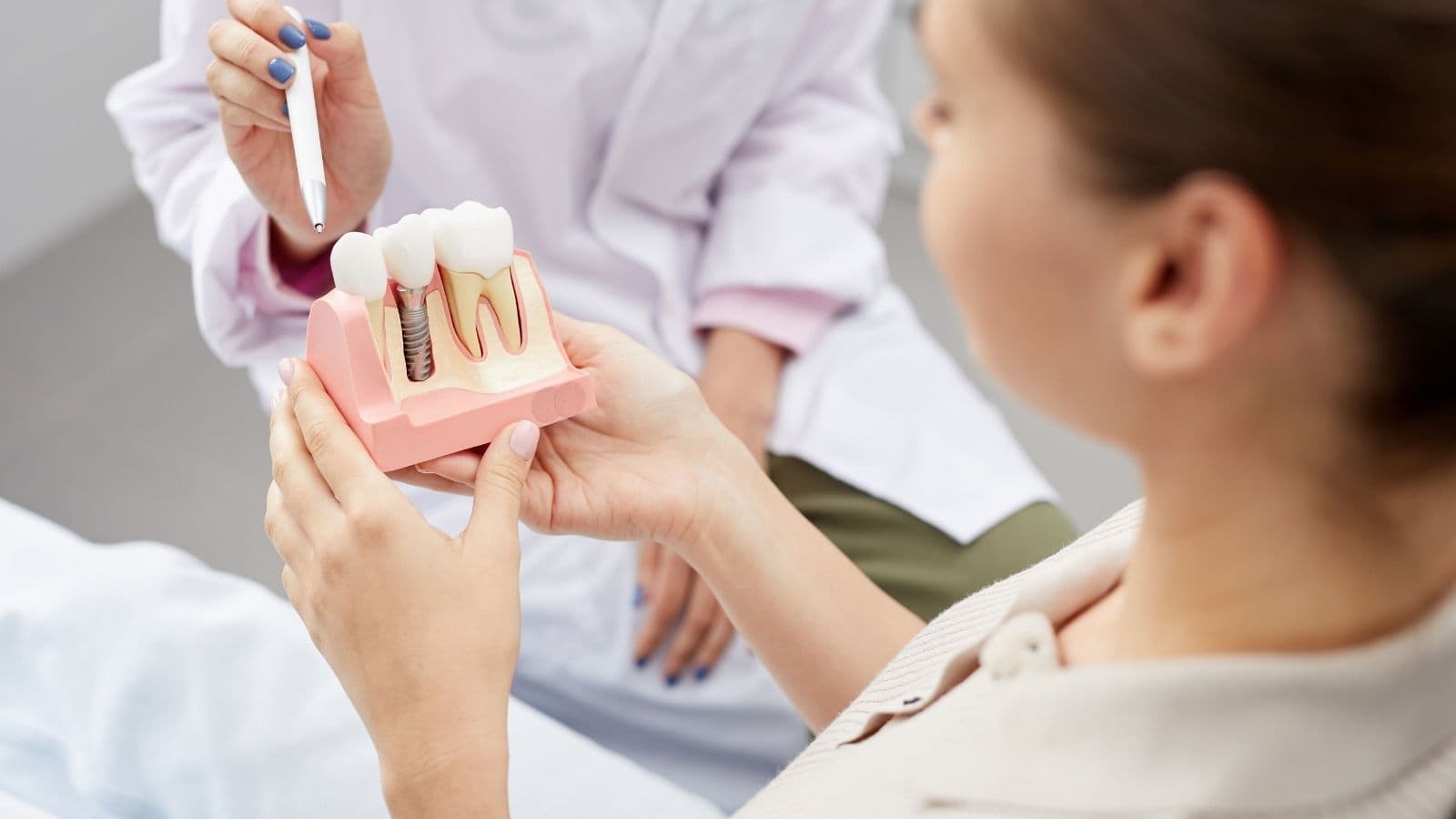
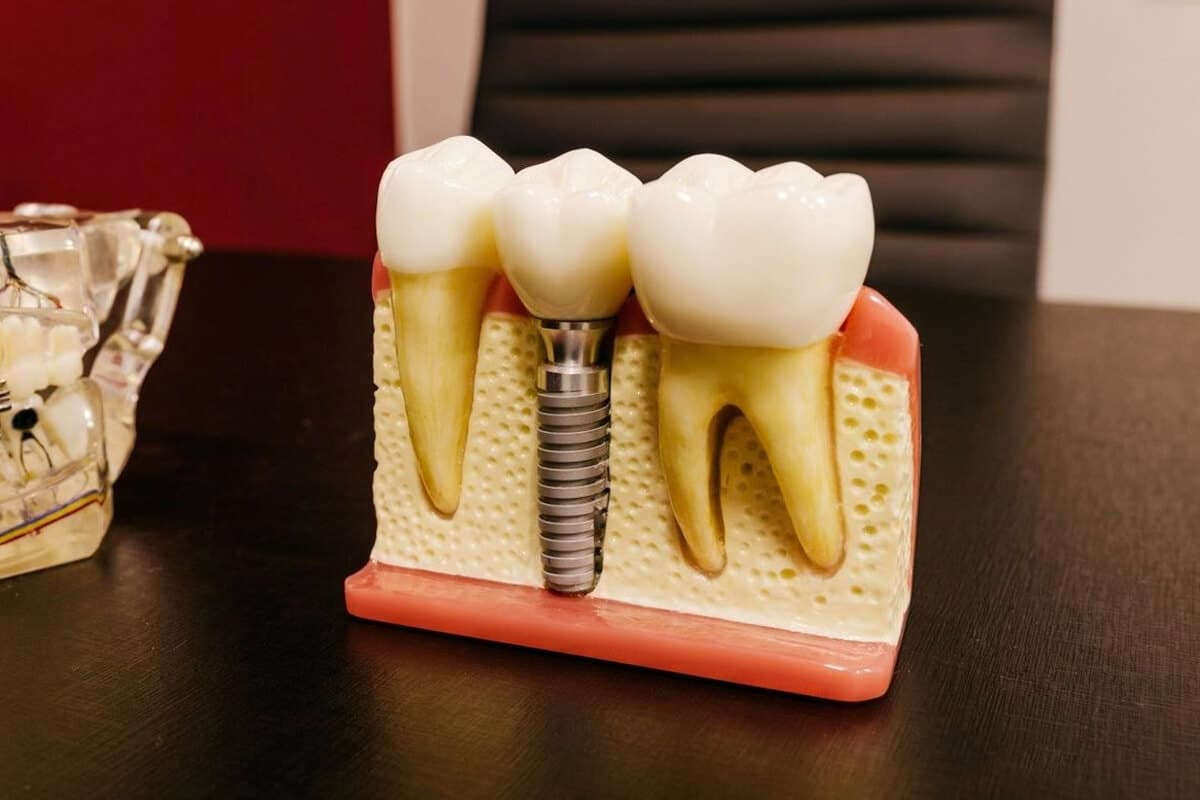
Implant-supported prosthesis is the general name for dental prostheses that are fixed onto or supported by titanium screws placed in the jawbone. The implant takes over the role of the lost natural tooth root; the prosthesis forms the visible tooth part. In this way, root and crown are rebuilt as a whole, with the aim of achieving a structure close to a natural tooth.
This treatment can be chosen across a wide range, from a single missing tooth to complete tooth loss. For a single-tooth gap, a crown is made on a single implant, while for multiple missing teeth, bridge-style restorations may be planned. In completely toothless jaws, a few implants are positioned to carry a fixed or removable prosthesis that sits on them.
Implant-supported prostheses are basically divided into two groups: fixed and removable. In fixed prostheses, the restoration is connected to the implant with screws or a special adhesive and is not removed by the patient. In removable prostheses, the prosthesis sits on the implants with retentive attachment elements; the patient can take it in and out for cleaning. The suitable option is determined according to the oral structure and your dentist's planning.
Traditional complete removable dentures try to hold on by resting only on the gum and bone; over time this can bring movement, irritation, and a decrease in chewing power. In implant-supported solutions, retention is provided by screws integrated into the bone, so stability increases noticeably. This difference directly affects both comfort and ease of daily use.
In determining the suitable type of prosthesis, the number of teeth currently in the mouth, the bone height, and the patient's daily life expectations are evaluated together. For example, in a person who has lost many teeth, a complete prosthesis resting on a small number of implants may be planned, while for a single missing tooth, a single crown may be preferred. Each option has its own advantages and care requirements; therefore, the decision is made together with your dentist in light of the findings in the mouth.
The difference between fixed and removable options is not limited to the way of retention; topics such as cleaning habits, getting used to speaking, and cost also play a role in the choice. While fixed prostheses give a feeling closer to natural teeth, removable solutions in some cases allow large gaps to be addressed with fewer implants. Which approach comes to the fore is shaped by taking into account the patient's lifestyle and expectations along with the oral structure. For this reason, the pros and limits of both options are discussed openly at the examination.
How Is an Implant-Supported Prosthesis Applied?
The treatment is not a procedure completed in a single session; it is a planned process made up of consecutive stages. Each stage prepares the groundwork needed for the next to proceed healthily. The duration of the process varies according to the person's bone condition, the number of implants to be placed, and the need for additional procedures. Below we explain the basic steps in order.
Initial Examination and Planning by the Dentist
In the first stage, your dentist evaluates the amount of bone, gum health, and the general condition of the mouth through an oral examination and radiographic imaging. A panoramic film or three-dimensional tomography provides detailed information about the bone density in the area where the implant will be placed and the neighboring anatomical structures. This data forms the basis for safe planning.
During the evaluation, the patient's general medical history, medications, and any systemic conditions are also taken into account. In cases where bone volume is insufficient, additional procedures such as grafting or sinus floor elevation can be added to the plan. This aims to prepare in advance the supporting structure needed for the implant to be long-lasting.
At this stage, your dentist draws up a comprehensive roadmap on how many implants will be placed, in which areas they will be positioned, and what type of prosthesis will go on top. Digital planning software contributes to the treatment proceeding more predictably by determining the angle and depth of the implants in advance. The estimated duration of the process, its stages, and the points to watch for are explained to the patient in this meeting; this way, expectations are clarified from the start.
Placement of the Implant
After planning is completed, the implant is placed in the jawbone under local anesthesia. Your dentist prepares a socket in the bone in line with the predetermined position and angle and places the titanium screw in this area. Depending on the number of implants to be placed and the complexity of the case, the procedure is generally a surgical stage that takes a short time.
After placement, the area may be closed with stitches and healing is awaited to begin. Your dentist gives the patient instructions on pain management, diet, and hygiene. Following the recommendations during this period helps the tissues heal properly and the implant establish a healthy relationship with the bone. Eating soft foods in the first days is recommended in most cases.
In some suitable cases, a temporary tooth can be fitted together with the implant in the same session; however, this approach does not suit every patient and depends on the bone condition. Mild swelling or sensitivity after placement is common, and this usually subsides within a few days. The aim is to get through this period more comfortably with cold application and the recommended medication. Avoiding hard foods that would irritate the area in the early period supports healing.
Osseointegration (Fusion) Period and Waiting Time
Osseointegration is the process of the titanium implant biologically fusing with the surrounding bone. This fusion is necessary for the implant to reach the strength needed to carry the chewing loads of the prosthesis. Although the process varies from person to person, a generally shorter waiting period is expected in the lower jaw and a relatively longer one in the upper jaw.
The waiting period is planned as a few months in most cases, and the use of a temporary prosthesis may come into question during this time. Completion of fusion differs depending on bone quality, the implant site, and the patient's general health. Your dentist monitors healing at check-up sessions and determines the right time to move on to the next stage.
This period is one of the stages of treatment that requires the most patience, because the healthy completion of fusion forms the basis for the prosthesis to be used without problems for many years. It is important not to rush the process and to follow the schedule set by your dentist. Limiting habits that may negatively affect healing, such as smoking, at this stage can help fusion proceed more healthily.
Preparation and Fitting of the Prosthesis
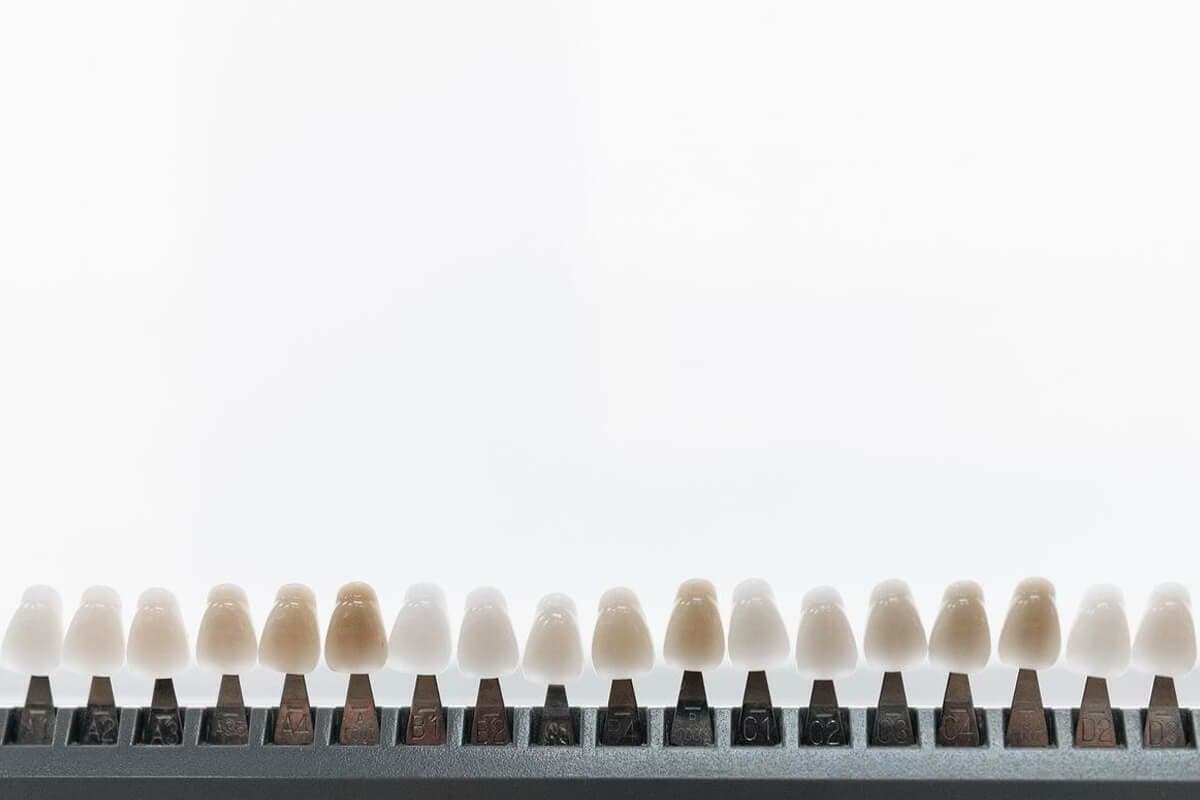
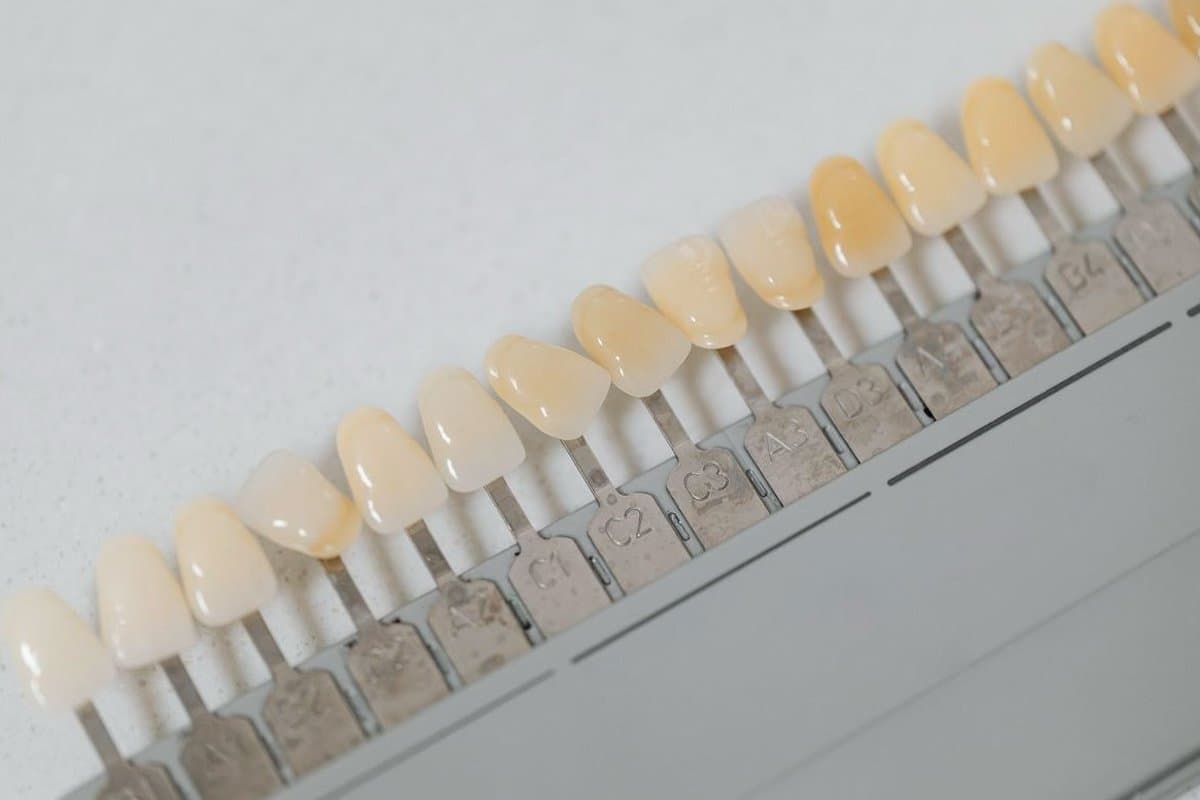
When fusion is complete, the support piece (abutment) that creates the connection with the prosthesis is placed on the implant. Then an impression is taken from the mouth or a digital scan is made, and this data is sent to the laboratory to produce the prosthesis. The color, size, and tooth form are worked out to be compatible with the patient's existing teeth and facial structure.
The prepared prosthesis is tried in the mouth; the bite relationship, contact points, and aesthetic harmony are checked. After fine adjustments if needed, the restoration is fixed in place or, for removable options, seated with retentive attachments. In the final stage, your dentist informs the patient about the use and cleaning of the prosthesis and shares the check-up schedule.
The prosthesis fitting the mouth precisely forms the basis of both chewing efficiency and long-term comfort. For this reason, the patient's feedback is taken into account at the try-in stage; if pressure or discomfort is felt while biting, the necessary corrections are made. A properly designed bite helps extend the life of both the prosthesis and the surrounding tissues and contributes to balanced function of the jaw joint.
Advantages of an Implant-Supported Prosthesis
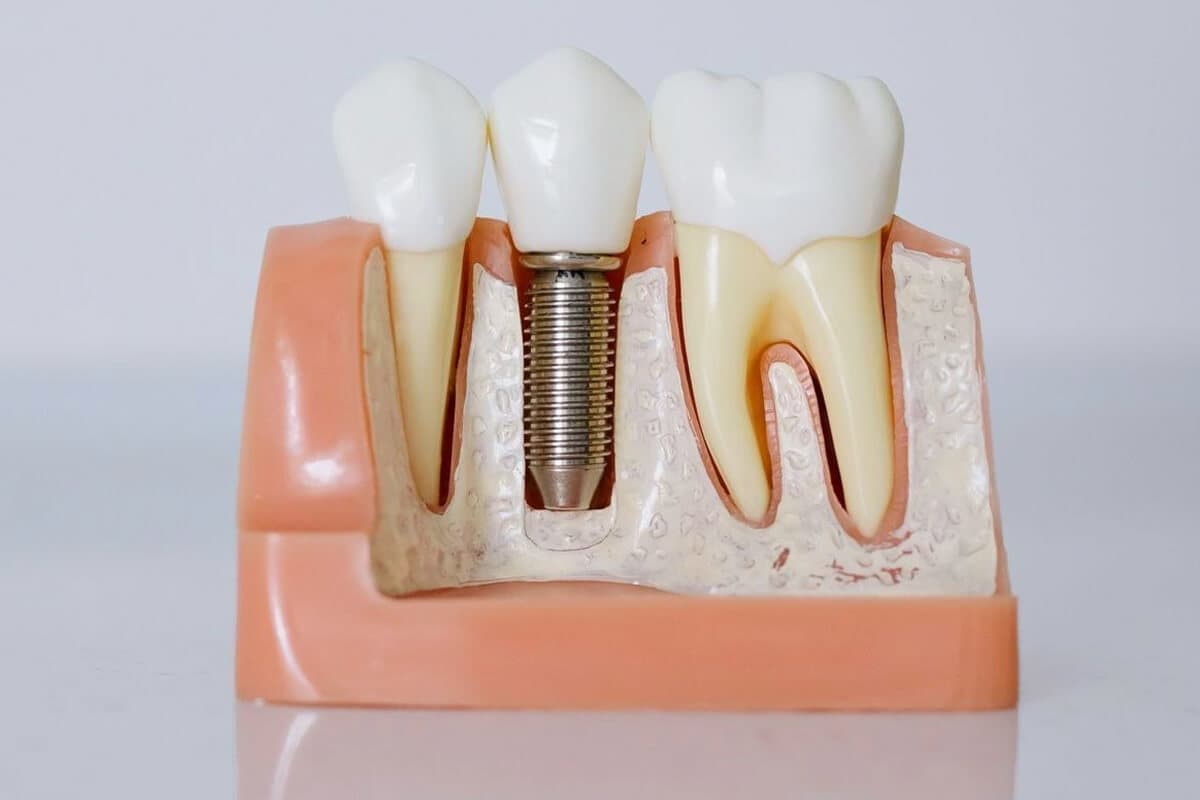
Implant-supported solutions aim to offer patients important benefits in both function and aesthetics. The fact that retention comes from screws integrated into the bone is the most notable feature that sets this treatment apart from traditional removable dentures. The headings below summarize these advantages through the points that stand out.
High retention and stability: The prosthesis aims to stay fixed in the mouth without moving; it gives confidence while speaking and chewing.
Chewing power close to natural: Because chewing forces are transmitted to the bone, it helps hard foods to be eaten comfortably.
Contribution to bone preservation: Stimulating the bone with chewing load can help slow the bone loss in the area of the missing tooth.
Aesthetic and speech support: A full appearance and properly positioned teeth contribute to the aesthetics of the smile and clear speech.
Protection of neighboring teeth: With fixed bridge options, grinding down healthy neighboring teeth is not required in most cases.
Comfort and confidence: A reduced risk of slipping and irritation offers a more comfortable user experience in daily life.
The table below compares an implant-supported prosthesis with a traditional complete removable denture under four basic headings. This comparison offers a general framework; the option most suitable for the individual is always determined by your dentist's evaluation. The oral structure, bone condition, and expectations play a decisive role in shaping the choice.
Comparison Criterion | Implant-Supported Prosthesis | Traditional Complete Removable Denture |
|---|---|---|
Retention | Strong and fixed retention from implants integrated into the bone | Retention based on gum and bone, which can loosen over time |
Chewing power | High chewing capacity close to natural teeth is targeted | Limited chewing power, difficulty with hard foods may occur |
Bone preservation | Chewing load stimulates the bone, contributing to slowing bone loss | Because it does not stimulate the bone, bone loss may continue over time |
Comfort | Lower risk of movement and irritation thanks to the fixed structure | Complaints of movement, pressure, and irritation may be more frequent |
Care and Cleaning of an Implant-Supported Prosthesis
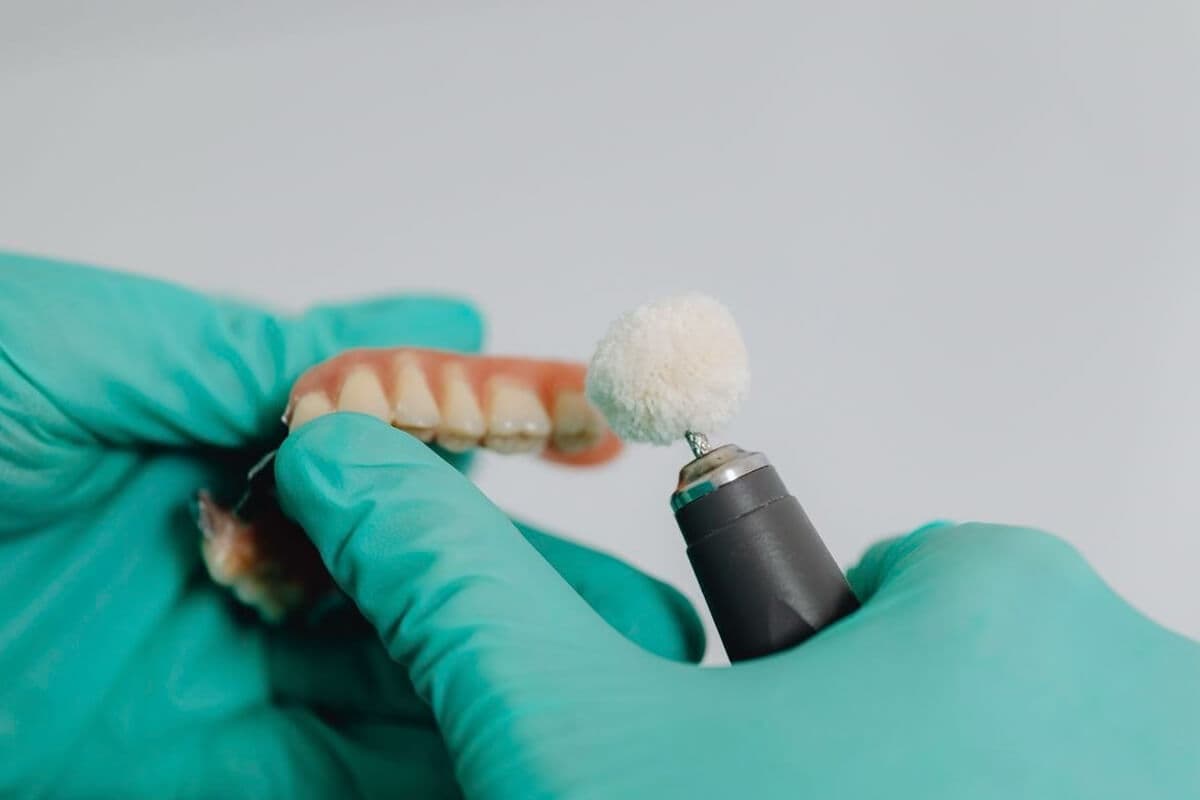
The longevity of implant-supported prostheses is closely related to regular and correct care. An implant does not decay; however, if the gum and bone tissue around it are neglected, inflammatory problems can develop. For this reason, daily hygiene habits and periodic dental check-ups play a decisive role in maintaining the success of the treatment.
Establishing the care routine from the very first days helps prevent a significant portion of the problems that could arise later on. Because the tissues around an implant can be more sensitive to inflammatory processes than around natural teeth, regular cleaning should not be neglected. A simple but consistent care habit often reduces the need for complex interventions. In this respect, care is part of a long-term process that begins not at the end of the treatment but at the moment the prosthesis is delivered.
Daily Oral Hygiene Routine
The basis of daily care is to regularly clean the teeth and prosthesis surfaces against plaque buildup. Brushing at least twice a day with a soft-bristled brush helps protect the health of the tissues around the implant. During brushing, it is recommended to take care along the gum margin and in the areas where the prosthesis meets the gum.
In addition to brushing, interdental cleaning is also important. Dental floss, interdental brushes, or water-flow cleaners recommended by your dentist help remove debris from areas the brush cannot reach. For patients who use a removable prosthesis, it is beneficial to take the prosthesis out and clean it separately and to follow your dentist's instructions for overnight care.
It is also important that the care products used are suitable for implant and prosthesis surfaces. Abrasive toothpastes or hard brushes can cause scratches on the surfaces over time; for this reason, it is safer to choose the products recommended by your dentist. It is also appropriate to consult your dentist about the use of mouthwashes. A regular and gentle cleaning habit both protects gum health and helps prevent possible bad odor.
Regular Dental Check-Ups and Maintenance Sessions
As much as care at home, check-ups with your dentist at regular intervals are valuable for the sustainability of the treatment. During check-ups, your dentist examines the tissues around the implant, the fit of the prosthesis, and the bite relationship. Small problems noticed early can often be managed with simple measures.
In professional cleaning sessions, plaque and tartar deposits that cannot be fully removed with home care are cleaned. One advantage of screw-retained fixed prostheses is that they can be removed by your dentist when needed so that the surrounding tissues can be cared for. The frequency of check-ups varies according to the person's oral health and is determined by your dentist.
During check-ups, the tightness of the prosthesis screws, the contact points, and the condition of the surrounding gum are also reviewed. Small loosening or wear that may develop over time can be corrected with simple interventions when noticed at an early stage. Regular follow-up contributes to extending the life of the prosthesis and keeping the tissues around the implant healthy. For this reason, not missing check-up appointments is an important habit that protects the treatment as a whole.
The Importance of Choosing the Right Dentist for an Implant-Supported Prosthesis
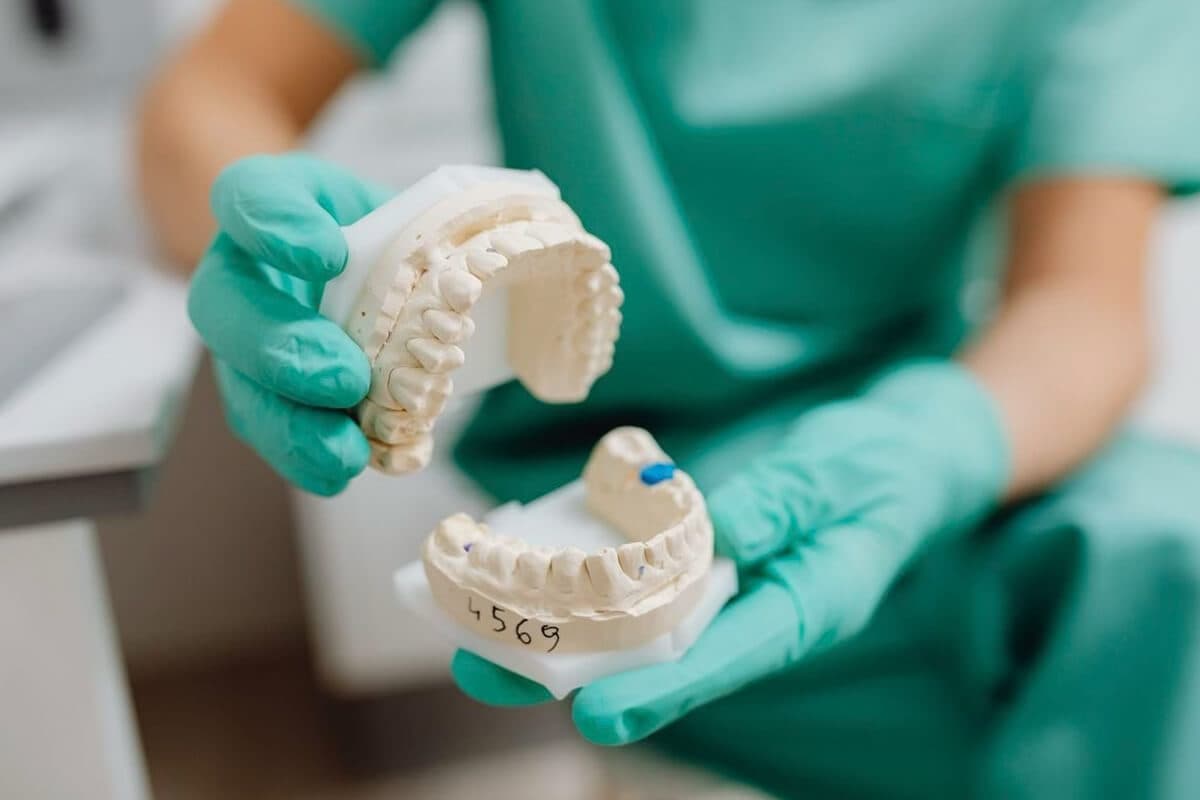
An implant-supported prosthesis is a multi-stage treatment that requires both surgical and prosthodontic knowledge. For this reason, the dentist's experience and meticulous planning are decisive for the success of the process. Choosing the right dentist is a choice that directly affects both treatment comfort and the long-term result of the restoration.
Certification and Professional Experience Criteria
When choosing a dentist, educational background, certificates earned, and experience in the field of implants are important criteria. Dentists who receive regular training in implant surgery and prosthetic procedures can develop more flexible solutions for different cases. The implant systems applied and the quality of the materials used are also among the things that should be asked about.
Experience makes a difference especially in complex cases such as insufficient bone or multiple missing teeth. Before treatment, understanding the dentist's approach and planning logic in similar cases helps the patient evaluate the process more consciously. A dentist who provides transparent information makes it easier to build a relationship of trust.
Patient Care and Evaluation of References
Alongside technical competence, the communication established with the patient and the quality of care should also not be overlooked when choosing a dentist. An approach that informs the patient in detail before and after the procedure and answers questions patiently has a positive effect on the treatment experience. A good follow-up system allows possible problems to be noticed early.
The experiences of patients who have been treated before and feedback about the clinic can be a guide at the decision stage. Although references alone are not enough, they give an idea of the dentist's way of working. The hygiene standards of the clinic environment and how up to date the equipment used is are also elements that should be part of the evaluation.
A good dentist sets the patient's expectations on a realistic footing before treatment and explains possible outcomes without exaggerating. An approach that clearly states the time and care the process requires, instead of short-term promises, strengthens the sense of trust. Sharing the treatment plan in writing, keeping a record of the products used, and having a follow-up system that can be referred to later are also valuable assurances for the patient.
Implant-Supported Prosthesis Treatment in Samsun
Samsun is a city that offers a wide choice of dentists and clinics in the field of dental health. Patients seeking implant-supported prosthesis treatment can compare the approaches offered by different clinics in the region and make a choice that suits them. A choice based on accurate information contributes to the process proceeding more safely and comfortably.
Clinics in the city can plan with current imaging methods and digital prosthesis technologies. A dental clinic in Samsun working with an experienced team aims to carry out all stages, from the examination to the delivery of the prosthesis, with a comprehensive plan. This way, the goal is for the patient to proceed understanding every step and for expectations to become clear. For detailed information, you can contact a dental clinic in Samsun.
Selection Criteria for Qualified Dentists in Samsun
When choosing a dentist in Samsun, in addition to clinical experience, the implant brands used and the quality of the prosthesis materials should also be taken into account. Explaining the treatment plan in detail, sharing possible additional procedures in advance, and presenting a clear roadmap after the examination are signs of a reliable approach. These elements directly affect patient satisfaction.
Clearly stating the follow-up and warranty terms offered by the clinic is also an important criterion. Knowing which check-ups they will go through after treatment and what kind of support they will receive in possible situations makes the process safer for the patient. Clinics that are accessible, answer questions, and share information transparently stand out in terms of preference.
Booking an Examination Appointment and the Initial Consultation Process
The first concrete step of the implant-supported prosthesis process is booking an examination appointment. At the initial consultation, your dentist examines the condition of the mouth, listens to the patient's expectations, and evaluates the general medical history. This meeting is an important starting point for determining the suitability of the treatment and discussing the possible options.
During the initial consultation, the patient is encouraged to ask questions and learn about the stages of the process, its estimated duration, and the factors that affect the price. After the information is given, the aim is to present the patient with a personalized treatment plan. In this way, the effort is to place expectations within a realistic framework and make sure the decision is made consciously.
When going to the appointment, bringing any previous radiographs, a list of the medications used, and information about past treatments speeds up the process. Jotting down in advance the questions on your mind for the consultation ensures that no topic is skipped. This first meeting not only plans the treatment; it also lays the foundation for a relationship of trust between patient and dentist that will continue throughout the later stages.
Possible Risks of an Implant-Supported Prosthesis
As with every surgical and prosthetic procedure, there are some risks with an implant-supported prosthesis. Most of these risks are manageable with correct planning, appropriate patient selection, and meticulous follow-up. Informing the patient about possible situations in advance helps them approach the process with realistic expectations.
Implant Success Rates and Possible Complications
Implant treatments are generally known for high success rates when performed under suitable conditions. Still, it is not possible to predict the same outcome with certainty in every case; the result varies according to the person and oral conditions. Situations such as infection, gum inflammation, or, rarely, the implant not fusing sufficiently with the bone may occur.
Oral hygiene, regular check-ups, and managing habits such as smoking play a major role in preventing such complications. Noticing problems early often makes it easier to resolve them with simple interventions. Following your dentist's warnings contributes significantly to reducing possible risks.
Diabetes, uncontrolled systemic conditions, or the use of certain medications are among the situations that may affect the healing process. For this reason, it is important for the patient to share their medical history completely for safe planning. It should not be forgotten that risks can be managed to a large extent with appropriate patient selection and meticulous follow-up. Seeing your dentist without delay when any discomfort is felt helps resolve possible problems before they grow.
The Necessity of Checking Bone Density
For the implant to hold firmly, there must be sufficient bone volume and density in the area where it will be placed. For this reason, the bone structure is evaluated in detail with radiographic imaging before treatment. In cases where the amount of bone is insufficient, supportive procedures are planned first instead of going straight to the treatment.
Procedures such as grafting or sinus floor elevation aim to bring the bone to a level that can support the implant. These additional steps may lengthen the total process; however, they are an important investment for the longevity of the implant. Correctly assessing bone density forms a decisive safety step in the success of the treatment.
When a long time has passed since tooth loss, the bone in that area can slowly begin to resorb. For this reason, evaluating the gap as early as possible may allow planning to be done without the need for more extensive procedures later on. Because three-dimensional imaging measures the bone in terms of both height and width, it allows safe positioning and helps anticipate possible risks in advance.
Implant-Supported Prosthesis Prices in Samsun 2026
Implant-supported prosthesis prices cannot be expressed as a standard amount for every patient, because treatment is entirely individual. When the factors that determine the price come together, the total cost varies from case to case. For this reason, reliable price information can only be shared after an examination and detailed evaluation. Below we list the main factors that affect the cost.
Scope of the case: A single missing tooth versus complete tooth loss requires different numbers of implants and prostheses, so it directly affects the cost.
Implant and prosthesis material: The implant system used and the type and quality of the prosthetic material are important elements that determine the price.
Number of teeth and implants: As the number of implants to be placed increases, the scope of the procedure and the related cost also change.
Additional surgical procedures: Preparatory procedures such as grafting or sinus floor elevation may be reflected in the total budget.
Dentist's experience and the clinic's facilities: The dentist's expertise, the technology used, and the clinic's standards are factors that affect pricing.
Because these factors change from person to person, general figures on the internet give only a rough idea and are not binding. The most accurate and up-to-date information is obtained from the personalized plan prepared after an oral examination and imaging. Booking an examination appointment before deciding is the healthiest way both to clarify expectations and to make a realistic budget plan.
Conclusion
Implant-supported prosthesis in Samsun is a solution built on implants integrated into the jawbone to address the functional and aesthetic effects of tooth loss, and it stands out for comfort and stability. A treatment that is correctly planned and supported by regular care aims for comfortable use over many years.
The success of the process depends on the combination of an experienced dentist, a detailed preliminary evaluation, and the care the patient puts into their care routine. Because bone condition, material choice, and possible additional procedures differ in every case, personalized planning is indispensable. To make the best decision, speaking with a dentist and booking an examination appointment is the healthiest step.