 Spec. Dt. Gökcan ErtaşOrthodontist
 Dt. Sena KırcaDentist
 Dt. Sevinç Cansu KayıranDentist
 Assoc. Prof. Dr. Sezin ÖzerPediatric Dentist
 Spec. Dt. Sude Yıldırım BolatSpecialist in Periodontology

Smile design in Samsun is a cosmetic dentistry approach that harmonizes the color, shape, size, and alignment of the teeth with the facial features. People who are bothered by discoloration, crooked teeth, gaps, or a disproportionate appearance may need this service. By creating a personalized plan, the dentist can help achieve a more even and natural smile.
Smile aesthetics is not a single procedure; it is planned by combining different applications such as whitening, crowns, porcelain veneers, and gum contouring, according to need. The aim is to produce a holistic result that takes into account not only the teeth but also the overall harmony between the smile and the face.
Every smile is unique, and applying a standard template would not be right. For this reason, the process begins with listening to the patient's expectations and evaluating the oral structure. For patients who want to work with an experienced team in this area, Dental Prime carries out every stage, from planning to application, under the dentist's supervision.
What Is Smile Design?
Smile design is a cosmetic dentistry practice that plans the aesthetic appearance of the teeth and gums so that they are in harmony with facial proportions, lip structure, and the smile line. In everyday speech it is sometimes also called a "Hollywood smile." The main goal is to create a balanced and harmonious smile without moving away from a natural look.
This approach requires multidisciplinary work. That is, instead of a single procedure, multiple treatment methods are evaluated together according to the patient's situation. Elements such as color, form, symmetry, and gum level are addressed together, aiming for a cohesive result.
In addition to aesthetic concerns, functional improvement is also part of this process. In people with chewing imbalance, bite problems, or tooth loss that affects speech, the dentist evaluates appearance and function together. In this way, the result can be comfortable not only visually but also in daily use.
Smile design should not be seen merely as a cosmetic preference. Conditions such as gum recession, worn teeth, or an irregular bite can also affect oral health over time. For this reason, aesthetic planning is often carried out together with preventive dentistry, and the dentist considers long-term health along with appearance.
What matters is that expectations are discussed within a realistic framework. Because every oral structure is different, the result that can be achieved also varies from person to person. For this reason, final decisions become clear after a clinical examination and the dentist's evaluation.
How Is Smile Design Performed in Samsun?
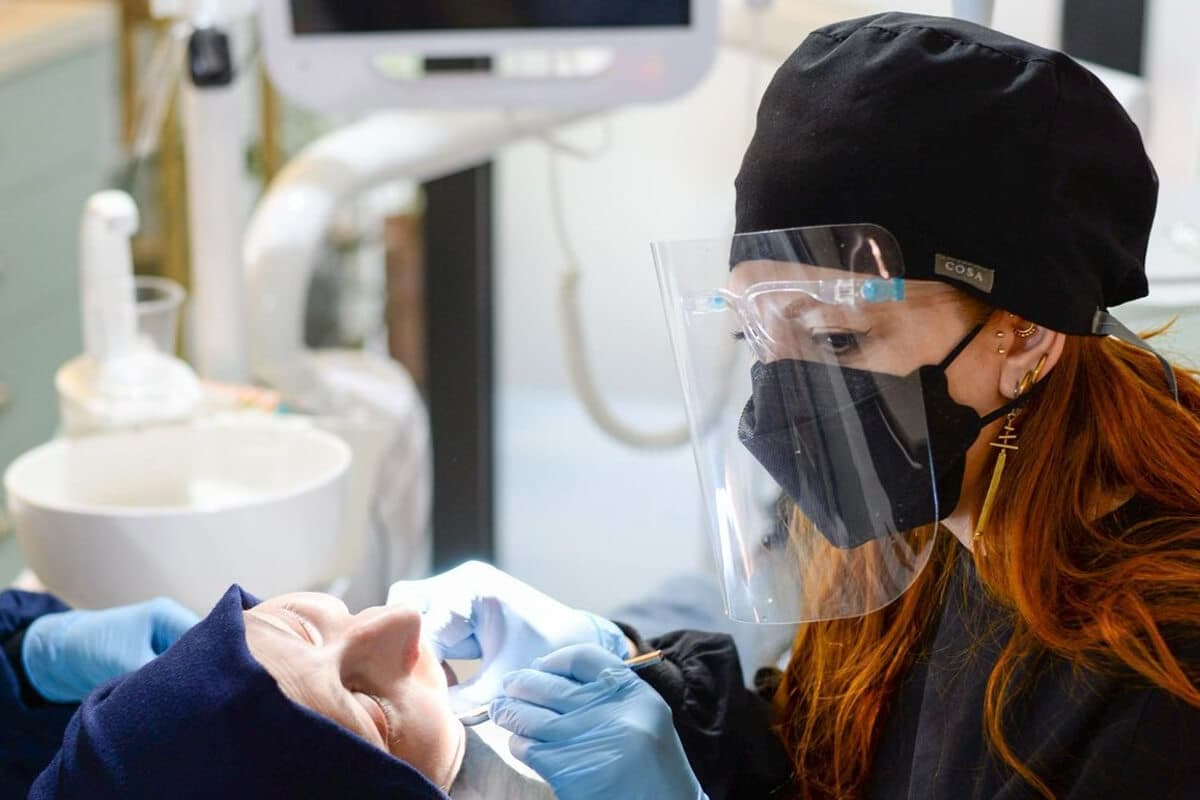
Smile design is a process that moves forward step by step without being rushed. Understanding the patient's expectations, examining the oral structure, and digital planning form the cornerstones of this process. The sections below explain the general flow of the procedure in detail.
It is important to maintain open communication with the dentist during this process. The more clearly the patient shares what bothers them, what kind of appearance they want, and their expectations about daily life, the more accurate the resulting plan will be.
Initial Consultation and Digital Analysis
The process begins with a conversation in which the patient shares their complaints and expectations. The dentist examines the condition of the teeth and gums; when necessary, a detailed evaluation is made using methods such as X-rays and intraoral scanning.
In the digital analysis stage, high-resolution photographs and digital measurements can be taken. This data objectively shows the current condition of the teeth. In this way, planning proceeds based on concrete measurements rather than estimates.
This first stage is also important for informing the patient. Which procedures may be needed, which are a matter of preference, and the estimated flow of the process are discussed in this meeting.
Design Planning and Simulation
The collected data is evaluated with the help of special software, and the ideal shape and alignment of the teeth are planned in a digital environment. Parameters such as facial symmetry, smile line, and tooth proportions are taken into account at this stage.
The simulation can allow the patient to see the possible result before treatment. This preview makes it easier for expectations to align with the dentist's and helps reduce the risk of surprises. The image presented here is a target design; the result may vary according to the oral structure.
In some cases, the design can also be tried out by previewing it in the mouth with temporary materials. Thanks to this trial, the patient has the opportunity to experience their new smile before moving on to permanent procedures and to give feedback.
The Procedure and Preparation Beforehand
Once the plan is finalized, the procedure begins. Before this stage, health problems such as decay, gum inflammation, or fillings may need to be resolved. A healthy foundation is important for the longevity of the aesthetic result.
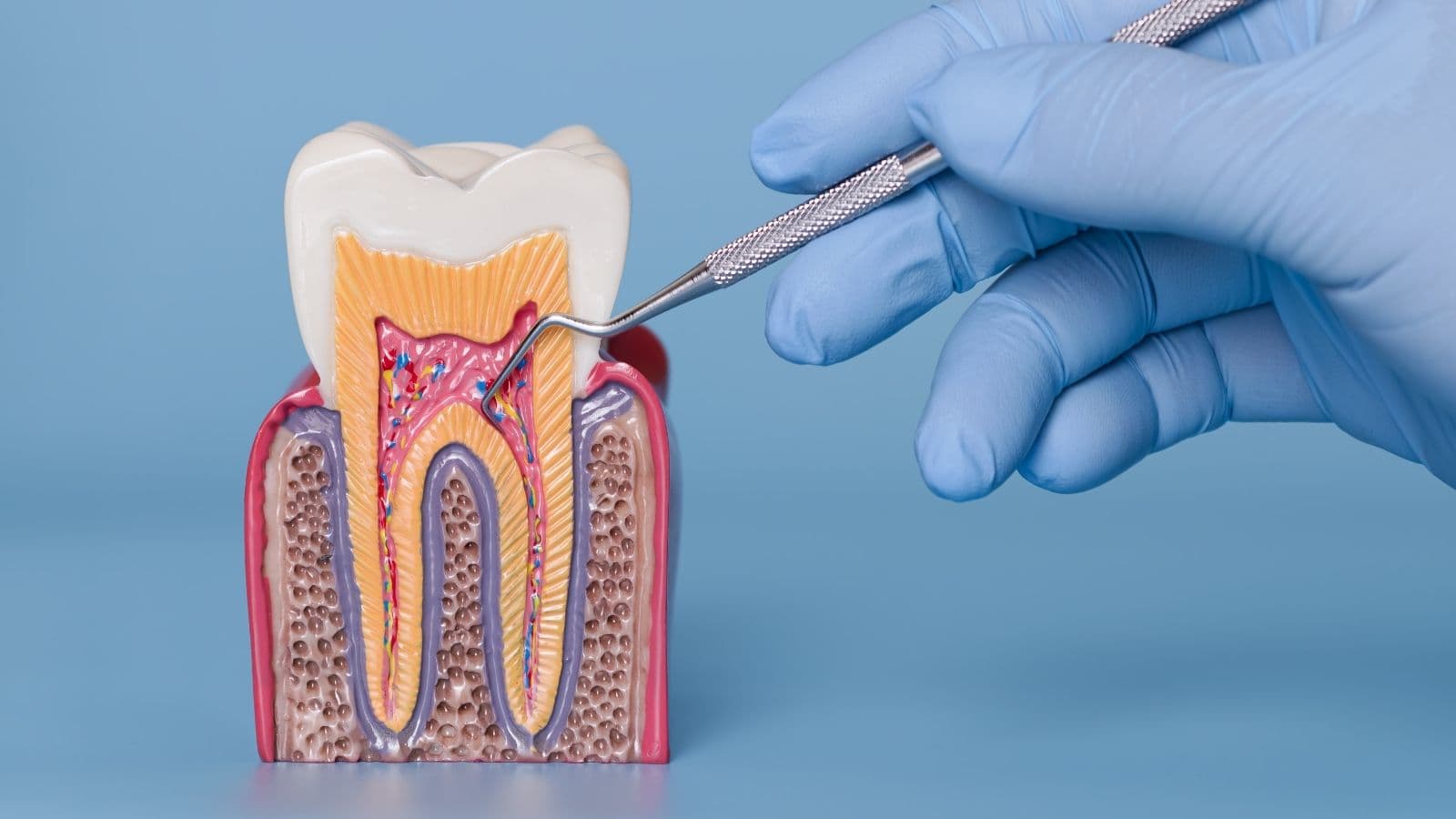
In the preparation stage, in addition to general oral health, the condition of the tooth roots and the jawbone can also be evaluated. This examination helps ensure that the planned procedures rest on a solid foundation and that the result is long-lasting.
The scope of the procedure varies from person to person. While whitening and minor corrections alone are sufficient for some patients, procedures such as crowns or veneers may be planned in some cases. The dentist determines which method is suitable after the examination.
Throughout all procedures, the patient's comfort is taken into account and every step is explained beforehand. An informed patient adapts to the process more comfortably, and their expectations of the result are formed on a realistic basis.
Procedures Used in Smile Design
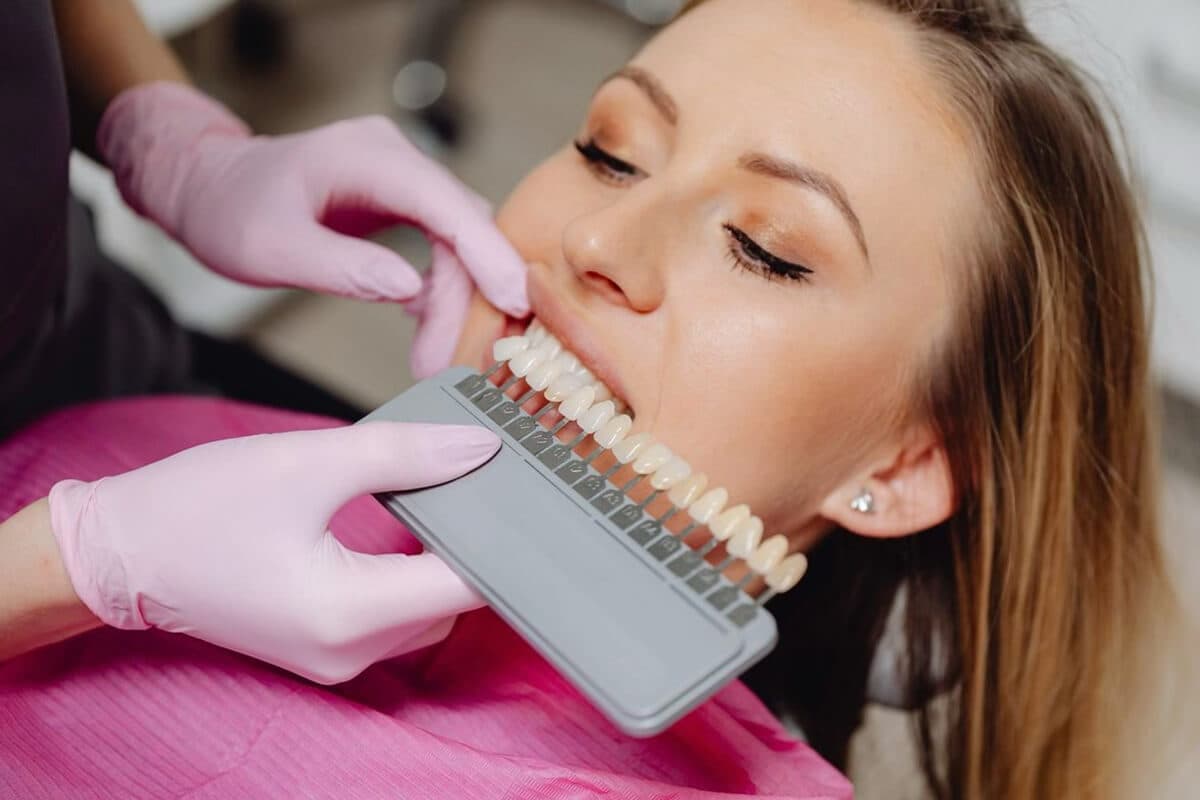
Smile design is based not on a single treatment but on a combination of procedures chosen according to need. The methods below are the most commonly used applications. Which of them will be needed depends on the person's tooth structure and the intended result.
Some of these procedures make superficial corrections while preserving the structure of the tooth, whereas others require more extensive restoration. The dentist determines the appropriate combination, prioritizing achieving the intended appearance with the least possible intervention.
Teeth Whitening and Color Harmony
Yellowing and discoloration of the teeth are among the elements that most affect smile aesthetics. In suitable candidates, teeth whitening can help achieve a brighter appearance by lightening the tone of the teeth.
Whitening may not give the same result for every kind of discoloration. Structural staining, old fillings, or discoloration caused by certain medications may respond to whitening only to a limited extent; in these cases, the dentist may consider alternatives such as crowns or veneers.
Color harmony is not just about whitening the teeth. If crowns or veneers are to be made, the shade of these materials is chosen to match the neighboring teeth. The aim is to create a cohesive color balance that does not disturb the eye and looks natural.
Dental Crowns and Cosmetic Repair
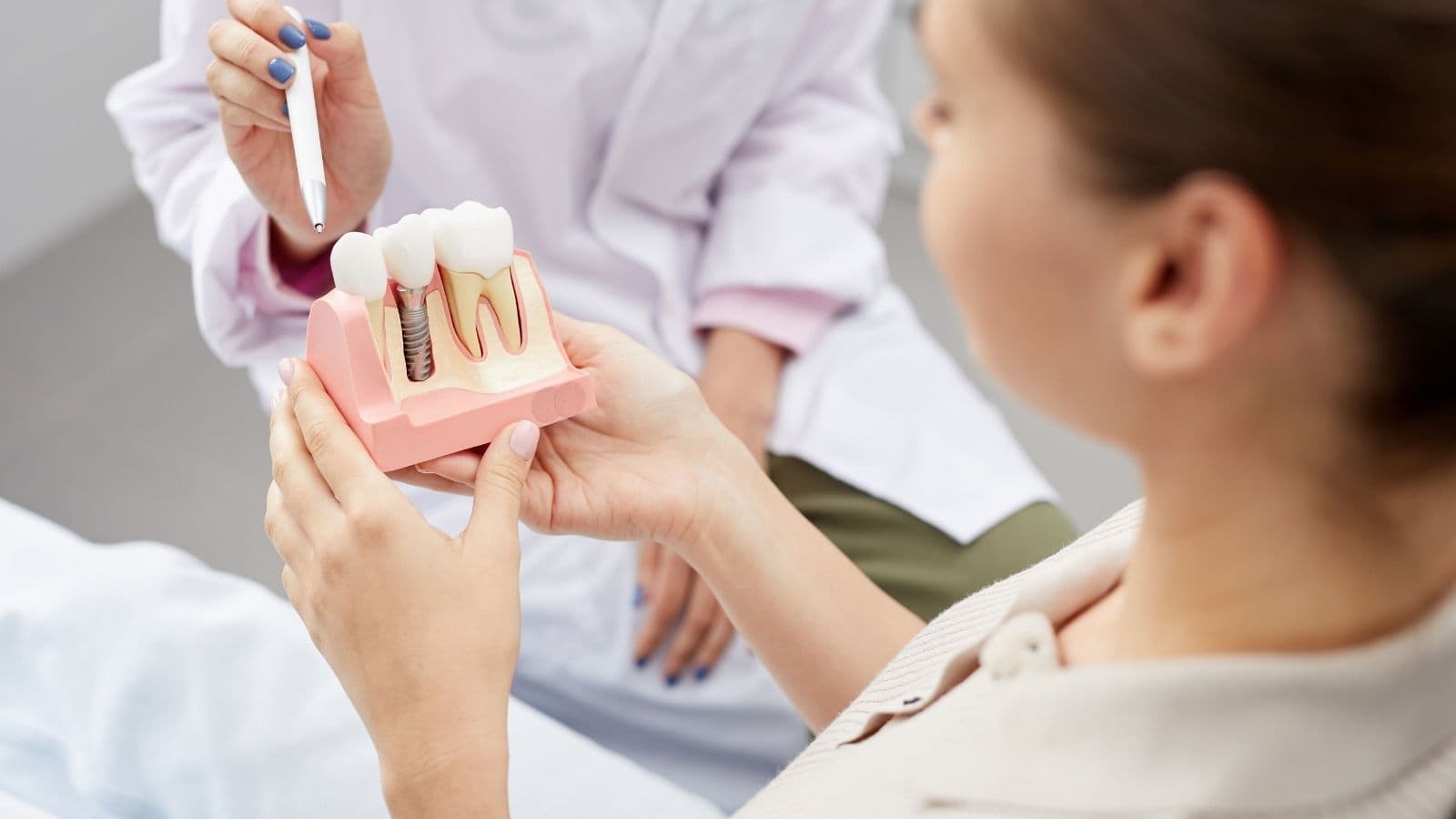
Crown applications may be preferred for teeth with shape irregularities, fractures, or noticeable color problems. Zirconia and porcelain crowns are frequently used options in terms of both durability and aesthetics.
In cases that require less intervention, porcelain veneers (thin porcelain laminates) or composite repairs may come into play. In these methods, a thin layer is applied to the front surface of the tooth. Which option is suitable depends on the amount of tooth structure lost and the dentist's evaluation.
In cosmetic repair, the goal is to achieve the desired appearance while preserving natural tooth tissue as much as possible. For this reason, the dentist prioritizes evaluating the method that can give the best result with the least intervention.
Orthodontic Guidance and Light Therapy
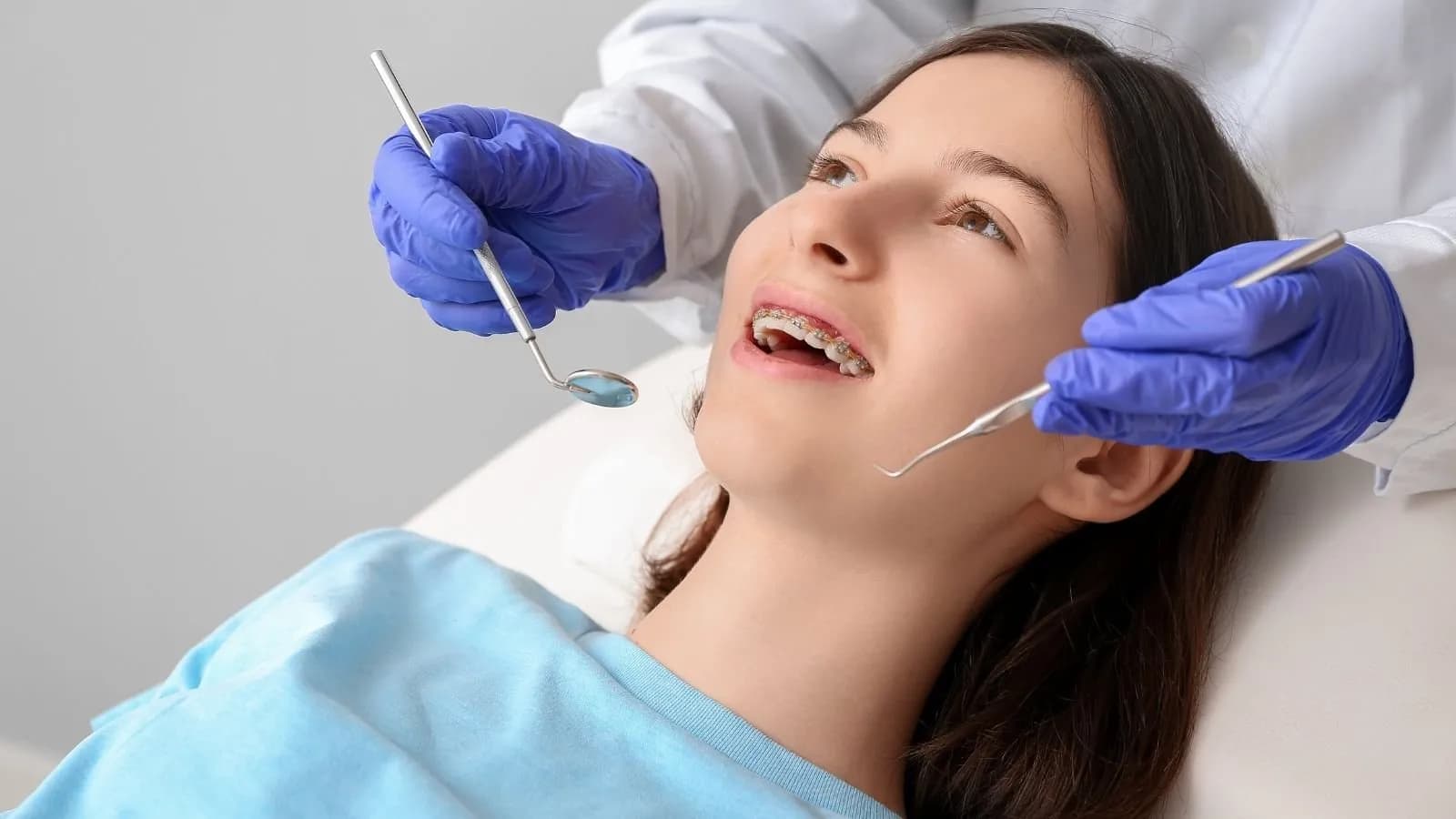
If there is noticeable crowding or a bite problem in the teeth, orthodontic treatment may be recommended before moving on to crowns. Bringing the teeth to the correct position with methods such as braces or clear aligners can form the foundation of an aesthetic result that is both healthy and longer lasting.
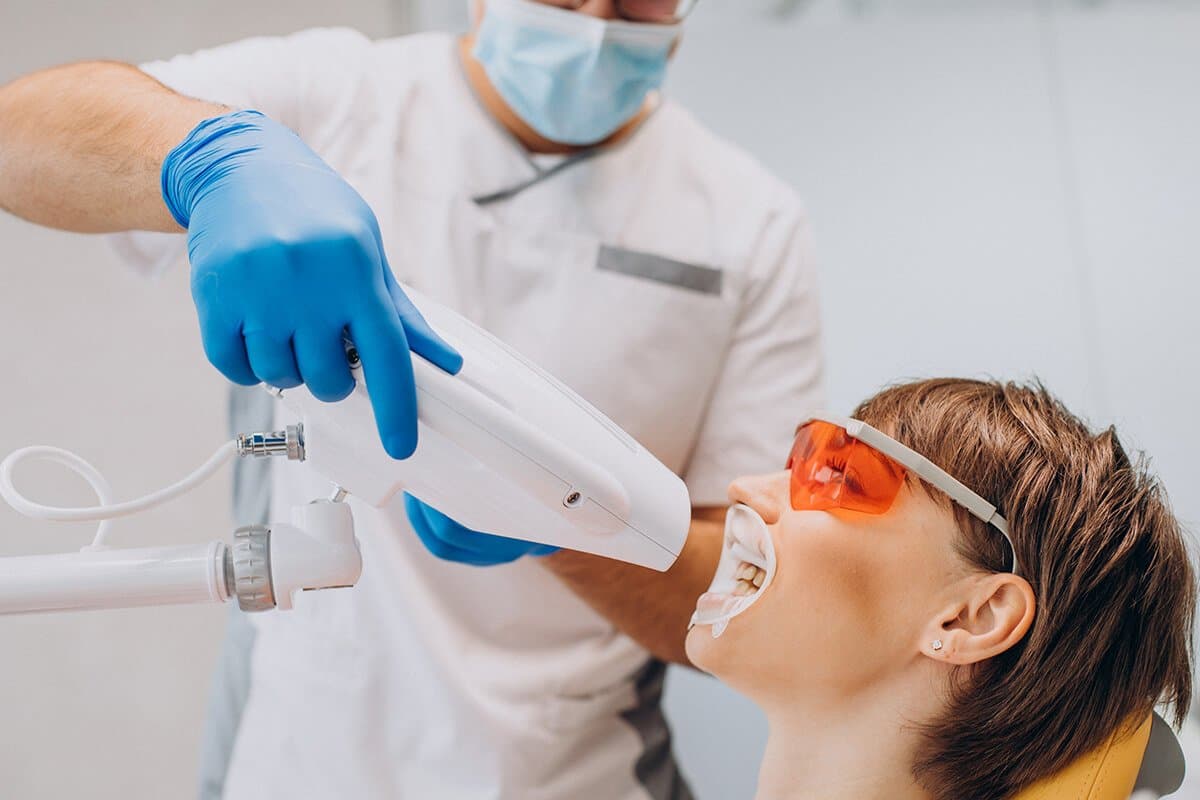
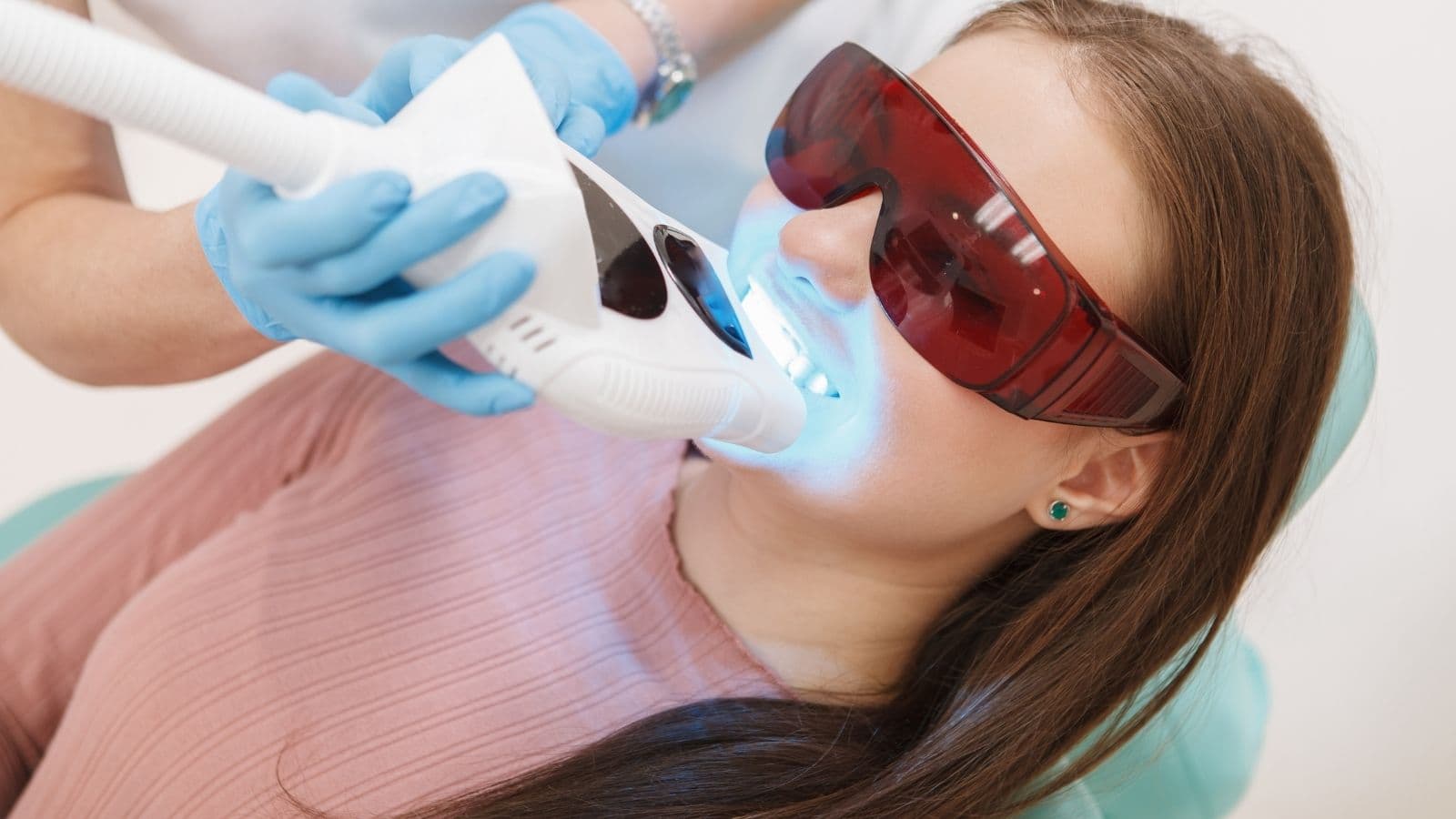
The light or LED systems used in whitening procedures are auxiliary methods intended to support the effect of the gel. These applications are not mandatory for every patient and do not promise a miraculous effect; the result varies according to the tooth structure and the dentist's evaluation.
What matters is that these methods are seen not with exaggerated expectations but as part of the plan. Orthodontic guidance and light-assisted applications are complementary steps that can be beneficial when used with the right indication.
How Long Does Smile Design Take?

The length of time varies according to the scope of the planned procedures and the number of teeth. While whitening alone and minor corrections can be completed in a few sessions, plans that include crowns or orthodontic steps may take longer. The packages below offer a general framework for understanding the difference in scope; the exact duration is determined after the examination.
Another element that affects the duration is the laboratory stage. In procedures such as crowns or veneers, preparing the restorations takes a certain amount of time; for this reason, it is normal to have waiting periods between a few appointments.
Basic Smile Design Package
This scope is generally aimed at people who do not have major structural problems in their teeth. It may include more limited procedures such as teeth whitening, minor shape corrections, and composite repairs.
Because the area of intervention is narrow, the process is mostly short and can be completed in a small number of sessions. It can be a suitable starting point for patients who want a quick and visible refresh.
In this scope, permanent procedures that are difficult to reverse are generally more limited. This can allow the patient to see the change gradually and, if necessary, move on to more comprehensive planning later.
Complete Aesthetic Design Package
This more comprehensive approach is suitable for situations in which multiple procedures are planned together. Applications such as whitening, veneers, or crowns can be evaluated together with gum contouring.
Because the number of procedures increases, the process is spread over several sessions and requires more detailed planning. This scope stands out for patients who are aiming for a holistic change in color, form, and symmetry.
In this type of planning, because the harmony of the teeth with one another and with the face is meticulously evaluated, interim try-ins and check-ups gain importance. The feedback obtained at each stage helps the final result match expectations.
VIP Digital Smile Design Package
This scope refers to a detailed plan in which digital analysis and simulation are used intensively. Personalized digital design, trial applications, and advanced planning steps may take place within this framework.
The process may be longer because of the comprehensive planning and additional preparation steps. It is a suitable option for patients who expect a detailed preview and a high level of personalization at every stage of the process.
Digital planning can make the process more predictable for both the dentist and the patient. Basing the design on numerical data is an approach that supports consistency in the production and application stages.
Aftercare and Points to Note Following Smile Design

The longevity of the aesthetic result depends on care habits after the procedure. A proper care routine can help both preserve the result and maintain oral health. The sections below summarize the basic points to pay attention to.
The care routine should be maintained not only out of aesthetic concern but also to protect oral health. For teeth with crowns or veneers, gum health and the risk of decay should be taken into account just as with natural teeth.
Rules to Follow in the First 24-48 Hours
In the period immediately after the procedure, the teeth and gums may be sensitive. During this time, avoiding very hot or very cold foods and limiting hard and sticky foods may help with comfort.
Especially if whitening has been done, staying away from dark-colored drinks and foods in the first few days may be recommended. The specific instructions given by your dentist always take priority; in case of any discomfort, contacting your clinic is the right approach.
Daily Oral Hygiene and Care Routine
Brushing twice a day and using dental floss supports cleanliness around crowns and veneers. Choosing a soft brush and a non-abrasive toothpaste can help protect the surfaces.
Regular dentist check-ups are also an integral part of care. An examination at least once a year and professional cleaning when necessary can help possible problems be noticed early.
For people who clench or grind their teeth, a night guard that the dentist may recommend can help extend the life of the aesthetic work. Sharing such habits with the dentist allows the care plan to be shaped to suit the individual.
Who Is a Candidate for Smile Design?
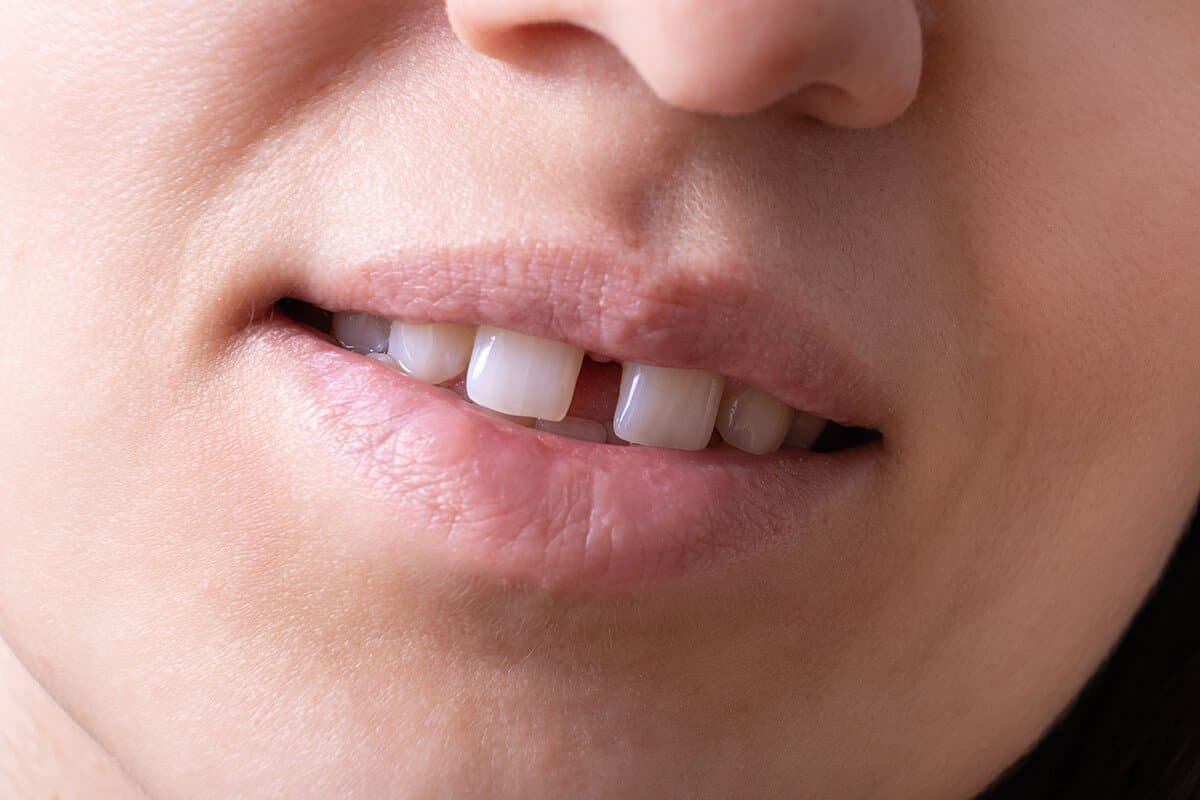
People who are not satisfied with the color, shape, or alignment of their teeth may consider benefiting from this procedure. Yellowing, crooked teeth, gaps between teeth, or a disproportionate gum appearance are among the most common reasons for seeking it.
Patients who have broken or worn teeth and are not satisfied with their old fillings and crowns may also be suitable candidates. In addition, this approach can be an option for people who feel self-conscious when smiling and want a more harmonious appearance.
Age alone is not a determining criterion; what matters is that tooth and gum health are suitable. In individuals who are still growing, the dentist may wait for jaw and tooth development to be completed before permanent procedures.
That said, for every patient the health foundation must be suitable first. If there is untreated decay, gum disease, or advanced bite problems, these may need to be addressed first. The decision on suitability becomes clear through a personalized examination and the dentist's evaluation.
For those who want professional support in this process, a dental clinic in Samsun can provide guidance on both candidacy evaluation and personalized planning. A consultation that begins with realistic expectations is the first step toward a healthy progression of the process.
The Difference Between Smile Design and Dental Crowns
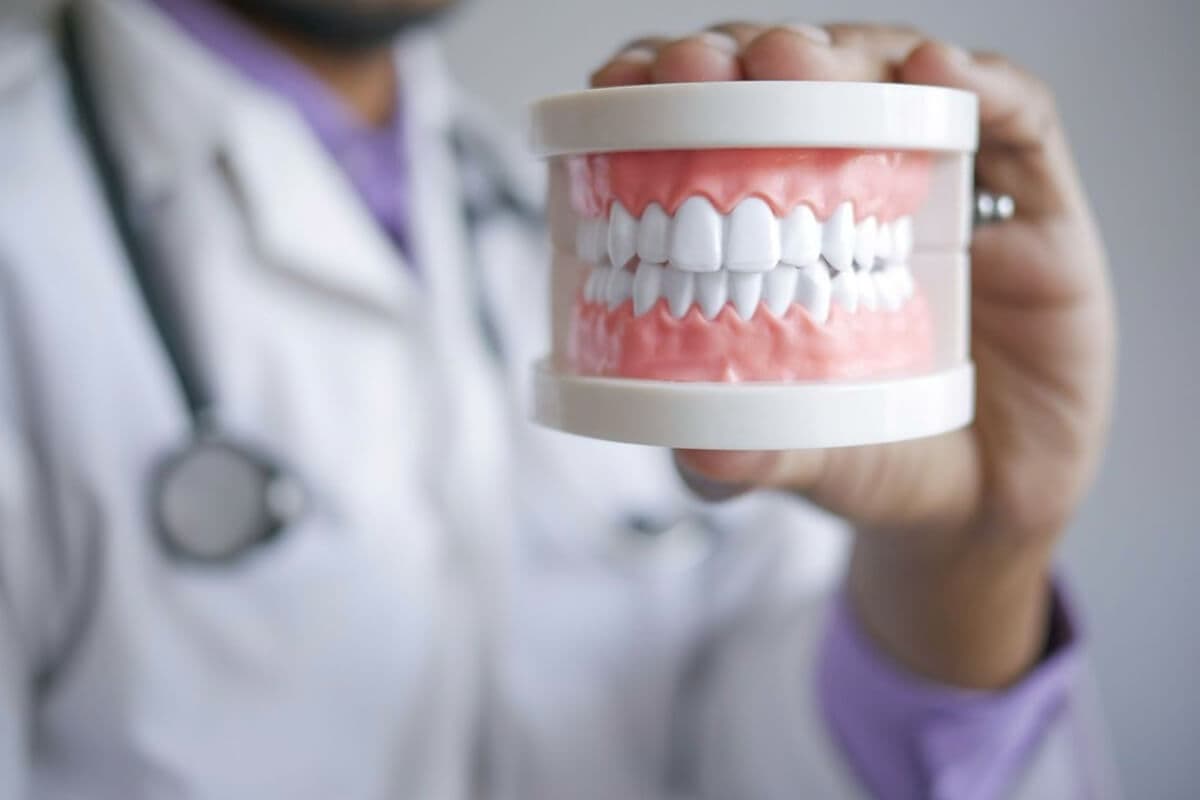
Smile design and dental crowns are often confused, but they are different concepts. Smile design is a holistic planning approach; a dental crown is a single procedure that can be part of this plan. In other words, a crown can be a part of smile design.
In smile design, the teeth are not addressed on their own; color, form, symmetry, gum level, and facial harmony are considered together. A dental crown, on the other hand, focuses on repairing the appearance and function of a single tooth or a few teeth. The table below summarizes this difference.
Comparison | Smile Design | Dental Crown |
Scope | Holistic aesthetic planning | Single repair procedure |
Approach | Color, form, symmetry, and facial harmony together | Appearance and function of a specific tooth |
Content | Multiple methods such as whitening, crowns, veneers, and gum contouring | Zirconia or porcelain crown |
Goal | An overall smile in harmony with the face | Restoration of the relevant tooth |
Knowing this distinction is important for forming the right expectations for the patient. While a crown may be sufficient for someone who has a problem with only one tooth, a holistic plan may make more sense for someone who wants to change the overall harmony of the smile.
In short, a dental crown is a treatment method, whereas smile design is a comprehensive plan that can include these methods. Which of them is suitable is determined according to the person's needs and the dentist's evaluation.
Smile Design Prices in Samsun 2026
It would not be right to give a single fixed price for smile design, because every plan is personalized. The cost varies significantly according to the type of procedures to be performed, the number of teeth, and the scope of the process. For this reason, a realistic figure emerges only after the examination.
One of the most important factors affecting the price is the complexity of the case. A plan that includes only whitening and a plan that covers veneers, crowns, and gum contouring together result in different costs. Preparatory procedures required before treatment, such as treatment of decay or gum disease, can also affect the total amount.
The type of material used is also decisive. Options such as zirconia, porcelain, or veneers have different aesthetic and durability properties, which is reflected in pricing. In addition, the number of teeth, additional procedures, and the scope of digital planning are also among the elements that shape the cost.
Conditions that vary from city to city and clinic to clinic can also affect price ranges. For this reason, when comparing figures from different sources, it is necessary to pay attention to which procedures they cover and whether they are up to date.
For this reason, treating general figures seen on the internet as binding can be misleading. The best approach is to obtain a personalized plan and corresponding price information after a clinical examination and the dentist's evaluation. During the consultation, which procedures are needed and why is also explained in detail.
Conclusion
Smile design in Samsun is a holistic, personally planned aesthetic approach that considers the appearance of the teeth together with facial harmony. When carried out with proper planning, a healthy foundation, and realistic expectations, it can help lead to satisfying results both aesthetically and functionally.
Every stage of the process, from consultation to application and the care that follows, should proceed under the dentist's supervision. Which procedures will be needed, how long it will take, and how the cost will take shape become clear only after the examination.
People who aim for a more even and harmonious smile can, as a first step, make a consultation appointment and learn the evaluation specific to their own situation. An informed and conscious start is the safest way for the process to move forward in a healthy manner.