




 Spec. Dt. Gökcan ErtaşOrthodontist
 Dt. Sena KırcaDentist
 Dt. Sevinç Cansu KayıranDentist
 Assoc. Prof. Dr. Sezin ÖzerPediatric Dentist
 Spec. Dt. Sude Yıldırım BolatSpecialist in Periodontology
Gum bleeding treatment in Samsun is a process aimed at identifying, under the supervision of a periodontology specialist, the underlying cause of gum bleeding that occurs while brushing or on its own, most often gingivitis, and bringing it under control. Bleeding is not a disease in itself; it is an early warning of inflammation in the gums.
Healthy gums do not bleed during proper brushing. For this reason, blood on the toothbrush or in the saliva most often indicates that plaque and tartar that have built up along the gum line are irritating the gums. Ignoring this picture can pave the way for a mild inflammation to progress to deeper tissues over time.
Many people who experience gum bleeding wait for the problem to go away on its own, or make the situation worse by stopping brushing. Yet once the source of this complaint is correctly identified, the bleeding can be largely brought under control. At Dental Prime, gum health is addressed through a dentist's evaluation, and the treatment plan is created individually for you.
What Is Gum Bleeding?
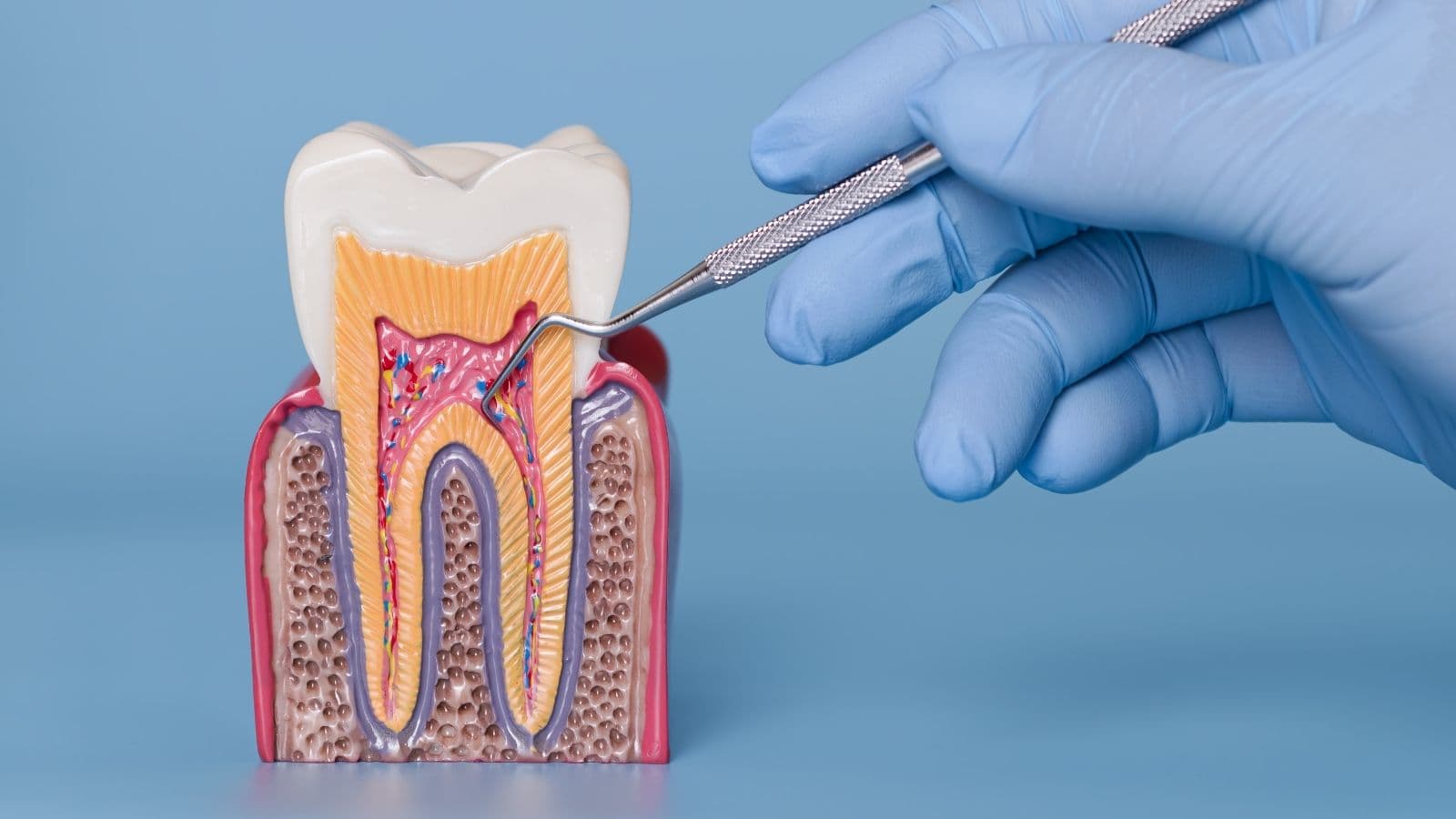
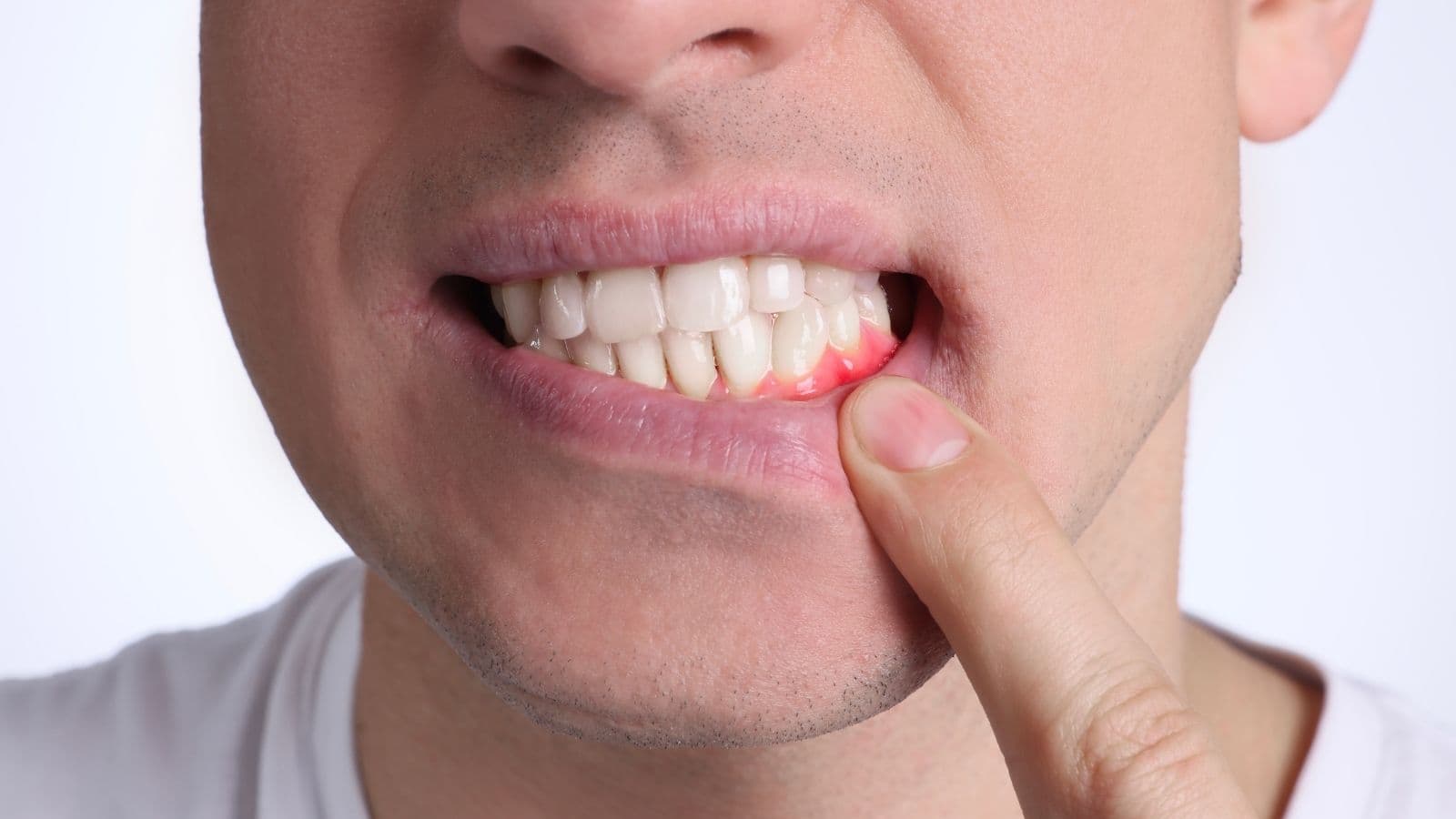
Gum bleeding is when the gums leak blood during brushing or flossing, or sometimes without any stimulus at all. Healthy gum is light pink, firm tissue that fits snugly against the tooth. When bleeding appears, it generally means that an inflammatory process has begun in this tissue.
The most common cause of bleeding is the bacterial plaque that builds up along the gum line inflaming the gums. Inflamed gum vessels become more permeable and fragile; that is why blood can be seen even with a light touch. In other words, in most cases bleeding is a danger signal from the gums.
This complaint sometimes appears intermittently and sometimes recurs with every brushing. If the color has changed from light pink to dark red, or if swelling, tenderness or bad breath accompanies it, it is important to have the picture evaluated by a specialist. Gum bleeding addressed in its early period can be brought under control much more easily than in advanced stages.
Why Do the Gums Bleed While Brushing?

Seeing blood while brushing gives most people the impression that they have hurt their gums. In reality, healthy gums do not bleed when brushed with the correct technique. The real source of bleeding is not the brush itself but the bacterial layer that has built up along the gum line and the inflammation that develops as a result. There are two basic underlying causes.
Plaque and Tartar Build-Up
Plaque is a soft, sticky layer made up of bacteria and food debris that continually forms on the teeth and at the edge of the gums. It can be largely removed with regular and correct brushing. However, plaque that is not cleaned off mineralizes over time, hardens and turns into tartar.
With its hard and rough structure, tartar provides an environment for more bacteria to attach and cannot be cleaned with a brush. This deposit, which settles at and beneath the gum line, constantly irritates the gums and feeds the inflammation. For this reason, in a mouth with tartar, the bleeding complaint is rarely resolved completely by measures taken at home and requires professional cleaning.
When plaque is not cleaned, it begins to mineralize within just a few days; that is why tartar formation often develops in several areas at the same time. In particular, the back surface of the lower front teeth and the area around the upper back teeth, because of their proximity to the salivary glands, are the places where tartar most often settles. This deposit, which cannot always be easily noticed by eye, is the main factor that explains why the bleeding cannot be corrected. Cleaning tartar early is one of the most effective ways of preventing the inflammation from progressing.
Gingivitis
Gingivitis is the mildest and most common form of gum disease; it is known in everyday language as gum inflammation. When plaque and tartar irritate the gums, the gums become red and swollen and bleed easily during brushing. At this stage, the attachment between the gum and the tooth and the bone beneath have not yet been damaged.
The most important feature of gingivitis is that it can be largely reversed with appropriate treatment and regular oral care. If this complaint is ignored and the inflammation progresses to the supporting tissues beneath the gums, the picture can turn into periodontitis. Since more serious problems such as gum recession, bone loss and, over time, loose teeth can appear in periodontitis, intervention during the gingivitis stage is of great importance.
The insidious side of gingivitis is that it often progresses without causing pain. For this reason, many people do not see bleeding as a serious problem and put off seeing a dentist. Yet gum inflammation noticed in its early stage can usually be brought under control within a short time with a simple professional cleaning and correct oral care. Evaluating the bleeding without waiting for pain makes the treatment both easier and less extensive.
When Should Gum Bleeding Be Taken Seriously?

Mild bleeding that occurs occasionally and in a single area can often be due to temporary irritation. In some cases, however, bleeding is a sign of a gum problem that needs to be addressed or of a condition that concerns general health. The following symptoms require evaluation by a dentist.
Bleeding that has continued for several weeks and does not decrease despite regular oral care
Noticeable redness, swelling, tenderness or recession of the gums
Gum bleeding that appears on its own, without brushing
Constant bad breath or a metallic taste in the mouth accompanying the bleeding
A feeling of movement or looseness in the teeth, or of gaps opening between the teeth
Use of blood-thinning medication or a known bleeding disorder
If you have one or more of these symptoms, it is important that the cause of the gum bleeding be determined by a periodontology specialist. Early evaluation both reveals the source of the bleeding and helps bring the process under control before deeper tissues are affected.
Gum bleeding is sometimes not only a problem that concerns the mouth. In some cases where the bleeding is widespread and persistent, the picture may also point to a factor related to general health. For this reason, especially for bleeding that has continued for a long time, appears in more than one area, or does not subside despite regular care, a dentist's evaluation is valuable not only for gum health but also as a general check-up. Early consultation contributes to a shorter and more comfortable course of treatment.
Do Home Remedies Stop the Bleeding Permanently?

Using a soft-bristled brush, brushing twice a day with the correct technique, cleaning between the teeth with dental floss and, in cases your dentist considers appropriate, gargling with salt water are valuable habits that support gum health. These steps can help mild bleeding subside by reducing plaque build-up.
However, measures taken at home have a limit. A brush and dental floss can only remove soft plaque; they cannot act on tartar that has attached to the gums and hardened. If there is tartar or an inflammation settled in the gum pocket underlying the bleeding, home care may temporarily relieve the symptom but does not eliminate the source of the problem.
For this reason, the way to bring bleeding permanently under control is through having its source cleaned by a dentist. Home care is not an alternative to treatment but a support that complements the treatment and helps maintain the result. The most correct approach is to continue your home care while also showing the condition to a specialist.
Gum Bleeding Treatment Process
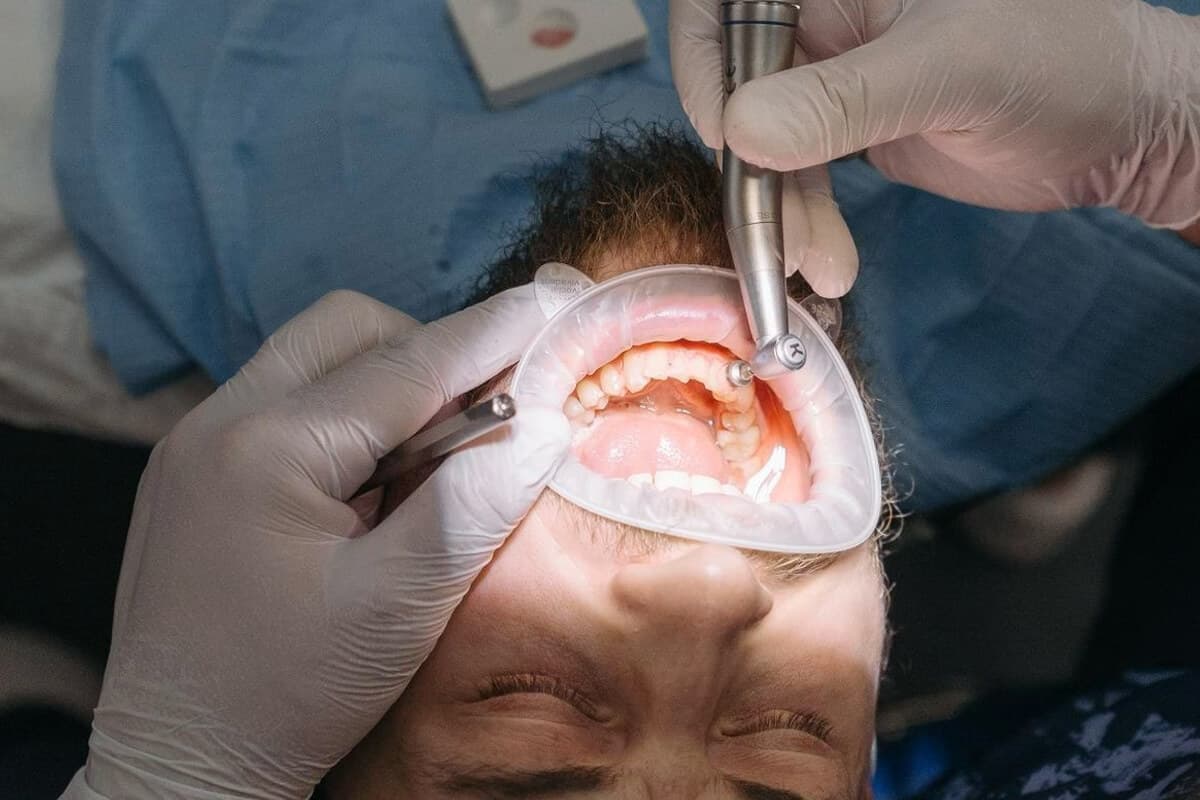
Treatment begins with an examination and, when necessary, an X-ray evaluation. The aim is to identify the cause of the bleeding and to clean the deposits that feed the inflammation in the gums. The procedure to be applied is determined according to whether the inflammation is superficial or has progressed into the gum pocket.
Every patient's situation is different, and the treatment plan is created individually after the examination. Correctly identifying the source of the bleeding is the most critical step in showing which procedure will be sufficient.
The treatment process basically proceeds in two stages.
Scaling (Detartrage)
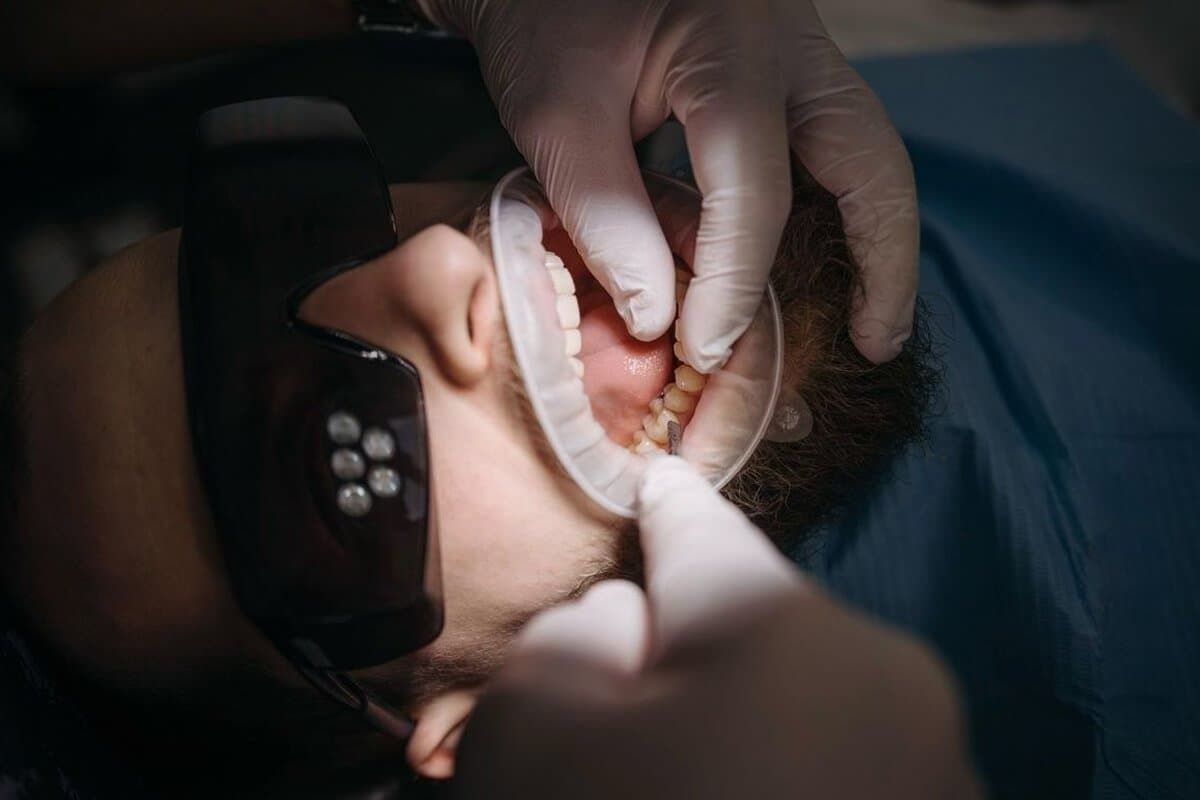
Scaling (detartrage) is the procedure known in everyday language as tartar removal. The plaque and tartar that have built up on the tooth surface and along the gum line are removed with special tips without harming the tooth. Once the main source feeding the inflammation is cleaned, the gums begin to repair themselves and the bleeding noticeably subsides in most cases.
In gum bleeding caused by gingivitis, the picture can generally be brought largely under control with scaling followed by oral care education. Depending on the amount of deposit, the procedure can be completed in one or several sessions. Temporary sensitivity in the gums during the first days after scaling is normal, and it decreases over time as the inflammation subsides.
Whether the result achieved by scaling is lasting depends on the oral care maintained after the procedure. If plaque build-up starts again after the tartar is cleaned, the bleeding may recur after a while. For this reason, after the procedure the dentist shows you the brushing and flossing technique suited to you. Check-ups at regular intervals also help prevent the deposit from advancing again and support maintaining the healthy picture that has been achieved.
Subgingival Curettage for Deep Infections
When the inflammation has progressed beneath the gum line, that is, into the gum pockets, superficial cleaning alone may not be sufficient. Subgingival curettage is a deeper procedure that cleans the tartar, bacteria and inflamed tissue that have settled on the tooth root surface inside the gum pocket. In this way, the aim is for the gum to reattach to the root in a healthy manner.
This procedure is generally performed comfortably with the area numbed, and may require more than one session in cases with deep pockets. Following the oral care recommended by your dentist after curettage and attending the recommended check-ups are decisive in maintaining the result. In advanced stages of this complaint, regular follow-up of the process by a specialist is of great importance.
Gum Bleeding Treatment Prices in Samsun 2026
The cost of gum bleeding treatment is different for every patient, because treatment does not consist of a single standard procedure. For this reason, giving a definite amount would not be accurate without an examination. What determines the price is the source of the bleeding and the scope of the procedure needed to eliminate that source. The main factors are as follows.
The underlying cause of the bleeding: whether it is superficial gingivitis or a deeper gum inflammation
The type of procedure required: whether only scaling is needed, or subgingival curettage
The number of areas to be treated and how widely the inflammation has spread in the mouth
The number of sessions required depending on the amount of tartar and deposit
The evaluation and treatment plan of the periodontology specialist planning the procedure
Because these factors vary from patient to patient, the most accurate information can only be obtained after an examination.
At the examination, the cause of the bleeding is determined, an intraoral and, when necessary, X-ray evaluation is made, and you are given clear information along with your personalized treatment plan. Before making a decision, we recommend that you be evaluated by a periodontology specialist in Samsun.
Conclusion
Gum bleeding treatment in Samsun is a process aimed at identifying the cause of gum bleeding that occurs while brushing or on its own and bringing it under control under a dentist's supervision. Although bleeding may look like a minor symptom, in most cases it is an early warning of a reversible inflammation such as gingivitis.
When addressed early, this complaint can usually be largely reversed with scaling and regular oral care. Ignoring bleeding, however, can allow the inflammation to progress to deeper tissues and pave the way for conditions that require more extensive treatment. For this reason, the most correct approach is to see bleeding as a warning.
If you notice ongoing bleeding in your gums, we recommend showing the condition to a specialist while continuing your home care. With the right diagnosis and a personalized plan, it is possible to protect your gum health and bring the bleeding under control.