

 Spec. Dt. Gökcan ErtaşOrthodontist
 Dt. Sena KırcaDentist
 Dt. Sevinç Cansu KayıranDentist
 Assoc. Prof. Dr. Sezin ÖzerPediatric Dentist
 Spec. Dt. Sude Yıldırım BolatSpecialist in Periodontology

Restorative dental treatment in Samsun is the collective name for dental procedures that aim to restore both the function and the natural appearance of teeth that are decayed, broken, worn, or traumatized. For people who have difficulty chewing, sensitivity, or aesthetic concerns, the suitable repair method can be determined through the dentist’s evaluation.
Loss of tooth structure can range widely, from a single small cavity to advanced material loss. For this reason, there is no single standard solution for every patient; the right approach is planned according to the condition of the tooth and the person’s expectations. Early intervention can, in most cases, help save the tooth.
In this article you will find a clear explanation of what restorative treatment is, which methods it covers, how the treatment process unfolds, and what to pay attention to afterward. An examination by a dentist is always essential for a personalized plan.
Dental Prime, one of the clinics serving in this field in Samsun, offers an evaluation and planning process according to patients’ needs. The sections below are prepared to answer the basic questions about the treatment and to help you make an informed decision.
What Is Restorative Dental Treatment?
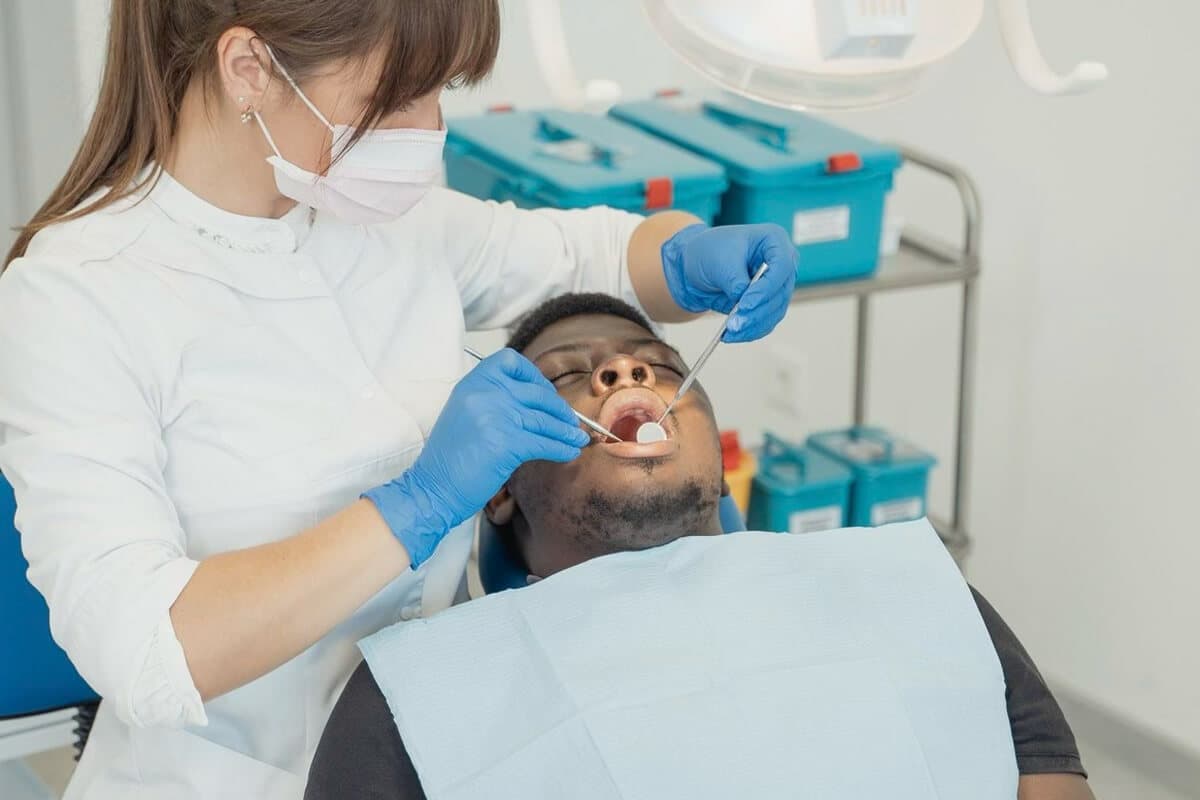
Restorative dental treatment is a branch of dentistry that aims to rebuild the health, function, and appearance of the tooth by repairing damaged tooth tissue. Material losses resulting from decay, fracture, wear, or the deterioration of an old restoration are addressed within this scope.
The aim is not only to improve appearance but also to make sure the tooth can continue its chewing function. A loss of structure that is not repaired can progress over time, which may lead to the need for more extensive procedures. For this reason, restorative procedures also play a protective role.
These treatments generally include composite fillings, porcelain crowns, inlay and onlay restorations, and, when needed, strengthening procedures after root canal treatment. Which method is suitable is determined by the dentist according to the size of the decay, the position of the tooth, and the amount of sound tissue remaining.
The gum level, the patient’s general oral hygiene, and habits such as teeth clenching, if present, also influence the plan. For this reason, a problem that looks similar in two different patients may require different solutions. A correct diagnosis is the first step toward a successful result.
Restorative dentistry is also closely related to preventive and cosmetic dentistry. While repairing existing damage, it also aims for the tooth to stay healthy for a long time and keep its natural appearance. This holistic approach turns treatment from merely a repair procedure into a process that protects oral health.
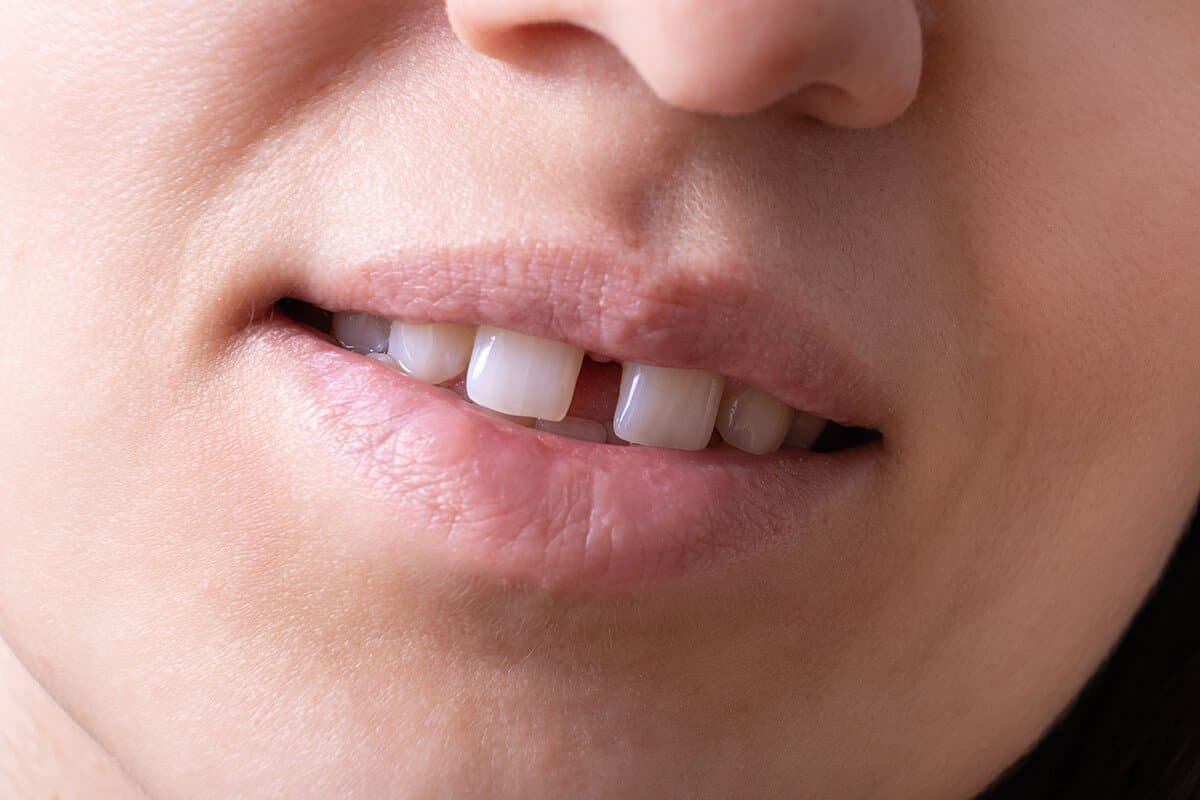
The situations in which restorative treatment is needed are quite varied. Teeth that have lost structure to decay, fractures or cracks, the renewal of worn-out fillings, and shape irregularities caused by wear are the most common examples. Which method is suitable is determined by evaluating the condition of the tooth, the amount of sound tissue remaining, and the patient’s expectations together.
Restorative Dental Treatment Packages Offered in Samsun

Restorative treatments are not a single procedure; depending on the type of case, different methods can be planned together. Below we explain the most commonly used groups of procedures and the situations in which they may be preferred. Which method suits you becomes clear after an examination.
Composite Filling and Cosmetic Repair Packages
A composite filling is a repair made with a resin-based material matched to the tooth color. After the decay is removed, the resulting space is filled with this material and hardened layer by layer with a special light; in this way, the aim is to achieve an appearance close to the natural structure of the tooth. It is frequently preferred for aesthetic reasons, especially on front teeth.
Within cosmetic repair, small chips, edge wear, and gaps between teeth can also be corrected with composite material. These procedures can mostly be completed in a single visit and can be done with minimal removal of tooth tissue. One advantage of composite restorations is that they can be repaired and re-polished when needed; the lasting quality of the results depends largely on care habits.
Composite procedures may not always be ideal for large losses of structure. In advanced cases, the dentist may recommend porcelain restorations for a more durable solution. This assessment is made by taking into account the chewing force on the tooth and the amount of tissue remaining.
Another advantage of composite is that, in most cases, it can be applied only to the damaged area without requiring additional preparation of the tooth. This helps preserve sound tooth tissue. However, since staining or slight wear may be seen over time, composite restorations can keep their function longer when supported by regular check-ups and re-polishing when needed.
Porcelain Crowns and Veneer Procedures
Porcelain crowns are restorations that support the tooth by covering the outer surface of teeth with advanced loss of structure, fractured teeth, or teeth that have had root canal treatment. Because of their durability and their structure close to natural appearance, they may be preferred especially on teeth that carry a chewing load.
Veneers, on the other hand, are thin layers of porcelain or composite bonded only to the front surface of the tooth. They can be used to aesthetically correct color, shape, and slight position irregularities. They generally require removing a thin amount from the tooth surface; in some cases they can also be applied with minimal preparation.
Because porcelain veneers are prepared individually in a laboratory, they generally require more than one visit; composite veneers, on the other hand, can be applied chairside in a single visit. Which option is suitable is evaluated by the dentist according to the patient’s aesthetic expectations, budget, and the current condition of the teeth. Both methods can give good results when used for the right indication.
Inlay and onlay restorations are intermediate solutions positioned between a composite filling and a full crown. Porcelain or composite pieces, prepared individually in a laboratory after an impression of the tooth is taken, are bonded onto the tooth for medium-to-large losses of structure. This method can offer a durable repair while preserving sound tissue to a great extent.
The choice among crowns, veneers, and inlays-onlays varies according to how sound the tooth is and the aesthetic expectation. In cases where sound tissue is largely preserved, more conservative options may come to the fore, while for advanced damage a full crown may be more suitable. The decision is made together with your dentist.
Method | Typical Area of Use | Approach to Application |
Composite filling | Small-to-medium cavities and chips, front-area aesthetics | Mostly a single visit, chairside |
Inlay-onlay | Medium-to-large loss of structure | Impression taken, laboratory fabrication |
Porcelain crown | Advanced loss of structure, teeth after root canal treatment | Multiple visits, laboratory fabrication |
Veneer | Front-area color and shape correction | Multiple visits for porcelain, a single visit for composite |
Endodontic Treatment and Complex Restoration
When decay progresses to the nerve of the tooth or inflammation develops, endodontic treatment, that is, root canal treatment, comes into play. In this procedure, the damaged or infected pulp inside the tooth is cleaned, and the canals are disinfected and filled with a suitable filling material.
Because teeth that have had root canal treatment can become brittle over time, a restoration is usually recommended on top of them. Depending on the level of structure loss, the durability of the tooth can be supported with a composite filling, an inlay-onlay, or a porcelain crown. This can help the tooth keep its function for a long time.
In advanced cases, multiple teeth, gum treatment, or prosthetic planning can be handled together. Such complex restorations require detailed planning to establish the harmony between teeth and the bite correctly. The process is carried out in stages determined by the dentist.
In complex cases, the aim is not only to repair a single tooth but to keep the entire chewing system in balance. A bite irregularity in one tooth can place extra load on neighboring teeth; for this reason, the dentist evaluates the whole jaw together. A staged roadmap can help both the treatment progress predictably and the patient adapt to the process.
Treatment Process Steps and Time Planning
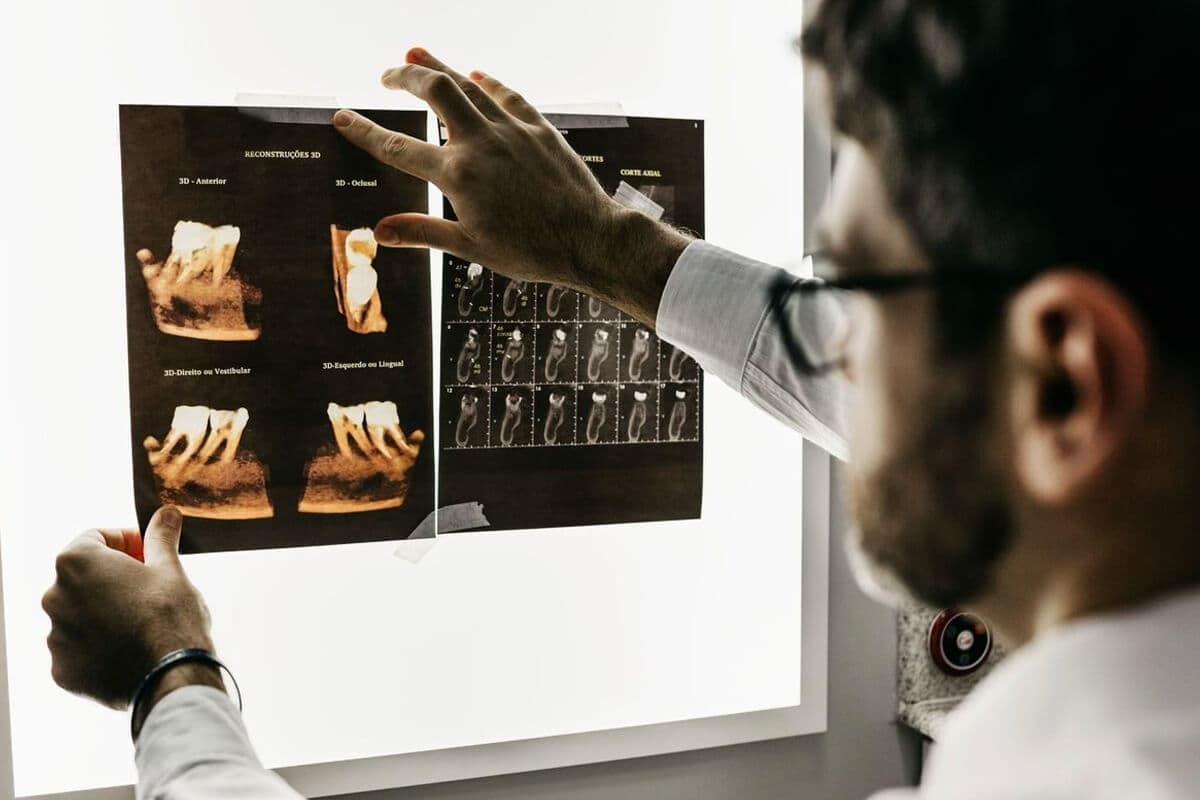
Restorative treatment is carried out following a certain order, not at random. Understanding the process clearly helps the patient keep expectations realistic and plan appointments better. Below we explain the main stages of a typical treatment.
Initial Examination and Diagnosis Stage
The process begins with an intraoral examination and, when deemed necessary, radiographic imaging. The dentist evaluates the depth of the decay, the condition of the tooth’s nerve, gum health, and the amount of sound tissue remaining. This stage forms the foundation of a correct treatment plan.
During the examination, the patient’s complaints, history of sensitivity, and general health are also taken into account. In some cases, problems that cannot be seen with the eye can only be detected with an X-ray. For this reason, the diagnosis stage should not be skipped and the whole picture should be evaluated as a whole.
The medications the patient uses, their systemic conditions, and the dental treatments they have had before can also affect the plan. For example, if there is gum inflammation, it may need to be brought under control before the restoration. The right sequencing is an important detail that supports both the success of the procedure and the durability of the result.
Treatment Planning and Cost Estimate
After the diagnosis is complete, the dentist shares the methods to be used, the number of visits needed, and possible alternatives with the patient. At this stage the patient’s questions are answered and expectations are clarified. Transparent planning allows the treatment process to progress more predictably.
In restorative treatment, cost cannot be expressed with a single fixed figure, because every case is different. The number of teeth to be treated, the complexity of the case, the number of tooth surfaces treated, the type of material chosen, and whether additional procedures are needed are the main factors that directly affect the price.
For example, a single small filling and a plan covering multiple teeth that includes root canal treatment and crowns cannot be assessed with the same budget. As a general rule, porcelain restorations that require a laboratory process involve more extensive preparation than composite procedures done chairside. For this reason, a dental examination and a personalized consultation are essential for a clear cost; figures given remotely can be misleading.
A detailed treatment and payment plan can be created during the consultation. This way you learn in advance why each procedure is needed and which options are available. Making an informed decision is important for both budget and treatment comfort.
It is also useful to evaluate the cost not only by the procedure fee but also in terms of long-term value. Although a more durable restoration may require a larger investment at the start, the number of renewals it may need can be lower. The dentist can transparently explain the advantages and limitations of different options according to the patient’s priorities.
Treatment Sessions and Follow-Up Appointments
Depending on the type of case, the planned procedures can be done in a single visit or spread across several appointments. While a simple composite filling is mostly completed in one session, porcelain crowns or inlay-onlay restorations that require an impression, and procedures to be done after root canal treatment, may require more than one visit.
After treatment is completed, follow-up appointments are important. The dentist checks the fit of the restoration, the bite, and gum health, and makes small adjustments if needed. Regular check-ups can help detect possible problems early.
The patient’s keeping these appointments is valuable for the long-term success of the treatment. If any sensitivity, discomfort, or bite problem is felt, it is recommended to let the clinic know without waiting for the next appointment. Early communication makes things easier in most cases.
The total duration of treatment varies markedly depending on the case. While a single simple filling can be completed in a short session, a multi-stage plan can be spread over several weeks. This is both because laboratory fabrication takes time and because breaks may be needed for the tissues to heal. When this time planning is shared from the start, it makes the process more comfortable for the patient.
Technology and Materials Used in Restorative Dental Treatment
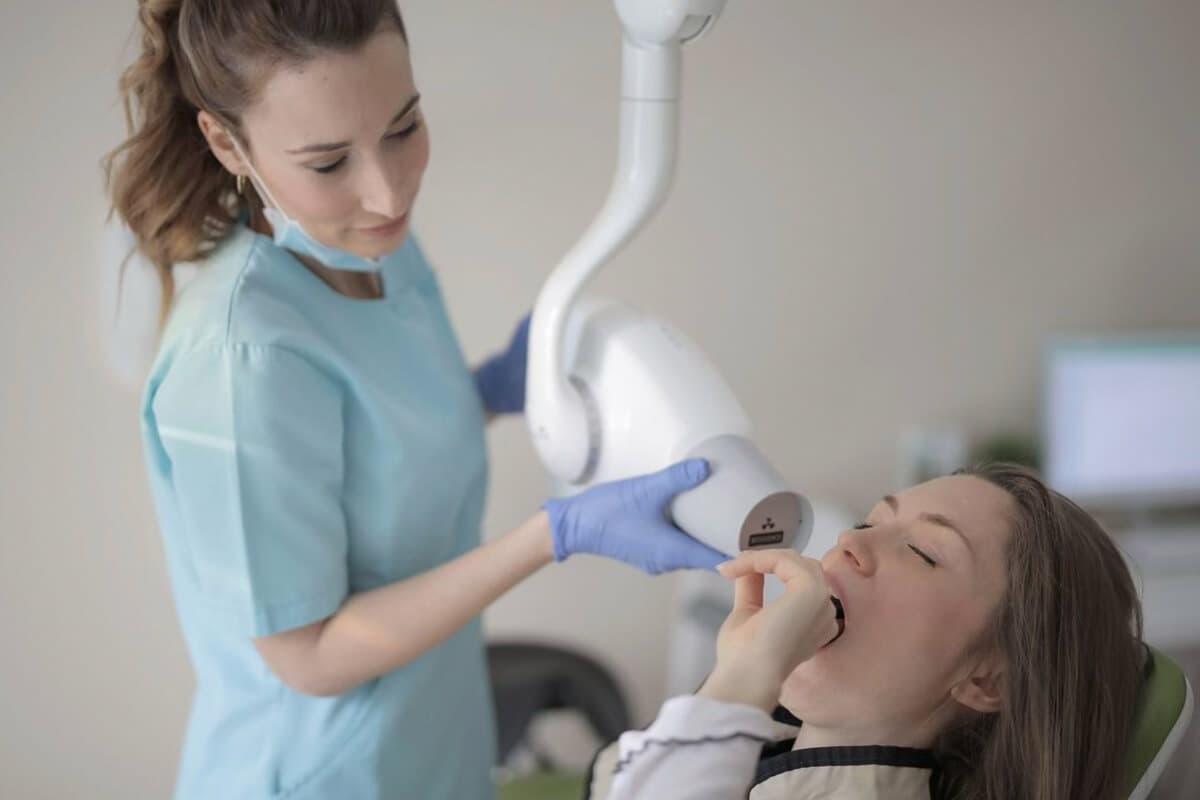
The result of restorative treatment depends not only on the skill of the procedure but also on the quality of the technology and materials used. Modern methods can help the dentist work more precisely and help restorations fit the tooth better.
Digital Design Technologies
In digital dentistry, CAD/CAM systems allow restorations to be designed on a computer and produced with computer-controlled machines. Thanks to intraoral scanners, more comfortable and precise impressions can be taken compared with classic impression methods; this can reduce the margin of error that may occur during the impression.
This approach can increase repeatability and dimensional accuracy in production. Digital design makes it possible to evaluate the restoration in a virtual environment before it is seated on the tooth; this can help resolve possible misfits at an early stage.
Not every case may be suitable for digital methods, and the use of technology depends on the dentist’s evaluation. Even so, digital workflows have become an important tool that supports the planning and production process, especially for restorations such as crowns and inlays-onlays.
Filling Materials Used and Quality Standards
In restorative treatment, different materials such as composite resin, ceramic, lithium disilicate, and zirconia can be used. Each has its own advantages in terms of durability, aesthetics, and area of use. The choice is made according to the position of the tooth and expectations.
While aesthetics are the priority in the front area, durable materials that can carry the chewing load may come to the fore for the back teeth. Composite resins offer color match and conservative application, while ceramic and zirconia-based materials may be preferred for durability. Lithium disilicate is known for offering aesthetics and strength together.
In choosing a material, along with durability, harmony with the tooth’s natural color and translucency is also important. Especially for teeth on the smile line, the restoration is expected to be indistinguishable from the neighboring teeth. For this reason, the dentist determines the shade selection and surface texture using the patient’s own teeth as a reference.
Quality standards include the material being certified and suitable for clinical use. A dental clinic in Samsun that is sought after in the field takes care to inform the patient about the quality of the materials it uses and its application protocols. This transparency is important for trust.
Care After Restorative Dental Treatment

The success of treatment is not limited to the procedure done in the clinic; the care afterward is at least as decisive. The right habits can help extend the life of restorations and prevent new problems.
After the procedure, hot-cold sensitivity may be felt for a while; this is mostly temporary and may decrease over time. If marked or long-lasting pain is experienced, you should consult your dentist. In the first days, it may be helpful to protect the tooth from excessively hard chewing forces.
Daily toothbrushing, flossing, and regular oral care help reduce bacterial buildup at the edges of the restoration and the risk of secondary decay. Auxiliary tools such as interdental brushes can also support cleaning between the teeth. Teeth with restorations need meticulous hygiene just like natural teeth.
For people who clench or grind their teeth, the dentist may recommend a protective night guard. Avoiding habits such as cutting very hard foods or biting objects such as ice or pens can also help protect the restorations.
Eating habits can also affect the life of restorations. Frequent consumption of very acidic and sugary foods can cause problems over time both on the natural tooth surface and at the edges of restorations. A balanced diet and cleaning the mouth after meals are simple but effective habits that help reduce this risk.
Regular check-up appointments are the safest way to monitor the condition of the restoration and dental health. Thanks to check-ups done at least once a year, possible wear or margin gaps can be noticed early; this makes it easier to solve them with smaller interventions. In check-ups, professional cleaning can also be done, removing deposits in areas the brush cannot reach.
Long-term success is closely related to regular check-ups. Examinations done every six months make it possible to monitor the condition of the restorations and the health of the surrounding teeth. Small problems noticed early can be solved before they turn into more extensive procedures; this increases both the life of the tooth and treatment comfort.
Conclusion
Restorative dental treatment in Samsun is a comprehensive process that aims to protect oral health by restoring the function and appearance of damaged teeth. A correct diagnosis, the choice of a suitable method, and the care afterward together determine the quality of the result.
From composite fillings to porcelain crowns, from inlay-onlay restorations to strengthening after root canal treatment, each method has its own area of use. Which one is suitable can only become clear with a dental examination; for this reason, early evaluation is important.
For a clear treatment and cost plan, the healthiest step is to get a personalized consultation. The earlier a problem in your teeth is addressed, the simpler and more comfortable its solution can be. An informed decision is the foundation of a healthy smile.