Spec. Dt. Gökcan ErtaşOrthodontist
 Dt. Sena KırcaDentist
 Dt. Sevinç Cansu KayıranDentist
 Assoc. Prof. Dr. Sezin ÖzerPediatric Dentist
 Spec. Dt. Sude Yıldırım BolatSpecialist in Periodontology
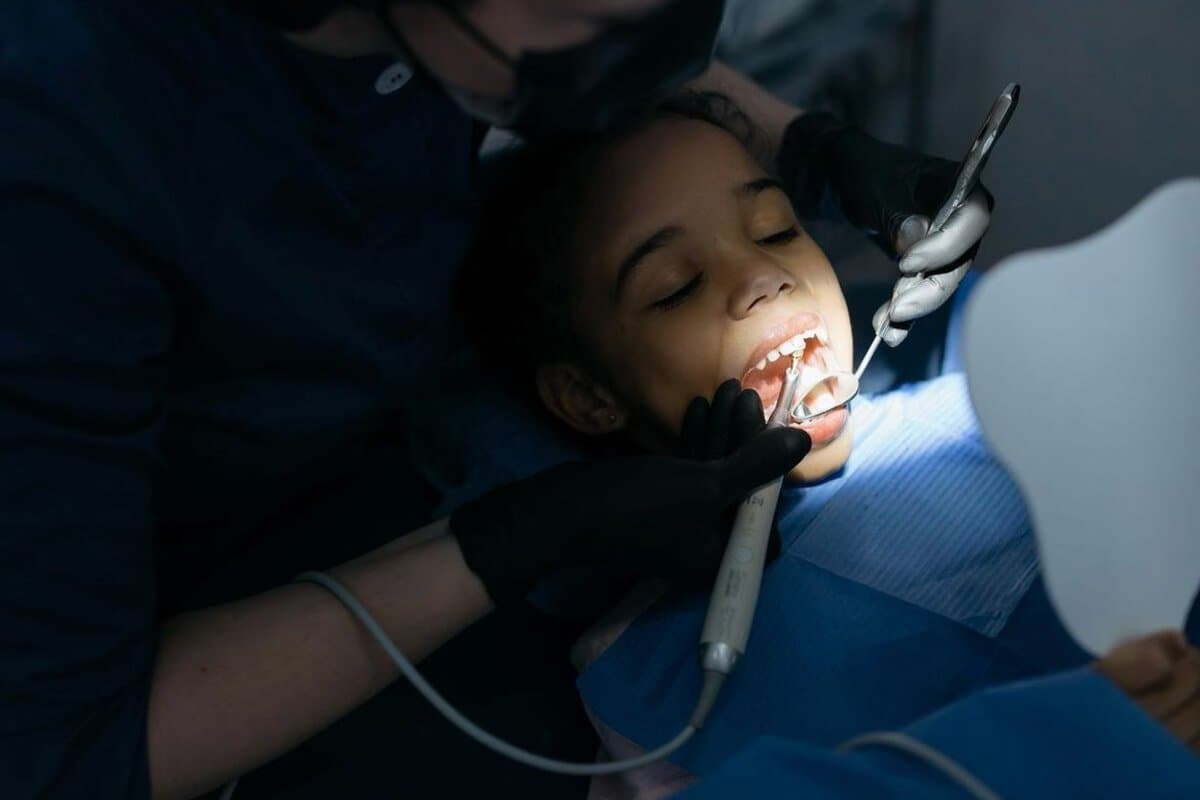
Pulp amputation in Samsun is a pediatric dental treatment in which the crown portion of the pulp tissue that has become inflamed due to deep decay in baby teeth is removed and the root portion is preserved in its healthy state. The goal is to keep the baby tooth in the mouth rather than extracting it at an early age, helping the permanent tooth erupt at the right time and properly. This procedure is a safe method commonly used in pediatric dentistry and can usually be completed in a single session.
Baby teeth are not merely temporary structures used until the permanent teeth come in; they guide the development of the jawbone, chewing function, and the correct placement of the permanent teeth in sequence. For this reason, when pulp inflammation develops due to deep decay, preserving the tooth with amputation in suitable cases is preferred over extracting it right away. This treatment, whose suitability is determined by the dentist's evaluation, puts the child's comfort and future dental health first.
If you have concerns about your child's dental health in Samsun, an accurate diagnosis and a gentle approach make a difference. As the Dental Prime team, we aim to make our young patients' treatment process as comfortable and understandable as possible. In this article, we cover in detail what amputation treatment is, in which situations it is performed, and our process in Samsun.
What Is Tooth Amputation?
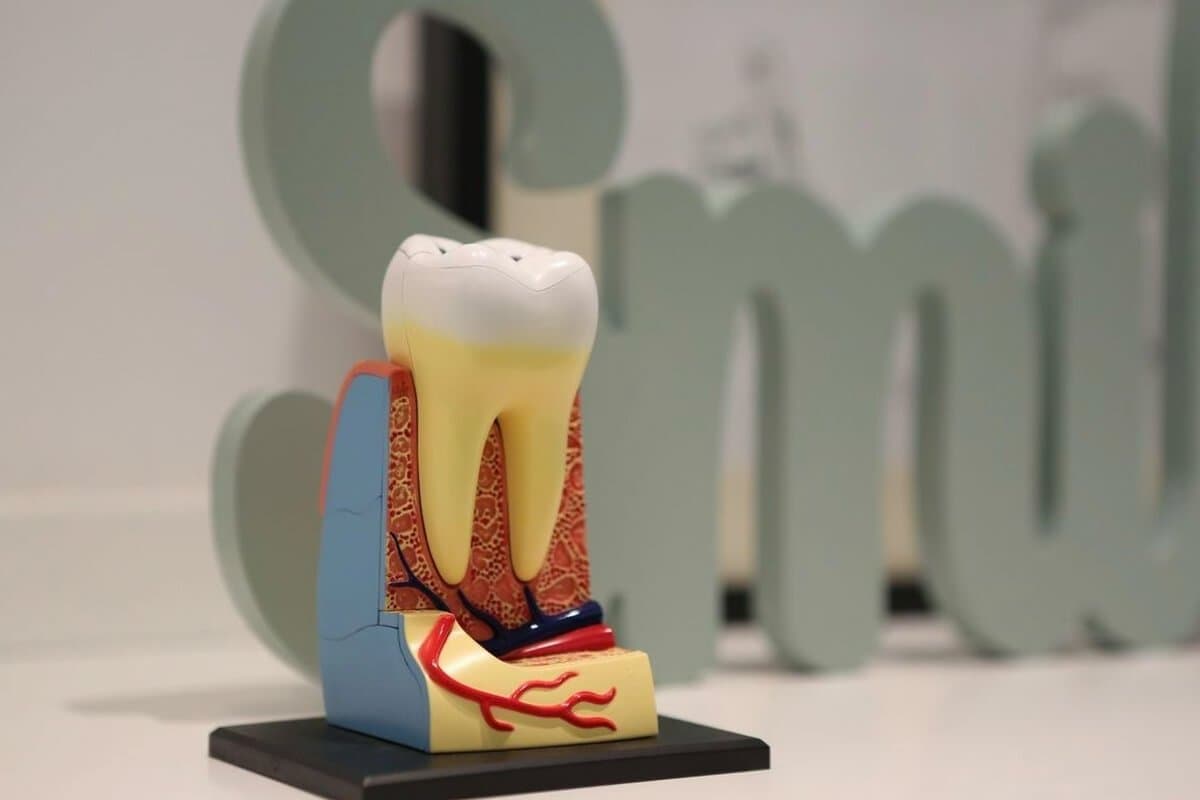
Tooth amputation, also called pulpotomy in medical terms, is a type of nerve treatment applied to baby teeth. The pulp tissue inside the tooth consists of two parts, the crown portion and the root portion; when deep decay progresses, the pulp in the crown portion is usually affected first. In the amputation procedure, only the inflamed crown pulp is removed, and the healthy tissue in the root portion is left as it is.
This treatment can be performed in cases where the tooth has not completely lost its vitality and the root pulp is still healthy. The dentist determines which part of the pulp is affected through a dental X-ray and clinical examination; if the root pulp is also inflamed, root canal treatment comes into question instead of amputation. For this reason, an accurate diagnosis is a decisive step for the success of the treatment.
Amputation is generally performed on baby molars in the 3-9 age range, because deep decay is common during this period and there is still a long time until the permanent teeth erupt. Since the extraction of baby teeth is most often needed in this age group, amputation is a treatment option frequently used in everyday practice in pediatric dentistry. Regular dental checkups at an early age make it easier to notice such needs in time.
Short-lived, temporary sensitivity to hot and cold foods
Toothache that comes and goes due to deep decay
Decay that appears close to the pulp or in contact with the pulp on a dental X-ray
Mild pain that increases at night and decreases in the morning
When one or several of these signs are seen, it is recommended that families take the child to a pediatric dentist without delay. Early intervention increases the chance of preserving the tooth with amputation; in case of delay, the inflammation may progress to the root pulp and a more extensive treatment may be required.
The material applied to the root openings after the crown pulp is removed is chosen by the dentist according to the characteristics of the case; today, reliable materials compatible with the tissue are preferred to help keep the root pulp healthy. This choice is important for the long-term health of the tooth and depends on the dentist's clinical evaluation. Regardless of the material chosen, the main purpose of the procedure is to preserve the vitality of the root pulp and keep the tooth in the mouth.
After amputation, the condition of the tooth is closely monitored by the dentist at routine dental checkups. X-ray images are evaluated at regular intervals to confirm that the root pulp remains healthy and the inflammation has not progressed. This follow-up process makes it possible to notice a possible complication early and to plan additional treatment when necessary.
Why Do We Perform Amputation Instead of Extraction?
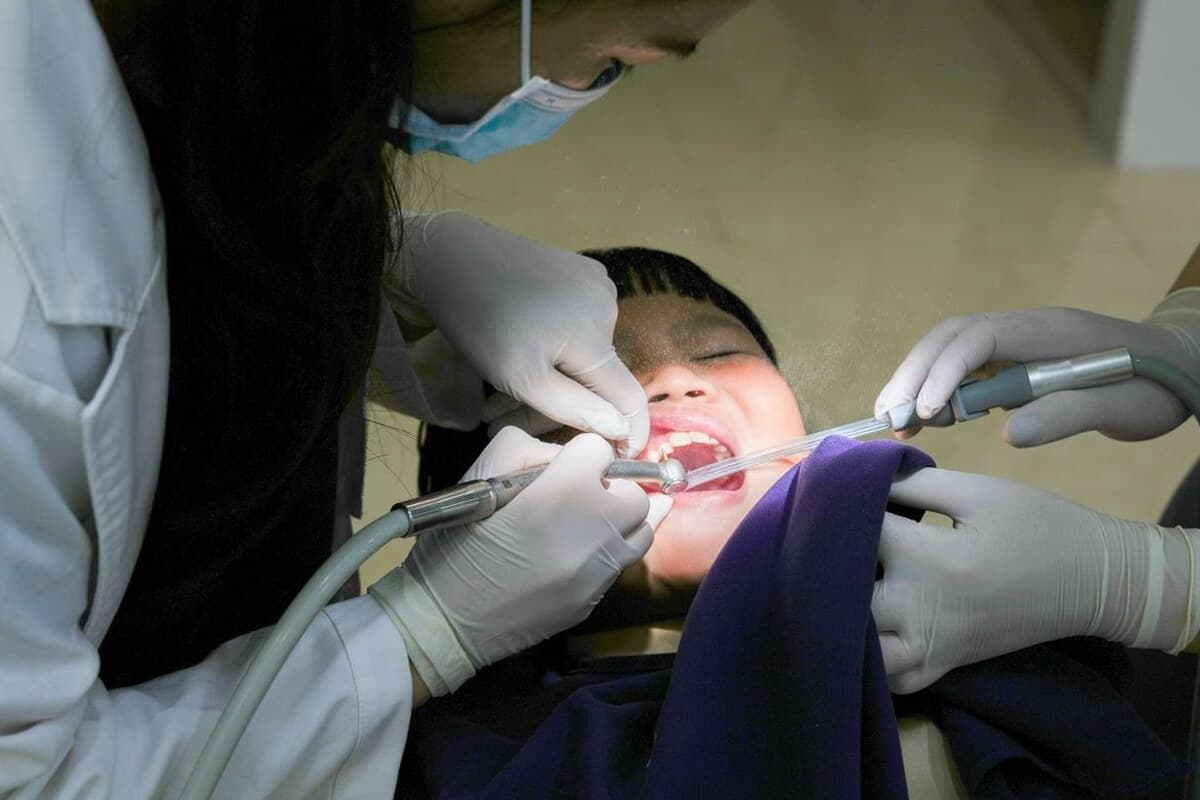
Extracting a baby tooth can have lasting consequences that may affect the child's future dental health. For this reason, extraction is considered a last resort, only in cases where it is not possible to preserve the tooth with amputation or root canal treatment. Every opportunity to save the baby tooth is reviewed, because these teeth serve as both space holders and guides for the permanent teeth.
After early tooth extraction, space maintainer appliances may be used to preserve the space; however, these appliances require an additional adjustment period and regular checkups. When the tooth itself is preserved with amputation, the same function is maintained naturally without the need for a separate appliance. This means a less burdensome process for both the child and the family.
The effect of early tooth loss on a child is not only physical; a smile with a gap can make some children shy about their self-confidence. Preserving the baby tooth with amputation helps the child keep their natural smile without going through such an experience.
Preventing the Permanent Tooth From Coming In Crooked
Baby teeth act as a natural space holder for the permanent teeth developing beneath them. If a baby tooth is extracted too early, neighboring teeth may drift toward the gap, which narrows the space where the permanent tooth will erupt. As a result, the permanent tooth may come in crooked, overlapping, or at the wrong angle.
A baby tooth preserved with amputation stays in place until its own natural time to fall out and so holds this space. This way, when the permanent tooth comes in from below, it finds an even and sufficient space in front of it. This contributes to reducing the need for orthodontic treatment in the future.
The early loss of baby molars in particular can cause noticeable crowding in the dental arch, because these teeth hold a wider space compared to other baby and permanent teeth. Keeping these teeth in place with amputation helps preserve the natural width of the dental arch and the alignment of the permanent teeth.
Protecting Jaw Development and Chewing Function
In childhood, chewing function is important not only for nutrition but also for the healthy development of the jawbone and facial structure. Missing or prematurely lost teeth can disrupt the chewing pattern and cause one side of the jaw not to be stimulated enough. In the long term, this can cause imbalances in jaw development.
A tooth preserved with amputation helps the child chew food comfortably, produce speech sounds correctly, and have the gums develop normally. Keeping the tooth in the mouth also supports the child's self-confidence and smiling habit in a positive way.
Baby teeth also play a critical role in speech development; the early loss of the front teeth in particular can make it harder to produce some sounds correctly. A tooth preserved with amputation helps prevent such situations that could negatively affect the child's language development process. In terms of nutrition as well, preserving enough chewing surface supports the child in comfortably eating a variety of foods.
Maintaining chewing function in a balanced way is important not only for the jawbone but also for breaking food into small pieces, which is the first stage of digestion. A tooth preserved with amputation continues this function without interruption, helping the child's daily eating habits continue naturally.
Differences Between Amputation and Root Canal Treatment
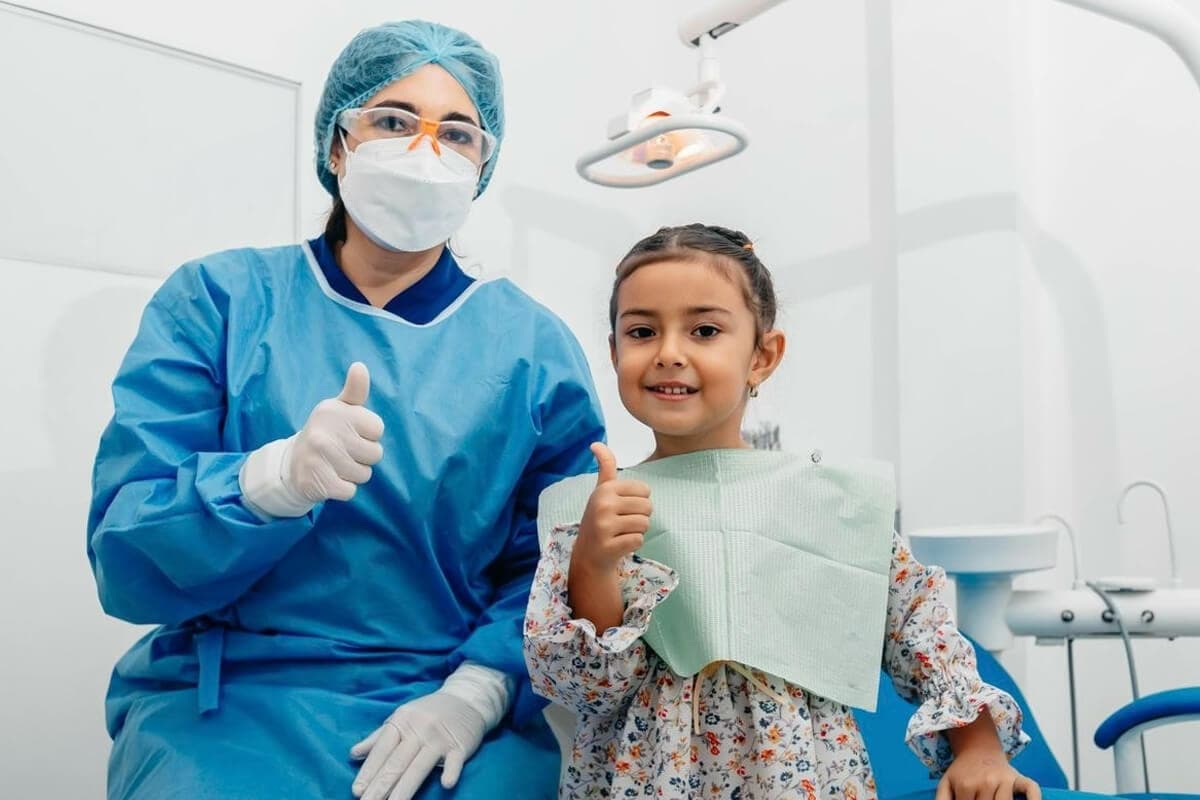
Amputation and root canal treatment are two different nerve treatment methods applied to baby teeth, and which one is used is decided according to the degree to which the pulp is affected. Amputation is preferred when the decay has reached only the crown pulp and the root pulp remains healthy; root canal treatment is used in more advanced cases where both the crown and root pulp are inflamed. The table below summarizes the main differences between the two methods.
Feature | Amputation (Pulpotomy) | Root Canal Treatment (Pulpectomy) |
|---|---|---|
Amount of Pulp Removed | Only the pulp in the crown (upper) portion is removed | All of the pulp in the crown and root portions is removed |
Suitable Case | Teeth with healthy root pulp and only inflamed crown pulp | Teeth whose root pulp is also inflamed or infected |
Procedure Time | Usually completed in a single session, in a shorter time | May take somewhat longer because the root canals are filled |
Goal | To preserve the baby tooth so that it guides the permanent tooth | To clean the infection down to the root tip and keep the tooth in the mouth |
Both methods share the same purpose: sparing the baby tooth from early extraction and preparing the ground for the healthy eruption of the permanent tooth. Which treatment will be used is determined by the dentist after the examination and X-ray; for this reason, it is important to have an evaluation without delay when a complaint begins.
The location of the tooth can also make a difference between the two methods; for front teeth, cosmetic appearance is the priority, while for back teeth, durability against chewing force matters more. The dentist chooses the most suitable option between amputation and root canal treatment by taking into account the tooth's position and function in the mouth. In both cases, the priority is to keep the baby tooth in the mouth until its natural time to fall out as far as possible.
Our Painless Amputation Process for Children in Samsun
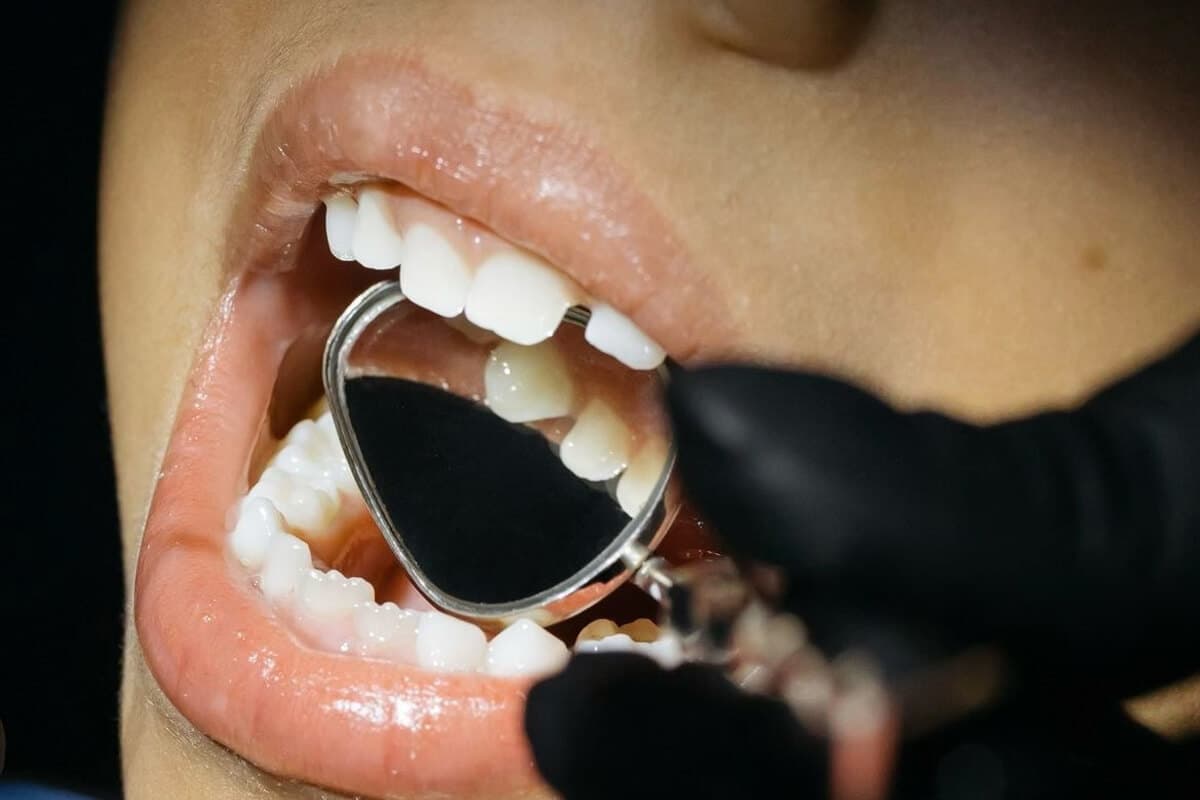
When it comes to dental treatment in children, families' biggest concerns are usually pain and fear. As a children's dental clinic in Samsun, we plan our process to minimize our young patients' anxiety; we prepare the child for the procedure by explaining every step in age-appropriate language.
At the first appointment, the aim is for the child to get to know the clinic and the dentist and not feel unfamiliar with the treatment tools. With the tell-show-do approach, what each instrument is used for is explained to the child in a playful way; this way, when the procedure begins, the child is less anxious and more cooperative.
During the examination, the degree to which the pulp is affected is determined with a dental X-ray, and it is decided whether amputation is suitable. In cases found suitable, treatment can be planned on the same day or in a short appointment, depending on the child's mood.
The process is also followed after treatment; the dentist usually recommends follow-up appointments at certain intervals and evaluates the healing of the tooth with X-rays. These checkups are important to make sure the treatment is progressing successfully and to notice any possible problem early.
Completely Painless Intervention with Local Anesthesia
Before treatment begins, local anesthesia is applied to the area to completely numb the tooth and the surrounding tissues. Before the anesthesia, a special gel is applied to the gum so that even the start of the procedure is almost unnoticeable to the child.
Treatment does not begin until the effect of the anesthesia has fully set in; this way, the aim is for the child not to feel any pain during the procedure. In anxious children, the dentist can calm the child with additional methods to make the process more comfortable.
Throughout the procedure, the dentist closely observes the child's reactions and, when necessary, gives breaks and shapes the process according to the child's comfort. A calm and reassuring attitude from parents also helps the child get through the procedure more easily; for this reason, the entire process, from the waiting room to the examination, is planned in a family-friendly way.
Medication Application and Closing the Tooth with a Filling/Crown
After the inflamed crown pulp is removed, a special medication is applied to the root openings so that the root pulp can maintain its vitality. This medication helps protect the remaining healthy tissue and supports the healing process.
In the final stage, the tooth is closed with a filling or a pediatric crown to prevent the decay from progressing. If the tooth is heavily exposed to chewing forces, the dentist may choose a highly durable crown until the time the permanent tooth erupts.
The position of the tooth also determines the choice of crown; for front teeth, tooth-colored crowns are generally preferred, while for back teeth, stainless steel crowns that withstand chewing load are used more often. Which option is suitable is decided by the dentist by evaluating the condition of the tooth and the family's expectations together.
The points to pay attention to at home after treatment are also effective in the longevity of the tooth. The child brushing regularly, limiting sugary snacks, and not missing the recommended checkup appointments help protect the health of both the tooth that had amputation and the neighboring teeth.
Pulp Amputation Prices in Samsun 2026

Pulp amputation prices in Samsun vary according to each child's oral structure and treatment needs; for this reason, rather than stating a fixed amount, it is more accurate to explain the factors that affect the price. After the examination, your dentist will make an evaluation specific to your child's condition and give you the most suitable information.
The depth of the decay and the degree to which the pulp is affected (case complexity)
Whether the treatment will be completed in a single session or in multiple sessions
The position of the tooth to be treated with amputation in the mouth and its level of exposure to chewing force
Whether additional procedures such as a filling or a crown are needed
The dentist's experience and the quality of the material used
Each of these factors directly affects the treatment plan and therefore the cost. For example, there may be a price difference between an amputation completed with only a filling and a case that requires a crown; this difference is determined by the dentist according to the condition of the tooth.
The reason we do not share price information as a fixed figure before the examination is that every child's oral structure and treatment needs are different. This approach aims to give families realistic information that fits the treatment plan and to prevent them from facing a surprise cost.
In some children, the need for amputation may arise in more than one baby tooth at the same time; in this case, the total cost is shaped by the number of teeth to be treated. The dentist evaluates all the teeth and shares the most suitable treatment order and plan with you, so the process is predictable from start to finish.
Regular dental checkups make it possible to catch decay at an early stage, which both makes the treatment process easier and can reduce the need for more extensive procedures in the future. For this reason, taking your child for a checkup examination every six months is a valuable habit in terms of both comfort and planning in the long run.
For the most accurate and up-to-date price information, we recommend bringing your child in for an examination. After a detailed oral examination and, if needed, an X-ray evaluation, clear information specific to the treatment plan will be shared with you.
Some private health insurance policies may cover a certain portion of children's dental treatments; if you have insurance, it is useful to learn the coverage details in advance. This information, which you will share with your dentist during the examination, helps ensure that treatment planning is done in a way that fits your budget.
Conclusion
Pulp amputation in Samsun is one of the important treatments of pediatric dentistry, protecting baby teeth from early extraction and helping the permanent teeth erupt healthy and properly. An amputation performed at the right time both preserves the child's chewing and speech functions and can contribute to reducing possible orthodontic needs in the future.
When you notice deep decay or tooth sensitivity in your child, seeing a pediatric dentist without delay increases the chance of saving the tooth. With early diagnosis and the right treatment plan, baby teeth can prepare a healthy foundation for the permanent teeth.
Whenever you think you need amputation in Samsun or want to be sure about your child's dental health, regular checkup appointments will be the most reliable guide. A problem noticed early can often be solved with a simpler and more comfortable treatment.