


 Spec. Dt. Gökcan ErtaşOrthodontist
 Dt. Sena KırcaDentist
 Dt. Sevinç Cansu KayıranDentist
 Assoc. Prof. Dr. Sezin ÖzerPediatric Dentist
 Spec. Dt. Sude Yıldırım BolatSpecialist in Periodontology

Cosmetic tooth filling in Samsun is a modern treatment that repairs decayed or broken teeth with a tooth-colored composite material. Patients with discoloration, small cracks or loss of tooth structure can turn to this method for a strong structure while keeping the natural look of the tooth. Planned after a dentist's evaluation, the procedure aims to deliver a balanced result in terms of both function and aesthetics.
Even the smallest flaw in the front teeth that show when you smile can affect a person's self-confidence. Rather than adding extra tissue to the tooth, a cosmetic filling supports the existing structure and creates a natural wholeness. In this way, the treated tooth can take on an appearance that is not easily distinguished from the healthy teeth around it.
A correct diagnosis and application directly determine the quality of the result. That is why working with an experienced team is important to choose the method best suited to the condition of your tooth. Patients in Samsun looking for this service can start the process with confidence by contacting Dental Prime for a detailed examination and personalized planning.
What Is a Cosmetic Tooth Filling?
A cosmetic tooth filling is a repair procedure performed with tooth-compatible materials that imitate the color, texture and translucency of the natural tooth. Unlike traditional silver-colored fillings, its most notable feature is an appearance that is hard to notice with the naked eye.
This method generally uses a mixture called composite. Composite material, made up of glass particles and resin-based components, can form a strong bond with the tooth and can be produced in different shades. In this way, the dentist can choose the shade closest to the patient's own tooth color and achieve a harmonious result.
Composite fillings can be preferred not only for treating cavities, but also for repairing broken and worn teeth, closing gaps between teeth, and correcting shape irregularities. This wide range of uses makes the method valuable in terms of both function and aesthetics.
The procedure can usually be completed in a single session and is performed by removing the minimum amount of material from the tooth. This approach can help preserve the natural structure of the tooth as much as possible by protecting healthy tissue. Today's nano-hybrid composites can provide both a more natural shine and a smoother finish on the surface.
Why Are Cosmetic Tooth Fillings Preferred?
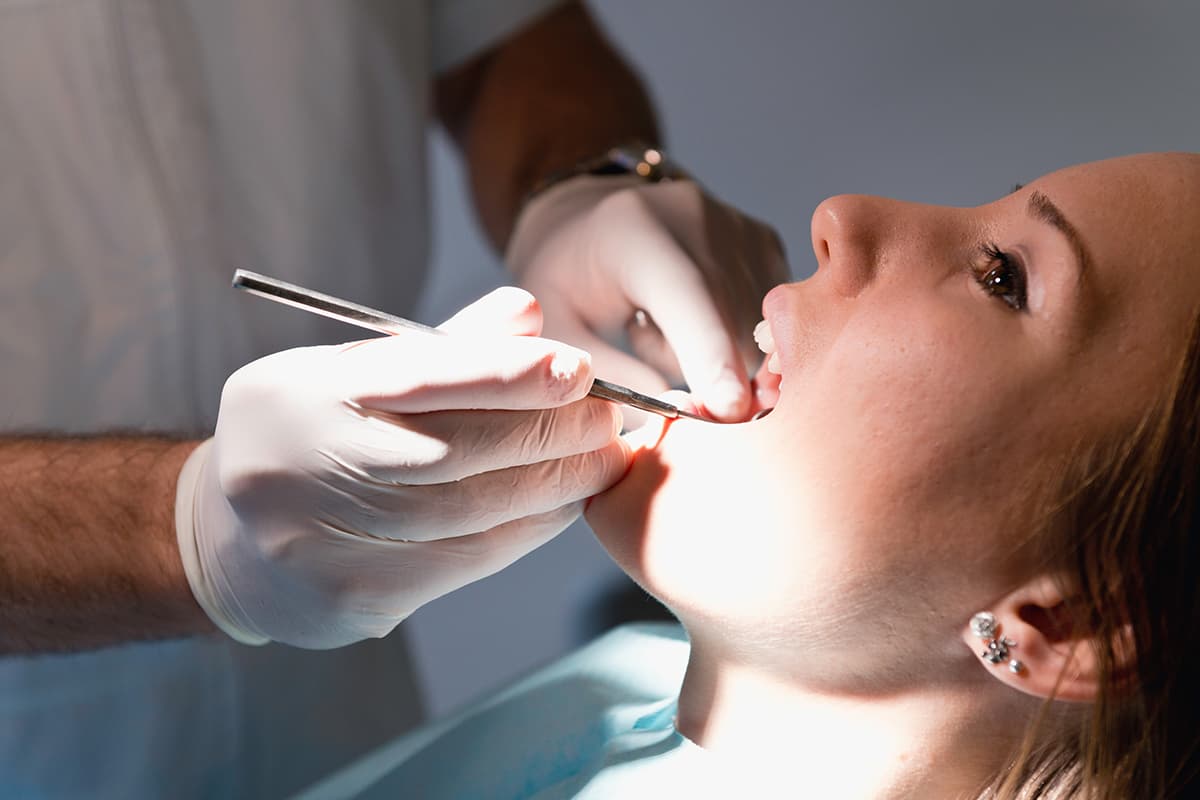
The most important reason cosmetic fillings are preferred is the expectation of a natural look. A material that matches the tooth color offers a way to make a repair unnoticed, especially in areas that show when smiling.
In addition, the fact that the procedure can be completed in a single session is convenient for patients in terms of time. Composite material that bonds strongly to the tooth can create a balanced result both functionally and visually. These features make the method a practical option for both dentists and patients.
Composite fillings can also be renewed or repaired later if needed. A small area of wear or discoloration on the surface can, in most cases, be corrected with polishing or a small addition without redoing the entire tooth. This flexibility is one of the factors that make the method advantageous in the long term as well.
Advantages of Fillings in Front Tooth Aesthetics
The front teeth are the area that draws the most attention when speaking and smiling. For this reason, it is very important that repairs made on these teeth are invisible. A cosmetic filling can help meet this expectation by imitating the natural color transitions of the tooth.
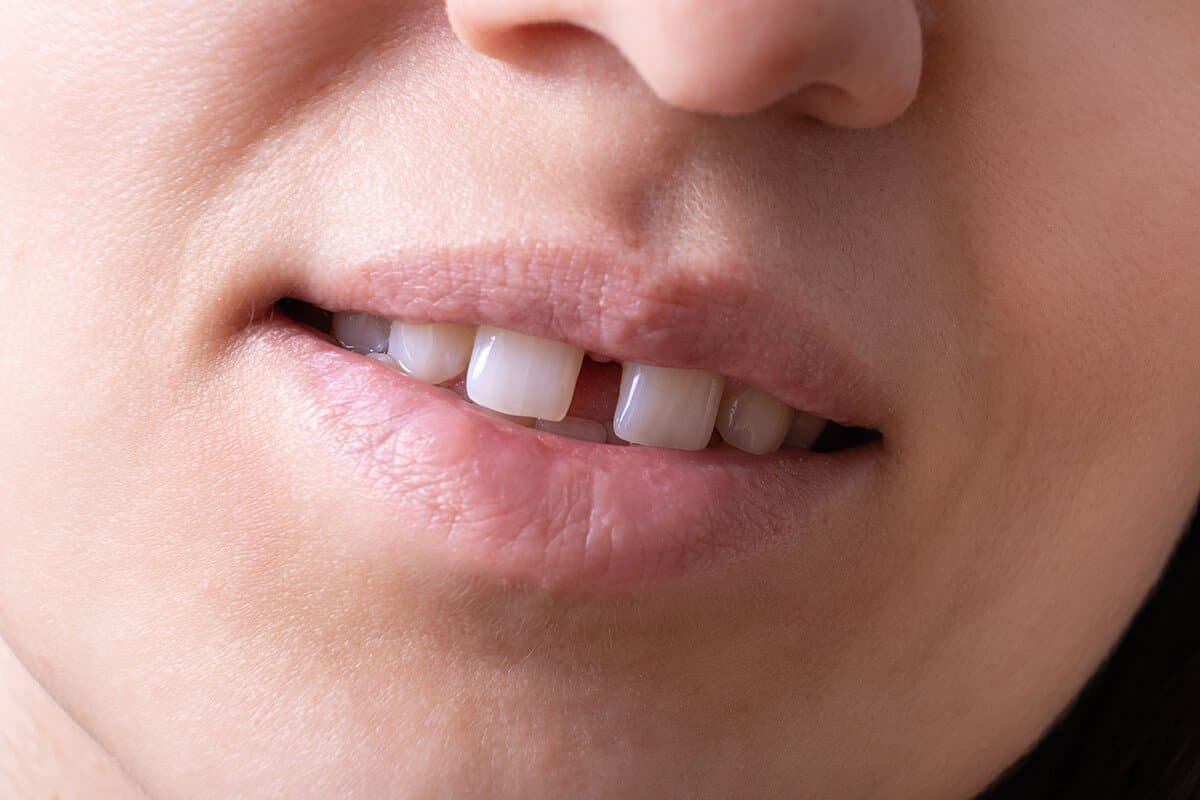
Small chips, gaps or shape irregularities in the front teeth can also be corrected with composite material. These procedures, performed without the need to cut the tooth, can contribute to preserving healthy tissue. The dentist can shape the form and length of the tooth to suit the patient's facial features.
Closing the gap between two front teeth is also one of the commonly requested procedures that can be done with this method. Because little material is lost, the procedure is usually completed quickly and the result aims to form a harmonious whole with the neighboring teeth.
Durability and Care Characteristics of Filled Teeth
The durability of composite fillings may vary depending on the position of the tooth where they are applied and the patient's daily habits. Fillings in front teeth, which are exposed to less chewing force, can generally last longer without problems, while the likelihood of wear may increase in back teeth.
Regular oral care is one of the most important factors that directly affects the lifespan of a filling. Daily brushing, flossing and regular dental checkups can help protect the health of both the filling and the surrounding teeth. This routine also makes it easier to notice possible problems early.
Habits such as nail biting, chewing on pens or cracking very hard shells with the teeth can place unexpected stress on a filling. Reducing such behaviors can help the filling keep its integrity for longer.
Possible Risks of Cosmetic Tooth Fillings

As with any treatment method, some possible situations should be kept in mind with cosmetic fillings too. In the first days after the procedure, you may feel temporary sensitivity in the tooth to heat, cold or pressure. This usually fades on its own in a short time.
Over time, discoloration, small cracks or wear may appear on the surface of the filling. Factors such as coffee, tea and smoking in particular can negatively affect color stability. Such changes can be corrected by renewing or polishing the filling.
When care is inadequate, problems such as new decay at the edge of the filling or loss of the filling's integrity may develop. For this reason, regular checkups can help minimize the risks. Seeing your dentist when you notice any discomfort is important for the process to go well.
In people who clench or grind their teeth, the load on the filling can increase. In this case, the dentist may make an additional recommendation, such as a night guard, to protect the filling. Personal risk factors can only be assessed through a detailed examination.
The Cosmetic Tooth Filling Process
Applying a cosmetic filling is a process made up of planned and controlled steps. Each stage contributes to the success of the result in terms of both durability and appearance. The evaluation the dentist makes before the procedure forms the basis for the process to proceed correctly.
The steps below reflect a general flow of the procedure. However, because every patient's tooth structure is different, the details of the process may vary from person to person. For this reason, planning must be done by the dentist.
Initial Examination and Shade Selection
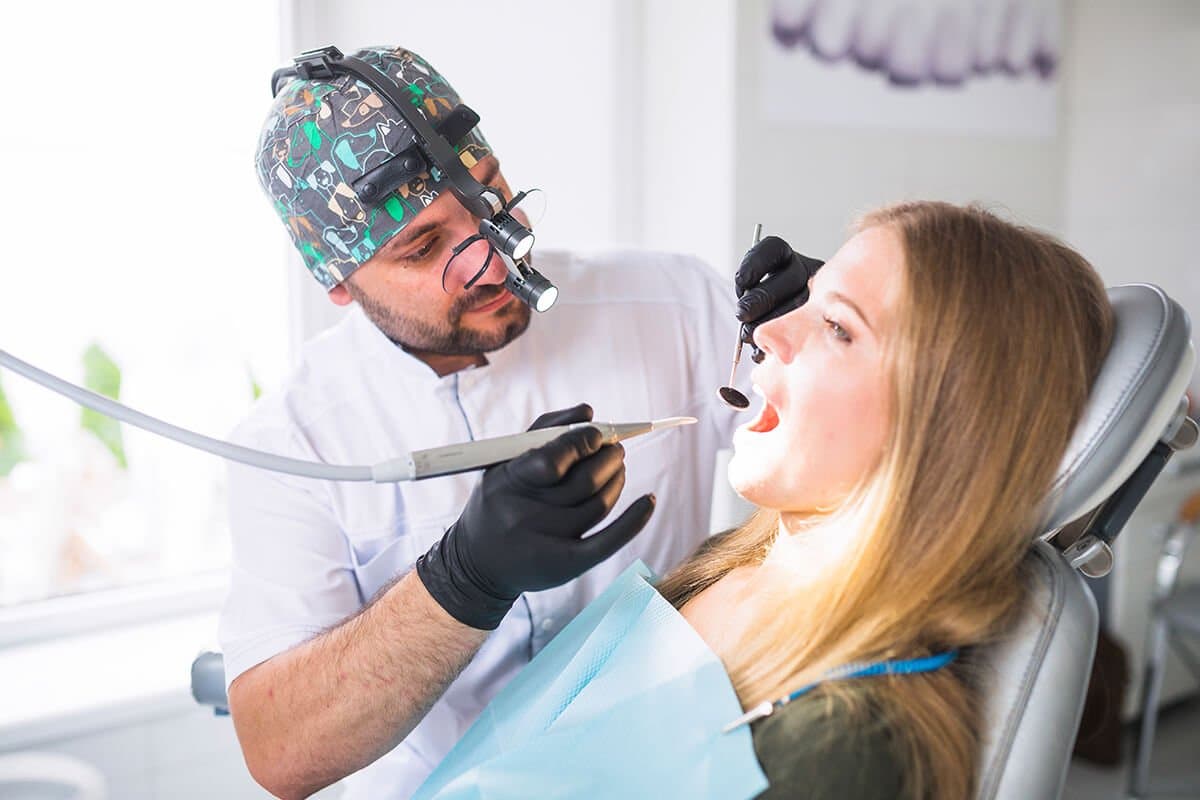
The process begins with a detailed examination of the tooth and general oral health. The dentist evaluates the size of the cavity, the position of the tooth and the aesthetic expectation. When necessary, supporting examinations such as X-rays may also be performed.
Shade selection is very important at this stage. The dentist aims for a harmonious result by determining the composite shade closest to the patient's natural tooth color. Shade selection generally gives a more reliable result when done in daylight and before the tooth surface dries out, because teeth can look lighter than they are when they dry.
Preparation and Filling Placement
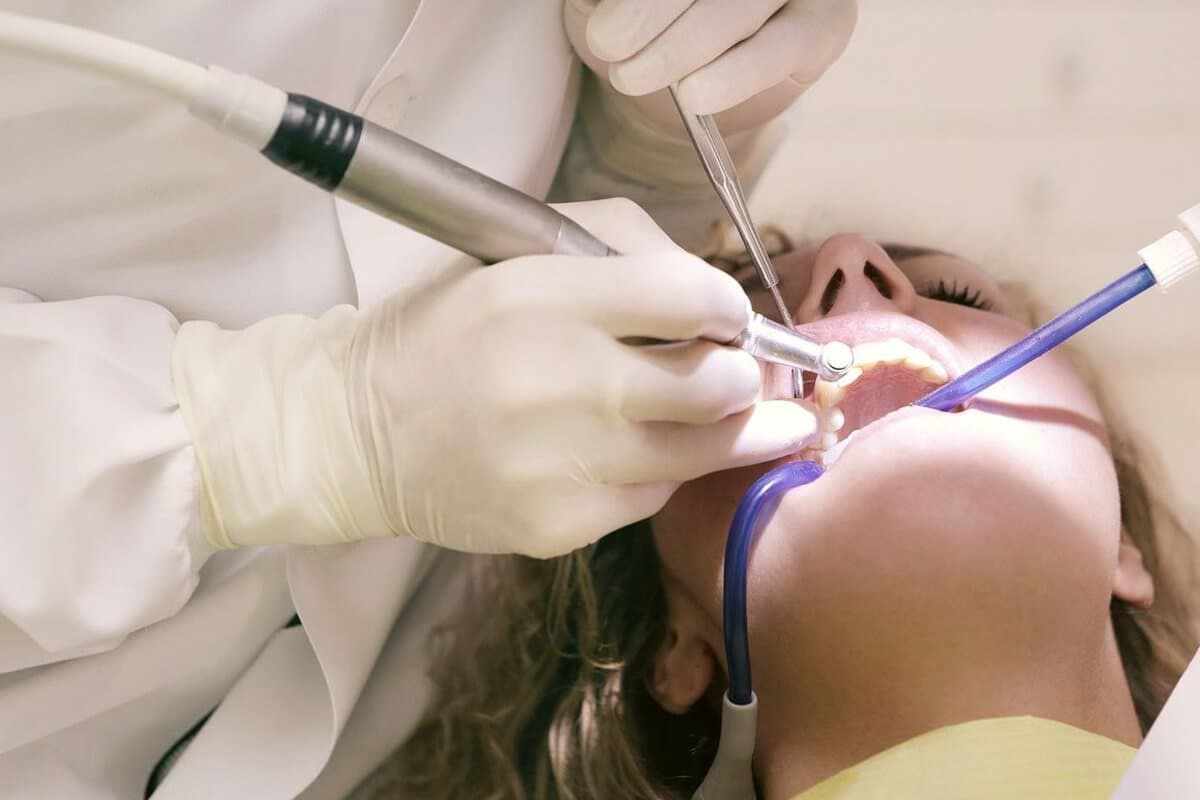
After shade selection, the tooth moves on to the preparation stage. If deemed necessary, the area is numbed and the decayed tissue is cleaned out. This cleaning is important so that the filling is placed on a solid base.
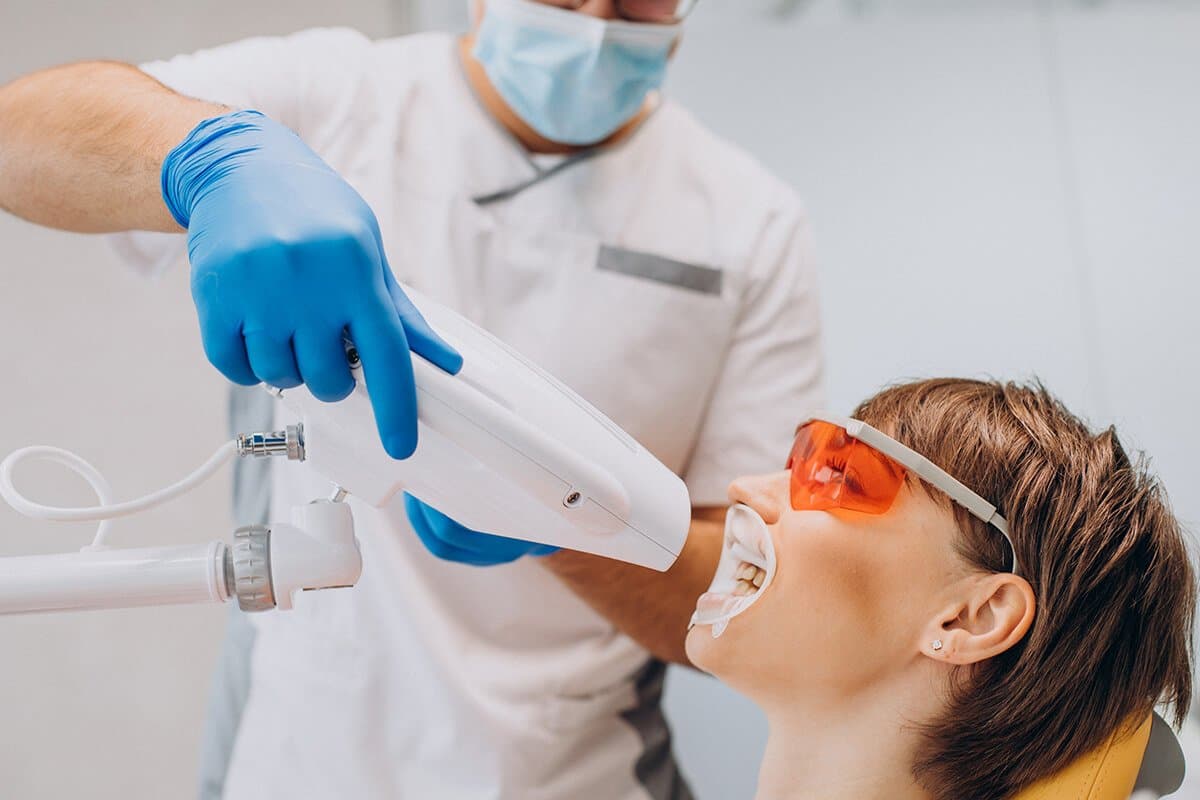
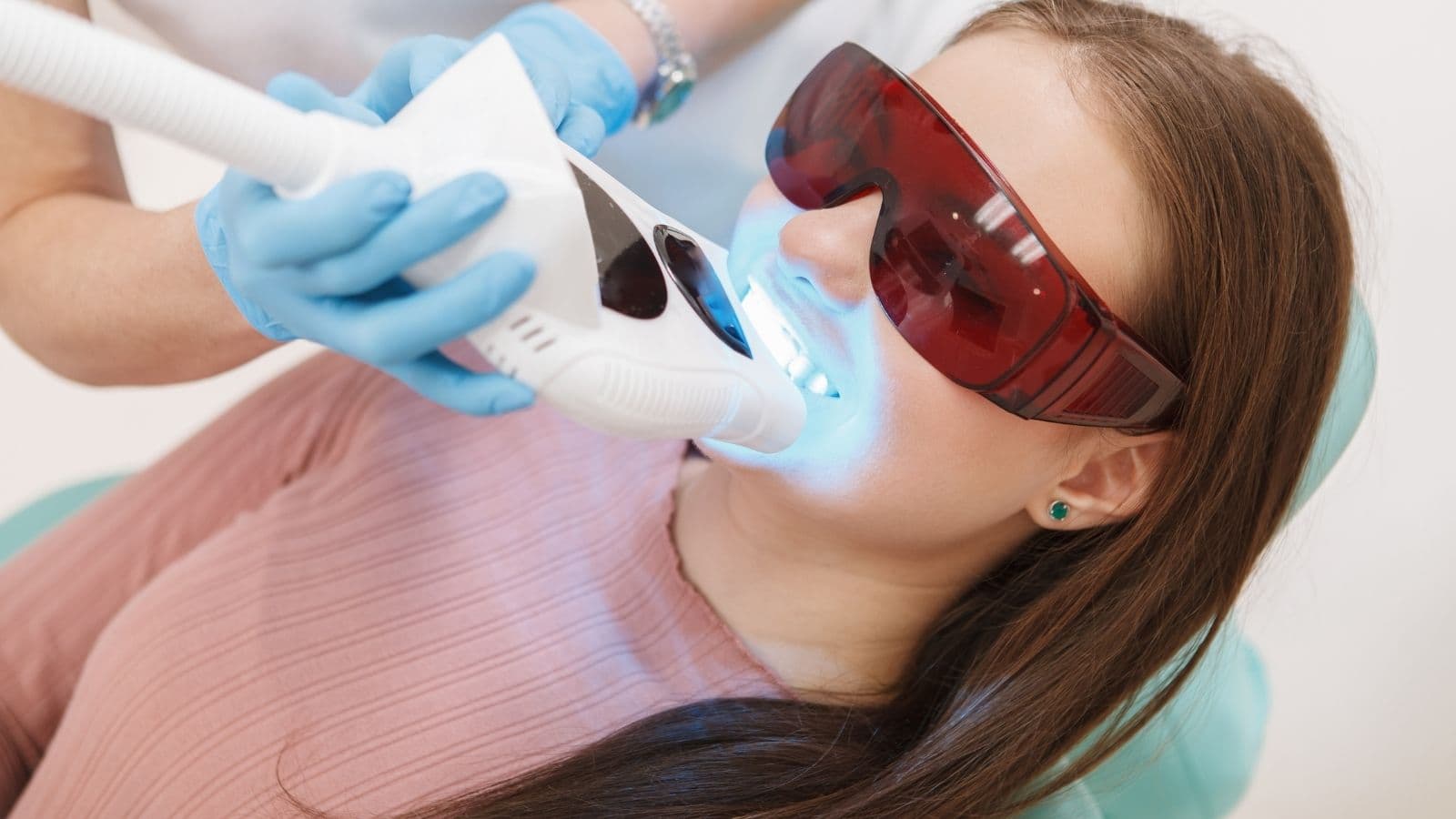
Composite material is applied to the prepared surface in layers, and each layer is hardened with a special light. The dentist shapes the material to imitate the natural shape and surface texture of the tooth. This meticulous work is one of the most critical stages that determine how natural the result looks.
Polishing and Final Check
After the filling is placed, a polishing procedure is performed. This stage ensures that the surface of the filling is smooth and gains a shine similar to the natural tooth. A smooth surface can also help delay staining.
Finally, the dentist checks the bite, that is, how the teeth touch each other. After any necessary adjustments are made, care recommendations are given to the patient. This check aims to make sure the filling does not cause discomfort while chewing.
Things to Watch Out for After a Cosmetic Tooth Filling

The care taken in the period after the procedure directly affects the lifespan and appearance of the filling. Following the dentist's recommendations both increases comfort and can help prevent possible problems. It is helpful to be patient during this time and to adopt habits that protect the tooth.
The headings below include the points that are generally recommended in the period after a filling. It is best to consult your dentist for different advice according to your personal situation.
Restrictions During the First 24 Hours
If anesthesia was used during the procedure, you should avoid eating until the numbness wears off. Care should be taken during this time because there is a risk of biting your lip or cheek. The effect of anesthesia usually fades within a few hours.
Avoiding very hot and very cold foods during the first day can help reduce temporary sensitivity. Avoiding hard and sticky foods also supports the settling of the filling. It is important to reduce the load on the tooth during this short period.
Daily Oral Hygiene Practice
Taking care of oral hygiene after a filling contributes to the filling staying healthy for a long time. Brushing your teeth at least twice a day with a soft-bristled brush is a basic habit. Being gentle on the filled area while brushing is enough.
Cleaning between the teeth with dental floss or an interdental brush is also important. This cleaning can help lower the risk of new decay by reducing bacterial buildup at the edge of the filling. Regular hygiene supports the protection of both the filling and the neighboring teeth.
Food and Drink Recommendations
Because composite fillings are prone to discoloration over time, it is recommended to be careful with staining drinks such as coffee, tea, cola and red wine. Staying away from such drinks as much as possible, especially in the first days after the procedure, can be helpful.
Cutting hard-shelled foods with a knife instead of cracking them with your teeth can help prevent damage to the filling. Smoking can also speed up staining, so it is advisable to limit it. A balanced diet helps the filling keep its appearance for longer.
Cosmetic Tooth Filling Prices in Samsun 2026
Cosmetic filling prices are not the same for everyone, because every patient's tooth structure and needs are different. For this reason, rather than giving a fixed figure, understanding the factors that affect the fee offers a more accurate approach. Exact information only emerges after a dentist's examination.
One of the most important factors determining the price is the complexity of the case. The size of the cavity, the position of the tooth and the number of surfaces that need repair directly affect the scope of the procedure. When more than one tooth is involved, the overall planning is shaped accordingly.
The type of composite material used, whether additional procedures are needed, and the detailed evaluation the dentist makes also play a role in the cost. For example, if an additional restoration is needed beyond cleaning out the decay, the scope of the process may widen. A high aesthetic expectation in the front teeth may also require the procedure to be carried out in more detail.
The table below summarizes the main factors that shape the price. The table is for informational purposes only and does not contain a personalized price.
Factor | Effect on Price |
Case complexity | As the depth of the cavity and the loss of structure increase, the scope of the procedure may widen |
Number of teeth | Planning and duration change when more than one tooth is involved |
Position of the tooth | Aesthetic expectations in front teeth may require more detailed work |
Type of material | The composition of the preferred composite may affect the cost |
Additional procedures | If needed, an additional restoration may widen the process |
Dentist's evaluation | The definitive plan is determined after the examination |
For this reason, it is healthier to rely not on the general figures you see online but on an evaluation specific to your personal situation. To get the most accurate planning and transparent information, we recommend visiting a dental clinic in Samsun and booking a consultation appointment.
Conclusion
Cosmetic tooth filling in Samsun is a modern treatment option that aims to repair decayed, broken or discolored teeth while preserving their natural appearance. Thanks to the way the composite material matches the tooth color, a balanced result is targeted in terms of both function and aesthetics.
The success of the treatment depends on a correct diagnosis, meticulous application and care after the procedure. Regular oral hygiene and dental checkups can help the result last for a long time. Working with an experienced team to determine the method best suited to your tooth structure is important for the process to go well. Seeing a dentist for a personalized evaluation is always the right step.