

 Spec. Dt. Gökcan ErtaşOrthodontist
 Dt. Sena KırcaDentist
 Dt. Sevinç Cansu KayıranDentist
 Assoc. Prof. Dr. Sezin ÖzerPediatric Dentist
 Spec. Dt. Sude Yıldırım BolatSpecialist in Periodontology
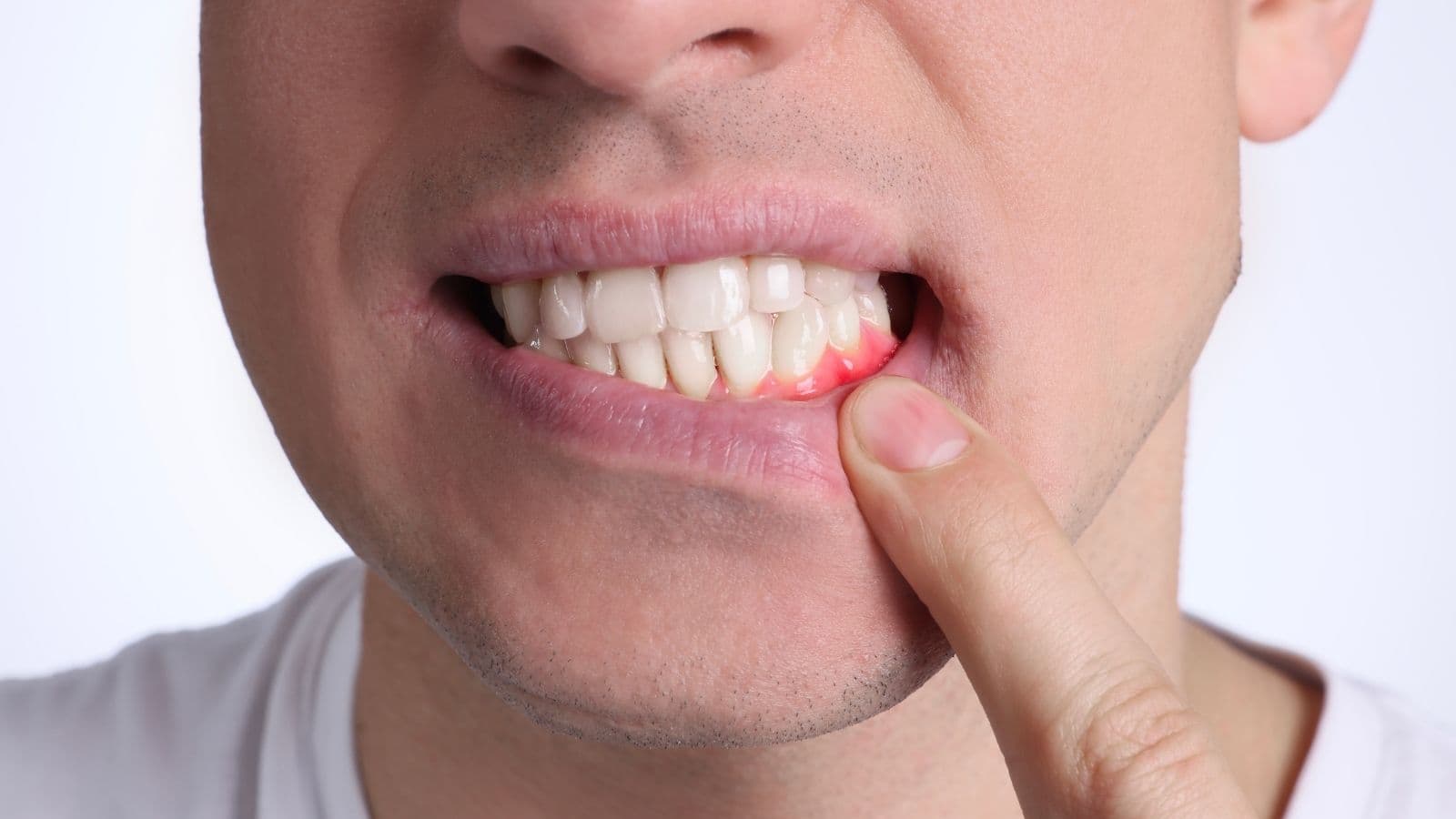
Gum recession in Samsun is a condition in which the gum tissue pulls back from the tooth root, exposing the root surface. This condition often progresses slowly and may not cause symptoms in its early stage. Correctly identifying the causes and having a dentist's evaluation are decisive steps in planning the right approach.
There is no single cause behind gum recession. Plaque and tartar buildup due to inadequate oral care, hard and incorrect brushing habits, teeth clenching, faulty restorations and genetic predisposition can all contribute to this picture. In advanced cases, the underlying periodontal inflammation (periodontitis) often plays an important role.
Gum recession does not come back on its own; however, when noticed early, methods that can help slow its progression can be put in place. For this reason, a specialist's evaluation is important when you notice signs such as sensitivity, the root surface becoming visible, or teeth looking longer. At Dental Prime, the degree and cause of recession are addressed under a dentist's supervision and a personalized plan is created.
What Is Gum Recession?
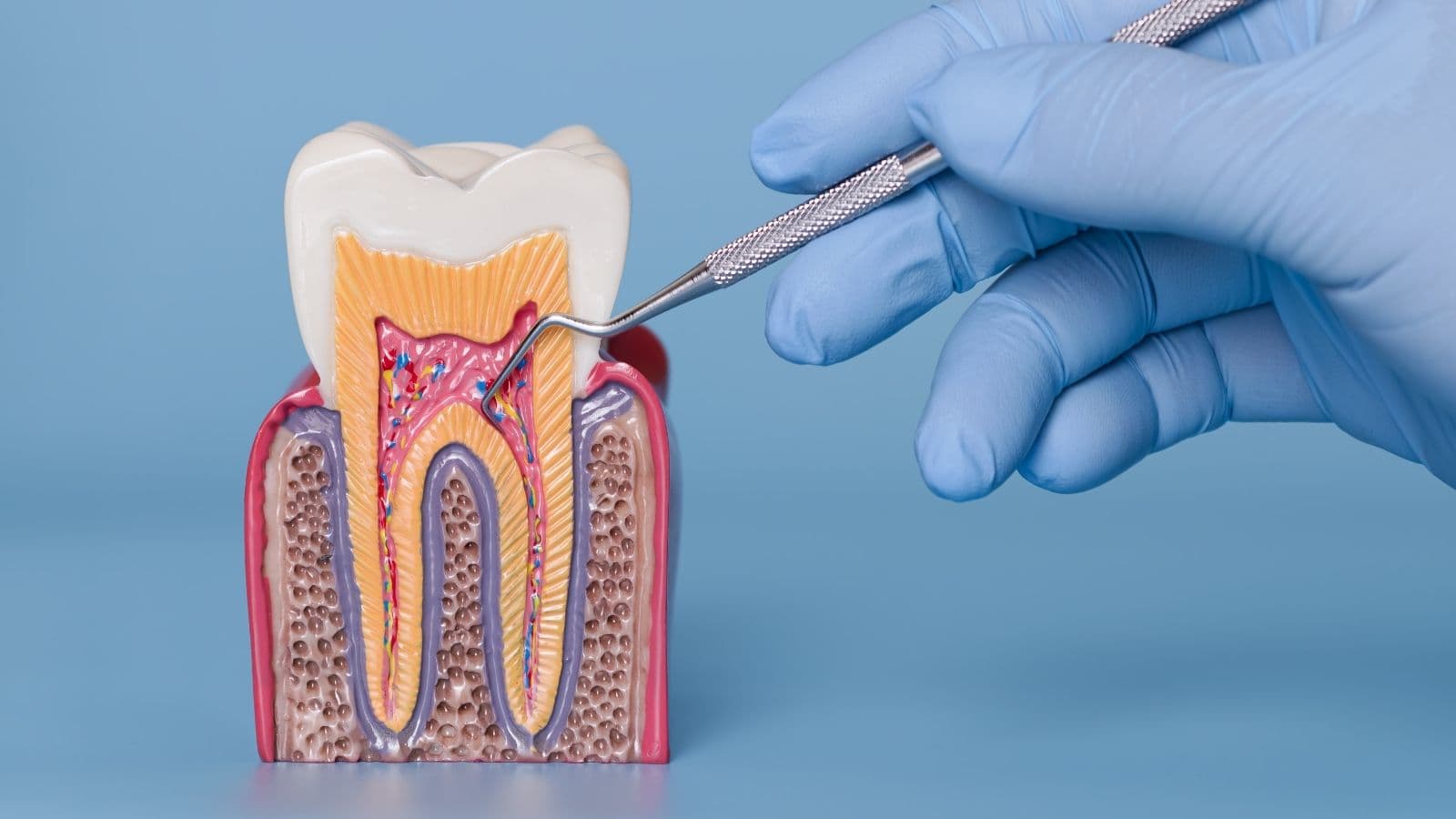
Gum recession is the pulling back of the gum tissue surrounding a tooth, exposing part of the tooth root. Normally, the gum wraps around the tooth root and the bone tissue beneath it like a protective collar. When gum recession develops, this protection weakens and the root surface is left open to the oral environment.
Because the exposed root surface is not protected by a layer of enamel, it can become sensitive to hot, cold and sweet stimuli. The risk of decay on the root surface also increases, and the teeth gradually begin to look longer. These changes can be bothersome both aesthetically and functionally.
Periodontitis is an inflammatory disease often mentioned together with gum recession. Inflammation triggered by bacterial plaque can progress from the gum to the bone and connective tissue that support the tooth. When left untreated, this can lead to loose teeth and, in advanced cases, tooth loss. This is why it is important for the inflammatory background behind gum recession to be evaluated by a periodontology specialist.
The severity of recession varies from person to person. In some patients, a mild picture limited to a single tooth is seen, while in others there may be a widespread problem affecting multiple areas. Correct classification forms the basis for determining the appropriate approach.
The symptoms of gum recession often progress insidiously. In the early stage, only mild sensitivity may be noticed, while in later stages signs such as the tooth root becoming clearly visible, widening of the spaces between the teeth and bleeding during brushing may be added. Getting evaluated as soon as these symptoms are noticed helps keep the process under control. Symptoms alone do not establish a diagnosis; a definitive evaluation is made through a clinical examination.
The causes of gum recession mostly act together rather than alone. Brushing with a hard-bristled brush and pressing hard can mechanically wear down the gum over time. Plaque and tartar buildup from inadequate cleaning trigger inflammation and set the stage for the tissue to pull back. Because these two factors are hidden within daily habits, they often progress unnoticed.
Teeth clenching and grinding (bruxism) can place additional load on the gums and supporting tissues because of the excessive force applied to the teeth. Genetic predisposition can make the gum thinner and more delicate in some people, increasing the tendency to recede. Poorly made fillings or prostheses and some orthodontic conditions are among the other factors that contribute to the picture. This variety makes it necessary to determine the cause on an individual basis and is the key to the right approach.
Gum Recession Treatment Options
Approaches to gum recession are generally grouped under two main headings: conservative (non-surgical) methods and surgical methods. Which path is suitable is determined by the dentist according to the degree of recession, its cause, the number of affected areas and the patient's general oral health. The aim is to help stop progression and, when possible, to protect the root surface.
Conservative Treatment Methods
Non-surgical methods are considered the first choice, especially in mild and moderate cases. At the core of this approach is eliminating the factors that trigger recession. With professional scaling and root planing (detartrage and root surface smoothing), plaque and tartar beneath the gum line are removed, thereby helping reduce inflammation.
In the conservative process, the patient is also taught the correct brushing technique, hard brushing habits are corrected and, when necessary, desensitizing applications can be made for exposed root surfaces. If mechanical strain such as teeth clenching is involved, protective measures are planned. None of these methods carries a promise of a definitive solution on its own; the aim is to help slow the progression of this condition.
The success of the conservative approach depends largely on the oral care the patient maintains at home. If the cleaning and adjustments done in the clinic are not supported by correct habits at home, the expected benefit may decrease. For this reason, the dentist informs the patient as an integral part of the process and monitors the condition of the gums with regular checkups. This follow-up also allows possible progression to be noticed early.
Surgical Treatment Options
In moderate and advanced recession, where the root surface is left exposed and the conservative approach is not sufficient, surgical options may come into question. One of the most commonly applied methods is gum grafting. In this procedure, soft tissue, usually taken from the palate, is transplanted to the area of recession to help cover the root surface and thicken the gum.
Surgical approaches may also be preferred in advanced periodontal problems with deep gum pockets. All such procedures are planned under the dentist's supervision, taking into account the patient's general health and expectations. Appropriate case selection is decisive for the predictability of the result.
The need for a surgical procedure does not mean that conservative methods have failed; in some cases, the degree of recession may require a surgical approach from the start. When making the decision, the amount of exposed root surface, the gum thickness in the area and the patient's aesthetic expectations are evaluated together. It is important that the patient is informed in detail before the procedure about the process, the healing period and the points to watch out for.
Gum Recession Treatment Process

In gum recession, the process is not a single procedure; it covers a holistic approach made up of evaluation, planning, application and follow-up stages. Each stage is tailored to the individual according to the cause and severity of the recession.
Initial Evaluation and Diagnosis
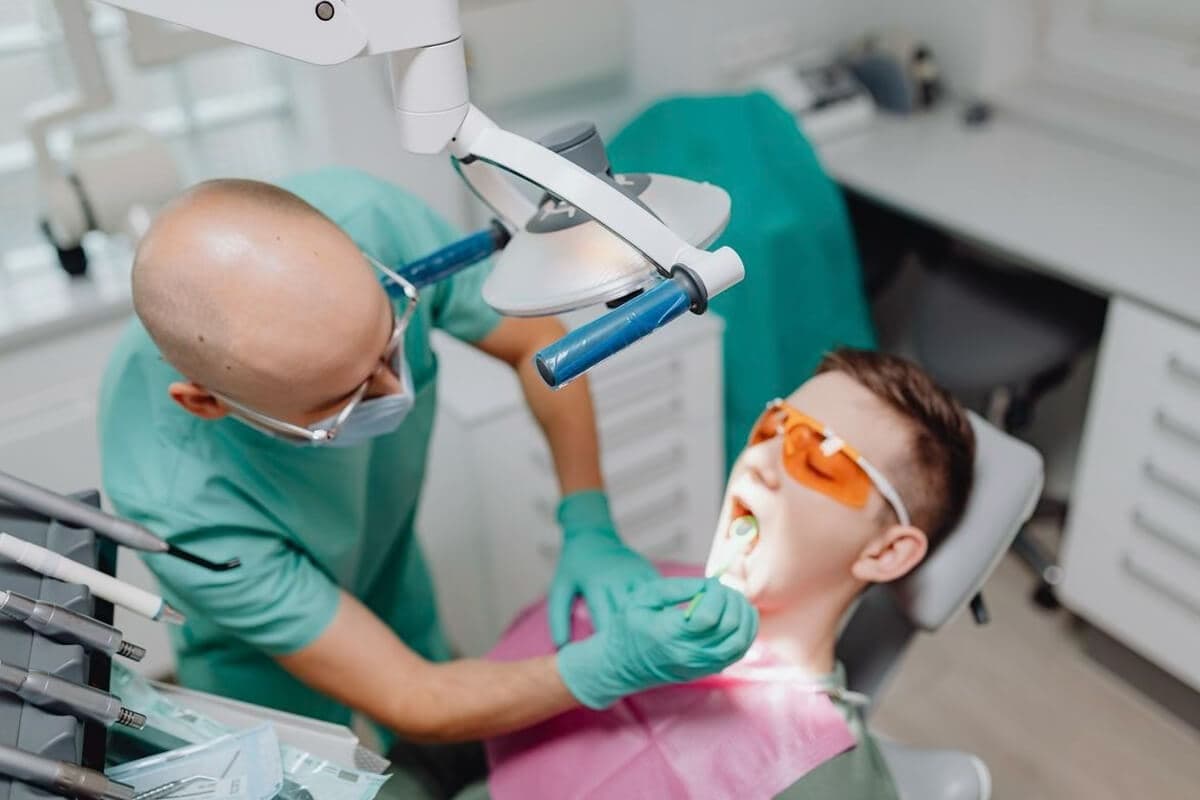
The first step of the process is a detailed examination. At this stage, the condition of the gums, the degree of recession, gum pocket depths and the underlying inflammatory picture are examined. When necessary, bone level is assessed with radiographic imaging. A periodontology specialist in Samsun determines the cause of the recession based on the findings and creates a suitable plan.
This evaluation is also the stage where habits that trigger recession are identified. Brushing technique, tendency to clench the teeth and general oral hygiene are reviewed. If the causes are not correctly identified, the likelihood of the problem recurring increases even if the procedure is successful. For this reason, the initial evaluation not only describes the current picture; it also forms the basis of the forward-looking preventive plan.
Preparations Before Starting the Procedure
Before moving on to treatment, the aim is to bring any active inflammation in the mouth under control. For this purpose, basic scaling may be performed, oral hygiene habits are reviewed and suitable care methods are explained to the patient. If there is a systemic disease or regularly used medication, these are also evaluated beforehand.
Methods That May Be Used During Treatment
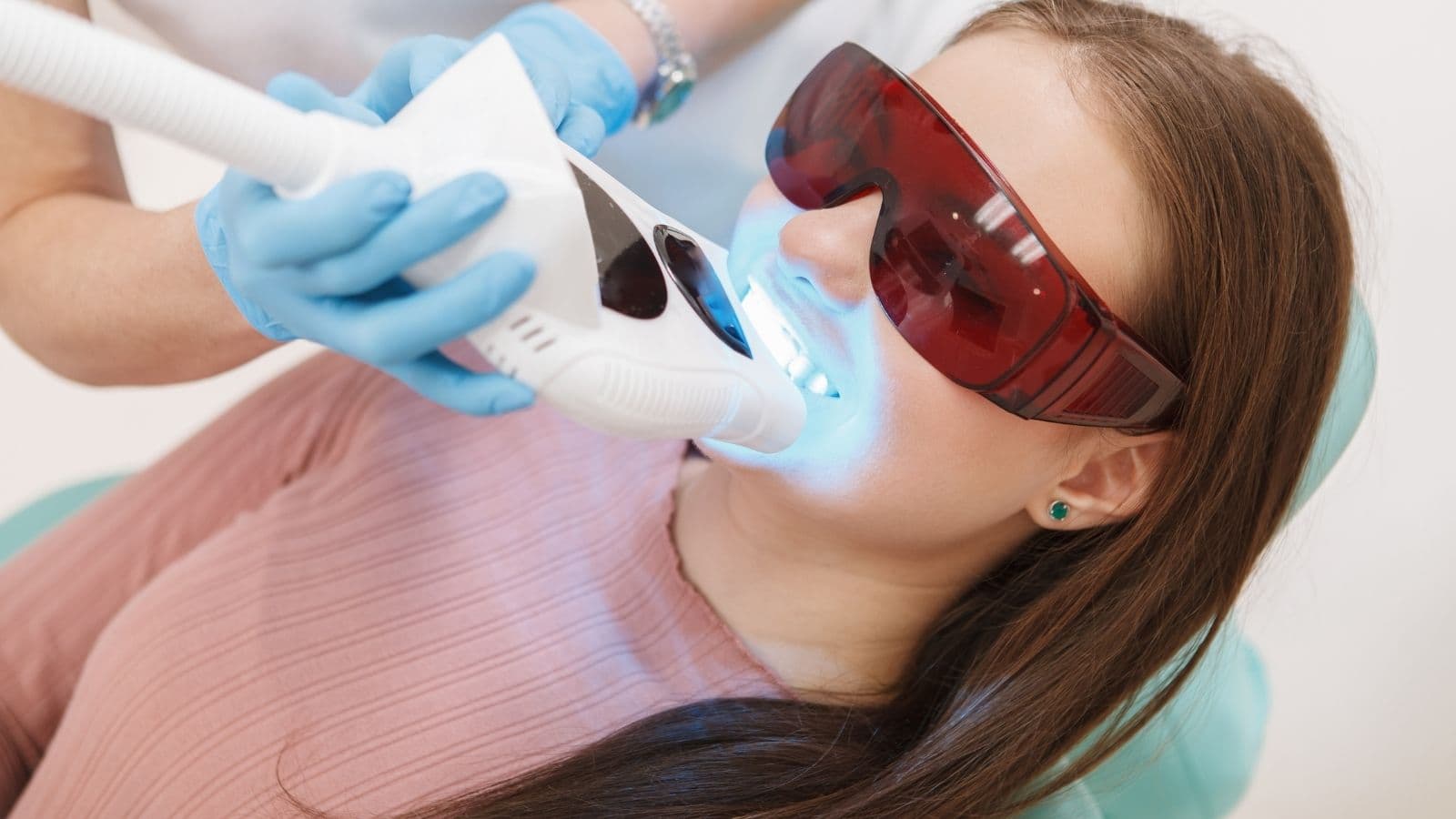
Depending on the planned approach, different methods may come into play during the process. In conservative cases, root planing and desensitizing applications come to the fore, while in cases that require surgery, procedures such as soft tissue grafting may be performed. Procedures can be divided into sessions according to the location and degree of recession.
Between sessions, the response of the tissues is monitored and the plan is updated when necessary. In some patients a single method is enough, while in others different procedures may be used together. The patient staying in communication with their dentist during this process and reporting any changes they notice contributes to the procedure moving in the right direction. The purpose of every step is to help support the tissues without worsening the current condition.
Post-Treatment Healing Period
After the procedure, it is important to follow the recommendations given by the dentist to support healing. During this period, gentle oral care for the area, the recommended diet and regular checkups help healing. In cases where surgery was performed, the healing time may be longer and careful care may be needed for a certain period.
Mild sensitivity or discomfort that may appear during the healing period is generally temporary and fades over time. However, if unexpected swelling, prolonged bleeding or a worsening complaint is noticed, you should see your dentist. Not missing follow-up appointments is important for monitoring whether healing is progressing correctly. This follow-up process also contributes to protecting long-term oral health.
Experiences of Patients Treated in Samsun
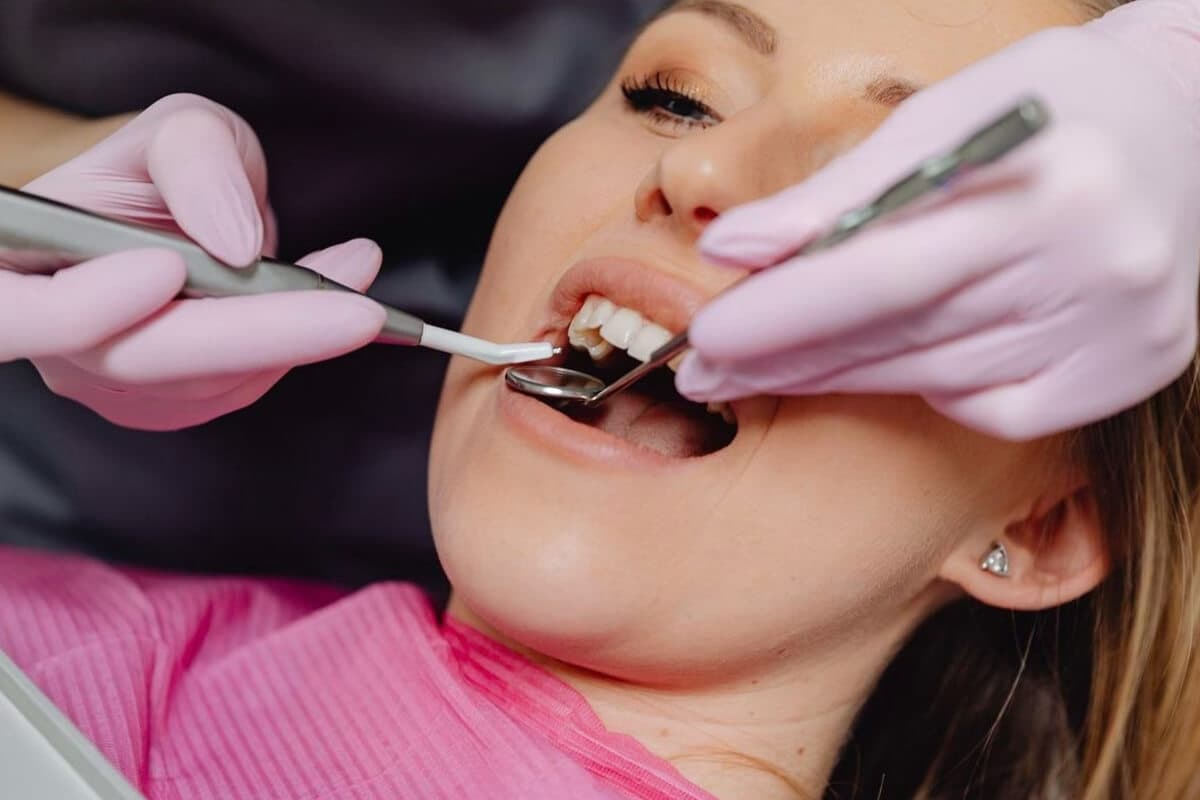
The course and treatment process of gum recession differ significantly depending on the severity of the case. Below are general examples that do not represent real people, but typical case profiles frequently encountered in clinical practice. These examples are described in a representative way only to give an idea.
Mild Gum Recession Case
In a mild case, the picture is usually noticed in a limited number of teeth at an early stage. In a typical mild case, the main complaints are sensitivity to cold and heat and the tooth looking slightly longer. In such cases, conservative methods are mostly considered; the aim is to help slow the progression of this condition with scaling, correcting brushing habits and regular checkups.
Advanced Periodontitis Cases
In advanced periodontitis cases, noticeable recession in multiple areas, deep gum pockets and loss in the tissues that support the teeth are generally seen. In cases of this profile, the process is usually more comprehensive; first the inflammation is brought under control, and then, when deemed appropriate, surgical options may be considered. Planning is carried out entirely under the dentist's supervision and on an individual basis.
In such advanced pictures, treatment is generally not completed in a single session; it requires a staged approach and regular follow-up. After the inflammation is brought under control, the response of the tissues is evaluated and the next step is determined accordingly. It should not be forgotten that in advanced cases, the goal is to help keep the teeth for as long as possible and to help slow the progression of the current condition. The patient's cooperation in the process is an important factor that directly affects the outcome.
What You Need to Know Before Starting Treatment
Whether gum recession treatment goes well depends not only on what is done in the clinic, but also on the patient's habits and general health during the process. The headings below touch on points that are helpful to know before treatment.
Diet and Oral Care During Treatment
During the treatment period, avoiding very hot, very cold, hard and highly acidic foods helps soothe the area. It is important to keep up gentle and regular oral care; using a soft toothbrush and the correct brushing technique is recommended. Oral care products recommended by the dentist can also contribute to the process.
Especially in the first days after a surgical procedure, preferring soft and lukewarm foods is helpful so as not to strain the healing area. Getting information from your dentist on how to use dental floss and interdental brushes makes care both effective and safe. It should also be kept in mind that smoking can negatively affect healing, and this should be discussed with your dentist.
Whether Treatment Can Be Performed During Pregnancy and Breastfeeding
During pregnancy and breastfeeding, hormonal changes can affect gum health and make existing problems more noticeable. During these periods, preventive and conservative approaches generally come to the fore; every procedure is planned under the dentist's supervision, taking the characteristics of the period into account. You are encouraged to share your situation with your dentist.
Important Information for People Taking Certain Medications
Blood thinners, medications that affect the immune system, or some regularly used medications can affect the treatment plan. For this reason, you need to tell your dentist about all the medications you take and your existing conditions before starting treatment. This way, the process is arranged with your safety in mind.
Some systemic diseases such as diabetes can also affect gum health and the healing process; such situations are separately taken into account by the dentist. It is also known that some medications can cause gum overgrowth or dryness. It is important that you do not stop the medications you use on your own, and that, where necessary, you act in cooperation with the relevant doctor. Accurate and complete information helps treatment proceed both more safely and more predictably.
Gum Recession (Periodontitis) Prices in Samsun 2026

The cost of gum recession treatment is different for every patient, and it is not accurate to talk about a single fixed amount. The fee becomes clear, specific to the case, only after the examination and evaluation. The factors below are the main elements that affect the cost.
Degree of recession: Whether it is mild, moderate or advanced changes the required approach and process.
Type of treatment: The scope of conservative methods and surgical methods differs.
Number of areas: A limited recession in a single tooth is not the same as a widespread picture affecting multiple areas.
Additional procedures: Whether additional procedures such as scaling and grafting are needed is decisive.
Dentist experience: The experience of the periodontology specialist performing the procedure is also reflected in the process.
For this reason, the most accurate way to get clear price information is to have a specialist examination determine the degree of recession and the procedures needed. After the examination, a plan specific to you and related information can be provided.
Conclusion
Gum recession in Samsun is a condition that is easier to manage when noticed early, and with the right approach its progression can be helped to slow. It is important to get evaluated without wasting time when you notice signs such as sensitivity, the root surface becoming visible or the gums pulling back.
Which of the conservative and surgical options is suitable is determined under the dentist's supervision, taking into account the degree and cause of the recession and your general oral health. A personalized plan and regular follow-up are the healthiest way to protect your oral health. With a periodontology specialist's evaluation, you can put your process on a sound footing.