Spec. Dt. Gökcan ErtaşOrthodontist
 Dt. Sena KırcaDentist
 Dt. Sevinç Cansu KayıranDentist
 Assoc. Prof. Dr. Sezin ÖzerPediatric Dentist
 Spec. Dt. Sude Yıldırım BolatSpecialist in Periodontology
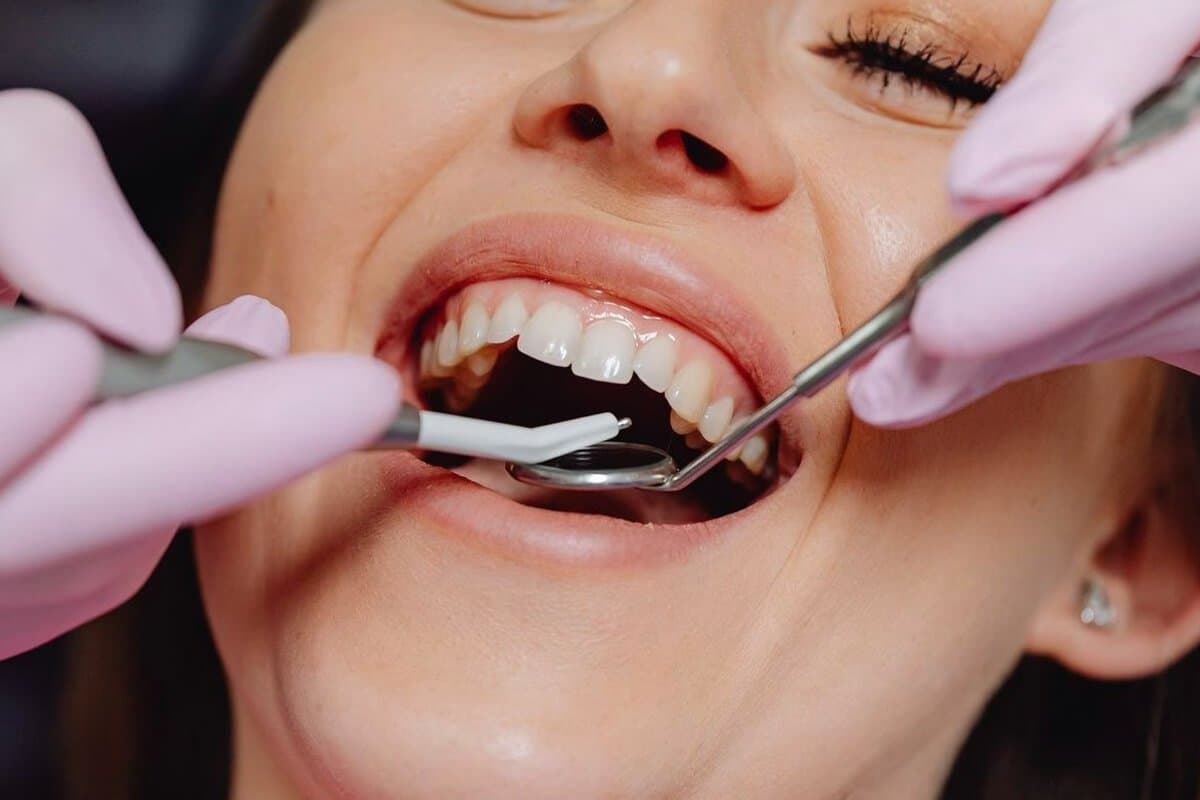
Scaling and tartar removal in Samsun is the professional cleaning of the hardened (mineralized) plaque layer that builds up around the teeth and gums. Performed with special instruments under the supervision of a dentist, this procedure improves oral hygiene and helps prevent advanced gum disease. In our clinic, ultrasonic, Air-Flow, and laser-assisted methods are used.
Even when tooth brushing and flossing are regular, some of the bacterial plaque in the mouth gradually sticks to the teeth and the gumline and hardens. Combining with minerals in saliva, this plaque turns into tartar (calculus) and can no longer be removed with an ordinary brush. This is where detartrage, that is, professional tartar removal, comes in. The aim is to protect the health of the teeth and gums, reduce bad breath, and lay the groundwork for an aesthetic smile.
In this guide, we cover in detail what tartar removal is, which methods it is performed with, what kind of evaluation you go through beforehand, and aftercare. Serving in the field of periodontology in Samsun, Dental Prime plans the tartar removal process with experienced dentists and modern equipment; this way, the procedure proceeds both comfortably and with a focus on results.
What Is Scaling and Tartar Removal?
Tartar removal, known medically as detartrage, is the removal of the hard, mineralized plaque layer that builds up on the teeth and under the gums, using professional devices and hand instruments. The soft bacterial plaque that forms on the tooth surface every day can initially be cleaned by brushing. However, plaque left uncleaned combines with calcium and phosphate minerals in saliva, hardens, and turns into tartar.
Once tartar has formed, its surface is rough and porous, so more bacteria and plaque cling to it. This cycle sets the stage for a process that starts with gum inflammation and extends to more advanced gum diseases. This is exactly why tartar needs to be cleaned professionally in a clinical setting, not with measures taken at home.
Tartar can build up in two different areas. The buildup that stays above the gumline, is visible to the eye, and is usually yellowish or brown is called supragingival tartar. The buildup that accumulates below the gumline, inside the pocket, and cannot be noticed from the outside is called subgingival tartar. Because tartar under the gum is more critical for gum health, it is important for the cleaning to be done under the supervision of a periodontology specialist and with the right instruments.
Why Is Tartar Removal Necessary?
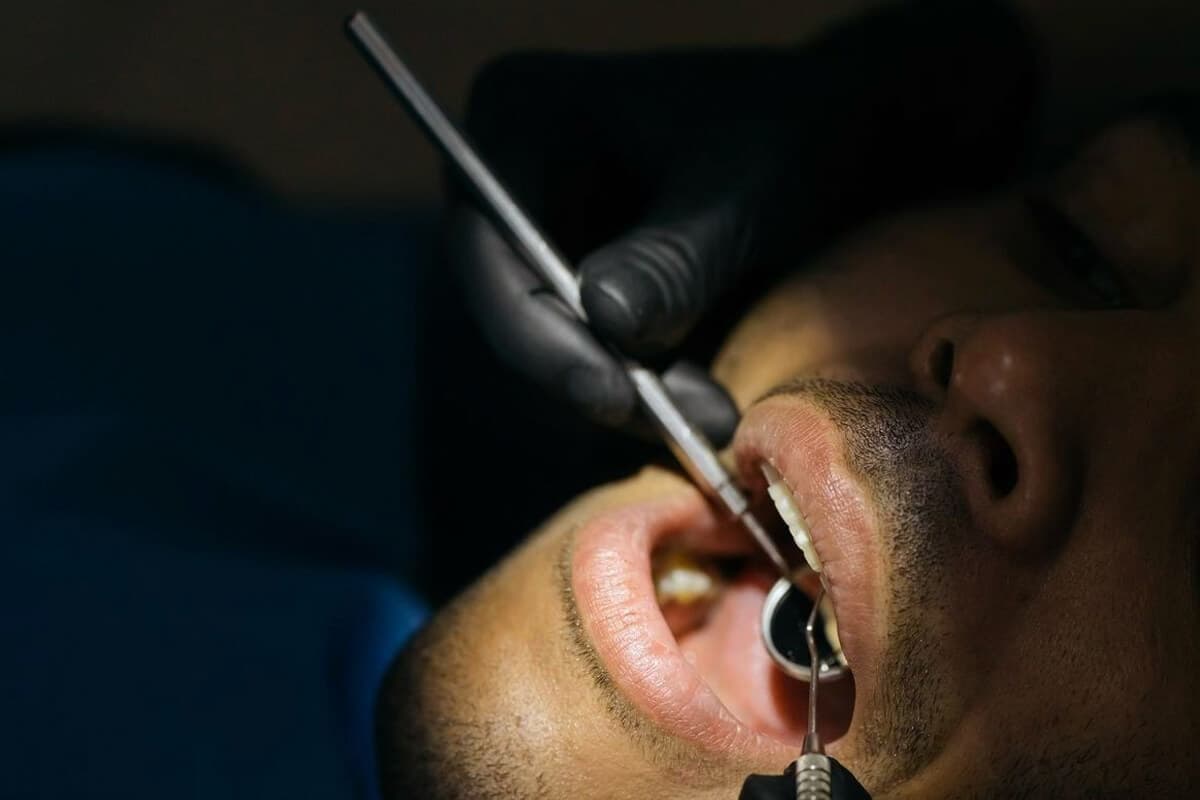
Tartar is not only an aesthetic problem; it is a factor that directly affects oral and dental health. Bacteria living on the surface of tartar cause inflammation and bleeding in the gums. When left untreated, this picture progresses and may affect the supporting tissues surrounding the tooth. Regular tartar removal is one of the most basic steps that helps prevent this progression.
The main reasons why tartar removal is necessary can be listed as follows:
It helps reduce and prevent gum inflammation (gingivitis).
It supports bringing bleeding from the gums under control.
It eliminates an important source of bad breath (halitosis).
It contributes to removing stains on the tooth surface, providing a cleaner appearance.
It helps reduce the bacterial load that increases the risk of tooth decay.
It allows advanced gum diseases to be noticed at an early stage.
It is known that oral health is closely related to general health. For this reason, tartar removal should be considered a care routine that is meaningful not only for comfort in the mouth but also for long-term health. If you want to manage your oral hygiene professionally in Samsun, regular check-ups by an experienced periodontology specialist in Samsun contribute to the process going well.
Tartar Removal Methods
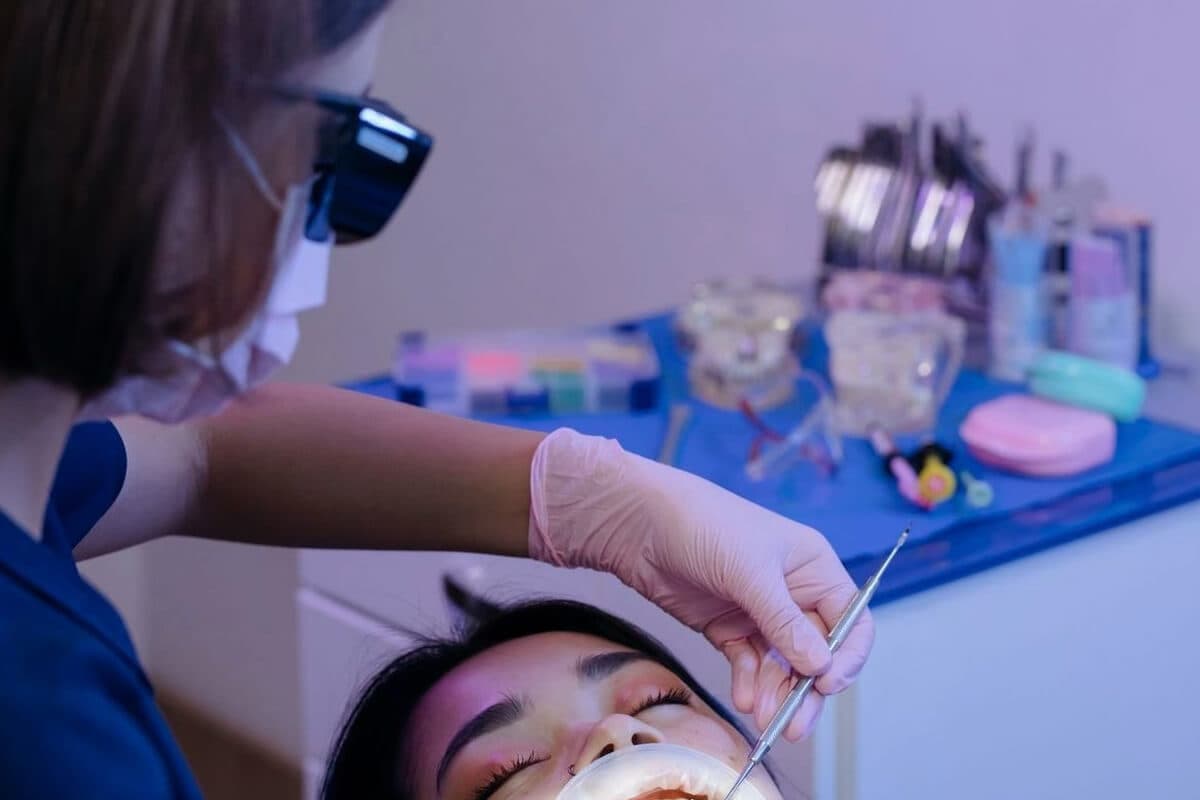
In modern dentistry, more than one method is used for tartar removal. Which method, or which methods in combination, will be applied is decided by taking into account factors such as the amount of tartar, the area where it has built up, the condition of gum health, and the person's sensitivity level. In most cases these methods complement each other; for example, polishing with Air-Flow may be applied after ultrasonic cleaning.
Ultrasonic Cleaning Method
Ultrasonic cleaning is the most widely used tartar removal method today. The method uses a special device with a vibrating tip. By producing thousands of vibrations per second, this device breaks up and loosens hardened plaque stuck to the tooth surface and the gumline. At the same time, the water delivered from the tip of the device both flushes away the broken pieces of tartar and keeps the area cool during the procedure.
The most important advantage of the ultrasonic method is that it can effectively clean a large surface in a short time. Its ability to reach tartar that has built up under the gum makes this method valuable for periodontal health. Feeling a slight vibration and a sensation of water during the procedure is normal; usually no discomfort is experienced. For people with high sensitivity, your dentist can plan the procedure at gentler settings and, if needed, with numbing support.
Cleaning With Air-Flow Technology
Air-Flow technology is based on spraying water, air pressure, and a special fine powder together onto the tooth surface from a certain distance. The powder particles used in this method clean plaque, the biofilm layer, and surface stains from sources such as tea, coffee, and cigarettes without making hard contact with the tooth surface. It is generally applied after ultrasonic cleaning in order to polish the teeth and remove fine stains.
The standout aspect of Air-Flow is that it offers a comfortable and gentle procedure. Because it works without touching the tooth surface, it can be preferred for people with high sensitivity. It also helps clean plaque buildup on hard-to-reach interdental surfaces and along the gumline. This method is considered an effective complement in maintaining oral hygiene. Your dentist decides which powder and setting to use according to the person's gum condition.
Laser-Assisted Cleaning Option
Laser-assisted cleaning is an option that may be preferred especially for people with high gum sensitivity or inflammation in the gum area. Laser energy is directed to the targeted area and helps reduce the bacterial load around the gum. In cases deemed suitable, this approach is used as a complement to conventional methods.
The fact that laser-assisted treatment offers a targeted approach to the area stands out as an advantage for gum comfort. However, it should be noted that a laser on its own is not a method that mechanically removes tartar; it is generally brought in as a component that supports cleaning done with ultrasonic or hand instruments. Whether this method is suitable for a person is decided by the dentist after the oral examination.
Evaluation and Preparation Before Tartar Removal
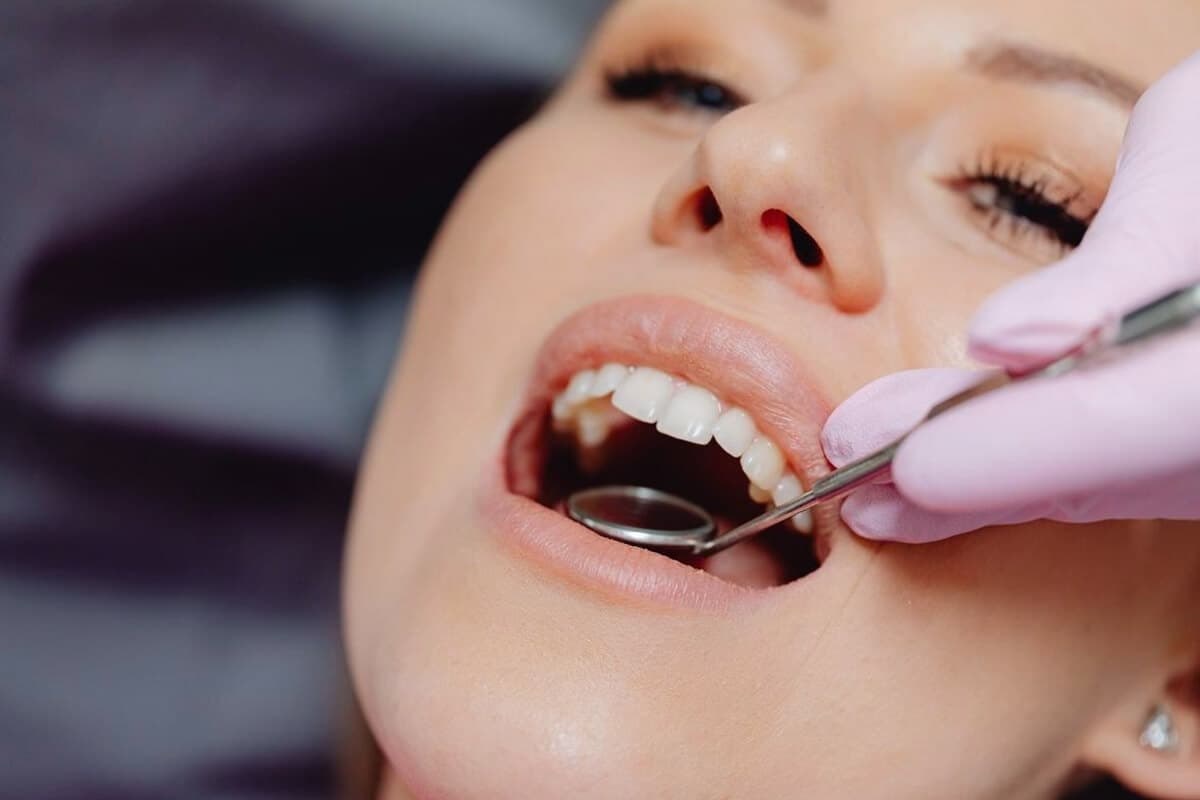
A healthy and comfortable tartar removal process begins with the right evaluation before the procedure. Because every mouth and every gum health condition is different, the method and approach to be used are determined specifically for the individual. For this reason, a comprehensive examination before detartrage is important for the procedure to be both safe and effective.
At this stage, your dentist evaluates the amount of tartar and the areas where it has built up, examines gum health, and notes any conditions such as gum bleeding, recession, or sensitivity. Additional imaging methods may be used when needed. This clarifies the scope of the procedure and allows possible special circumstances to be planned in advance.
Initial Consultation and Oral Examination
At the initial consultation, your dentist learns the person's general medical history, the medications they take, and any chronic conditions they have. This information is important for planning the procedure safely. An oral examination is then performed; the teeth, gums, and gum pockets are evaluated one by one.
During the examination, the areas where tartar is heavy, the areas with gum recession, and the points where sensitivity may be high are identified. As a result of this evaluation, your dentist recommends the cleaning method, or combination of methods, suited to you and informs you about the process. The consultation is also a stage where you can ask your questions and share your expectations about the procedure.
Duration and Frequency of Tartar Removal
The duration of tartar removal varies according to the amount of tartar, the areas where it has built up, and the condition of gum health. In a mouth with superficial and small amounts of tartar, the procedure is shorter, while in cases where cleaning has been neglected for a long time and there is heavy buildup, the procedure may take longer or be spread over more than one session. An average session is, in most cases, planned to be completed in a single appointment.
The generally accepted approach on frequency is professional tartar removal every six months. However, this interval varies from person to person. For people who are prone to tartar formation, who smoke, who have a history of gum disease, or who are undergoing orthodontic treatment, cleaning more often, for example every three to four months, may be recommended. For individuals with very good oral hygiene, once a year may be sufficient. The appropriate frequency is determined by the dentist who evaluates the person's oral structure.
Care After Tartar Removal

The care routine to follow after tartar removal is important both for maintaining the results of the procedure and for delaying new tartar formation. The gums may be sensitive for a short time after the procedure; this is a natural reaction and usually passes quickly. With the right care habits, this period is more comfortable.
Recommendations for the First 24 Hours
On the first day after the procedure, the teeth and gums may be somewhat more sensitive to external factors. During this period, avoiding very hot or very cold foods and drinks as much as possible helps reduce the feeling of sensitivity. The following recommendations increase comfort during the first 24 hours:
Stay away from tea, coffee, red wine, and dark-colored drinks in the first hours; the tooth surface is more open to staining during this period.
Choose lukewarm options instead of very hot and very cold foods.
Staying away from cigarettes contributes to gum healing and oral hygiene.
Brush your teeth with gentle movements and a soft-bristled brush.
In cases your dentist recommends, you can use a desensitizing toothpaste.
Maintaining Oral Hygiene
The way to keep the cleanliness achieved by tartar removal for a long time is through a regular and correct oral care routine. Brushing your teeth twice a day with the correct technique and cleaning the areas between the teeth with dental floss or an interdental brush is the basis of keeping plaque buildup under control. Plaque left between the teeth is the first point where tartar formation begins.
Having the correct brushing technique matters more than how long you brush. Brushing with soft, circular movements that will not harm the gum both removes plaque effectively and protects gum health. Applying the brushing and interdental cleaning methods your dentist recommends specifically for you is beneficial for the sustainability of your oral hygiene.
Preventing Tartar From Forming Again
After tartar removal, plaque buildup starts again over time; this is a natural process. The aim is to delay this buildup from hardening and turning into tartar. Regular home care, a balanced diet, and periodic dental check-ups work together on this. Cleaning the mouth especially after consuming sugary and sticky foods helps reduce the plaque load.
The following habits are supportive for preventing new tartar formation:
Keeping up daily brushing and interdental cleaning without skipping.
Going for regular check-ups at the intervals set by your dentist.
Staying away from cigarettes and tobacco products.
Paying attention to water intake to contribute to oral cleanliness.
Consulting your dentist when you notice symptoms such as gum bleeding or sensitivity.
Possible Side Effects and Risks of Tartar Removal
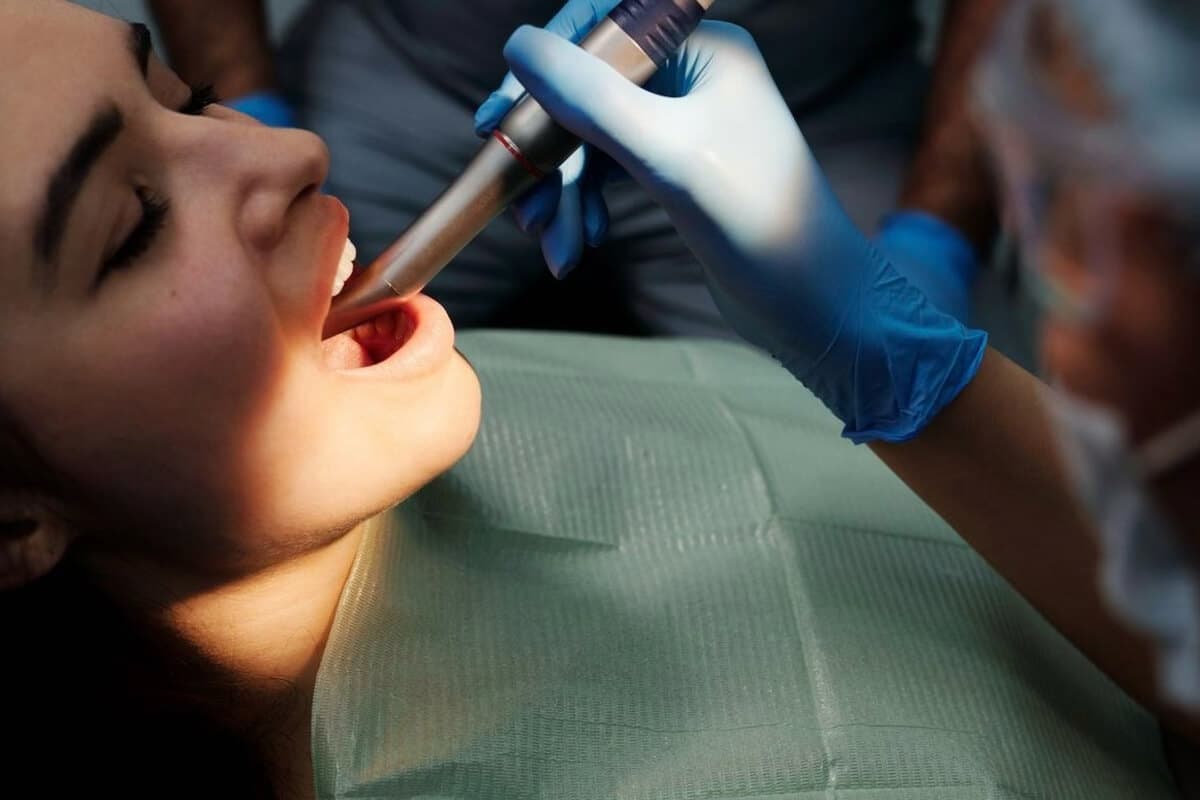
Tartar removal is a safe procedure when performed by experienced dentists with suitable equipment. That said, as with any medical procedure, some temporary conditions may be seen after the procedure. Most of these are short-lived and pass on their own. Knowing in advance what to expect helps a person get through the process more comfortably.
Gum Sensitivity and Mild Bleeding
The most common situation after tartar removal is temporary gum sensitivity and mild bleeding. Especially in people with heavy tartar buildup and gum inflammation, the area may remain more sensitive for a while after cleaning. This sensitivity usually eases within a few days and passes on its own.
Temporary sensitivity to heat and cold may also be experienced. This feeling is short-lived in most cases and can be gotten through more comfortably with the use of a desensitizing toothpaste. Mild bleeding can actually be an indicator of underlying gum inflammation and decreases over time with regular care. If the bleeding lasts a long time or increases, you need to consult your dentist.
Rarely Seen Complications
Serious complications after tartar removal are quite rare. Still, in some people who have gone a long time without cleaning and who have gum recession, once the tartar is cleaned, gaps between the tooth surfaces that were previously filled with tartar may become noticeable. This is not a newly formed problem but the reveal of the existing picture, and it is evaluated by your dentist.
In some people, a short-lived feeling of gum recession or temporary sensitivity may be more noticeable after the procedure. Following your dentist's recommendations is important so that such situations are managed specifically for you. If you have any chronic condition related to oral health or take a regular medication, sharing this with your dentist before the procedure helps the process be planned safely.
Scaling and Tartar Removal Prices in Samsun 2026
Tartar removal prices cannot be expressed with a single fixed figure, because every mouth and every need is different from one another. The fee becomes clear after a personal examination and evaluation. For this reason, the most accurate information is given by the dentist after an examination in the clinic. The following factors are the main elements that affect the scope of the procedure and therefore the fee.
The amount of tartar and the areas where it has built up: The heaviness of the buildup directly affects the scope of the procedure.
The method used: Using ultrasonic, Air-Flow, and laser-assisted procedures alone or together makes the process different.
Additional procedures: Polishing, fluoride application, or additional procedures for gum health may be planned.
Number of sessions: In cases of heavy buildup, the procedure may be spread over more than one appointment.
Dentist's experience and the clinic's facilities: These play a role in the planning and comfort of the procedure.
When these factors come together, a different treatment plan emerges for each person. That is why, if you are thinking about tartar removal, it is recommended that you first book an examination appointment. During the examination, your oral condition is evaluated, the method suited to you is determined, and you receive detailed information about the process. This way, you can make the most suitable plan for both your health and your budget.
Conclusion
Scaling and tartar removal in Samsun is one of the most basic steps in protecting oral and dental health. Although regular brushing and flossing are important, plaque that hardens over time can only be cleaned with a professional procedure. When planned specifically for the individual, ultrasonic, Air-Flow, and laser-assisted methods offer cleaning that is both comfortable and effective.
The greatest contribution of tartar removal is that it helps prevent gum inflammation and advanced gum diseases. With the right care habits after the procedure, regular dental check-ups, and a healthy oral hygiene routine, this benefit can be maintained for a long time. Investing in your oral health also contributes to your general health. For your questions about tartar removal, consulting your dentist is the safest way to determine the plan that suits you best.