

 Spec. Dt. Gökcan ErtaşOrthodontist
 Dt. Sena KırcaDentist
 Dt. Sevinç Cansu KayıranDentist
 Assoc. Prof. Dr. Sezin ÖzerPediatric Dentist
 Spec. Dt. Sude Yıldırım BolatSpecialist in Periodontology
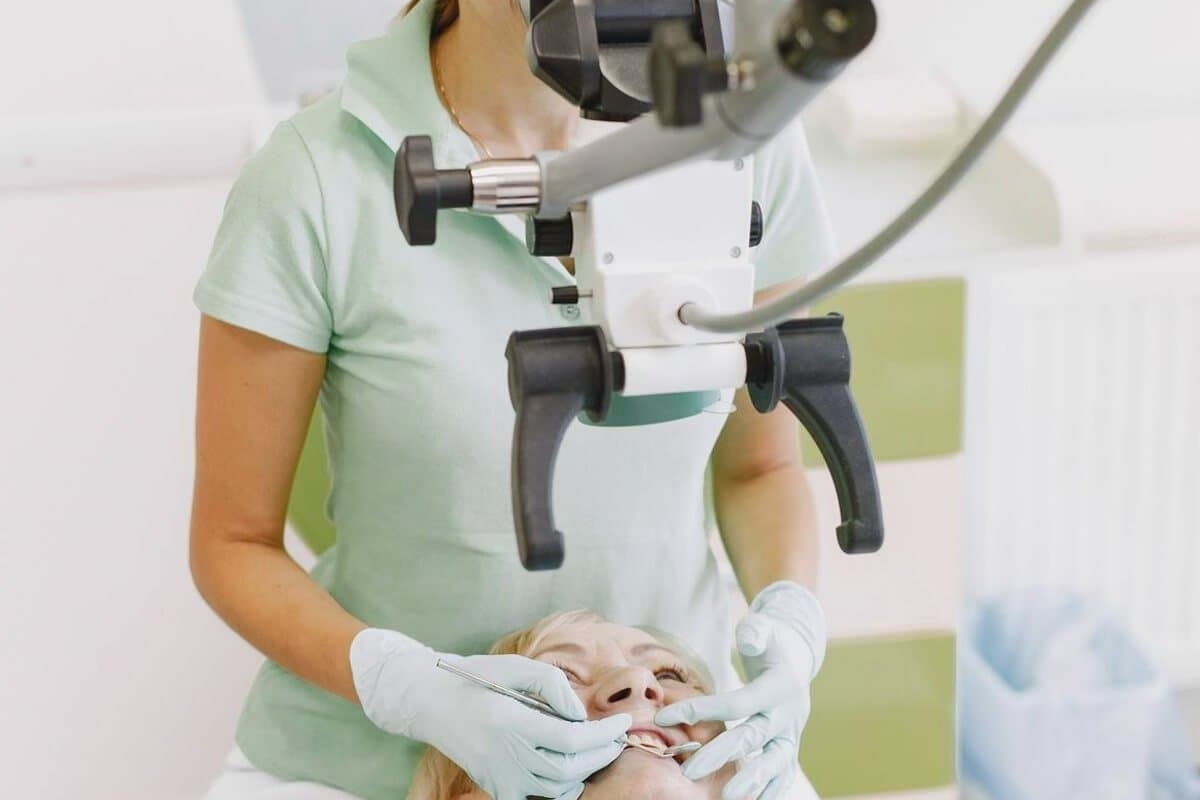
Root canal retreatment in Samsun means treating a tooth that previously had root canal treatment but over time had an unsuccessful outcome or developed complications, by reopening and cleaning the canal system. The old filling material inside the tooth is removed, the source of infection is investigated, and the canal is reshaped and refilled. This procedure is an important option for keeping the tooth in the mouth without extracting it.
Pain, sensitivity, or swelling in the gum can appear over time in a tooth that has had root canal treatment. These symptoms may show that the first treatment was inadequate or that a new infection has developed. In such cases, whether the tooth should be extracted or can be retreated only becomes clear with a detailed evaluation by the dentist; each case requires a different approach according to its own anatomical structure.
At Dental Prime, a team of dentists experienced in endodontics evaluates root canal retreatment cases one by one, using digital imaging and microscope-assisted methods. The aim is to preserve the natural tooth as far as possible and to offer the patient a comfortable, planned treatment process. Because every patient’s tooth structure and previous treatment history are different, a comprehensive examination and imaging are recommended before the decision to retreat.
What Is Root Canal Retreatment?
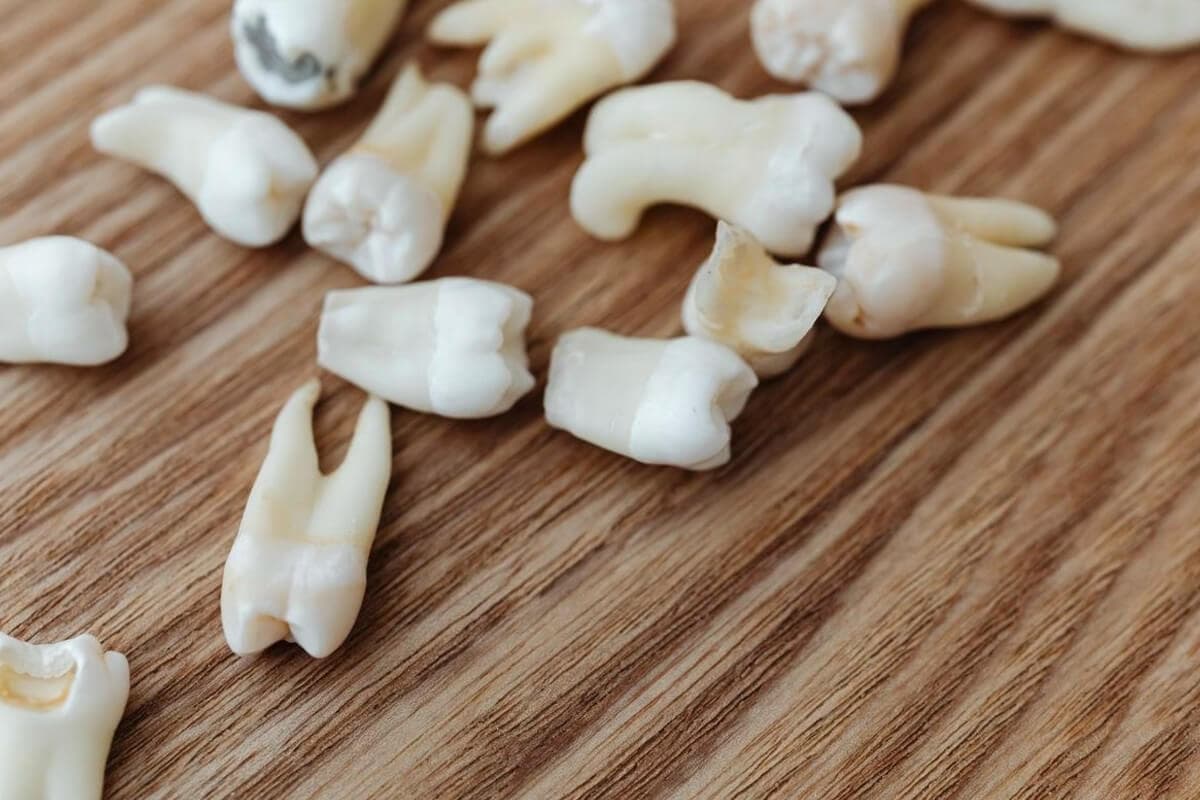
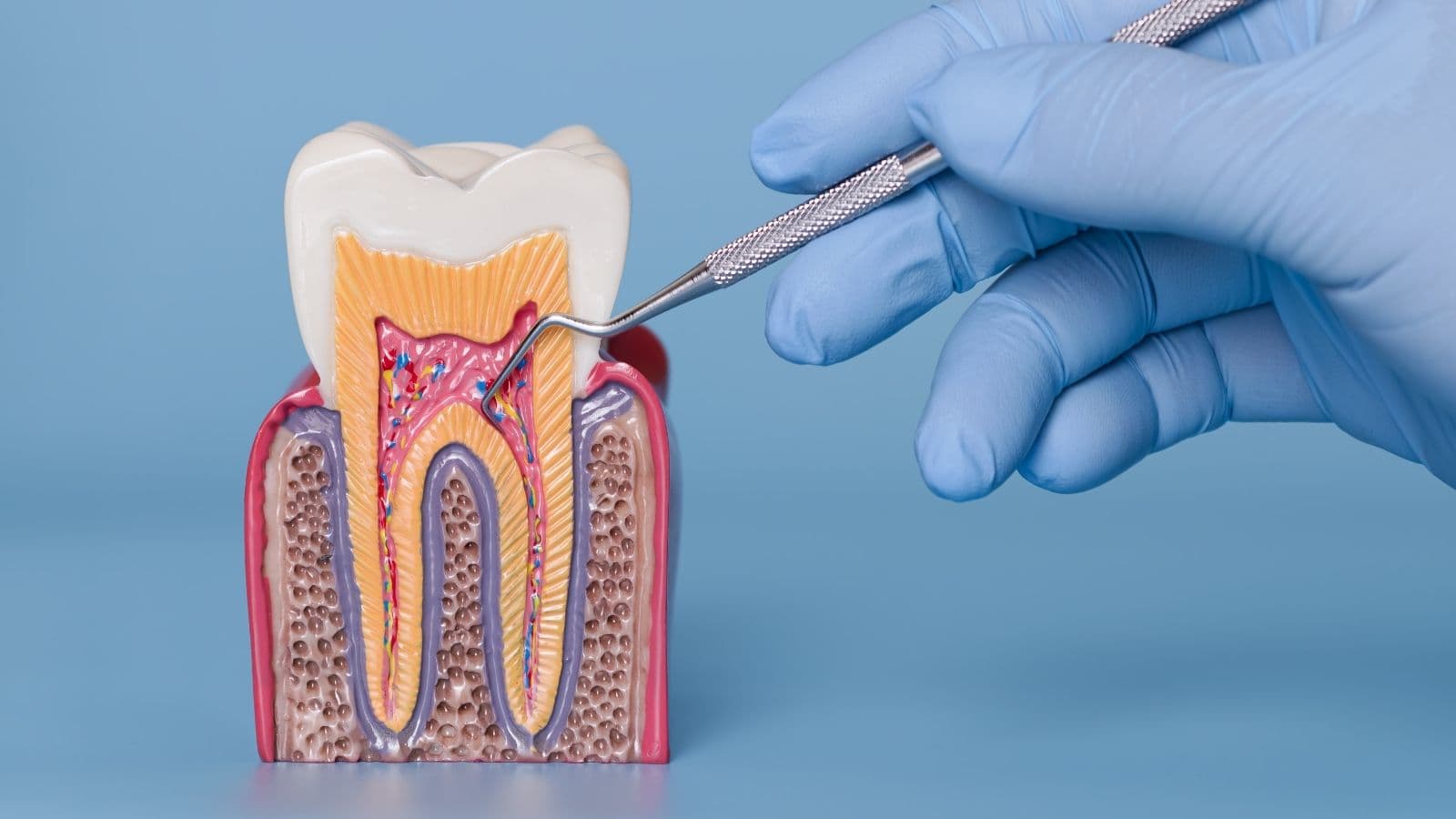
Root canal retreatment, called retreatment in medical terminology, is an endodontic procedure applied when infection continues or reappears in a tooth whose root canal treatment was completed earlier. The canals cleaned in the first treatment are reopened, the previous filling material is removed, and the canal system is re-evaluated. This approach aims to get to the source of the problem without losing the tooth.
Among the most common reasons for retreatment are that some canals were missed in the first treatment, that the canal could not be cleaned and shaped sufficiently, and that the root anatomy is complex. A tooth may have more than one canal; when one of them is overlooked, infection can recur over time.
Another reason is that the filling or crown placed after treatment leaks over time or that new decay forms on the tooth. Bacteria in the mouth can reach the canal system again by these routes and set the stage for an inflammatory process to start again.
In some cases, the need for retreatment gives no symptoms and may be noticed only on a routine dental X-ray. However, in most patients one or more of the following findings are seen and call for seeing a dentist:
Pain in the tooth that does not go away and sometimes gets worse
Sensitivity when chewing or biting
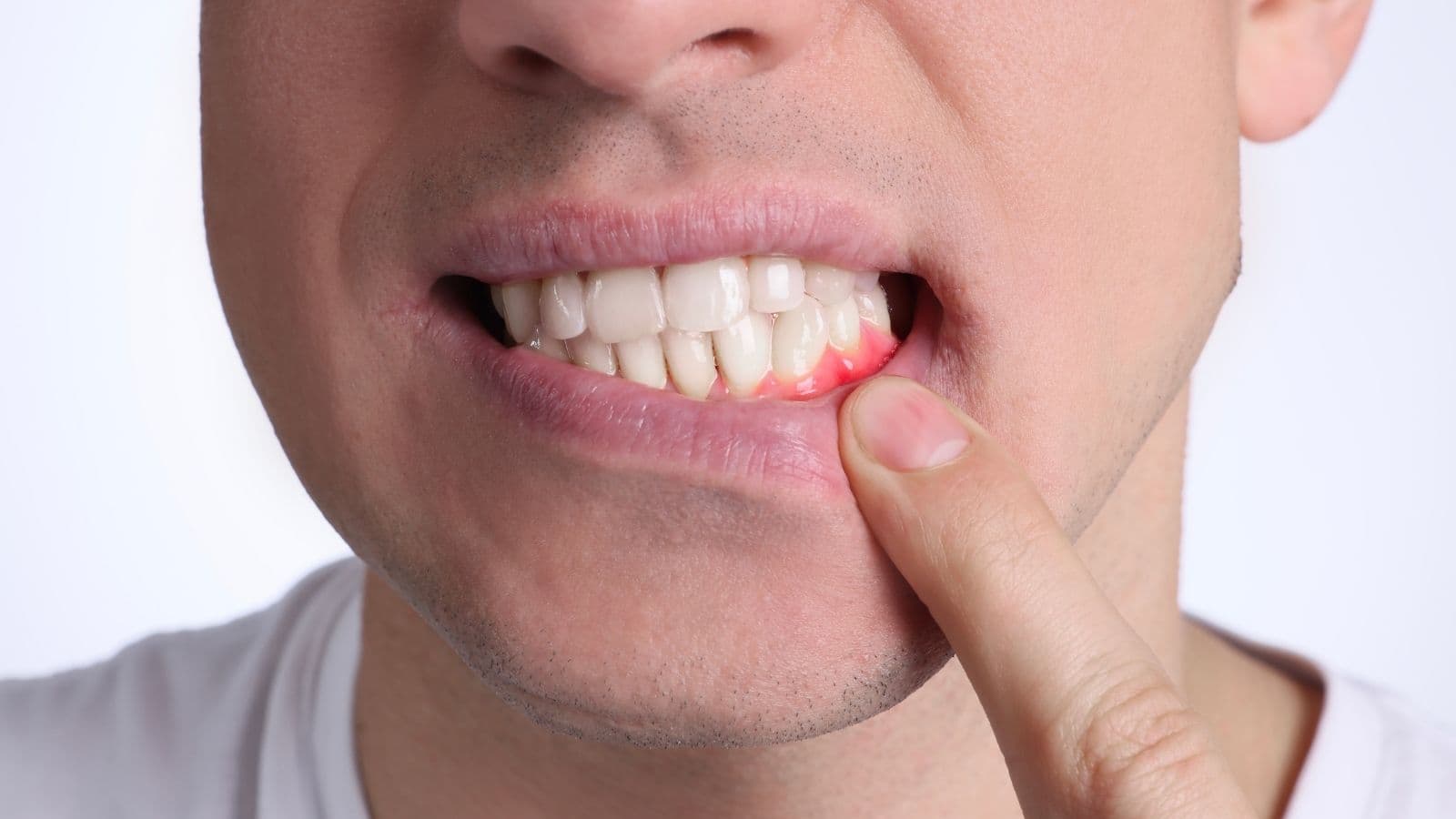
Swelling, redness, or discharge in the gum
A dark area (lesion) around the root tip on the X-ray
A feeling of movement under the crown or filling
An infection that is not treated in time can also affect the surrounding bone tissue and turn into a process leading to tooth loss. For this reason, if any of the symptoms above is noticed, it is recommended to see a dentist promptly instead of waiting until the condition of the tooth becomes clear.
In some teeth, retreatment can be more complex than in others. For example, in teeth with severely narrowed (calcified) canals, teeth that have a crown or post on them, or cases where a broken instrument fragment has remained in the canal, treatment requires more time and experience. The dentist explains such difficulties to the patient in detail at the diagnosis stage.
In a first-time root canal treatment, the root canal system is worked on a relatively bacteria-free ground, whereas in retreatment, microorganisms that have settled inside the canal, sometimes forming a biofilm layer, must be dealt with. This difference is the main factor that makes retreatment biologically more challenging than the first treatment.
Preserving the natural tooth offers a functional and aesthetic advantage over an artificial restoration in most cases; because the natural tooth root transmits chewing forces to the surrounding tissues in a natural way, it contributes to maintaining bone density. For this reason, saving the tooth with retreatment is evaluated as a priority whenever possible.
However, not every tooth is suitable for retreatment. In teeth with a root fracture, an excessive loss of bone support, or so much loss of structure that they cannot be restored, the dentist may suggest different options to the patient. In making this decision, both the clinical examination and the imaging findings are evaluated together.
In endodontic practice, root canal retreatment is a relatively common type of procedure and is treated as a separate field of work at many dental faculties and specialty clinics. This is an indication of the complexity and importance of retreatment.
The need for retreatment can be seen in any age group; it comes up more often especially in teeth that have had multiple fillings or crowns and teeth that had root canal treatment many years ago.
The Root Canal Retreatment Process
The root canal retreatment process requires more attention and experience than the first root canal treatment, because the dentist must both remove the previous filling material and detect any canals or fractures that may have been missed. The process consists of several stages and is generally completed in one to three visits.
Every stage of the process is meticulously planned so that the tooth can stay healthy in the long term. Throughout treatment, the dentist uses magnification and imaging methods and tries not to overlook even the smallest details in the canal system.
Initial Consultation and Diagnosis
The first step of the process is a detailed examination and imaging. The dentist first listens to the patient’s complaints, reviews old treatment records, and performs an intraoral examination. In cases where a standard X-ray is not enough, three-dimensional imaging (CBCT) is requested so that the root structure and possible additional canals can be seen more clearly.
At this stage, whether the tooth is suitable for retreatment is also evaluated. If there is a root crack, advanced bone loss, or a tooth structure damaged beyond restoration, the dentist may suggest a different treatment option instead of retreatment. For this reason, the diagnosis stage is the most critical step that determines the direction of the whole process.
During the examination, the dentist also evaluates the gum around the tooth, the bone level, and the condition of the previous restoration, if any. All the findings obtained are explained to the patient in understandable language, aiming for a shared decision before treatment.
Treatment Stages and Time Planning
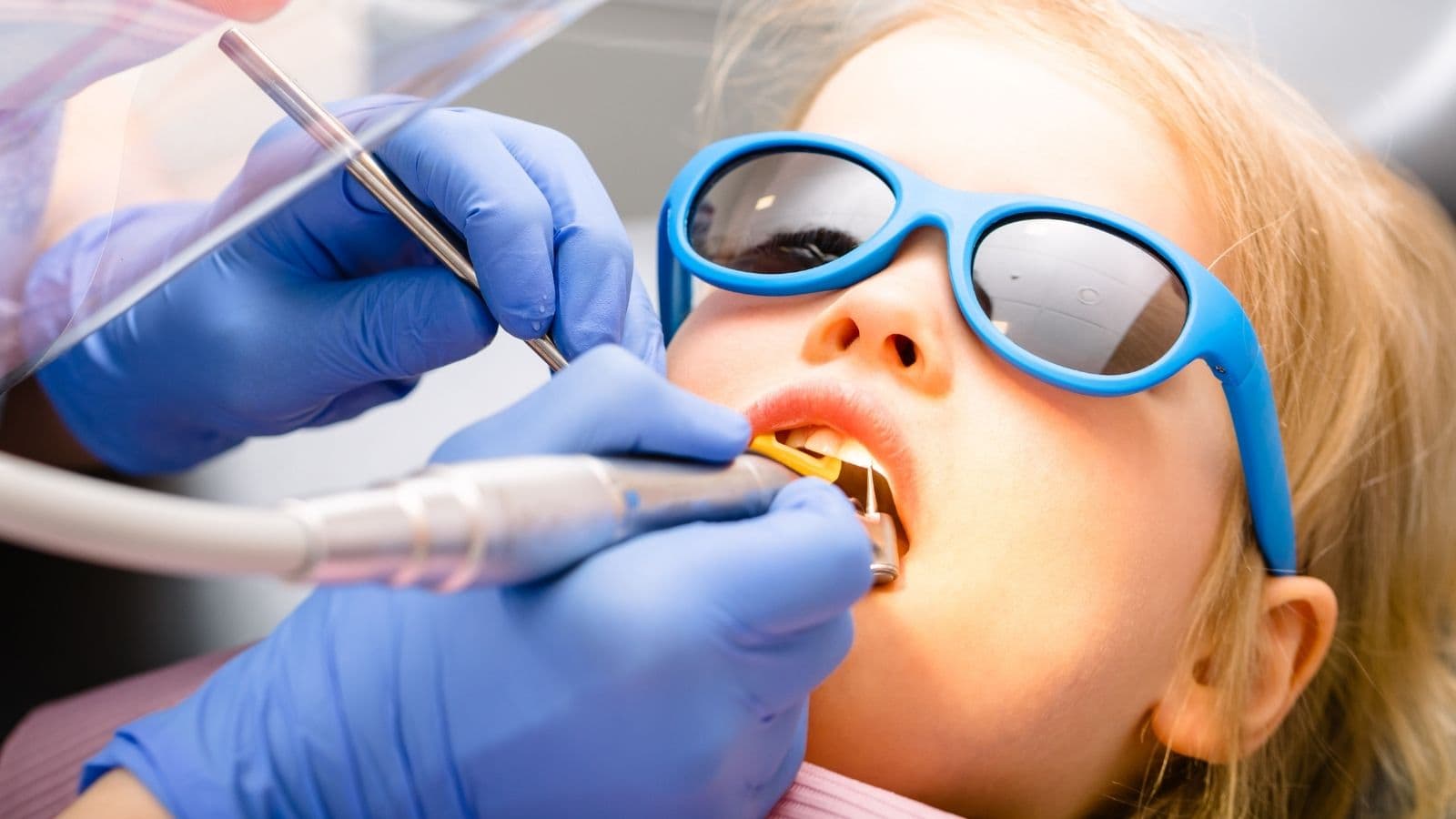
Once the diagnosis is clear, the tooth is numbed with local anesthesia and a protective cover (rubber dam) is placed on the tooth. Then the old canal filling is softened with special instruments and removed from the canal. This stage can take time depending on the type of material and the shape of the canal.
After the canals have been completely emptied, the dentist re-measures and cleans each canal one by one and, if needed, searches for canals that were previously missed. Special solutions and ultrasonic activation methods are used for disinfection. When the canal is sufficiently clean and dry, it is reshaped and filled with a biocompatible material.
Depending on the complexity of the case, treatment can be completed in a single visit, or, depending on the severity of the infection, a temporary medication may be placed in the canal and a second visit planned a few weeks later. The time plan is determined together with the patient according to the dentist’s clinical evaluation.
In cases planned in two visits, a temporary filling is placed in the tooth between visits and a certain amount of time is waited for the medication placed in the canal to take effect. This waiting period can vary from a few days to a few weeks depending on the severity of the infection.
To increase patient comfort during treatment, some clinics prefer simple practices such as playing music, comfortable chair arrangements, or communication signals. Patients who feel anxiety about dental treatment can get through the process more comfortably by sharing their concerns with their dentist before the procedure.
In summary, the treatment stages proceed in the following order:
Local anesthesia and isolation (rubber dam) placement
Removal of the old canal filling from the canal
Re-measuring and cleaning of the canals
Searching for missed canals or additional anatomical structures
Disinfection and reshaping of the canal
Refilling of the canal with a biocompatible material
Points to Note After Treatment
After the visit, it is recommended to avoid hot drinks and food until the effect of the anesthesia wears off; otherwise, you may bite your lip or cheek without realizing it. For the first few days, not chewing hard foods on the treated side helps reduce sensitivity in the tooth.
In cases where a temporary filling is placed, care should be taken to keep this area intact until the permanent filling or crown is made. When flossing, it is advised to pass gently along the edges of the temporary filling rather than over it; if any breakage or loss is noticed, you should inform your dentist without delay.
Avoiding very hot or cold foods on the treated tooth during the first week helps reduce sensitivity. Not applying more pressure than usual to the area when brushing supports a comfortable healing process.
Avoiding heavy physical activity on the day of treatment may help prevent changes in blood circulation from increasing regional sensitivity. From the next day on, you can usually return to daily activities without problems.
What to Expect From Root Canal Retreatment Clinics
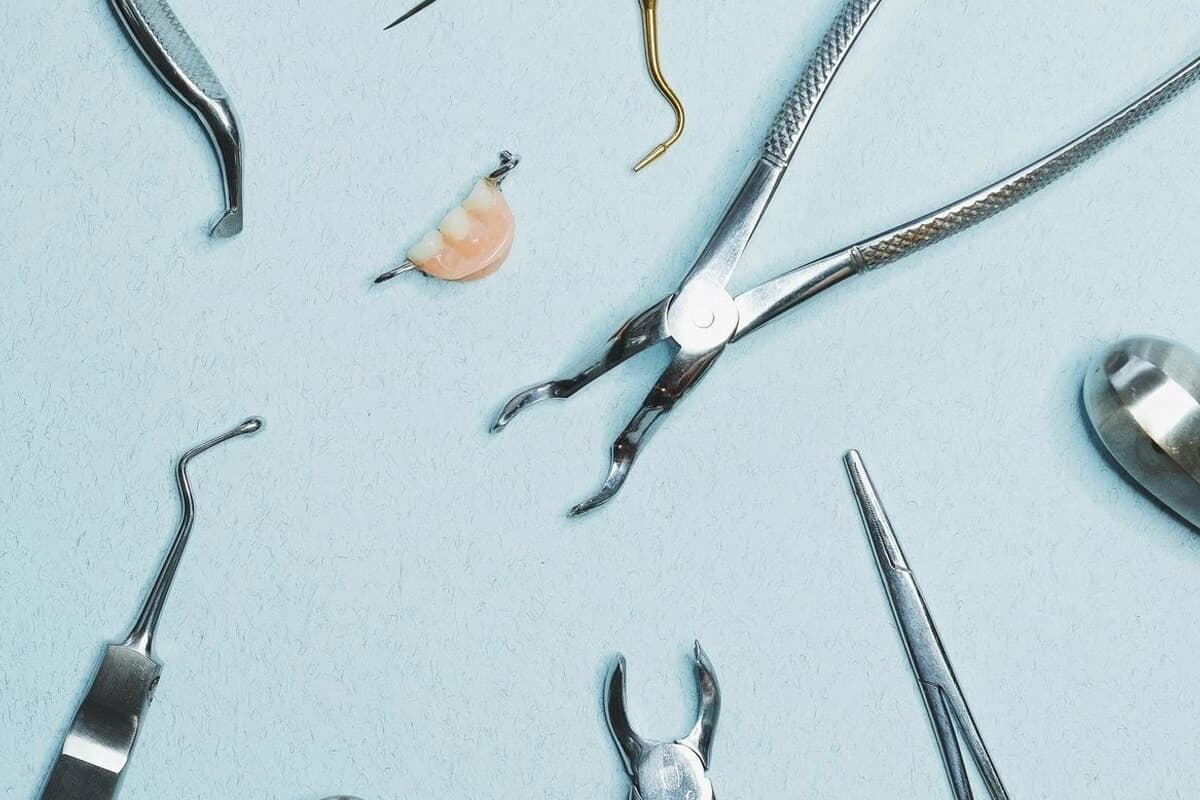
In a delicate procedure like root canal retreatment, the clinic’s technological equipment and the dentist’s experience directly affect the course of treatment. Among the basic things patients should expect from a clinic are detailed imaging capabilities, a sterile working environment, and transparent information.
Before treatment, the dentist should explain the current situation to the patient with the help of images and give clear information about possible risks and the expected process. When choosing a dental clinic in Samsun, this transparency and quality of communication is as important a criterion as technical equipment.
In addition, the full application of sterilization protocols, the preference for single-use materials, and care for patient privacy are among the basic indicators of a reliable clinic. Flexible appointment scheduling and continuing to keep the patient informed throughout treatment are also important for comfort.
Sharing the X-rays and images taken during the treatment process with the patient contributes to a transparent process. A communication environment in which patients can comfortably ask the questions they have before treatment also strengthens the sense of trust.
Regularly auditing and recording the sterilization processes of the instruments used in the clinic is an essential standard for both patient safety and treatment quality. Patients can request information about the clinic’s hygiene practices if they wish.
Continuing communication with the patient after treatment is a valuable criterion in terms of being able to get a quick response in case of a problem. Practices such as appointment reminders and follow-up calls can be counted among the factors that increase patient satisfaction.
The main things to expect from a clinic are as follows:
Detailed imaging and diagnostic capabilities
Use of sterile, single-use materials
An experienced endodontics team
Transparent information before and after treatment
A comfortable appointment and follow-up process
Comparison Criterion | First Root Canal Treatment | Root Canal Retreatment |
|---|---|---|
Duration | Usually 1 visit, 30-60 minutes | Usually 1-3 visits, 60-90 minutes per visit |
Level of Difficulty | Standard; the canal system is opened for the first time | Higher; removing the old filling and searching for missed canals are required |
Technology Used | X-ray, apex locator, rotary file systems | CBCT, dental microscope, ultrasonic activation, advanced file systems |
Evaluation Process | Follows a relatively predictable course | Varies from case to case, requires close follow-up |
Technology and Materials Used
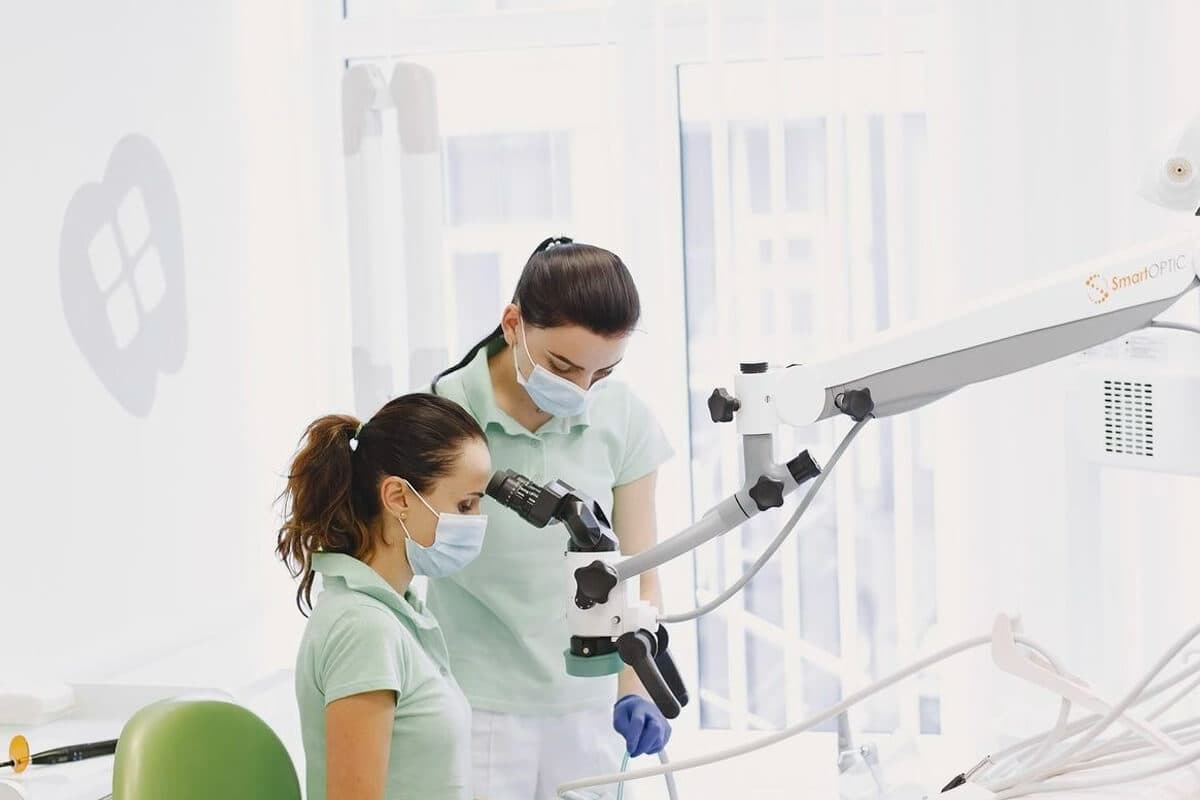
Today, the use of a dental microscope in root canal retreatment procedures makes it possible to see fine details inside the canal under magnification. In this way, missed canal openings, cracks, or broken instrument fragments can be detected much more easily.
In canal shaping, rotary nickel-titanium (rotary NiTi) file systems, apex locator devices that measure canal length electronically, and ultrasonic activation methods for disinfection are frequently preferred. In the filling stage, biocompatible, tissue-friendly materials are used.
Using these technologies together increases the predictability of treatment and allows the dentist to manage the complex structures in the canal system more safely. The use of a microscope in particular plays a decisive role in detecting cracks and broken instrument fragments that could not be noticed before.
Digital X-ray systems offer clearer images with a lower radiation dose compared with traditional film; this makes it safer to retake images during treatment when needed.
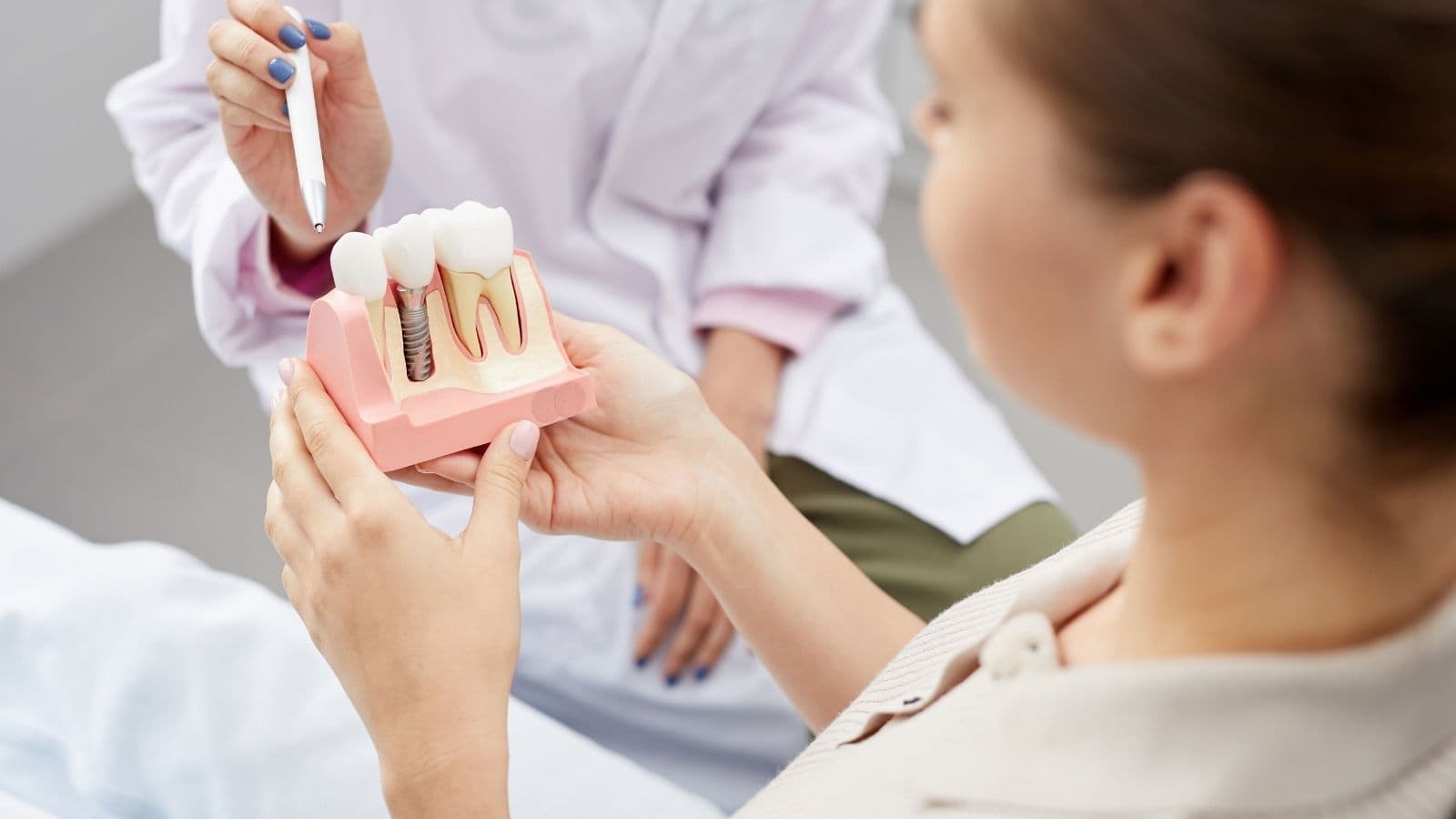
Having the dentist review CBCT or X-ray images together with the patient before treatment helps make the process more understandable. In this way, the patient can also follow the source of the problem in their tooth and the planned treatment steps visually.
The main tools and methods that stand out in retreatment are as follows:
Magnified imaging with a dental microscope
Three-dimensional (CBCT) imaging
Canal length measurement with an electronic apex locator
Disinfection supported by ultrasonic activation
Rotary NiTi file systems
Points to Note After Root Canal Retreatment
In the days after retreatment is completed, a mild degree of sensitivity or a feeling of pressure is considered normal. These complaints generally decrease and disappear within a few days. Healing of the gums and the rebuilding of bone tissue, on the other hand, is a process that can take weeks, sometimes months.
During this period, regular oral care should be continued, and the area of the treated tooth should not be strained too much. Keeping the follow-up appointments recommended by the dentist is important for monitoring whether healing is progressing as planned.
In this process, staying away from smoking and paying attention to a balanced diet can be counted among the factors that support tissue healing. In addition, patients who clench or grind their teeth informing their dentist about this is important for protecting the tooth after treatment.
Dentists generally request a follow-up X-ray a few months after treatment to evaluate the course of healing. This check is an important step for confirming that bone tissue is rebuilding as expected.
Drinking plenty of water and eating a balanced diet are simple but effective steps that support the body’s overall healing capacity. Patients with a chronic condition are advised to share with their dentist any conditions that may affect the healing process.
Possible Side Effects and Pain Management
In the first few days after treatment, mild pain, swelling, or sensitivity when chewing may be seen; this is the tissues’ normal reaction to treatment. Pain relievers recommended by the dentist and cold compress applications can help ease these complaints.
When using pain relievers, following the dose and duration recommended by the dentist is important for avoiding possible side effects. Before using over-the-counter medication, patients who take medication regularly in particular are advised to inform their dentist.
In some patients, a slight color change in the tooth or a feeling of temporary sensitivity may also be seen for a few days after treatment. Such findings are generally not permanent and subside on their own over time; if you are worried, contacting your dentist is always the best approach.
However, if the pain increases as days pass, the swelling grows, or symptoms such as fever are added, you should see a dentist without delay. This picture can be a sign of an additional infection or of not getting the expected response to treatment and requires a detailed evaluation.
Alternatives in Case of Failure
Rarely, the infection may not fully resolve after retreatment or may recur after a short time. In such cases, the dentist may consider apical resection, which allows the canal to be cleaned surgically from the root tip.
In cases where apical resection also does not give a sufficient result or where the tooth structure has weakened to the point that it can no longer be preserved, extraction of the tooth and planning of prosthetic options such as an implant or bridge in its place may come into question. Which path to follow is always determined by a comprehensive evaluation by the dentist.
Which of the alternative options is suitable is determined by taking into account the amount of sound tissue remaining in the tooth, the surrounding bone structure, and the patient’s general oral health. A correct referral made at an early stage offers an advantage in both time and treatment comfort.
Although tooth extraction removes the problem in the short term, if the extracted tooth is not replaced, long-term effects can be seen on chewing function and the jawbone. For this reason, dentists prioritize retreatment first in suitable cases and prosthetic alternatives in unsuitable ones.
The main options that can be considered when retreatment does not give a sufficient result are as follows:
Apical resection (root-end surgery)
Extraction of the tooth and placement of an implant in its place
Closing the gap with a bridge prosthesis
Clinical and radiographic follow-up at regular intervals
Root Canal Retreatment Prices in Samsun 2026
The price of root canal retreatment in Samsun depends on too many variables to be expressed as a fixed figure. Even within the same clinic, the price can differ markedly between two different patients; for this reason, a clear fee can only be given after an examination.
The main factors that affect the price include the number and complexity of the canals in the tooth, how difficult it is to remove the old filling material, the number of visits needed, and whether additional imaging (CBCT) is required. The need for a restoration such as a crown or filling after treatment is also reflected in the total cost.
The position of the tooth and the number of roots/canals
The difficulty of the case and the number of visits needed
The need for additional imaging (CBCT)
The materials and technology used
The dentist’s level of experience
The need for a crown or filling after treatment
When researching prices, it is important to evaluate not only the lowest figure but also the technology the clinic uses, the dentist’s experience, and the check-up and follow-up services offered after treatment. A low-cost but inadequate treatment can lead to the need for retreatment again later and cause a higher cost in the long run.
For example, the cost of retreatment on a single-canal, uncomplicated tooth and that on a multi-canal tooth that contains a broken instrument fragment can differ markedly. For this reason, it is healthier to rely on the result of a personalized examination rather than general figures shared online.
Patients who have insurance or a private health policy would benefit from confirming in advance with the clinic or the insurance company whether retreatment is covered. This way, financial planning can be done more clearly before the treatment process begins.
A preliminary conversation by phone or in person before treatment can give the patient a general idea about the process; however, this preliminary information does not replace the treatment plan that will become clear after the examination. The final decision is always based on the clinical examination and imaging results.
Some clinics may offer installment payment options to make the cost of treatment more manageable. Whether such options exist can be learned by speaking directly with the clinic once the treatment plan is clear.
Considering these variables, the way to reach the most accurate and up-to-date information is through an examination. After reviewing the X-rays and, if needed, CBCT images of the tooth, the dentist offers the patient a personalized treatment plan and the related price information.
Conclusion
Root canal retreatment in Samsun is a reliable method that aims to solve the problem at its source without losing the tooth in root canal treatments that have failed or developed complications. When an accurate diagnosis, an experienced dentist, and suitable technological infrastructure come together, it may be possible in many cases for the tooth to keep functioning in the mouth for a long time.
If you have a complaint or are having a problem with a tooth that previously had root canal treatment, an examination done at an early stage both makes the treatment process easier and increases the chance of saving the tooth. We recommend consulting a specialist dentist for an evaluation specific to your situation.
Because every patient’s clinical picture is different, the information in this article is a general guide, and a personalized treatment decision can only be made through a dental examination.