Spec. Dt. Gökcan ErtaşOrthodontist
 Dt. Sena KırcaDentist
 Dt. Sevinç Cansu KayıranDentist
 Assoc. Prof. Dr. Sezin ÖzerPediatric Dentist
 Spec. Dt. Sude Yıldırım BolatSpecialist in Periodontology

Tooth decay treatment in Samsun is a personalized process that covers options such as a filling, root canal treatment or, when necessary, tooth extraction, depending on the depth of the decay. Because every tooth and every patient is different, the treatment plan is determined after the examination. In this article, we cover commonly asked topics such as the process and the factors that affect the number of sessions and the cost.
This guide is for informational purposes only and does not replace a dentist's examination. For a specific diagnosis and treatment decision, you are advised to talk to your dentist.
Tooth decay may not cause symptoms at first; as it progresses, however, it can lead to sensitivity, pain and deterioration of the tooth structure. While a cavity noticed early can be solved with a simple filling, neglected cases may require more extensive procedures. For this reason, regular checkups and timely intervention are important.
For an accurate diagnosis, the dentist relies on a clinical examination and, when necessary, X-rays. The Dental Prime team can help plan the most suitable approach for you according to the size of the decay and the condition of the tooth. In the sections below, we cover the treatment options, the process and the aftermath in detail.
What Is Tooth Decay?
Tooth decay is destruction that results when acids produced by bacteria in the mouth breaking down the sugars in food debris wear away the tooth enamel and the tissues beneath it. The process generally progresses slowly and is often not noticed at the beginning. For this reason, patients usually become aware of decay only when sensitivity or pain begins.
Bacteria in the mouth combine with food debris and saliva to form a thin, sticky layer called plaque on the tooth surface. If this plaque is not cleaned regularly, the acid produced by the bacteria in it begins to continuously wear down the tooth. Decay is actually the result of the balance between this acid attack and the tooth's own repair being tipped in favor of acid.
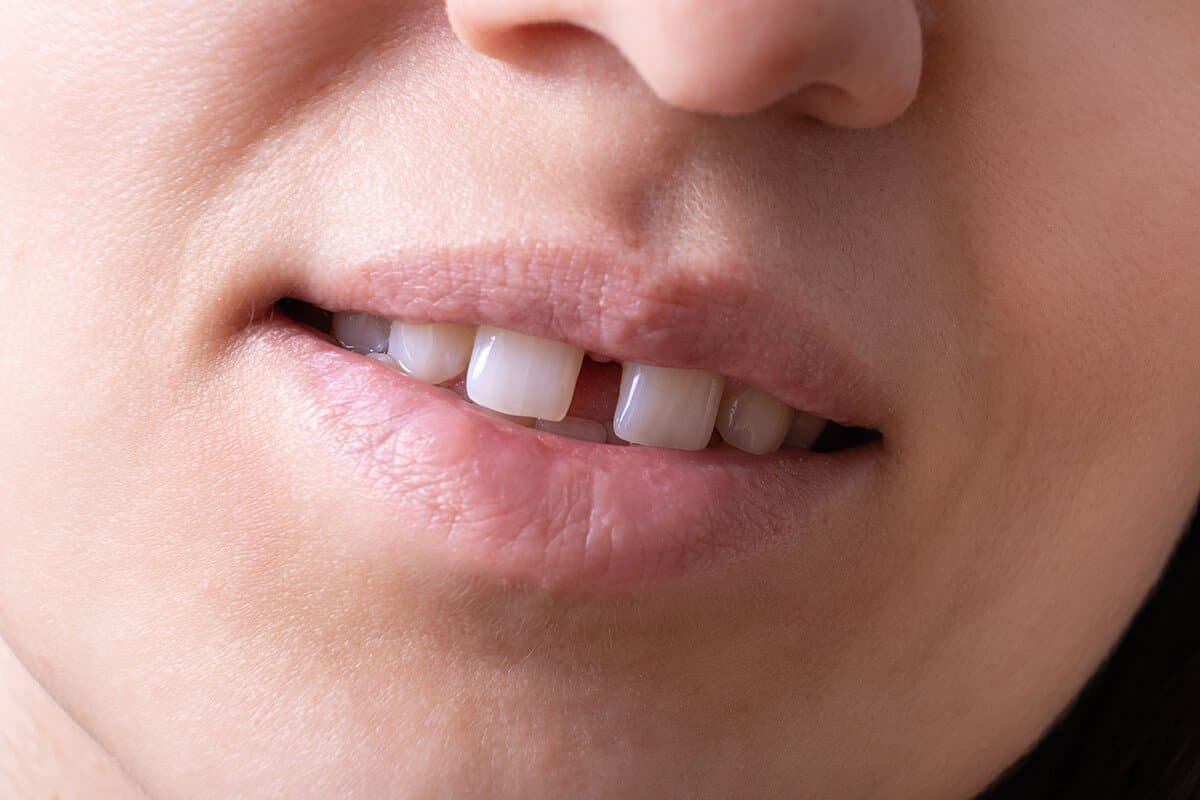
Decay first begins as a small spot in the enamel layer. At this stage, a dull white spot may appear on the tooth surface; the enamel has not yet been breached. If left untreated, the decay can progress to the underlying layer called dentin, and from there to the pulp, which houses the living tissue of the tooth. When decay reaches the pulp, pain and sensitivity become pronounced.
Decay has four main stages: enamel decay, dentin decay, decay that reaches the pulp, and an advanced stage that turns into inflammation (abscess) at the root tip. The stage at which it is noticed directly affects both the scope of treatment and the chance of saving the tooth. For this reason, early diagnosis is very important.
Factors such as inadequate oral hygiene, frequent sugary and acidic consumption, low saliva and genetic predisposition can play a role in the development of decay. In addition, crowded teeth, deep grooves in the teeth and dry mouth due to some medications can also increase the risk. Symptoms may include cold-hot sensitivity, discomfort while chewing, and a visible hole or discoloration in the tooth. It is helpful to see a dentist when these signs are noticed.
Saliva is a natural balancing element in protecting oral health; it helps neutralize acids and supply minerals to the enamel. For this reason, the risk of decay may be higher in people who experience dry mouth. Regular use of fluoride-containing products can also contribute to increasing the enamel's resistance to acids.
Decay affects not only adults but also children. Decay in baby teeth should not be neglected because it can affect the health of the permanent teeth and the development of their alignment. Regular dental checkups in children and instilling correct brushing habits early can help prevent problems that may arise later.
The symptoms of tooth decay vary according to its stage. While it is often not noticed in the early period, as it progresses, sensitivity to cold, heat and sweets, pain when chewing, discoloration of the tooth or a visible cavity may appear. When any of these symptoms is noticed, it is important to see a dentist so the decay can be evaluated before it progresses further.
Tooth Decay Treatment Options

The treatment method varies according to the stage of the decay and how much the tooth is affected. Two patients coming with the same complaint may be recommended different plans; this is because what matters is which layer of the tooth the decay has reached. For this reason, it is more accurate to speak of an approach shaped by the case rather than a single standard method.
In very early decay still on the enamel surface, at the white spot stage, remineralization of the enamel can be supported with preventive methods such as fluoride application. In decay where a cavity has formed, a filling is needed. In more advanced cases, root canal treatment is considered for decay that reaches the pulp, and extraction followed by restorative options is considered for teeth that cannot be saved.
The dentist determines the right option together with the clinical examination and X-ray findings. The aim is to protect the health and function of the tooth with the least possible intervention. Under the headings below, we cover fillings, root canal treatment and post-extraction options separately.
The basic principle when determining treatment options is to preserve natural tooth tissue as much as possible. For this reason, the dentist prefers the method that gives the most lasting result with the least intervention; where the tooth can be saved, a filling or root canal treatment comes to the fore instead of extraction.
Filling Treatment for Early-Stage Decay
When the decay is still in the enamel or dentin layer, the most commonly used method is a filling. Under local anesthesia, the dentist cleans out the decayed tissue and fills the resulting cavity with a suitable filling material. In this way, the aim is to preserve the chewing function and structural integrity of the tooth; at the same time, it becomes harder for bacteria to settle in this area again.
After the filling, the tooth is shaped, the bite is checked and the surface is polished. Intervention in the early stage can usually be completed in a single session and can help prevent the tooth from being damaged further. For this reason, it is important not to delay at the first signs of decay; closing a small cavity early can reduce the likelihood of needing more extensive treatments later.
In cases where more tooth structure has been lost but the tooth can still be saved, laboratory-made filling solutions such as inlays or onlays can also be an option. These methods can help achieve a result close to the natural structure of the tooth in large cavities. The dentist decides which type of filling is suitable according to the size of the decay.
Root Canal Treatment for Advanced-Stage Decay
When decay reaches the pulp, which houses the living tissue of the tooth, and an infection develops, root canal treatment may come into question. In this method, the dentist removes the inflamed or damaged pulp tissue, cleans, shapes and disinfects the root canals. Because the procedure is performed under local anesthesia, pain is generally not expected during treatment.
The cleaned canals are filled with a special filling material. After root canal treatment is completed, the upper part of the tooth is usually rebuilt with a filling or crown; this can help increase the tooth's durability and reduce the risk of fracture. Depending on the condition of the case, the procedure may be completed in one or several sessions; in teeth with heavy infection, the number of sessions may increase.
Teeth that have had root canal treatment can become more fragile over time because they lose their vitality. For this reason, especially in back teeth, a crown may be recommended to protect the tooth from external factors. Regular checkups after treatment are helpful for monitoring the condition of the canal and the surrounding tissues.
Tooth Extraction and Options Afterward
When decay has progressed very far and the tooth can no longer be saved with a filling or root canal treatment, extraction may be considered as a last option. The dentist makes the extraction decision only when preserving the tooth is not possible; the primary aim is always to keep the natural tooth in place as much as possible.
The gap left after extraction can affect chewing function and the position of neighboring teeth; over time, the side teeth may tilt toward this gap. For this reason, options such as an implant, bridge or removable denture may come into question. Which method is suitable is evaluated together with the dentist according to the structure of the mouth, bone condition and the patient's expectations.
Tooth Decay Treatment Process
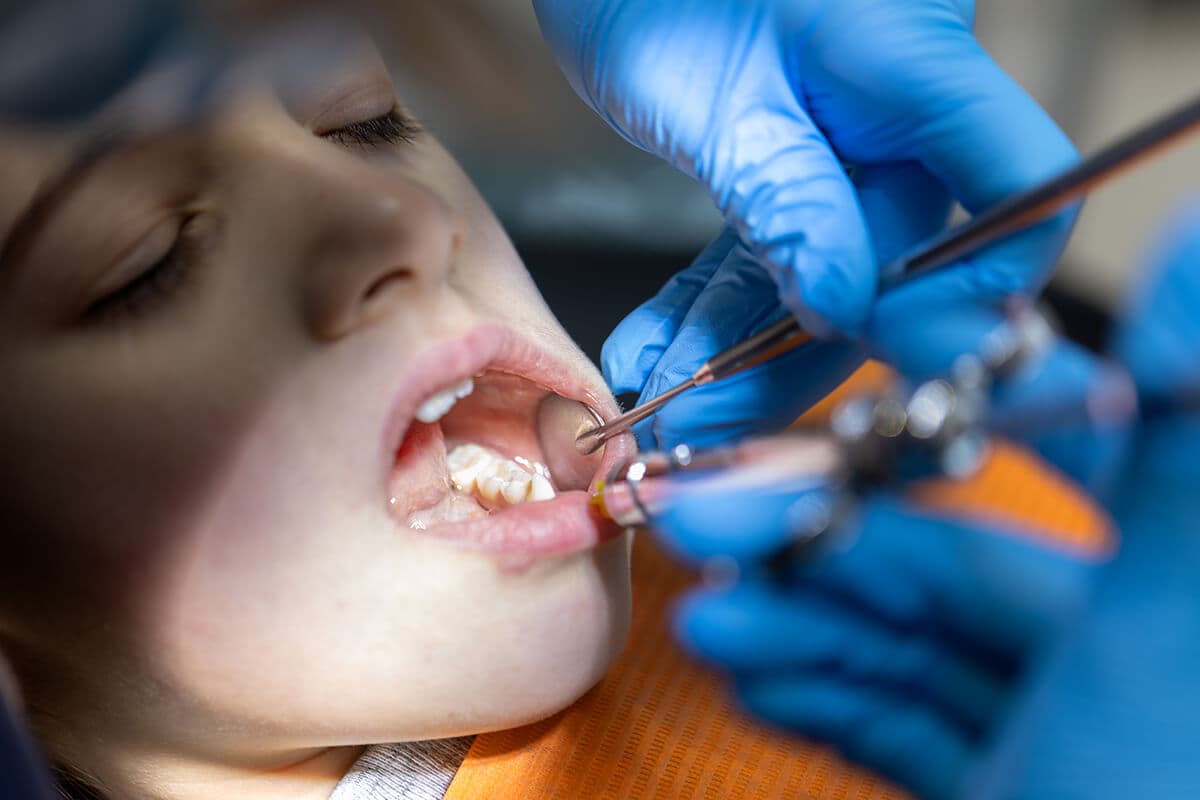
The treatment process generally begins with an examination and diagnosis. The dentist examines the tooth clinically and, when necessary, requests an X-ray to see the size of the decay and the condition of the surrounding tissues. This stage is critical for creating the right plan, because decay between the teeth that cannot be seen with the eye can only be detected with imaging.
After the diagnosis, the treatment plan is explained to the patient. Depending on the stage of the decay, a filling, root canal treatment or a different approach may be recommended. For a comfortable experience before the procedure, local anesthesia is used in most treatments; in this way, the aim is for the patient not to feel pain during the procedure.
During the procedure, the decayed tissue is cleaned, the necessary restoration is made, and the tooth is shaped and polished. At the end of the process, the bite is checked and the fit of the filling with the opposing teeth is evaluated. The number of sessions and total duration may vary according to the depth of the decay, the position of the tooth and the infection status. For this reason, a clear schedule can only be given after the examination.
If there is decay in more than one tooth, the dentist usually determines a treatment order and may spread the procedures across several appointments. Prioritizing painful or infected teeth that need urgent intervention is a common approach. This planning can contribute both to increasing comfort and to the process moving forward in an orderly way.
For areas prone to decay, preventive approaches may also be considered in some cases. For example, fissure sealants applied to the deep grooves of back teeth can help protect these areas by reducing plaque buildup. The suitability of such preventive applications depends on the dentist's evaluation.
For patients who feel anxious about dental treatment, getting information about the process in advance can be reassuring. You can ask your dentist about the steps of the procedure, the estimated duration and what you may feel. Open communication can help reduce anxiety and improve adherence to treatment.
How many appointments the treatment will be completed in is determined by the size of the decay and the number of teeth. When necessary for patient comfort during the procedure, the relevant area is numbed with local anesthesia; in this way, most treatments are completed without feeling pain. The dentist explains each step beforehand so the patient is prepared for the process.
Aftercare
The success of treatment is not limited to what is done in the clinic; the care afterward is just as important. Correct habits can help the treated tooth keep its function for a long time and can reduce the risk of new decay.
Being careful not to bite your cheek or lip until the effect of the anesthesia wears off and avoiding very hot and very cold foods and drinks in the first period can be helpful. Following the checkup appointments your dentist recommends makes it easier to notice possible problems early. Under the headings below, we cover the first week and long-term care separately.
Eating habits are an important factor that directly affects oral health. While fibrous vegetables, water and calcium-rich foods support dental health, sugary and acidic drinks consumed often can increase the risk of decay. A balanced diet can help protect oral health after treatment.
Regular checkups are an integral part of post-treatment care. A dentist's examination and professional teeth cleaning every six months help catch new cavities early. Using dental floss and, when your dentist deems appropriate, fluoride support also make teeth more resistant to decay.
Amalgam Filling or Cosmetic Filling?
The choice of filling material varies according to both aesthetic and functional expectations. The two options most often compared are amalgam (silver-colored, metal-containing) and the cosmetic filling, also known as composite. Each has its own strengths and weaknesses; for this reason, neither is superior to the other in every situation.
Because a cosmetic filling is the same color as the tooth, it is preferred especially in visible areas, and it bonds chemically to the tooth so it can be placed with less tissue loss. Amalgam, thanks to its metal structure, can be a durable option in back teeth where the chewing load is heavy. Which is suitable is determined together with the dentist according to the position of the tooth and the patient's preference.
Feature | Cosmetic (Composite) Filling | Amalgam Filling |
Appearance | Matches the tooth color, natural look | Silver-gray color, may be visible from outside |
Bonding to the tooth | Bonds chemically, little tissue loss | Held mechanically, more cutting may be needed |
Durability | Good; can be long-lasting with proper technique | High chewing strength in back teeth |
Preferred area | Generally front and visible teeth | Generally back chewing teeth |
Aesthetic expectation | Provides high aesthetics | May not meet aesthetic expectations |
Both options can have medical justifications; the right decision is not a standard rule but a personalized evaluation. Your dentist can recommend the option suitable for you by considering the condition of the tooth, bite forces and your aesthetic expectations together. How long a filling lasts depends as much on the application technique and the care afterward as on the material.
Pain Management and Food Restrictions in the First Week
Mild sensitivity or aching may be seen after the procedure; this is often the tooth's natural response to stimulation and usually fades within a few days. In deep fillings in particular, this period may last a little longer. Pain relievers recommended by your dentist can help with comfort during this time.
Avoiding very hard and sticky foods in the first days and, if possible, directing chewing to the untreated side can provide comfort. Very hot and cold drinks can increase sensitivity. If the pain lasts longer than a week, gradually increases or becomes severe enough to wake you from sleep, you are advised to see your dentist.
If you feel that a newly placed filling is too high when biting, it is important to tell your dentist; this feeling can be resolved with a simple adjustment. Brushing the treated area gently but regularly helps reduce bacterial buildup in the first days.
Long-Term Oral Hygiene Routine
To protect the health of the treated tooth and your other teeth, brushing at least twice a day with fluoride toothpaste is the basic step. Cleaning plaque between the teeth with dental floss or an interdental brush can help reach the areas where decay often starts. Gently cleaning the tongue and gums completes oral care.
Limiting sugary and acidic consumption, taking care to drink water and visiting the dentist for checkups at regular intervals support oral health in the long term. Routine checkups every six months can make it easier to catch possible new cavities at an early stage. In this way, small problems can be solved before they grow.
Reducing the frequency of snacking is also valuable for prevention; because every sugary snack means the tooth faces a new acid attack. While drinking water throughout the day helps clean the mouth, you can ask your dentist whether habits such as chewing gum support saliva flow.
What Problems Can Untreated Tooth Decay Cause?

A cavity that could be solved with a simple procedure in the early stage may require more extensive treatments when neglected. As decay progresses, it can reach the living tissue of the tooth; this can show itself as severe pain and sensitivity. At this stage, a filling is generally not enough and more extensive procedures such as root canal treatment come into question.
When the infection progresses, a buildup of inflammation called an abscess can form around the tooth root. An abscess can appear with symptoms such as swelling, bad odor and difficulty chewing. At this stage, treatment options may narrow and saving the tooth may become harder; in some cases, general symptoms such as fever and fatigue may also accompany it.
Recognizing early warning signs plays an important role in preventing decay from progressing. Recurring sensitivity in a particular tooth, short-lived pain in response to sweets or discoloration noticed on the tooth surface should not be ignored. Getting evaluated without delay when these symptoms appear can increase the likelihood of achieving results with simpler treatments.
Neglected decay can lead to tooth loss over time; this can affect chewing function, speech and aesthetic appearance. Losing a tooth can also cause changes in the position of the neighboring and opposing teeth. In some cases, there is also a possibility of the infection spreading to surrounding tissues. For this reason, early evaluation is important when symptoms appear.
Decay whose treatment is delayed can affect not only dental health but also overall quality of life. Problems such as constant pain, difficulty chewing and disrupted sleep can make daily life harder. Early intervention can contribute both to reducing such discomfort and to achieving results with simpler and shorter treatments.
Most of the problems caused by decay can be prevented with early diagnosis. Regular examinations done before symptoms appear allow small cavities to be solved with a simple filling and reduce the need for more extensive treatment. For this reason, having your oral health checked at regular intervals protects both your teeth and your budget.
Tooth Decay Treatment Prices in Samsun 2026
It is not possible to give a single, fixed price for tooth decay treatment, because the cost depends on many factors that vary from case to case. For this reason, realistic information can only be given after a clinical examination and evaluation. General figures found online can be misleading because they may not fit your personal situation.
The main factors that affect the price include the stage and complexity of the decay, the number of teeth to be treated, the method applied (filling, root canal treatment or restoration after extraction), the type of material used and any additional procedures that may be needed. Likewise, the position of the tooth in the mouth can affect the process and therefore the cost.
Another determining factor is the treatment plan the dentist puts forward after the examination. The effort and materials required by a small filling in a single tooth and by a comprehensive treatment process in several teeth are not the same. For specific and clear information, we recommend booking an examination and consultation appointment at a dental clinic in Samsun; that way, the scope of treatment and the cost can be evaluated together.
When deciding, it is helpful to pay attention not only to the price but also to the scope of treatment, the quality of the materials used and the follow-up process. The lowest figure does not always mean the most suitable choice, because an incomplete or rushed treatment may require new procedures later.
Conclusion
Tooth decay treatment in Samsun is a personalized process that can generally be solved with simpler methods when noticed early. Fillings, root canal treatment and, when necessary, options after extraction are planned by the dentist according to the stage of the decay and the condition of the tooth. What is decisive is always the depth the decay has reached and the overall condition of the tooth.
The care afterward is as important as the treatment itself. Regular oral hygiene, a balanced diet and periodic checkups can help protect the treated tooth and catch new cavities early. Consulting a dentist without delaying your complaints can contribute to achieving results with less extensive treatments.