
 Spec. Dt. Gökcan ErtaşOrthodontist
 Dt. Sena KırcaDentist
 Dt. Sevinç Cansu KayıranDentist
 Assoc. Prof. Dr. Sezin ÖzerPediatric Dentist
 Spec. Dt. Sude Yıldırım BolatSpecialist in Periodontology

Yes, dental treatment during pregnancy can be performed safely with all the necessary precautions for the health of mother and baby. People often wonder whether procedures such as tooth extraction, fillings, or root canal treatment can be done at different stages of pregnancy, such as the first month, the third month, the sixth month, or the seventh month. Solutions are also available for problems such as cavity pain during this period. The experiences shared on platforms such as those for women who have had dental treatment during pregnancy, and on women's clubs, also show that with proper planning it is possible to protect your oral and dental health. During this special period, your dental health is an important part of your overall well-being.
Why Is Dental Treatment During Pregnancy So Important in General?
Many changes occur in your body during pregnancy, and these changes can also affect your oral health. An expectant mother's oral health matters not only for her own well-being but also for her baby's health. For example, according to some studies, untreated serious gum disease has been associated with low birth weight or the risk of premature birth. In addition, cavity-causing bacteria in the mother can be passed to the baby after birth and may increase the likelihood that the baby will have tooth decay later on. Taking care of dental hygiene during pregnancy is therefore also a health precaution for your baby. Leading health organizations state that oral and dental health services, including emergency situations such as tooth extraction, root canal treatment, or fillings, can be performed safely at any stage of pregnancy.
As Pregnancy Changes the Body, How Does the Need for Dental Treatment Arise?
Pregnancy causes countless physiological changes in your body, and these changes can also affect your mouth. Being aware of these effects helps you understand why protecting your oral health during pregnancy is so important.
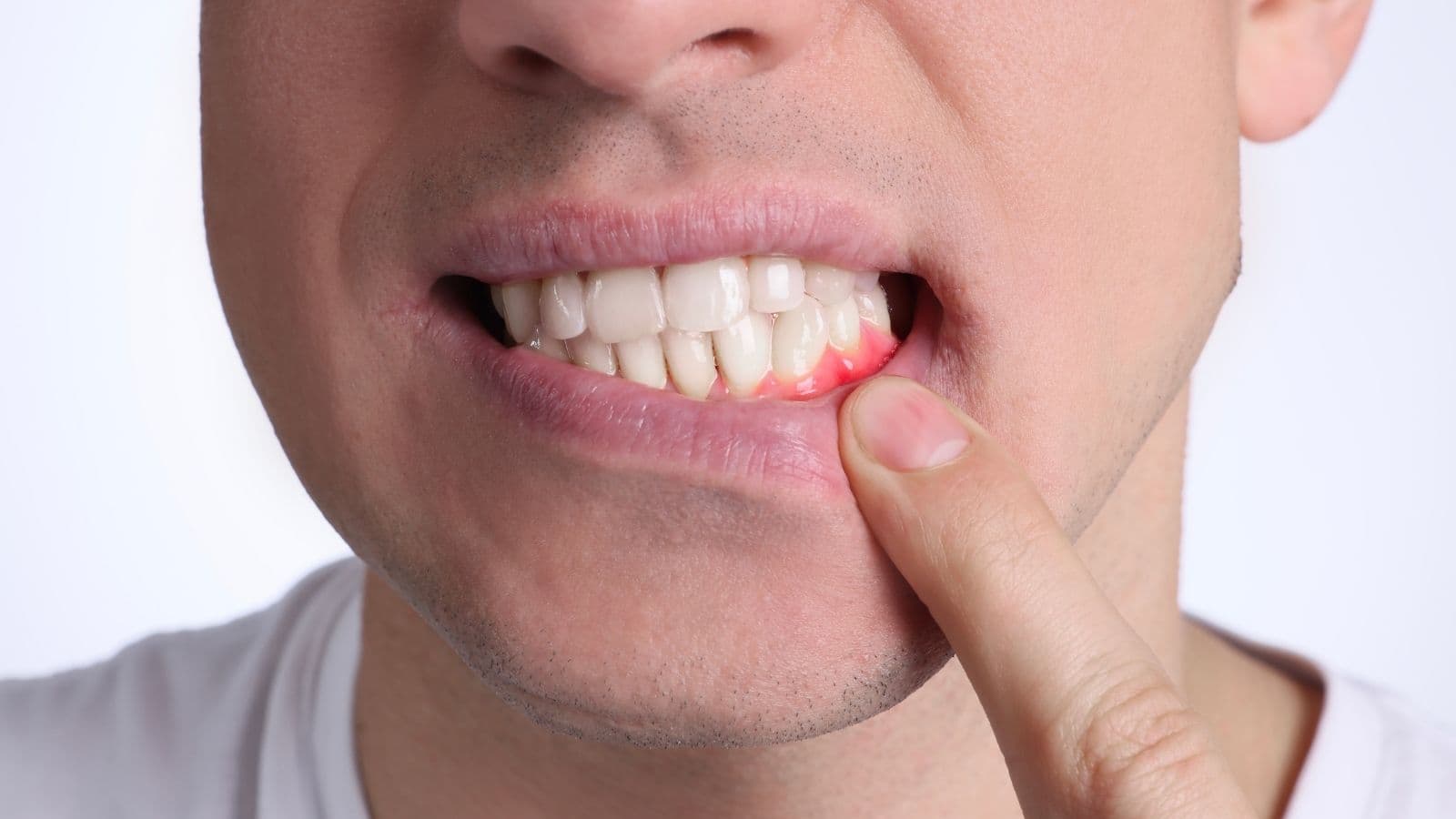
One of the most noticeable changes in the body is the rise in hormone levels. Estrogen and progesterone in particular can cause the blood vessels in your gums to widen and become more sensitive. This makes the gums react more readily to plaque and bacteria, which can lead to bleeding and inflammation (gingivitis).
Besides hormonal fluctuations, other physiological changes that can affect oral health also occur during pregnancy. Some of them are:
Changes in the composition of saliva
Nausea and vomiting, especially common in the early months
Differences in eating habits (for example, an increased craving for sweets)
Possible lapses in oral hygiene due to fatigue or sensitivity
It is especially important to avoid brushing your teeth immediately after vomiting. Stomach acid temporarily softens tooth enamel, and brushing right away can damage the enamel. Instead, it is better to rinse your mouth with water or with a mixture made by adding a teaspoon of baking soda to a glass of water, and to wait at least 30 minutes before brushing.
What Are the Common Oral Health Problems That Require Dental Treatment During Pregnancy?
These hormonal and physiological changes during pregnancy can set the stage for some oral health problems to appear more often or for existing ones to worsen. Recognizing these problems early and managing them correctly is critically important for the health of both you and your baby.
The most common conditions include:
Pregnancy gingivitis
Tooth decay
Periodontitis (advanced gum disease)
Pyogenic granuloma (a benign gum growth, also known as a pregnancy tumor)
Enamel erosion
Oral candidiasis (thrush)
Pregnancy gingivitis shows itself as redness, swelling, tenderness, and easy bleeding of the gums. Its main cause is the body's exaggerated reaction to dental plaque under the influence of hormones. It is brought under control with good oral hygiene and professional teeth cleaning, and it usually resolves after birth.
Tooth decay, in turn, can be more common during this period because of increased consumption of sugary foods, exposure to stomach acid (due to vomiting), changes in saliva, and sometimes lapses in oral hygiene.
Periodontitis is the advanced form of untreated gingivitis and leads to loss of the bone and tissue that support the teeth. Existing periodontitis can worsen during pregnancy. Because there are studies suggesting that this condition may have negative effects on the health of mother and baby, its treatment is important.
A pyogenic granuloma is a red, easily bleeding, benign swelling that is usually seen on the gums. It develops due to hormonal changes and local irritation. If it is not bothersome, it usually goes away on its own after birth, but it can be removed surgically if necessary.
Enamel erosion occurs when stomach acid wears away tooth enamel, particularly in expectant mothers who vomit frequently.
Oral candidiasis (thrush) is a fungal infection that shows itself as white lesions in the mouth. If needed, your dentist may recommend topical antifungal medications that are safe during pregnancy. Some systemic (oral) antifungal medications, on the other hand, must absolutely not be used during pregnancy.
Are Dental Treatments During Pregnancy Really Safe?
This is one of the topics expectant mothers wonder about most. In light of modern dentistry and scientific data, necessary dental treatments are considered safe throughout pregnancy.
Leading health authorities state that preventive (such as teeth cleaning), diagnostic (such as X-rays), and restorative (such as fillings and root canal treatment) dental treatments can be performed safely at any stage of pregnancy. Postponing treatment can lead to more serious problems, such as the spread of infection and increased pain. Therefore, the benefit of treating a problem on time far outweighs the manageable risks.
So, can X-rays be taken during dental treatment in pregnancy? Yes, if they are necessary for diagnosis, dental X-rays can be taken with appropriate precautions. The most important precaution is the use of a lead apron that protects the abdomen and thyroid area. The amount of radiation the baby is exposed to from dental X-rays is negligible. However, X-rays should be taken only when necessary, not arbitrarily.
Is local anesthesia used for dental treatment during pregnancy? Yes, the local anesthetics used to control pain during dental treatments (for example, lidocaine) can be used safely during pregnancy. Your being comfortable and free of stress during treatment is also important for your baby.
Some dental procedures that can commonly be performed safely are:
Teeth cleaning and check-ups
Fillings (amalgam or composite)
Root canal treatment
Tooth extraction (when necessary)
Which medications can be used during dental treatment in pregnancy?
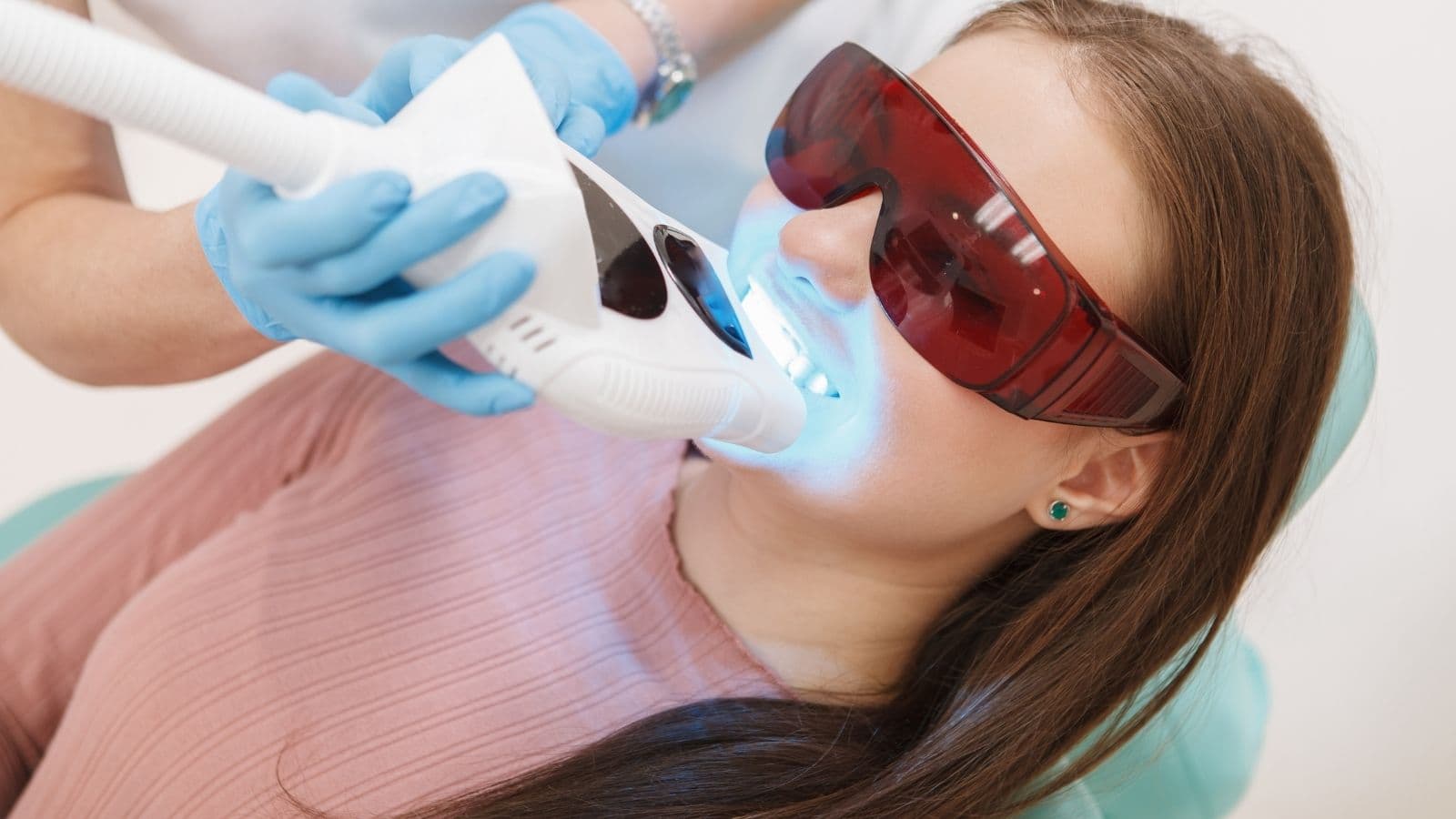
In case of infection, some antibiotics (for example, penicillin, amoxicillin, clindamycin) can be used safely. However, antibiotics in the tetracycline group must absolutely be avoided. Paracetamol is generally preferred as a pain reliever. NSAID-group pain relievers (such as ibuprofen) should be avoided, especially in the later stages of pregnancy. Purely cosmetic, non-urgent procedures such as teeth whitening are recommended to be postponed until after birth.
What Should You Pay Attention to in the Different Stages of Pregnancy (Trimesters) for Dental Treatment?
The basic principle is that if there is an urgent dental problem (such as pain or infection), it should be treated no matter what stage of pregnancy you are in. For routine, non-urgent treatments, however, some periods may be more suitable.
First Trimester (First 3 Months): During this period, the baby's organ development is very rapid. Non-urgent treatments are generally postponed, and the focus is mostly on preventive care and oral hygiene education. The expectant mother's complaints, such as nausea and fatigue, may also play a part in this decision.
Second Trimester (Months 3-6): This is generally considered the most ideal period for necessary dental treatments (such as fillings, root canal treatment, and tartar removal). The baby's organ development is largely complete, and the expectant mother generally feels more comfortable.
Third Trimester (Last 3 Months): Urgent treatments can also be performed during this period. However, the expectant mother's comfort may decrease during long procedures. Lying on your back in the dental chair for a long time can be uncomfortable and may cause low blood pressure (supine hypotension). For this reason, the chair position is adjusted and appointments can be kept shorter. Extensive, non-urgent treatments can be left until after birth.
What Are the Common Concerns and Misconceptions About Dental Treatment During Pregnancy?
Unfortunately, there are many false beliefs about dental care during pregnancy. These can cause expectant mothers to hesitate to get the treatment they need.
Myth: "Dental treatment during pregnancy is unsafe and harms the baby."
Fact: Scientific data and health authorities state that necessary dental treatment is safe during pregnancy. Postponing treatment can be riskier.Myth: "Dental X-rays definitely harm the baby."
Fact: With protective measures such as a lead apron, the radiation that dental X-rays deliver to the baby is negligible.Myth: "Dental anesthesia causes miscarriage or developmental problems in the baby."
Fact: Local anesthetics used in dentistry (for example, lidocaine) are safe. A pain-free treatment is better for you and, therefore, for your baby.Myth: "You lose a tooth for every baby" or "The baby takes calcium from the mother's teeth."
Fact: This is completely false. The baby gets the calcium it needs from your diet or from your bones, not from your teeth. Tooth loss results from untreated dental disease.Myth: "Gum bleeding is normal during pregnancy and needs no treatment."
Fact: Although gum bleeding (gingivitis) is common, it is a sign of inflammation and requires treatment and good oral care so that it does not lead to more serious problems.
What Can Be Done at Home to Reduce the Need for Dental Treatment During Pregnancy?
There is a lot you can do at home to protect your oral health and keep the need for treatment to a minimum. Here are some important tips:
Brush your teeth at least twice a day with a soft-bristled brush and fluoride toothpaste.
Clean between your teeth by flossing at least once a day.
Take care to eat a balanced diet, and limit sugary and acidic foods and drinks.
If you experience morning sickness and vomiting, do not brush your teeth right after vomiting. First rinse your mouth with water or with baking soda water, brush at least 30 minutes later, and drink plenty of water.