Dental Prime
TR Book an Appointment

What causes gum recession and what are the treatment options?

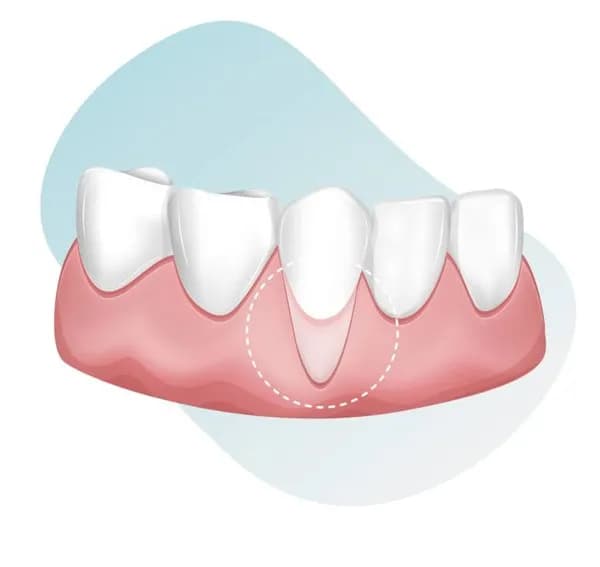
Gum recession is when the gum line sits lower than it should, exposing the root surface of the tooth. There are many causes of gum recession.

What causes gum recession and what are the treatment options?
  • Excessive or inadequate brushing

  • Periodontal diseases

  • Tooth malposition and orthodontic problems

  • Thickness of the bone around the teeth

  • Occlusal trauma (excessive biting forces)

  • High lip frenulum (frenum)

  • Certain systemic diseases such as diabetes

  • Smoking

  • Ill-fitting fillings

  • Teeth clenching and grinding (bruxism)

  • Certain medications

  • Genetics

  • Poor dietary habits

Gum recession negatively affects a person's quality of life. It causes tooth sensitivity, food getting trapped, a compromised aesthetic appearance, areas that cannot be cleaned properly, and bad breath.

Treatment of gum recession varies according to the extent of the recession. The first step of treatment is professional cleaning and improving oral hygiene. Oral hygiene education is provided. For more advanced cases and bone loss, interventional treatments and medication may be required. The necessary treatments are determined by the dentist according to the amount of gum recession.

For any questions you may have, you can consult our Periodontology and Gum Surgery specialist, Specialist Dentist Zehra Gümrükçüoğlu.
Frequently Asked Questions

Does gum recession go away on its own?

Gums that have receded do not return to their former position on their own. However, in the early stage, suitable methods can help slow the progression; in advanced cases, surgical options for covering the root surface are evaluated under the supervision of a dentist.

Does gum recession cause pain?

Recession itself is often painless; the most common complaint is sensitivity to hot and cold caused by the exposed root surface. When inflammation is also present, tenderness and bleeding of the gums may occur as well.

How can gum recession be prevented?

Regular and correct oral care, using a soft toothbrush, avoiding hard brushing, and periodic dental check-ups are important for prevention. If you have habits such as teeth clenching, it is also helpful to have them evaluated by your dentist.

About this contentSources and health informationSources

You can review the professional guidelines and patient information resources related to this page below.

  1. What is periodontitis?Accessed: 5 September 2026

Medical Information

This content is for general information. It does not replace an examination, diagnosis or individual treatment plan. Consult your dentist for diagnosis and treatment.

Contact our clinic to arrange a convenient appointment time.

Book an Appointment
Call the ClinicContact and Directions