


 Spec. Dt. Gökcan ErtaşOrthodontist
 Dt. Sena KırcaDentist
 Dt. Sevinç Cansu KayıranDentist
 Assoc. Prof. Dr. Sezin ÖzerPediatric Dentist
 Spec. Dt. Sude Yıldırım BolatSpecialist in Periodontology
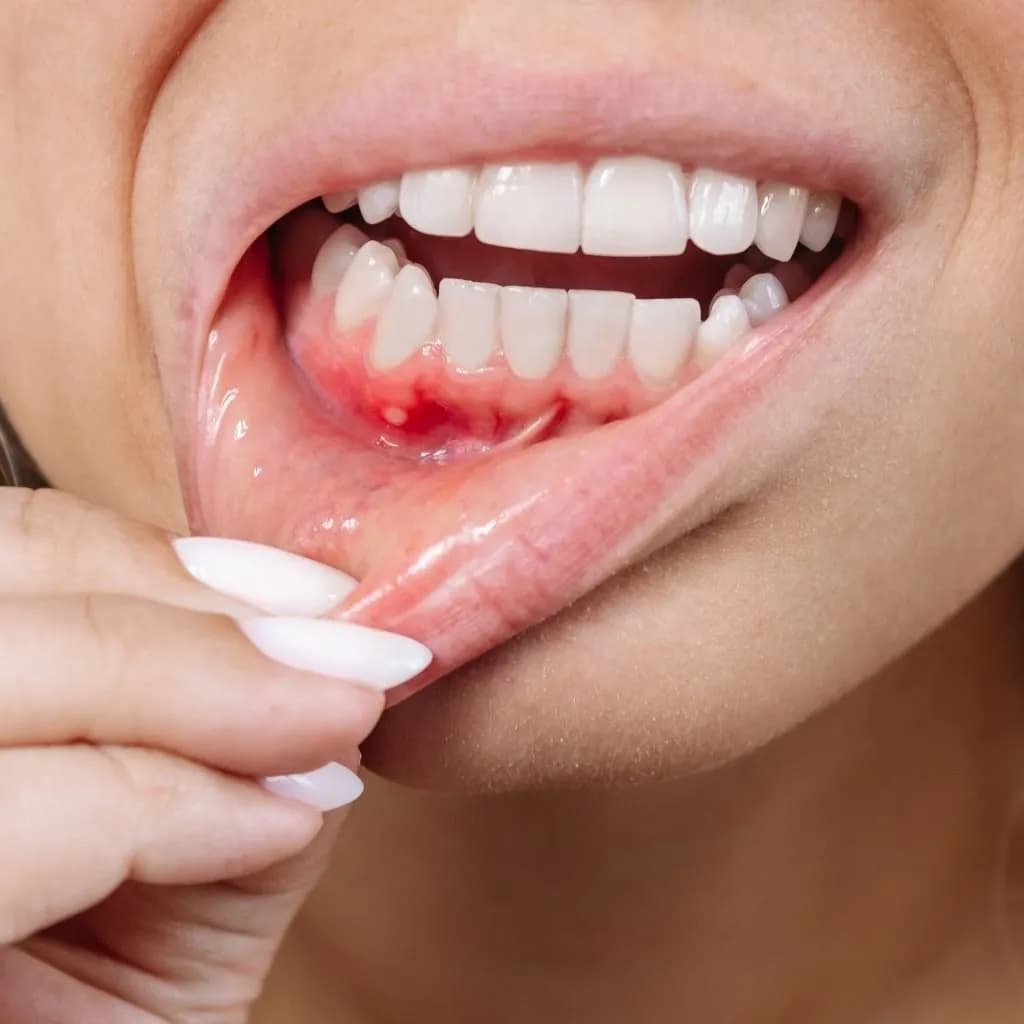
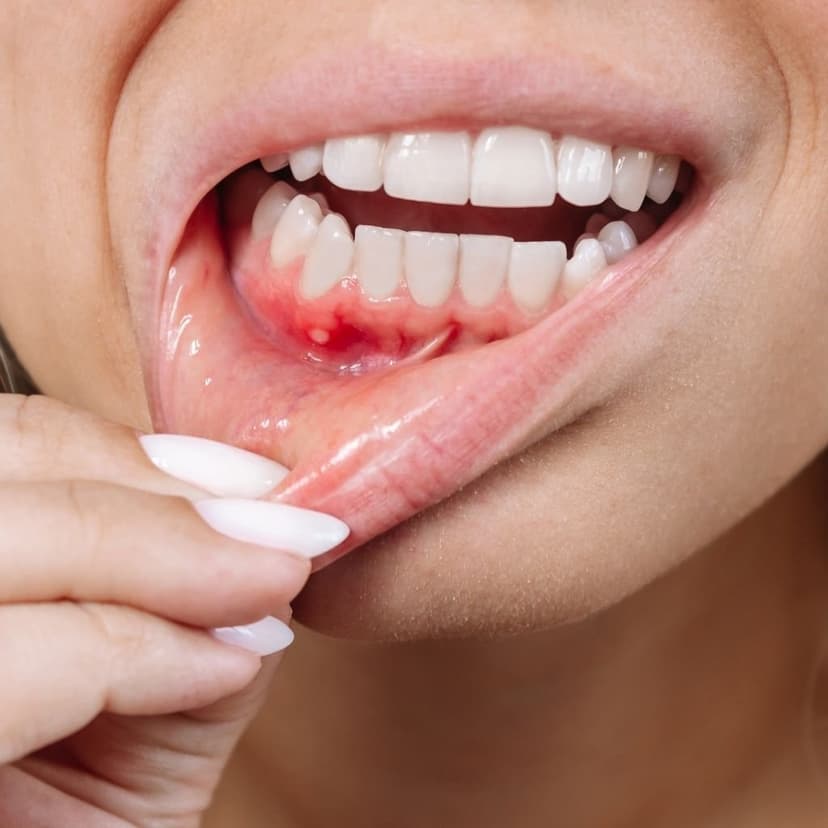
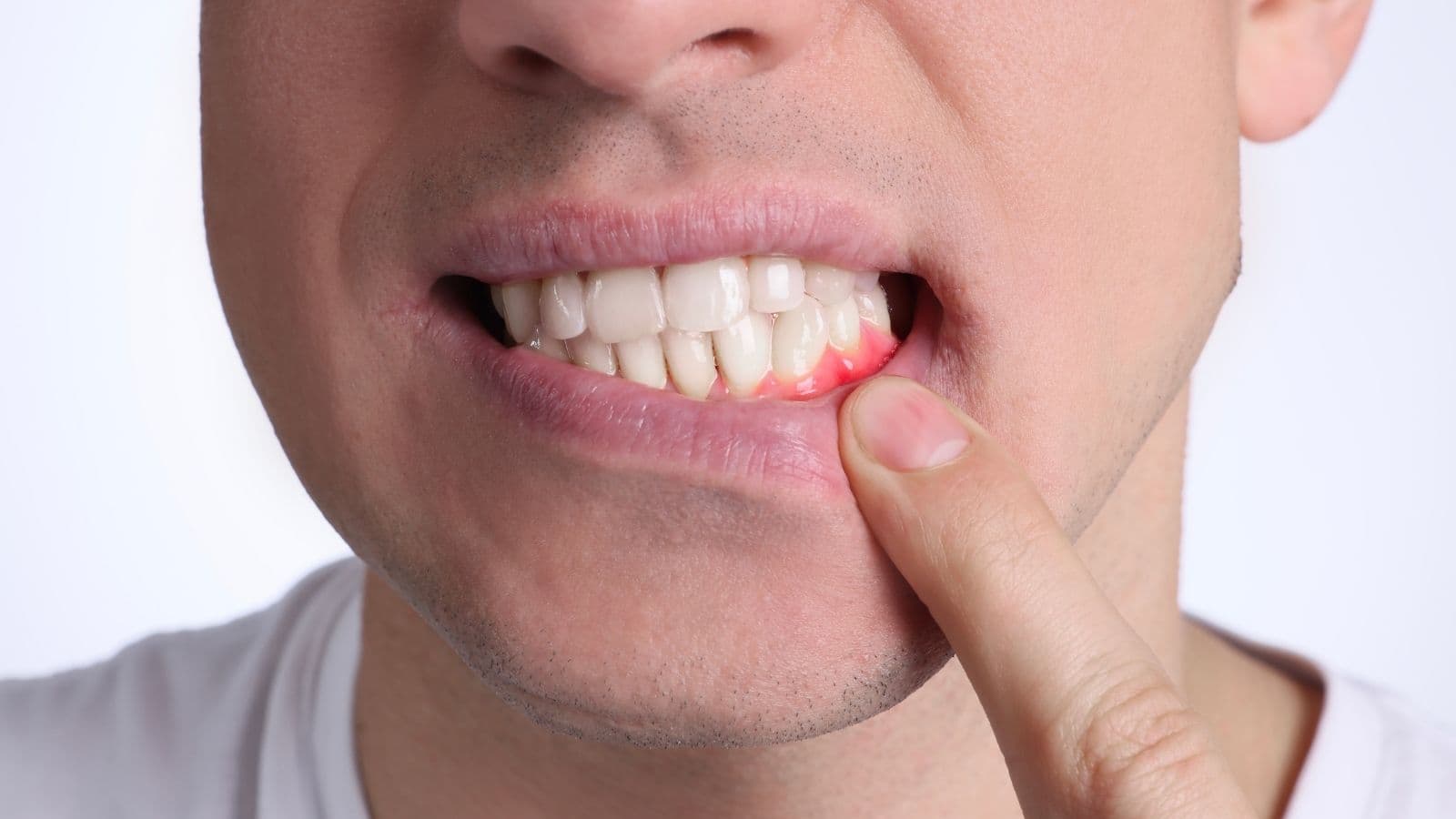
Gum recession (periodontitis) shows itself through signs such as teeth that look longer than normal, sensitivity to hot and cold foods, and redness, swelling, and bleeding of the gums. The clearest answer to the question of what helps is professional dental treatment aimed at the underlying cause. The solution ranges from non-surgical methods such as scaling and root planing to surgical procedures such as gum grafts, which are used in cases of advanced gum recession. The main goal of treatment is to stop the infection and prevent further tissue loss.
What Are Gum Recession and Periodontitis?
You can think of gum recession as the gum tissue “shrinking” and sliding down the tooth, exposing the root surface that is normally covered. This condition mostly arises as a result of a serious gum infection called periodontitis.
Periodontitis is a progressive disease that damages the soft tissues around the teeth and, if left untreated, destroys the jawbone that supports the teeth. Understanding how the process works is the first step toward solving the problem. It all begins with plaque, a sticky film formed by the bacteria in our mouths.
The disease generally progresses through the following steps:
Plaque Formation
Tartar (Calculus) Formation
Gingivitis (Gum Inflammation)
Periodontitis
The sugary and starchy foods we eat are an excellent food source for the bacteria in the mouth, and plaque is born from this combination. Although regular brushing removes plaque, it re-forms very quickly. If this layer of plaque is not cleaned off the teeth, it combines with minerals in saliva and hardens into tartar, also known as calculus. Tartar is so hard that it is impossible to remove with normal brushing or floss; it can only be removed with a professional dental cleaning.
Tartar and the plaque on it constantly release toxins that irritate the gums. The body's first response to this attack is gingivitis, the earliest and reversible stage of gum disease. At this stage, the gums swell, turn red, and bleed easily. If gingivitis is not treated, the inflammation moves deeper and turns into periodontitis. At this point, the infection causes the gums to pull away from the teeth and spaces called “pockets” to form. These pockets fill with bacteria, plaque, and tartar and deepen, and while the body's immune system fights this infection, the bone and tissues that support the teeth are destroyed. Gum recession occurs as a result of this bone and tissue loss.
However, it should be remembered that the causes of gum recession are not always related to infection. Sometimes mechanical factors such as brushing too hard, genetically having a thin gum structure, or a blow to the teeth can also cause the gums to recede.
What Are the Signs of Gum Recession?
Gum disease is often called a “silent enemy” because it usually progresses without pain. However, if you pay attention, you can catch some important signals your body sends you. Noticing these signs early is very important for a simpler and more successful treatment process.
Some common signs that may point to periodontitis are:
Red, swollen, or tender gums
Bleeding when brushing or flossing
Persistent bad breath that does not go away
Pus coming from between the gums and teeth
Loose teeth or teeth moving apart
New gaps forming between teeth
Pain felt while chewing
A feeling that your bite or the fit of your denture has changed
In addition to these, gum recession has its own more visible signs:
Teeth that look longer than before
Exposed tooth roots that look yellowish
Increased sensitivity to hot, cold, or sweet things
Discomfort felt along the gumline
If you notice one or more of these signs, you should see a dentist even if you are not in pain.
What Causes Gum Recession and What Are the Risk Factors?
Although the main cause of gum recession and periodontitis is bacterial plaque, certain conditions and habits can increase your risk of developing the disease. Knowing these risk factors empowers you to take precautions. While some are beyond our control, many can be managed through lifestyle changes.
Many factors increase the risk of developing periodontitis:
Gingivitis (existing gum inflammation)
Inadequate oral hygiene habits
Smoking or using other tobacco products
Genetic predisposition (family history)
Hormonal changes such as pregnancy and menopause
Uncontrolled diabetes
Autoimmune diseases such as rheumatoid arthritis
Conditions that weaken immunity, such as leukemia and HIV/AIDS
Certain medications that cause dry mouth
Poor nutrition (especially vitamin C deficiency)
Intense, chronic stress
Teeth clenching or grinding (bruxism)
In addition to periodontitis, gum recession can also have more specific causes:
Very hard or aggressive tooth brushing
Misaligned teeth (crowding)
Trauma caused by lip and tongue piercings
Some orthodontic (braces) treatments
The relationship between diabetes and periodontitis in particular goes both ways. While uncontrolled diabetes increases the risk of periodontitis, periodontitis can also make it harder to control blood sugar in people with diabetes. Smoking both invites the disease and is one of the biggest enemies that undermines the treatment process for gum recession. Understanding these risk factors shows why brushing alone is sometimes not enough and how important a comprehensive approach is.
How Is Gum Recession Diagnosed?
Accurate diagnosis of gum recession and periodontitis is the first step toward successful treatment. This process is more than a quick look; it requires a detailed and systematic examination. Your dentist uses several different methods together to understand the situation.
The diagnostic process generally includes the following steps:
Review of medical and dental history
A comprehensive clinical examination of the mouth
Measurement of periodontal pocket depths
Dental X-rays to see the level of the supporting bone
First, detailed information is gathered about your general health, the medications you take, habits such as smoking, and your family history of dental disease. This is important for identifying your risk factors. Next, your mouth is examined carefully. Signs of inflammation, such as the color of your gums, swelling, tendency to bleed, and the amount of plaque and tartar buildup, are evaluated. The visible signs of gum recession, namely teeth that look long and exposed roots, are noted.
The most critical stage of diagnosis is measuring the depth of the space (the pocket) between the tooth and gum using an instrument with millimeter markings called a “periodontal probe.” In healthy gums, this depth is between 1 and 3 mm. Depths of 4 mm and above point to the presence of disease, because it is not possible to clean pockets of this depth effectively at home on your own. The deeper the pocket, the more advanced the disease.
Finally, dental X-rays are taken to assess the part that cannot be seen, namely bone loss in the bone that supports the teeth. X-rays clearly show the extent of bone destruction, giving a full picture of the disease and allowing the right treatment plan to be made.
What Helps Gum Recession and What Are the Treatment Methods?
The answer to questions such as “What helps gum recession?” or “Is there a treatment for gum recession?” varies depending on the stage of the disease and the underlying cause, but it is definitely yes. Modern dentistry offers a wide range of effective treatment options, both non-surgical and surgical, to solve this problem. Natural remedies for gum recession or home treatments (for example, using thyme water for the gums) can never replace professional treatment, but they may support it.
Non-Surgical Treatments
These methods are generally the first-choice approach in the early and middle stages of the disease. The main goal is to eliminate the cause of the infection.
Scaling and root planing
Antibiotic therapy
Dental bonding (cosmetic filling)
The foundation of treatment is scaling and root planing, also known as “deep cleaning.” In this procedure, all plaque and tartar deposits on the tooth surfaces and deep within the gum pockets are carefully removed with special instruments. The root surfaces are then smoothed to make it harder for bacteria to attach again. This procedure is usually performed under local anesthesia. In some aggressive cases, local or systemic medication for gum disease, that is, antibiotics, may also be prescribed in addition to this mechanical cleaning to bring the infection under control. In mild recession, the exposed root surface can be covered with tooth-colored composite fillings to reduce sensitivity and improve appearance.
Surgical Treatments
If the disease has progressed and there is advanced gum recession, non-surgical treatments alone may not be enough. At this point, surgical procedures, usually performed by a periodontist (a specialist in gum diseases), are needed.
Flap surgery (pocket reduction surgery)
Soft tissue (gum) grafts
Bone grafts (bone graft material)
Guided tissue regeneration
In flap surgery, the gum is surgically lifted to give full access to the deep pockets, the root surfaces and bone tissue underneath are cleaned and reshaped, and the gum is sutured back in place in a way that eliminates the gum pockets. Soft tissue grafts, the method that most often comes to mind when people talk about gum recession surgery, involve transplanting a piece of tissue, usually taken from the patient's palate, to the area of recession to replace the lost gum tissue. This both corrects appearance and protects the root surface. If periodontitis has led to bone loss, bone grafts are used to rebuild the lost bone. Guided tissue regeneration is a more advanced technique in which a special membrane is placed between the bone and gum to encourage the body to regrow its own bone tissue.
How Can Gum Recession Be Prevented?
Preventing gum recession and periodontitis is always easier, cheaper, and less painful than treating them. The secret to keeping your gums healthy for a lifetime lies in a few simple but consistent habits.
Some steps you can take to protect healthy gums and prevent gum recession are:
Brushing your teeth at least twice a day
Flossing every day without fail
Choosing a soft-bristled toothbrush
Avoiding aggressive, hard brushing
Having regular dental check-ups every 6 months
Staying away from smoking and tobacco products
Eating a balanced, healthy diet
Managing stress
Keeping systemic diseases such as diabetes under control
The most important of these steps is effective and regular oral care. While brushing removes most of the plaque, floss cleans the spaces between teeth and below the gumline that the brush cannot reach. These two go hand in hand. No matter how well you care for your teeth at home, only a professional cleaning can remove tartar (calculus) once it has formed. That is why regular dental visits are indispensable.