 Spec. Dt. Gökcan ErtaşOrthodontist
 Dt. Sena KırcaDentist
 Dt. Sevinç Cansu KayıranDentist
 Assoc. Prof. Dr. Sezin ÖzerPediatric Dentist
 Spec. Dt. Sude Yıldırım BolatSpecialist in Periodontology
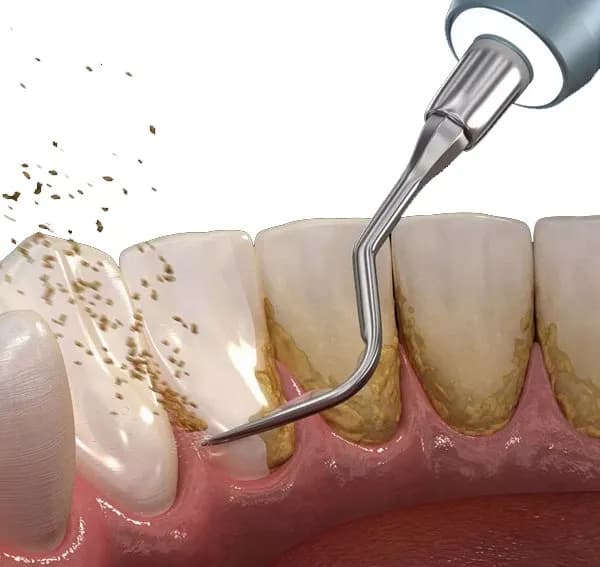
The ideal frequency for professional teeth cleaning is generally considered to be once every 6 months for healthy mouths; however, this interval is personalized by your dentist based on your specific oral health condition and risk factors. Many people wonder, "how often should I get my teeth cleaned?" The most accurate answer is determined through an expert evaluation. Regular tartar removal not only protects your oral and dental health but also helps prevent larger problems that may develop in the future, along with the extra costs that come with them, which makes it an important step for your overall health.
What Exactly Is Professional Teeth Cleaning, and Why Is It So Important?
Professional teeth cleaning is both a preventive and therapeutic care performed by your dentist or dental hygienist to protect your oral health. This procedure does more than just polish your teeth; it involves using special instruments to remove "dental plaque," the sticky layer of bacteria that builds up on your tooth surfaces and below the gumline, and "tartar" (calculus), its hardened form. No matter how carefully you brush at home, it is hardly possible to reach certain areas and, especially, to remove that stubborn tartar. This is where professional cleaning comes in, complementing your daily care and forming an important shield for your oral health.
Why Is Professional Teeth Cleaning Generally Recommended Every Six Months?
When it comes to professional teeth cleaning, most of us hear "every six months." Indeed, many health organizations recommend cleaning twice a year as a general starting point. This is based on the idea that it takes an average of six months for dental plaque to become harmful, and on the fact that many insurance plans cover this interval. However, it is also said that this six-month rule may have come from habit more than from firm scientific evidence. Although it is a general guideline, the most accurate frequency is determined by your personal needs.
Can the Frequency of Professional Teeth Cleaning Be Personalized, and How Is It Determined?
Absolutely! We are moving away from a "one prescription for everyone" approach and adjusting the frequency of professional teeth cleaning according to your individual risk profile. Your dentist performs a detailed risk assessment to determine the cleaning interval that suits you best. This assessment looks at your oral care habits, your eating and drinking patterns, factors such as smoking, general health conditions such as diabetes, your past dental problems, and even your genetic tendencies. Some scientific studies have even shown that for low-risk adults, cleanings at longer intervals such as 12 or even 24 months, instead of six, do not cause problems in terms of tooth decay or gum disease. In other words, if your dentist considers it appropriate, less frequent professional teeth cleaning may be safe for you. Keep in mind that your risk status may change over time; for this reason, your cleaning schedule should also be updated regularly together with your dentist.
What Factors Affect How Often You Need Professional Teeth Cleaning?
So, what does your dentist look at when recommending a professional teeth cleaning frequency tailored to you? Let's go through these important factors together. The main factors taken into account when determining the most suitable interval for you are as follows:
The quality of your daily oral care
Dental problems you have had in the past (such as decay and gum disease)
Smoking
How often you consume sugary and acidic foods and drinks
General health conditions such as diabetes
Certain medications you use
The state of your immune system
Your age
Special periods such as pregnancy
Existing dental treatments in your mouth (implants, braces, bridges, etc.)
Dry mouth
The structure and alignment of your teeth
All of these factors help your dentist create the healthiest professional teeth cleaning schedule for you. That is why it is very important to talk openly with your dentist about your current condition. For example, good home care and low risk factors allow for less frequent cleaning, while situations such as smoking or uncontrolled diabetes may generally require more frequent cleaning, such as every 3-4 months. Likewise, special situations such as braces or implants may also call for more frequent and careful professional care.
How Does the Frequency of Professional Teeth Cleaning Change for Different Situations and Risk Groups?
Because everyone's oral structure and health history are different, the need for professional teeth cleaning also varies from person to person. To give a general idea, here are some common situations and the intervals that are generally recommended:
Healthy adults at low risk: 12-24 months
People with active gum disease: Generally 3-4 months
People with diabetes: 3-6 months, depending on their risk status
Smokers: Generally 3-4 months
Pregnant women: Standard 6 months, more often if needed
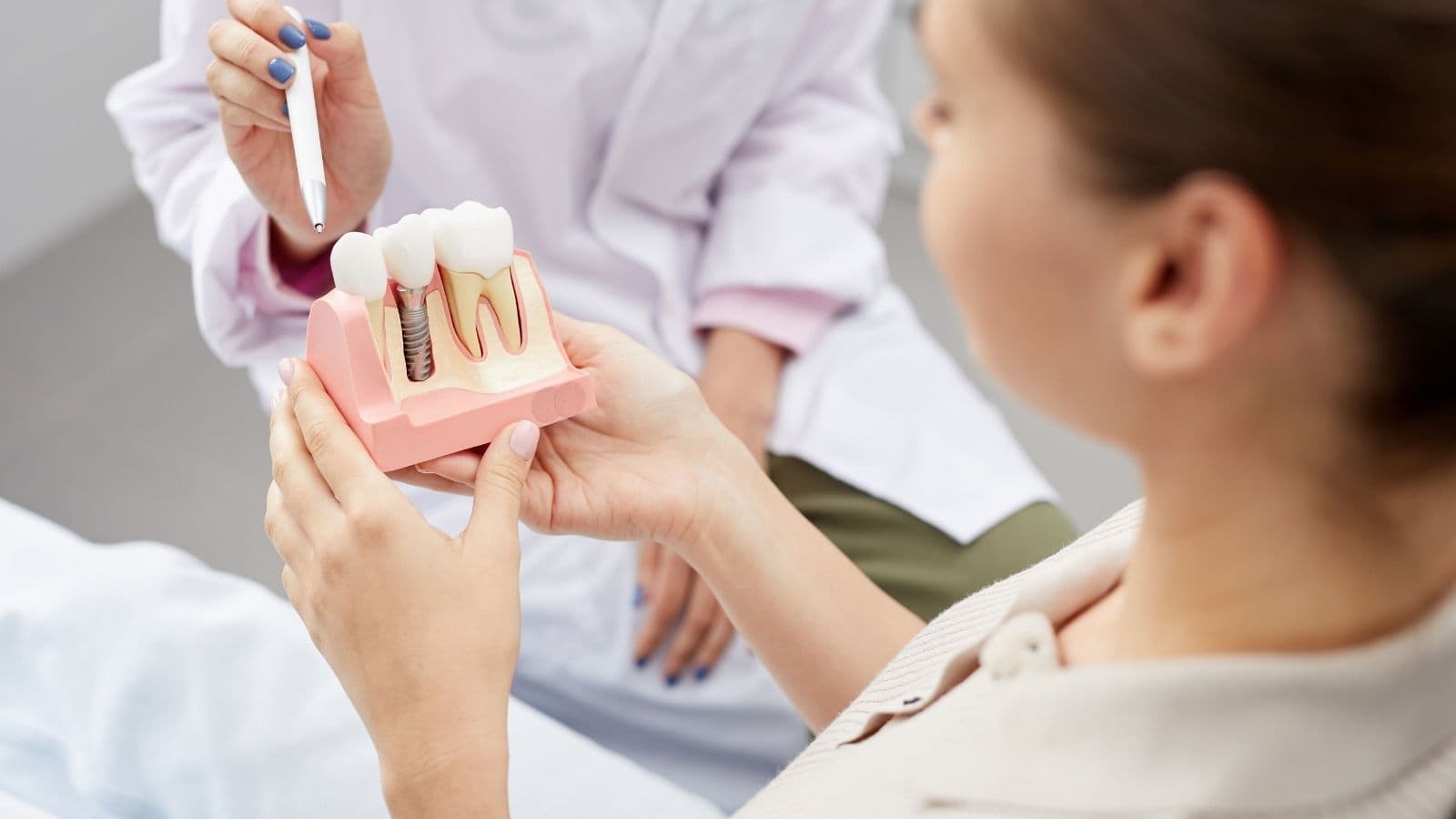
People with dental implants: 3-6 months
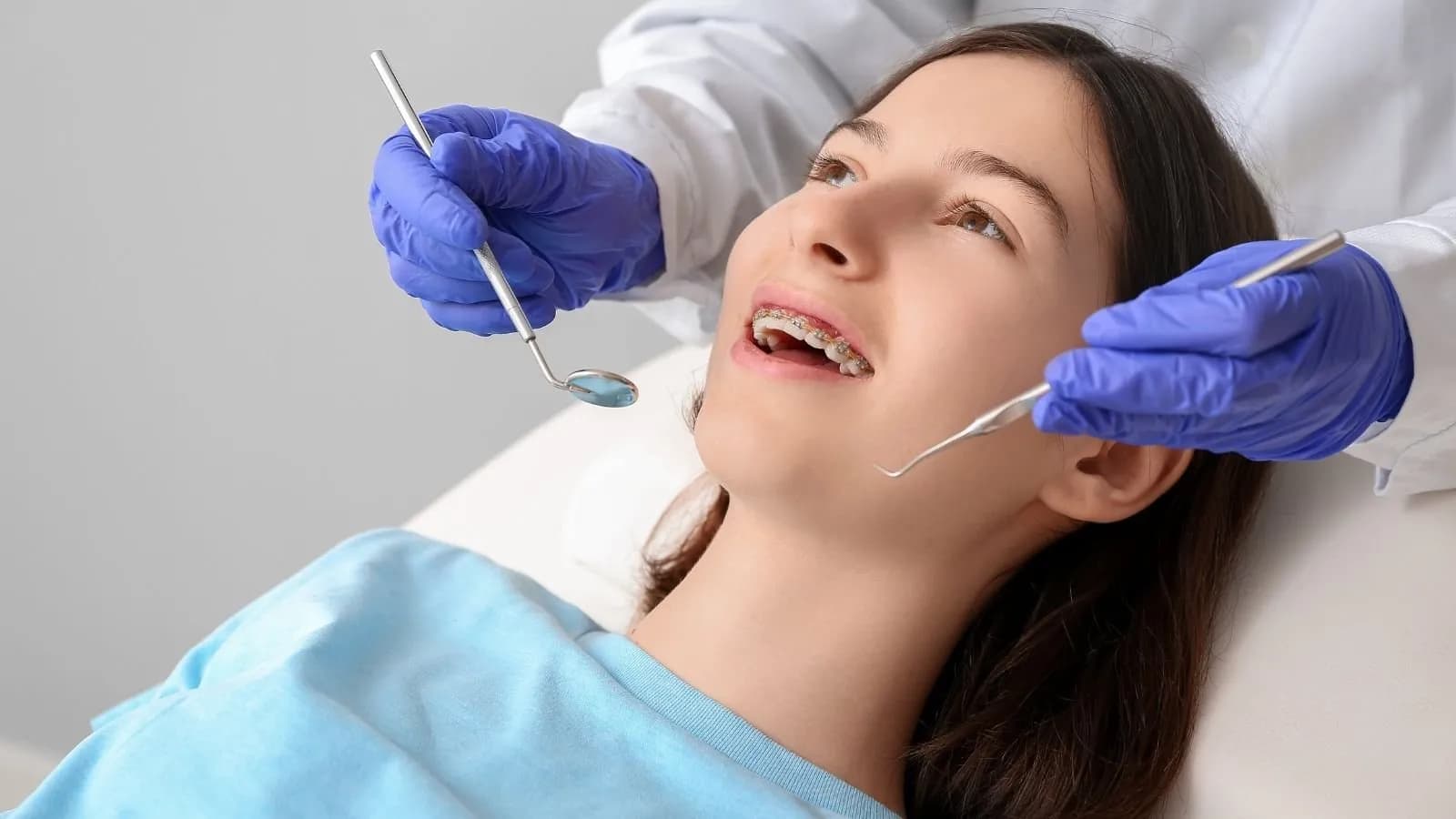
People undergoing orthodontic treatment (braces): More frequent, because cleaning becomes harder
These are general approaches; only your dentist can determine the most appropriate professional teeth cleaning frequency for you through their own examination.
What Can I Expect at a Professional Teeth Cleaning Appointment, and How Is It Different from My Care at Home?
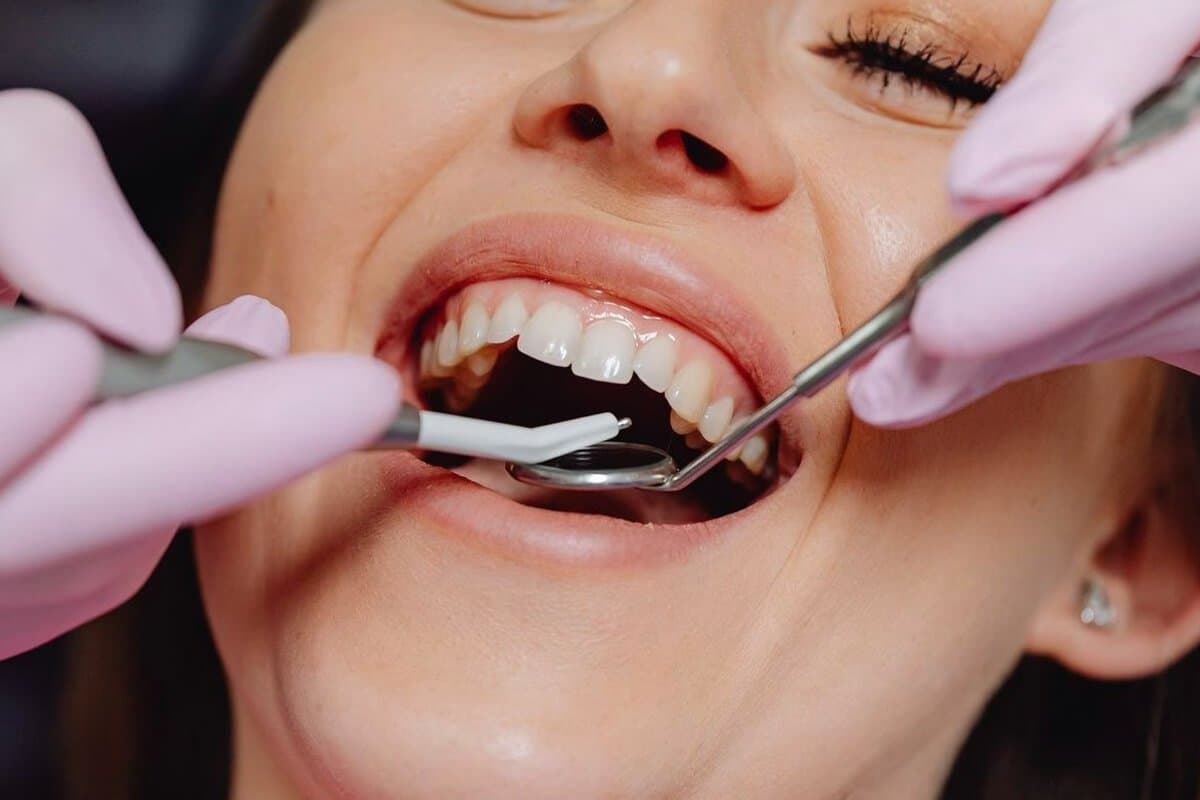
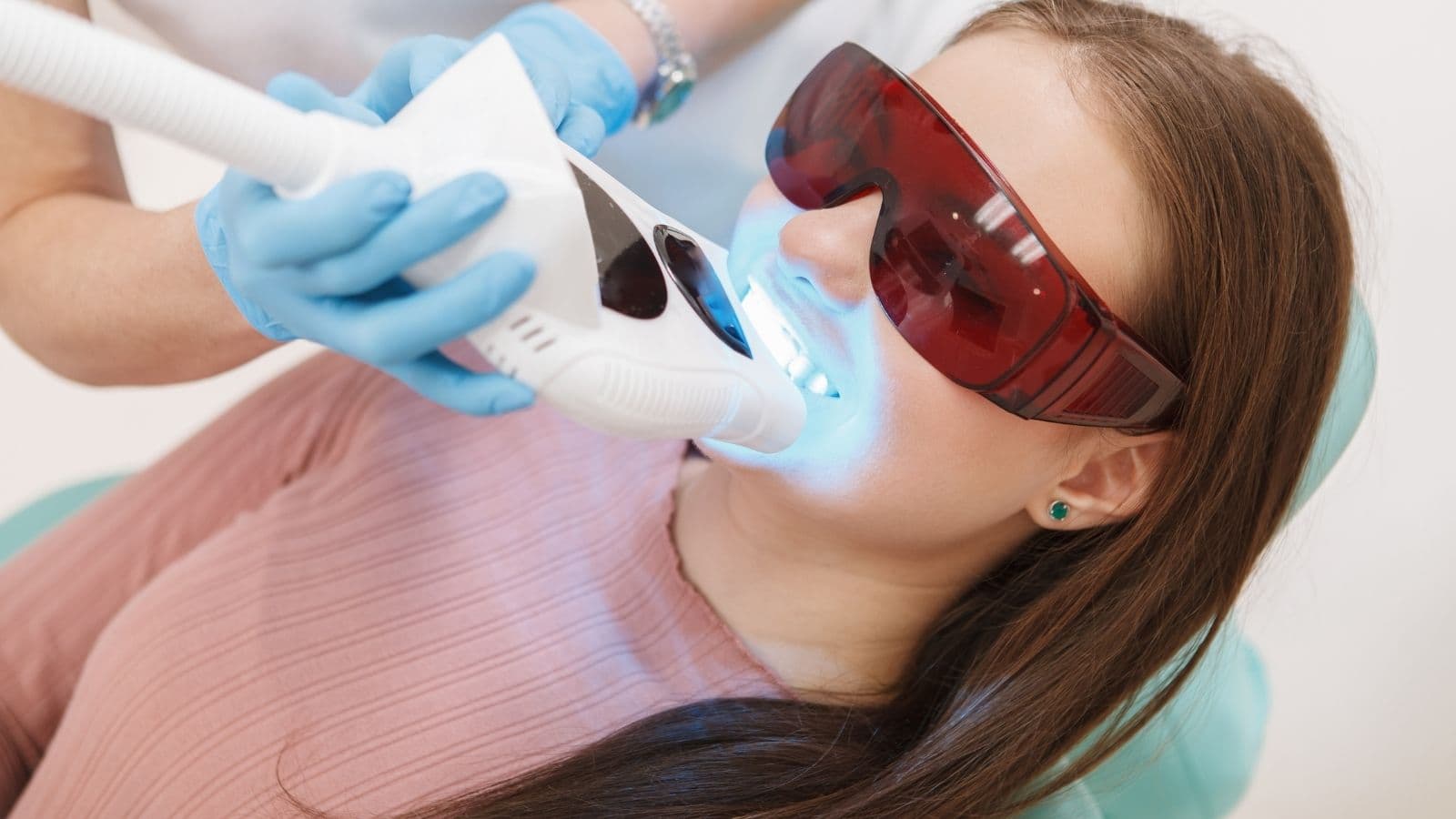
At your professional teeth cleaning appointment, your mouth first goes through a general check. Afterward, your dentist or hygienist uses special instruments in a procedure called "detartrage" or "scaling" to meticulously clean the plaque and tartar on your teeth and just below your gumline. Then, "polishing," a kind of buffing procedure, is performed to smooth your tooth surfaces and remove remaining stains. If needed, the spaces between your teeth are cleaned specifically, and, depending on your decay risk, fluoride supplementation may also be applied.
So why is this procedure different from, and more effective than, brushing and flossing at home? Because the special instruments and techniques we professionals use allow us to reach spots you cannot reach at home and, most importantly, to completely remove hardened tartar that does not come off with a brush. This visit is also an opportunity for us to notice possible problems early.
What Benefits Will Regular Professional Teeth Cleaning Bring Me?
Having regular professional teeth cleaning does not only make your smile look better; it also offers many valuable contributions to your oral and overall health. Some of these benefits are as follows:
Prevention of tooth decay
Protection against gum diseases (gingivitis, periodontitis)
Slowing the progression of existing gum disease
Elimination of bad breath
Removal of surface stains on teeth
A more aesthetic and brighter smile
Early diagnosis of problems in the mouth (signs of decay, gum disease, oral cancer)
Helping to reduce risks linked to general health (such as heart disease and diabetes complications).
What Risks Will I Face If I Neglect Professional Teeth Cleaning?
Not having professional teeth cleaning regularly can lead to some undesirable consequences for your oral and overall health. This neglect can actually allow problems that could easily be prevented to grow. The main risks you may face are as follows:
Increased risk of tooth decay
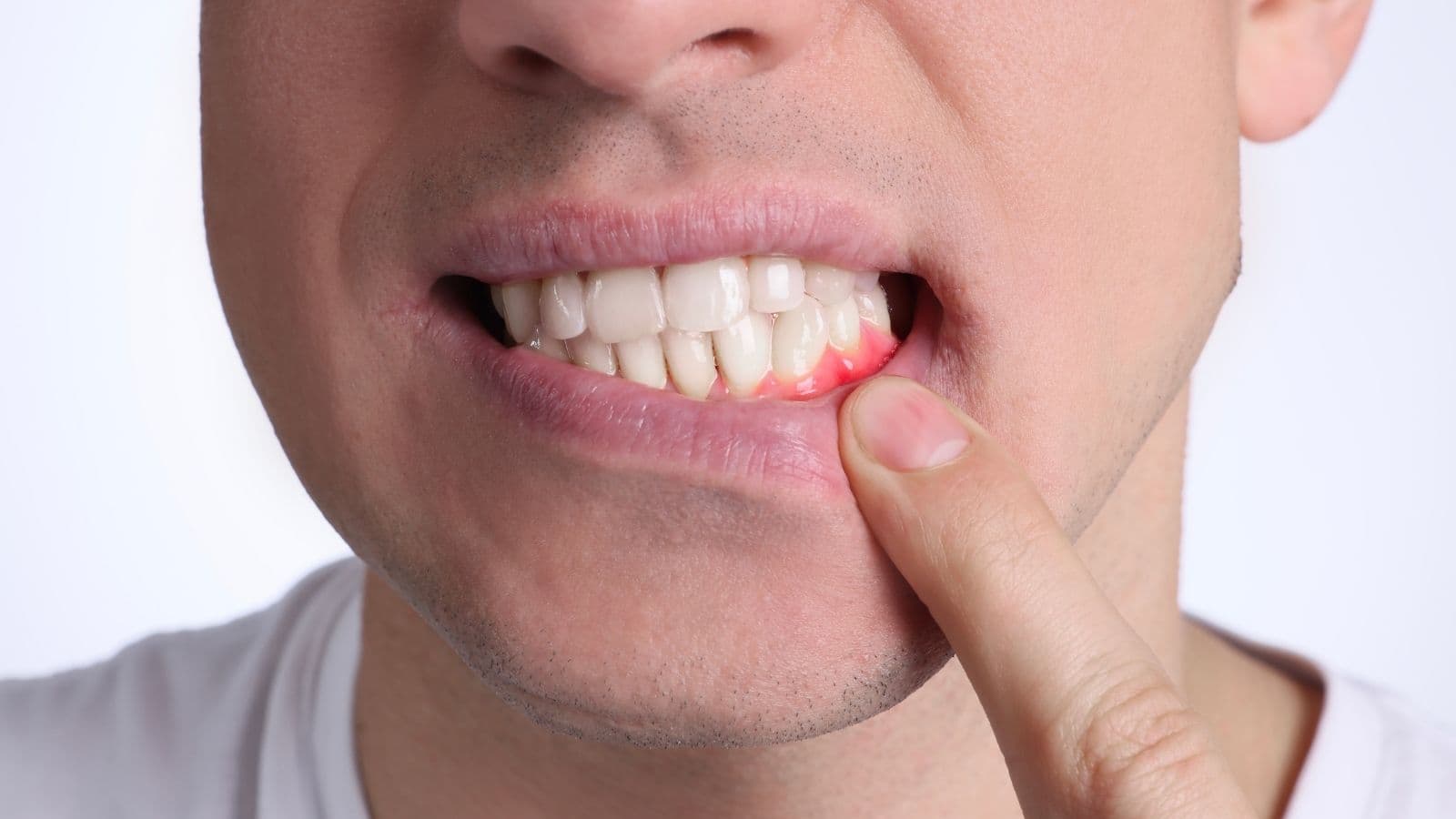
Development of gum inflammation (gingivitis)
Periodontitis (advanced gum disease) and the bone loss that goes with it
Loose teeth and potential tooth loss
Persistent and bothersome bad breath
Increased risks for general health problems (for example, worsening of diabetes, heart conditions)
Small problems growing into more complex and expensive treatments.
How Can I Make the Best Decision About How Often to Have Professional Teeth Cleaning?
As you have seen, the most suitable frequency of professional teeth cleaning for you depends on many factors, and there is no "single right answer for everyone." The healthiest approach is to talk with your dentist and create a care plan tailored to you. Your dentist is the right person to assess your risks and recommend the professional teeth cleaning schedule that suits you best. Talk openly with them about your oral and general health, and your habits. Remember, regular and personalized professional teeth cleaning is an important investment not only in a healthy smile but also in your overall health. Taking good care of your mouth will bring you many benefits in the long run.