





 Spec. Dt. Gökcan ErtaşOrthodontist
 Dt. Sena KırcaDentist
 Dt. Sevinç Cansu KayıranDentist
 Assoc. Prof. Dr. Sezin ÖzerPediatric Dentist
 Spec. Dt. Sude Yıldırım BolatSpecialist in Periodontology
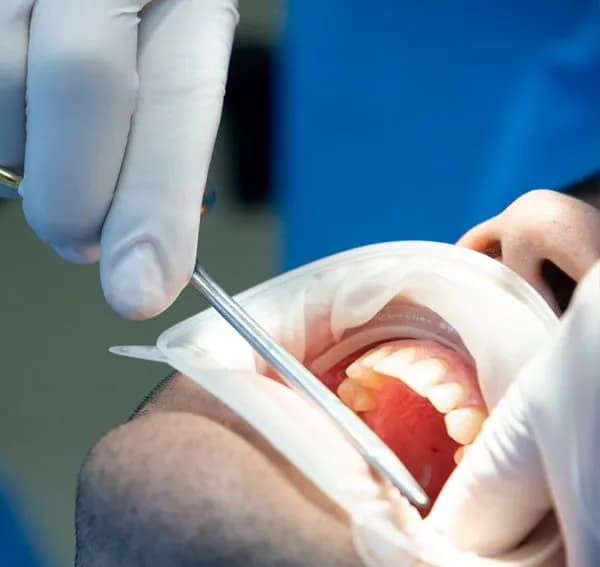
Root canal retreatment is the repeat treatment of a tooth that has previously had root canal treatment. This procedure is generally performed when the first root canal treatment has failed or the tooth has not healed. Some situations that may call for root canal retreatment are as follows:
Persistent Infection: After root canal treatment, the root canal may not have been completely cleaned or sufficiently sterilized. In this case, the infection can return.
New Decay or Fractures: New decay may form around the treated tooth, or the tooth may fracture again. This can allow bacteria to enter the tooth and reinfect the root canal.
Inadequate Filling or Restoration: If the tooth was not properly sealed during the initial treatment (for example, if the root canal was not completely filled or the filling has worn down over time), bacteria can re-enter the tooth.
Complex Canal Anatomy: Complexities in the root structure of the tooth may cause some root canals to be missed or left uncleaned during the initial treatment. Retreatment allows the overlooked canals to be cleaned.
Root Canal Treatment Performed Long Ago: In a tooth that has had root canal treatment, filling materials can wear down, the tooth can weaken, or problems can develop in the bone around the tooth. These situations may also require retreatment.
Root Canal Retreatment Process:
Removing the Old Filling: First, the filling, restoration, or bridge on the tooth that had root canal treatment is removed.
Cleaning the Canal: The old filling materials and infected tissue inside the canal are cleaned out.
Reshaping the Root Canals: The canals are enlarged and thoroughly disinfected.
Refilling: The root canals are filled again with a suitable material.
Resealing the Tooth: The top of the tooth is sealed appropriately, usually with a
filling or a crown (restoration).
Root canal retreatment can be more complex than the initial treatment. However, when performed correctly, it is possible to save the tooth and eliminate the infection.