Spec. Dt. Gökcan ErtaşOrthodontist
 Dt. Sena KırcaDentist
 Dt. Sevinç Cansu KayıranDentist
 Assoc. Prof. Dr. Sezin ÖzerPediatric Dentist
 Spec. Dt. Sude Yıldırım BolatSpecialist in Periodontology
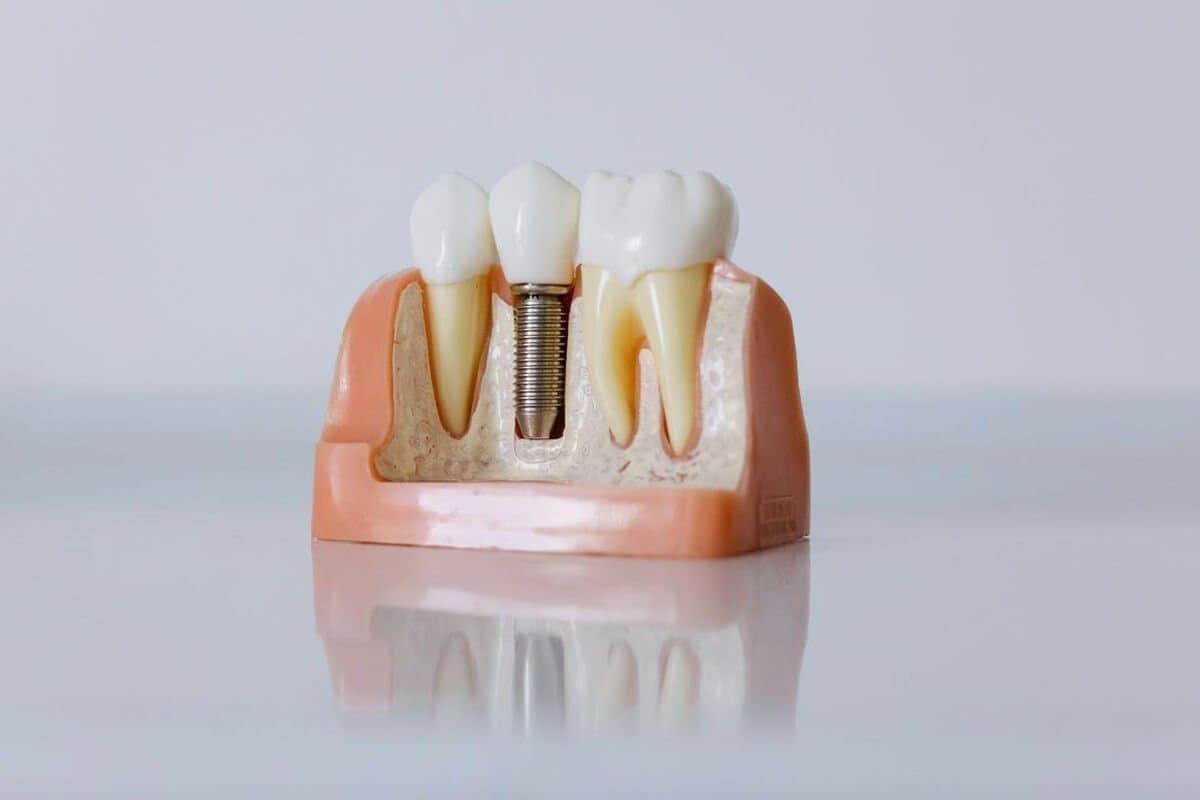
For a single missing tooth, implant treatment is a long-lasting and biologically protective solution that imitates the root and crown structure of the missing tooth without harming the neighboring teeth. In patients with sufficient bone volume, it provides the results closest to a natural tooth in terms of aesthetics and function. Implant treatment for a single missing tooth relies on the titanium screw placed in the jawbone integrating with the bone through the process of osseointegration. This method reduces bone resorption, distributes chewing forces in a balanced way and does not require cutting down the neighboring teeth. A bridge for a single missing tooth is based on the principle of reducing the teeth on both sides of the gap and using them as supports. The treatment time may be shorter, but there is the risk that healthy tooth tissue is ground down and that sensitivity may develop in the supporting teeth in the future. When choosing a treatment for a single missing tooth, the patient's bone density, systemic health, oral hygiene and long-term expectations are taken into account. Personalized planning based on the clinical and radiological evaluation noticeably increases treatment success and patient satisfaction.
Why Does a Single Missing Tooth Matter?
Although losing a single tooth may seem insignificant at first, it can cause chain reactions in oral health. Teeth form a structure in which they support one another. When a tooth is missing, the neighboring teeth begin to drift toward the gap. This drifting can lead to disruptions in tooth alignment, bite problems and even jaw joint disorders. In addition, the bone in the area of the missing tooth gradually resorbs, which can make more complex treatments such as implants harder later on. The aesthetic appearance is a further concern; gaps in your smile can shake your self-confidence. For this reason, early treatment of a single missing tooth is of great importance.
Functional and Aesthetic Effects of the Lost Tooth
Every lost tooth leaves a functional and aesthetic gap. During chewing, the pressure that would fall on the missing tooth shifts onto the neighboring teeth. This can cause these teeth to be overloaded and damaged over time. Not being able to break down food fully can negatively affect the digestive system. From an aesthetic point of view, the absence of a tooth in the front area in particular makes a noticeable difference when speaking and smiling. Lisping when pronouncing words or aesthetic concerns can limit social interactions. Correcting missing teeth is essential to preserve the natural alignment and function of your teeth.
Bone Loss and the Condition of the Neighboring Teeth
Tooth roots protect bone density by stimulating the jawbone. When a tooth is extracted, this stimulation disappears. As a result, the bone tissue in the area where the tooth was begins to resorb over time. This bone loss can affect not only that area but also the neighboring teeth. The roots of the neighboring teeth can also lose their support. In addition, the roots of teeth that drift toward the gap can become exposed, which lays the groundwork for gum recession. Early intervention can prevent this unwanted bone loss and tooth drifting.
What Is a Dental Implant and How Does It Work?
A dental implant is an artificial tooth root made of titanium that imitates the root of the lost tooth. It is placed in the jawbone with a surgical procedure and integrates with the bone over time (osseointegration). After this integration is complete, an aesthetic and functional dental prosthesis (crown) is placed on top of the implant. Like a natural tooth root, the implant stimulates the jawbone and prevents bone loss, and offers a stand-alone solution without touching the neighboring teeth. Implants are among the most natural and long-lasting solutions for missing teeth.
Advantages of Implant Treatment
The greatest advantage of implant treatment is that it offers the solution closest to natural teeth. It does not harm the neighboring teeth, because it forms a fixed structure on its own. It prevents bone loss by stimulating the jawbone, which helps preserve the facial structure. It has a high success rate and, with proper care, can be used for a lifetime. It fully restores chewing function and is extremely satisfying aesthetically. It creates no restriction in your speech or smile. Implants are ideal for those with long-term health and aesthetic expectations.
Disadvantages and Risks of Implant Treatment
Implant treatment requires a surgical procedure. For this reason, there are risks such as infection, nerve damage or failure of the implant to fuse with the bone. Because of bone healing, the treatment period can last several months. Its cost is generally higher than that of crown (bridge) treatments. In some cases, additional surgical procedures such as bone grafting may be required. Smoking, systemic diseases such as diabetes and inadequate oral hygiene can negatively affect implant success. As with every surgical procedure, implant treatment has potential risks.
Suitability Criteria for Implant Placement
Individuals in good general health are suitable for implant placement. Sufficient bone volume and density are critical for the successful placement of the implant. Careful oral hygiene is expected. Systemic diseases that are under control, such as diabetes and heart conditions, may not prevent implant treatment, but this should be evaluated under a doctor's supervision. Pregnant women, people undergoing active cancer treatment or those with certain immune deficiency conditions may not be suitable candidates for an implant. Your dentist will make the most accurate evaluation for you.
What Is Crown (Bridge) Treatment and How Does It Work?
Crown treatment is also known in everyday language as a bridge. For a single missing tooth, the healthy teeth on either side of the missing tooth are used as supports. These support teeth are specially prepared (ground down) and an artificial tooth prosthesis (usually three units) that will act as the bridge is cemented onto them. The middle part that replaces the missing tooth is called the "pontic" of the bridge. This method offers an aesthetic solution in place of the missing tooth but changes the natural structure of the neighboring teeth to some extent.
Advantages of Crown Treatment
The most important advantage of crown treatment is that the treatment time is generally shorter than that of an implant. It does not require a surgical procedure, which is a relief for patients who are wary of the procedure. It is also generally more economical than implants in terms of cost. When done well, it gives aesthetically satisfying results. It does not prevent bone resorption, but it prevents the drifting of the neighboring teeth. For those looking for a quick and economical solution, a crown can be attractive.
Disadvantages and Risks of Crown Treatment
The greatest disadvantage of crown treatment is that it requires grinding down the teeth used as supports. This procedure is irreversible and can cause these teeth to need additional treatments such as root canal treatment or crowns over time. The risk of decay or infection in the support teeth increases. The area under the bridge can be difficult to clean with regular brushing and flossing, which increases the risk of gum disease. The lifespan of the bridge may not be as long as that of an implant, and it may need to be renewed over time. Intervening on your neighboring teeth can create a disadvantage in the long term.
Grinding Down the Neighboring Teeth and Future Effects
In crown treatment, the surfaces of the support teeth on which the bridge will sit are specially thinned in order to create a smooth base and to secure the prosthesis. This thinning removes the enamel, the outermost layer of the tooth, and the dentin layer beneath it. This can cause the tooth to become sensitive and more responsive to cold and hot stimuli. In addition, the risk of these teeth losing their vitality increases, and a need for root canal treatment may arise in later years. Sacrificing healthy tooth tissue is the most critical disadvantage of crown treatment.
Implant or Crown? A Comparative Analysis
The answer to the question of implant or crown for a single missing tooth varies according to individual needs, oral health status and expectations. Both methods have their own advantages and disadvantages. A comprehensive comparison is essential to make the right decision.
Durability and Life Expectancy
Implants are extremely durable thanks to the integration of titanium with the bone. With proper care and hygiene, they have the potential to be used for a lifetime. The lifespan of crown (bridge) treatments generally ranges between 10 and 15 years, although this period can be shorter or longer depending on the health of the support teeth and oral hygiene. Situations such as decay of the teeth under the bridge or gum recession can shorten the life of the bridge. If you are looking for a long-term and permanent solution, implants are more advantageous.
Cost Analysis (In the Long Term)
In terms of initial investment cost, implants are generally more expensive than crown treatments. However, the picture can change when long-term cost is considered. Given that implants can be used for a lifetime, the likelihood of incurring treatment expenses again in later years is lower. Crown treatments, on the other hand, may need to be renewed after 10-15 years, which means additional cost. In addition, the possibility that teeth ground down for a crown will need additional treatments such as root canal treatment in the future can also increase the cost. In the long term, an implant can be a more economical investment.
Aesthetic and Functional Results
Both treatment methods can offer aesthetically satisfying results. However, implants provide the look and feel closest to your natural teeth. Because they are independent of the neighboring teeth, they have a natural appearance. They fully restore chewing function. Although crown bridges also give good aesthetic results, they can sometimes feel artificial. In addition, if the gum under the bridges recedes over time, a dark line may appear at the edge of the prosthesis. Implants stand out for those seeking naturalness and full functionality.
Effect on the Neighboring Teeth
This is one of the most fundamental differences between the two treatments. Implants do not interfere with the neighboring teeth in any way. It is a completely independent solution. In crown (bridge) treatment, on the other hand, the healthy teeth on the sides must be ground down in order to support the bridge. This leads to the loss of healthy tooth tissue and potentially jeopardizes the future health of these teeth. If you want to protect the health of your neighboring teeth, implants are undeniably the better choice.
Treatment Process and Comfort
The duration of implant treatment, including the bone healing time, generally takes several months. This process includes the surgical procedure and then the placement of the prosthesis. Crown treatment, on the other hand, is generally faster and can be completed within a few weeks. The fact that it does not require a surgical procedure can make crown treatment a more comfortable option for some patients. However, the comfort of both treatments varies from person to person depending on the patient's pain threshold and healing process. For those who want quick results, a crown may be more suitable.
Oral Hygiene and Ease of Care
Implants can be easily cleaned with brushing and flossing like natural teeth. Because they are integrated with the bone, problems such as food accumulating underneath do not occur. In crown (bridge) treatments, the area under the bridge must be cleaned more carefully using special brushes or floss. Failure to clean these areas fully can increase the risk of gum inflammation and decay. If you want to make your daily oral care easier, implants are more practical.
When Should an Implant Be Preferred?
One of the clearest answers to the question of implant or crown for a single missing tooth is that if you are looking for a long-term and natural solution, the implant stands out. If you do not want your neighboring teeth to be touched, if you want to protect the health of your jawbone, and if your budget suits a long-term investment, an implant may be the right choice for you. Especially in young patients, implants are often recommended in order to prevent problems that may arise in the future.
When the Neighboring Teeth Are Healthy
If the teeth next to your missing tooth are completely healthy, without decay and without fillings, it makes much more sense to have an implant than to grind these teeth down to make a bridge. Preserving healthy tooth tissue is one of the basic principles of oral health. The implant is the least harmful way of correcting the gap without touching these healthy teeth. Instead of sacrificing your healthy teeth, it is wise to choose a solution that does not touch them.
Cases Where Bone Support Is Sufficient
One of the most important factors for the success of an implant is sufficient bone volume and density. If not much time has passed since the tooth extraction, or if bone-preserving measures were taken during the extraction, the bone support is generally sufficient. Sufficient bone allows the implant to be placed stably and to fuse successfully with the bone. Your bone density forms the foundation of implant treatment.
Those Seeking a Long-Term and Permanent Solution
With proper care, implants offer durability for almost a lifetime. With this feature, they are ideal for patients who are looking for a permanent solution instead of temporary ones. They eliminate the need to undergo treatment repeatedly or to replace the prosthesis. If you want to make a solid investment for the future, implants should be your priority.
When Should a Crown (Bridge) Be Preferred?
In the question of implant or crown for a single missing tooth, in some cases crown treatment can be a more suitable alternative. Crown treatment can be considered especially if a short treatment time and a lower cost are your priority. In addition, in situations such as certain health conditions that make you unsuitable for an implant or insufficient bone, bridge treatment can also offer a solution.
Situations Where the Treatment Time Needs to Be Short
Some special situations or urgent needs may require the treatment to be completed quickly. For example, in cases such as resolving an aesthetic concern before an important social event or correcting the gap before starting another treatment, crown treatment, which can be completed within a few weeks, can be more practical. For patients with time constraints, a crown can be a lifesaver.
Health Conditions Unsuitable for an Implant
Some systemic diseases (diabetes that cannot be kept under control, certain autoimmune diseases), having undergone radiotherapy, severe bone loss or other medical conditions that make implant surgery risky can make implant treatment impossible. In such cases, crown treatment offers a safer alternative for correcting the gap. Your health matters above all else; in situations where an implant is risky, a crown is a safe haven.
Cases Where Cost Is the Primary Factor
Budget can play an important role in the treatment decision. Implant treatment may not be suitable for everyone because of its high initial cost. In this case, crown treatment offers a more economical alternative, making the missing tooth problem more attainable. If you have financial constraints, a crown may be a more realistic option.
Things to Consider When Deciding on a Single Missing Tooth
The question of implant or crown for a single missing tooth is not just a technical comparison. You also need to take into account your personal expectations, lifestyle and oral health status. To make the right decision, you should evaluate all these factors together.
Open Communication With Your Dentist
Your dentist is your most important guide in determining the most suitable treatment option for you. Express all your concerns, expectations and questions openly. Your dentist will examine your oral health status in detail, take X-rays and explain to you in detail the pros, cons, success rates and costs of both treatments. Working with a trusted dentist is critical to the success of the treatment.
Budget and Cost Expectations
Evaluate the total cost of treatment, considering not only the initial fee but also possible additional long-term expenses. Remember that although the initial cost of an implant is high, it can be more economical in the long run. Although the initial cost of a crown is lower, take into account that it may require renewal or additional treatment in the future. When making your financial plan, also consider long-term costs.
Personal Expectations and Lifestyle
How natural a look and feel do you want? How much time can you devote to oral hygiene? How much of your chewing function do you expect to be restored? The answers to these questions will help determine which treatment is more suitable for you. For example, if perfect naturalness and full functionality are most important to you, implants may be more suitable. Determining your personal priorities makes the right choice easier.
Which Treatment Is Better for a Single Missing Tooth? Conclusion and Recommendations
There is no definitive answer to the question of implant or crown for a single missing tooth. Both treatment methods can give successful results, but the best option depends on your individual situation. Generally speaking, implants offer a superior solution in terms of long-term health, naturalness and functionality. They do not harm the neighboring teeth, prevent bone loss and, with proper care, can be used for a lifetime. However, they have disadvantages such as requiring a surgical procedure, a longer treatment time and a high initial cost. Crown (bridge) treatment, on the other hand, offers a faster and more economical solution. It does not require a surgical procedure. However, it requires grinding down the neighboring healthy teeth, which can lead to problems in the long term. In addition, oral hygiene care must be done more carefully and its lifespan may not be as long as that of an implant. In summary:
Implant: Does not touch the neighboring teeth, prevents bone loss, is long-lasting and offers a natural feel and appearance. Requires a high initial cost and a surgical procedure.
Crown (Bridge): Is quick and more economical and does not require a surgical procedure. Grinds down the neighboring teeth, oral hygiene requires more attention and its lifespan is shorter.
Before making your final decision, be sure to have a detailed discussion with your dentist. They will evaluate your specific situation and give you the most accurate guidance. Who Is It Suitable For?
Implant: Those who want to preserve healthy tooth tissue, those who care about jawbone health, those looking for a long-term and permanent solution, those who want naturalness in aesthetics and function, and those whose general health is suitable for implant surgery.
Crown (Bridge): Those who want a short treatment time, those who have concerns about the surgical procedure of an implant, those with a more limited budget, and those with health conditions unsuitable for an implant (with the dentist's approval).
Who Is It Not Suitable For?
Implant: Those with insufficient bone volume (cases that cannot be corrected with bone grafting), those with diabetes that cannot be kept under control or other serious systemic diseases, those with active gum inflammation or infection, those with a high degree of smoking dependence (it lowers the success rate), and pregnant women.
Crown (Bridge): When the support teeth have decay or inadequate fillings, when the toothless area is very wide (bridges of more than three units are less stable), those who absolutely do not want the neighboring teeth ground down, and those at high risk of gum disease.
Mistakes to Avoid
Neglecting a single missing tooth: Allowing the gap to lead to bigger problems over time.
Focusing only on cost: Ignoring the analysis of long-term benefit and cost.
Not listening to the dentist's recommendations: Deciding on your own or based on hearsay.
Not taking care of oral hygiene: Neglecting care, whichever treatment is chosen.
Skipping post-treatment check-ups: Preventing early detection of problems that may arise.